SaaS companies grow fast. Customer expectations grow even faster. Without the right ticketing software for SaaS, support teams struggle to manage customer inquiries across various channels. Emails, chats, and service requests pile up. Customer data becomes scattered. Response times slow down.
A robust ticketing system brings structure to the customer support process. It centralizes customer interactions. It improves ticket management. It helps support agents deliver efficient customer service at scale. With automation capabilities, repetitive tasks reduce. With an integrated knowledge base and self-service options, customer queries get resolved faster.
Modern SaaS help desk software does more than act as a help desk. It becomes a scalable solution for service management, collaboration tools, and advanced analytics. The right help desk platform strengthens the entire customer journey and drives higher customer satisfaction.
What Is Ticketing Software For SaaS
Ticketing software for SaaS is a help desk platform built for software as a service businesses. It helps support teams manage customer inquiries, service requests, and customer communications in one place. Every customer request becomes a ticket inside a robust ticketing system. Support agents can track status, assign tasks, and meet service level agreements. It creates a clear and structured customer support process.
A SaaS help desk software also connects customer data across multiple channels. It supports multichannel support such as email, chat, and web forms. Automation capabilities reduce repetitive tasks and improve service delivery. An integrated knowledge base and self-service options help customers solve simple issues. The result is efficient customer service, better ticket management, and stronger customer satisfaction across the entire customer journey.
Why SaaS Companies Struggle With Customer Support At Scale
Rapid growth creates pressure on customer support teams. SaaS companies must handle more customer inquiries across multiple channels. Expectations rise with every higher tier plan. Without a scalable solution and structured service management, service requests become hard to control and customer satisfaction drops quickly.
High Volume Of Customer Inquiries
SaaS companies serve users across regions and time zones. A single product update can trigger hundreds of customer queries. Zendesk reports that 70% of customers expect a response within one hour. Many support teams fail to meet that benchmark.
A weak ticketing system makes ticket management chaotic. Urgent or complex issues get buried under routine service requests. Without a robust ticketing system, support agents lose visibility. The customer support process becomes reactive instead of strategic.
Fragmented Customer Communications
Customer interactions happen across email, live chat software for websites, phone, and social media. Multichannel support sounds simple but often creates data silos. HubSpot research shows that 90% of customers expect consistent customer engagement across channels.
Disconnected desk software prevents teams from accessing complete customer data. A customer service team may respond without context. That hurts customer experience and slows service delivery. A unified help desk platform is often missing in fast-growing SaaS businesses.
Manual And Repetitive Tasks
Support teams spend hours on repetitive tasks. Password resets, billing queries, and basic technical support requests fill the queue. McKinsey estimates that support automation tools can reduce support workload by up to 30%.
Without advanced automation and workflow rules, service desk operations stay manual. Support agents waste time on tasks that a SaaS help desk tool could handle. The result is slower first response time and reduced customer happiness.
Lack Of Clear Service Level Agreements
Service level agreements define response and resolution time. Many SaaS companies do not track them properly. A study by SuperOffice shows that only 41% of companies respond to customer emails within six hours.
Without SLA tracking inside the help desk software, priority tickets suffer. Ticket management lacks structure. Customer expectations rise while performance declines. A structured service management system becomes essential for high quality service.
Limited Insight And Analytics
Data drives smart support decisions. Yet many SaaS help desk setups lack advanced analytics. Without metrics, teams cannot measure customer satisfaction or service efficiency.
Advanced features like reporting dashboards and performance tracking improve the support process. Analytics reveal bottlenecks in project management and team collaboration tools. Clear insights help desks enable teams to deliver exceptional customer support across the entire customer journey.
How Ticketing Software Supports SaaS Growth
SaaS companies rely on strong customer support to scale revenue and retention. A structured ticketing system improves service delivery and protects customer satisfaction. It helps support teams handle more service requests without adding excessive cost or complexity.
Centralized Ticket Management
A ticketing software for SaaS centralizes all customer inquiries in one help desk platform. Every customer request becomes trackable inside a robust ticketing system. Support agents gain full visibility across multiple channels.
Gartner reports that organizations using structured service management tools reduce resolution time by up to 25%. Clear ticket management prevents lost customer queries. It ensures urgent or complex issues receive priority. That structure strengthens the entire customer journey.
Automation And Workflow Efficiency
Automation capabilities reduce repetitive tasks inside the customer support process. Password resets, billing confirmations, and status updates move through predefined workflows. Advanced automation saves time and reduces human error.
McKinsey estimates automation can lower support costs by 30%. A SaaS help desk tool with workflow rules improves efficient customer service. Support teams handle higher ticket volume without expanding headcount. That creates a scalable solution for fast-growing SaaS companies.
Multichannel Support Integration
Modern customers expect multichannel support software. They contact support through email, chat, social media, and web forms. A unified desk solution connects various channels into one service desk.
HubSpot research shows 90% of customers expect consistent customer communications across channels. A SaaS help desk software stores all customer data in one place. Support agents respond with context. That improves customer experience and builds customer trust.
Improved SLA And Service Quality
Service level agreements define response and resolution targets. A structured ticketing system tracks SLA performance in real time. Managers monitor delays and adjust resources quickly.
SuperOffice data shows that 62% of companies fail to respond within one hour. A help desk software with SLA monitoring protects service delivery standards. Clear accountability leads to high quality service and stronger customer satisfaction.
Knowledge Base And Self Service Options
An integrated knowledge base empowers customers to solve common issues. Self-service options reduce ticket volume and support repetitive tasks. Forrester reports that 73% of customers prefer self-service when available.
A SaaS help desk integrates knowledge articles directly into the support process. Customers find answers without contacting the customer service team. Support agents focus on technical support and complex service requests. That balance improves customer happiness.
Advanced Analytics And Insights
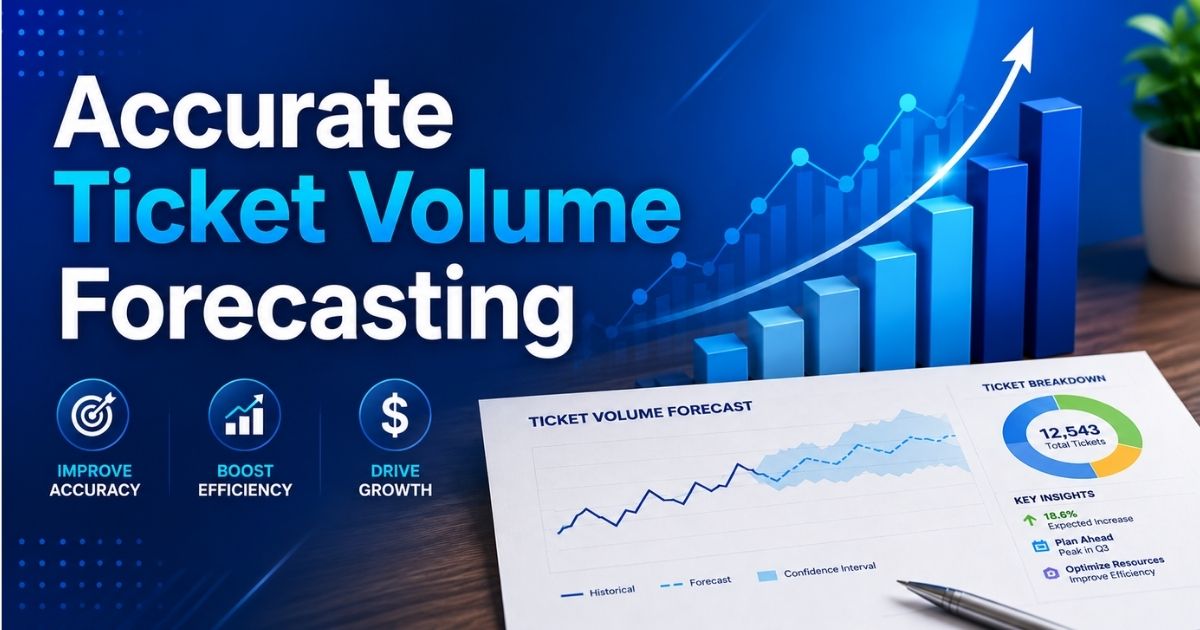
Growth requires data. Advanced analytics inside a help desk platform reveal trends in customer queries and service requests. Managers identify bottlenecks and track support process performance.
Reports show that data-driven service teams achieve 20% higher customer satisfaction scores. A ticketing software for SaaS delivers insights on response time, resolution rate, and customer support productivity. Analytics strengthen project management and team collaboration tools.
Scalable Support Infrastructure
SaaS companies add users quickly. A scalable solution ensures the support system grows at the same pace. Cloud-based SaaS help desk software adapts without heavy infrastructure costs.
Statista projects global SaaS revenue to exceed $300 billion. Growth demands reliable service management tools. A robust ticketing system supports seamless service across higher-tier plans. Strong infrastructure protects exceptional customer support at every growth stage.
Core Features Of A SaaS Ticketing Software
A strong ticketing software for SaaS must support growth, service management, and customer satisfaction. The right help desk platform helps support teams manage customer inquiries across multiple channels. Clear structure and smart automation drive efficient customer service and consistent service delivery.
Robust Ticket Management System
A robust ticketing system is the foundation of SaaS help desk software. Every customer request must convert into a trackable ticket. Support agents need full visibility into ticket status, priority, and service level agreements.
Research from Salesforce shows that 88% of customers value transparency during customer interactions. Structured ticket management ensures no customer queries get lost. A centralized service desk improves the customer support process and strengthens customer experience across the entire customer journey.
Automation Capabilities
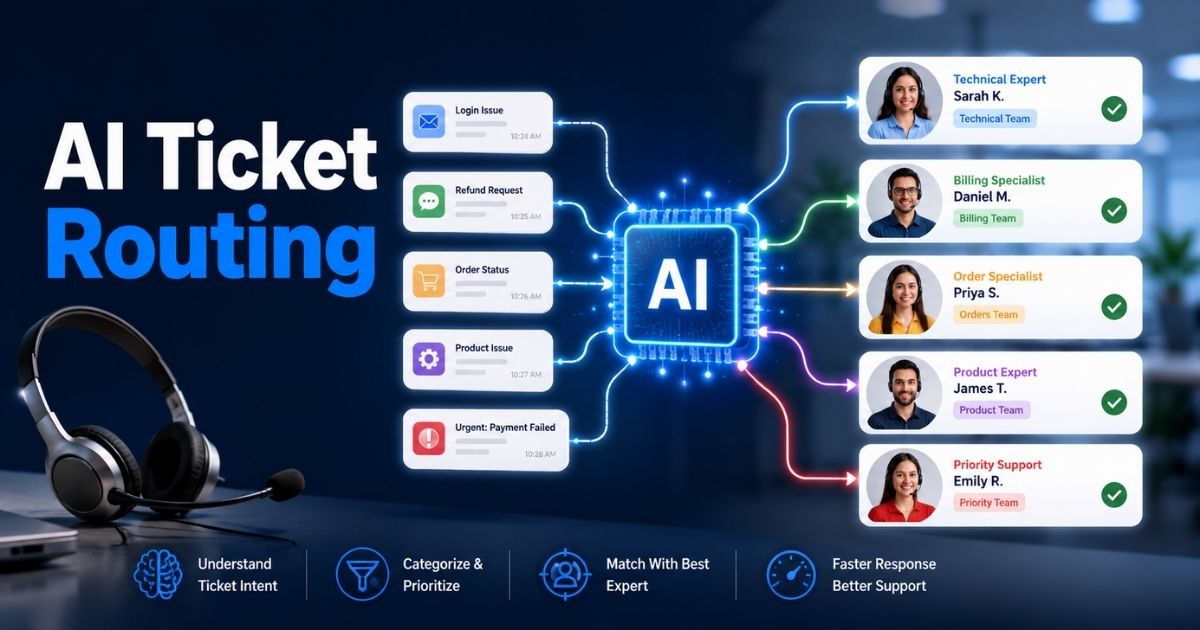
Automation capabilities reduce repetitive tasks and manual errors. Workflow rules assign tickets automatically based on urgency or category. Advanced automation can trigger alerts for urgent or complex issues.
McKinsey reports that automation improves service efficiency by up to 30%. A SaaS help desk tool with automation reduces workload management for support agents. That leads to seamless service and faster response times. Efficient processes improve customer happiness and reduce operational cost.
Multichannel Support
Customers contact SaaS companies through email, chat, and social media. Multichannel support connects various channels into one help desk platform. All customer communications stay in a single system.
HubSpot data shows that 90% of customers expect consistent experiences across multiple channels. A unified desk solution ensures that complete customer data is available. Support teams manage customer communications without confusion. Strong channel integration improves customer engagement and high quality service.
Integrated Knowledge Base
An integrated knowledge base software supports self-service options. Customers prefer quick answers before contacting the customer service team. Forrester reports that 73% of customers prefer self-service for simple issues.
A SaaS help desk with knowledge base features reduces ticket volume. Support agents focus on technical support and complex service requests. Clear documentation enhances the support process. It also improves customer satisfaction across paid plans and higher-tier plans.
Advanced Analytics And Reporting
Advanced analytics provide visibility into service performance. Customer support metrics such as response time, resolution rate, and SLA compliance guide better decisions. Data strengthens project management and team collaboration tools.
Research shows data-driven support teams achieve 20% higher customer satisfaction scores. A help desk software with reporting dashboards highlights gaps in service delivery. Clear insights allow SaaS companies to refine their customer support experience and deliver exceptional service at scale.
Difference Between Ticketing Software And Basic Help Desk Tools
Many SaaS companies assume a basic help desk is enough. Growth changes that reality. Ticketing software for SaaS offers deeper service management, automation capabilities, and analytics that basic desk software often lacks.
| Feature | Ticketing Software For SaaS | Basic Help Desk Tools |
|---|---|---|
| Ticket Management | Robust ticketing system with priority rules, SLA tracking, and workflow automation | Simple ticket logging with limited tracking |
| Automation Capabilities | Advanced automation for repetitive tasks and routing | Minimal or no automation features |
| Multichannel Support | Unified inbox across multiple channels | Often limited to email support |
| Service Level Agreements | Built-in SLA monitoring and alerts | Manual tracking or unavailable |
| Advanced Analytics | Detailed dashboards and performance reports | Basic reporting only |
| Integrated Knowledge Base | Self-service options with searchable knowledge base | May not include knowledge base |
| Scalability | Designed as a scalable solution for growing SaaS companies | Suitable for small teams with low ticket volume |
| Customer Experience Impact | Supports structured customer support process and higher customer satisfaction | Limited visibility across customer interactions |
How To Choose The Right Ticketing Software For SaaS
Selecting the right ticketing software for SaaS affects growth, customer satisfaction, and long term costs. A strong help desk platform improves service management and supports support teams at scale. Careful evaluation prevents costly migration later.
Define Support Requirements
Clear requirements prevent wrong decisions. SaaS companies must assess ticket volume, customer inquiries, and service level agreements. Growth projections matter.
Gartner reports that 55% of software buyers regret purchases due to unclear needs. A detailed checklist of core features helps. Focus on ticket management, automation capabilities, and multichannel support. Align the desk solution with your customer support process and service delivery goals.
Evaluate Automation Capabilities
Automation capabilities reduce repetitive tasks and manual routing. Workflow rules assign service requests based on priority or category. Advanced automation improves response speed.
McKinsey states automation can reduce service costs by 30%. A SaaS help desk tool should automate ticket escalations and alerts for urgent or complex issues. Strong automation ensures efficient customer service and protects customer happiness.
Check Multichannel Support
Customers expect access across multiple channels. Email, chat, and social platforms must connect inside one service desk. Fragmented systems hurt customer experience.
HubSpot data shows 90% of customers expect consistent customer communications across channels. A help desk software should unify various channels and centralize customer data. Seamless communication improves the entire customer journey.
Review Analytics And Reporting
Advanced analytics drive smarter decisions. A ticketing system must track average resolution time, SLA compliance, and customer satisfaction. Clear dashboards support team collaboration tools and project management.
Data-driven service teams achieve up to 20% higher customer satisfaction scores. A SaaS help desk software with reporting features identifies gaps in service delivery. Insight leads to exceptional customer support and measurable performance improvement.
Assess Integration Options
Integration strengthens service management. The help desk platform should connect with CRM, billing, and product tools. Smooth data flow reduces manual updates.
Integration with tools like Jira Service Management or Jira Service Desk improves technical support workflows. A connected ecosystem enhances customer engagement and improves the support process. Disconnected systems slow response and reduce high-quality service.
Examine Scalability And Pricing
Growth requires a scalable solution. The SaaS help desk must support higher-tier plans and rising ticket volume. Flexible paid plans prevent sudden cost spikes.
Statista projects SaaS revenue to exceed $300 billion globally. Expansion demands adaptable desk software. Review whether paid plans start with essential features or limit automation and analytics. The right help desk software should grow with your SaaS companies, not restrict them.
Prioritize User Experience
An intuitive interface improves adoption among support agents. Complex systems reduce efficiency. A clear design shortens training time.
Forrester research shows better agent experience leads to improved customer support experience. Easy navigation enhances ticket management and customer interactions. A simple yet powerful SaaS help desk ensures seamless service and long term customer satisfaction.
Implementation Best Practices For Smooth Adoption
Successful implementation of ticketing software for SaaS requires planning and alignment. A structured rollout protects service management and customer satisfaction. Clear processes help support teams adapt faster and maintain efficient customer service during transition.
Set Clear Objectives
Clear objectives guide the entire rollout. Define what success looks like for your customer support process. Focus on response time, SLA compliance, and customer satisfaction metrics.
Prosci research shows projects with defined goals are 6 times more likely to succeed. Align objectives with service delivery standards and growth plans. A clear vision ensures the help desk platform supports the entire customer journey.
Involve Support Teams Early
Support agents use the ticketing system daily. Early involvement builds trust and reduces resistance. Customer feedback management improves desk features and workflow design.
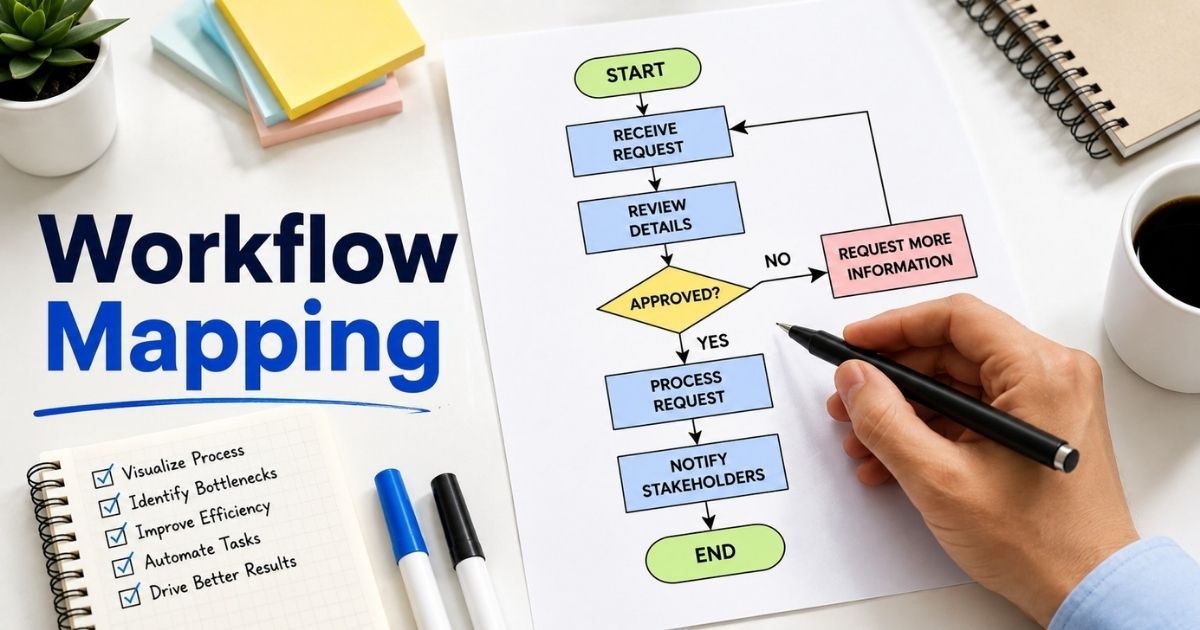
Gallup data shows engaged teams deliver 21% higher productivity. Include the customer service team in workflow mapping and ticket management setup. Collaboration tools strengthen ownership and improve customer support experience from day one.
Migrate Customer Data Carefully
Customer data accuracy affects service quality. Poor migration disrupts customer interactions and delays service requests. Audit all records before transfer.
IBM reports that poor data quality costs organizations billions annually. Validate customer inquiries, service level agreements, and historical tickets before launch. Clean data supports seamless service and protects customer expectations.
Configure Automation And SLA Rules
Automation capabilities improve efficiency when configured properly. Define rules for ticket routing and escalation. Protect urgent or complex issues with clear service level agreements.
McKinsey estimates automation reduces operational costs by up to 30%. Smart setup prevents repetitive tasks from overwhelming support teams. Proper configuration strengthens service management and improves customer happiness.
Train Teams On Core Features
Training ensures effective use of SaaS help desk software. Focus on ticket management, multichannel support, and advanced analytics. Short sessions improve retention.
Forrester research shows structured training increases adoption rates by over 30%. A confident team delivers exceptional customer support. Strong knowledge of desk software improves efficient customer service and reduces errors in the support process.
Monitor Performance After Launch
Post-launch monitoring protects service delivery. Track response time, resolution rate, and customer satisfaction. Use advanced analytics inside the help desk platform.
Data-driven organizations are 23 times more likely to acquire customers, according to McKinsey. Regular reviews help refine workflows and automation capabilities. Continuous evaluation strengthens customer engagement and ensures high quality service.
Optimize Based On Feedback
Customer feedback reveals gaps in the support process. Collect insights from support agents and users. Adjust workflows and desk solution settings when needed.
Harvard Business Review reports that companies acting on product feedback management see higher retention rates. Continuous improvement protects the entire customer journey. A flexible ticketing software for SaaS supports long term growth and exceptional service standards.
Real World Use Cases Across Different SaaS Business Models
Different SaaS companies face different customer service challenges. A scalable ticketing software for SaaS adapts to each model. Strong service management, automation capabilities, and multichannel support help deliver consistent customer experience across industries and growth stages.
B2B Enterprise SaaS
Enterprise SaaS companies manage complex service requests. Clients expect strict service level agreements and fast resolution. A robust ticketing system ensures priority routing for urgent or complex issues.
Gartner reports that 84% of B2B buyers consider customer experience as important as the product. Advanced analytics and detailed reporting improve service delivery. Integration with project management and collaboration tools strengthens the customer support process.
B2C SaaS Platforms
B2C SaaS companies handle high ticket volume daily. Customer inquiries come from multiple channels such as chat and email. A help desk platform centralizes all customer communications.
HubSpot data shows 90% of consumers expect quick responses. Automation capabilities reduce repetitive tasks like password resets. A SaaS help desk software improves ticket management and supports efficient customer service at scale.
Freemium SaaS Models
Freemium SaaS attracts large user bases. Free plan users generate many customer queries. Paid plans demand faster support and higher tier plans often include priority service.
A structured service desk separates tickets by plan level. Clear SLA rules protect premium customer satisfaction. Self service options and an integrated knowledge base reduce basic service requests and improve customer happiness.
Technical Or Developer SaaS
Developer-focused SaaS tools receive detailed technical support tickets. Issues often relate to integrations, APIs, or Jira Service Management workflows. A connected ecosystem improves response accuracy.
Statista projects developer tools market growth above 20% annually. A SaaS help desk tool with advanced features helps manage complex ticket management. Access to full customer data improves customer interactions and service quality.
Subscription-Based SaaS
Subscription SaaS relies on retention. Poor customer support experience increases churn risk. Bain & Company research shows that increasing retention by 5% can boost profits by 25% to 95%.
A ticketing system improves the entire customer journey. Advanced analytics track churn signals inside the support process. Efficient customer service protects recurring revenue and strengthens customer engagement.
Startup SaaS Companies
Startup SaaS teams operate with limited support agents. Manual processes slow service delivery. A scalable solution prevents overload during rapid growth.
McKinsey notes that startups with strong automation scale faster. Automation capabilities reduce repetitive tasks. A SaaS help desk centralizes service requests and customer communications. Early investment in the right help desk software ensures long term goals.
Global SaaS Providers
Global SaaS companies support users across time zones. Multichannel support and 24/7 service desk access become essential. Clear service management improves consistency.
Research shows that 76% of customers expect consistent support across regions. A unified help desk platform maintains seamless service worldwide. Strong ticket management and SLA tracking protect exceptional customer support standards globally.
Future Trends In SaaS Customer Support Technology
SaaS companies face rising customer expectations and rapid product evolution. Modern ticketing software for SaaS continues to evolve with automation, analytics, and smarter service management. Emerging technologies will reshape how support teams deliver efficient customer service and customer satisfaction.
AI-Powered Support Automation
AI is transforming the customer support process. Advanced automation now predicts ticket categories and suggests responses. AI chatbots handle basic customer inquiries across multiple channels.
Gartner predicts that by 2027, 25% of customer service operations will use AI assistants daily. AI improves ticket management and reduces repetitive tasks. A SaaS help desk software with AI features ensures faster resolution and seamless service delivery.
Predictive Analytics And Insights
Advanced analytics now move beyond historical reports. Predictive models analyze customer data to identify churn risks and service gaps. Support teams act before issues escalate.
McKinsey reports that data-driven organizations are 23 times more likely to acquire customers. Predictive analytics strengthen service management and improve the entire customer journey. A help desk platform with smart insights supports proactive customer engagement.
Unified Omnichannel Experience
Customers expect consistent support across various channels. Email, chat, social media, and in-app messaging must connect inside one service desk. Fragmented systems no longer meet customer expectations.
HubSpot research shows 90% of customers demand consistent customer interactions across channels. A unified desk solution centralizes customer communications and improves service delivery. Strong multichannel support increases customer happiness.
Self Service And Knowledge Expansion
Self service options continue to expand. An integrated knowledge base reduces service requests and empowers users. Customers prefer solving simple problems independently.
Forrester states that 73% of customers favor self service when available. SaaS help desk tools now integrate AI search within knowledge articles. That enhances customer experience and reduces workload for support agents.
Deeper Product And CRM Integrations
Modern ticketing systems integrate with CRM, billing, and tools like Jira Service Management. Unified systems improve technical support and project management coordination.
Salesforce reports that 79% of customers expect personalized support. Connected customer data enhances service quality. Strong integrations allow support teams to manage customer inquiries with full context and accuracy.
Focus On Agent Experience
Agent experience directly impacts customer satisfaction. An intuitive interface and smart desk features improve productivity. Collaboration tools support better team communication.
Gallup research shows engaged teams increase productivity by 21%. SaaS help desk software now emphasizes usability and advanced features for support agents. Better internal workflows lead to exceptional customer support and high quality service.
Scalable Cloud-Based Infrastructure
Cloud adoption continues to accelerate across SaaS companies. A scalable solution ensures service delivery keeps pace with growth. Flexible paid plans allow expansion without infrastructure limits.
Statista projects global SaaS revenue to exceed $300 billion. Growth demands reliable service management systems. A cloud-based ticketing software for SaaS ensures seamless service and strong SLA performance across global markets.
Common Mistakes SaaS Companies Make When Selecting Support Software
Choosing the wrong ticketing software for SaaS creates long term operational issues. Many SaaS companies focus on price instead of service management value. Poor selection weakens the customer support process and reduces customer satisfaction over time.
Ignoring Scalability Needs
Growth changes support demand quickly. A help desk platform that works for ten support agents may fail at fifty. Ticket volume rises as paid plans and higher tier plans expand.
Statista projects SaaS revenue to surpass $300 billion globally. A non scalable solution struggles with rising service requests. Limited desk features restrict automation capabilities and SLA tracking. Long term growth requires flexible infrastructure.
Overlooking Automation Capabilities
Manual workflows slow service delivery. Many SaaS companies choose desk software without advanced automation. Repetitive tasks then overwhelm support teams.
McKinsey estimates automation can cut service costs by 30%. A SaaS help desk tool must automate routing, escalations, and notifications. Weak automation reduces efficient customer service and delays urgent or complex issues.
Neglecting Multichannel Support
Customers expect support across various channels. Some companies rely only on email-based help desk systems. Fragmented communication harms customer experience.
HubSpot reports that 90% of customers expect consistent customer interactions across channels. A modern service desk should unify chat, email, and social platforms. Strong multichannel support protects customer engagement and satisfaction.
Failing To Review Integration Options
Disconnected systems create data silos. Customer data stored separately from CRM or project management tools slows technical support.
Salesforce research shows 79% of customers expect personalized service. Integration with tools like Jira Service Management improves workflow accuracy. A connected ecosystem strengthens service management and improves the support process.
Underestimating Analytics And Reporting
Without advanced analytics, performance gaps remain hidden. Some SaaS companies ignore reporting features during evaluation. That limits insight into service level agreements and resolution time.
Data-driven teams achieve up to 20% higher customer satisfaction scores. A help desk software with strong reporting improves ticket management. Clear dashboards enhance decision-making and service quality.
Choosing Based On Price Alone
Low-cost tools often lack core features. A free plan may exclude automation capabilities or SLA monitoring. Paid plans start at different tiers with feature limitations.
Gartner reports that over 55% of software buyers regret purchases due to poor evaluation. A ticketing system must support long-term service delivery. Price should align with value, scalability, and customer happiness.
Ignoring User Experience
Complex systems reduce adoption among support agents. An unintuitive interface slows ticket management and customer interactions.
Forrester research shows better agent experience improves overall customer support experience. A SaaS help desk software must offer simple navigation and collaboration tools. Clear workflows improve efficient customer service and protect the entire customer journey.
Why EasyDesk Is A Smart Ticketing Software For SaaS Companies
EasyDesk delivers a powerful desk solution built for modern software as a service teams. It combines robust ticketing system capabilities with advanced features designed for scale. Support agents manage customer communications across various channels inside one intuitive interface. Strong desk features help desks enable teams to streamline service requests without complexity. Paid plans start with essential tools, while higher-tier plans unlock deeper automation and reporting.
EasyDesk also supports seamless service across the entire customer journey. Advanced automation reduces repetitive tasks and improves service delivery speed. Advanced analytics provide visibility into customer request trends and team performance. Integration options strengthen project management and technical support workflows. The result is efficient customer service, improved customer happiness, and exceptional service standards for growing SaaS companies.
FAQs
Is Ticketing Software For SaaS Suitable For Small Teams?
Yes. A SaaS help desk can support small support teams with automation capabilities and structured ticket management. Even with limited agents, a robust ticketing system helps manage customer inquiries efficiently and improves customer satisfaction from the start.
Can A Ticketing System Improve Customer Retention?
Yes. A strong customer support process directly impacts retention. Faster resolution, clear service level agreements, and seamless service delivery improve customer experience and reduce customer churn across paid plans and subscription models.
Does Ticketing Software Help With Compliance And Audit Trails?
Yes. Modern help desk software keeps detailed records of customer interactions and service requests. Audit logs and reporting features help SaaS companies maintain transparency and meet internal compliance standards.
Is A Free Plan Enough For Growing SaaS Companies?
No. A free plan may lack advanced analytics, automation capabilities, and multi channel support. Growing SaaS companies need a scalable solution with key features that support higher ticket volume and complex customer communications.
How Does Ticketing Software Support Remote Support Teams?
Cloud-based desk software enables support agents to manage customer requests from anywhere. A centralized help desk platform improves collaboration tools and ensures consistent service delivery across time zones.
Can Ticketing Software Integrate With DevOps Or Product Teams?
Yes. Integration with tools like Jira Service Management connects customer queries with technical support workflows. That alignment improves project management visibility and accelerates issue resolution across the entire customer journey.
What Metrics Should SaaS Companies Track In A Help Desk Platform?
Track response time, resolution rate, SLA compliance, and customer satisfaction scores. Advanced analytics inside a SaaS help desk tool provide insight into service performance and help optimize the overall customer support experience.