Introduction
A shared inbox can stop support chaos before it starts. When your team answers messages from chat, email, or social media separately, it’s easy to lose track of who’s handling what. That’s where a smart team inbox setup can make a real difference. It gives everyone a single, clear view of what’s open, who’s working on it, and what still needs a reply.
If your ticket system feels scattered or overloaded, it’s worth taking some time now, before the year wraps up and customer traffic ramps up, to set things up in a way that actually helps. Here are a few low-stress ways to make your inbox smoother, your team faster, and your customer replies more consistent.
Making One Place for All Customer Messages
Keeping email in one app, chat in another, and social messages somewhere else might seem manageable until things get busy. The more tools your team flips between, the higher the chance of something getting missed or repeated.
Bringing all your channels into one shared inbox cuts down on that mess. When everything shows up in one place and your whole team sees the same threads:
- You don’t accidentally send two replies
- You can check what’s been said without asking someone else
- You can group messages from the same customer and handle them in one go
It also helps to pick a system that turns every message into a ticket automatically. That way, nothing sits forgotten in someone’s folder. Each message gets tracked, assigned, and responded to like it should.
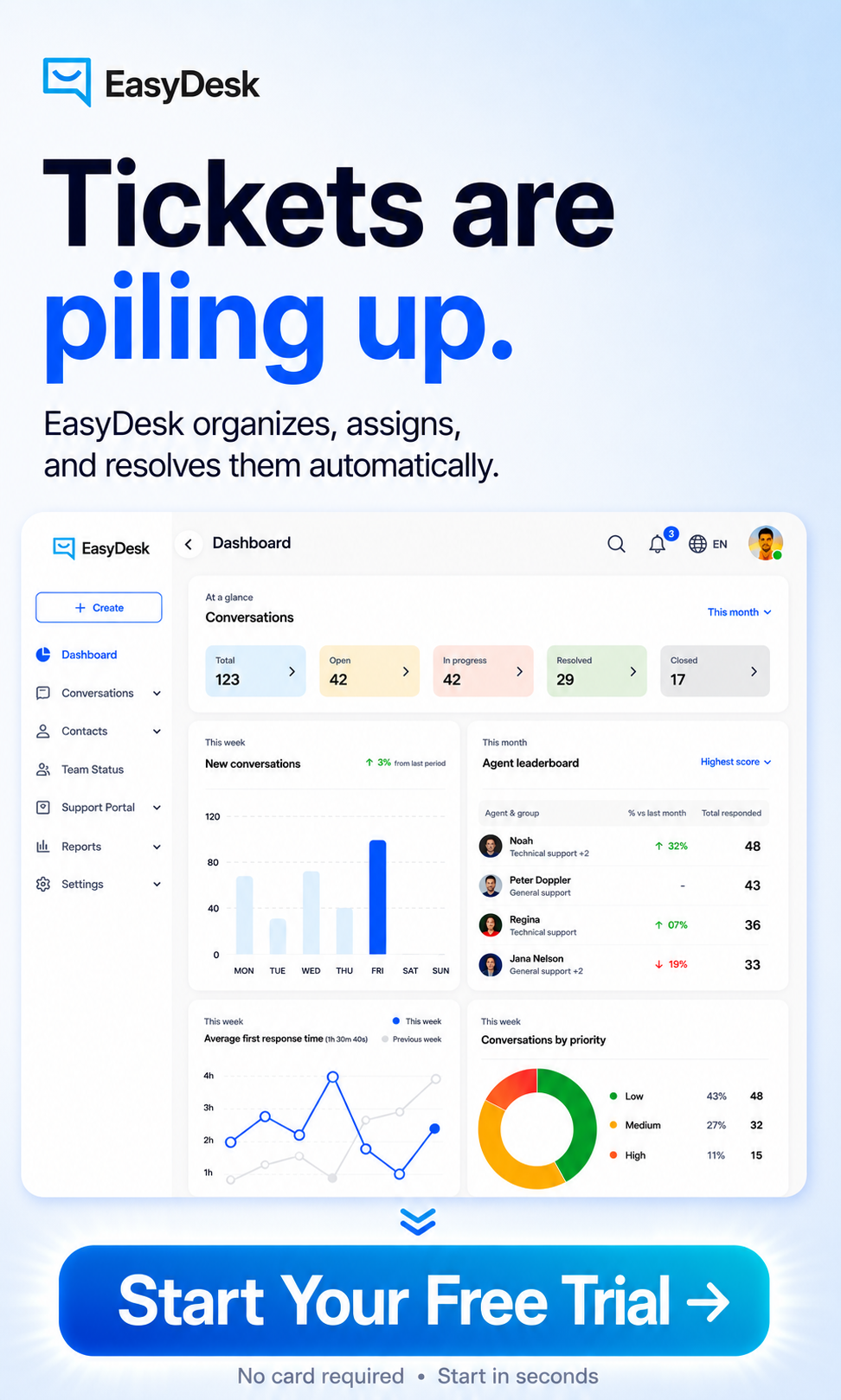
EasyDesk makes this easy by centralizing email, live chat, and web forms in a single inbox so that all your team’s customer conversations and histories are visible at a glance.
Using Rules to Assign Tickets Without the Juggle
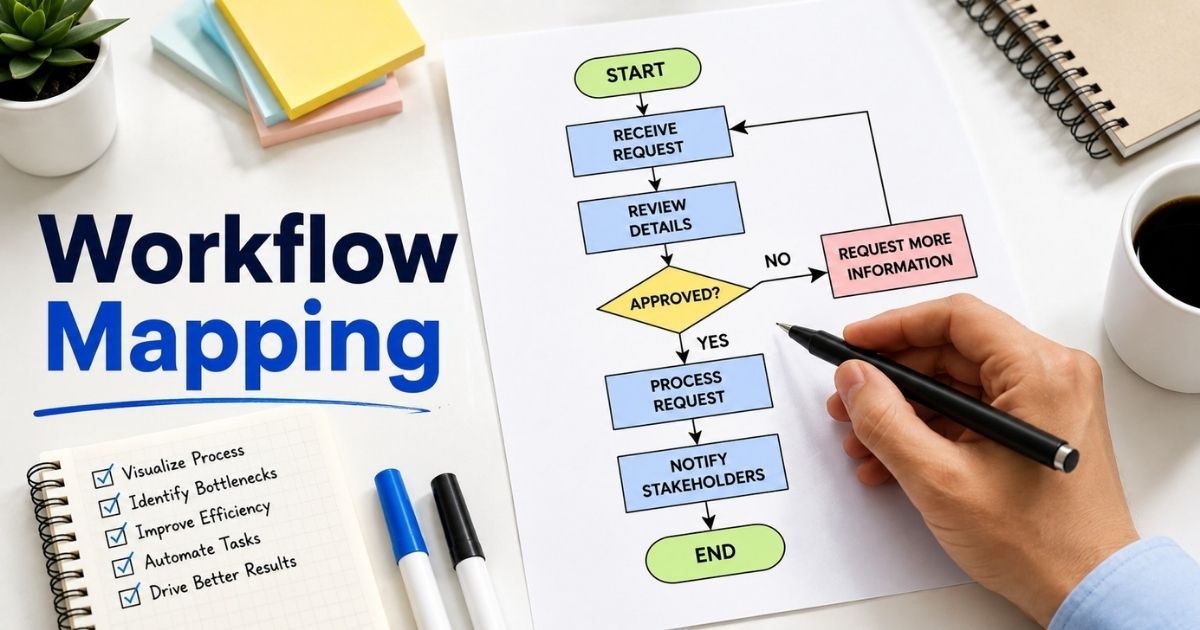
Trying to assign tickets manually every day? That’s a time sink. A better move is setting up rules that sort and send tickets to the right team members without that extra step.
What kind of rules make sense?
- Question type (shipping, tech problem, billing)
- Ticket urgency (high vs. low priority)
- Customer type (business vs. consumer)
Setting it up this way helps keep people focused on the work they’re best suited for. It also means your team spends less time figuring out who handles what. For small teams especially, that can be a major time-saver.
EasyDesk automates ticket assignment and prioritization with smart workflows, ensuring every message reaches the right person instantly and reducing manual work for your team.
Plus, when requests hit the right person faster, your replies get faster too. Everyone wins.
Keeping Conversations on Track with Clear History
Jumping into a customer thread with zero context slows everything down. If agents can’t see what happened before, they have to ask the same questions again, which frustrates customers and wastes time.
With one inbox showing full conversation history, every reply gets easier to write. You can scroll back and check what happened, who said what and when no need to open multiple tools or search old threads.
This helps with smoother handoffs, too. If one team member goes offline and another picks up, they’ll have all the notes they need without restarting the conversation.
EasyDesk displays full ticket and message histories in your team inbox, so any agent can follow up or reply confidently and quickly, even in high-volume periods.
Setting Up Canned Responses to Save Time
Some questions come in so often, it makes sense to prep the answers ahead of time. Canned responses are short, pre-written replies your team can use for common questions like password resets, shipping updates, or business hours.
Used right, these replies feel just as human as a live response. The key is allowing quick edits that keep the message warm and personal:
- Start with a friendly greeting
- Include the fix or next step clearly
- End with an invitation to ask more if needed
This keeps responses fast without sounding robotic. And during holiday rushes, that mix of speed and warmth is exactly what customers appreciate most.
Regularly reviewing canned responses also helps. If new issues appear throughout the year, update your templates so customers get the most relevant, accurate answers no matter who’s replying.
Reviewing and Cleaning Your Inbox Weekly
Even with the best setup, support tickets can pile up. Some get reassigned or reopened, others sit unnoticed. A short weekly clean-up prevents clutter and keeps things moving.
Try doing this once a week:
- Close out resolved tickets
- Flag any stuck or overdue issues
- Reassign unclaimed or unclear tickets
If your inbox uses tags, this is also the time to make sure each ticket is labeled correctly (bug, request, account issue, etc.). Good tagging helps surface trends faster and prepare better responses later.
Weekly cleanup doesn’t just reduce clutter it helps your team stay ahead, especially as customer traffic rises toward late November and December.
Connected and Calm, Your Team Inbox, Optimized
A messy inbox slows everyone down. But when you set up a team inbox to organize messages, assign work automatically, and show history in one place, the whole ticket system becomes easier to manage.
With the right setup, your team won’t scramble, double-reply, or spend time reopening old conversations. You’ll spot what matters faster, respond quicker, and keep everyone in sync, no matter what time of year it is. And during end-of-year rushes, that kind of setup isn’t just helpful—it keeps your team steady and your customers heard.
Taking time to review your current email setup can help your team work more smoothly and efficiently, with fewer mix-ups and less stress. Building the right habits and using helpful tools can speed up reply times and keep everyone on track without constant check-ins. One effective way to get started is by seeing how your workflow compares to a centralized ticket system that keeps all conversations organized in one place. At EasyDesk, we’re ready to help you discover what works best for your business reach out whenever you’d like to talk.