Some years ago, most SaaS startups managed customer feedback in spreadsheets. Teams copied notes from support tickets into shared docs. Product managers scrolled through Slack channels searching for that one feature request. It worked until it did not. Once ticket volume grew, feedback got buried. Good ideas disappeared. Frustrated users churned without anyone noticing the pattern.
Today, customer feedback software changes that story. These tools give growing teams a single place to gather customer feedback from every channel. They surface trends, connect input to roadmaps, and help you respond before small frustrations become cancellation requests. This article walks through how customer feedback management tools work for SaaS products, what features matter most, and how to turn feedback into product improvements your users will notice.
What Is Customer Feedback Software For SaaS Products?
Customer feedback software is a platform designed to collect, organize, and analyze customer opinions from multiple sources. For SaaS products, this includes support tickets, live chat conversations, in-app surveys, email responses, and public feedback portals. The goal is simple: bring scattered feedback data into one place so teams can spot patterns and take action.
Unlike basic survey tools that send one-off questionnaires, customer feedback management tools create an ongoing feedback loop. They tag and categorize input automatically. They link feedback entries to customer accounts, giving context about who is asking and why it matters. They integrate with helpdesk and product management workflows so nothing falls through the cracks.
Consider a growing SaaS company receiving 400 support tickets each week. Without feedback software, agents might note recurring complaints about confusing onboarding steps, but those notes stay buried in ticket threads. With a proper management tool, every mention of onboarding issues gets tagged, grouped, and surfaced in a dashboard. Product teams see that 15% of new users struggle with the same three steps. They fix those steps. Churn drops.
Another example: a B2B SaaS team launching a new integration notices that enterprise customers keep requesting a specific API feature. Feedback software lets them filter by customer segment, showing that this request comes from accounts representing 40% of monthly recurring revenue. That context changes priorities. The feature moves up the roadmap.
Customer feedback software turns raw feedback collection tools into customer interaction insights that shape what you build next.
Turning Feedback Into Actionable Product Enhancements
The real value of customer feedback tools shows up when feedback becomes product improvements. This section covers how to identify meaningful input, group it into themes, validate product gaps, prioritize what to build, and deliver updates that match user expectations.
Identify Meaningful Feedback
Not all feedback carries equal weight. Some comments reflect edge cases. Others represent widespread frustration. The first step in effective feedback management is separating signal from noise.
Look for feedback that repeats across multiple users or segments. A single complaint about button placement might be personal preference. Twenty complaints about the same button suggest a real UX problem. Customer feedback software helps you spot these patterns by tracking how often similar topics appear.
Context matters too. Feedback from a power user who logs in daily holds different weight than feedback from someone who signed up and never returned. Tools like EasyDesk attach feedback to customer profiles, showing account history, plan type, and support interactions. This context helps teams understand customer opinions in relation to how people use the product.
Timing also plays a role. Feedback submitted right after a product update often reflects initial reactions. Feedback that persists over weeks signals deeper issues. Tracking feedback trends over time reveals which problems stick around and which ones fade.
Group Feedback Into Themes
Once you collect customer feedback data, the next challenge is organizing it. Without structure, you end up with a long list of individual comments that are hard to analyze.
Grouping feedback into themes makes patterns visible. Common categories include onboarding, billing, performance, specific features, and integrations. Tags and labels help here. When agents tag tickets with terms like “mobile app” or “export feature,” product teams can filter by those tags to see all related feedback at once.
Custom fields add another layer. You might track which product area each piece of feedback relates to, or which customer segment submitted it. These fields let you slice feedback data by plan type, company size, or geographic region.
Sentiment analysis also helps. Natural language processing can scan qualitative feedback and flag whether comments lean positive, negative, or neutral. This saves time when reviewing hundreds of entries and helps identify trends in customer sentiment.
Validate Product Gaps
Feedback often points to gaps between what users expect and what your product delivers. Validating those gaps means confirming that the feedback reflects a real problem worth solving.
Start by checking whether the issue appears in support channels beyond the feedback portal. If users mention the same problem in chat, email, and customer survey scores, the gap is likely real. Cross-referencing sources prevents you from over-indexing on one vocal group.
Talk to users directly when possible. A quick follow-up call or email clarifies what the user meant and reveals details that written feedback misses. This qualitative feedback adds depth to quantitative patterns.
Look at usage data alongside feedback. If users complain about a feature but rarely use it, the priority might be lower than a complaint about something core to daily workflows. Combining feedback with behavioral data strengthens your understanding of customer needs.
Prioritize Improvements
Every SaaS team faces more requests than they can build. Prioritization turns a long list of ideas into a focused plan.
Common frameworks weigh impact against effort. High-impact, low-effort items move up. High-effort ideas that only help a small segment move down. Some teams add a third factor: strategic alignment. Does this request fit where the product is heading?
Customer lifetime value matters too. Feature requests from high-value accounts often deserve more attention, especially if retaining those accounts depends on delivering specific functionality. Customer feedback software can filter requests by ARR or plan type to highlight what high-value users want most.
Voting and popularity counts help measure user demand. Public feedback portals where users upvote ideas show which requests have broad support. This data complements internal scoring and reduces guesswork.
Deliver User-Aligned Updates
Building the right features is only half the job. Users need to know their feedback led to changes. Closing this loop reinforces that their input matters and encourages more engagement.
When a requested feature ships, notify users who asked for it. A short email or in-app message saying “You asked, we built it” creates a moment of connection. EasyDesk supports this by linking feedback entries to roadmap items, so teams can automatically reach customers when status changes.
Changelogs and release notes document what changed and why. They give all users visibility into product progress, not just those who submitted feedback. This transparency builds trust and keeps your product top of mind.
How Feature Request Management Works In SaaS
Feature requests are a special category of feedback. They represent what users want your product to become. Managing them well means collecting requests from multiple sources, evaluating feasibility, measuring demand, aligning with roadmaps, balancing engineering capacity, and refining through ongoing feedback cycles.
Collect Requests From Multiple Sources
Feature requests arrive through many channels. Users mention them in support tickets. They bring them up in live chat. They submit them through feedback portals or respond to customer survey templates.
Centralizing these requests is essential. When requests live in separate systems, duplicates pile up and patterns stay hidden. Customer feedback management tools pull requests from all support channels into one view. Agents can tag a ticket as a feature request with one click. The request links to the customer profile, preserving context.
EasyDesk makes this easy for support teams by letting agents flag feedback directly inside tickets. Product teams see requests without switching tools or asking agents to copy information elsewhere.
In-app widgets and feedback portals capture requests at the moment users think of them. Placing a feedback button inside your product reduces friction. Users do not need to open a separate email or navigate to a support page.
Evaluate Feasibility
Not every request is buildable. Some conflict with product architecture. Others require resources that outweigh the benefit. Feasibility evaluation filters out requests that sound good but do not make practical sense.
Engineering input is critical here. Product managers can assess user demand, but developers understand technical constraints. Regular syncs between product and engineering help surface blockers early.
Some requests align with existing roadmap themes. A user asking for dark mode might find their request already planned. Linking incoming requests to roadmap items avoids duplicate work and shows users that ideas are being considered.
Feasibility also depends on timing. A request might be valid but not fit the current quarter. Marking it as “future consideration” keeps it visible without clogging near-term priorities.
Measure User Demand
Popularity matters when deciding what to build. A request from one user looks different than the same request from fifty.
Voting mechanisms on public feedback portals let users signal support. When users upvote an idea, you get a rough measure of demand. High-vote requests rise to the top.
But voting alone does not tell the whole story. Enterprise customers may not vote publicly. Their requests arrive through support channels instead. Weighting feedback by customer value ensures that high-revenue accounts influence priorities even without public votes.
Tracking request frequency over time also helps. A request that appears steadily over six months signals sustained interest. A spike after a competitor announcement might reflect temporary buzz.
Align With Roadmaps
Feature requests should connect to your product roadmap. This alignment ensures that user input shapes strategic planning rather than sitting in a separate silo.
When a request gains enough support or strategic importance, move it to the roadmap. Update its status to “Planned” so users know action is coming. This visibility reduces repetitive requests and shows that the team listens.
Public roadmaps display planned features alongside current progress. Users can see what is coming without needing to ask. This transparency builds confidence and reduces friction with your support team.
EasyDesk links feedback entries to roadmap items, making it easy to trace how customer input influenced product direction.
Balance With Engineering Capacity
Even validated, high-demand requests compete for limited engineering time. Balancing capacity means making hard choices about what fits each release cycle.
Sprint planning should include input from product, engineering, and support. Support teams see which issues cause the most tickets. Engineering knows what can ship quickly versus what requires a major refactor.
Capacity planning prevents overcommitment. If a major feature takes three months, smaller improvements might fill the gaps. Mixing quick wins with larger projects keeps progress visible while tackling bigger bets.
Communicating constraints to users helps manage expectations. When a highly requested feature is delayed, explaining the reason maintains trust.
Refine Through Feedback Cycles
Shipping a feature is not the end of the feedback process. User reactions after launch reveal whether the solution hit the mark.
Post-launch survey creation and support interactions capture initial reactions. Did the feature solve the problem users described? Are there edge cases that need adjustment?
This continuous improvement cycle keeps products aligned with customer needs over time. Each release generates new feedback that feeds back into planning.
Public Roadmaps And Their Impact On User Engagement
Public roadmaps turn internal plans into visible commitments. They show users what is coming and invite them to participate in shaping priorities. This section covers how roadmaps build visibility, encourage feedback, increase involvement, set expectations, and maintain ongoing engagement.
Build User Visibility
A public roadmap answers the question every engaged user asks: “What are you building next?” Instead of fielding that question repeatedly, teams can point users to a single page that displays planned features, work in progress, and recently shipped items.
Visibility reduces anxiety. Users who worry that their request disappeared into a void can see it on the roadmap with a status label. They know the team is aware and working on it.
Roadmaps also attract potential customers. Prospects evaluating your product can see that a missing feature is already planned. This transparency can tip buying decisions in your favor.
EasyDesk includes a public roadmap feature that connects directly to feedback entries. When users submit ideas, they can follow those ideas through the planning process without needing to contact support.
Encourage Feedback
Roadmaps invite participation. When users see that their input can influence what gets built, they are more likely to share ideas.
Adding a feedback portal alongside your roadmap makes the connection clear. Users submit requests. Those requests appear on the board. Popular requests rise to the top. Users see the full cycle from idea to delivery.
Prompting feedback at key moments increases input quality. After users interact with a new feature, ask if it met their expectations. After they view the roadmap, invite them to add their own ideas. These targeted surveys capture feedback when it is most relevant.
Publicly visible voting creates social proof. When users see others supporting the same idea, they feel part of a community rather than isolated individuals.
Increase User Involvement
Beyond submitting ideas, users can become active participants in product development. Comments on roadmap items let users share use cases, clarify needs, and suggest refinements.
This involvement benefits product teams. User comments add context that internal discussions might miss. A user explaining their specific workflow reveals how they would use a proposed feature in practice.
Involvement also benefits users. They feel heard. They develop a sense of ownership in the product direction. This emotional investment increases customer loyalty.
Some teams invite select users to beta programs based on roadmap participation. Users who engage heavily with feedback portals often make ideal beta testers. They are motivated, familiar with product gaps, and eager to see improvements.
Set Clear Expectations
Roadmaps work best when they set honest expectations. Overpromising leads to frustration. Vague timelines create uncertainty.
Using clear status labels helps. “Under Review” means the team is considering the idea. “Planned” means it is scheduled for development. “In Progress” means work has started. “Shipped” means it is live.
Avoid committing to specific dates unless confident. General timeframes like “Q3” or “Later this year” provide direction without creating hard deadlines that might slip.
When plans change, update the roadmap promptly. If a planned feature gets deprioritized, explain why. This honesty maintains trust even when the news is disappointing.
Maintain Engagement
A roadmap only works if users return to it. Keeping engagement high requires regular updates and proactive communication.
Notify users when items they care about change status. EasyDesk can send automatic updates when a feedback entry moves from “Planned” to “Shipped.” These notifications bring users back to the roadmap and remind them that the team delivers.
Changelogs complement roadmaps by documenting completed work. While roadmaps look forward, changelogs look back. Together, they create a complete picture of product evolution.
Celebrating shipped features publicly reinforces the value of participation. A short social media post or email highlighting a popular request that just launched shows the community that feedback leads to results.
Why Customer Feedback Drives Better Product Decisions
Customer feedback is the foundation of user-centered product development. It reveals what users need, reduces guesswork, identifies patterns, improves prioritization, clarifies pain points, and strengthens every decision along the customer journey.
Reveal Real User Needs
Assumptions about what users want are risky. Even experienced product teams can miss the mark. Customer feedback provides direct evidence of what users struggle with and what they wish they had.
Support tickets reveal friction points. Users do not contact support when everything works. Every ticket represents a moment of confusion or frustration. Aggregating these interactions shows where the product falls short.
Survey responses capture proactive input. Asking users about their goals and challenges surfaces needs they might not mention in tickets. CES surveys and net promoter score tracking quantify how easy or difficult users find the experience.
Combining reactive feedback from support with proactive feedback from surveys gives a complete picture of customer needs.
Reduce Assumption-Driven Planning
Product roadmaps built on assumptions often miss the mark. Teams build features they think users want, only to see low adoption after launch.
Customer feedback grounds planning in reality. Instead of guessing, teams can point to data showing that 200 users requested a specific feature. Instead of debating internally, they can reference survey results showing that onboarding confusion is the top complaint.
This shift reduces wasted effort. Engineering time goes toward solving real problems rather than imagined ones. Marketing messages align with what users care about.
Feedback also challenges internal bias. Teams naturally favor their own ideas. External input forces them to consider perspectives they might otherwise overlook.
Identify User Patterns
Individual pieces of feedback are helpful. Patterns across many users are powerful. Customer feedback software surfaces these patterns automatically.
Tagging and categorization group related feedback. When hundreds of comments mention “slow load times,” the pattern is obvious. When feedback is scattered across channels without organization, the same pattern might go unnoticed.
Machine learning and sentiment analysis accelerate pattern detection. Tools can identify trends in customer sentiment before they become crises. A gradual increase in negative comments about billing might signal a problem that has not yet exploded into widespread complaints.
Spotting patterns early gives teams time to respond before issues escalate. This proactive approach prevents low customer satisfaction from turning into churn.
Improve Feature Prioritization
Prioritization is one of the hardest parts of product management. There are always more ideas than resources. Customer feedback helps separate high-value improvements from nice-to-haves.
Request frequency shows popularity. Features requested by many users deserve serious consideration. Features requested by one user might be personal preferences or edge cases.
Customer service strategy adds another dimension. A request from a segment representing 60% of revenue matters more than a request from users on a free plan. Filtering analyze feedback by user segments sharpens prioritization.
Impact scoring combines multiple factors. Reach, revenue impact, and development effort all influence which items move up the list. Customer feedback provides the input data for these scores.
Clarify Pain Points
Pain points are specific moments where the product fails to meet expectations. Feedback pinpoints these moments with precision and can reveal issues like slow response times.
Users describe their frustrations in their own words. These descriptions often include details that analytics alone cannot capture. A user might explain that the export feature works fine but takes too long when dealing with large files. That specificity guides the fix.
Addressing pain points directly improves customer experience. Users notice when their specific complaint gets resolved. This responsiveness builds customer loyalty and encourages continued engagement.
Contextual feedback captured at the moment of frustration is especially valuable. In-app feedback widgets, such as those found in a helpdesk app, let users describe issues while the experience is fresh. This immediacy increases accuracy.
Strengthen User-Centered Decisions
Every product decision should consider the user. Customer feedback makes user-centered thinking concrete rather than abstract.
When debating between two feature directions, feedback can settle the question. If users overwhelmingly prefer one approach, the decision becomes clear.
Feedback also keeps teams humble. It is easy to assume expertise. Hearing directly from users reminds teams that the customer perspective matters most.
Over time, feedback-driven decisions compound. Products become better aligned with what users need. Customer satisfaction rises. Business growth follows.
Core Functions Of Customer Feedback Software
Customer feedback software performs several core functions that turn scattered input into organized, actionable data. These functions include collecting feedback from multiple channels, categorizing inputs, detecting trends, prioritizing feature ideas, communicating updates, and automating repetitive workflows.
Collect Multi-Channel Feedback
Modern users reach out through many support channels. Email, live chat, social media, in-app widgets, and phone calls all generate feedback. Software that collects from all these sources prevents gaps.
Multi-channel collection means no feedback gets lost. A complaint submitted via Twitter lands in the same system as a ticket sent by email. Product teams see the full picture without checking five different platforms.
EasyDesk supports multi-channel support by centralizing interactions from email, chat, and social media in one interface. Feedback captured in any channel connects to customer profiles automatically.
Reach customers where they already are. Do not force users to navigate to a special feedback form. Embed collection tools in your product, help center, and communication channels.
Categorize Inputs
Raw feedback is messy. Users describe problems in different ways. Similar issues get different labels. Without categorization, analysis becomes overwhelming.
Feedback software applies tags, labels, and custom fields to organize input. Agents can tag tickets as they work. Automated rules can apply tags based on keywords.
Categories should match how your team thinks about the product. Common categories include product areas, issue types, customer segments, and urgency levels. Consistent categorization makes reporting reliable.
Custom fields extend categorization. You might track which pricing plan a user is on, which region they operate in, or how long they have been a customer. These fields enable filtered views and segment-specific analysis.
Detect Trends
Spotting trends in customer sentiment helps teams act before problems grow. Trend detection looks at how feedback patterns change over time.
A sudden spike in complaints about a specific feature after an update signals a regression. A gradual increase in requests for a new capability shows growing demand.
Sentiment analysis adds another layer. Tracking whether overall feedback is becoming more positive or negative reveals whether recent changes are improving the experience.
Dashboards and robust reporting make trends visible. Weekly reports showing top themes, sentiment shifts, and request volumes keep teams informed without manual analysis.
Prioritize Feature Ideas
Prioritization is where feedback turns into action. Software helps by surfacing metrics that inform decisions.
Vote counts show popularity. High-vote items have broad support. Comment counts indicate engagement. Items with active discussion often touch on important issues.
Linking feedback to customer data adds business context. Requests from high-value accounts or growing segments might deserve priority even if vote counts are lower.
Prioritization views let product managers sort and filter ideas by impact, effort, and strategic fit. These views turn a long list into a focused shortlist.
Communicate Updates
Collecting feedback creates expectations. Users expect to hear back about what happened to their input. Communication tools within feedback software close this loop.
Status updates on feedback entries show progress. When an idea moves to “Planned,” users who submitted it see the change. When it ships, they get notified.
Changelogs document completed work for all users. Release notes explain what changed and why. These updates keep users informed without requiring individual outreach.
EasyDesk connects feedback entries to roadmap items and changelogs, enabling automatic notifications when status changes.
Automate Workflows
Manual feedback management does not scale. Automation handles repetitive tasks so teams can focus on analysis and decision-making.
Automated tagging applies labels based on keywords or patterns. A ticket mentioning “invoice” might automatically get tagged as billing-related.
Survey triggers send requests at the right moments. After a ticket closes, a CSAT survey goes out automatically. After a user completes onboarding, an NPS survey follows.
Workflow automation also includes routing and assignment. Feedback about enterprise features can be routed to the enterprise product manager. Urgent complaints can trigger alerts.
Survey reminders follow up with users who did not respond initially. These reminders increase response rates without manual effort.
How Feedback Turns Into Product Improvements
Feedback is only valuable when it leads to changes. This section covers how teams validate issues, strengthen feature ideas, identify UX problems, translate input into specs, and release updates users asked for.
Validate Issues
Not every reported issue is a product bug. Some reflect user error. Others stem from misunderstandings. Validation confirms that the issue is real and worth fixing.
Check whether multiple users report the same problem. A single report might be an anomaly. Ten reports pointing to the same issue confirm it.
Review usage data to see if the problem shows up in behavior. If users complain about a confusing flow, do analytics show a drop-off at that step? Combining feedback with behavioral data strengthens validation.
Follow up with users for clarification when needed. A quick email asking for more details often reveals the root cause faster than internal guessing.
Strengthen Feature Ideas
User-submitted feature ideas often start vague. Users describe what they want but not why. Strengthening ideas means adding the context needed for implementation.
Ask users about their underlying goals. A request for “better reporting” might mean different things to different people. Understanding the job to be done reveals what the report should accomplish.
Review similar requests to find common themes. If multiple users request variations of the same idea, the core need becomes clearer.
Involve engineering early. Developers can identify technical considerations that shape how the feature should work. Early input prevents rework later.
Identify UX Problems
User experience issues often surface in feedback before they appear in metrics. Users describe confusion, frustration, or unexpected behavior.
Look for emotional language. Comments like “I hate this flow” or “I have no idea what to do next” signal UX problems even without specific descriptions.
Session recordings and heatmaps complement written feedback. Tools like Hotjar show where users click, scroll, and get stuck. Pairing this behavioral data with written feedback pinpoints exact trouble spots.
Small UX fixes often have an outsized impact. Clarifying a button label or simplifying a form can eliminate dozens of support tickets.
Translate Input Into Specs
Feedback in the user language needs translation into product specifications. Specs describe exactly what to build and how it should behave.
Start with user stories. “As a user, I want to export data as CSV so I can analyze it in Excel.” This format keeps the user's needs front and center.
Add acceptance criteria. What conditions must the feature meet to be considered complete? Specific criteria prevent ambiguity.
Include feedback links in specs. Referencing the original requests keeps the user voice present during development. It also makes post-launch follow-up easier.
Release Requested Updates
Shipping the feature is the final step. But the work is not done until users know about it.
Notify users who requested the feature. Personalized messages make users feel heard. Automated notifications at scale ensure nobody gets missed.
Update the changelog with clear descriptions. Explain what changed, why it matters, and how to use it.
Monitor post-launch feedback. Did the release solve the problem? Are there edge cases that need additional work? This monitoring feeds back into the improvement cycle.
Importance Of Changelogs In SaaS Product Growth
Changelogs document product evolution. They keep users informed, build trust, showcase value, highlight improvements, reduce support questions, and increase product credibility.
Keep Users Informed
SaaS products change constantly. New features launch. Bugs get fixed. Interfaces update. Without changelogs, users discover changes randomly.
A changelog provides a central record. Users who want to know what changed can check one place instead of hunting through emails or wondering if they are imagining differences.
Regular changelog updates signal active development. Users see that the product is alive and improving. This visibility reinforces the value of their subscription.
Format changelogs for easy scanning. Group entries by date. Use clear headings. Keep descriptions concise but complete.
Build Trust
Trust grows when users see that the team delivers on promises. Changelogs provide evidence of ongoing work.
When a requested feature ships, the changelog entry proves it. Users who submitted feedback can see their input led to action.
Transparency about bug fixes also builds trust. Acknowledging that something broke and explaining how it was fixed shows accountability.
Consistent changelog updates demonstrate reliability. Teams that communicate regularly seem more dependable than those that go silent for months.
Showcase Delivered Value
Changelogs highlight the value customers receive. Every entry represents work done on their behalf.
During renewal discussions, changelogs provide talking points. “Look at what we shipped this quarter” becomes a concrete list rather than vague claims.
For potential customers, changelogs show momentum. A product with monthly updates looks healthier than one whose last changelog entry is a year old.
Linking changelog entries to feature requests shows that the product evolves based on user input. This connection reinforces that customers shape the roadmap.
Highlight Improvements
Not all changes deserve the same attention. Changelogs let teams highlight the most important updates.
Major features get detailed descriptions with benefits explained. Minor fixes get brief mentions.
Using categories helps users find what matters to them. Separate sections for new features, improvements, and bug fixes make scanning easier.
Visual emphasis draws attention to key items. Bold headings, featured sections, or summary boxes make important updates stand out.
Reduce Support Questions
Users often contact support to ask about changes they noticed. Changelogs answer these questions proactively.
When a button moves or a flow changes, the changelog explains why. Users who check the changelog before contacting support find their answers faster.
Linking to changelogs in support responses saves agent time. Instead of explaining a change from scratch, agents can point to the relevant entry.
In-app changelog widgets surface updates directly in the product. Users see what changed without leaving their workflow.
Increase Product Credibility
Credibility comes from demonstrated capability. Changelogs prove that the team can ship.
Regular releases show execution ability. Teams that promise features and deliver them earn a reputation, especially when supported by tools like ticketing software built for better customer support.
Detailed changelogs show professionalism. Clear writing, organized formatting, and complete information signal that the team pays attention to quality.
Third-party reviewers often check changelogs when evaluating products. A strong changelog history makes a favorable impression.
Why Transparent Communication Matters For User Confidence
Transparent communication builds the foundation for lasting customer relationships. It reduces friction, eases concerns, prevents misunderstandings, improves retention, and builds credibility.
Reduce User Friction
Uncertainty creates friction. When users do not know what to expect, they hesitate. Transparent communication removes this barrier.
Clear documentation explains how features work. Users can self-serve instead of contacting support. This operational efficiency benefits both users and teams.
Status pages communicate outages and performance issues. Users who know what is happening feel less frustrated than those left guessing.
Roadmap visibility answers questions about upcoming features. Users do not need to wonder if a capability is coming. They can check the roadmap.
Ease Customer Concerns
Customers worry about many things. Will this product last? Will my needs be addressed? Is this company reliable? Transparent communication addresses these concerns.
Regular updates show that the product is actively developed. Silence breeds doubt. Communication breeds confidence.
Honest responses to complaints show integrity. Admitting mistakes and explaining fixes builds more trust than defensive responses.
Sharing company news and direction helps customers feel connected to the business behind the product.
Prevent Misunderstandings
Misunderstandings damage relationships. A user who expects one thing and gets another feels let down. Transparent communication sets accurate expectations.
Clear feature descriptions prevent over-promising. Users know exactly what they are getting.
Honest roadmap timelines prevent disappointment. General timeframes are better than precise dates that slip.
Proactive communication about changes prevents surprises. Users who learn about updates before they happen adapt more smoothly.
Improve Retention
Retention depends on perceived value and relationship quality. Transparent communication strengthens both.
Users who feel informed stay longer. They understand the product better and see more value.
Users who feel heard stay longer. Knowing that their feedback influences the product creates emotional investment.
Customer success teams use communication history to personalize outreach. Knowing what a customer cares about enables more relevant conversations.
Build Credibility
Credibility accumulates through consistent, honest communication. Each interaction contributes to the overall perception.
Delivering on communicated promises builds credibility. Saying “we will ship this in Q3” and shipping it in Q3 proves reliability.
Transparent handling of problems builds credibility. Users respect companies that own up to mistakes rather than hiding them.
Long-term consistency matters most. One good update does not establish credibility. Years of honest communication do.
What Changelogs Mean For Active SaaS Users
Active users rely on changelogs to stay current with product evolution. When features change or new capabilities launch, the changelog tells them what to expect. This awareness helps users adapt their workflows quickly. It also helps them discover functionality they might otherwise miss. For power users who integrate the product into complex workflows, changelog entries signal when to update processes or train team members. The changelog becomes a reference point that keeps active users confident they are getting full value from the product.
Managing Feature Requests Across Multiple User Groups
Different user segments have different needs. Managing feature requests across these groups requires understanding segment differences, balancing conflicting requests, addressing enterprise versus SMB needs, using voting strategically, and aligning diverse demands.
Understand Segment Differences
User segments differ in how they use your product. Enterprise users might care about security, compliance, and integrations. SMB users might prioritize simplicity and price. Understanding these differences shapes how you interpret feedback.
Segment-specific tags help filter requests. When reviewing feedback, product teams can see which ideas come from which segments.
Customer profiles add context. Knowing a user’s plan type, company size, and usage patterns helps interpret their requests accurately.
Avoid treating all feedback equally. A request from a segment that represents most of your revenue deserves more weight than a request from a segment you are not targeting.
Balance Conflicting Requests
Different segments often want opposite things. Enterprise users might request complex permission systems. Small teams might want simpler workflows. Building for both requires tradeoffs.
Look for solutions that satisfy multiple groups. Flexible settings that let users choose complexity levels often work better than one-size-fits-all approaches.
When conflict is unavoidable, prioritize based on strategy. If your growth depends on moving upmarket, enterprise needs might win. If you are focused on SMB scale, simplicity wins.
Communicate decisions transparently. Users whose requests are deprioritized deserve to know why.
Address Enterprise vs SMB Needs
Enterprise and SMB users often land on opposite ends of the spectrum. Access control, audit logs, and SSO matter for the enterprise. Quick setup and ease of use matter for SMB.
Separate roadmap tracks for different segments help manage expectations. Enterprise features can progress on their own timeline without blocking SMB improvements.
Dedicated feedback channels for enterprise accounts capture needs that might not surface in public portals. High-value accounts deserve direct lines of communication.
Balance is essential. Over-indexing on enterprise requests can alienate your SMB base. Over-indexing on SMB requests can limit growth potential.
Use Voting For Priorities
Voting mechanisms let users signal what matters most to them. Popular requests rise to the top.
But voting has limits. Enterprise users often prefer private channels over public voting. Weighting votes by customer value addresses this gap.
Voting also favors quantity over quality. A niche request from high-value customers might deserve priority even without many votes.
Use voting as one input among several. Combine it with strategic fit, revenue impact, and development effort for balanced prioritization.
Align Diverse User Demands
Alignment means finding common ground across segments. Look for requests that benefit multiple groups.
Platform improvements often satisfy everyone. Faster performance, better reliability, and improved UX benefit all users regardless of segment.
Modular features let different segments customize their experience. A flexible reporting system might satisfy enterprise need for depth and SMB need for simplicity.
Regular cross-segment positive or negative reviews help teams see the full picture. Looking at feedback from all segments together reveals shared themes.
How SaaS Teams Close The Feedback Loop Effectively
Closing the feedback loop means responding to users who shared input. This process includes acknowledging feedback, sharing status updates, following up personally, explaining delays, and encouraging more input.
Acknowledge Feedback
Acknowledgment is the first step. Users who submit feedback should know it was received.
Automated responses provide immediate acknowledgment. A simple “Thanks for your feedback, we will review it” sets expectations.
Personalized acknowledgments go further. When a high-value customer submits detailed feedback, a personal note from a product or support team member shows extra care.
Acknowledgment should include next steps. Tell users what happens after submission. Will they receive updates? Can they track status?
Share Status Updates
Once feedback enters the review process, keep users informed of progress.
Status labels on feedback entries show where ideas stand. “Under Review,” “Planned,” “In Progress,” and “Shipped” provide clear signals.
Automated notifications alert users when status changes. EasyDesk can send these updates automatically, saving manual effort.
Batch updates work for broad themes. If many users reported the same issue, a single announcement can reach everyone at once.
Follow Up Personally
High-impact feedback deserves personal follow-up. When a customer’s suggestion shapes a major feature, reach out directly.
Personal follow-up builds relationships. Users remember when someone took time to thank them specifically.
Follow-up also gathers more insight. Asking users to beta test the feature they requested generates valuable feedback on the implementation.
These interactions create customer advocates. Users who feel personally connected to the product recommend it more often.
Explain Delays
Not everything ships on schedule. When delays happen, explain them honestly.
Silence during delays breeds frustration. Users left wondering feel ignored.
Brief explanations maintain trust. “We are still working on this but ran into unexpected complexity” is better than no communication.
Updated timelines help users plan. If a feature they need is delayed, they can adjust their workflows accordingly.
Encourage More Input
Closing the loop should invite continued participation. End update messages by asking for more feedback.
Positive experiences encourage future engagement. Users who saw their feedback lead to action are more likely to share again.
Prompt for specific input when relevant. After shipping a feature, ask if it met expectations. This targeted feedback improves future iterations.
Create a culture of feedback. Regular communication signals that user input is valued and welcome anytime.
What Public Roadmaps Do For Customer Trust
Public roadmaps demonstrate commitment, display progress, prevent frustration, prove accountability, and build confidence in the product’s future.
Show Commitment
A public roadmap is a visible promise. When a company publishes planned features, they commit to working on them.
This commitment matters to customers evaluating long-term relationships. Knowing that needed capabilities are planned reduces risk.
Roadmaps also show commitment to transparency. Companies willing to share plans publicly signal confidence and openness.
For early-stage SaaS products, roadmaps demonstrate ambition. Customers can see where the product is heading, not just where it is today.
Display Progress
Progress builds confidence. Roadmaps that show features moving from “Planned” to “In Progress” to “Shipped” prove the team delivers.
Visual progress indicators make movement obvious. Kanban-style boards with columns for each stage provide clear status.
Regular updates keep the roadmap current. Stale roadmaps with outdated entries lose credibility. Fresh updates show active development.
Progress on user-requested features is especially powerful. When users see their ideas advancing, they know their voice matters.
Prevent Frustration
Frustration often comes from uncertainty. Users who do not know if a needed feature is coming feel stuck.
Roadmaps answer “when” questions before they are asked. Users can check status themselves instead of contacting support.
Visibility into priority order also helps. If a feature is planned but lower on the list, users understand why it has not shipped yet.
Roadmaps reduce repetitive requests. Users who can see that an idea is already planned do not need to submit it again.
Demonstrate Accountability
Public commitments create accountability. When plans are visible, the team must deliver or explain.
This accountability drives follow-through. Teams work harder on publicly promised features.
When plans change, accountability means explaining why. Removing an item from the roadmap without explanation damages trust. An honest explanation about reprioritization maintains it.
Accountability also applies to the timeline. Features that linger in “In Progress” too long raise questions. Teams should update the status or explain the delays.
Build Confidence
Confidence comes from demonstrated reliability. Roadmaps that consistently lead to shipped features build belief in future promises.
Customers invest more in products they trust. Deeper integrations, larger contracts, and longer commitments follow confidence.
Prospects convert more easily when they see a strong roadmap. Evidence of active development and user-focused planning reduces purchase hesitation.
Confidence compounds over time. Each cycle of promise and delivery strengthens the relationship.
How Easydesk Supports Stronger Customer Feedback Operations
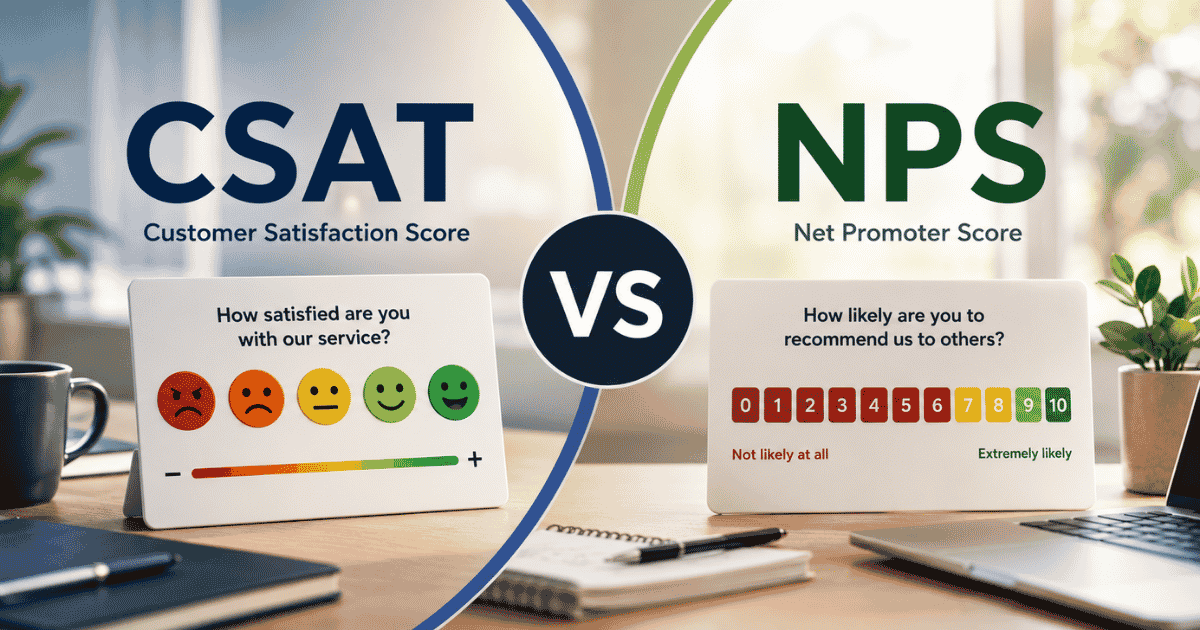
EasyDesk brings helpdesk, live chat, feedback tracking, and public roadmaps together in one platform. For SaaS teams, this integration means agents can tag customer feedback directly within tickets. Product managers see requests linked to customer profiles with full context. Teams measure customer satisfaction through built-in CSAT and NPS surveys triggered after customer support interactions.
The feedback portal lets users submit ideas, vote on priorities, and track status. Changelogs keep everyone informed when updates ship. Automation handles tagging, routing, and survey reminders so teams focus on analysis rather than manual work. With a 14-day free trial and pricing designed for startups and SMBs, EasyDesk helps growing teams start collecting feedback and acting on it without the overhead of multiple disconnected tools.
FAQ
How Does Customer Feedback Software Differ From Basic Survey Tools?
Basic survey tools send questionnaires and collect responses, but they lack integration with support workflows and product planning. Customer feedback software creates an ongoing feedback loop by connecting input from multiple channels to customer profiles, applying tags for pattern detection, and linking requests to roadmap items. This continuous process surfaces actionable insights rather than isolated survey results.
What Types Of Feedback Should SaaS Teams Prioritize?
Focus on feedback that repeats across users, comes from high-value customer segments, or relates to core product workflows. Feature requests tied to retention or expansion revenue deserve attention. Bug reports affecting many users should be escalated quickly. Balance quantitative signals as vote counts with qualitative depth from detailed user comments.
How Quickly Can A Team See Results From Implementing Feedback Software?
Most teams notice patterns within the first two to four weeks after centralizing feedback and setting up basic tags. Early wins include identifying recurring complaints and resolving quick fixes. Strategic value builds over three to six months as trend data reveals larger opportunities and product changes measurably improve customer satisfaction metrics.
What Role Does AI Play In Customer Feedback Management Tools?
AI accelerates tagging, sentiment analysis, and duplicate detection. Natural language processing categorizes qualitative feedback automatically. Machine learning identifies emerging trends before they become obvious. These capabilities save time for small teams that cannot manually review every comment. However, humans still make final decisions about what to build and how to respond to users.
How Do Public Roadmaps Affect Customer Expectations?
Public roadmaps set expectations by showing what is planned and its current status. Clear labels prevent misunderstandings about timing. When managed well, roadmaps reduce repetitive feature requests and demonstrate that user input influences product direction. The key is keeping roadmaps updated and communicating honestly when priorities shift.