Your support team juggles emails from five different addresses. A customer writes in, waits, then writes again because nobody replied. Meanwhile, two agents draft responses to the same ticket. Sound familiar?
Shared inbox customer support fixes this mess. Instead of scattered logins and forwarded threads, everyone works from one place. Customer inquiries get assigned. Replies stay consistent. Nothing falls through the cracks.
This guide walks you through what a shared inbox means for modern teams, why it matters, and how to pick one that fits. Whether you’re drowning in customer requests or just starting to feel the strain, you’ll find practical answers here, not theory.
What Shared Inbox Customer Support Means
A shared inbox is a central workspace where multiple team members access the same email account without sharing passwords or locking each other out. Think of it as a team inbox for addresses like support@yourcompany.com or info@yourcompany.com.
Unlike forwarding emails or cc’ing colleagues, shared inbox solutions let everyone log in with their own credentials. Each person sees the same pool of customer conversations in real time. You can assign messages to specific team members, add internal notes, and track whether a message is open, pending, or resolved.
This setup shifts support from individual silos to collaborative workflows. No more guessing who’s handling what. No more duplicate replies. The entire team has visibility into every customer interaction without stepping on each other’s work.
Why Centralizing Conversations Matters for Modern Teams
When customer messages live in one place, your team moves faster and makes fewer mistakes. Centralizing support isn’t about fancy software; it’s about giving agents the context they need without hunting through email threads or pinging colleagues on Slack.
Faster Access to Customer Messages
A universal inbox means agents don’t waste time switching between tabs or searching personal folders. Every customer email lands in one queue. New messages surface immediately for available agents to grab.
This speed matters. Research from HappyFox shows that 90% of customers expect near-immediate responses. When your team sees incoming requests the moment they arrive, you meet that expectation without scrambling. Nobody has to ask “Did anyone reply to this?” because the answer is right there in the shared mailbox.
Less Confusion Between Support Agents
Without a shared system, two agents might reply to the same customer within seconds of each other. Embarrassing at best, frustrating for customers at worst. Collision detection solves this by alerting agents when someone else is viewing or typing a response to the same conversation.
Front reports that teams using assignment and collision alerts cut duplicate replies by over 90%. That’s not a small improvement; it’s the difference between looking organized and looking like nobody’s in charge.
Clear Ownership of Every Conversation
When you assign emails to specific team members, everyone knows who’s responsible. No more “I thought you had it” moments. The agent assigned to a ticket owns it until resolution, and their name appears right on the conversation.
This clarity extends to handovers. If an agent leaves for the day, the next shift sees exactly where things stand. Complete conversation history stays attached to the ticket, not trapped in someone’s personal inbox.
Better Tracking Across All Channels
Modern shared inbox tools don’t stop at email. They pull in live chat, social media messages, and web forms into one view. A customer might start on Twitter, continue via email, and follow up through chat, but your team sees a single timeline.
This unified inbox approach means agents don’t ask customers to repeat themselves. The full conversation history is already there, including what happened on other channels.
Stronger Team Accountability
When every ticket has an owner and a status, managers see who’s carrying what load. You can spot if one agent has 30 open tickets while another has five. You can track how long customer requests sit before getting a first response.
This visibility turns guesswork into data. Instead of asking “Are we keeping up?” you look at a dashboard and know.
Key Problems Businesses Face Without a Unified Support Inbox
Teams that rely on basic email sharing, passing around passwords, or forwarding messages run into predictable headaches. Here’s what typically goes wrong.
Messages Getting Lost Across Platforms
Customer emails arrive at support@, info@, and billing@. Some come through a contact form. Others pop up in social DMs. Without a collaborative inbox connecting everything, messages slip through the cracks.
A customer sends a refund request to billing@, but nobody checks that account for two days. By then, they’ve complained on Twitter. Sound extreme? E-commerce teams report this pattern regularly when email aliases aren’t centralized.
Delayed Responses Due to Poor Coordination
When your support team shares a single login or relies on forwarding, coordination breaks down. One agent starts drafting a reply. Another agent, not knowing this, sends their own response. The customer gets two conflicting answers, or waits extra hours while agents figure out who’s handling what.
This confusion directly hits response time. Instead of replying in two hours, simple questions stretch to six or eight because nobody claimed ownership.
Difficulty Understanding Customer History
Without a shared view, agents often ask customers to repeat information. “Can you remind me of your order number?” “What did my colleague say last time?” These questions signal to customers that your team isn’t paying attention.
Small teams especially struggle here. When an agent goes on vacation, their email history goes with them. The person covering has no idea what happened in previous email conversations.
Repeated Work Across Different Agents
Two agents research the same billing dispute. Three agents write similar responses to the same FAQ question. Without shared templates and visible ticket assignments, work gets duplicated constantly.
This isn’t just inefficient; it creates inconsistent customer experiences. One agent quotes a 7-day refund policy while another says 14 days because they pulled from different sources.
Slower Resolution for Simple Issues
Simple questions should take minutes. But when agents can’t access canned responses or shared knowledge, they write answers from scratch every time. Password reset requests, shipping status checks, pricing questions, all handled manually, over and over.
This manual overhead adds up. Teams without inbox software spend hours weekly on issues that templates could resolve in seconds.
Inconsistent Customer Experiences
Different agents, different tones, different answers. Without shared macros and consistent guidelines, customers get a different experience depending on who replies. One agent is formal and detailed. Another is casual and brief. There’s no unified voice.
Over time, this inconsistency erodes trust. Customers don’t know what to expect, and that uncertainty affects customer satisfaction scores.
How a Shared Inbox Improves Response Speed and Consistency
Speed and consistency aren’t just nice to have; they’re what customers remember. A shared inbox delivers by organizing how your team handles incoming requests.
Faster Routing to the Right Agent
Auto routing sends customer inquiries to the right queue based on rules you define. Billing questions go to finance. Technical issues go to your product specialists. VIP customers get priority treatment.
This happens automatically. No manager needs to manually assign every ticket. The conversation reaches someone qualified to help within seconds, not hours. Teams using automated workflows report cutting average response time significantly, in some cases by half.
Better Prioritization of Busy Queues
When 50 tickets land in an hour, which ones need attention first? Shared inbox tools let you tag and prioritize based on urgency, customer type, or issue category.
Agents see important messages surfaced at the top. SLA timers show which tickets are approaching deadlines. Instead of working oldest-to-newest, your team works smartest-to-smartest, handling urgent customer requests before they escalate.
Reduced Back-and-Forth Between Teams
Internal collaboration happens inside the ticket, not in separate Slack channels or forwarded emails. An agent adds internal notes asking a colleague for input. That colleague responds in the same thread. The customer never sees this exchange, but the context stays with the conversation.
This approach eliminates the “let me check with my colleague and get back to you” delay. The checking happens in real time, within the same workspace.
Immediate Visibility of Pending Messages
Open tickets don’t hide in personal inboxes. They sit in a shared queue where anyone can see them. If an agent is out sick, their pending work is visible to the rest of the team.
This visibility prevents the classic “I was waiting on X” excuse. Everyone knows what’s open, what’s waiting, and what’s overdue.
Consistent Replies With Saved Templates
Email templates and canned responses ensure every agent delivers the same accurate information. When a customer asks about your refund policy, every agent pulls from the same approved answer.
This consistency does two things: it speeds up replies (no writing from scratch) and it protects your brand voice. Customers get reliable information regardless of who responds.
How Teams Collaborate Better Inside One Unified Inbox
A shared inbox isn’t just about seeing the same emails; it’s about working together on them without chaos.
Shared Context for Every Ticket
When an agent opens a ticket, they see everything: previous messages, internal notes from colleagues, customer history, and any linked information. No switching tabs. No, asking the customer to explain again.
This complete conversation history means agents respond confidently. They know what was promised, what failed, and what the customer expects. Context travels with the ticket, not with individual people.
Smooth Handovers Between Agents
Shift changes and vacations don’t disrupt support when handovers happen inside the shared inbox. The outgoing agent adds private notes summarizing the situation. The incoming agent reads those notes and picks up without missing a beat.
This is especially valuable for teams spread across time zones. A Berlin agent finishes their day and leaves notes for the New York team. The customer never notices the transition.
Internal Notes Without Customer Confusion
Sometimes agents need to discuss a ticket internally before responding. Shared inbox solutions provide email notes or private notes visible only to your team. You can tag a colleague, ask a question, or document a phone call; all without the customer seeing any of it.
This keeps customer communication clean. They get one clear response, not a messy thread of internal back-and-forth.
Real-Time Updates on Conversation Progress
Collision alerts show when another agent is viewing or replying to the same customer. Typing indicators prevent that awkward double-reply situation. Status updates, open, pending, resolved; sync instantly across the team.
These real-time signals coordinate work without requiring constant verbal check-ins. The system handles the “who’s doing what” question automatically.
Clear Roles for Each Team Member
Assign emails to specific team members based on expertise, workload, or availability. The billing specialist handles billing. The technical lead handles complex bugs. New hires handle straightforward FAQs.
This role clarity benefits customers, too. They get answers from someone qualified, not whoever happened to check the inbox first.
Features That Make a Shared Support Inbox More Effective
Not all inbox tools offer the same capabilities. Here are the key features that separate basic email sharing from a proper collaborative inbox.
Unified View of All Customer Channels
The best shared inbox solutions connect channels beyond email. Live chat, social media, web forms, and in-app messages all feed into one view. Agents see the full customer journey regardless of how the customer reached out.
This matters because customers don’t think in channels. They just want help. When your team sees every interaction in one place, they respond as if they’ve been following along the whole time, because they have.
Smart Assignment and Auto-Routing
Manual assignment works for small teams, but it doesn’t scale. Auto routing rules distribute incoming messages based on criteria you set: language, topic, customer tier, or channel.
Some tools go further with round-robin assignment to balance workloads among available agents. Others use priority rules to surface high-value customers first. The goal is to get the right ticket to the right person without manager intervention.
Shared Macros and Saved Replies
Canned responses save time and enforce consistency. Your team builds a library of approved answers for common questions, password resets, shipping updates, refund policies, and pricing tiers.
Agents insert these with a click, personalize as needed, and send. Shared drafts let multiple people collaborate on complex responses before they go out. Auto replies handle after-hours messages so customers know when to expect a human.
Tagging and Categorizing Messages
Labels and tags organize incoming work. You might tag by issue type (billing, technical, feature request), urgency (high, normal, low), or customer segment (enterprise, trial, free).
These tags power reporting later. You’ll see which issue types dominate your queue, which customers need the most attention, and where your team spends its time. Without consistent tagging, this analysis becomes guesswork.
Real-Time Activity Monitoring
Dashboards show what’s happening right now. How many tickets are open? How many breached SLA this hour? Which agents are active, and what are they working on?
This visibility helps managers spot bottlenecks before they become crises. If the queue suddenly spikes, you see it immediately and can reassign resources.
How a Shared Inbox Enhances Customer Experience Across Channels
Your internal efficiency gains translate directly into better experiences for customers. Here’s how.
Faster Replies Across All Touchpoints
When agents work from one queue with a clear assignment, response time drops. Customers don’t wait while emails bounce between personal inboxes. They get answers in hours, not days.
Speed matters more than ever. Benchmark data shows customers increasingly expect replies within a few hours, not 24-48. Meeting that expectation builds trust.
More Personalized Interactions
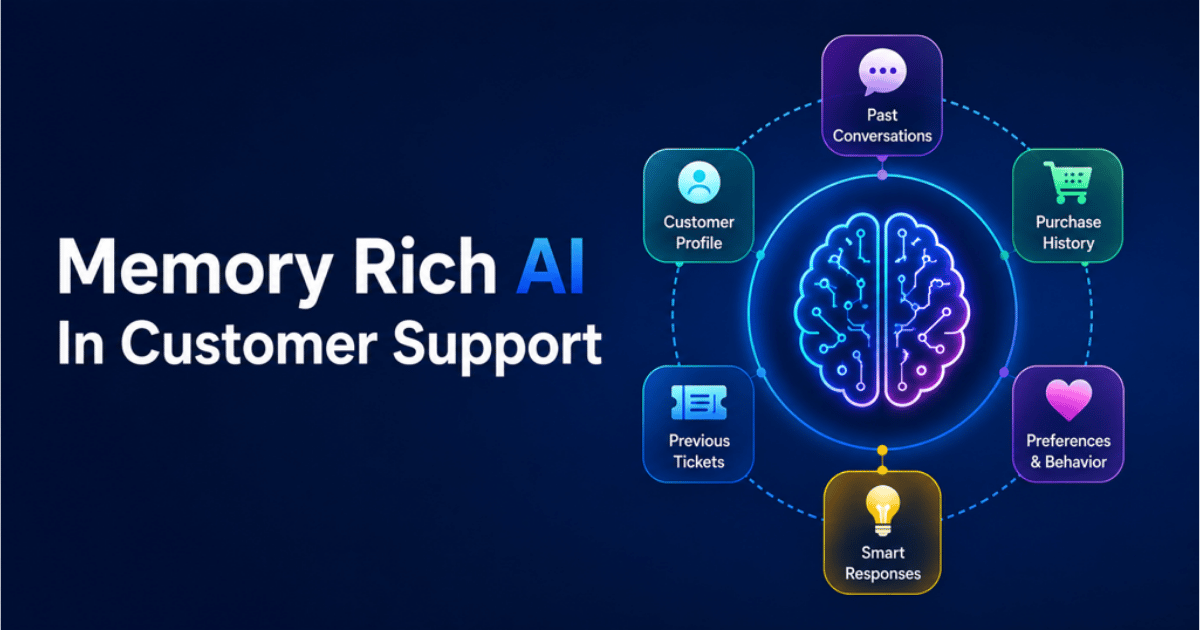
With full conversation history visible, agents reference past purchases, previous issues, and stated preferences. “I see you contacted us about this last month” feels very different from “Can you explain the issue from the beginning?”
This personalization doesn’t require extra effort; it’s built into the shared inbox view. The context is already there. Agents just need to read it.
Consistent Tone and Quality
Shared templates and team guidelines create a unified voice. Every customer gets the same quality response, whether they reach a senior agent or someone new.
This consistency reinforces your brand. Customers know what to expect from your support. That predictability is comforting, especially during stressful situations like refunds or technical problems.
No Repetition for Returning Customers
Nobody likes explaining their problem three times. A unified inbox ensures the same customer isn’t treated like a stranger every interaction. Their history follows them, ticket to ticket, channel to channel.
This continuity saves customer effort and reduces frustration. It also makes your team look competent and attentive.
Better Understanding of Customer Behavior
When all customer interactions flow through one system, patterns emerge. You notice which products generate the most questions. You spot common complaints. You identify customers at risk of churning.
These insights feed back into product development, marketing, and customer success. Your shared inbox becomes a feedback engine for the whole business.
Smooth Conversations Across Multiple Devices
Customers switch devices constantly, starting on a phone, continuing on a laptop, finishing on a tablet. A proper shared inbox tracks the conversation regardless of device or channel.
Agents see one continuous thread. Customers don’t need to explain that they also sent a chat message earlier. Everything connects.
How To Choose the Right Shared Inbox for Your Support Team
Picking shared inbox software isn’t complicated, but it requires an honest assessment of your current needs and future growth.
Evaluate Your Support Volume
Start with the basics: how many customer emails and messages does your team handle daily? A team managing 50 tickets per day has different needs than one handling 500.
Smaller teams can often start with simpler tools and add complexity later. Larger teams need robust automation from day one. Write down your current volume and your expected growth over the next 12-18 months.
Look for Easy Multi-Channel Integration
If you only use email today, you might not need multi-channel support yet. But consider where your customers are. Do they message on social media? Use live chat? Submit forms?
The right shared inbox software lets you connect channels as needed without switching platforms. Google Workspace integration is common. Social media connections vary by provider. Check what matters for your customer communication mix.
Check for Collaboration-Friendly Tools
Assignment, internal notes, collision detection, shared drafts, these collaborative features separate real shared inbox tools from basic email sharing. If your team has more than two people, these features prevent the chaos of overlapping work.
Ask: can agents see who else is viewing a ticket? Can they leave private notes for colleagues? Can they mention teammates and get notifications? These details matter daily.
Ensure Strong Reporting and Insights
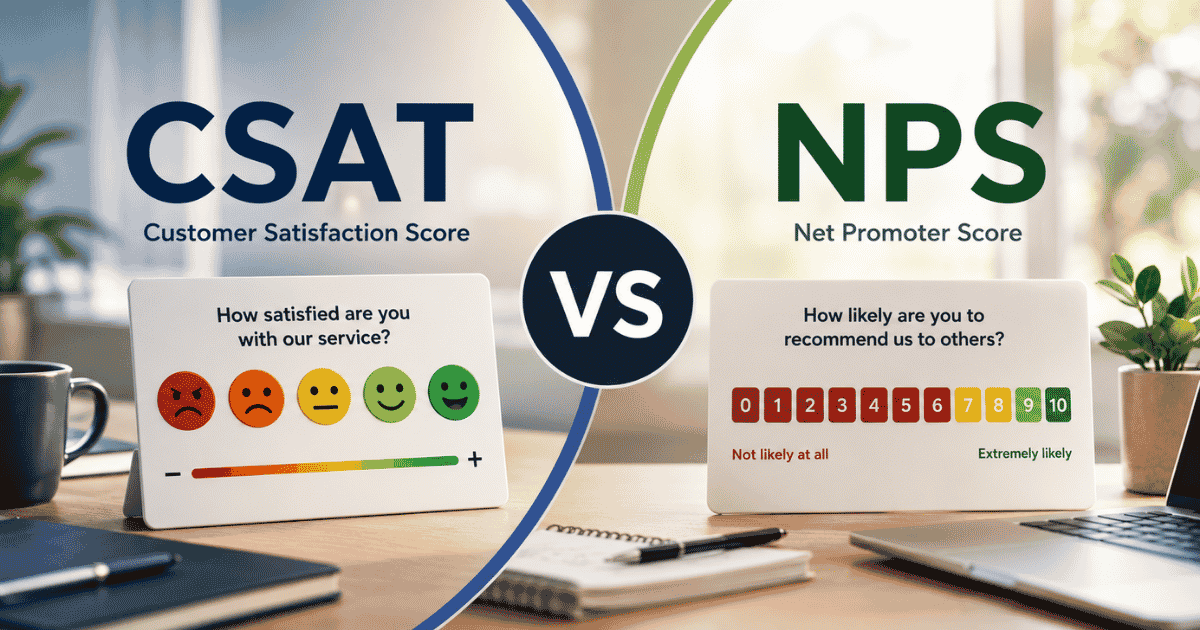
You can’t improve what you don’t measure. Look for reporting on first response time, resolution time, ticket volume by channel, and customer satisfaction.
Some tools offer basic metrics. Others provide detailed breakdowns by agent, tag, time period, and more. Decide what you need to track and verify the tool supports it.
Confirm Scalability for Future Growth
Choosing a tool that fits today but breaks at 2x volume is a short-term decision. Check pricing tiers, user limits, and available features as you grow.
The ideal platform lets you start simple and add capabilities, SLA tracking, automation rules, knowledge base, live chat as your support process matures. You shouldn’t need a painful migration when you outgrow your starter plan.
Enterprise-grade security also matters as you scale. Confirm data encryption, access controls, and compliance certifications match your requirements.
How EasyDesk Helps You Manage Customer Conversations in One Place
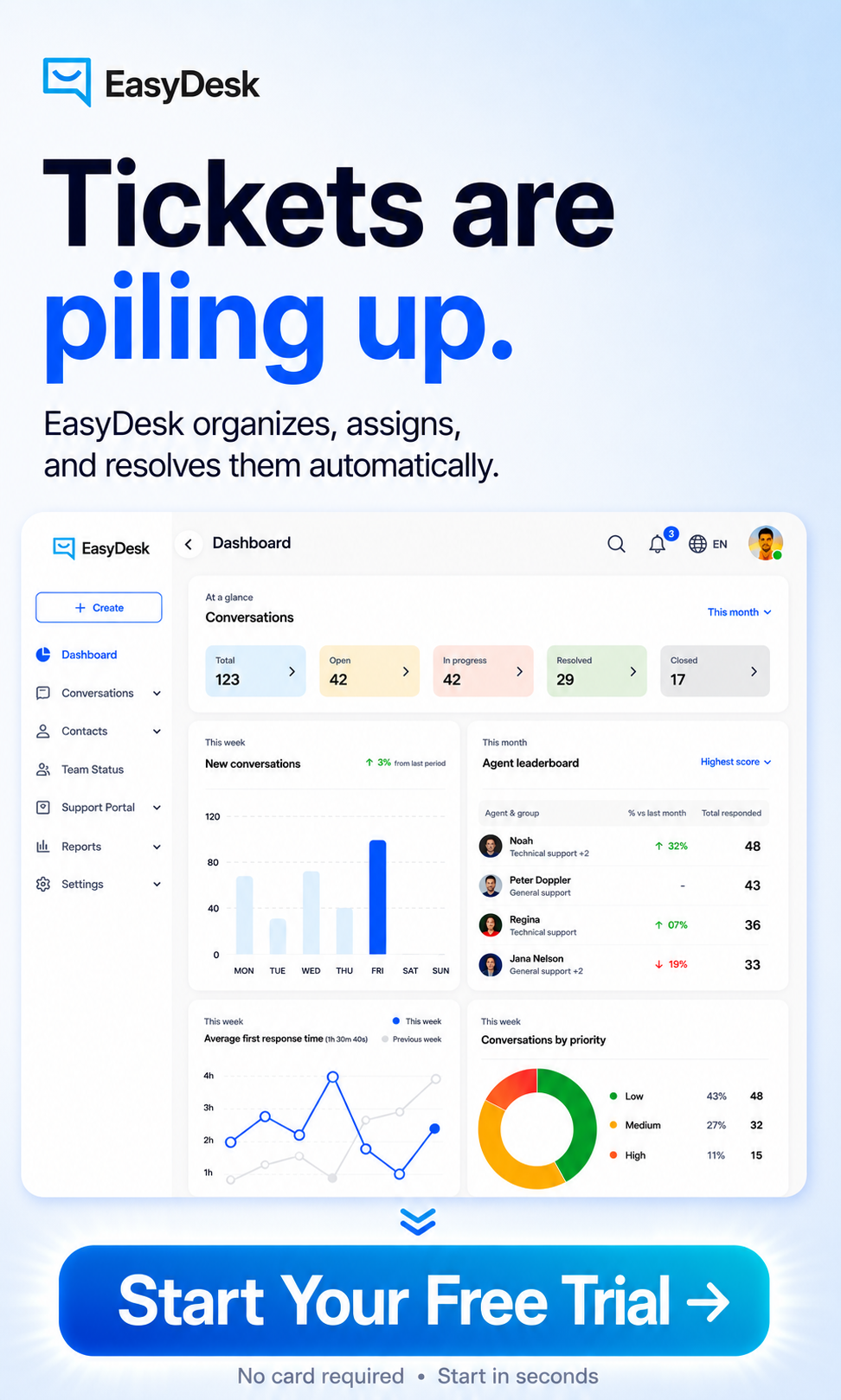
EasyDesk brings your team email, live chat, and social media into one shared inbox designed for growing support teams. You can assign emails, add internal notes, and track every ticket without switching tools.
Automated workflows handle routine routing, so agents focus on helping customers. SLA tracking keeps response time visible. Canned responses ensure consistent replies across the team.
The platform fits startups and SMBs looking for simplicity without sacrificing power. You get collaborative features, real-time collision alerts, and reporting that shows what’s working. Connect your existing tools, set up customizable workflows, and streamline operations in days, not months.
Start with EasyDesk’s 14-day free trial to see how a proper team inbox transforms scattered support into organized customer care.
FAQs
What’s The Difference Between A Shared Inbox And A Shared Mailbox In Microsoft 365 Or Google Workspace?
A shared mailbox in Microsoft 365 or Google Workspace gives multiple users access to the same email account. But it lacks features like collision detection, ticket assignment, internal notes, and reporting. A dedicated shared inbox solution adds these collaboration layers, making it easier to manage high volumes without duplicate replies or lost messages.
Can Sales Teams And Support Teams Use The Same Shared Inbox Platform?
Yes. Most shared inbox tools support multiple inboxes and team email aliases. Your support team manages support@, while sales teams handle leads@, each with separate permissions and workflows. Everyone shares the same platform without seeing each other’s queues unless granted access.
How Do We Prevent Duplicate Replies When Multiple Agents Work The Same Queue?
Collision detection is the key feature here. It shows real-time indicators when another agent is viewing or drafting a reply to the same ticket. Some tools lock the conversation temporarily or display typing status. This eliminates duplicate replies by making it obvious when someone else is already handling a message.
Will Switching To A Shared Inbox Disrupt Our Existing Email Addresses?
No. Customers continue emailing your existing addresses like support@yourcompany.com. The shared inbox software connects to those addresses and pulls messages into the shared workspace. From the customer’s perspective, nothing changes; they reply to the same email as before.
How Long Does It Take To Set Up A Shared Inbox For A Small Team?
Most teams connect their email accounts and basic routing rules within one to two hours. A pilot phase with a subset of agents typically takes a few days. Full team adoption, including training and workflow refinement, usually happens within one to two weeks. Platforms like EasyDesk are designed for fast setup without IT overhead.