Product feedback management turns scattered customer opinions into your most valuable product development asset. Customer feedback forms the foundation of good product decisions. It accelerates your thinking early on and keeps you grounded as your product evolves. People feel enabled, valued, and heard when their input matters.
The right product feedback tools can revolutionize how teams develop products. Teams can improve features based on actual user experiences and avoid getting pricey churn while boosting product adoption. Feedback management tools help your team collect, organize, and act on customer insights without drowning in noise. These tools bring together feedback from multiple channels, highlight important patterns, and help you close the loop with customers.
In this article, we'll explore proven strategies for product feedback management to help you build better products that your customers will love.
What Is Product Feedback Management
Product feedback management turns customer feedback and user feedback into structured, actionable insights for product teams. It focuses on collecting customer feedback through feedback forms, in product feedback widgets, online reviews, social media comments, direct feedback, and customer interaction across the customer journey. This feedback collection process helps product managers gather feedback, organize feedback, and analyze feedback to understand customer needs, pain points, user behavior, and customer data from the entire customer base, including existing customers and strategic customers.
Through a clear feedback loop, teams review incoming feedback, feature requests, positive feedback, and negative feedback using customer feedback tools, sentiment analysis, qualitative feedback, and quantitative data. These customer insights support customer-centric decisions, guide the product roadmap, and drive product improvements aligned with business objectives, customer satisfaction, customer retention, customer success, and long-term business growth.
Why Product Feedback Management Is Important For Growing Businesses
Product feedback management plays a critical role in sustainable business growth. It helps growing companies turn customer feedback and user feedback into actionable insights that improve customer satisfaction, reduce churn, and support customer-centric decisions across the product development process.
Improves Customer Satisfaction And Retention
Product feedback management helps businesses understand customer needs, customer pain points, and desired outcomes through structured feedback collection. When product teams collect feedback using feedback forms, online reviews, and direct feedback, they gain valuable insights into what frustrates users and what drives positive feedback. These insights allow teams to address issues that impact the customer experience before customers disengage.
Customer feedback reveals patterns that affect customer retention, such as recurring usability issues or unmet feature requests. Product managers can prioritize feedback based on impact and effort, which leads to product improvements that matter most to the target audience. Customers who feel heard show higher loyalty, stronger trust, and long-term commitment to the brand.
Supports Data-Driven Product Decisions
Product feedback management replaces guesswork with customer data and real-world evidence. User feedback, customer interaction data, and numerical data, such as customer effort score help product teams make informed decisions aligned with business objectives. This approach reduces internal bias and prevents roadmap decisions driven by opinions instead of facts.
Customer feedback tools combine qualitative feedback, quantitative data, and sentiment analysis to uncover trends across user segments. Product managers can analyze feedback to understand user behavior, identify product metrics that matter, and align product features with customer needs. Data-informed decisions improve development efficiency and reduce wasted resources across internal teams.
Strengthens Trust And Transparency
Clear feedback management builds trust by showing customers that their voices matter. When businesses respond to incoming feedback and regularly review suggestions, users feel respected and valued. Transparency grows when customers see their ideas reflected in product updates or roadmap priorities.
Negative feedback and social media comments create opportunities to show accountability. Thoughtful responses to customer pain points demonstrate empathy and commitment to customer success. Trust deepens when internal stakeholders share feedback outcomes openly and explain decisions clearly. Strong trust supports customer retention and encourages users to provide feedback more often.
Reveals Hidden Pain Points And Opportunities
Product feedback management uncovers issues that internal teams often miss. User journeys, usability testing, focus groups, and in-product feedback widgets expose friction across the customer journey. Customer feedback reveals pain points that block adoption, reduce satisfaction, or slow business growth.
Feedback analysis highlights unmet needs among strategic customers and niche user segments. Product teams gain a deeper understanding of how different users experience the product. These insights support better user segmentation and help teams design customer-centric products that address real problems instead of assumed ones.
Aligns Product Roadmap With Customer Needs
A structured feedback loop ensures that the product roadmap reflects real customer priorities. Feature requests, customer insights, and user behavior data guide roadmap planning and help teams prioritize feedback effectively. This alignment improves adoption and reduces the risk of building unused features.
Product managers can balance customer feedback with long-term strategy by reviewing feedback regularly and mapping insights to business goals. Roadmap decisions become clearer, more defensible, and easier to communicate across relevant teams. Alignment between customer needs and product direction drives stronger customer experience outcomes.
Improves Cross-Team Collaboration
Product feedback management connects customer support teams, product teams, and internal stakeholders through shared insights. Customer support teams collect feedback during daily interactions, while product managers analyze feedback and generate reports for decision makers.
Shared inbox customer support visualization tools and feedback management systems create visibility across departments. Teams can gain insights from the entire customer base and coordinate product improvements more effectively. Collaboration improves customer service, reduces internal friction, and supports customer-centric decisions that contribute to long-term business growth.
Types Of Product Feedback You Should Collect
Getting the right product feedback feels like putting together a complex puzzle. Each piece shows something new about your customers' product experience. The best product teams don't stick to one feedback source. They build a rich feedback system that captures both direct customer comments and their behavior patterns.
Direct Feedback: Surveys, Interviews, Focus Groups
Customer input comes directly when you ask specific questions. This type of feedback gives you structured insights into what customers think and want.
Surveys are a great way to collect feedback at scale and come in several types:
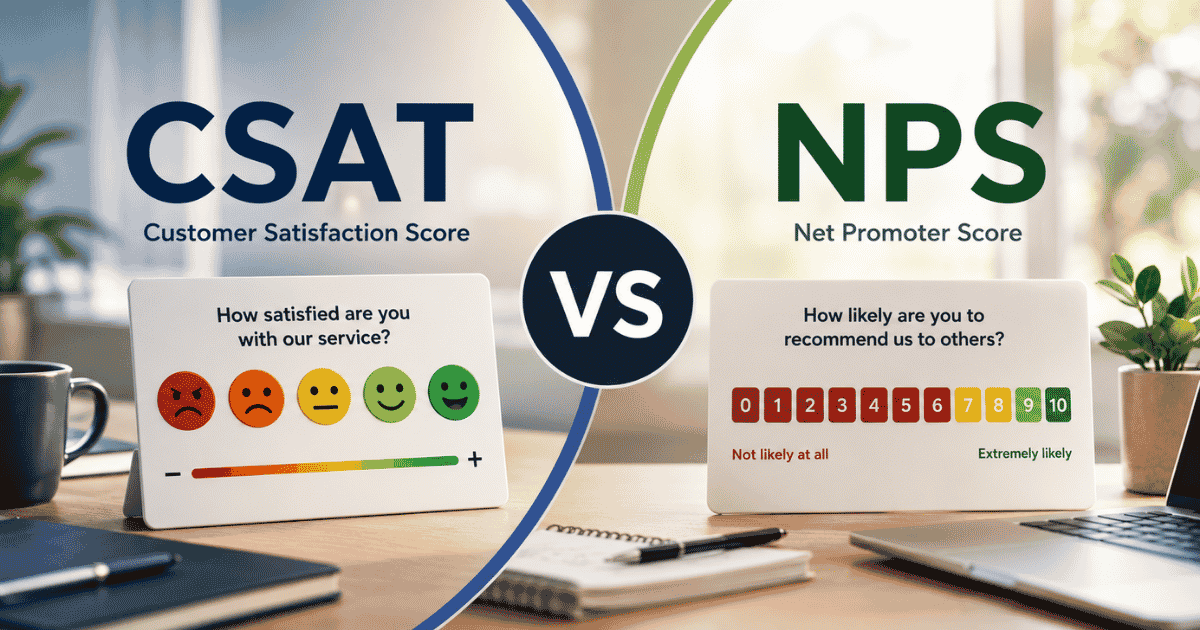
- NPS surveys measure customer loyalty on a 0-10 scale, categorizing respondents as promoters (9-10), passives (7-8), or detractors (0-6)
- CSAT surveys measure satisfaction with specific product aspects
- PMF surveys check product-market fit by asking, "How would you feel if you could no longer use our product?"
- Feature feedback surveys gather input on specific functions
- Churn surveys help understand why users leave
Interviews give deeper quality insights than surveys. These one-on-one talks reveal the why behind customer choices. Though they take time, interviews help build customer understanding and work best for complex B2B products or new markets.
Focus groups bring 6-12 users together to discuss your product with a moderator. Unlike interviews, these sessions show group dynamics and emotional responses. They help test early reactions to product ideas, packaging, or messaging. The risk lies in "groupthink," where one voice can sway the group.
Indirect Feedback: Social Media, Reviews, Usage Data
You can gather indirect feedback without asking directly. These unsought insights often show honest customer experiences.
Social media comments give raw customer opinions. Social listening helps track brand mentions and understand customer feelings. You can connect with customers directly and show you care about their thoughts.
Product reviews highlight item quality and performance. Products with 100+ reviews at 4.2+ stars can boost sales by 15%. Reviews point out what works and what needs fixing from your users' view.
Usage data shows how customers use your product. While 41% of software makers think they collect usage data "very well," most can still improve. The main reason to collect usage data is to find upsell chances, according to 70% of respondents. Only 47% look at this data to spot dropping engagement that might lead to customer loss.
Quantitative Vs. Qualitative Feedback
Understanding the difference between quantitative and qualitative feedback helps get complete product insights.
Quantitative feedback gives numbers you can measure and analyze. This includes satisfaction scores, feature usage rates, and customer effort scores. These methods help test assumptions, track performance, and make data-backed decisions.
Qualitative feedback reveals the reasons behind customer actions through descriptions. It shows emotional responses and motivations in customers' own words. These methods build understanding and show the people behind the numbers.
The best product feedback strategy uses both approaches. Numbers show what happens at scale, while stories explain why. Together, they paint a full picture of your customers' product experience.
Key Sources Of Product Feedback Across Customer Touchpoints
Product feedback management depends on capturing insights across every customer touchpoint. Each customer interaction generates customer feedback, user feedback, and behavioral signals that reveal customer needs, pain points, and expectations throughout the customer journey and product lifecycle.
Pre-Purchase Customer Touchpoints
Pre-purchase touchpoints reveal early customer expectations and perceived value. Social media comments, online reviews, content engagement, and media mentions offer direct feedback before users become customers. These signals help product teams understand target audience interests, objections, and initial product perception.
Customer feedback reveals how messaging, positioning, and product features resonate with potential buyers. Product managers can analyze feedback to identify gaps between expectations and reality. Early insights support better user segmentation and reduce risk during the product development process by validating ideas before deeper investment.
Purchase Stage Touchpoints
Purchase stage interactions generate valuable customer data about decision drivers and friction points. Website behavior, sales conversations, chat support, and mobile app experiences highlight usability issues and customer effort score indicators. These touchpoints show how customers move from interest to commitment.
Direct feedback from sales teams and customer support teams helps product teams understand pricing objections, missing feature requests, and user behavior patterns. Reviewing feedback from this stage supports customer-centric decisions that improve conversion rates and align the product roadmap with real buying behavior.
Post Purchase Customer Interactions
Post-purchase touchpoints deliver the richest product feedback. Customer support tickets, email communication, billing interactions, and loyalty programs reveal real usage challenges and customer pain points. Existing customers share insights based on daily product interaction.
Negative feedback during this stage highlights risks to customer retention and customer success. Positive feedback confirms product value and adoption drivers. Product managers can gather feedback consistently to improve customer experience, prioritize feedback effectively, and support long-term business growth across the entire customer base.
In Product Feedback Channels
In product feedback widgets, usability testing, and in app surveys capture insights at the moment of experience. These channels reduce friction and encourage users to provide feedback without leaving the product. User behavior data combined with direct feedback reveals what works and what fails.
Customer feedback tools collect quantitative data, qualitative feedback, and sentiment analysis from active users. These insights help product teams generate reports, visualize trends, and gain insights tied to specific user journeys. Contextual feedback improves accuracy and speeds up product improvements.
Customer Support And Service Touchpoints
Customer support teams interact with users during moments of frustration or confusion. Support conversations, chat logs, and tickets expose recurring issues that impact customer satisfaction and customer effort score. These interactions provide a clear view of customer needs across different user segments.
Customer feedback from support channels helps internal teams identify root causes and prevent churn. Product teams can analyze feedback to prioritize fixes, improve customer service, and reduce repeat issues. Support-driven insights create actionable insights that improve product reliability and trust.
Sales And Internal Team Feedback
Sales teams and internal stakeholders offer a strategic view of customer interaction. Sales conversations reveal objections, competitive gaps, and missing product features that affect deal outcomes. Development teams highlight technical debt, usability risks, and product metrics tied to performance.
Feedback management that includes internal teams creates alignment between business objectives and customer-centric products. Product managers can combine internal insights with customer feedback to support informed decisions, improve collaboration, and drive product improvements aligned with desired outcomes.
6 Steps Of Product Feedback Management Process
Product managers need more than collected customer responses to turn feedback into real improvements. A well-laid-out approach makes all the difference. I've helped companies of all sizes implement feedback processes and found that there was a pattern in successful feedback management. Here's my six-step process to manage product feedback - from gathering insights to making meaningful improvements.
Step 1: Define Clear Objectives
You need to know exactly what you want to learn before collecting any feedback. Smart product managers don't just collect opinions - they look for specific answers. You'll end up with useless data without clear goals.
Figure out which parts of your product need work and what questions you want answered. Your goals might be to understand how happy users are with a feature, find usability problems, or get ideas for new functions. This clarity helps you pick the right feedback methods and target the right customers.
Step 2: Choose Collection Methods
Pick the right channels to collect feedback after setting your goals. Different objectives need different approaches. Deep insights come from interviews, while surveys work better to get quick input from many users.
Common collection methods include:
- Surveys (NPS, CSAT, CES)
- Customer interviews and focus groups
- In-app feedback widgets
- Support tickets and email
- Social media monitoring
- Product reviews
The best results often come from mixing multiple channels to capture both asked and unasked feedback throughout the customer's experience.
Step 3: Organize And Tag Feedback
Raw feedback becomes chaos without good organization. You need one central place to store all feedback, whatever its source. This keeps valuable insights from getting lost between teams and tools.
Use a standard tagging system to group feedback by type (bug, feature request, usability concern), product area, customer segment, and priority level. This setup helps you spot patterns that would stay hidden in scattered feedback.
Step 4: Analyze For Patterns And Trends
Look for common themes and feelings after organizing the feedback. Data analysis over time and across customer groups reveals recurring issues and changing priorities. This helps you focus on the right improvements, predict what users will want next, and spot problems early.
Numbers (satisfaction scores, usage data) and stories (customer comments, interview responses) both matter. Together, they paint a full picture of your customer's experience.
Step 5: Prioritize And Act On Insights
Not every piece of feedback needs immediate attention. You need a clear system to decide what to tackle first based on business effect, customer value, and how hard it is to implement. Think about:
- How many customers does this affect?
- How might this affect retention?
- Does it line up with your product strategy?
- What resources do you need to implement it?
Turn your prioritized feedback into specific tasks in your product development workflow.
Step 6: Close The Loop With Customers
Let customers know how their feedback shaped your product decisions. Trust grows when customers see their suggestions turned into real improvements, and they're more likely to give feedback again.
People who take the time to give feedback should know you heard them. Being open about what you're building, why you're building it, and when it's coming creates trust and loyalty. It also confirms your priorities by showing customers what improvements are on the way.
Tools That Support Product Feedback Management At Scale
Your product feedback management needs specialized tools beyond simple spreadsheets or emails. Manual processing of feedback becomes impossible as your user base expands. Purpose-built platforms can make a real difference here.
Product feedback tools that work well share several significant features. These key features help turn overwhelming feedback volumes into applicable information. A centralized feedback system from multiple channels creates a single source of truth. Your organization's team members can access this with proper permissions.
Modern product feedback management software has these features that make the biggest difference:
- Automatic capture and organization – Advanced platforms blend with your communication tools and automatically collect feedback from support tickets, emails, and team conversations
- AI-powered tagging and analysis – Modern tools use artificial intelligence to read feedback and apply appropriate tags in seconds, processing thousands of pieces without human intervention
- Smart duplication detection – Quality platforms recognize that "app crashes," "software freezes," and "everything locks up" describe the same issue and group them automatically for accurate prioritization
- Flexible sorting options – Tools should display feedback sorted by volume, customer value, strategic segment, or custom scoring models
- Development workflow integration – Leading platforms connect with your development tools and let teams create tasks directly from feedback clusters
Modern product feedback management software helps you stay connected with customers. These tools send automatic updates to users as their requests progress from submitted to planned to shipped. This maintains relationships without manual email management.
Teams focused on customer satisfaction can instantly search through all feedback. They can filter by theme, sentiment, customer segment, time period, or any attribute they need.
The advantages don't stop there. Today's product feedback platforms grow with your business. The right tool architecture handles increasing feedback volume efficiently, whether you run a small startup or manage an enterprise with thousands of customers.
Selecting the right product feedback management software helps you stay organized and extract meaningful insights without expanding your team. This becomes more valuable as your product grows and users share their experiences and ideas.
Best Practices For Effective Product Feedback Management
Effective product feedback management turns customer feedback into a strategic advantage. Strong systems help product teams collect feedback, analyze feedback, and apply customer insights consistently to improve customer experience, product roadmap clarity, and business growth.
Create A Unified Feedback System
A centralized feedback management system prevents data loss and confusion. Customer feedback from feedback forms, customer support teams, online reviews, and in-product feedback widgets should live in one platform.
Unified systems allow internal teams to organize feedback, segment users, and gain insights across the customer journey. Product managers can analyze feedback efficiently and align product improvements with business objectives using shared visualization tools.
Collect Feedback From Diverse User Segments
Accurate customer insights depend on representative data. Product teams must gather feedback from different user segments, target audience groups, and existing customers rather than relying on vocal users alone.
Multiple feedback collection channels, such as surveys, social media comments, usability testing, and focus groups, reveal diverse customer needs. Balanced input supports customer-centric decisions and prevents skewed product development priorities.
Include Internal Teams In Feedback Flow
Internal teams provide critical feedback based on daily customer interaction. Customer support teams understand customer pain points, while sales teams highlight objections and feature gaps during buyer conversations.
Feedback management improves when internal stakeholders contribute insights regularly. Product managers can combine internal observations with customer data to gain a deeper understanding of user behavior and improve customer success outcomes.
Prioritize Feedback With Clear Criteria
Not all feedback deserves equal weight. Product teams must prioritize feedback based on impact, frequency, customer effort score, and alignment with product metrics. Clear criteria prevent reactive decision-making.
Prioritization frameworks help product managers connect feedback to desired outcomes and business growth goals. This approach ensures product roadmap decisions support customer retention and long-term value.
Act On Feedback And Communicate Outcomes
Action builds trust. Product improvements based on customer feedback should reach users with clear communication. Customers value transparency and appreciate knowing their ideas influenced product features.
Regular updates close the feedback loop and increase customer satisfaction. Positive feedback grows when users see tangible results from their input, strengthening loyalty and engagement across the user base.
Review And Optimize The Feedback Process Regularly
Product feedback management requires continuous evaluation. Teams should regularly review feedback channels, analyze sentiment trends, and assess feedback quality over time.
Ongoing refinement helps teams adapt to changing customer needs and market conditions. Consistent review supports informed decisions, stronger customer experience, and sustained business growth.
Common Challenges In Product Feedback Management
Product feedback management becomes difficult when customer feedback grows faster than the systems meant to handle it. Growing businesses often struggle to collect feedback, organize feedback, and turn incoming feedback into actionable insights that support customer-centric decisions and product improvements.
Scattered Feedback Across Channels
Customer feedback often lives in silos such as feedback forms, online reviews, support tools, spreadsheets, and social media comments. This fragmented feedback collection makes it hard for product teams to gain insights or trust customer data. Valuable insights get lost when feedback management lacks a single source of truth.
Product managers struggle to analyze feedback when context disappears across tools. Without proper organization, feedback loops break and customer insights fail to reach internal teams. Centralized customer feedback tools help organize feedback, generate reports, and give relevant teams a shared view of the entire customer base.
Lack Of Clear Feedback Process
Many companies collect feedback without a defined structure. Teams gather feedback but lack clear guidelines for reviewing feedback, prioritizing feedback, and acting on customer insights. This absence creates confusion for both product teams and customers.
A weak feedback management process leads to missed feature requests and unresolved customer pain points. Product feedback management requires clear ownership, defined workflows, and alignment with the product development process. Structured systems help internal stakeholders make informed decisions tied to business objectives.
Failure To Close The Feedback Loop
Customers lose trust when feedback disappears without acknowledgment. Product feedback management fails when users provide feedback but never see results or updates. This gap reduces future customer interaction and weakens customer retention.
Closing the feedback loop builds transparency and customer satisfaction. Product teams must communicate how feedback shapes product features, roadmap decisions, and product improvements. Direct feedback responses show respect and strengthen customer success while encouraging users to provide feedback again.
Overwhelming Feedback Volume
Feedback volume becomes a challenge when teams receive too much or too little data. Incoming feedback without prioritization overwhelms product managers and slows action. Limited feedback creates blind spots across the customer journey.
Proper user segmentation, sentiment analysis, and customer support metrics help manage volume effectively. Product teams can analyze feedback by user segments, target customer type, and strategic customers. Clear expectations across customer feedback channels improve feedback quality and relevance.
Poor Feedback Organization And Context
Feedback loses value without context, such as the user journey stage, user behavior, or customer interaction history. Teams miss patterns when feedback lacks categorization by theme, product area, or priority.
Organized feedback management uses tags, qualitative feedback, quantitative data, and customer effort score insights. These tools help product teams gain a deeper understanding of customer needs and pain points. Contextual data improves prioritization and supports customer-centric products.
Bias Toward Loud Or Negative Feedback
Product roadmaps suffer when decisions favor the loudest voices or isolated negative feedback. This bias distorts customer insights and ignores silent user segments across the entire customer base.
Balanced feedback analysis considers positive feedback, negative feedback, focus groups, usability testing, and customer feedback, which reveals trends over time. Product managers must review data holistically to support customer-centric decisions, business growth, and long-term product success.
Product Feedback Management With EasyDesk
EasyDesk streamlines product feedback management by turning customer feedback and user feedback into actionable insights that drive product improvements. The platform helps product teams collect feedback from support tickets, feedback forms, and direct customer interaction, then organize feedback in one place. This unified feedback management approach helps product managers analyze feedback, uncover customer pain points, and gain insights from both qualitative feedback and quantitative data while keeping sensitive data protected.
EasyDesk connects incoming feedback to the product roadmap through clear prioritization, transparent status updates, and a visible feedback loop. Customer feedback reveals user behavior, feature requests, and customer needs across the entire customer base. Product teams can review feedback, generate reports, and align internal teams around customer-centric decisions that improve customer satisfaction, customer retention, and long-term business growth.
FAQs
How Often Should Product Feedback Be Reviewed?
Product feedback management works best with regular review cycles. Product teams should review incoming feedback weekly or biweekly to analyze feedback, spot trends, and generate actionable insights that support customer-centric decisions.
Which Metrics Help Measure Feedback Impact?
Customer satisfaction, customer effort score, product metrics, and customer retention show how feedback-driven product improvements affect the customer experience. Quantitative data combined with qualitative feedback gives a deeper understanding of results.
How Can Small Teams Manage Feedback Effectively?
Small product teams can use customer feedback tools to collect feedback from multiple channels in one place. Clear prioritization and organized feedback help teams gain insights without overwhelming internal teams.
What Role Does Sentiment Analysis Play In Feedback Management?
Sentiment analysis helps product managers understand emotional signals behind user feedback. It reveals shifts in customer perception, highlights customer pain points, and supports better feedback prioritization.
How Does Feedback Management Support Customer Success?
Product feedback management helps customer success teams address issues early. Reviewing feedback and acting on insights improves customer experience, reduces churn, and strengthens long-term customer relationships.
Can Feedback Management Influence Product Marketing?
Customer feedback reveals language, pain points, and desired outcomes that resonate with the target audience. Marketing teams use these customer insights to refine messaging and improve engagement across the user base.
How Do Teams Protect Customer Data While Collecting Feedback?
Feedback management systems apply access controls and secure storage for customer data. Product teams can collect feedback and gain insights while protecting sensitive data and meeting business objectives.