Growing businesses often reach a point where handling support manually no longer works. A strong customer service management system brings structure to customer success by organizing support tickets, streamlining customer accounts, and improving visibility across the entire customer journey.
With the help of customer service automation and workflow automation, teams reduce repetitive effort and focus more on meaningful interactions. Modern AI tools and customer data platforms also make it easier to understand behavior, track performance using reporting tools, and deliver better experiences.
When everything connects through reliable communication platforms, teams improve customer engagement naturally. Over time, this consistency builds trust, strengthens customer loyalty, and helps businesses scale support without losing control or quality.
What Is Customer Service Management System
A customer service management system is a structured platform that helps businesses handle customer requests, track interactions, and manage support operations efficiently. It brings all conversations, issues, and updates into one place so teams can stay organized and respond consistently.
Instead of relying on scattered tools or manual processes, businesses use a centralized system to manage tickets, monitor performance, and improve response time. It also helps maintain clear communication across teams and ensures every customer interaction is tracked. Over time, this leads to better service quality, stronger relationships, and more reliable support operations.
Strategic Importance Of Customer Service Management
Customer service management shapes how businesses respond, adapt, and grow. It connects operations, data, and communication into a structured approach that improves efficiency, aligns teams, and strengthens long-term customer relationships.
Aligning Service With Business Goals
Customer service is no longer isolated from core operations. It directly supports sales processes, strengthens the overall customer relationship, and improves service delivery across teams.
By clearly defining workflows and responsibilities, businesses can define success metrics that reflect both performance and customer outcomes. This alignment ensures support teams contribute to growth instead of operating reactively.
Improving Efficiency Through Automation
Manual handling slows down support as demand increases. With customer service automation tools and automated workflows, teams can handle routine tasks without constant intervention.
Structured task management and organized processes reduce delays, while modern desk software creates a reliable support system that keeps operations consistent and scalable.
Creating Data Driven Customer Insights
Access to accurate customer information allows businesses to make better decisions. By centralizing customer data and working to unify customer data, teams gain a complete understanding of interactions.
Techniques like customer segmentation, predictive analytics, and sentiment analysis help identify patterns, anticipate needs, and refine how support is delivered across the entire customer base.
Enhancing Customer Experience At Every Stage
Customer service plays a key role in the full lifecycle management of every user. From onboarding to long-term support, every interaction shapes perception and trust.
Understanding customer expectations and maintaining consistent customer conversations allows teams to deliver personalized customer experiences that feel relevant, timely, and aligned with individual needs.
Supporting Scalable Operations And Teams
As businesses grow, managing people and processes becomes more complex. Effective workforce management ensures teams stay productive while maintaining service quality.
By leveraging advanced enterprise platforms and following a structured customer support team operations guide for 2026, organizations can standardize operations, improve coordination, and build a system that scales without compromising efficiency or customer satisfaction.
Key Players And Industries Using Customer Service Management Systems
Customer service management systems are widely adopted across industries to improve efficiency and customer experience. Different roles and sectors rely on structured tools to manage interactions, reduce repetitive tasks, and build stronger client relationships.
Role Of Customer Success Managers
Customer success managers play a central role in maintaining long-term client relationships and ensuring ongoing value delivery. They rely on customer data and customer insights to understand needs, monitor usage patterns, and guide customers effectively.
By using structured systems, they can identify risks early, improve engagement, and align support efforts with business outcomes, making their role more proactive rather than reactive.
Technology And SaaS Companies
Technology companies depend heavily on support software to manage high volumes of customer interactions. These businesses use intelligent routing to direct requests efficiently and reduce delays across teams.
With advanced ai capabilities and natural language processing, they can automate responses, analyze conversations, and improve support quality while handling complex customer requirements at scale.
E Commerce And Retail Businesses
Retail and e commerce businesses use customer service systems to handle daily inquiries, returns, and order-related issues. Managing repetitive tasks becomes easier with automation, allowing teams to focus on more critical concerns.
Understanding customer data and tracking usage patterns helps these businesses personalize interactions and improve overall customer experience across different communication channels.
Service Based Organizations
Service based companies rely on communication tools to maintain clear and consistent interactions with clients. Support organizations within these businesses ensure that every request is tracked and resolved efficiently.
By organizing workflows and maintaining visibility, teams can deliver reliable service while strengthening trust and long-term client relationships.
Growing Enterprises And Multi Team Operations
As businesses expand, managing multiple teams and processes becomes more complex. Customer service systems help coordinate efforts across departments, ensuring smooth communication and consistent service delivery.
With better access to customer insights and structured workflows, organizations can scale operations while maintaining efficiency and delivering high quality support experiences.
The Role Of Technology In Modern Customer Service Management
Technology transforms Customer Service Management Software into proactive systems by 2026. Gartner reports that AI agents appear in 40 percent of enterprise apps, enabling a 360-degree view and unified analytics that connect service with outcomes like a 20 percent revenue uplift. Modern cloud-based help desk platforms now empower teams to manage customer interactions across every touchpoint with greater speed and accuracy, improving the overall customer experience while keeping operations aligned with business goals.
AI And Machine Learning Integration
AI triages tickets by sentiment with 90 percent accuracy, drafting replies that agents edit rather than create from scratch. This cuts resolution times by 50 percent without quality loss. Customer communications get faster while maintaining the human touch that builds strong customer relationships.
Machine learning also improves customer support by analyzing patterns in customer queries and predicting intent before issues escalate. Advanced Customer Service Software helps teams prioritize urgent requests and route them through the right support teams using automated ticket assignment, ensuring faster responses and better service quality.
Cloud-Based Scalability
SaaS CSM platforms scale to millions of users, offering 99.99 percent uptime and real-time syncing across global teams. Your Customer Service Platform grows with your business, keeping even remote support teams aligned and on track. There is no need for expensive hardware or IT infrastructure investments.
Cloud-based Customer Support Platforms also enable multiple channels such as chat, email, and phone within a single interface. This unified approach ensures consistent support and enables customer service teams to respond from anywhere while maintaining high service efficiency, especially when following multi-channel customer support best practices.
Data Analytics And Reporting
Dashboards track KPIs like first response under one hour for 75 percent of top performers. These reports reveal trends that inform product roadmaps. Digital Customer Service improves when you understand what customers need most.
With advanced analytics, Customer Experience teams gain visibility into customer feedback and behavior patterns across the entire customer journey. These insights help businesses improve customer satisfaction, optimize service tools, and refine customer service processes for better outcomes, particularly when they manage support tickets efficiently using EasyDesk.
Integration Ecosystems
APIs connect to 500 or more tools, syncing CRM data bidirectionally to prevent silos. About 65 percent of users cite this as key to achieving 25 percent efficiency boosts. Your Existing Systems work together instead of competing for attention, similar to how top cloud help desk software maximizes efficiency through strong integration and scalability.
Strong integrations between Customer Service Management Software and Customer Relationship Management systems allow teams to deliver personalized support at scale. This creates a seamless flow of customer data, improving response accuracy and strengthening customer retention.
Security And Compliance Tech
End-to-end encryption and GDPR tools ensure 100 percent auditability. This protection is vital as data breaches cost $4.5 million on average. Customer contacts stay secure while your team delivers efficient service.
Modern Customer Service Tools also include compliance features that protect customer communications and sensitive data across support operations. Platforms like Jira Service Management and enterprise-grade systems ensure secure workflows while enabling automation features that enhance productivity and reduce risk.
Elements Of A Modern Customer Service Management System
Modern CSM systems feature centralized operations handling 80 percent more volume efficiently, according to 2026 benchmarks. Automation deflects 45 percent of customer queries to self service tools, freeing agents for complex conversations.
Centralized Ticket And Case Management
Every inbound email, chat, form, or social DM converts to a ticket with an assigned owner, status history, and full context, illustrating core benefits of using a ticketing system for organized and efficient customer support. Common features include tags for categorization, priority levels from low to critical, custom fields for account details, and internal notes for team coordination.
SLA timers count down visibly on each ticket, functioning as a practical SLA management system with clear tracking features. For example, a payment failure ticket can auto-notify finance if unresolved within four hours. This prevents 30 percent of SLA breaches seen in non-automated setups and aligns closely with best practices from a ticket SLA management guide for faster support response. Your customer requests get handled systematically instead of falling through cracks, reflecting principles from modern help desk solutions guides for 2026.
The ticketing system tracks past interactions so any agent can pick up where another left off, highlighting the advantages of moving from manual processes to an automated ticketing system with clear benefits. This consistent support approach means customers never have to repeat themselves and showcases how customer support software improves response time by 3X through centralized context.
Multi Channel And Omnichannel Support
CSM aggregates email, live chat, in-app notifications, and social DMs into one dashboard, operating much like dedicated multichannel helpdesk software for faster customer support. Multi channel support keeps separate queues for each channel, while automated ticket management software ensures routing and prioritization stay efficient at scale. True omnichannel threads conversations seamlessly across all touchpoints.
Consider a customer who chats on Monday about an order, then emails Tuesday with a follow-up question. With omnichannel, your agent sees the combined thread and resolves everything in one reply versus two days of back-and-forth. This cuts handle time by 40 percent.
Your support operations handle higher customer satisfaction scores because people get help on their preferred channel without repeating context.
Automation, Workflows, And AI Assistance
Automated workflows route Spanish-language tickets to bilingual agents, send instant acknowledgments, and auto-close inactive resolved cases after seven days. These automation features reduce manual work significantly, aligning with workflow automation in customer support best practices that keep responses fast and consistent.
AI analyzes sentiment for urgent flagging and pulls knowledge base snippets into reply drafts for common billing queries. About 70 percent of password reset requests can be triaged automatically, freeing agents for complex issues and reducing queue wait times by 55 percent.
Your support teams spend less time on repetitive tasks and more time on conversations that require human judgment and empathy, especially when they use modern ticket automation software for support teams.
Knowledge Base And Self Service Portals
Internal searchable bases with FAQs and guides resolve 35 percent of issues independently. Ticket analytics link popular articles to volume drops. For instance, a well-written API setup guide might reduce related tickets by 20 percent, illustrating the impact of self service customer support best practices.
Self service portals let users track ticket status, add comments, and access onboarding checklists. This minimizes emails for 60 percent of repeat visitors. Enabling customers to find their own answers improves overall customer satisfaction while reducing agent workload.
Your knowledge base becomes a living resource that evolves based on what customers need most.
Collaboration Tools And Internal Communication
Support teams collaborate with product, sales, and engineering using internal notes and mentions within tickets. Private agent comments keep internal context separate from customer-facing responses, showing how a help desk improves support behind the scenes.
For a reported UI glitch, support notes the details and pings engineering. When the fix ships, engineering updates the ticket with release notes and closes the loop. This resolves 80 percent of cross-team issues two times faster than external communication tools.
Your customer service teams stay connected to the rest of the company without leaving the support platform.
How Customer Service Management Systems Drive Business Performance
Customer service management drives measurable business outcomes when implemented correctly. The connection between service quality and revenue becomes clear through proper tracking and analysis.
Customer Satisfaction, Loyalty, And Revenue
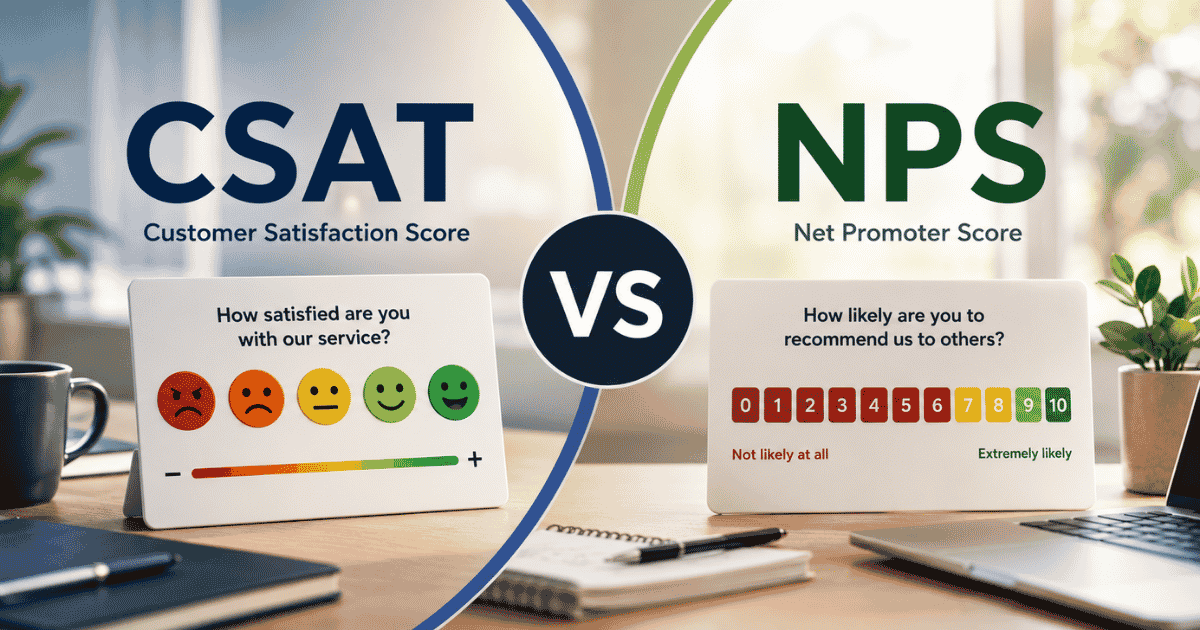
Fast resolutions via CSM lift CSAT to 90 percent averages, correlating to 15-point NPS gains and 20 percent higher renewals. Tracking satisfaction scores by channel reveals that live chat often outperforms email by 25 percent.
A B2B SaaS team that dropped first response from 12 hours to 1.5 hours saw retention rise 18 percent within one year. This improvement came from delivering personalized support at the speed customers expect in 2026.
Higher customer satisfaction reduces churn and increases expansion opportunities. Satisfied customers become promoters who renew and refer others. Customer feedback collected through your CSM informs product decisions that further improve the entire customer journey.
Operational Efficiency And Cost Control
Automation deflects 50 percent of low-level tickets, stabilizing headcount as revenue grows 40 percent yearly. Your IT help desk software for modern teams or call center software handles routine requests while agents focus on complex issues that require human insight.
Standardized workflows reduce training time for new agents from weeks to days. Reports spot bottlenecks like Monday morning backlogs, reducing them by 35 percent via predictive staffing. Agent performance improves because processes are clear and consistent.
Your employee productivity rises without sacrificing service quality. Escalations drop by 28 percent when workflows handle routing correctly from the start.
Better Insight And Continuous Improvement
Every stored interaction becomes a data point about product gaps, confusing UX flows, or missing documentation. Tag analysis might reveal that 15 percent of tickets concern confusing dashboards, prompting fixes that halve future volumes.
Quarterly reviews across years track progress. A 25 percent ticket decline after specific improvements validates the investment. Support insights drive 30 percent of feature prioritizations at companies that close this feedback loop effectively.
Your customer service experiences improve continuously because you understand what causes friction and address it systematically.
Overcoming Common Challenges When Adopting A Customer Service Management System
Adopting CSM faces hurdles like integrations and team resistance. However, 75 percent of teams succeed with proper planning, achieving ROI within three to six months through 40 percent efficiency gains.
Integrating With Existing Tools And Data
Most teams already use CRM, billing, and chat widgets before adding a CSM platform. Adoption must respect that existing stack. Pre-built integrations work best where available, with open APIs handling custom connections when needed.
The risk of data silos and inconsistent customer records grows when integration is handled poorly. For example, syncing status changes between CSM and CRM in real time prevents duplicate work and ensures everyone sees the same information.
Your customer communications flow smoothly when systems talk to each other, especially when you follow guidance on smarter helpdesk setups for smoother support. Agent productivity improves because context is always available.
Change Management And Team Adoption
Front-line agents may resist a new system if it feels complex or if benefits are not clearly explained. Phased rollouts work better than big-bang implementations. Starting with one queue and expanding builds confidence.
Quick wins matter. Automating one frustrating manual task in the first month, like auto-forwarding tickets based on topic, shows immediate value. Involving agents in configuration decisions like naming queues and setting up views increases buy-in.
Your support software should make work smoother, not add surveillance. Frame changes around helping agents succeed rather than monitoring their every move.
Data Migration And Process Design
Planning how to migrate historical tickets and customer contacts from email or legacy tools to the new platform requires preparation. Clean data first by removing duplicates, standardizing fields, and mapping old statuses to new ones.
Adoption smooths out when teams document new workflows. Clarity on when to escalate or when to create a bug report versus a feature request prevents confusion, especially when following guidance on how the right helpdesk setup boosts customer support.
Your customer service software options should include migration support and help teams balance customer support vs customer experience across the journey. The best customer service platforms offer guidance on data cleanup and process design.
Future Trends In Customer Service Management Systems
The next wave of customer service tools brings predictive capabilities and deeper personalization. These trends will shape how smarter, secure customer support platforms like EasyDesk evolve through 2026 and beyond.
Predictive And Proactive Support
By 2026, more platforms use predictive analytics to flag at-risk accounts before they open a ticket. Automatic alerts trigger when usage drops or error rates spike, prompting proactive outreach from your team.
Proactive status updates about outages, delays, or product changes reduce inbound volume by 35 percent. This approach builds trust because customers feel informed rather than surprised, especially when paired with strategies on how to reduce customer support response time with automation.
For subscription and SaaS models, preventing churn is critical. Your customer retention improves when you reach out before problems escalate.
Deeper AI And Automation Without Losing The Human Touch
Future CSM systems blend chatbots and AI agents with fast routing to humans when questions are nuanced or emotional. AI handles summary notes, follow-up reminders, and categorization. Agents listen and problem-solve.
Pilots from 2024 through 2026 show 45 percent productivity gains with steady 88 percent CSAT scores. Transparency matters though. Customers should know when they are talking to a bot.
Your exceptional customer service comes from combining AI efficiency with human empathy. Neither works as well alone.
Richer Customer Profiles And Personalization
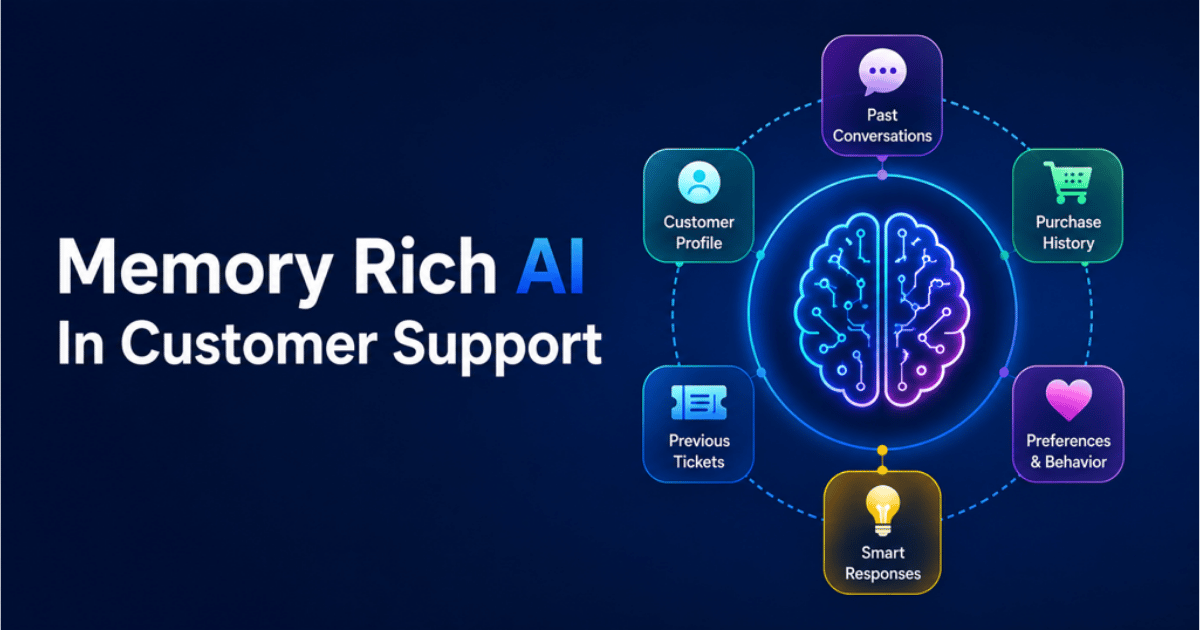
CSM systems are moving toward single profiles that join product usage, billing data, support history, and feedback scores. This lets agents tailor responses based on complete context.
For example, pointing a new admin to a specific onboarding guide based on their plan and role saves time and improves satisfaction. Privacy controls, consent management, and regional regulations like GDPR must be respected as personalization deepens.
Your customer needs get met faster when agents understand the full picture, similar to how EasyDesk improved response time for a growing team by centralizing context and workflows. Customer service interactions feel personal rather than transactional.
How EasyDesk Helps Businesses Level Up Customer Service Management
Businesses need structured systems to manage growing support demands. EasyDesk helps simplify operations, improve visibility, and connect workflows so teams deliver consistent service while adapting to evolving customer needs as a secure, efficient customer support platform.
Simplifying Daily Support Operations
Managing customer inquiries across different tools often leads to confusion and delays. EasyDesk brings customer support tools into one place, reducing context switching and keeping customer context clear across every interaction, staying aligned with its focus on secure, transparent customer support. This allows teams to respond faster without losing important details.
By organizing workflows inside connected business systems, teams handle customer inquiries more efficiently. Less time is spent searching for information, and more focus goes into delivering consistent service across every touchpoint.
Strengthening Customer Success And Visibility
EasyDesk supports customer success teams by giving them access to structured customer data and clearer visibility into customer health. This helps teams focus on long-term outcomes rather than only resolving immediate issues.
With features aligned to customer success software and customer success platforms, teams can work with better insights, monitor account health, and improve relationships through more informed and proactive support, especially when using EasyDesk helpdesk ticketing software features to streamline daily work.
Improving Communication And Experience
Clear communication plays a key role in managing customer expectations. EasyDesk keeps conversations connected across channels, reducing gaps and helping teams respond with full context. This improves clarity and builds stronger engagement with customers.
Features like interactive voice response and structured communication flows ensure that customer sentiment is understood more accurately, similar to how the #1 ticketing software built for better customer support centralizes and tracks every interaction. Teams can respond in a way that feels consistent and relevant across different communication scenarios.
Supporting Scalable Systems And Growth
As operations grow, managing multiple processes becomes complex. EasyDesk fits into existing crm solutions and supports integration capabilities that connect data management across platforms, comparable to leading cloud help desk software that maximizes efficiency. Transparent EasyDesk pricing for customer support plans also makes it easier for teams to choose the right level as they grow. This allows teams to scale without breaking workflows.
With key features like pipeline management and alignment with modern software for 2026, EasyDesk helps teams adapt to evolving needs, acting as the best customer support ticketing software system for growing operations. It creates a flexible foundation where support operations, data flow, and service quality continue to improve over time.
Frequently Asked Questions
How Is A Customer Service Management System Different From A Simple Help Desk?
A basic help desk focuses on logging and responding to issues. A full CSM system covers workflows, analytics, feedback tracking, and cross-team collaboration across the entire customer journey. CSM tools integrate more deeply with CRM, billing, and product analytics to give a broader view of each account. This extra depth helps teams handle three times more complexity with 50 percent better outcomes.
When Should A Business Invest In A Customer Service Management System?
Once a team handles more than 50 requests weekly, or uses multiple inboxes and spreadsheets, it is time to move to a CSM platform. Early adoption with a small team of three to five agents prevents chaos later. Building good habits around tagging, SLAs, and documentation pays dividends as volume grows.
Do Customer Service Management Systems Replace My CRM?
A CSM system complements rather than replaces CRM. CRM focuses on leads and sales while CSM centers on post-sale support and success. The best setup integrates both so data flows both ways. Sales sees support issues and support sees contract details for better handoffs.
How Long Does It Take To Implement A Customer Service Management System?
Simple teams can be live in three to five days. More complex organizations with multiple brands and regions may need two to four weeks. Timelines depend on data migration, integration requirements, and how much process redesign is involved.
What Metrics Should We Track In A Customer Service Management System?
Monitor first response under two hours, resolution under eight hours, backlog under five percent, and CSAT over 85 percent. For subscription businesses, add NPS and churn tracking. Review these numbers monthly and tie them to specific experiments like adding new help center content or tweaking routing rules.