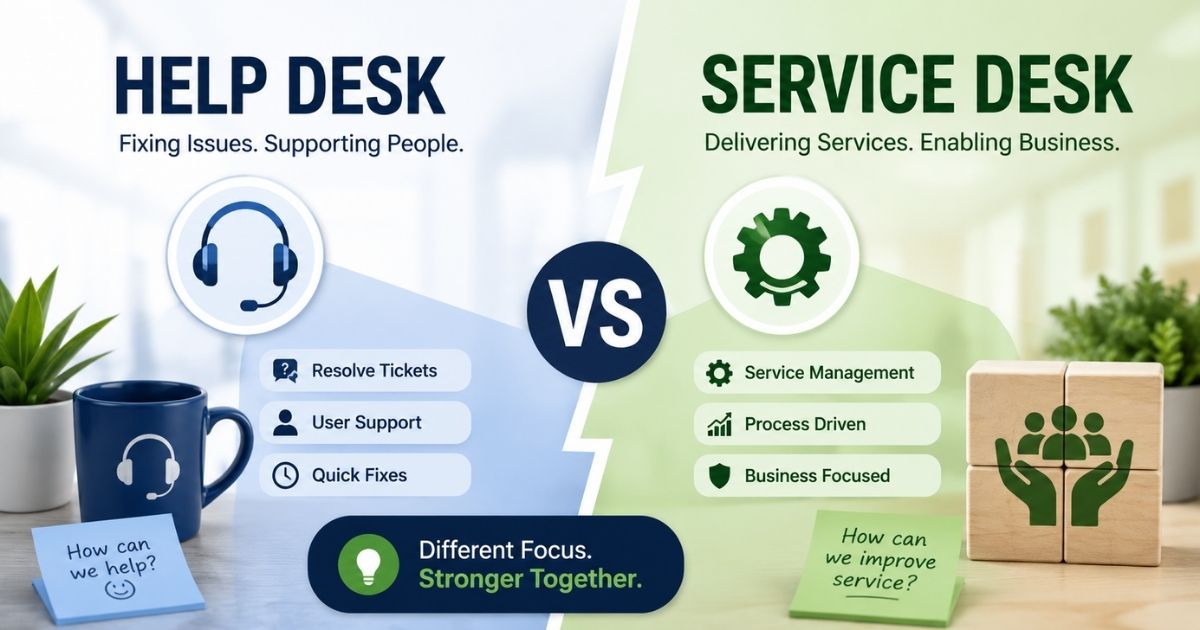
Customer expectations have changed dramatically since 2020. Today, 73% of consumers will switch to a competitor after just a few bad support experiences. Meanwhile, 80% of companies plan to increase their investment in customer experience, recognizing that service quality directly impacts revenue and retention.
A modern customer support system goes far beyond a simple ticketing system. It connects multiple channels into one interface, uses AI to automate routine tasks, and gives support agents the customer context they need to resolve issues quickly. Whether a customer starts a conversation on Instagram and follows up via email, your team sees the complete customer history without asking repetitive questions.
This article breaks down what defines a modern customer support system, its core features, the different types available, and the measurable benefits for support teams. You will also learn how to evaluate platforms, what challenges arise without the right tools, and why EasyDesk stands out as a reliable solution for growing businesses.
What Is Help Desk Solutions For Modern Customer Support
Helpdesk solutions form the operational backbone of modern customer support systems. A helpdesk solution refers to software that collects, organizes, and manages customer inquiries from multiple channels such as email, chat, web forms, and social media in a structured ticketing environment. Instead of scattered conversations, every request becomes a trackable support ticket with clear ownership and status.
Modern helpdesk platforms go beyond simple ticket management. They include automation, SLA monitoring, knowledge base integration, and analytics that help support teams respond faster and maintain service quality, especially when you choose fast and scalable helpdesk software that can grow with your organization. According to industry research, companies that use structured helpdesk systems can reduce response time by up to 30 percent while improving customer satisfaction. As support demand increases across digital channels, helpdesk solutions allow businesses to handle high ticket volumes efficiently while keeping customer communication organized and measurable.
Components Of A Modern Customer Support System
Every effective customer support platform shares foundational components that work together to create a unified support experience. Understanding these core features helps teams evaluate what they truly need versus nice-to-have premium features.
Ticket Management System
A solid ticketing system forms the backbone of organized support operations. An email ticketing system converts every customer query from email, chat, or other communication channels into trackable support tickets with priorities, assignments, and status updates. As ticket volume grows, this structure becomes essential.
Good ticket management includes automatic ticket creation from incoming messages, conversation threading that keeps all the necessary context together, and internal notes that multiple team members can use without the customer seeing. With 57% of support leaders expecting call volumes to rise 20% in the next one to two years, organized ticket management separates functional teams from overwhelmed ones.
Omnichannel Communication Channels
Omnichannel support means unifying email, chat, phone, SMS, social media, and in-app messaging into one interface. This matters because 70% of customers globally prefer omnichannel experiences, yet only 25% of organizations have smart omnichannel communication routing in place.
The difference shows in results. Omnichannel setups boost customer satisfaction to 67% compared to just 28% for disconnected multichannel support. When customers can move between channels without repeating themselves, they feel valued. When support agents see complete customer conversations regardless of channel, they resolve issues faster.
Automation And Workflow Management
Automation capabilities transform how support teams handle repetitive tasks. Modern systems use AI for automated ticket routing, auto-replies during off-hours, escalations based on sentiment or priority, and assignment based on agent skills or language.
Research shows AI-enabled workflows can deflect 65-70% of routine tasks like order tracking or password resets, yielding an 8x return on investment at $3.50 for every $1 invested. This frees support agents to focus on complex workflows that require human judgment and empathy.
Knowledge Base And Self Service Support
Knowledge bases power self-service by giving customers instant access to answers. A well-built self-service portal includes searchable help articles, embedded FAQs, and AI-powered content suggestions during live chats, and is a core part of many modern help desk solutions.
Self service support is not about avoiding customers. It is about respecting their time. Many customers prefer finding answers themselves, especially for common questions. When your knowledge base software and knowledge bases are comprehensive and easy to navigate, customers get faster resolution and support teams handle fewer repetitive customer inquiries.
Reporting And Support Analytics
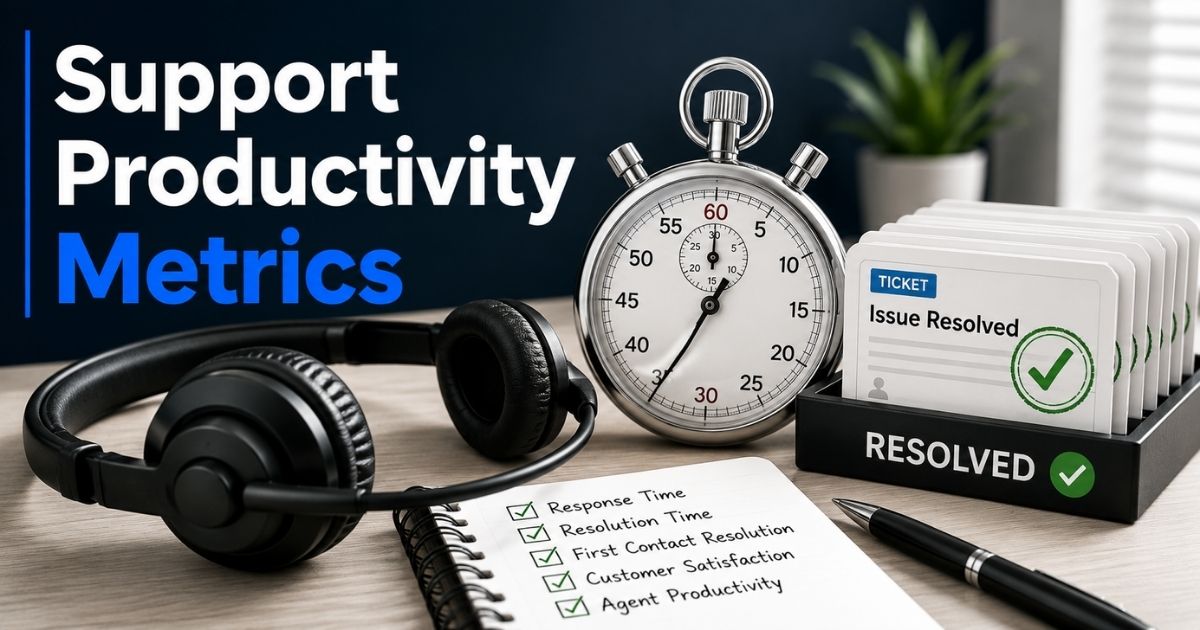
Advanced reporting tracks the metrics that matter: first response time, resolution time, customer satisfaction scores, Net Promoter Score, and Customer Effort Score. Dashboards help leaders optimize staffing, identify training gaps, and spot process bottlenecks.
About 75% of support teams report that their metrics are evolving with AI integration, improving feedback collection by 28%. Modern analytics go beyond counting tickets to understanding service performance trends and connecting support data to revenue outcomes.
Key Features Of A Help Desk In Modern Customer Support
Beyond core components, specific capabilities determine how well a helpdesk can manage customer interactions at scale. The essential features of a modern helpdesk combine automation, collaboration, and visibility so customer support agents can support customers efficiently across multiple communication channels.
Smart Ticket Routing
Smart ticket routing helps helpdesk systems manage customer interactions by assigning incoming support tickets to the right agents automatically. Instead of manual distribution, the ticketing system evaluates issue type, customer history, and agent expertise before assigning the request.
Research shows that only about 25 percent of contact centers use intelligent routing today, yet those that do report faster resolution times and improved service performance. Advanced automation allows helpdesks to prioritize urgent issues, direct technical questions to specialized customer support agents, and ensure high value customers receive timely attention.
Smart routing also reduces repetitive tasks for human agents. Customer support automation tools categorize requests automatically, which allows support teams to focus on solving problems rather than sorting tickets.
SLA Monitoring And Alerts
Service level agreement monitoring ensures that support processes follow defined response and resolution timelines. Modern helpdesk systems track ticket deadlines, notify teams before breaches occur, and provide advanced reporting that highlights service performance trends.
Organizations often struggle to meet rising customer expectations for quick support. SLA monitoring keeps teams accountable by offering visibility into ticket queues and response priorities. Alerts help support teams react quickly when ticket volume increases or when critical issues remain unresolved.
These automation capabilities help maintain service quality and protect customer relationships even during busy support periods.
Internal Team Collaboration
Collaboration features allow multiple team members to work together on complex customer issues without confusion. Internal notes, shared ticket updates, and mentions help customer support agents communicate directly inside the helpdesk environment.
Effective collaboration features also act as communication tools between departments. Technical teams, billing teams, and account management teams can review conversations and provide input when needed.
This coordinated approach improves resolution speed and ensures customers receive accurate responses while internal teams handle the investigation behind the scenes.
Customer Interaction History
A modern helpdesk provides full feature access to a unified customer history. Agents can review past support tickets, purchases, preferences, and previous conversations in one place.
Having this information available helps support teams manage customer interactions without asking customers to repeat information. Studies indicate that more than half of customers become frustrated when they must explain the same issue multiple times.
Access to customer context allows customer support agents to deliver personalized support, which improves customer satisfaction and strengthens long term customer relationships.
AI And Chatbot Assistance
AI features now play an important role in modern helpdesk platforms. AI agents and chatbots answer repetitive customer inquiries instantly while human agents focus on complex problems that require judgment and empathy.
Customer support automation tools powered by AI can categorize support tickets, suggest responses, and surface relevant knowledge base articles. These capabilities help teams automate routine tasks while still maintaining quality customer conversations.
AI features also assist with proactive messaging and intelligent recommendations that guide agents during conversations with customers.
Customizable Support Workflows
Modern helpdesks allow organizations to customize workflows according to their support processes. Businesses often have unique approval paths, escalation rules, and ticket routing requirements.
Basic automation handles simple repetitive tasks such as assigning tickets or sending acknowledgment responses. Advanced automation manages complex workflows that involve multiple teams, departments, or approval stages.
Flexible workflow configuration ensures the helpdesk adapts to the business rather than forcing teams to change their support processes. This flexibility helps organizations scale their support operations while maintaining consistency across customer interactions.
Types Of Customer Support Systems
Customer support systems come in several varieties, each suited to different team sizes, industries, and support strategies. Most growing organizations combine elements from multiple types.
Ticket Based Customer Support Systems
Ticket based systems centralize emails, web forms, and structured inquiries into organized queues. Each request becomes a trackable ticket with history, priority, and ownership. These systems excel at managing high volumes of support tickets methodically and deliver many of the core benefits of using a ticketing system. They provide clear accountability and work well for teams handling primarily email-based or form-based support. For organizations with straightforward support workflows, ticket based systems offer simplicity without unnecessary complexity.
Shared Inbox Support Systems
Shared inbox systems consolidate team email into a collaborative space where anyone can see, claim, and respond to messages. They suit smaller support teams who need visibility without heavy process overhead. Features like collision detection prevent multiple agents from responding to the same customer. Assignment rules and simple automation features help distribute work fairly. For teams just moving beyond individual email accounts, shared inboxes provide a natural transition.
Live Chat Customer Support Systems
Live chat systems provide instant web-based conversation, meeting customer expectations for real-time responses. Resolution often happens in seconds rather than hours. Mobile-first customers especially appreciate live chat support software. These systems typically include chatbot capabilities for after-hours coverage and proactive messaging that engages visitors before they leave. For e-commerce and SaaS businesses, live chat often becomes the primary support channel.
AI Powered Customer Support Systems
AI powered systems use machine learning and natural language processing to understand customer intent, automate responses, and assist agents. Automated ticket management software helps route and prioritize requests intelligently. The conversational AI market is projected to reach $41.4 billion by 2030, growing at 23.7% annually. These platforms go beyond simple chatbots. AI agents execute tasks like processing refunds, updating subscriptions, and scheduling appointments autonomously. About 90% of organizations using AI report measurable cost savings.
Self Service Support Platforms
Self service platforms build comprehensive knowledge bases, help centers, and customer portals where users find answers independently. They reduce ticket volume while giving customers faster resolution and are often powered by a help desk that improves support behind the scenes. B2B companies and high-volume e-commerce businesses especially benefit from self service. Customers can track orders, update account details, and access documentation without waiting for agent availability.
Omnichannel Customer Support Systems
Omnichannel systems integrate every channel seamlessly, maintaining context as customers move between chat, email, phone, and social. The 67% satisfaction rate for omnichannel versus 28% for disconnected multichannel demonstrates clear value. These platforms require more comprehensive features and thoughtful integration, but they deliver the consistent experience modern customers expect. For organizations committed to customer experience excellence, omnichannel is increasingly standard.
Enterprise Customer Support Platforms
Enterprise platforms like Salesforce Service Cloud, HubSpot Service Hub, and modern IT help desk software scale for large operations with advanced capabilities including custom objects, complex workflows, and sophisticated analytics, similar to the leaders highlighted in the top help desk software in 2026. These systems often serve as the central hub connecting support to sales, marketing, and success teams. They handle enterprise plan requirements including custom SLAs, multiple brands, and global teams with language-specific routing. The complex setup is justified by organizations with sophisticated requirements.
Benefits Of Implementing Help Desk Solutions
Organizations that adopt structured help desk solutions see measurable improvements in service quality, operational efficiency, and customer experience. Modern help desk platforms combine automation, centralized communication, and analytics to help support teams manage customer interactions more effectively.
Faster Response And Resolution Time
Help desk solutions reduce response delays by organizing incoming support tickets through automated routing and prioritization. Customer support automation tools assign requests based on urgency, agent expertise, or issue type, which removes manual sorting and speeds up resolution, especially when teams move from manual vs automated ticketing to more intelligent workflows.
Studies show that support teams using automation resolve issues up to 40 to 50 percent faster compared to teams that rely on manual processes. When knowledge bases, ticket management systems, and AI features surface relevant information instantly, customer support agents can respond quickly and accurately.
Faster response times protect businesses from customer churn and help maintain strong service performance even during high ticket volume periods.
Higher Customer Satisfaction
Help desk platforms improve customer satisfaction by providing consistent, reliable service across multiple communication channels. When support teams have access to complete customer data and interaction history, they can deliver personalized support that meets customer expectations.
Customers prefer quick and accurate responses, and modern help desk systems enable both. Self service portals, automated responses, and AI features allow customers to resolve simple issues instantly while human agents focus on more complex cases.
Better response consistency and faster resolution times directly improve customer satisfaction scores and strengthen long term customer relationships.
Improved Support Team Productivity
Help desk solutions increase productivity by allowing support teams to automate routine tasks and focus on complex customer issues. Basic automation handles repetitive tasks such as ticket categorization, acknowledgments, and status updates, and can be implemented through streamlined ticket automation that reduces manual work.
Advanced automation goes further by managing workflows, escalations, and ticket routing across departments. This reduces administrative workload for customer support agents and allows them to focus on meaningful interactions with customers.
As a result, support teams can manage larger ticket volumes without increasing staff significantly, which improves operational efficiency and reduces service costs.
Centralized Customer Communication
A major advantage of help desk solutions is centralized communication management. All customer conversations from email, chat, web forms, and phone support appear in one unified ticketing system, often powered by robust shared inbox software that keeps teams aligned.
Centralized communication tools help support teams manage customer interactions without switching between platforms. Agents gain full feature access to customer history, previous support tickets, and account details in one place.
This visibility ensures that support customers receive consistent answers and eliminates confusion caused by scattered conversations across multiple tools.
Scalable Customer Support Operations
Help desk platforms allow businesses to scale support operations as customer demand grows. Automation features and structured ticket workflows ensure that increasing ticket volume does not overwhelm support teams, especially when supported by dedicated ticket automation software that handles routing and prioritization automatically.
Customer support agents can rely on advanced features such as automated ticket routing, knowledge base integration, and workflow automation to manage growing workloads.
Scalable help desk systems allow organizations to support more customers without sacrificing service quality, which becomes critical as businesses expand their customer base.
Data Driven Support Decisions
Modern help desk solutions include advanced reporting tools that track service performance and agent productivity. Managers gain visibility into metrics such as response time, resolution time, ticket volume, and customer satisfaction scores.
Advanced reporting helps teams identify recurring customer issues, evaluate agent performance, and improve support processes continuously.
When businesses analyze support data effectively, they can optimize support processes, allocate resources better, and improve overall customer experience based on measurable insights.
Challenges Businesses Face Without A Modern Support System
Organizations without modern customer support platforms face growing disadvantages as customer expectations rise and competitors invest in better tools.
Disorganized Customer Conversations
Without centralized systems, conversations scatter across email accounts, social platforms, and chat tools. Messages get missed. Customers wait. Agent frustration grows. The 56% of customers who have to repeat themselves across channels highlight this problem. Disorganization wastes time for everyone involved.
Slow Response And Resolution Time
Legacy systems lack the automation features that speed up modern support. Manual routing, searching for information, and typing repetitive responses consume hours. With 62% of leaders feeling behind on instant experiences, slow response puts businesses at competitive disadvantage. Customers increasingly expect immediate attention.
Limited Visibility Into Support Performance
Without proper analytics, teams cannot identify problems or opportunities. They work harder without knowing if efforts improve outcomes. Traditional metrics evolve with AI integration, but organizations without advanced reporting miss insights their competitors leverage. Blind spots in service performance hide improvement opportunities.
Inconsistent Customer Experience
When systems disconnect, customer experience varies wildly depending on channel, agent, and timing. Some interactions go smoothly while others frustrate. Inconsistency damages trust. Customers never know what to expect, eroding confidence in the relationship. The $3.8 trillion global revenue at risk from poor service underscores the stakes.
How To Choose The Right Help Desk Solutions For Customer Support
Selecting the right helpdesk solution requires careful evaluation of business needs, support processes, and long term scalability. Many platforms offer similar capabilities, but differences in automation, integrations, and communication tools often determine how effectively teams manage customer interactions, so it helps to review a helpdesk software guide for 2026 when comparing options.
Identify Support Channels Needed
The first step is identifying where customers prefer to contact your business. Research shows that around 70 percent of customers still prefer phone support, while more than 60 percent rely on email. Other users prefer live chat, web forms, or social media messaging.
A strong helpdesk solution should support multiple communication channels so support teams can manage customer interactions in one unified ticketing system. Platforms with omnichannel capabilities allow customer support agents to track conversations from email, chat, and phone support without switching between tools.
Understanding preferred channels helps organizations choose helpdesk solutions that align with customer expectations and support customers effectively.
Evaluate Automation And Workflow Capabilities
Automation capabilities play a major role in improving service efficiency. Modern helpdesk platforms include both basic automation and advanced automation that reduce manual workload for support teams.
Basic automation handles repetitive tasks such as ticket assignment, acknowledgment responses, and status updates. Advanced automation manages more complex workflows such as automated ticket routing, escalation rules, and multi step approvals.
Customer support automation tools also help teams automate routine tasks and prioritize urgent issues. Organizations that implement automation often improve response time significantly and reduce operational pressure on human agents.
Check Integration With Business Tools
Most organizations already use multiple business tools such as CRM systems, billing software, and communication platforms. A helpdesk platform must integrate with these existing tools to maintain a unified view of customer data.
Integration capabilities allow support teams to access account details, purchase history, and previous customer interactions without leaving the helpdesk environment. This unified data access improves decision making and allows customer support agents to provide more personalized support.
Before selecting a platform, businesses should review integration options carefully to avoid disconnected systems and fragmented customer information.
Assess Reporting And Analytics Features
Reporting and analytics are essential features that help organizations monitor service performance. A modern helpdesk should provide advanced reporting dashboards that track key metrics such as response time, resolution time, ticket volume, and customer satisfaction scores.
Managers can analyze agent performance trends, identify recurring customer issues, and evaluate the effectiveness of support processes. Advanced features in analytics platforms also help businesses forecast support demand and allocate resources efficiently.
Choosing helpdesk solutions with flexible reporting ensures that teams can adapt metrics as customer support operations grow.
Consider Scalability For Future Growth
Scalability is a critical factor when selecting helpdesk solutions. Customer support teams often experience increasing ticket volume as businesses expand. A scalable helpdesk platform ensures that support operations remain stable even during growth or seasonal spikes, particularly when backed by ticket automation software that can absorb higher volumes without extra headcount.
Platforms with advanced features such as automated ticket routing, knowledge base integration, and AI features can handle larger workloads without overwhelming support teams.
Businesses should also evaluate pricing models and feature access to ensure long term affordability. The right helpdesk infrastructure supports business expansion while maintaining consistent service quality and efficient support processes.
Why EasyDesk Is A Reliable Modern Customer Support System
EasyDesk brings all essential customer support features together in one streamlined platform. From automated workflows and ticket management to canned responses and a built-in knowledge base, it covers what growing teams need without unnecessary complexity. Its smarter, secure customer support features are designed to streamline operations and improve visibility.
The platform supports multi channel support with social media integration and live chat, SLA management to keep response commitments on track, and feedback tracking to understand customer sentiment. Its helpdesk ticketing software capabilities centralize communication and automate routine work. Roadmaps and changelogs help teams stay aligned while serving customers.
EasyDesk offers a forever free plan that provides feature access to core features without upfront investment. Transparent EasyDesk pricing across plans helps teams budget as they grow. Support teams can experience the benefits of centralized communication, intelligent ticket routing, and automation capabilities before committing.
By prioritizing productivity, visibility, and smooth support experiences, EasyDesk’s customer support platform helps customer support teams respond faster, stay organized, and handle support requests without unnecessary manual effort. It removes complexity from customer service operations while delivering the reliability growing businesses need.
FAQs
How Do Modern Customer Support Systems Improve First Response And Resolution Metrics
Modern systems improve first response through automated ticket routing that sends inquiries to available agents with relevant skills immediately. AI handles simple questions instantly while surfacing relevant knowledge base articles for agents handling complex issues. Resolution metrics improve because agents have complete customer history and context without searching. Implementing ticketing software built for better customer support helps standardize these improvements. AI-assisted teams achieve 25% higher first contact resolution rates. Automation eliminates manual steps that add time without adding value.
What Role Does Automation Play In Scaling Customer Support Operations
Automation enables teams to handle growing volume without proportional headcount increases. When AI deflects 65-70% of routine inquiries like order tracking or password resets, agents focus capacity on issues requiring human judgment. Automation also provides 24/7 coverage through chatbots and auto-responses. When you manage support tickets efficiently using EasyDesk, these automation gains compound. Teams scale by working smarter rather than just adding staff, achieving 8x return on automation investment.
How Do Omnichannel Support Systems Maintain Consistent Customer Context
Omnichannel systems unify all communication channels into a single interface with shared customer profiles. When a customer emails Monday after chatting Sunday, the agent sees both conversations connected to one record. A robust live chat ticketing system is often a core part of this omnichannel approach. Only 13% of businesses achieve full cross-channel context today. Those that do prevent the 56% repetition rate that frustrates customers using disconnected systems. Unified context enables personalized support regardless of channel.
What Metrics Should Businesses Track In A Modern Customer Support System
Essential metrics include first response time, resolution time, customer satisfaction scores, Net Promoter Score, Customer Effort Score, and first contact resolution rate. These connect service quality to customer loyalty. Advanced teams also track deflection rate from self service, agent performance trends, and correlation between support interactions and retention. About 75% of teams report their metrics are evolving with AI, adding new measures like AI accuracy and automation effectiveness.
How Does A Modern Customer Support System Support Long-Term Customer Retention
Modern systems support retention by reducing customer effort and frustration. Low Customer Effort Scores correlate with higher retention because easy experiences build loyalty. Complete customer history enables personalized customer interactions that recognize relationship value. Platforms that prioritize security and transparency, like EasyDesk’s secure, transparent customer support, also help build long-term trust. Proactive messaging reaches customers before problems escalate. Analytics identify at-risk customers based on support patterns. Every positive support interaction becomes an opportunity to strengthen customer relationships rather than damage them.