Customer expectations have changed significantly in recent years. People now expect fast, consistent help across email, chat, social media, and phone. For SaaS companies and digital businesses, the customer support team is often the main human contact point. This makes customer service roles and responsibilities more important than ever for reducing churn, driving upgrades, and earning referrals.
This guide is designed for startups and growing companies that are defining or formalizing their customer service duties for the first time. Whether you are building a team from scratch or looking to improve existing workflows, understanding these roles helps you deliver excellent customer service at every touchpoint.
What Are Customer Service Roles And Responsibilities
Customer service roles and responsibilities describe the tasks, behaviors, and standards expected from anyone who interacts with customers. These roles exist to answer questions, resolve customer issues, guide product usage, and protect long-term relationships. They cover both reactive support, like handling tickets and phone calls, and proactive customer outreach, such as onboarding follow-ups and health checks.
In a typical SaaS company, customer service teams work closely with customer success, sales, and product teams. While titles vary, the core customer service responsibilities remain similar whether someone is called a customer service representative duties, support specialist, helpdesk agent, or customer advocate.
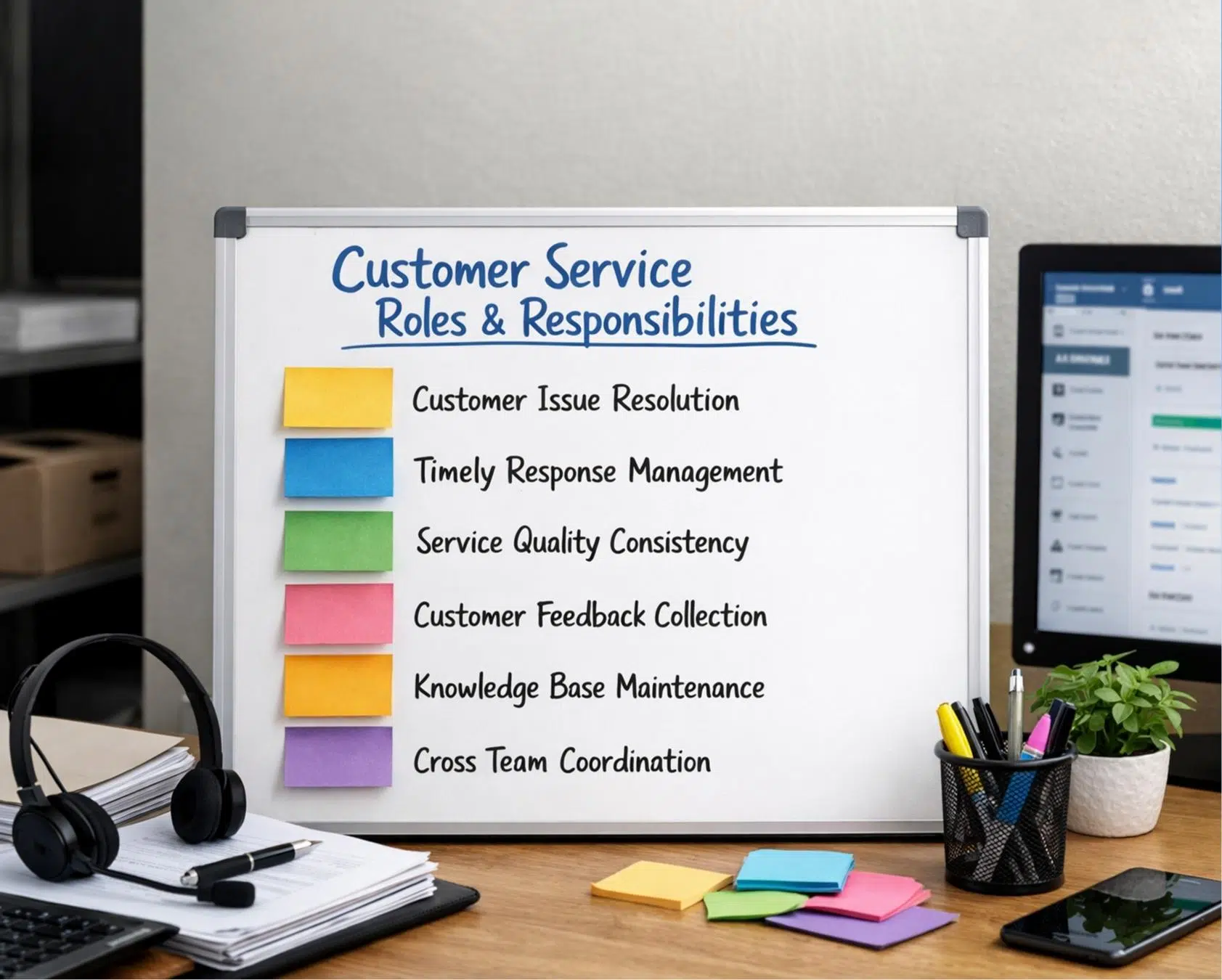
Core Responsibilities Of Customer Service Teams
Every customer support team shares a set of foundational duties and responsibilities. These core tasks define what it means to deliver good customer service and ensure customer satisfaction across every interaction.
Customer Issue Resolution
The primary job of any customer service agent is to resolve customer issues quickly and completely. This means understanding the problem, identifying the best solution, and following through until the customer is satisfied. Whether the issue involves billing errors, login problems, or feature confusion, reps must own the ticket from start to finish.
First Contact Resolution (FCR) is a key performance indicator here. High-performing teams aim for FCR rates above 70 percent, meaning most customer concerns are addressed in a single interaction without requiring escalation.
Timely Response Management
Customers expect quick replies. Responding to customer inquiries in a timely manner builds trust and reduces frustration. Service level agreements (SLAs) help teams set clear expectations for response and resolution times.
For example, a support team might commit to a 4-hour first response time for high-priority tickets. Meeting these deadlines consistently shows customers that their time is valued and that the company takes customer complaints seriously.
Service Quality Consistency
Delivering exceptional customer experiences means maintaining quality across every channel and every agent. This requires documented customer service processes, training, and regular quality reviews. Whether a customer reaches out via live chat, email, or phone support, the experience should feel seamless and professional.
Canned responses and internal playbooks help maintain consistency, but they must be personalized to avoid sounding robotic. A good customer service representative adapts templates to fit each situation while staying on brand.
Customer Feedback Collection
Customer feedback is one of the most valuable inputs for any business. Service representatives have a front-row seat to hear what customers love, what frustrates them, and what they wish the product could do. Capturing this feedback and channeling it to product and success teams helps shape the roadmap.
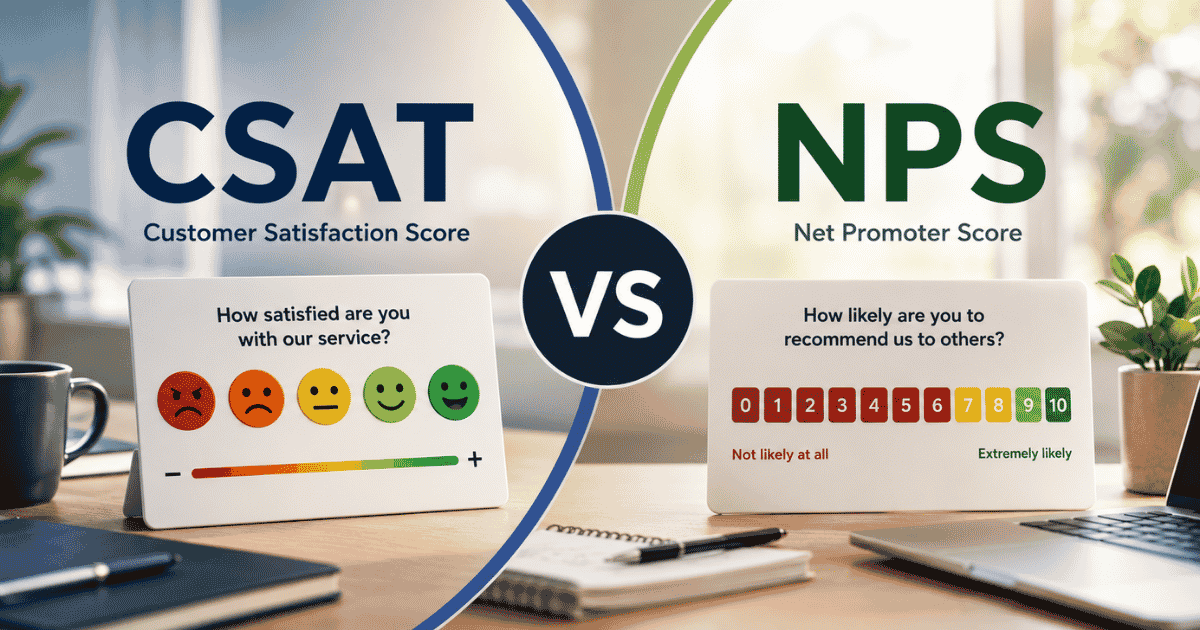
Structured methods like CSAT surveys, post-chat ratings, and ticket tagging make feedback collection easier. Over time, aggregated customer feedback reveals patterns that inform product decisions and service improvements.
Knowledge Base Maintenance
Self-service support reduces ticket volume and empowers customers to find answers on their own. Customer service teams are responsible for creating and maintaining knowledge base articles based on common customer queries.
When the same question appears repeatedly, it signals an opportunity to write a helpful article. Keeping documentation up to date as products evolve ensures customers always have access to accurate information.
Cross Team Coordination
Customer service does not happen in isolation. Reps regularly collaborate with appropriate internal teams like engineering, billing, and product to resolve complex issues. This might involve joining calls to explain patterns of customer complaints or routing bugs to technical support.
Clear escalation paths and internal communication tools keep everyone aligned. When handoffs are smooth, customers experience faster resolutions and fewer repeated explanations.
Key Customer Service Roles In Modern Support Teams
Even small teams benefit from distinguishing roles, even when the same person wears multiple hats. Defining who owns which tasks prevents confusion and ensures nothing falls through the cracks.
Frontline Support Agents
The customer service representative is the first line of contact for most customer interactions. These agents handle day-to-day inquiries, process orders, assist with account changes, and troubleshoot basic issues. Entry-level reps typically manage 50 to 80 tickets daily, focusing on volume and first-contact resolution.
Key responsibilities include answering customer questions about the company’s products, handling returns or exchanges, and using customer service software to log every interaction. A service agent in this role needs strong written communication skills, patience, and a genuine desire to help.
Team Leadership Roles
A customer service team lead or supervisor oversees daily operations, manages schedules, coaches agents, and handles escalated cases. They monitor performance metrics, ensure the team meets SLAs, and identify areas for improvement.
Team leads serve as the bridge between frontline reps and management. They communicate priorities, address bottlenecks, and keep morale high during busy periods.
Quality Assurance Roles
Quality assurance specialists review ticket samples, score agent performance, and identify training opportunities. Their goal is to maintain high customer satisfaction by ensuring every response meets quality standards.
QA roles become more important as teams grow. Without regular reviews, service quality can drift, leading to inconsistent customer experiences.
Customer Success Roles
While customer service focuses on resolving current issues, the customer success manager focuses on long-term outcomes. Success managers work proactively to help customers achieve their goals, drive adoption, and reduce churn.
In smaller teams, there is often overlap between support and success. As companies scale, separating these functions allows each team to specialize and deliver better results.
Technical Support Roles
Technical support specialists, sometimes called Level 2 agents, handle more complex troubleshooting. They diagnose integration problems, reproduce bugs, gather logs, and work with engineering to resolve customer issues that frontline agents cannot fix alone.
A customer support representative in a technical role needs deeper product knowledge and problem solving skills. They also serve as a resource for less experienced agents who need guidance on tricky tickets.
Support Operations Roles
Support operations manage the systems, tools, and workflows that power the customer service team. This includes configuring helpdesk software, building automation rules, generating reports, and maintaining integrations.
Operations specialists keep the machine running smoothly so agents can focus on assisting customer loyalty rather than wrestling with tools.
Responsibilities Of Customer Support Agents
The daily work of a customer service representative job description involves a mix of communication, documentation, and collaboration. Here is what those duties look like in practice.
Customer Inquiry Handling
Answering phone calls, responding to emails, and managing live chat sessions are core activities. Agents must understand the customer’s question, provide accurate information, and set clear expectations for next steps.
Good customer service means listening carefully, even when customers are frustrated. Active listening helps agents identify the real issue behind vague or emotional messages. This is especially important when handling customer complaints, as it requires patience and empathy to diffuse frustration.
Issue Resolution Process
Once the problem is understood, agents work to find a solution. This might involve processing orders, updating customer accounts, issuing refunds, or guiding users through a feature.
Resolving issues often requires testing solutions personally before recommending them. For example, if a customer reports a login error, the agent might replicate the steps to confirm the problem and verify the fix works.
Conversation Documentation
Every customer interaction should be documented in the helpdesk or CRM. This includes context, actions taken, promised follow-ups, and any relevant tags. Accurate customer records power personalization, analytics, and smoother handoffs between agents.
Tags like “billing-issue,” “feature-request,” or “priority-high” help teams sort and prioritize tickets. Detailed notes ensure the next agent has everything they need to continue the conversation.
Internal Team Collaboration
Some issues require input from other departments. Agents must know when and how to escalate to engineering, billing, or product teams while remaining accountable to the customer.
Collaboration also means sharing feedback from tickets. If multiple customers report the same bug, agents should flag it internally so the team can address the root cause.
Process Compliance
Following established customer service processes ensures consistency and reduces errors. This includes adhering to SLAs, using approved templates, and following escalation playbooks during incidents.
Compliance protects both the customer and the company. It also makes it easier to onboard new agents and maintain service quality as the team scales.
Responsibilities Of Customer Service Managers
The customer service manager sets the strategic direction for the support team. Their focus shifts from individual tickets to overall performance, team development, and alignment with business goals.
Goal Setting
Managers define what success looks like for the team. This includes setting targets for customer service metrics like CSAT, NPS, average resolution time, and first response time.
Clear goals help agents understand priorities and give managers a framework for measuring progress. Goals should be ambitious but achievable, with regular check-ins to track performance.
Performance Monitoring
Reviewing reports and dashboards helps managers spot trends, identify struggling agents, and celebrate wins. Key performance indicators reveal whether the team is meeting SLAs and where bottlenecks occur.
Data-driven management leads to better decisions about staffing, training, and process changes. Without regular monitoring, small problems can grow into major customer satisfaction issues.
Team Coaching
Great managers invest in their people. This means providing regular feedback, conducting one-on-ones, and creating development plans for agents who want to grow.
Coaching also includes role-playing difficult scenarios, reviewing tough tickets together, and recognizing exceptional customer service. Studies show that empathetic reps can increase CSAT scores by 20 points, making soft skills coaching especially valuable.
Process Improvement
Customer service processes should evolve as the business grows. Managers identify inefficiencies, test new workflows, and implement changes that improve speed and quality.
This might involve updating escalation paths, refining automation rules, or redesigning the knowledge base structure. Continuous improvement keeps the team competitive and responsive to changing customer needs.
Strategy Alignment
Support does not exist in a vacuum. Managers work with leadership to align support strategy with company goals, whether that means reducing churn, improving customer retention, or supporting a product launch.
By connecting support work to business outcomes, managers ensure the team gets the resources and recognition it deserves.
How Customer Service Roles Support Business Growth
Strong customer service is not just a cost center. It drives measurable business results when roles are clear and teams are empowered.
Customer Satisfaction Growth
Companies that prioritize customer service grow revenue 4 to 8 percent above market averages. Satisfied customers stick around longer, buy more, and forgive occasional mistakes.
Tracking CSAT and NPS over time shows whether service improvements translate into happier customers. High customer satisfaction also reduces the cost of acquiring new customers by generating organic referrals.
Churn Reduction Impact
Every unresolved issue is a risk to customer retention. When agents resolve problems quickly and completely, customers are more likely to renew and less likely to look for alternatives.
Proactive customer outreach helps here too. Reaching out after major releases or checking in with accounts that have experienced repeated issues builds loyalty and trust.
Brand Trust Building
Support interactions shape how customers perceive your brand. A positive customer experience creates advocates who spread the word. A negative one can lead to public complaints and damaged reputation.
Consistency matters. When every agent delivers exceptional customer experiences, the brand becomes known for reliability and care.
Revenue Expansion Signals
Customer service reps often hear about unmet needs before anyone else. Feature requests, frustration with limits, and questions about advanced capabilities are signals that a customer might be ready for an upgrade.
While support teams do not usually drive sales quotas, they can flag expansion opportunities for success or sales teams to pursue.
Product Feedback Loop
Aggregated feedback from tickets reveals what works and what needs improvement. Dozens of similar customer requests for an integration, for example, can influence the product roadmap.
This feedback loop makes support a strategic partner in product development, not just a reactive function.
Customer Service Roles Across Different Channels
Modern customer support spans multiple channels. Each requires slightly different skills and approaches to deliver a positive customer experience.
Email Support Handling
Email remains a core channel for detailed customer inquiries. Agents must write clearly, address all points in the message, and set expectations for follow-up.
Written communication skills are essential. Emails should be professional, concise, and easy to scan. Templates help maintain consistency, but personalization prevents responses from feeling generic.
Live Chat Assistance
Live chat offers real-time help during critical moments. Agents must juggle multiple conversations, respond quickly, and guide users through issues step by step.
Chat works well for quick questions and urgent problems. Integrating chat with a helpdesk like EasyDesk ensures conversations become tickets that can be tracked and followed up on.
Phone Support Management
Answering phone calls requires strong verbal communication and the ability to think on the spot. Phone support is ideal for complex or emotional situations where tone of voice matters.
Agents should summarize the issue, confirm understanding, and offer clear next steps. Calls should be logged in the system along with notes for future reference.
Self-Service Enablement
A well-maintained knowledge base empowers customers to answer questions on their own. This reduces ticket volume and gives customers instant access to help.
Customer service teams are responsible for creating, updating, and promoting self-service content. Articles should be easy to find, written in plain language, and kept current as products change.
Social Channel Support
Social media is a public channel where response speed and tone are visible to everyone. Agents must handle customer requests professionally while protecting the brand’s reputation.
Monitoring social mentions allows teams to catch issues early and turn frustrated customers into satisfied ones. Providing proactive customer outreach through social channels shows customers that the company is listening.
How Tools Like EasyDesk Support Customer Service Teams
The right customer service software can simplify daily responsibilities and help teams scale without adding complexity. EasyDesk brings essential support features together in one streamlined platform.
Multi-channel support centralizes email, chat, and social messages into a single queue. Every customer interaction becomes a ticket that agents can track, prioritize, and resolve efficiently and promptly.
Automated workflows handle repetitive tasks like ticket routing, assignment, and reminders. This frees agents to focus on nuanced conversations and delivering exceptional customer experiences instead of manual busywork.
SLA management ensures the team meets response and resolution deadlines. Visual indicators highlight tickets at risk of breaching SLAs, making it easy to prioritize urgent customer issues.
A built-in knowledge base allows reps to create and maintain self-service content based on real tickets. When the same question appears multiple times, it can be turned into an article that reduces future ticket volume.
Feedback tracking and public roadmap features help teams capture customer feedback and share progress transparently. This closes the loop with customers who want to know their input is valued.
Live chat and mobile apps keep agents connected, whether they are at a desk or on the go. EasyDesk is designed for fast startup and ease of use, making it a fit for growing teams that need reliable tools without enterprise complexity.
FAQs
What Does A Customer Service Role Include
A customer service role includes answering customer questions, resolving issues, processing requests, and maintaining accurate records of all interactions. Agents work across channels like email, chat, phone, and social media to ensure customers get the help they need in a professional and timely manner. Beyond reactive support, many roles also involve providing proactive customer outreach, contributing to knowledge base content, and collecting customer feedback to share with other teams.
How Customer Service Responsibilities Are Defined
Customer service responsibilities are typically defined in a customer service job description that outlines key responsibilities, required skills, and performance expectations. Companies customize these based on their channels, hours of operation, and product complexity. Clear definitions help agents understand their scope and give managers a framework for coaching and evaluation. Job descriptions often include customer service representative requirements like a high school diploma, strong communication skills, and experience with customer service software.
Which Skills Matter In Customer Service
The most important customer service skills include clear communication, empathy, patience, problem solving, and attention to detail. Written communication skills matter for email and chat, while verbal skills are essential for phone support. Technical literacy helps agents navigate helpdesk tools and troubleshoot common issues. Soft skills like resilience and curiosity support long-term success, especially when handling difficult customers or learning new products.
How Customer Service Roles Evolve Over Time
Customer service roles evolve as teams grow and technology advances. Entry-level reps focus on volume and basic troubleshooting. With experience, agents may specialize in technical support, quality assurance, or knowledge management. Leadership paths lead to team lead, supervisor, or customer service manager positions. As AI and automation become more common, agents shift toward high-value conversations that require empathy and judgment, while routine tasks are handled by workflows and bots.
How Teams Structure Customer Service Roles
Teams structure customer service roles based on volume, complexity, and channels served. Small teams often combine responsibilities, with one person handling tickets while another manages documentation. As volume grows, dedicated roles emerge for frontline support, technical support, quality assurance, and operations. Clear structures prevent confusion, reduce duplicate work, and ensure every customer request has a clear owner. Even when resources are limited, defining who owns which tasks helps teams deliver consistent service.