Goals to improve customer service help businesses create a clear path toward stronger relationships, higher customer satisfaction, and long-term growth. Companies that define practical goals for customer service can align their support teams around consistent standards and measurable outcomes. Many organizations rely on smart goals to set clear priorities, track progress, and ensure every customer interaction contributes to a better experience.
To achieve lasting results, leaders must set customer service goals that focus on developing strong customer service skills, improving response quality, and resolving issues efficiently. Tracking metrics such as customer satisfaction scores and efforts to improve net promoter score also helps teams understand performance gaps. With the right approach, businesses can build loyalty, strengthen trust, and deliver consistent service excellence.
Long Term Goals To Improve Customer Service Excellence
Long-term goals give your customer service team a clear direction. They shift the focus from putting out daily fires to building something sustainable. When you think beyond the next week or month, you create space for real improvement.
Customer Service Excellence Definition
Customer service excellence means delivering positive customer experiences at every touchpoint. It goes beyond answering customer inquiries quickly. Excellence includes understanding customer needs before they ask, solving customer issues on the first try, and making every customer interaction feel personal. When your team achieves this, you build loyal customers who trust your brand.
Good customer service solves problems. Excellent customer service prevents them. It means your customer service representatives know your product deeply. They communicate with empathy. They follow up to ensure satisfaction. This level of service does not happen by accident. It requires intentional planning and clear customer satisfaction goals.
Purpose Of Long Term Service Goals
Long-term goals keep your entire team aligned. They help support managers make better decisions about training, tools, and priorities. Without goals, teams drift. Some agents focus on speed while others prioritize quality. This creates inconsistent service that confuses customers.
Goals also motivate. When your customer support team can see progress toward a target, they stay engaged. Small wins build momentum. Over time, this leads to a culture where everyone cares about the customer experience. The purpose is simple. Give your team something concrete to work toward that connects their daily work to business success.
Connection Between Service Goals And Growth
Strong customer service directly impacts revenue. Companies with high customer satisfaction see lower customer churn and higher customer retention rates. Satisfied customers spend more and refer others. This creates a cycle where good service fuels growth.
Research shows firms with omnichannel support see 91% retention compared to 61% for single channel businesses. Feedback-driven teams grow revenue 1.5x faster than those who ignore customer feedback. These numbers prove that setting the right customer service goals is not just nice to have. It is essential for your company’s success.
Role Of Leadership In Service Planning
Support managers play a key role in goal setting. They understand the day-to-day challenges. They know where bottlenecks slow down the team. Leadership must champion customer service excellence from the top. When leaders prioritize service, the whole organization follows.
Effective leaders involve their teams in planning. They ask customer service representatives where they see problems. They review customer data together. This collaborative approach builds buy-in. Goals created with input from the team’s focus areas are more likely to succeed.
Ways To Track Service Goal Progress
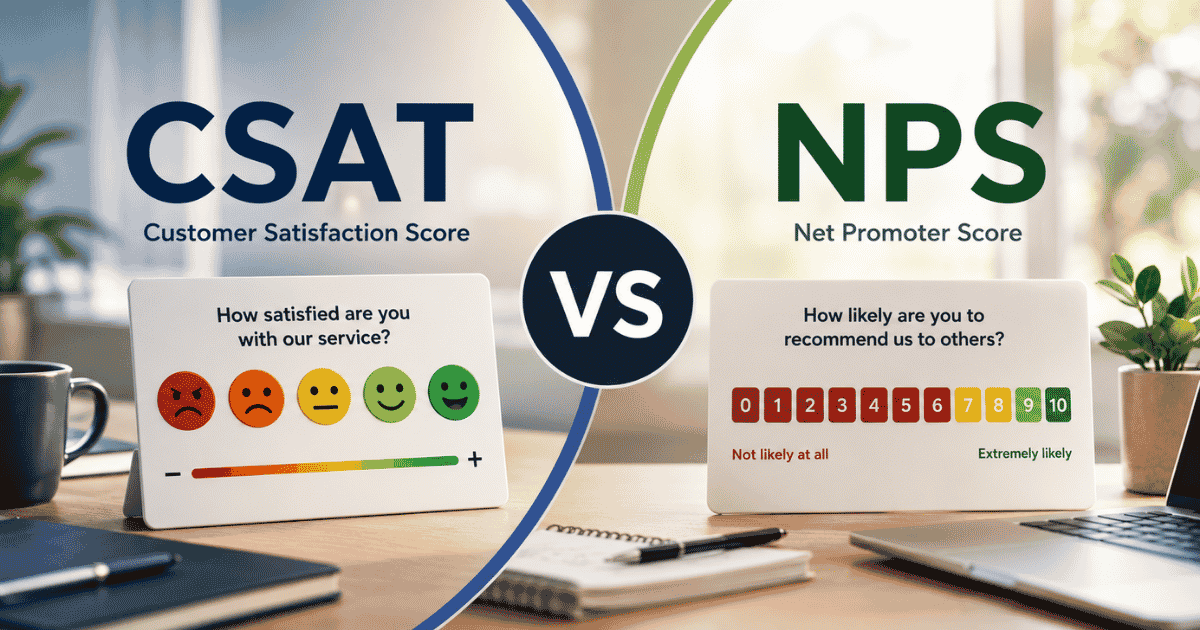
Tracking progress requires clear metrics. Key performance indicators like first contact resolution, response time, and net promoter score NPS provide objective measures. You cannot improve what you do not measure.
Regular check-ins matter. Weekly or monthly reviews help you spot trends early. If a metric starts slipping, you can adjust before small problems become big ones. Tools like EasyDesk provide dashboards that make tracking simple. Your team can see their progress without manual spreadsheets or complicated reports.
Why Do Long Term Customer Service Goals Crucial?
Long-term goals shape how customers perceive your brand. They influence whether customers stay or leave. They determine if unhappy customers become loyal fans or write negative reviews. Setting specific customer service goals is one of the most important things you can do for your business.
Impact On Customer Satisfaction
Customer satisfaction is the foundation of everything else. When customers expect fast, helpful service and you deliver, satisfaction rises. High customer satisfaction scores correlate with repeat purchases and positive word of mouth.
Studies show that high CSAT links to a 20% drop in churn. That is significant. For a SaaS business with recurring revenue, reducing churn even slightly can mean thousands of dollars in retained income. Goals focused on increasing customer satisfaction create real financial impact.
The key is consistency. One great interaction followed by a poor one leaves customers confused. Long-term goals help you deliver consistent service across email, chat, phone calls, and social media. Every touchpoint matters.
Effect On Customer Loyalty
Customer loyalty comes from trust. Trust builds over time through repeated positive experiences. When your customer service agent goes the extra mile, customers remember. They come back. They tell friends.
Zappos is famous for this. Their agents focus on emotional connections with customers. They measure things like whether an agent tried twice for rapport. This approach built a base of direct customers who love the brand. You can create similar loyalty by setting goals around relationship building, not just ticket resolution.
Brand loyalty also means customers forgive occasional mistakes. When you have a track record of excellent customer service, one slip does not end the relationship. But without that foundation, every error puts customer retention at risk.
Influence On Brand Reputation
Your customer service experience shapes how people talk about you. One viral complaint on social media can damage years of marketing work. On the flip side, exceptional service creates advocates who promote your brand for free.
Setting goals around customer engagement helps here. When you respond quickly and solve problems completely, customers share those stories. Positive reviews attract new business. Your reputation becomes a competitive advantage.
Marketing teams often focus on acquisition. But customer support drives reputation in ways marketing cannot. The two must work together. Aligning your customer service strategy with brand values ensures every interaction reinforces what you stand for.
Relationship With Customer Retention
Retention is cheaper than acquisition. Keeping existing customers costs far less than finding new ones. Long-term service goals that focus on increase customer retention pay dividends over time.
One company cut churn by 20% in three months by segmenting customers and providing targeted support. They prioritized paying customers and trial users with personalized outreach. This kind of strategic approach requires goals that look beyond daily metrics.
Customer retention rates are a lagging indicator. They reflect months of service quality. That is why long-term thinking matters. The goals you set today show up in retention numbers six months from now.
Contribution To Business Growth
Everything connects. Better service leads to satisfied customers. Satisfied customers stay longer and buy more. Higher retention reduces pressure on sales teams. Revenue grows.
Customer success is not separate from customer support. They overlap constantly. When support teams resolve customer issues quickly and completely, customers succeed with your product. They see value. They renew. They expand.
Goals that tie service to business outcomes help everyone see how their work matters. A customer service representative handling a billing question is directly impacting revenue. Making that connection clear motivates teams and focuses effort where it counts.
How To Set Effective Customer Service Goals?
Setting smart customer service goals requires a systematic approach. Vague intentions like “improve service” do not work. You need specific, measurable targets with clear deadlines. The smart method provides a framework that turns ideas into action.
Identify Service Improvement Areas
Start by finding where service breaks down. Review ticket data from the past 90 days. Look for patterns. Which issues take longest to resolve? Where do customers complain most? What causes repeat tickets?
Gather customer feedback through short surveys at key touchpoints. Social media comments and reviews also reveal pain points. Combine this qualitative input with quantitative data like customer satisfaction scores and first contact resolution rates.
Common areas for improvement include response time on live chat, resolution quality for technical issues, and knowledge base coverage for self service. Focus on problems that matter most to customers and impact the business.
Align Goals With Customer Expectations
Customers expect different things depending on your industry and product. A SaaS customer might expect 24-hour email response. A live chat user might expect answers in under two minutes.
Research what customers expect from businesses like yours. Survey your own customers to understand their priorities. Some care most about speed. Others value thoroughness even if it takes longer. Match your goals to what your specific customers want.
Meeting customer expectations consistently is better than occasionally exceeding them. Set realistic targets that your team can hit regularly. Consistency builds trust more than occasional wow moments followed by disappointments.
Set Measurable Service Targets
A measurable customer service goal uses numbers. Instead of “improve satisfaction,” say “raise CSAT from 82% to 88% by December.” Instead of “respond faster,” say “cut average first response time from 4 hours to 2 hours by Q3.”
Key metrics include net promoter score, customer effort score, first contact resolution, average resolution time, and ticket volume per agent. Pick metrics that align with your improvement areas. Track them weekly or monthly.
EasyDesk provides built-in reporting for these metrics. You do not need complex setups. The data is already there from your tickets and conversations. Use it to set baselines and targets that make sense for your team size.
Prioritize High Impact Goals
Not all goals are equal. Some changes create more customer satisfaction improvement than others. Label potential goals as high, medium, or low impact.
High-impact goals usually address frequent pain points. If 40% of tickets involve password resets, building self service options for password recovery could dramatically reduce volume. If response time complaints dominate feedback, that becomes a priority.
Avoid setting too many goals at once. Two to four focused targets work better than ten scattered ones. Your team’s focus matters. Concentrated effort produces results faster than divided attention.
Review Goals Regularly
Goals need adjustments. Business conditions change. Customer expectations shift. What seemed achievable in January might need revision by June.
Schedule quarterly reviews to assess progress. Are metrics moving in the right direction? Are targets still relevant? Do you need to scale back or push harder?
Use these reviews to celebrate wins too. When your team hits a goal, acknowledge it. Recognition builds motivation. Then set the next target and keep moving forward.
How To Improve Customer Service Performance Long Term?
Sustainable improvement requires ongoing effort. Quick fixes fade. Real change comes from optimizing processes, developing people, and using technology wisely. Here is how to build customer service performance that lasts.
Optimize Support Workflows
Efficient workflows save time and reduce errors. Map out how a ticket moves from submission to resolution. Identify steps that slow things down or create confusion.
Common improvements include clearer ticket routing rules, better handoff procedures between agents, and standardized responses for frequent questions. EasyDesk automation can auto-assign tickets based on topic or customer type. This removes manual triage that wastes time.
Review workflows quarterly. As your product evolves, old processes may no longer fit. Keep things simple. The goal is streamline operations so agents spend time helping customers, not navigating systems.
Increase Team Productivity
Productive teams handle more customer inquiries without sacrificing quality. Productivity gains come from removing friction, not pushing people harder.
Give agents the tools they need. Canned responses save typing time. Internal notes help agents collaborate without leaving the ticket. Mobile apps let agents handle urgent issues from anywhere.
Balance workloads fairly. When some agents are overwhelmed while others sit idle, overall customer satisfaction suffers. Use queue management to distribute work evenly. EasyDesk’s unified inbox helps agents see their priorities clearly.
Reduce Response Time
Fast responses signal that you value the customer’s time. Response time is often the first thing customers notice about your service quality.
Set channel-specific targets. Live chat might need 60-second responses. Email might allow 4 hours. Social media falls somewhere between. Match expectations to what is realistic for your team size.
Automation helps here. Auto-replies acknowledging receipt give customers confidence while agents prepare real answers. Routing rules ensure tickets reach the right person immediately instead of bouncing around. Even small improvements add up across hundreds of tickets.
Use Automation In Support
Automation handles repetitive tasks so agents focus on complex problems. It reduces operational costs and improves consistent quality.
Common use cases include automatic ticket tagging, SLA reminders, follow-up emails after resolution, and routing by language or region. EasyDesk workflows can trigger actions based on conditions you define.
Review automation rules monthly. Products change. New issues arise. Rules that worked last quarter might need updates. Keep automation relevant so it helps rather than creates confusion.
Monitor Service Performance
Continuous monitoring catches problems early. Do not wait for quarterly reviews to spot trouble.
Track key performance indicators weekly at minimum. Watch for sudden changes in resolution time, customer satisfaction, or ticket volume. These often signal process issues or product problems affecting customers.
Share performance data with your team. Transparency motivates improvement. When agents see their numbers alongside team averages, they understand where they stand. Celebrate improvements and address problems quickly.
How To Measure Customer Service Goal Success?
Measurement turns goals from wishes into realities. Without clear metrics, you cannot know if efforts are working. Here is how to track what matters for your customer service strategy.
Track Customer Satisfaction Scores
CSAT measures how customers feel right after an interaction. It is usually a simple survey asking customers to rate their experience from 1 to 5 or as satisfied/unsatisfied.
Send CSAT surveys automatically when tickets close. EasyDesk can trigger these surveys so you collect feedback consistently. Review scores weekly and look for trends.
Break down CSAT by agent, channel, and issue type. This reveals where satisfaction is strong and where it needs work. Use low scores as starting points for investigation, not blame.
Measure Service Quality Metrics
Beyond satisfaction, track metrics that indicate quality. First contact resolution shows how often you solve problems on the first try. Higher rates mean customers get faster help and agents work efficiently.
Average resolution time measures how long total resolution takes. Customer effort score asks customers how easy it was to get help. These metrics complement CSAT by showing different dimensions of quality.
Choose 3 to 5 core metrics and track them consistently. Too many metrics dilute focus. Start simple and add complexity only when needed.
Analyze Customer Feedback Data
Numbers tell part of the story. Comments and feedback surveys add context. A customer might rate 3 out of 5 and explain why. That explanation often matters more than the number.
Look for recurring themes in feedback. If multiple customers mention confusion about a feature, that signals a knowledge gap. If many praise a specific agent, learn what that agent does differently.
Categorize feedback systematically. Group comments by topic to spot patterns. Share insights with product and marketing teams. Customer feedback improves more than just support.
Evaluate Team Performance
Individual performance varies. Some agents excel at speed. Others shine in complex problem solving. Understand these differences to deploy your team effectively.
Review metrics by agent monthly. Look at resolution time, CSAT, tickets handled, and quality scores. Have coaching conversations based on data, not assumptions.
Employee satisfaction matters too. Burnt out agents provide poor service. Check in on workloads and job satisfaction regularly. Engaged agents deliver better customer interactions.
Monitor Customer Retention
Retention reflects long-term service quality. Track how many customers renew, upgrade, or leave.
Segment retention by customer type. Are trial users converting? Are long-term customers staying? Different groups may need different support approaches.
Connect support data to retention outcomes. Customers who contact support frequently might be at higher churn risk. Or they might be highly engaged users who love your product. Context matters. Use customer relationship management practices to understand the full picture.
Key Long Term Goals To Improve Customer Service
With the foundation in place, here are specific common customer service goals worth pursuing. These goals address different aspects of service excellence and work together to improve overall customer satisfaction.
Improve Customer Satisfaction
This is the central goal. Everything else supports it. Set a target like raising average CSAT from 84% to 90% over 12 months.
Focus on small behavior changes that compound. Clearer closing messages. Follow-up links to helpful resources. Personalized touches that show you remember the customer journey.
Use feedback to guide improvements. When CSAT dips, dig into comments to understand why. When it rises, identify what worked and do more of it.
Increase Customer Retention
Set retention-focused goals like reducing first-90-day churn by 15%. New customers need extra attention because they are still learning your product.
Create onboarding support processes. Proactive check-ins at day 7, 30, and 60 help customers succeed. Milestone emails with tips keep them engaged.
Flag accounts that contact support repeatedly in short periods. These may be at-risk customers who need extra help before they leave.
Build Strong Customer Relationships
Relationships matter as much as transactions. Set goals around deepening connections with customers over time.
Track repeat customers and how their satisfaction evolves. Are long-term customers staying happy? Are they becoming advocates who refer others?
Train agents on relationship skills beyond problem solving. How to remember details from past conversations. How to express genuine care. These soft skills build customer engagement that lasts.
Maintain Service Consistency
Consistency means every customer gets a similar experience regardless of which agent helps them or which channel they use.
Create playbooks for common scenarios. Refund requests, technical issues, and billing questions. When everyone follows similar processes, customers know what to expect.
Audit interactions periodically. Listen to call recordings or read ticket threads. Identify where consistency breaks down and address those gaps through training or clearer guidelines.
Strengthen Service Reliability
Reliability means keeping promises. If you say email responses come within 4 hours, deliver that consistently. If your knowledge base says a feature works a certain way, make sure it does.
Set SLA targets and measure compliance rigorously. EasyDesk tracks SLA adherence automatically. Use this data to hold your team accountable.
When you fail to meet commitments, acknowledge it. Apologize and explain what you are doing to prevent repeats. Customers respect honesty about mistakes more than excuses.
Workforce Development Goals For Support Excellence
Your team is your service. Investing in people creates sustainable improvement that technology alone cannot achieve.
Provide Agent Training
Regular training keeps skills sharp. Cover product updates, communication skills, and tool usage. New features require new knowledge.
Use real tickets as training material. EasyDesk ticket histories show what worked and what did not. Review challenging cases together and discuss better approaches.
Training should be ongoing, not one-time. Schedule monthly sessions even if brief. Consistent skill building beats occasional intensive workshops.
Improve Team Collaboration
Customer service rarely involves just one person. Complex issues require collaboration across agents and sometimes other departments.
Create clear escalation paths. When should an agent involve a senior colleague? When should they loop in product or engineering? Define these processes so nothing falls through cracks.
Use internal notes in EasyDesk to share context. When tickets get handed off, receiving agents should have full history. This prevents customers from repeating themselves and improves resolution speed.
Reduce Agent Burnout
Burnout hurts service quality. Exhausted agents make more mistakes and show less empathy. Preventing burnout protects both employees and customers.
Monitor workloads. If someone handles significantly more tickets than average, redistribute. Watch for signs of stress like declining performance or increased absences.
Give agents variety. All-day complaint handling is exhausting. Mix in different ticket types or rotate responsibilities. Small changes reduce monotony.
Manage Knowledge Effectively
A strong knowledge base helps agents and customers. Agents find answers faster. Customers use self service options instead of submitting tickets.
Build your knowledge base from ticket data. Which questions come up most? Create articles for the top 20 issues. Use clear titles and short explanations with screenshots.
Keep knowledge current. Product changes make old articles wrong. Review and update regularly. Outdated information frustrates customers and agents alike.
Develop Support Skills
Beyond product knowledge, agents need communication skills, empathy, and problem-solving abilities. These skills separate adequate service from excellent customer service software.
Identify skill gaps through performance reviews and feedback. Some agents may need help with writing clarity. Others might struggle with de-escalation.
Create development plans for each agent. Set skill-building goals alongside performance targets. Investing in people pays back through better service and lower turnover.
How EasyDesk Helps Achieve Customer Service Goals
Tools matter. The right platform makes goal achievement easier. EasyDesk provides features designed for growing support teams who want structure without complexity.
Centralized Shared Inbox
EasyDesk brings all customer conversations into one place. Email, chat, and social media tickets appear in a single inbox. Agents see everything without switching between tools.
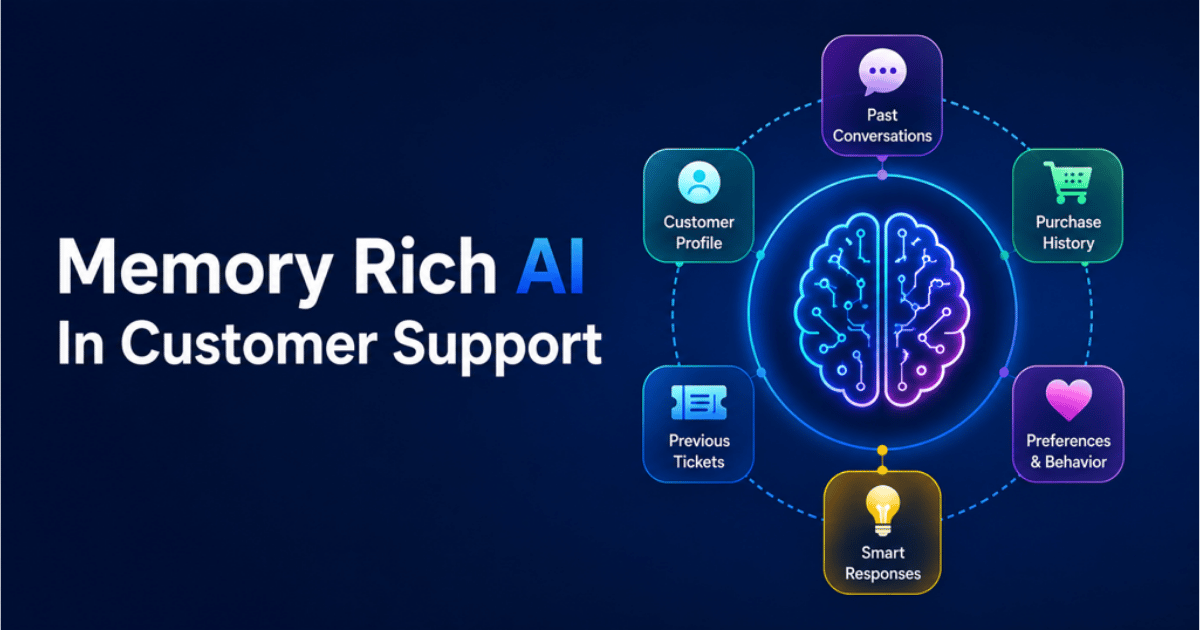
This centralization supports omnichannel goals. Customer history travels with the conversation. When someone switches from chat to email, agents have full context. This speeds resolution and improves customer experience.
A shared inbox also helps teams collaborate. Nothing gets lost in personal inboxes. Coverage is clear. Goals around response time become achievable when visibility is complete.
Automated Support Workflows
Automation in EasyDesk handles routine tasks. Auto-assign tickets based on rules you create. Tag issues automatically by keyword. Trigger SLA reminders before deadlines pass.
These workflows support goals around efficiency and response time. When tickets route themselves to the right agent instantly, first replies happen faster. When follow-ups send automatically, nothing slips through.
Review and update workflows monthly. As your product and processes evolve, automation should keep pace. Keep rules simple and relevant.
Performance Analytics Dashboard
EasyDesk reports show the metrics that matter. Track first response time, resolution time, CSAT, and agent performance from built-in dashboards.
These analytics make goal tracking practical. You set a target for first contact resolution. The dashboard shows progress weekly. No spreadsheets required. No manual calculations.
Share dashboards with your team. Transparency motivates improvement. When agents see their numbers clearly, they understand what to aim for.
Team Collaboration Tools
Internal notes let agents share context without customers seeing. Mention colleagues to get help on tricky tickets. All conversation history stays attached to the ticket.
These features support goals around resolution quality and consistency. Agents collaborate without customers noticing. Complex issues get the right expertise quickly.
Mobile apps extend collaboration beyond desks. Urgent issues get attention anywhere. Coverage gaps shrink when agents can respond from phones.
Structured Support Processes
EasyDesk provides framework for consistent service. SLA management sets expectations and tracks compliance. Canned responses ensure standard messaging. Knowledge base articles give agents reliable reference material.
Structure supports goals around consistent quality. When processes are clear, every agent delivers similar experiences. Customers know what to expect.
Start with EasyDesk’s 14-day free trial to see how these features work for your team. Test one or two goals and watch the impact.
FAQ
What Are Examples Of Long Term Customer Service Goals?
Long-term customer service goals typically span six months to several years. Examples include raising overall customer satisfaction from 80% to 90% over 18 months, reducing customer churn by 25% within a year, or achieving 90% first contact resolution rates by year-end. Goals around building a comprehensive knowledge base or creating a fully omnichannel support experience also qualify as long-term. The key is choosing targets that require sustained effort and create lasting improvements rather than quick fixes.
How Long Does It Take To Achieve Customer Service Goals?
Timeline depends on the goal type and starting point. Simple goals like improving first response time might show results in 4 to 8 weeks with focused effort. Deeper goals involving customer retention or loyalty typically need 3 to 6 months because they require multiple customer cycles to measure properly. Transformational goals like building a customer-centric culture may take 12 to 24 months. Set realistic timelines based on your team size, current performance, and the scope of change required.
Which Metrics Help Track Customer Service Improvement?
Start with three core metrics. Customer satisfaction scores show how customers feel after interactions. First contact resolution measures how often you solve problems on the first try. Net promoter score gauges overall loyalty and likelihood to recommend. Add response time and average resolution time to track efficiency. Customer effort score reveals how easy your service is to use. For long-term tracking, monitor customer retention rates and ticket volume trends. Choose metrics that connect directly to your specific goals.
Why Do Customer Service Goals Fail In Some Companies?
Goals fail for several common reasons. Unrealistic targets demotivate teams when they feel impossible to achieve. Vague goals without clear metrics leave everyone confused about what success looks like. Lack of leadership support means goals get deprioritized when other issues arise. Poor tracking makes progress invisible, killing motivation. Some companies set too many goals at once, dividing focus until nothing improves. Finally, ignoring customer feedback when setting goals means targets may not address what actually matters to customers.
How Can Technology Support Customer Service Goals?
Technology provides tools for execution and measurement. Help desk platforms like EasyDesk centralize conversations, automate workflows, and track metrics automatically. Knowledge bases enable self service options that reduce ticket volume. Automation handles repetitive tasks so agents focus on complex problems. Analytics dashboards make goal progress visible without manual reporting. CRM integration connects support data with customer history for personalized service. The right technology removes friction and makes goal achievement practical rather than theoretical.