When your customers reach out with questions or problems, that is customer support. But the way they feel about your company before, during, and after those conversations? That is customer experience. Many growing teams treat these terms as interchangeable, but they serve different purposes and need different approaches.
Customer support focuses on resolving immediate concerns when someone contacts your team. Customer experience encompasses the entire customer journey, from the first time they hear about you through years of using your product. Understanding the relationship between service and customer experience helps you invest your time and resources wisely.
For startups and small to mid-sized businesses, getting this right matters more than ever. Your customers expect the same quality they get from the biggest players. The good news is that you do not need enterprise budgets to deliver both great customer service impacts and a positive customer experience. You need clarity about what each requires and tools that help you execute on both.
This guide breaks down the key differences between support and experience, shows how they work together, and explains how platforms like EasyDesk help growing teams master both without adding complexity.
What Is Customer Support
Customer service refers to the direct assistance your team provides when customers face specific issues. This includes answering customer inquiries through email, chat, phone, or social media. It also covers troubleshooting technical problems, processing refunds, and guiding users through confusing features.
When a customer interacts with your support team, that moment is reactive by nature. Someone hit a roadblock and needs help moving forward. Your customer service team exists to get customer issues resolved quickly and with empathy. At early-stage startups, this might mean founders answering emails from a shared inbox. As you grow past 10 or 20 people, a dedicated support team and helpdesk become necessary.
Good customer service makes customers feel heard and respected. It builds trust in moments of frustration. Tools like EasyDesk help teams deliver effective customer service by centralizing ticketing, enabling SLA tracking, providing canned responses for common questions, and maintaining a knowledge base that agents can reference during conversations.
What Is Customer Experience
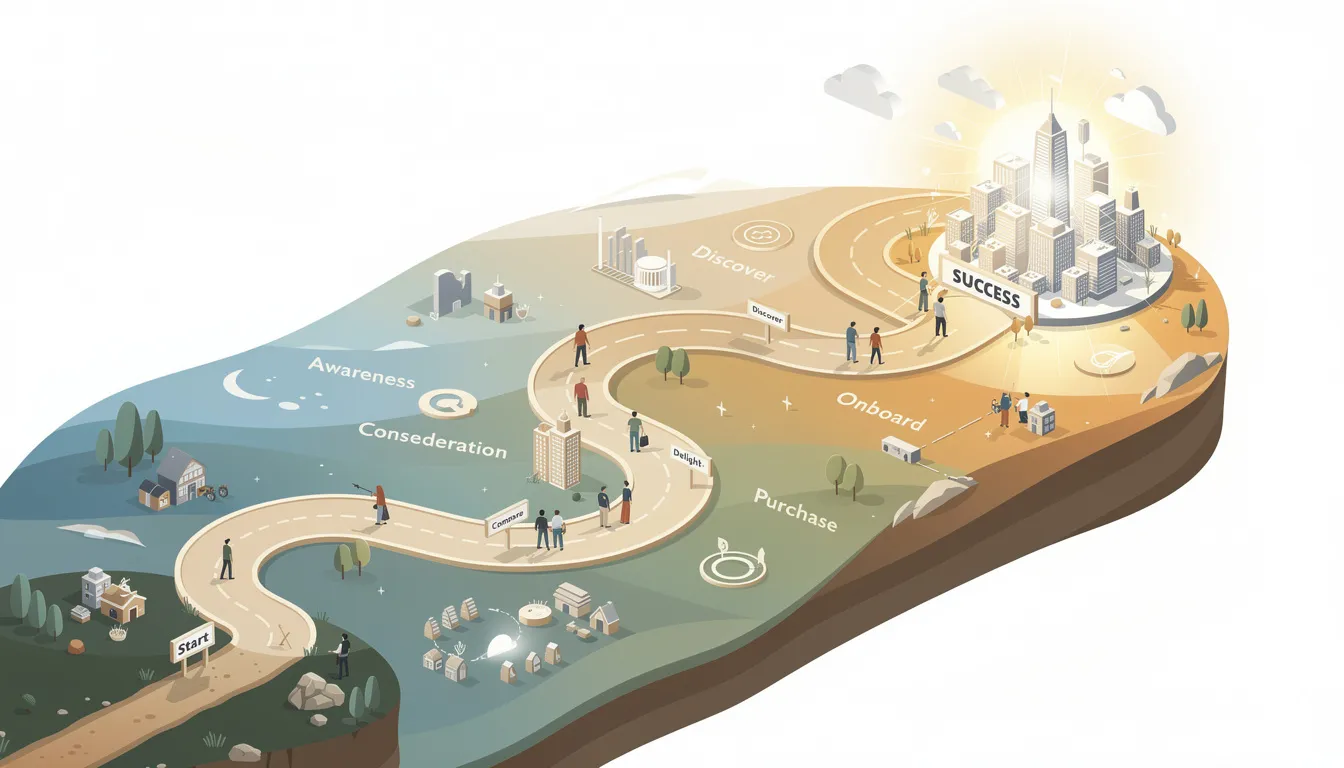
Customer experience refers to the overall perception a person forms through every interaction with your brand. This starts at initial awareness when someone first discovers your product through a blog post, advertisement, or friend’s recommendation. It continues through the trial period, conversations with your sales team, onboarding, daily product usage, support interactions, and the eventual decision to renew or leave.
Customer experience encompasses touchpoints that your support team never directly handles. Marketing emails, pricing transparency, product performance, website navigation, invoice clarity, and even how long your app takes to load all shape how customers perceive your company. Customer experience involves strategic thinking across departments, not just one team handling a queue.
When experience design works well, it reduces friction before problems occur. Clear documentation, intuitive interfaces, and proactive communication prevent many customer calls before they happen. EasyDesk contributes to this by surfacing trends from tickets and customer feedback so product and marketing teams can fix issues before they drive churn.
Key Differences Between Support And Experience
Many growing companies mix up these terms, especially when resources are limited and everyone wears multiple hats. Understanding a few key differences helps you allocate effort where it matters most. Customer service focuses on specific moments, while experience spans the entire lifecycle of a customer’s relationship with your brand.
| Aspect | Customer Support | Customer Experience |
| Primary Focus | Issue Resolution | End-To-End Customer Journey |
| Timing | Reactive And Event Driven | Proactive And Continuous |
| Scope | Support Interactions Only | Every Customer Touchpoint |
| Goal | Solve Customer Problems | Build Long-Term Relationships |
| Success Metrics | Response Time, Resolution Rate | Loyalty, Retention, Advocacy |
| Team Involvement | Support Agents And Managers | Cross-Functional Teams |
| Customer Impact | Short-Term Satisfaction | Long-Term Brand Perception |
| Tools Used | Helpdesk And Ticket Systems | CRM, Analytics, Experience Tools |
| Business Value | Operational Efficiency | Sustainable Growth |
Scope And Coverage
The scope difference is fundamental. Customer support covers specific interactions like a single customer asking about billing on a Tuesday afternoon. It handles isolated events with clear beginnings and endings. A ticket opens, gets resolved, and closes.
Customer experience spans the entire journey from discovery through renewal and beyond. It includes every touchpoint where a customer perceives your brand, whether your team is directly involved or not. The self-service portal they browse at 2 AM is part of the experience. The automated email they receive after signing up is part of the experience. The speed of your checkout page is part of the experience.
For a SaaS company, support might handle 50 tickets per week. But those 50 tickets represent moments within hundreds of ongoing customer relationships, each with its own journey of trials, upgrades, feature discoveries, and renewal decisions.
Customer Journey Focus
Support enters the customer journey at specific points, usually when something goes wrong or someone needs guidance. It addresses immediate concerns within that moment. The goal is resolution and moving the customer forward.
Customer journey mapping reveals that support is one station among many. Before support ever enters the picture, customers have experienced marketing, signed up for trials, talked with sales, received onboarding emails, and used your product. After support closes a ticket, the journey continues with feature adoption, billing cycles, and eventual decisions about staying or leaving.
Effective customer service vs understands this context. When an agent knows a customer just started their trial yesterday, they can adjust their approach. When they see this is the third ticket from the same person this month, that signals a broader experience problem worth escalating.
Reactive Vs Proactive Approach
Traditional support operates reactively. A customer reaches out with a problem, and your team responds. This reactive model works for handling the unexpected, but it puts your team in a constant defensive position.
Customer experience takes a proactive stance. Good experience design anticipates customer needs before they become problems. Proactive approaches include sending setup guides before confusion sets in, publishing status updates before outages generate panic, and building self service chatbots that answer common questions around the clock.
The best teams blend both. EasyDesk enables this by automating ticket routing, flagging SLA breaches before they happen, and helping teams build knowledge bases that deflect routine questions. When customers can find answers themselves, your human agents have more time for complex issues that genuinely need personal attention.
Short-Term Vs Long-Term Value
A positive customer service experience delivers short-term value. The customer had a problem, got help, and left satisfied. That satisfaction registers in your customer satisfaction score and keeps the relationship stable for another day.
Customer experience creates long-term value. When the entire journey feels smooth and thoughtful, customers develop emotional connections that translate into customer lifetime value. They renew subscriptions without shopping alternatives. They recommend you to colleagues. They forgive occasional mistakes because the overall perception remains positive.
Customer lifetime value grows when both elements work together. Great service vs customer experience rescues at-risk moments. Strong experience design prevents many of those moments from occurring in the first place.
Team Ownership Differences
Customer support typically has clear ownership. A support lead or head of customer support holds direct accountability for response times, resolution rates, and team performance. The contact center or support team owns specific metrics and knows exactly what success looks like.
Customer experience is shared across the organization. Marketing owns early touchpoints and sets expectations. Product owns in-app flows and feature usability. Sales shapes the buying experience and handoff to onboarding. Support handles moments when things break or customers need guidance. No single team can claim full ownership of experience.
This shared nature creates challenges. When marketing promises rapid responses, but support runs on different timelines, the experience fractures even when each team hits its individual targets. Growing teams benefit from joint rituals like monthly reviews, where support data, product analytics, and customer feedback are discussed together.
Success Measurement Methods
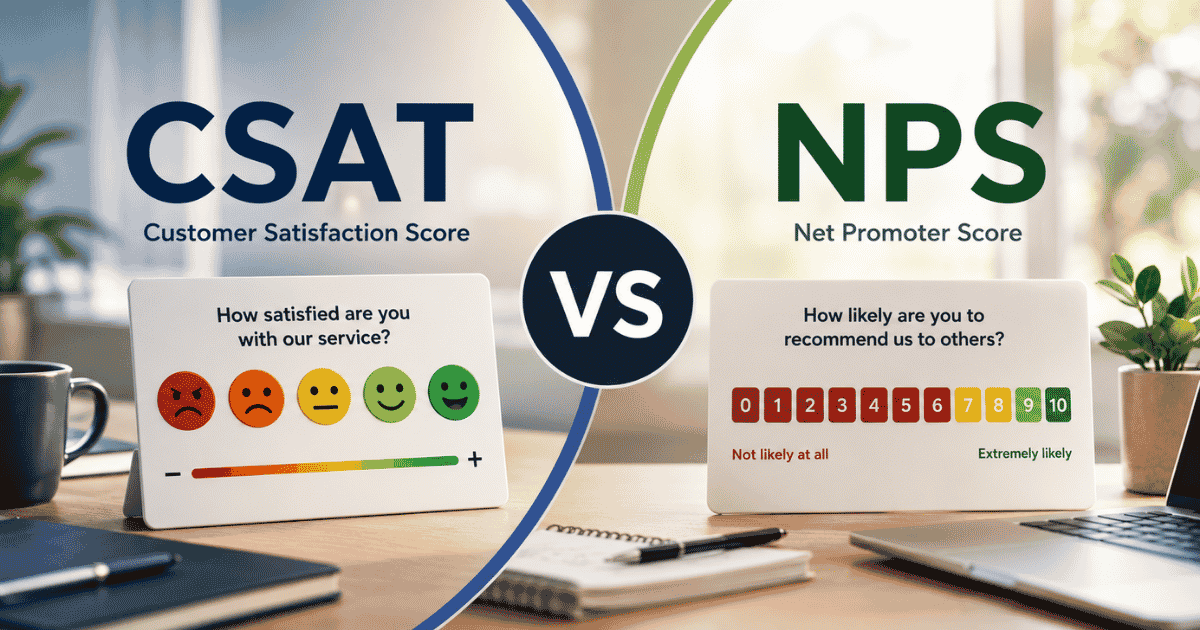
Support metrics focus on operational performance. Key metrics include first response time, average resolution time, ticket backlog volume, SLA compliance, and customer satisfaction score after tickets close. These numbers tell you how well your team handles incoming volume.
Customer effort score measures how easy customers find the resolution process. Net promoter score captures broader sentiment about whether customers would recommend you. Customer retention rate shows whether people stay over time. These experience metrics require looking beyond isolation support.
A team might hit every support SLA but still see rising churn. That gap signals experience problems outside of support, perhaps in onboarding, product quality, or pricing. EasyDesk helps connect these signals by tying ticket data and customer feedback to specific accounts and time periods.
Customer Support Vs Customer Experience: Impact On Customer Loyalty And Retention
Both support and experience directly influence whether customers stay and spend more over time. Understanding their distinct contributions helps you invest in the right areas.
Trust Building Over Time
Trust develops through consistent positive interactions. Each customer service interaction is an opportunity to demonstrate reliability. When your team responds quickly, solves problems competently, and treats people with respect, trust accumulates.
But trust also builds through experience elements that support never touches. Does your billing work predictably? Does your product perform as promised? Do your marketing messages match reality? A single customer needs many positive touchpoints before fully trusting a vendor. Support plays a crucial role, but it cannot build trust alone.
Companies with higher customer satisfaction across both support and experience earn trust faster and lose it slower when problems occur.
Emotional Connection Creation
Loyal customers feel connected to brands they love. This emotional connection rarely comes from adequate problem resolution alone. It comes from feeling understood, valued, and delighted across the entire relationship.
Just great service in a support ticket can create memorable moments. A support agent who goes beyond expectations, follows up personally, or expresses genuine empathy creates stories customers share. These moments become part of your brand reputation.
Experience design amplifies these connections. Personal touches in onboarding, thoughtful feature announcements, and recognition of customer milestones all deepen emotional bonds. When customers feel like more than ticket numbers, they become loyal customers who stay through challenges.
Repeat Purchase Influence
For SaaS and subscription businesses, repeat business means renewals and expansions. Customers decide whether to continue based on accumulated experience, not just their most recent support ticket.
Superior customer experience drives expansion revenue. Customers who enjoy using your product, find value easily, and trust your team to help when needed are more likely to upgrade plans, add seats, or purchase additional products.
Meeting customer expectations at every stage makes the renewal conversation easy. When customers feel they received value throughout their subscription, price becomes less of a barrier. When friction dominated their journey, even small price increases trigger reevaluation.
Churn Reduction Effects
Customer retention rate improves when both support and experience perform well. Churn often traces to accumulated frustration rather than single incidents. A customer interaction might tolerate one confusing onboarding experience, one slow support response, and one billing error. But the combination breaks their patience.
Strong support can reduce churn by rescuing at-risk customers in crisis moments. A well-handled complaint can convert a detractor into a promoter. But if the underlying experience problems persist, rescue efforts become exhausting for your team and unsustainable for retention.
Customer demands have increased across industries. Customers expect seamless transitions between channels. They expect quick resolution. They expect companies to remember their history. Teams that deliver on these expectations see customer retention rates that outpace competitors.
Brand Advocacy Growth
The ultimate sign of loyalty is when customers actively promote your brand. Positive experience creates advocates who refer colleagues, leave reviews, and defend your reputation in forums.
Advocacy rarely comes from transactions alone. It comes from customers who feel genuinely cared for across their entire experience. A customer might mention great customer service in a review, but their advocacy likely stems from months or years of positive overall experience.
Loyalty programs can reinforce advocacy, but they cannot manufacture it. The foundation is an experience worth recommending. When customers perceive your company as genuinely helpful, reliable, and easy to work with, advocacy follows naturally.
How Support And Experience Work Together
Support and experience are not competitors for resources or attention. They reinforce each other when aligned properly. A breakdown in one damages the other, while excellence in one supports success across both.
Shared Customer Context
Every support interaction contains valuable context about the broader experience. When a customer calls about a confusing feature, that reveals gaps in product design or documentation. When customer surveys show frustration about response times, that signals staffing or process issues.
Support agents hear customer sentiment directly. They learn what language customers use, what confuses them, and what delights them. This ground-level insight is invaluable for teams designing the broader experience.
Sharing this context requires intentional processes. Tagging tickets by issue type, routing feedback to product teams, and including support in product planning meetings all help. EasyDesk facilitates this by centralizing customer feedback and making ticket patterns visible across teams.
Unified Customer Data
Fragmented customer data creates fragmented experiences. When support cannot see purchase history, or marketing cannot see support complaints, each team works with incomplete pictures.
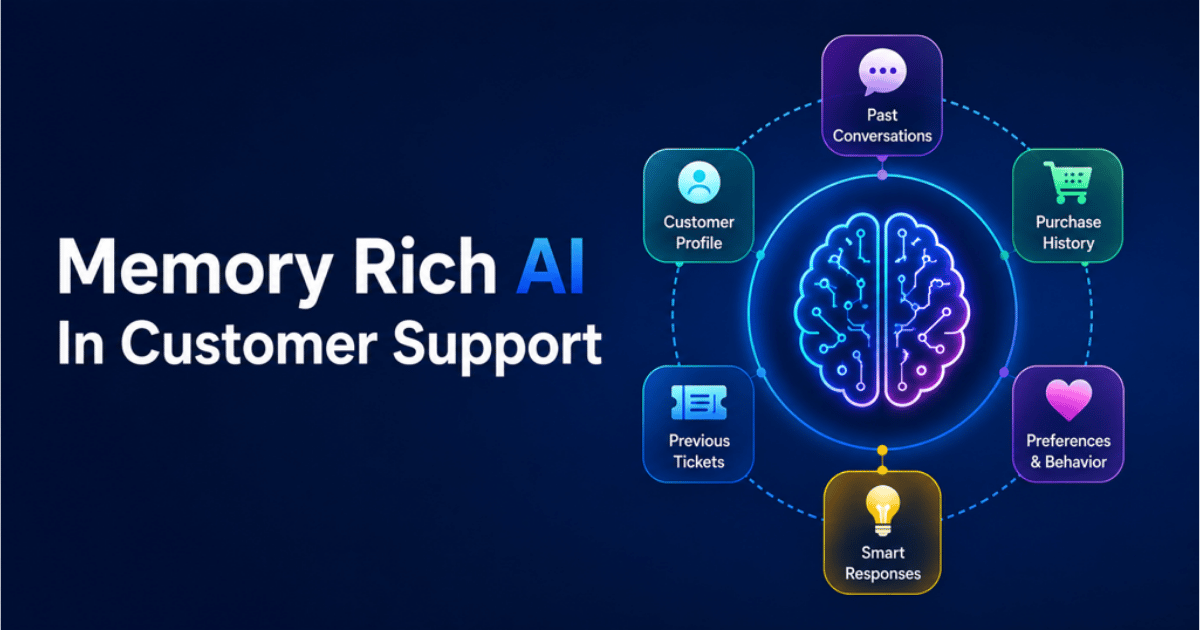
Unified customer data means every team understands each single customer’s full relationship. Support agents know what plan a customer uses, how long they have been a subscriber, and what issues they have raised before. Product teams know which features generate the most tickets. Marketing knows which customers are thriving and which are struggling.
This unified view prevents embarrassing moments like sending upsell emails to customers with open complaints. It enables personalized service quality based on real relationship history rather than generic scripts.
Consistent Communication Flow
Customer expectations include consistency across channels. When someone starts a conversation via chat and continues via email, they expect continuity. When they receive marketing messages that contradict what support told them, trust erodes.
Consistent communication requires shared messaging guidelines and visible history. Every team member should access the same customer timeline. The handoff between sales and support should include context, not just contact information.
EasyDesk supports consistency by maintaining conversation history across email, chat, and social channels. When agents see the complete picture, they avoid asking customers to repeat themselves and can pick up where previous conversations ended.
Proactive Issue Prevention
Strong experience design reduces support volume by preventing problems before they occur. Clear onboarding guides prevent confusion. Transparent pricing pages prevent billing surprises. Well-documented APIs prevent integration headaches.
Support data reveals where prevention should focus. If 30% of tickets concern a specific workflow, that workflow needs redesign, better documentation, or in-app guidance. The support team becomes an early warning system for experience failures.
This feedback loop benefits everyone. Product teams get prioritized improvement lists. Support teams see ticket volumes decrease. Customers get smoother journeys with fewer interruptions.
Seamless Team Handoffs
Customers rarely care about organizational boundaries. They want help, and they want it without being bounced between departments. Seamless handoffs between support, sales, product, and success teams make the experience feel unified.
Handoff quality depends on shared systems and clear processes. When support identifies an expansion opportunity, they should transfer context smoothly to sales. When product launches a major change, support should receive advance briefing and documentation.
EasyDesk facilitates handoffs by maintaining centralized records that any authorized team member can access. Notes, tags, and ticket history travel with the customer, not the ticket.
Common Challenges When Aligning Support And Experience
Most growing teams want alignment but struggle with practical obstacles. Recognizing these challenges is the first step toward solving them.
Siloed Team Structures
Organizational silos create natural barriers between support, product, marketing, and sales. Each team optimizes for their own metrics without visibility into how their work affects the overall customer experience.
Support might close tickets quickly but not share patterns with product. Marketing might launch campaigns without briefing support on expected volume spikes. Product might ship features without documentation, leaving support to handle the resulting confusion.
Breaking silos requires deliberate effort. Regular cross-team meetings, shared dashboards, and unified customer feedback channels all help. The goal is making customer context visible to everyone who shapes the journey.
Inconsistent Customer Data
When different teams use different systems, customer data fractures. Marketing sees one version of a customer in their automation platform. Sales sees another in the CRM. Support sees yet another in the helpdesk.
Inconsistent data creates inconsistent experiences. A customer might receive promotional emails offering features they already purchased. An agent might waste time asking questions the customer already answered in a previous channel.
Data integration takes effort, but the payoff is substantial. Centralizing customer communication in platforms like EasyDesk reduces fragmentation by keeping conversation history in one accessible place.
Misaligned Goals And KPIs
When teams measure success differently, they work at cross purposes. If support is measured only on ticket closure speed, agents might rush interactions and sacrifice quality. If marketing is measured only on lead generation, they might overpromise and create unrealistic customer expectations.
Alignment requires shared metrics that reflect overall experience health. Customer retention, net promoter score, and customer lifetime value create common ground. Teams should see how their work contributes to these shared outcomes.
Regular reviews that include representatives from support, product, and marketing help surface conflicts between departmental goals and overall experience quality.
Tool Fragmentation Issues
Using multiple disconnected tools for support, marketing, sales, and product creates handoff problems. Customer history lives in silos. Teams cannot see what other teams have done or learned.
Tool fragmentation also creates inefficiency. Agents switch between systems to find information. Data entry happens multiple times. Reports require manual compilation from multiple sources.
Consolidation reduces these problems. EasyDesk centralizes multi-channel support including email, chat, and social media in one platform. This gives agents complete conversation history and reduces the context switching that slows response times.
Lack Of Shared Ownership
When no one owns the overall experience, everyone assumes someone else is handling it. Product builds features without considering support implications. Marketing makes promises without coordinating with operations. Support resolves tickets without sharing insights upstream.
Creating shared ownership does not require a large team. It requires intentional rituals and accountability. Someone should be responsible for reviewing experience metrics regularly and convening the right people when problems emerge.
For growing teams, this might be a founder, a customer success lead, or a support manager with a broader mandate. The title matters less than the clarity about who is watching the overall customer experience and raising flags when it suffers.

How EasyDesk Supports Customer Support And Customer Experience
EasyDesk brings support and experience together in one platform designed for growing teams. It centralizes multi-channel support so email, chat, and social conversations live in a single view. No more lost messages or fragmented history.
Built-in SLAs, automation workflows, and canned responses help small teams respond quickly and consistently, even as ticket volume grows. The integrated knowledge base enables self-service so customers can find answers themselves, reducing support load while improving their experience.
Feedback tracking and public roadmap features turn support conversations into product improvements. When customers suggest features or report issues, teams can track them visibly and close the loop when changes ship. This transparency builds trust and shows customers their input matters.
EasyDesk offers a 14-day free trial, making it easy for startups and SMBs to test a more structured approach without long procurement processes or enterprise pricing.
FAQs
How Do Support And Experience Teams Stay Aligned
Regular communication and shared visibility create alignment. Monthly reviews where support shares ticket trends with product and marketing help surface experience issues early. Shared dashboards that include both support metrics and experience indicators like retention and NPS give everyone context. Most importantly, support should have a seat at product planning meetings so their customer insights inform roadmap decisions.
Where Does Customer Experience Begin
Experience begins before someone becomes a customer. It starts at initial awareness when they first encounter your brand through an advertisement, blog post, search result, or recommendation. Everything from that first impression through purchase, onboarding, usage, support interactions, and renewal shapes their overall perception. Support is one chapter in a longer story that starts the moment someone hears your name.
When Should Support Escalate To Experience Teams
Support should escalate when patterns emerge that individual ticket resolution cannot solve. If multiple customers report confusion about the same feature within a week, that signals a design or documentation issue for product. If customer sentiment around pricing concerns spikes, that needs attention from leadership. Single tickets get resolved by support. Patterns that affect many customers need experience-level responses.
Which Metrics Connect Support And Experience
Several metrics bridge both domains. Customer effort score measures how easy customers find resolution, reflecting both support efficiency and overall experience design. Net promoter score captures willingness to recommend, influenced by every touchpoint including support. Retention rate shows whether the complete experience keeps customers over time. Tracking these alongside support-specific metrics like first response time gives a fuller picture.
What Role Does Technology Play In Alignment
Technology enables alignment by creating shared visibility. Platforms that centralize customer conversations give every team access to the same history. Integrated feedback tools connect support insights to product decisions. Automation reduces manual work so teams can focus on customer experience strategy improvements. Without the right tools, alignment requires exhausting manual coordination. With platforms like EasyDesk, shared context happens naturally as part of daily work.