Support teams play a critical role in keeping existing customers engaged and loyal, and reduce cutomer churn. When customers receive slow or ineffective help, customers leave, accounts close, and churn accounts increase. Strong customer retention focuses on consistent support that protects the customer journey at every stage. A good customer churn rate reflects how well a business meets expectations, while a healthy customer retention rate shows the ability to retain customers over time.
Support tickets often act as early warning signs. Addressing issues quickly and clearly improves overall customer satisfaction and builds trust. Customers matter, especially long-term users who contribute to stability and growth. For support teams, reducing churn starts with better ticket handling, clearer communication, and a commitment to helping customers feel valued at every interaction.
What Is Customer Churn?
Customer churn measures the percentage of customers who cancel, fail to renew, or stop using your product or service during a set period. For most subscription businesses, this means tracking departures on a monthly or quarterly basis. In a B2B SaaS context, churn often appears around renewal dates or right after initial onboarding when the value proposition is not yet clear.
There are two ways to look at churn. Logo churn counts the number of accounts lost, while revenue churn measures the monthly recurring revenue or annual recurring revenue you lose. These metrics tell different stories. A company might lose ten small accounts but retain all high value customers, showing low revenue churn despite moderate logo churn.
Here is a simple example. Your team starts May with 200 paying customers. By month end, 10 customer accounts account for cancellations. Your customer churn rate for May is 5 percent. This number becomes your baseline for improvement.
Low customer churn suggests your product solves recurring problems and that customers feel supported throughout their journey. High churn signals a gap somewhere in the customer experience that needs investigation.
How To Calculate Customer Churn Rate
The formula for customer churn rate is straightforward. Take the number of customers lost during a period, divide it by the total number of customers at the start of that period, and multiply by 100.
For example, your SaaS support team starts June with 500 active customers. By June 30, you have 15 churned customers. Your monthly churn rate is 3 percent. This calculation gives you a clear benchmark to track over time.
Revenue churn works differently. Imagine losing two enterprise accounts worth $5,000 each in monthly recurring revenue versus losing ten small accounts worth $200 each. The logo churn looks worse in the second scenario, but the revenue impact is five times greater in the first. This is why tracking both metrics matters.
Create a simple cadence for your team. Calculate customer churn monthly and quarterly, and always use the same definition so you can compare results over time. Many teams pair churn numbers with support metrics like ticket volume per account, first response time, and customer satisfaction scores to understand what drives customer departure.
Why Reducing Customer Churn Matters For SaaS And Support Teams
Customer attrition costs U.S. businesses $168 billion annually. The average customer churn rate across the country stands at 21 percent. For SaaS companies, these numbers hit especially hard because customer acquisitions cost significant time and money. Losing a customer before they reach month twelve often means you never recover the cost of acquiring them in the first place.
When you reduce customer churn by even one percentage point, you protect existing revenue and extend customer lifetime value across your entire customer base. This creates a compounding effect where retention improvements multiply across hundreds or thousands of accounts. Unlike new customer acquisitions, which require linear spending, retention efforts provide leverage that grows over time.
Your support team sits at the center of this equation. For many SaaS businesses, customer support represents the only human contact customers have with your brand. This makes support quality a direct driver of whether customers stay or leave.
Support Shapes The Overall Customer Experience
The customer experience extends far beyond your product interface. Every interaction with your support team shapes how customers feel about your business. When customers submit support tickets and receive fast, helpful responses, they build confidence in your company. When they wait days for answers or receive generic responses, frustration builds.
Research shows that 73 percent of consumers will switch to a competitor after multiple bad experiences. Even more concerning, 56 percent of consumers rarely complain about negative experiences. They simply leave without telling you why. These unhappy customers represent silent churn that only shows up in your retention metrics weeks or months later.
Strong support creates a buffer against product imperfections. No product is flawless, but customers tolerate minor issues when they trust that support will help them quickly. This trust becomes a competitive advantage that competitors cannot easily replicate.
Your customer success team plays a critical role in identifying at risk customers before they make the decision to leave. By monitoring customer behavior patterns and engagement levels, success managers can intervene with proactive outreach when warning signs appear.
Poor Support Creates Frustration And Customer Loss
Voluntary churn often traces back to poor customer experience with support. Long response times, scattered conversations across multiple channels, and agents who lack context about past interactions create friction that accumulates over time.
Consider what happens when a customer sends an email about a billing question, then follows up via chat two days later, only to explain their issue from scratch because the agent cannot see the previous conversation. This fragmented experience signals that your company does not value their time.
Poor customer onboarding amplifies these issues. When new customers never reach their first success milestone in the first 30 to 45 days, they quietly disengage. By the time renewal approaches, they have already mentally decided to leave.
Involuntary churn presents a different challenge. Failed payments, expired credit cards, and billing errors cause customer loss even when customers intend to continue. This type of churn is often easier to fix because it requires operational improvements rather than strategic repositioning.
Fast And Helpful Support Builds Customer Trust
Customer trust develops through consistent positive interactions over time. Every resolved ticket, every helpful knowledge base article, and every proactive check-in contributes to brand loyalty that makes customers less likely to consider competitors.
The onboarding process sets the tone for this relationship. When new customers receive welcome emails within minutes, find clear in-app guidance, and get their first questions answered quickly, they start their journey with confidence. This positive momentum carries forward into the relationship.
Teams that invest in support quality see measurable returns. Faster first response times correlate with higher customer satisfaction scores. Higher satisfaction correlates with lower churn rates. This chain of improvement creates a virtuous cycle where support investments pay for themselves through retained revenue.
Consistent Support Strengthens Long Term Relationships
Customer relationships require ongoing attention, not just during onboarding or when problems arise. Regular communication, personalized engagement, and proactive success check-ins demonstrate that you value the relationship beyond the monthly subscription fee.
Your most valuable customers deserve priority attention. These loyal customers often provide valuable insights through customer feedback, refer new business, and expand their usage over time. Investing in their success generates returns that far exceed the cost of retention efforts.
Building customer loyalty requires understanding what each customer segment needs. A startup using your helpdesk software has different priorities than an established eCommerce brand. Tailoring your support approach to these differences shows customers that you understand their business.
Support Quality Directly Influences Customer Loyalty
Customers stay with companies that make them feel valued. Support quality is one of the most visible ways to demonstrate this value. When your support team resolves issues quickly and thoroughly, customers remember. When they feel ignored or dismissed, they also remember.
Loyalty programs and special treatment for long-term customers reinforce these positive feelings. But loyalty cannot be bought with discounts alone. It must be earned through consistent delivery on your promises and genuine care for customer outcomes.
The connection between support and retention explains why reducing churn often starts with improving how your team handles tickets, manages SLAs, and communicates with customers throughout their journey.
How To Reduce Customer Churn: 10 Effective Ways
Reducing churn is not a single project but a continuous loop of measuring, understanding, fixing, and automating. The following strategies provide a practical playbook that SaaS support teams can start implementing within the next 30 days.
1. Respond Faster To Customer Issues
Response time directly impacts whether customers feel valued or ignored. When a customer submits a ticket, every hour of waiting erodes their confidence in your company. Set clear SLA targets based on plan tier. Standard plans might receive first response within 8 business hours, while premium customers expect replies within 1 to 2 hours.
Use automation to acknowledge receipt immediately, even when a full resolution takes longer. A simple confirmation that their message was received and is being reviewed reduces anxiety. Track first response time as a key metric and review it weekly with your team. When patterns show certain ticket types taking longer, investigate the root cause and create better processes or resources to speed future responses.
2. Communicate Clearly And Set Realistic Expectations
Unclear communication creates frustration that drives customers away. When customers do not know what to expect, any delay feels excessive. Set expectations upfront about response times, resolution processes, and what information you need from them.
Write support responses in plain language without unnecessary jargon. Explain what you are doing to resolve their issue and when they can expect an update. If a problem will take several days to fix, tell them immediately rather than leaving them wondering. Honest communication builds trust even when the news is not what customers want to hear. Close the loop by confirming when issues are fully resolved and asking if they need anything else.
3. Personalize Support Interactions
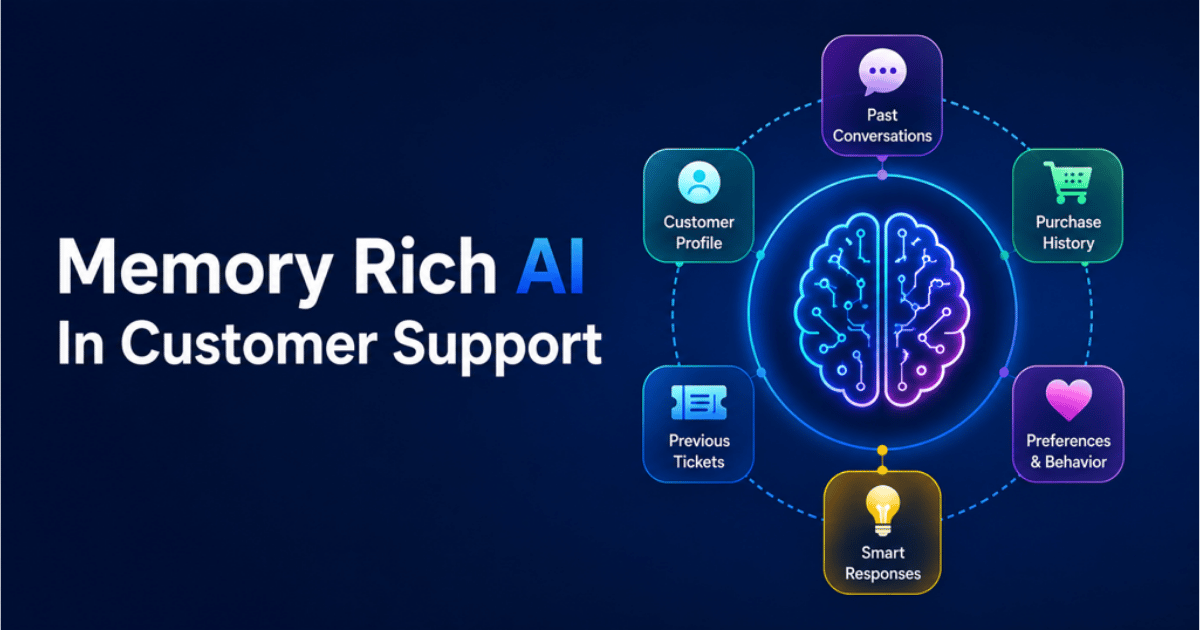
Generic responses make customers feel like ticket numbers rather than valued partners. Review customer history before responding to understand their past interactions, plan level, and usage patterns. Reference specific details from their account to show you understand their situation.
Segment current customers by company size, industry, or use case to tailor your communication style. A technical team at a SaaS company needs different support than a small business owner. Train agents to adapt their approach based on customer context. Even small touches like using the customer name and referencing their specific product configuration demonstrate attention that builds loyalty over time.
4. Offer Proactive Support Before Problems Escalate
The best way to reduce customer churn is to solve problems before customers even realize they exist. Monitor customer behaviour for warning signs like decreased login frequency, declining feature usage, or multiple unresolved tickets. These patterns often predict churn weeks before cancellation.
Reach out to at risk customers with helpful check-ins rather than waiting for them to contact you. Share tips relevant to their usage patterns or offer a quick call to review their setup. Proactive outreach shows customers that you are invested in their success. This approach transforms support from a reactive cost center into a proactive retention driver that keeps customers engaged.
5. Provide Easy Access To Self-Service Resources
Many customers prefer finding answers on their own rather than contacting support. A well-structured knowledge base reduces ticket volume while helping customers get answers instantly. Organize articles by common questions and use search optimization so customers find relevant content quickly.
Update your knowledge base monthly based on recent ticket trends. When your team answers the same question repeatedly, create an article addressing it. Include screenshots, step-by-step instructions, and video walkthroughs where helpful. Self-service resources scale infinitely while freeing your support team to focus on complex issues that truly require human attention. This efficiency benefits both your team and your customers.
6. Train Support Teams On Product And Soft Skills
Your support team represents your company in every customer interaction. Invest in training that covers both product knowledge and communication skills. Agents who understand the product deeply can resolve issues faster and identify workarounds that less knowledgeable staff would miss.
Soft skills matter equally. Train agents to show empathy, de-escalate frustrated customers, and take ownership of issues until resolution. Conduct monthly reviews of sample conversations to identify coaching opportunities. Create internal documentation that helps agents access information quickly during calls or chats. A well-trained team delivers consistent quality that builds trust across your entire customer base.
7. Track Customer Feedback And Act On It
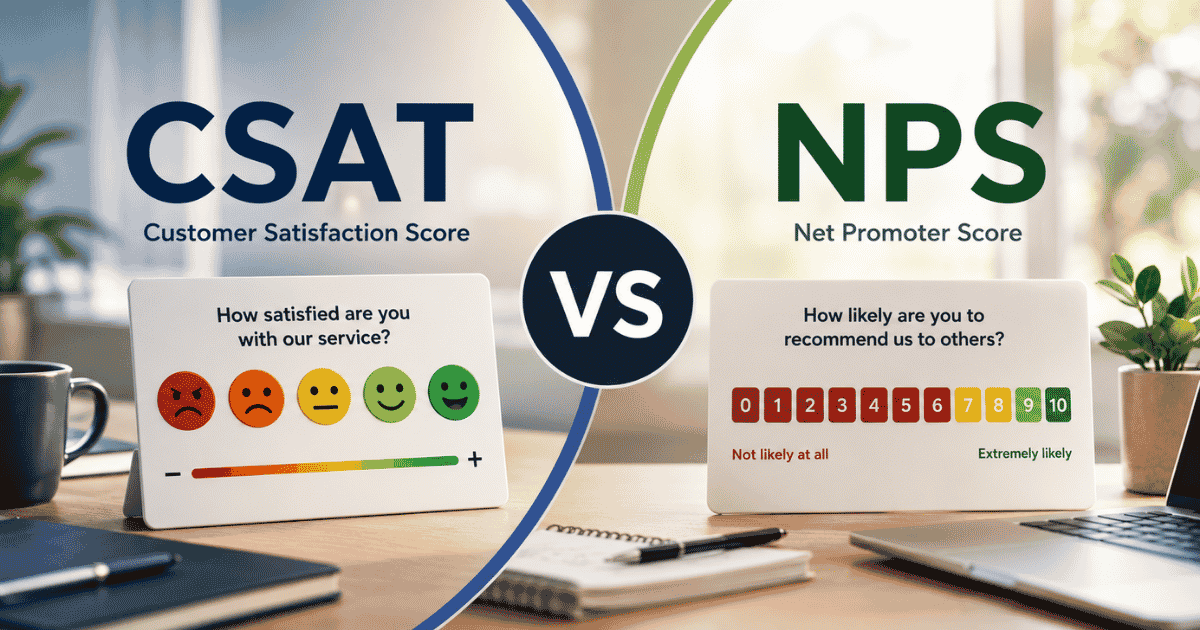
Customer feedback provides direct insight into what drives satisfaction and frustration. Send CSAT surveys after support interactions and NPS surveys periodically to active customers. But collecting feedback without action wastes everyone’s time.
Read open-text responses and tag themes like missing feature, billing confusion, or slow replies. Review feedback monthly with productivity and support leadership. Choose one or two themes to address each month and tell customers what you changed. This closed loop demonstrates that you listen and take their input seriously. Customers who see their suggestions implemented become your most loyal customers and strongest advocates.
8. Follow Up After Issue Resolution
Closing a ticket is not the end of the customer relationship. Following up after resolution shows continued care and catches issues that customers might not report immediately. A brief check-in a few days after complex issues confirms the solution is working.
Use these touchpoints to gather additional feedback and identify related needs. Sometimes the original issue reveals a larger problem or opportunity. Following up also provides a chance to educate customers about features they might not be using. These small investments in relationship maintenance compound over time into stronger retention and higher customer lifetime value across your customer base.
9. Use Support Metrics To Identify Churn Risks
Support data contains early warning signals that predict churn before it happens. Build a simple health score using signals like ticket frequency, resolution time, satisfaction scores, and product usage. Customers with multiple open tickets, repeated low CSAT scores, or sudden drops in login frequency need attention.
Review at risk customers weekly with your customer success managers. Create dashboards that segment accounts into healthy, watch, and at risk categories. When patterns emerge linking support experiences to churn, address the root cause. Predictive analytics based on historical churn data can help prioritize where to focus retention efforts for maximum impact.
10. Continuously Improve Support Processes
Churn reduction is not a destination but an ongoing journey. Review your support processes quarterly to identify bottlenecks and improvement opportunities. Analyze which ticket types take longest to resolve and why. Look for patterns in escalations and recurring issues.
Test changes systematically and measure their impact. Small improvements compound over time into significant gains. Involve your team in identifying problems and proposing solutions. The people handling tickets daily often have the best insights into what slows them down. Building a culture of continuous improvement positions your team to adapt as customer expectations evolve.
How EasyDesk Helps Businesses Reduce Customer Churn
Centralizing support operations is one of the fastest ways to improve response times and reduce frustration-driven churn. EasyDesk brings email, chat, and social conversations into one inbox where agents can respond faster with full context. No more customers explaining their issue from scratch because conversations stay connected.
Automated SLA tracking ensures urgent tickets get attention before deadlines pass. Canned responses speed up replies to common questions without sacrificing personalization. The built-in knowledge base helps customers find answers instantly while reducing ticket volume for your team.
For growing SaaS teams, EasyDesk provides the structure needed to scale support without losing quality. Track key metrics like first response time and customer satisfaction from a single dashboard. See which customers need attention and act before small frustrations become cancellations.
FAQs
What Is The Main Cause Of Customer Churn
The main causes of customer churn vary by business, but poor customer experience consistently ranks at the top. This includes slow support responses, confusing onboarding, and product issues that never get resolved. Pricing misalignment is another major factor when customers feel they pay more than the value they receive. For subscription businesses, involuntary churn from failed payments also accounts for a significant portion of losses. The key is identifying which causes affect your specific target audience and addressing them systematically.
How Does Customer Support Help Reduce Customer Churn
Customer support directly influences whether customers stay or leave. Fast, helpful responses build trust that creates a buffer against minor product issues. Support teams often serve as the only human connection customers have with your company. When agents demonstrate knowledge, empathy, and ownership, customers feel valued. Support also provides early warning signals through ticket patterns and satisfaction scores that help identify at-risk customers before they cancel.
Why Response Time Matters To Reduce Customer Churn
Response time signals how much you value your customers. Every hour a customer waits with an unresolved problem increases their frustration and weakens their loyalty. Fast responses show respect for their time and build confidence that future issues will also be handled promptly. For subscription businesses where customers have many alternatives, slow responses give competitors an opening. Tracking and improving first response time is one of the highest-impact churn reduction initiatives available.
Which Support Metrics Predict Customer Churn
Several churn metrics from support data help predict future cancellations. First response time and resolution time indicate customer service speed. Customer satisfaction scores and net promoter score measure sentiment. Ticket frequency and escalation rates reveal how much friction customers experience. Combining these metrics with product usage data creates a health score that identifies at risk customers before they reach the cancellation decision. The best approach monitors multiple signals rather than relying on any single metric.
How Can Small Teams Reduce Customer Churn Effectively
Small teams can reduce churn by focusing on high-impact activities rather than trying to do everything. Start with automation for repetitive tasks like ticket routing and standard responses. Build a knowledge base that handles common questions without agent involvement. Prioritize your most valuable customers for personalized attention and success check-ins. Create a monthly habit of reviewing churned customers from the previous month to identify patterns. Small, consistent improvements compound into significant retention gains over time without requiring additional headcount.