Customer trust is the foundation of every lasting business relationship. Research shows that 82% of customers are ready to recommend a company when they experience exceptional customer service. This statistic reveals something important. Trust is not built through marketing alone. It grows through every support conversation, every resolved ticket, and every honest update you share with customers.
For SaaS companies and growing businesses, support plays a central role in building credibility. When customers believe your team will help them quickly and fairly, they stay longer, spend more, and become brand ambassadors. Building customer trust through support is not optional. It is essential for sustainable growth.
What Customer Trust Means In Customer Support
In support, customer trust means customers believe you will help them when something goes wrong. It means they expect honest answers, quick responses, and genuine care for their problems. Trust is the confidence that your support team will treat every issue like it matters. Studies show that 76% of consumers expect personalization from brands, wanting companies to use collected information to improve their specific experience. When customers feel seen and valued rather than treated as anonymous transactions, loyalty deepens. Customer trust important factors include reliability, clarity, and empathy. These three pillars form the foundation of strong relationships between support teams and the people they serve.
Why Customer Support Plays A Critical Role In Building Trust
Customer support is often the most frequent touchpoint after a sale is made. In SaaS and subscription businesses, support teams interact with existing customers far more than sales does. This creates a unique opportunity to gain customer trust with every conversation.
Faster Response Builds Confidence
Response time is an important factor in how customers perceive your company. When you reply quickly, customers feel valued. They believe you prioritize their needs. Research shows that 38% of Gen Z and millennial customers will abandon a support interaction if they cannot resolve issues through self service channels. Delays create doubt about your capability and commitment. Real time solutions, instant alerts, and quick response times reassure customers that you genuinely care about their time.
Consistent Support Experience Strengthens Reliability
Customers need equivalent experiences across every interaction. Whether they reach out via email, live chat, or social media, they expect the same level of care. Consistency builds your company’s reputation over time. When your customer service team delivers predictable quality, customers learn to trust that you will always show up for them. This consistency must extend across all touchpoints and team members.
Transparent Communication Increases Credibility
Transparency shapes how customers perceive your integrity. Clear information about product terms, service descriptions, and honest explanations when issues arise all contribute to consumer trust. When problems happen, transparent communication demonstrates that you value honesty over concealing difficulties. Customers respect companies that admit mistakes and explain what they are doing to fix them. Open communication builds stronger customer relationships than silence ever could.
Personalized Support Improves Emotional Connection
Personalization with a human touch is essential for building trust. Nearly half of all customers (49%) want to speak with an empathetic service agent when reaching out to a business. This means moving beyond generic replies to understanding individual customer needs. Brands that excel at personalized customer experience see 1.5 times higher customer loyalty compared to competitors. When customers feel understood, they develop emotional connections that protect against occasional service failures.
Reliable Issue Resolution Creates Long Term Loyalty
Following through on promises is critical for maintaining customer trust. When you commit to resolving an issue by a certain date, you must meet deadlines. Keeping promises about callbacks, updates, and fixes shows customers they can depend on you. This reliability creates long term relationships that translate into higher customer retention and more referrals. Loyal customers become your most effective marketing strategy because they share their positive experiences with other customers.
Key Elements That Build Customer Trust Through Support
Building trust requires intentional effort across multiple areas. Here are the key elements that high performing support teams focus on.
Clear And Honest Communication Practices
Effective communication means using plain language that customers understand. Avoid jargon and explain technical concepts simply. Be honest about timelines, even when the news is not ideal. Customers appreciate transparency more than false optimism. When you communicate clearly about what is happening and what to expect, you establish trust that lasts.
Proactive Customer Support Strategies
Proactive problem resolution represents an advanced trust building tactic. Rather than waiting for complaints, identify and resolve issues before customers notice them. Companies like Netflix adjust video resolution automatically when internet slows, and FedEx sends real time package delay notifications. These proactive measures minimize customer inconvenience and eliminate surprises that erode trust. Proactive support shows genuine care for the customer experience.
Empathy And Human Centered Interactions
Scripts and automation can speed things up, but trust grows when customers feel they are talking to a real person. Active listening in writing means summarizing the customer’s issue in your own words before suggesting steps. Use names, reference past tickets, and add small personal touches to show attention. An empathetic approach transforms transactional interactions into relationship building moments.
Accountability And Ownership Of Issues
Taking ownership when things go wrong is crucial for maintaining trust. When a problem occurs, acknowledge it quickly and take responsibility. Explain what went wrong in plain language and what you will change to prevent a repeat. Follow through on your commitments. Accountability demonstrates that you value the customer relationship more than protecting your image.
Data Security And Privacy Assurance
Customers trust you with their customer data every time they interact with your support team. Protecting that information is essential. Be clear about how you use and store data. Follow security best practices and communicate your commitment to privacy. When customers know their information is safe, they feel more comfortable engaging with your support team openly.
How Support Teams Can Build Trust At Every Customer Touchpoint
Every interaction with customers is an opportunity to strengthen trust. Here is how support teams can make the most of each touchpoint.
First Response Experience And Expectations
The first response sets the tone for the entire support experience. Acknowledge the customer’s issue promptly, even if you need more time to investigate. Let them know you received their message and are working on it. This simple step prevents anxiety and shows respect for their time. A strong first response experience creates a positive impact that carries through the rest of the interaction.
Omnichannel Consistency Across Platforms
Customers reach out through multiple channels. Email, live chat, social media, and even video call options all need consistent communication. When a customer switches channels, they should not have to repeat themselves. A central helpdesk that keeps all conversations in one place ensures your team has full context. This consistency across platforms shows customers you respect their time and history with your company.
Effective Follow Up And Resolution Tracking
Closing the loop after resolving an issue is critical for building trust. Send a short follow up a few days after a difficult incident to confirm everything still works as expected. This extra step shows customers you genuinely care about their success beyond just closing tickets. Resolution tracking also helps identify patterns that might indicate larger problems needing attention.
Knowledge Base And Self Service Support
Many customers prefer finding answers on their own. A well organized knowledge base with clear categories, screenshots, and step by step guides empowers self service. Focus on documenting the top questions your support team receives. Make sure there is always a visible option to reach a human if the help article does not solve the problem. This balance reduces ticket volume while preserving trust.
Continuous Feedback Collection
Customer feedback solicitation serves dual purposes. It provides actionable insights for improvement and demonstrates that you value customer opinions beyond their purchasing power. The act of asking for feedback itself builds trust by making customers feel like valued partners. Use email outreach, surveys, or in app prompts to gather feedback regularly. Then act on what you learn to show customers their voice matters.
Best Support Strategies That Strengthen Customer Confidence
High performing support teams share common strategies that build customer confidence over time.
Setting Clear Support SLAs And Expectations
Clear service level agreements set customer expectations from the start. Define response times for different channels. For example, live chat responses within a few minutes and email responses within one business day. Communicate these expectations to customers so they know what to anticipate. When you consistently meet or exceed these SLAs, you build a reputation for reliability that strengthens trust.
Training Agents For Trust Focused Communication
Your support team is the human face of your company. Train agents to communicate with empathy, clarity, and ownership. Teach active listening skills and how to apologize meaningfully when something breaks. Invest in ongoing coaching that reinforces company values in every interaction. Well trained agents become trust builders who create loyal customers with every conversation.
Using Customer Data For Better Support Decisions
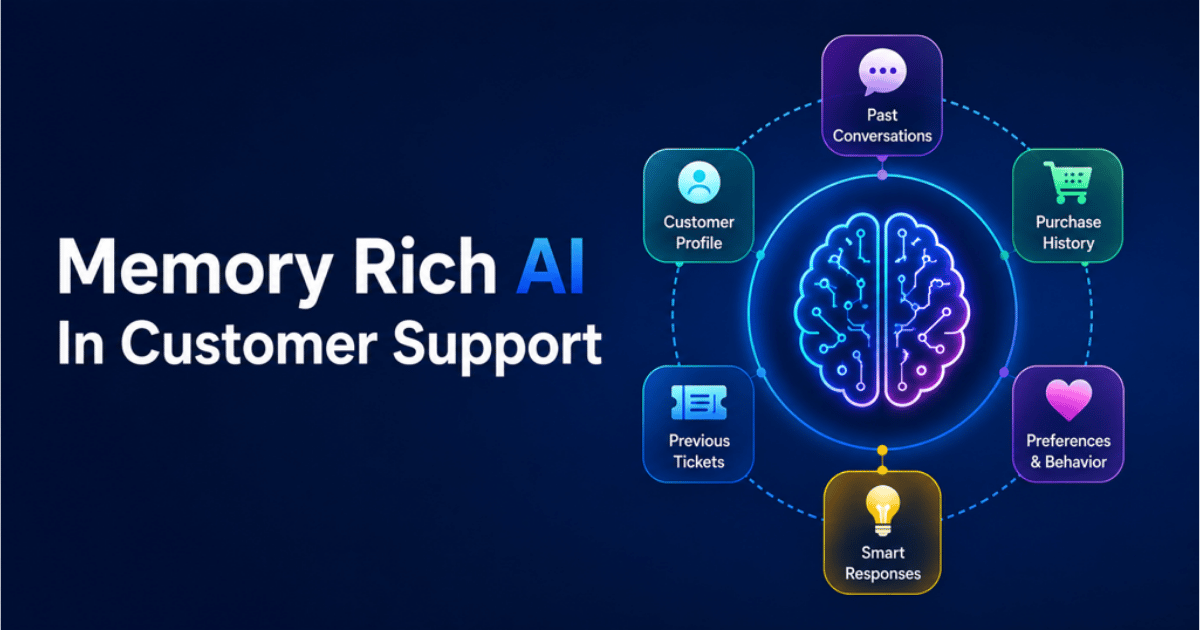
Use customer data responsibly to improve support decisions. Review past interactions before responding so agents have full context. Identify patterns in customer testimonials and negative reviews to spot improvement opportunities. Analyze which types of issues take longest to resolve and streamline those processes. Data driven decisions lead to better outcomes that customers notice and appreciate.
Maintaining Consistency Across Support Teams
Different agents should provide the same quality experience. Use shared knowledge bases, canned responses with empathy phrases, and internal notes to ensure consistency. Regular team meetings to discuss challenging cases help maintain alignment. When customers receive consistent communication regardless of who helps them, trust in your brand reputation grows.
Creating Transparent Escalation Processes
Sometimes issues need to move to specialists or managers. Make this process transparent to customers. Let them know when an escalation is happening and why. Provide estimated timelines for resolution. Keep them updated throughout the process. A clear escalation process shows customers that you take their issues seriously and have systems to handle complex problems.
Common Mistakes That Break Customer Trust In Support
Avoiding common mistakes is just as important as implementing best practices. Here are the pitfalls that damage customer trust.
Slow Response Times And Delayed Resolution
Speed matters more than ever. When customers wait too long for responses, doubt creeps in. They question your capability and commitment. Slow resolution times compound the problem. Customers lose patience and look for alternatives. Make first response time a priority metric and track resolution time closely. Even when you cannot solve something immediately, acknowledge the issue quickly to maintain confidence.
Lack Of Transparency In Communication
Hiding problems or sugarcoating situations destroys trust faster than the original issue. When outages or bugs occur, communicate honestly about what happened and what you are doing to fix it. Avoid vague responses that leave customers guessing. Lack of transparency signals that you prioritize your image over the customer relationship. Honest updates, even uncomfortable ones, foster trust more effectively than silence.
Poor Internal Coordination Between Teams
When customers get bounced between departments without resolution, frustration builds. Poor internal coordination creates fragmented experiences that damage your company’s reputation. Ensure your support team has access to information from sales, product, and other teams. Use internal notes and shared systems to keep everyone aligned. Seamless handoffs between teams show customers you have your operations under control.
Over Reliance On Automation Without Human Support
Automation improves efficiency but cannot replace human connection. When customers feel trapped in a bot only experience with no path to a real person, trust erodes. Balance automation with clear options to reach human agents. Use automation for routing, tagging, and sending updates. Reserve human interaction for complex issues and emotional situations. The right tools include both automated efficiency and human warmth.
Inconsistent Customer Experience Across Channels
Customers expect the same quality whether they email, chat, or reach out on social media. Inconsistent experiences across channels confuse customers and damage reliability perceptions. Centralize your support operations so agents see full conversation history regardless of channel. Train all team members to the same standards. Consistent communication across platforms strengthens your brand and builds customer satisfaction.
Trust Metrics Of Customer Support
Measuring trust requires tracking specific metrics that reveal how customers perceive your support quality.
Customer Satisfaction Score Trends
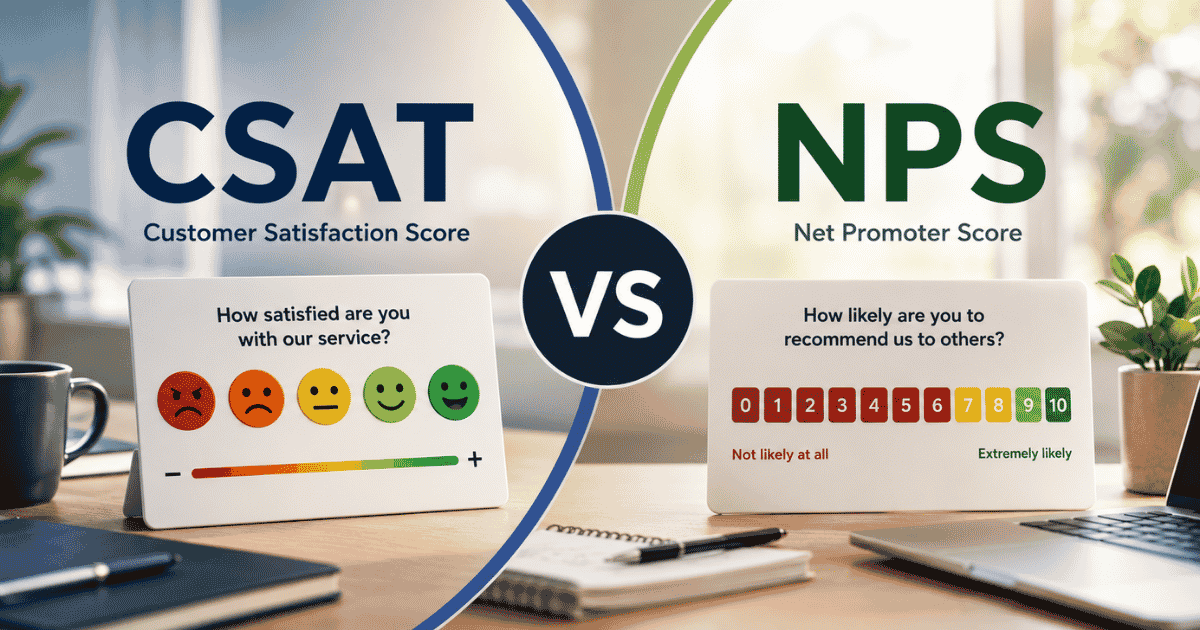
Customer satisfaction scores (CSAT) measure how customers feel about individual interactions. Send a one-click survey after each resolved ticket with a simple comment box. Track trends over time rather than focusing on single scores. Rising CSAT indicates improving trust, while declining scores signal problems needing attention. Monthly reviews of CSAT trends help identify what is working and what needs improvement.
First Response Time Performance
First response time measures how quickly you acknowledge customer issues. Faster responses correlate with higher satisfaction and trust. Set benchmarks based on channel type. Live chat should be minutes, while email can be hours. Track performance against these benchmarks and investigate when times slip. Consistent first response time performance builds customer confidence that you will be there when they need help.
Resolution Time And Effectiveness
Resolution time tracks how long it takes to fully solve customer issues. Effective resolution means the customer does not need to come back with the same problem. Balance speed with quality. Fast but incomplete resolutions damage trust more than slightly slower, thorough responses. Track both time to resolution and ticket reopen rates to get the full picture of your support effectiveness.
Customer Retention And Loyalty Indicators
Trust directly impacts customer retention and customer loyalty. Track renewal rates, churn, and customer lifetime value. Monitor how many existing customers become repeat buyers or upgrade their plans. Higher retention among customers who interact with support indicates your team is building trust effectively. These business metrics connect support performance to sustainable growth.
Support Feedback And Sentiment Analysis
Beyond numerical scores, analyze the words customers use in feedback. Look for patterns in positive reviews and negative reviews on platforms like G2 and Trustpilot. Sentiment analysis reveals emotional responses that numbers alone miss. Use these insights to understand what creates strong relationships with customers and what causes frustration. Qualitative feedback guides improvements that boost sales and build a stronger customer base.
How EasyDesk Helps Businesses Build Customer Trust Through Support
Strong support experiences shape customer trust, influence loyalty, and determine whether new customers stay long term. EasyDesk provides structured workflows, transparent communication, and reliable service tools that help businesses strengthen relationships with clients and existing ones.
Deliver Consistent And Excellent Customer Service
Centralized ticket tracking and automated workflows within EasyDesk help support teams maintain excellent customer service standards. Faster responses, clear updates, and reliable follow through play a direct role in helping businesses increase customer trust while improving confidence in overall service quality.
Strengthen Relationships With Personalized Support
Access to customer data and interaction history through EasyDesk allows agents to personalize communication effectively. Video call support and attentive engagement create a human connection similar to digital eye contact. Such personalized assistance helps convert new customers into loyal clients and build lasting relationships.
Build Credibility Through Transparency And Feedback
With EasyDesk, businesses can collect customer feedback and monitor online reviews from one dashboard. Transparent updates demonstrate accountability and reinforce trust. Feedback insights also help teams improve product quality support and strengthen customer relationships over time.
Support Loyalty And Long Term Growth
Proactive follow ups and loyalty program integrations supported by EasyDesk help businesses maintain engagement with clients. Consistent relationship management encourages repeat interactions, strengthens customer loyalty, and supports sustainable growth through long term trust.
FAQs
Why Is Customer Trust Important In Support
Customer trust important reasons extend beyond simple satisfaction. Trust drives customer retention, referrals, and revenue. When customers trust your support team, they forgive occasional mistakes and continue doing business with you. They recommend your product or service to potential customers, becoming brand ambassadors who boost sales without additional marketing spend. Trust transforms transactional relationships into long term success partnerships.
How Does Response Time Affect Customer Trust
Response time signals how much you value customer time. Fast responses create confidence that you prioritize their needs. Slow responses trigger doubt about your capability. Many B2B and SaaS customers expect live chat responses within minutes and email responses within a business day. Start with achievable SLAs, measure performance, then tighten targets as processes improve. Consistent speed builds reliability perceptions that strengthen trust.
Can Automation Improve Customer Trust
Automation can improve trust when used thoughtfully. Good automation includes routing tickets to specialists, tagging issues for faster handling, and sending proactive status updates. Poor automation traps customers with bots when they need human help. The key is balancing efficiency with accessibility. Always provide a clear path to reach a human agent. Automation should support your team, not replace the personal touch customers value.
What Role Does Transparency Play In Support
Transparent transparency builds credibility faster than polished responses that hide problems. When issues occur, explain what happened in plain language. Share what you are doing to fix it and prevent recurrence. Avoid vague updates that leave customers guessing. Customers respect honesty even when the news is not ideal. Business values that prioritize transparency over image protection create stronger customer relationships.
How Can Small Businesses Build Trust Through Support
Small businesses can build trust by focusing on fundamentals. Set clear SLAs you can consistently meet. Build a lean knowledge base covering the most frequent questions. Centralize all channels so you respond faster without switching tools. Treat every interaction as a chance to create loyal customers through personal attention. Small teams often build stronger trust than large ones because they deliver the authentic connection customers seek. Business leaders should view support as relationship building, not just problem solving.