As small businesses grow, customer expectations grow with them. More customers mean more customer inquiries, higher ticket volume, and increased pressure on your support team to respond quickly and consistently. What once worked, like shared inboxes or spreadsheets, quickly becomes unmanageable.
Emails get missed, customer conversations feel fragmented, and response time starts to slip. This is often the moment when service quality drops and customer satisfaction follows.
Helpdesk software for small growing businesses solves this problem by bringing structure to customer support operations. With the right help desk system in place, small teams can deliver exceptional customer service from day one while building a foundation that scales as the business grows.
What Is Help Desk Software
Help desk software is a service software designed to manage customer issues, support requests, and customer conversations in one organized desk system. Instead of handling support through scattered emails or multiple tools, a help desk system centralizes all your communications into a single support desk.
At its core, help desk software uses a ticketing system to convert customer queries into trackable support tickets. Each ticket captures the full context of customer interactions, making it easier for support agents to efficiently respond and collaborate.
Modern desk software goes beyond basic ticket management. It supports multiple communication channels, stores customer data, and helps small businesses run structured support operations without needing complex service desk software built for enterprises.
Common Customer Support Challenges Small Businesses Face
As small businesses grow, customer support often becomes harder to manage before it becomes a visible problem. Limited resources, rising expectations, and disconnected tools can quietly strain support operations, making it difficult to deliver consistent and reliable customer experiences.
Support Requests Across Multiple Channels
Customers contact small businesses through email, chat support, social media, and website forms. Each channel creates its own stream of customer inquiries that need attention. Without a unified help desk system, these messages are handled separately, often by different people.
This fragmented approach leads to missed messages and delayed replies. Support agents spend extra time switching between platforms, which increases response time and makes it harder to maintain consistent customer interactions across multiple channels.
Slower Response Time
As ticket volume increases, response time often suffers. What once felt manageable quickly becomes overwhelming when customer queries arrive faster than the team can handle them. Small support teams are especially vulnerable to this challenge.
Without proper ticket management, urgent issues may get buried under less critical ones. Slower responses frustrate customers and can directly affect customer satisfaction, even when the support team is working hard behind the scenes.
Repetitive Tasks
Many small businesses rely on manual processes to manage support requests. Support agents repeatedly assign tickets, copy customer details, and write similar replies to common questions.
These repetitive tasks take time away from meaningful customer interactions. Over time, agent productivity drops, burnout increases, and it becomes harder to deliver excellent customer support consistently as support operations scale.
Scattered Customer Data
When customer data lives across inboxes, spreadsheets, and different tools, support teams lack a complete view of customer interactions. Past conversations, preferences, and unresolved customer issues are difficult to track.
This lack of context forces customers to repeat themselves and makes personalized support difficult. Scattered customer data weakens customer relationships and reduces the overall quality of service customers receive.
Difficulty Maintaining Consistent Service Quality
Consistency is one of the biggest challenges for small businesses. Different support agents may respond differently to similar customer concerns, especially without shared visibility or guidelines.
Inconsistent responses confuse customers and hurt trust. Without a structured desk system, maintaining reliable service quality across all customer interactions becomes increasingly difficult as the business grows.
Limited Collaboration
Small support teams often work closely, but without the right desk tools, collaboration can still break down. Important updates may stay in private emails or chat threads instead of being visible to the whole team.
Poor collaboration leads to duplicated work and slower resolutions. When support agents lack shared context, customer issues take longer to resolve, affecting both efficiency and customer experience.
Key Features Small Businesses Should Look For In Help Desk Software
Choosing the right help desk software is about more than features alone. Small businesses need desk solutions that simplify support operations, improve response time, and scale naturally. The right customer support features help teams stay organized while delivering consistent, high-quality service.
Ticket Management And Desk Ticketing
A reliable ticketing system is essential for handling customer issues efficiently. Desk ticketing converts customer inquiries into structured support tickets that can be tracked, prioritized, and resolved without confusion. This ensures every request is visible and assigned properly.
Effective ticket management helps support teams monitor ticket volume and identify urgent customer concerns. With a shared inbox, all support agents can view incoming requests, reducing duplication and ensuring no customer conversation is missed.
Multiple Communication Channels
Customers expect flexibility when reaching out for help. The best help desk software supports multiple communication channels, including email, chat support, chat widgets, and customer portals, within one desk platform.
By managing customer queries from multiple platforms in a single support desk, small businesses maintain consistent customer interactions. This unified approach reduces tool switching and helps support agents deliver faster, more personalized support across all channels.
Automation Tools
Automation plays a critical role in scaling customer support operations. Desk software should help automate repetitive tasks such as ticket assignment, status updates, and follow-ups, allowing teams to work more efficiently.
Canned responses enable support agents to reply quickly to common customer concerns without sounding robotic. Workflow rules reduce manual effort, improve response time, and help small teams manage increasing ticket volume with less stress.
Self Service Options
Self service options are essential for reducing pressure on support teams. A knowledge base and self service portal allow customers to find answers to common questions without submitting support requests.
These tools help reduce ticket volume while improving customer experience. For small growing businesses, self service options provide a scalable way to maintain excellent customer support without immediately expanding the support team.
Team Collaboration And Internal Visibility
Effective team collaboration ensures consistent service quality. Internal notes, mentions, and shared views help support agents stay aligned on customer issues and ongoing conversations.
When everyone has access to the same customer data and context, teams avoid miscommunication and duplicated work. Strong internal visibility enables faster resolutions and more accurate responses across all customer interactions.
Reporting And Insights
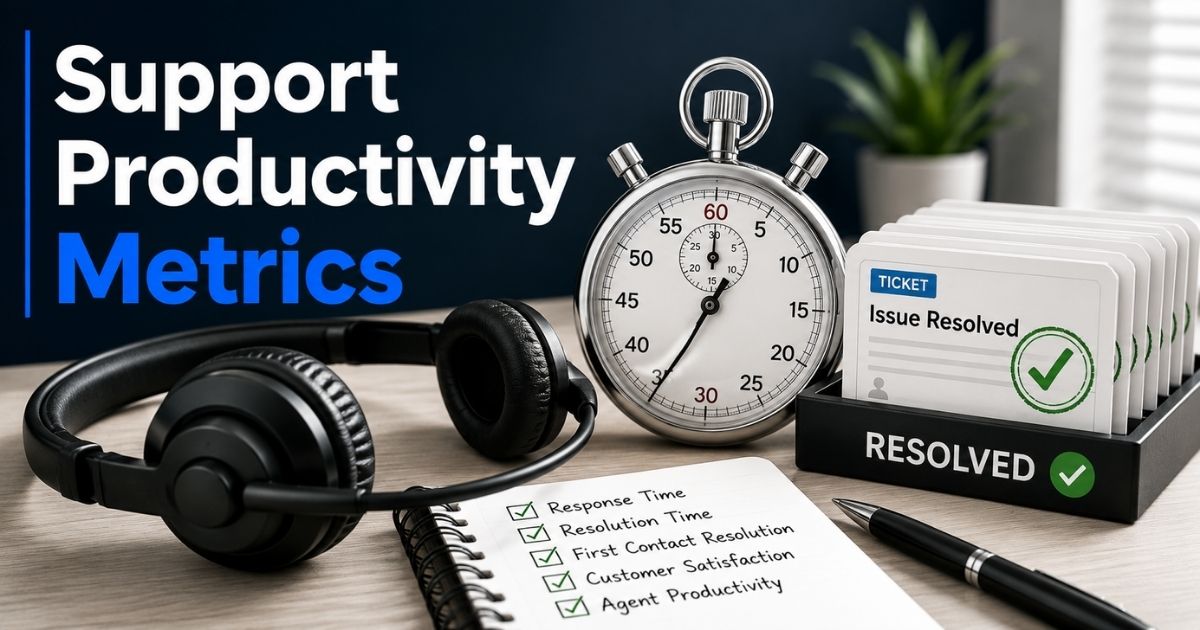
Reporting tools help small businesses understand how their support operations are performing. Metrics like response time, ticket volume, and resolution rates offer valuable insights into customer support trends.
With clear reporting, teams can identify bottlenecks, improve workflows, and make informed decisions. These insights help small businesses refine their support strategy while maintaining service quality as customer demands grow.
How Help Desk Software Improves Customer Experience And Satisfaction
Customer experience improves when support feels fast, consistent, and personal. Help desk software gives small businesses the structure needed to manage customer interactions smoothly, reduce friction, and deliver reliable service across every touchpoint as expectations and support demands grow.
Faster Response Time And Quicker Resolutions
Help desk software helps reduce response time by organizing all customer inquiries into a single support desk. Support agents can quickly see new tickets, understand priorities, and respond without delay.
With a structured ticketing system, urgent issues are less likely to be overlooked. Faster replies reassure customers and prevent frustration, leading to higher customer satisfaction even during periods of increased ticket volume.
Consistent Support Across Multiple Channels
Customers often switch between email, chat support, and customer portals when seeking help. A unified desk platform ensures these customer interactions remain connected and easy to manage.
By keeping all customer conversations in one place, support teams deliver consistent responses across multiple channels. This consistency improves trust and creates a smoother, more professional customer experience.
Personalized Support
Access to customer data allows support agents to understand previous interactions, preferences, and unresolved issues. This context helps teams avoid repetitive questions and provide more relevant solutions.
Personalized support makes customers feel valued rather than treated like a ticket number. Over time, this strengthens customer relationships and encourages long-term loyalty.
Better Collaboration Within The Support Team
Help desk systems improve internal collaboration by making customer conversations visible to the entire support team. Agents can leave notes, share context, and coordinate responses more effectively.
This shared visibility reduces confusion and ensures customers receive accurate answers. Strong collaboration leads to smoother resolutions and a more dependable support experience.
Improved Service Quality
As small businesses grow, maintaining service quality becomes more challenging. Help desk software provides structure that allows teams to scale without sacrificing consistency.
Clear workflows and organized desk operations help support agents manage increasing workloads. This enables businesses to maintain excellent customer support even as customer demands increase.
How To Choose The Right Help Desk Software For Your Business Needs
Choosing a help desk system is a strategic decision that directly affects service quality, team efficiency, and customer satisfaction. Small growing businesses need help desk software that supports current workflows, adapts to change, and delivers long-term value without adding unnecessary complexity or cost.
Support Volume And Growth Trends
Start by reviewing how many customer inquiries your team handles each day and how quickly ticket volume is increasing. This gives you a clear picture of current pressure points and future support demands.
Understanding growth trends helps you avoid tools that work today but fail under increased volume. A scalable help desk system ensures support operations remain stable as your customer base expands.
Key Customer Support Channels
Different businesses receive support requests through different channels. Some rely heavily on email, while others see more traffic from chat support or customer portals.
Knowing where customer conversations originate helps you choose a desk platform that supports the right communication channels. This ensures consistent customer interactions without forcing customers into limited contact options.
Choose Software Based On Team Size
Small teams need desk software designed for collaboration without unnecessary overhead. Tools built for large enterprises can feel overwhelming and slow down daily work.
The right help desk software supports your current team size while allowing additional support agents to join easily. This flexibility prevents costly migrations as your team grows.
Look For Automation
Automation plays a key role in efficient support operations. Ticket routing, status updates, and follow-ups should happen automatically whenever possible.
By automating repetitive tasks, support agents spend more time solving customer issues instead of managing workflows. This improves agent productivity and helps maintain fast response times.
Ease Of Use And Interface Design
An intuitive interface reduces onboarding time and minimizes errors. Support agents should be able to navigate the desk system quickly, even during busy periods.
A clean user interface allows teams to focus on customer concerns rather than learning complex tools. Ease of use directly impacts service quality and overall efficiency.
Evaluate Integration Options
Your help desk software should work smoothly with tools your business already uses. Integration options with sales teams, marketing software, and CRM systems improve visibility across departments.
When customer data flows naturally between systems, support teams gain better context. This enables more personalized support and stronger customer relationships.
Support Self Service
Self service options like knowledge bases and customer portals reduce ticket volume, but they should complement, not replace, human support.
The right help desk software balances self service with easy access to support agents. This approach improves customer experience while keeping support operations manageable.
Pricing Plans And Long-Term Cost
Pricing plans should align with your growth stage and budget. Avoid tools that become expensive as soon as ticket volume or team size increases. You can compare free and paid tools’ features to decide what’s best for your team
Paid plans start to add value when they unlock automation, reporting, and advanced features. Understanding long-term costs helps small businesses make sustainable decisions.
External Customer Support Needs
Many small businesses support external customers without needing a full contact center. Your help desk system should focus on customer conversations, not complex call routing.
A focused support desk keeps workflows simple while delivering excellent customer support. This ensures service quality remains high without unnecessary operational overhead.
How EasyDesk Works As Helpdesk Software For Small Growing Businesses
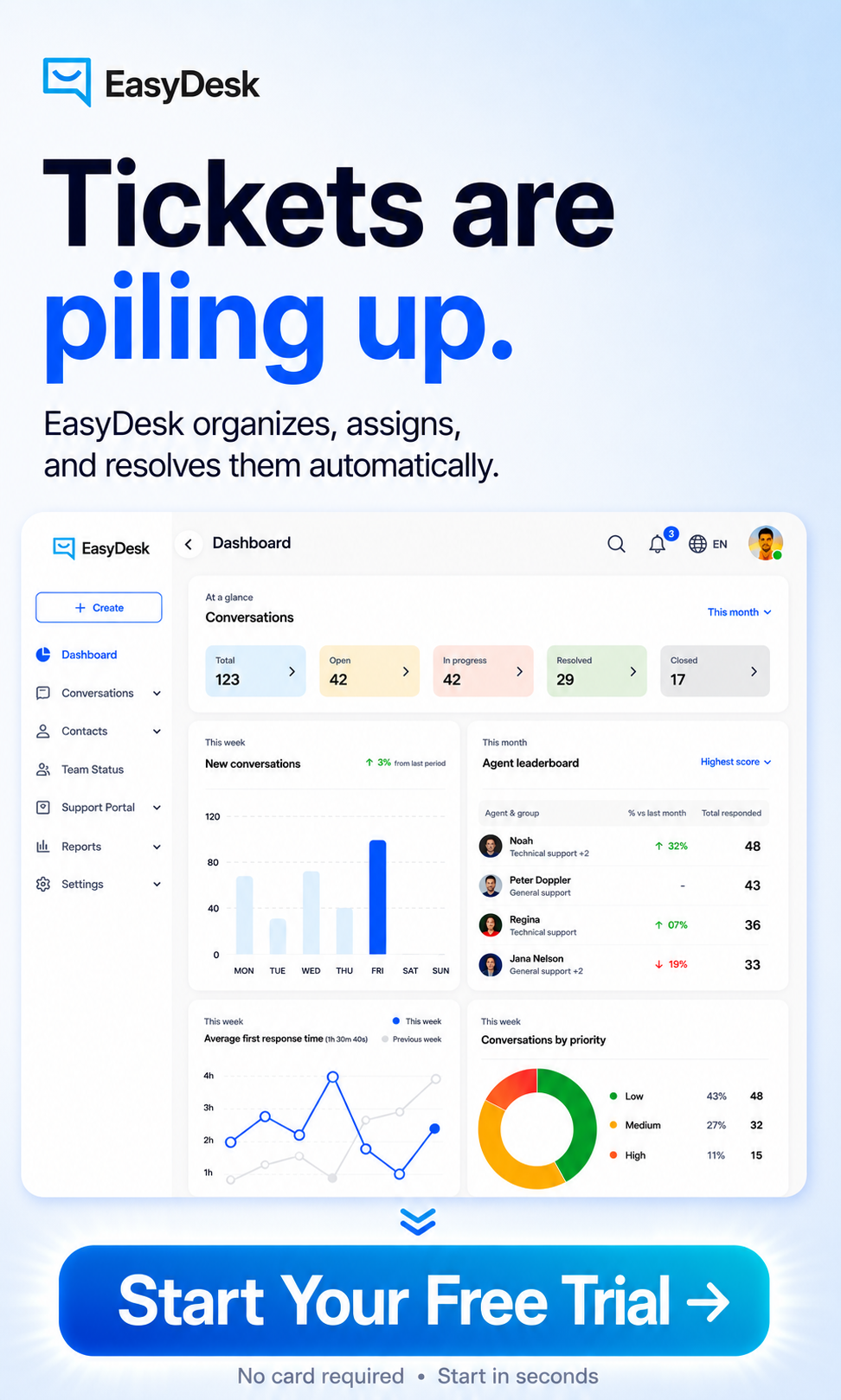
EasyDesk is built specifically to support small businesses as they scale their customer support operations. It brings all your communications into one desk platform, making it easier to manage customer inquiries, support requests, and customer conversations without complexity.
With a structured ticketing system, EasyDesk helps teams handle increasing ticket volume while maintaining control over desk operations. Support agents can track issues clearly, collaborate efficiently, and respond faster using shared inboxes and desk tools designed for small teams.
Automation features reduce repetitive tasks, improving agent productivity and freeing time for meaningful customer interactions. EasyDesk also supports self service options like a knowledge base and customer portal, helping customers find answers on their own.
As a support desk, EasyDesk focuses on service quality, personalized support, and a clean user interface that small businesses can adopt quickly. Paid plans start at a level designed to grow alongside your business, offering flexibility without locking teams into bloated service desk software.
By aligning desk software with real business needs, EasyDesk helps small teams deliver excellent customer support as customer expectations and support operations grow.
FAQs
What Is The Best Help Desk Software For Small Growing Businesses?
The best help desk software for small growing businesses is easy to use, scalable, and built to handle increasing ticket volume. It should include a ticketing system, automation, and support for multiple communication channels.
How Does Help Desk Software Improve Customer Satisfaction?
Help desk software improves customer satisfaction by reducing response time and organizing customer conversations in one place. This allows support teams to deliver faster, more consistent, and personalized support.
Do Small Businesses Need Paid Plans For Help Desk Software?
Paid plans start to make sense as support requests grow and manual work increases. They unlock automation, self service options, and advanced features that improve support operations.
Can Help Desk Software Handle Multiple Communication Channels?
Yes, modern help desk systems manage email, chat support, chat widgets, and customer portals from a shared inbox. This keeps customer interactions organized across multiple platforms.
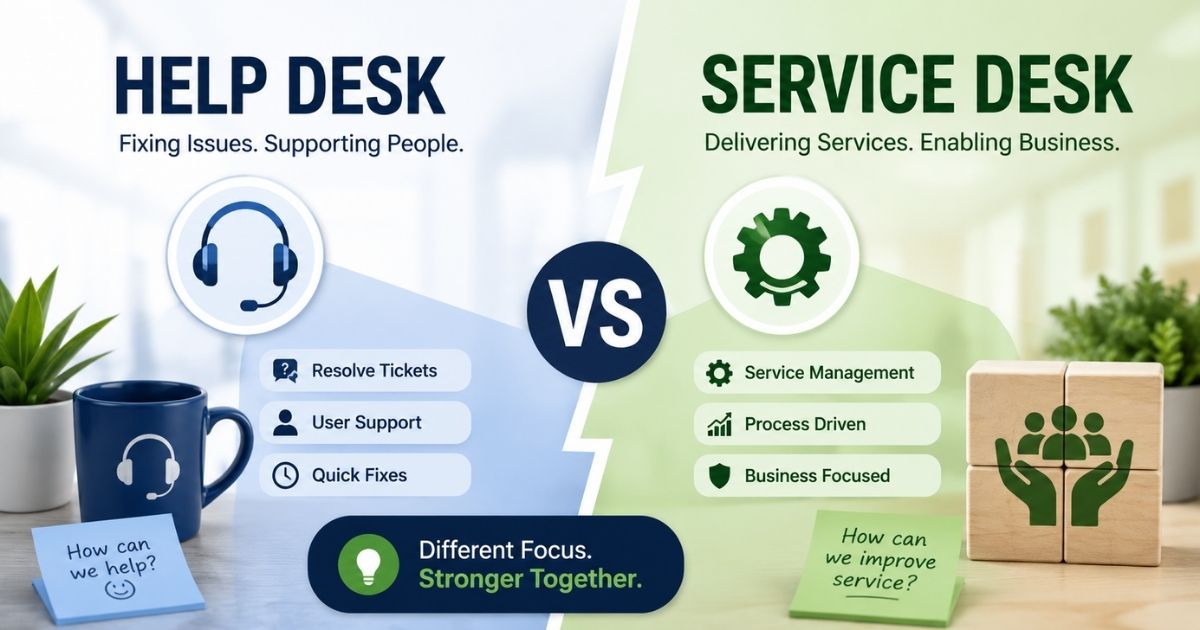
What’s The Difference Between Help Desk Software And Service Desk Software?
Help desk software focuses on external customer support, while service desk software is typically used for internal IT services and asset management. Small businesses usually benefit more from a simpler help desk system.
How Do Self Service Portals Help Small Businesses Scale Customer Support?
Self service portals and knowledge bases let customers solve common issues on their own. This reduces ticket volume and helps support agents focus on more complex customer concerns.