Customer service challenges continue to evolve as businesses expand across digital channels and serve a more diverse customer base. In 2026, support teams face growing pressure to meet rising expectations while maintaining consistent service quality. Customers now demand faster responses, personalized interactions, and instant access to relevant solutions at every stage of the customer journey.
Organizations that fail to address these issues risk negative feedback, damaged brand’s reputation, and missed opportunities for revenue growth. At the same time, businesses that focus on customer preferences, communicate proactively, and enhance efficiency through modern support strategies are more likely to succeed. Preparing for unexpected service outages, strengthening workflows, and aligning support operations with long-term goals are essential steps toward delivering exceptional customer service in a competitive market.
What Are Customer Service Challenges?
Customer service challenges are problems that stop teams from helping customers well. These issues show up in many forms. Think slow response times or frustrated customers waiting for answers. Some challenges come from inside the company. Others come from rising consumer expectations. Either way, they hurt the customer experience badly.
Common customer service challenges include managing high volume requests. They also include handling angry customers and keeping service quality consistent. When customer service agents struggle, the whole business feels it. These problems affect customer satisfaction and customer retention. They also damage your brand’s reputation over time. Understanding customer needs is the first step to fixing these issues.
Most Common Customer Support Challenges
Support teams face many obstacles every day. Some problems seem small at first. But they grow quickly without the right attention. Here are the biggest service challenges facing teams in 2026.
High Volume Of Customer Requests
Many support teams drown in customer inquiries daily. Tickets pile up faster than agents can handle them. This creates backlogs that frustrate everyone involved. Seasonal spikes make things worse. Think Black Friday or holiday shopping periods. Volume can double or triple in just hours.
Early-stage companies often handle support without a system. Founders and small teams rotate through the inbox. This works until it suddenly does not. As volume increases, gaps appear in customer conversations. Messages get missed completely. Response times slow down to unacceptable levels.
The research shows this is a silent killer. Without dedicated resources, support quality drops fast. Multiple customers end up waiting for help at once. Solutions exist for this significant challenge. AI can resolve repetitive tickets instantly. Complex cases go to human agents with more time. Tools like triage systems route tickets to the right place.
Slow Response Times
Customers expect quick answers to their questions. Waiting hours or days is not acceptable anymore. Slow response times kill customer loyalty fast. Most customers want replies within minutes now. Email should come back in under four hours. Chat should respond in under two minutes.
Long queues start from poor triage systems. Limited automation makes things worse. Agents spend time on simple questions they could skip. Clear SLAs help teams stay on track. Routing rules send tickets to the right agents. Auto replies set expectations while customers wait.
The impact of slow responses is serious. Dissatisfied customers leave for competitors quickly. They also share negative feedback with others online.
Inconsistent Support Across Channels
Customers use multiple communication channels to reach support. Some prefer phone calls for complex issues. Others like quick text messages for simple questions. The problem comes when service quality varies. A customer might get great help on Monday. The same customer might get poor service on Tuesday.
This happens when teams lack standardized processes. Agents might not have access to shared tools. Customer data does not carry over between channels. About 42% of customers say channel choice matters most. They want to reach service agents on their preferred channel. Companies that limit options lose business fast. The solution is alignment across all touchpoints. Centralize customer data in one system. Standardize how agents handle similar issues. Equip everyone with the same tools and guidance.
Lack Of Personalization
This might be the biggest challenge in customer service. Customers hate feeling like ticket numbers. They want every interaction to reflect their history. Copy paste replies feel cold and impersonal. Not using order history makes customers repeat themselves. This wastes time and damages trust. Without personalization, customers feel unheard completely. They feel undervalued by the company. This directly impacts their willingness to stay loyal.
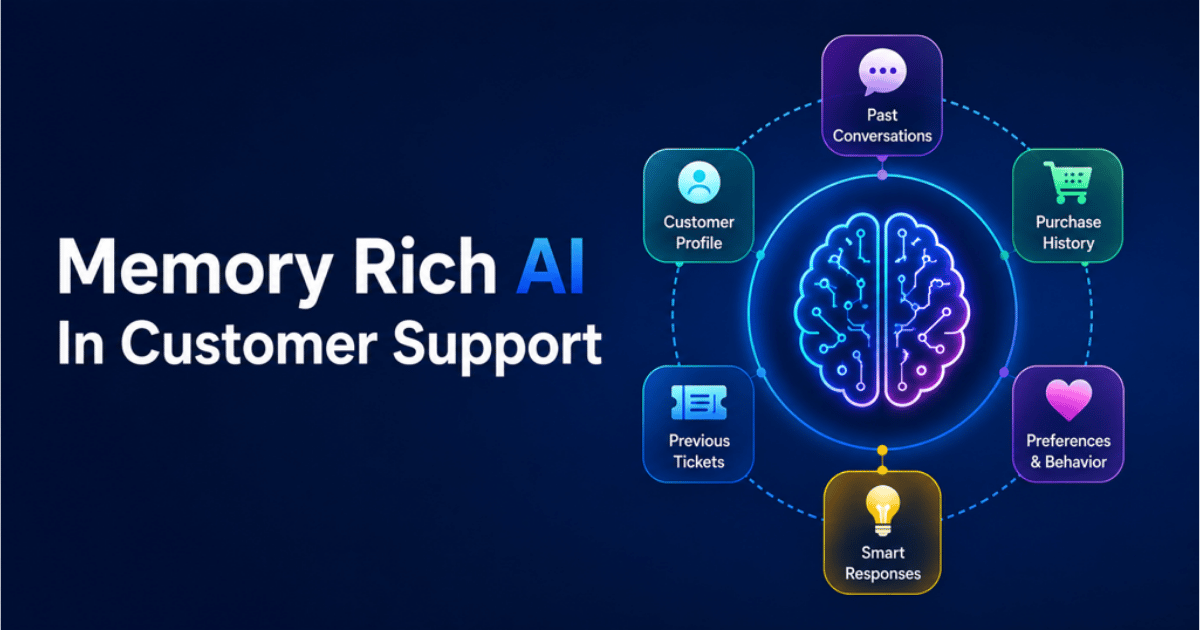
The challenge grows when customer data stays siloed. Fragmented information means agents lack full context. They cannot see the complete customer journey. Small personal touches build long term loyalty. Use customer names in every reply. Reference past purchases and previous conversations. Show that you remember who they are.
Agent Burnout And Overload
Support agents face constant pressure every shift. They handle multiple customers at once. They switch between chat, email, and phone constantly. This context switching lowers quality and accuracy. Agents make more mistakes when stretched thin. They also feel drained by end of day. High agent turnover is a major problem. Frustrated customers and night shifts drain energy. Constant rude interactions take an emotional toll.
The research shows agents need better ticketing support systems. Short breaks help maintain focus and calm. Clear paths for promotion keep people motivated. Recognition programs acknowledge good performance. Regular training sessions build confidence. When agents feel valued, turnover decreases significantly.
Knowledge Management Issues
Complex questions catch agents off guard sometimes. New product launches create tricky situations. Price changes lead to confused customers. Scattered documentation makes answers inconsistent. Information lives in random Slack messages. Different agents give different answers to similar questions.
Agents need impeccable product knowledge to succeed. They also need quick access to reliable information. A single internal knowledge base solves this problem. The base should be updated weekly at minimum. Agents should feel safe saying they will find out. Honest acknowledgment builds more trust than guessing.
Poor Internal Collaboration
Classic gaps exist between support and other teams. Product, operations, and finance often work separately. This creates problems for customers. Imagine support promising a refund that finance rejects. The customer feels let down and confused. Trust breaks down immediately.
Monthly cross team meetings help close these gaps. Shared tools for bug status keep everyone informed. Development teams should know what customers complain about. Direct conversations between departments prevent miscommunication. One shared document for known issues saves time. Customer concerns reach the right people faster.
Technology Limitations
Many organizations suffer from poor tool choices. Old software creates more problems than it solves. Manual processes slow everything down. Lack of real time data insight hurts decision making. Poor reporting capabilities hide important trends. Silos of information prevent teams from seeing patterns.
Without good technology, even great agents struggle. They cannot deliver the seamless support customers expect. Technical issues frustrate both agents and customers alike. The research shows centralized platforms enable better decisions. Leaders can identify recurring problems quickly. Tracking trends helps address root causes effectively.
Root Causes Behind Customer Support Challenges
Problems do not appear from nowhere. Understanding why challenges exist helps fix them. Here are the main causes behind most support issues.
Increasing Customer Expectations
Customer expectations shift yearly as apps improve. Customers compare your service to the best experiences. They think of Amazon and Uber as the standard. Since 2018, social media raised the bar higher. Real time apps changed what people accept. Same day delivery made speed the new normal.
Managing customer expectations is harder now. Customers expect 24/7 help on every channel. They want instant answers to every customer query. Exceeding customer expectations requires constant updates. Quarterly reviews of customer feedback help track changes. Small experiments like extended chat hours test new ideas.
Rapid Digital Transformation
Technology changes faster than most teams can follow. New channels appear every year. Customers adopt them quickly and expect support there. Companies struggle to keep up with these shifts. Training takes time that teams do not have. Budget constraints limit tool purchases.
Multiple channels spread resources thin. Support teams cannot master every platform. Quality suffers when focus splits too many ways. The solution is choosing channels wisely. Pick two or three main channels. Do them very well before adding more.
Lack Of Support Automation
Many support processes still run manually. Agents type the same answers repeatedly. Simple questions take as long as complex ones. Routine inquiries waste valuable agent time. Questions like order status could be automatic. Password resets do not need human involvement.
Self service options remain weak at many companies. FAQs are outdated or hard to find. Help articles lack clear answers. AI and chatbots can handle common requests instantly. This frees agents for complex problems. Both customers and agents become happier.
Poor Workflow Design
Bad processes create unnecessary friction. Tickets move through unclear escalation paths. Nobody knows who owns which problems. Without structured escalation pathways, tricky tickets linger. Agents either over escalate to protect themselves. Or they delay action due to confusion.
Clear playbooks specify which cases need escalation. Routing destinations should be obvious to everyone. Handoff procedures must be documented and trained. Simple workflow improvements create immediate results. Daily backlog reviews catch aging tickets early. Triage tags like urgent today prioritize work.
Practical Solutions To Customer Service Challenges
Knowing problems is only half the battle. Here are proven ways to solve common customer service challenges. Each solution connects directly to issues discussed above.
Implement Omnichannel Helpdesk Software
Scattered tools create scattered customer experiences. A unified inbox brings everything together. All communication channels feed into one place. This means no more missed messages. No more switching between different apps. Agents see the complete customer picture instantly.
Omnichannel software ensures customer data travels with tickets. Context carries over between interactions. Customers never repeat information they already provided. The customer service process becomes smoother for everyone. Agents work more efficiently with better visibility. Customers receive consistent support every time.
Use AI And Automation For Routine Tasks
Automation handles repetitive customer inquiries quickly. Common questions get instant answers without waiting. Agents focus on issues needing human judgment. Where is my order? How do I return this? These questions resolve automatically now. AI provides relevant solutions in seconds.
This approach makes customer interactions faster. It reduces workload on already stretched support teams. Both operational efficiency and satisfaction improve together. But balance is important here. Bots should handle clear tasks only. Easy handoff to human agents prevents frustration.
Build A Strong Knowledge Base
Good customer service starts with good information. A knowledge base gives agents and customers answers. It reduces ticket volume significantly over time. Track your top twenty customer questions. Build clear articles answering each one. Update core content every quarter at minimum.
Instant access to reliable information helps everyone. Agents respond faster with accurate answers. Customers find solutions through self service options. Weak or outdated content just increases tickets. Old articles frustrate customers instead of helping. Regular maintenance keeps information useful.
Improve Agent Training And Workflows
Provide ongoing training for your customer service team. New hires need four to eight weeks typically. Structured onboarding with checklists speeds this up. Regular training sessions cover product updates. Customer support role plays help more than long slide decks. Call recordings and past chats provide real practice.
Ongoing training keeps skills sharp over time. Monthly refreshers address common mistakes. Deeper quarterly sessions tackle complex topics. Good customer service practices require constant reinforcement. Weekly huddles can review one real case. This builds a learning culture that improves service quality.
Track Support Metrics And KPIs
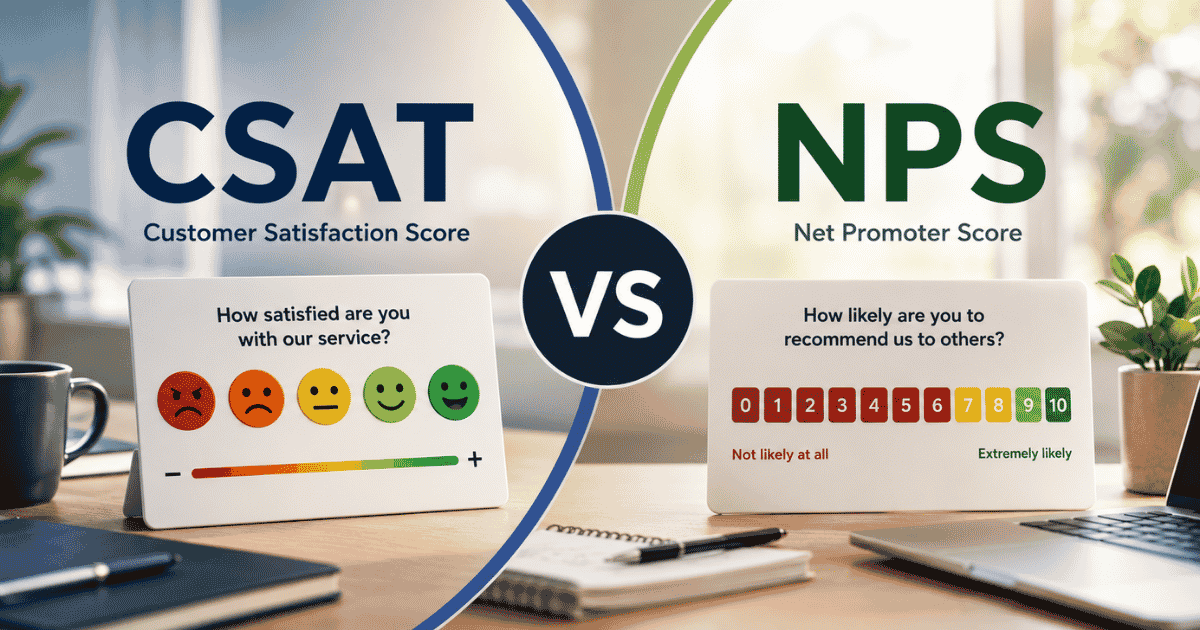
You cannot improve what you do not measure. Start tracking response time and resolution time. Add CSAT to measure customer satisfaction directly. Monitor ticket volume by channel each week. Look for patterns in customer complaints. Identify which issues repeat most often.
Use metrics to guide coaching conversations. Help agents improve rather than blame them. Data shows where the customer service department needs help. Customer feedback reveals what customers actually think. NPS scores track loyalty over time. These numbers connect directly to customer lifetime value.
Future Customer Support Challenges To Expect
Support challenges continue evolving every year. Staying ahead requires watching emerging trends closely. Here are the challenges coming in the near future.
AI Trust And Adoption Issues
AI transforms customer support rapidly now. But many customers still prefer human agents. They worry about AI understanding their problems. Trust takes time to build with new technology. Some customers feel frustrated by chatbot limitations. Others worry about privacy with AI systems.
Companies respond to this carefully now. Clear handoff to humans builds confidence. Transparency about AI use maintains trust. The balance between automation and human touch matters. Too much AI feels cold and impersonal. Too little AI means slow response times.
Rising Customer Expectations
Consumer expectations will keep climbing higher. What seems fast today becomes slow tomorrow. Customers always want more than before. Real time support becomes the minimum standard. Personalization expectations grow more demanding. Customers expect companies to know them completely.
Maintaining customer satisfaction requires constant improvement. Support teams must evolve alongside their diverse customer base. Standing still means falling behind competitors.
Workforce Skill Gaps
Technology changes faster than training programs. Agents need new skills for new tools. Finding qualified support agents becomes harder. The gap between available skills and needed skills grows. Development teams build features faster than training covers. Customer service problems emerge from this mismatch.
Companies must invest more in ongoing training. Regular training sessions close skill gaps over time. Building internal expertise becomes a competitive advantage.
Data Privacy And Compliance Pressures
Privacy regulations grow stricter every year. Customer data requires careful handling now. Compliance mistakes create serious legal problems. Customers worry more about how companies use information. They want personalization without feeling watched. This creates tension for support teams.
Excellent customer service requires understanding customer history. But collecting data raises privacy questions. Balance becomes increasingly important here.
Increasing Demand For Real Time Support
Customers want answers right now. Not in an hour. Not tomorrow. Immediately. This pressure increases on support teams constantly. Staffing for peak hours becomes complicated. Time zones create coverage challenges globally.
Companies that deliver instant access to help win. Those with slow response times lose customers fast. Real time support becomes table stakes soon.
How EasyDesk Solves Customer Support Challenges
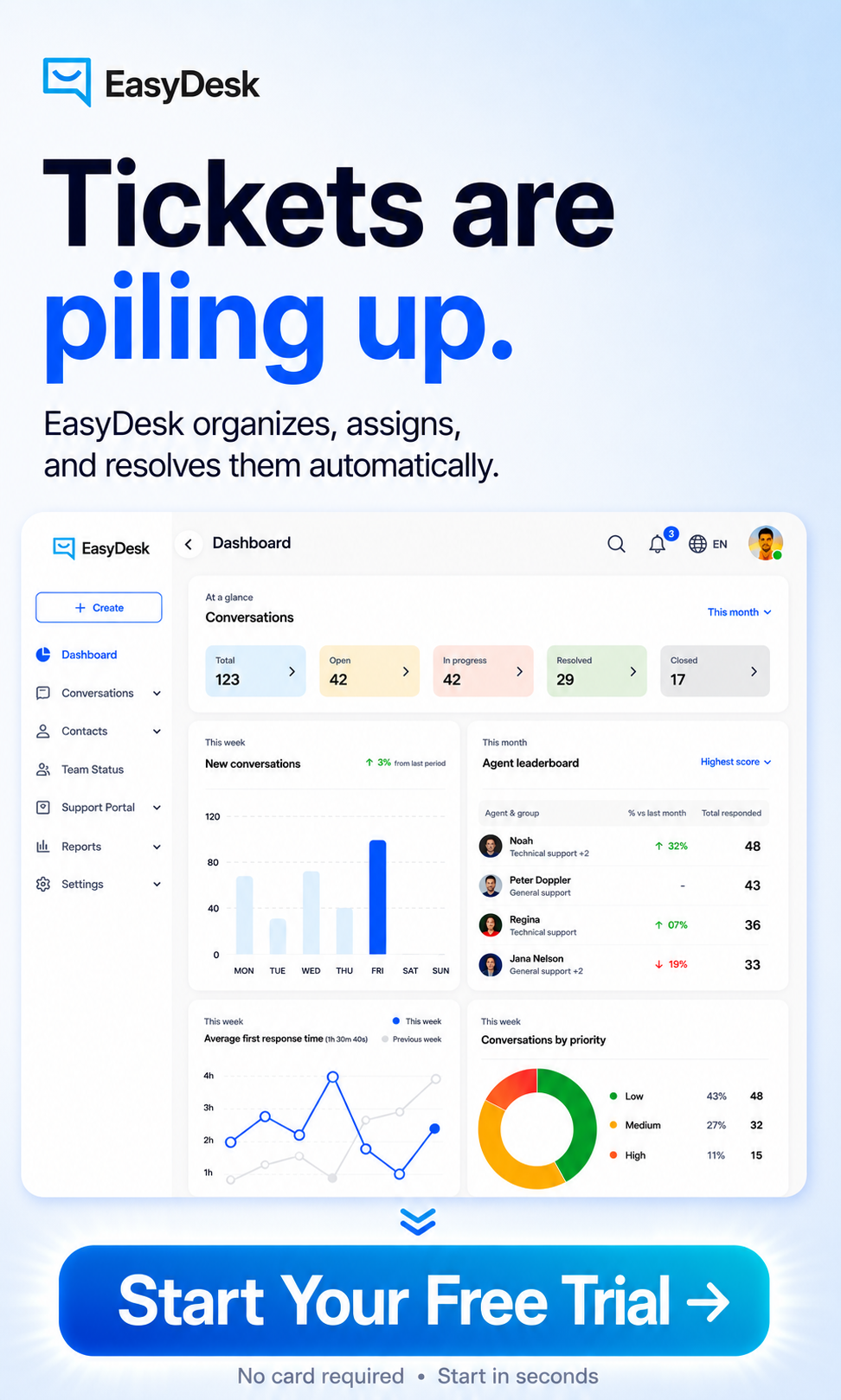
EasyDesk addresses the challenges discussed throughout this article. It brings essential support features into one streamlined platform. Support teams handle requests without unnecessary manual effort.
Unified Inbox For Centralized Communication
EasyDesk brings all customer conversations into one place. Email, chat, and social media connect together. No more switching between scattered apps. This centralized approach solves many common problems. Customer data flows between interactions automatically. Agents see full context without asking customers to repeat. Multi channel support means customers reach you anywhere. They use their preferred communication channels. You deliver consistent outstanding customer service every time.
Automation For Faster Ticket Handling
Automated workflows speed up the customer service process. Tickets route to the right agents automatically. Canned responses handle common inquiries instantly. This reduces the burden on your customer service team. Repetitive tasks disappear from agent workloads. They focus on complex issues needing human care. SLA management ensures nothing slips through cracks. Tickets get attention before deadlines pass. Bad customer service from missed tickets becomes rare.
Real Time Analytics For Performance Tracking
EasyDesk provides real time data about support performance. Track response times and resolution rates easily. See which issues create the most tickets. This visibility helps leaders make better decisions. Identify patterns in customer sentiments quickly. Address root causes rather than just symptoms. Feedback tracking captures what customers actually think. You measure customer satisfaction after key interactions. Data guides improvement efforts effectively.
Collaboration Tools For Support Teams
Support rarely happens in isolation. Development teams need to hear about bugs. Sales needs to know about customer concerns. EasyDesk makes internal collaboration seamless. Notes and context travel with tickets automatically. Handoffs between team members happen smoothly. Roadmaps and changelogs keep everyone informed. The customer service department stays connected to others. High-quality customer service results from this alignment.
FAQs
What Metrics Show Customer Service Challenges Clearly?
Start with response time and resolution time. These numbers reveal how quickly you help customers. CSAT scores show how satisfied customers feel afterward. Track ticket volume by channel weekly. Look for spikes that indicate problems. First contact resolution rate shows efficiency too.
Which Industries Face The Biggest Customer Support Challenges?
Ecommerce companies face seasonal volume spikes regularly. SaaS businesses handle complex technical issues daily. Healthcare and finance have strict compliance requirements. Any high volume business struggles with these challenges. Industries with diverse customer base face more variety. Companies growing quickly often experience growing pains here.
How Do Small Businesses Handle Customer Support Challenges?
Small teams should limit channels and set clear hours. Start with email plus one live channel. Add more only when processes feel stable. Templates and canned responses speed up common replies. A simple shared inbox beats fancy tools early. Focus on quality over 24/7 coverage first.
What Role Does Automation Play In Reducing Support Challenges?
Automation handles routine inquiries without human involvement. Order status and password resets work automatically. This frees agents for complex problems needing judgment. The key is balance between AI and human touch. Bots should handle clear tasks only. Easy handoff to agents prevents customer frustration.
How Often Should Teams Review Customer Support Challenges?
Weekly huddles catch immediate problems quickly. Monthly reviews identify trends and patterns. Quarterly deep dives examine bigger strategic issues. Review processes after major launches or policy changes. Update training when new products release. Continuous improvement beats occasional large overhauls every time.