Customers expect quick, clear, and reliable support at every touchpoint. As emails, chats, and calls continue to grow, keeping track of customer requests becomes difficult even for experienced customer service teams. Important messages get buried, follow-ups are missed, and service quality starts to suffer.
A ticketing system brings structure to customer support by organizing customer interactions in one centralized space. It helps support teams respond faster, reduce confusion, and stay aligned with customer expectations. For growing businesses and established organizations alike, the right ticketing system is no longer optional. It directly affects service quality, team productivity, and customer satisfaction.
In this article, we break down the 10 key benefits of using a ticketing system, explain why manual support methods no longer scale, and show how modern help desk ticketing systems support consistent, well-organized customer support at scale.
What Is a Ticketing System?
A ticketing system is software that collects, organizes, and tracks customer support requests in a single platform. Each customer inquiry becomes a ticket through ticket creation, allowing support teams to assign ownership, prioritize work, and monitor progress until resolution.
A help desk ticketing system also connects multiple communication channels such as email, chat, and web forms, into one dashboard. Customer service representatives can access customer data, conversation history, and relevant information without switching tools, which leads to faster and more accurate responses.
Beyond customer support, ticketing systems are often used for internal service requests such as IT help desk tasks, HR inquiries, and operational support.
Why Email and Manual Support No Longer Scale
Shared inboxes and spreadsheets may work at a very small scale, but they quickly become inefficient as support volume grows. Messages are easily missed, ownership is unclear, and teams struggle to track progress or meet service level agreements.
Without a proper ticket management system, customer support requests are duplicated, delayed, or forgotten. There is no reliable way to prioritize urgent issues, monitor agent performance, or gain visibility into support operations. Ticketing systems solve these problems by introducing structure, accountability, and transparency across the entire support workflow.
Key Benefits of Using Ticketing System
A ticketing system improves how businesses manage customer support by adding organization, visibility, and control. Below are the ten most important benefits that directly impact customers, support teams, and long-term service quality.
1. Improved Customer Satisfaction
A ticketing system ensures that every customer inquiry is logged and tracked. Support agents spend less time searching for messages and more time resolving customer issues. Faster responses and consistent follow-ups lead to improved customer satisfaction.
Clear ticket priorities and service level agreements help teams handle urgent service requests first. This consistency builds trust and supports excellent customer service across all communication channels.
2. Faster Response and Resolution Times
Ticketing software routes customer support tickets to the right service reps based on priority, workload, or expertise. This reduces delays and shortens resolution times.
Support teams can focus on solving issues instead of managing inboxes. Faster responses help meet customer expectations and prevent small issues from escalating into complex problems.
3. Centralized Communication Across Channels
A help desk ticketing system brings all communication channels into one support channel. Customers can reach out through their preferred channel while support agents respond from a single interface.
This centralization eliminates duplicate replies and missed messages. Customer service agents always have access to full conversation history, leading to clearer communication and fewer misunderstandings.
4. Better Organization and Ticket Ownership
Ticket management systems keep all customer requests in one place and make assigning tickets simple. Each ticket has a clear owner, improving accountability across customer support teams.
Managers can monitor progress, track resolution status, and review workloads. This structure helps support operations remain organized even during peak demand.
5. Increased Team Productivity
Ticketing systems reduce time spent on administrative tasks through automated processes. Key Features such as ticket assignment, predefined responses, and workflow rules allow support reps to focus on resolving complex issues.
With multiple agents working together, productivity increases without sacrificing service quality. Teams can support more customers with less effort.
6. Stronger Team Collaboration
Collaboration features like private notes, internal comments, and shared ticket views improve communication among support reps. Agents can work together on complex issues without losing context.
This shared visibility reduces handoffs, avoids duplicated work, and improves team collaboration across departments and support teams.
7. Transparency and Visibility for Customers
Modern ticketing systems empower customers by allowing them to track ticket status and receive updates. This transparency reduces uncertainty and unnecessary follow-ups.
When customers see that their service requests are actively handled, confidence in customer support increases. Predictable updates improve the overall support experience.
8. Actionable Insights from Customer Data
Ticketing systems provide valuable insights into customer issues, response times, and resolution trends. Support managers can identify recurring problems and bottlenecks in workflows.
User feedback and ticket history help businesses uncover gaps in products, documentation, or processes. These insights support continuous improvement based on real customer data.
9. Performance Measurement and Service Quality Control
Ticketing solutions make it easier to measure team performance and service quality. Metrics tied to service level agreements, ticket priorities, and resolution times are visible in one place.
This visibility helps improve support operations, balance workloads, and align customer support goals with broader business needs.
10. Scalability for Growing Support Teams
As businesses grow, the volume of support increases. Ticketing systems scale easily, supporting increased customer volumes, expanded agent capacities, and more complex workflows.
Automation, reporting, and structured ticket management enable teams to scale without incurring unnecessary overhead or compromising service standards.
Automation and Integration Advantages
Automation capabilities reduce repetitive tasks such as ticket routing, ticket prioritization, and follow-ups. Support ticketing workflows ensure customer support requests reach the right agents without delay.
Seamless integration with CRM platforms, desk software, and other tools gives support agents instant access to customer data and past interactions. This improves resolution speed and keeps workflows efficient.
How to Choose the Right Ticketing System
Choosing a ticketing system is not just about features. It is about finding a tool that fits naturally into your support workflow, helps agents do their best work, and scales as customer expectations grow. Below are six practical factors to consider when evaluating a ticketing system for long-term success.
Choose a Tool Your Support Team Actually Enjoys Using
A ticketing system should feel intuitive from the first login. If agents need constant guidance to find tickets, update statuses, or respond to customers, productivity suffers quickly. A clean interface, clear navigation, and logical ticket views make daily work easier and reduce frustration.
When support teams enjoy using the system, they spend less time managing tools and more time solving customer problems. Easy onboarding is equally important. New agents should be able to understand ticket flows, internal notes, and assignments without lengthy training. Platforms like EasyDesk focus on practical usability so teams can stay productive without unnecessary complexity.
Make Sure All Customer Conversations Stay in One Place
Customers reach out through email, chat, contact forms, and sometimes social channels. A strong ticketing system brings all these conversations into one shared workspace so nothing slips through the cracks.
When every interaction becomes part of a single ticket timeline, agents always have full context. They can see past conversations, previous resolutions, and customer details without switching between tools. This consistency reduces duplicate replies, avoids confusion, and creates a smoother experience for both customers and support teams.
Let Automation Handle the Repetitive Support Work
Manual ticket handling does not scale. Automation helps support teams keep up with growing ticket volumes without burning out. Look for systems that automatically assign tickets, apply priorities, update statuses, and trigger follow-ups based on clear rules.
By removing repetitive administrative tasks, agents can focus on solving real customer issues. Automation also improves response consistency, ensuring urgent tickets are handled first and service level expectations are met without constant manual oversight.
Pick a System That Shows You What’s Really Happening
Visibility is essential for improving customer support. A good ticketing system makes it easy to see response times, resolution trends, ticket backlogs, and agent workloads at a glance.
Clear reporting helps support leaders identify where delays happen and which issues appear most often. Over time, these insights guide better staffing decisions, workflow improvements, and product fixes. Even simple dashboards can drive meaningful improvements when data is easy to access and understand.
Think Beyond Today and Plan for Team Growth
A ticketing system should grow with your business, not limit it. While a simple setup may work initially, the system should support additional agents, higher ticket volumes, and more advanced workflows as demand increases.
Scalability also includes flexibility. The right platform allows teams to add automation, integrate new tools, and refine processes without starting over. Planning for growth early prevents costly migrations and operational disruptions later.
Do Not Compromise on Security or Cloud Reliability
Customer support systems store sensitive customer data, making security a critical consideration. Cloud-based ticketing systems should offer secure data storage, role-based access controls, and regular backups to protect information.
Reliable cloud access also supports remote and hybrid teams, allowing agents to work from anywhere without interruptions. Strong uptime, data protection, and recovery measures ensure customer support remains dependable even during unexpected events.
Implementation Tips for Success
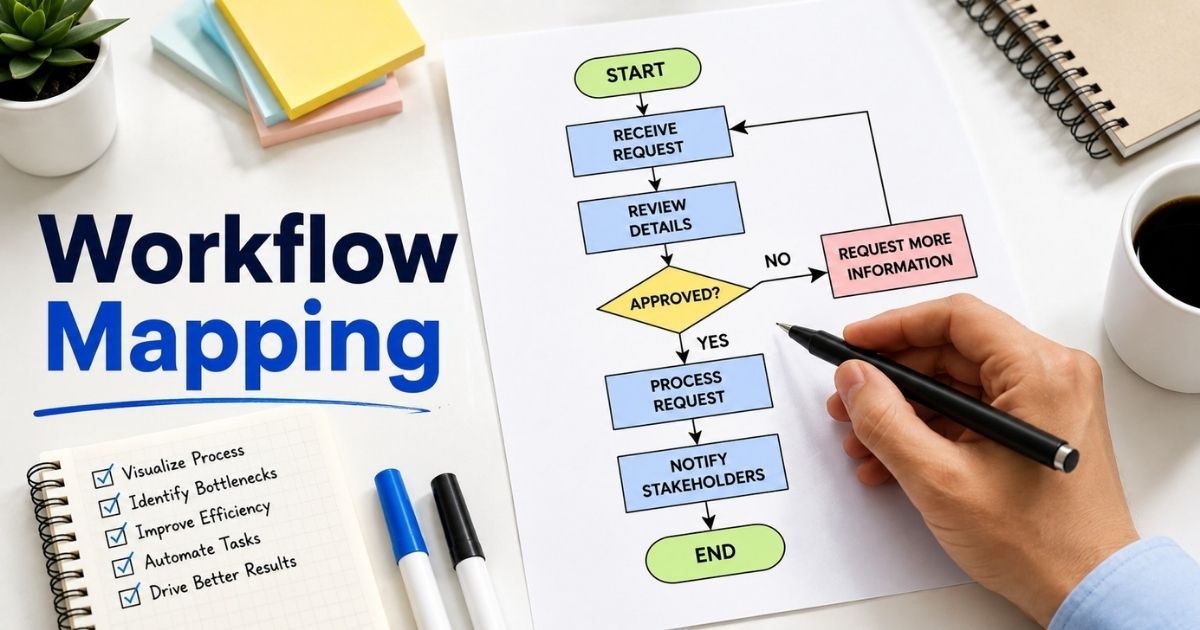
- Map your existing support workflows before configuring the system, so ticket flows match how your team works.
- Clearly define ticket priorities and categories to ensure urgent customer issues are handled first without confusion.
- Train customer service representatives on ticket creation, ownership, status updates, and internal notes to maintain consistency.
- Introduce automation gradually, starting with ticket assignment and basic routing rules, then expanding as the team adapts.
- Standardize response templates for common questions to improve response speed while keeping communication clear and accurate.
- Regularly review performance metrics such as response time, resolution time, and ticket backlog to spot improvement areas.
- Collect user feedback from both customers and support agents to refine workflows and remove friction points.
- Revisit workflows periodically as support volume grows to ensure the ticketing system continues to support productivity and service quality.
How EasyDesk Simplifies Support as a Cloud-Based Helpdesk
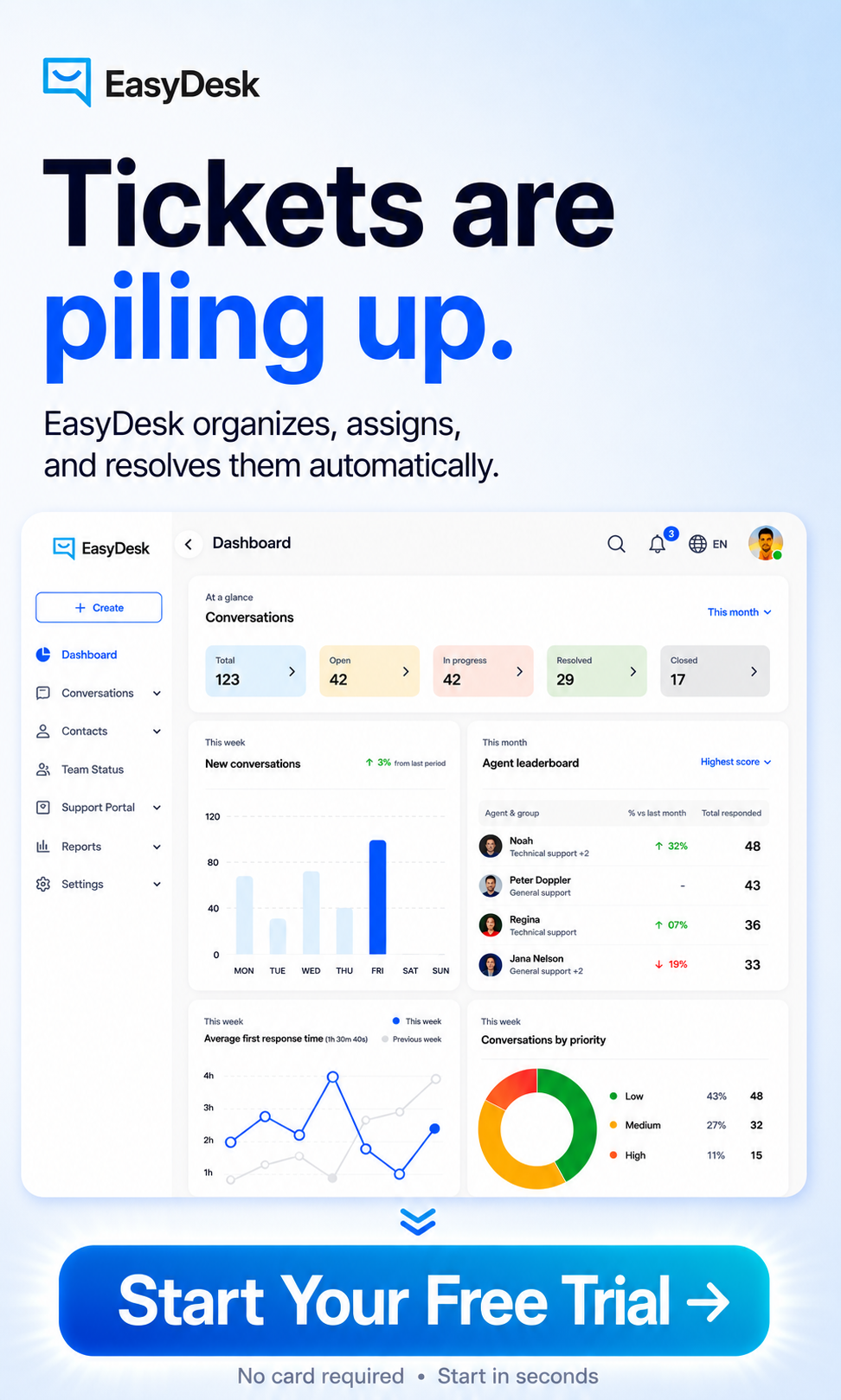
EasyDesk is a cloud-based help desk built to simplify how businesses manage customer support without relying on outdated systems or complex infrastructure. Because it runs entirely in the cloud, support teams can access customer data, support requests, and ticket histories from anywhere, without being tied to a specific device or location.
All customer interactions from different communication channels are centralized in one platform. This allows customer service agents to view complete conversation histories, customer information, and previous resolutions in a single place. Having relevant information readily available helps support agents respond faster and resolve customer issues more accurately.
EasyDesk supports real-time ticket tracking and status updates, giving support teams full visibility into ticket progress. Secure cloud storage, role-based access controls, and built-in disaster recovery help protect customer data while ensuring continuity during unexpected outages or system disruptions.
By removing the need for on-premise servers and manual maintenance, EasyDesk reduces operational overhead for growing businesses. At the same time, it maintains flexibility through automation capabilities, integrations with desk software and CRM tools, and scalable ticket management features. This balance makes EasyDesk a practical, future-ready ticketing solution for teams that want reliable support operations without added complexity. That’s why it's one of the best ticket management systems.
Frequently Asked Questions
What is the main purpose of a ticketing system?
The primary purpose of a ticketing system is to keep all customer support requests organized and traceable. It ensures every issue is assigned, tracked, and resolved without losing context or accountability.
How does a ticketing system improve customer satisfaction?
A ticketing system helps teams respond faster and more consistently. Customers receive timely updates, fewer follow-up delays, and clearer communication, which leads to a more reliable support experience.
Can small businesses benefit from using a ticketing system?
Yes. A simple ticketing system helps small teams manage customer inquiries efficiently without adding complexity. It also prepares the business to scale support smoothly as request volume grows.
What is the difference between a help desk and a ticketing system?
A ticketing system focuses on managing and tracking support tickets. A help desk usually includes additional tools like automation, reporting, collaboration features, and knowledge bases.
How does automation help support teams work better?
Automation handles repetitive tasks such as ticket assignment, prioritization, and follow-ups. This allows support agents to focus on solving complex issues instead of manual administrative work.
Is customer data secure in cloud-based ticketing systems?
Modern cloud-based ticketing systems use secure storage, access controls, and backups. These measures help protect customer data while keeping it accessible to authorized support teams.
When should a business start using a ticketing system?
A business should adopt a ticketing system once support requests become hard to manage through email or chat alone. Early adoption helps prevent chaos as customer volume increases.