Manual vs automated ticketing remains a critical decision for companies that want to scale customer support without sacrificing quality. As customer interactions increase across channels, support teams face growing pressure to manage more tickets, reduce response time, and maintain consistent service levels. Choosing the right ticketing approach directly affects operational efficiency, agent productivity, and customer satisfaction.
In this article, we will explain how manual ticketing and automated ticketing work, compare their strengths and weaknesses, and show when each approach makes sense. It also explains how modern AI-powered ticketing systems, such as EasyDesk, help teams move beyond manual processes toward smarter, more efficient support operations.
What Is Manual Ticketing
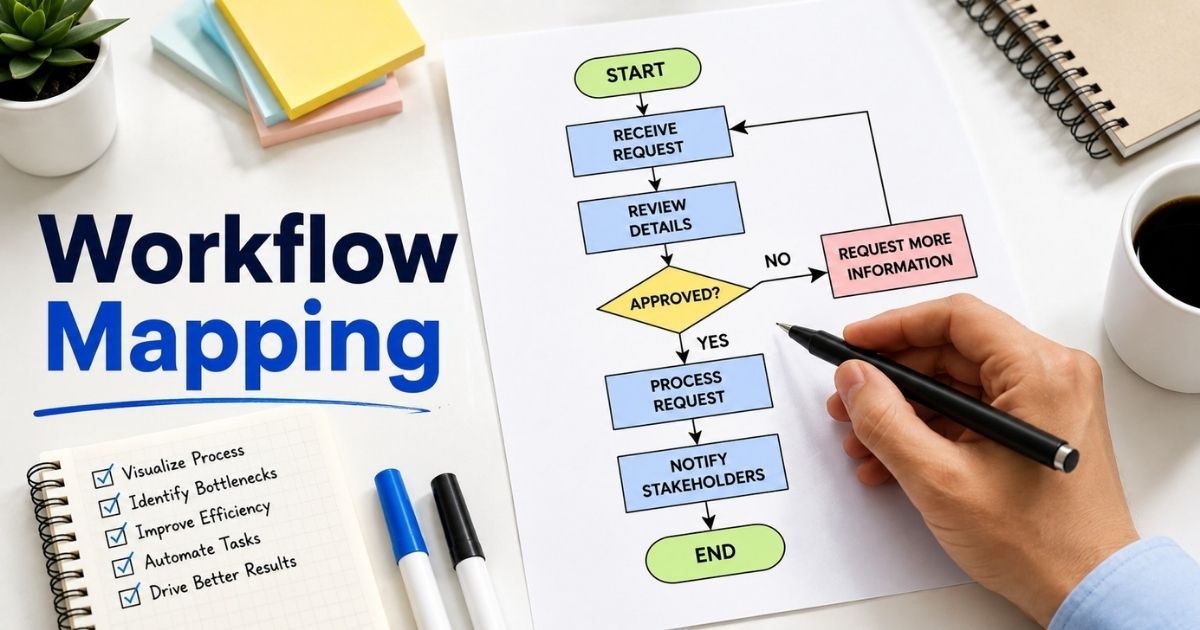
Manual ticketing relies on human effort to create tickets, categorize requests, assign agents, and manage ticket resolution. In manual systems, agents handle incoming tickets one by one, often through email inboxes, spreadsheets, or basic ticketing systems without automation.
Manual ticket resolution requires agents to read customer queries, decide priority, route tickets to the right agent, and respond individually. This approach works when ticket volume remains low, and customer service workflows stay simple. However, manual triage and repetitive tasks increase manual workload as more tickets arrive, which can slow response time and raise operational costs.
What Is Automated Ticketing
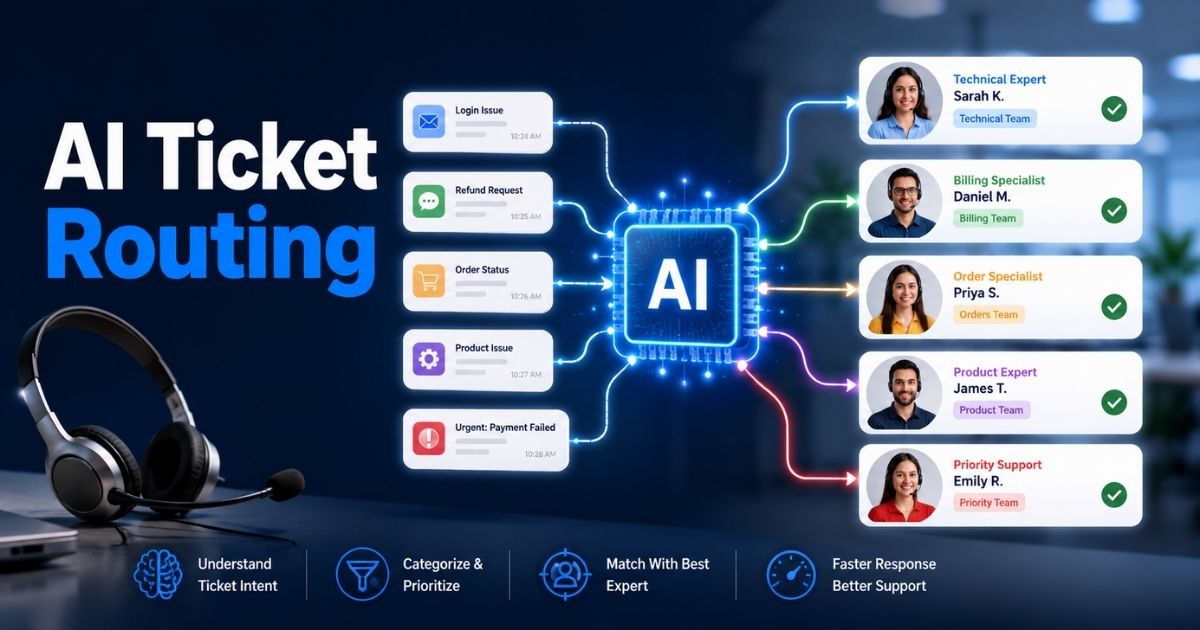
Automated ticketing uses AI-powered systems to manage ticket creation, routing, prioritization, and initial responses with minimal manual intervention. An AI ticketing system applies natural language processing to understand user queries, create tickets automatically, and route each request to the right agent.
Service desk automation helps support teams handle high ticket volumes by automating routine tasks such as ticket routing, automated scheduling, SLA tracking, and knowledge base suggestions. AI-powered ticketing improves ticket handling accuracy, enables faster resolution, and supports data-driven decisions across support operations.
Manual Vs Automated Ticketing: Key Differences
Manual vs automated ticketing shows clear contrasts in how support teams manage tickets, allocate resources, and deliver consistent service. These differences affect response time, cost control, scalability, and customer experience across modern customer service workflows.
Speed And Response Time
Manual ticketing depends on agent availability and working hours, which often slows response time during peak periods. Incoming tickets wait in queues until agents review customer queries, create tickets, and respond manually. This reactive support model limits how quickly teams resolve tickets.
Automated ticketing delivers immediate initial responses through AI-powered bots and smart assistants. Automated workflows acknowledge tickets instantly, route them faster, and reduce delays. Faster response time directly supports higher customer satisfaction and stronger service level agreements.
Scalability And Ticket Volume
Manual systems struggle when ticket volume increases. As more tickets arrive, agents manage a heavier manual workload, which leads to backlogs and slower ticket resolution. Scaling manual processes usually requires additional staff and higher operational costs.
Automated ticketing scales without proportional staffing increases. AI-powered ticketing handles high ticket volumes, distributes workload evenly, and supports business growth. Automated ticket systems help teams manage more tickets while maintaining consistent performance.
Ticket Routing And Accuracy
Manual ticket routing relies on manual triage and human judgment. Agents review incoming tickets and decide assignments, which increases the risk of misrouting and delays, especially under pressure. Manual intervention also increases repetitive tasks.
Automated ticketing uses intelligent routing and natural language processing to send each ticket to the right agent. AI-powered insights reduce errors, improve ticket handling accuracy, and ensure faster access to the right expertise.
Cost And Operational Efficiency
Manual ticket management hides several costs beyond staffing. Slower resolution, overtime hours, and repeated follow-ups increase operational costs over time. Manual systems also limit data-driven decisions due to inconsistent tracking.
Automated ticketing improves operational efficiency by automating routine tasks and reducing manual processes. Cost savings come from faster ticket resolution, fewer tickets stuck in queues, and better use of agent time across support operations.
Agent Productivity And Workload
Manual ticket resolution requires agents to spend time on ticket creation, categorization, and repetitive customer interactions. These tasks reduce focus on solving complex problems and lower overall agent productivity.
AI-powered systems remove routine tasks from agents’ workload. Automated workflows, AI agents, and quick access to a knowledge base allow agents to spend more time on high-value customer interactions and critical user queries.
Customer Experience And Satisfaction
Manual systems deliver personalized support but struggle with consistency during busy periods. Delayed responses and uneven ticket handling negatively affect customer experience and satisfaction.
Automated ticketing creates consistent service across all channels. Faster responses, accurate routing, and self-service options help boost customer satisfaction. AI-powered solutions also support higher customer satisfaction through predictable and reliable support delivery.
Insights And Performance Measurement
Manual systems offer limited visibility into key performance indicators. Tracking response time, ticket resolution trends, and agent performance often requires manual reporting and fragmented data.
Automated ticketing provides AI-powered insights that support data-driven decisions. Automated dashboards track KPIs, ticket volume trends, and SLA performance, enabling teams to optimize support processes and improve long-term results.
Advantages And Disadvantages Of Manual And Automated Ticketing
Advantages and disadvantages of manual vs automated ticketing shape how support teams design customer service workflows. Each approach affects ticket handling, agent productivity, operational efficiency, and customer satisfaction in different ways depending on ticket volume, complexity, and business goals.
Advantages Of Manual Ticketing
Manual ticketing offers strong human involvement throughout the support process. Agents review customer queries directly, apply judgment, and adapt responses based on context. This approach supports solving complex problems that require empathy, negotiation, or deep product knowledge. Manual ticket resolution often feels more personal to customers who value direct human contact.
Manual systems also work well for small teams with low ticket volumes. Without a complex setup, agents manage tickets using existing tools and maintain full control over ticket handling. Manual processes suit specialized services where flexibility matters more than speed or scale.
Disadvantages Of Manual Ticketing
Manual ticketing increases manual workload as ticket volume grows. Agents spend significant time on repetitive tasks such as ticket creation, manual triage, and follow-ups. These tasks reduce the response time agents spend on high-value customer interactions and delay ticket resolution.
Manual systems also create hidden costs through overtime, slower response time, and inconsistent service level agreements. Limited automation restricts data-driven decisions, which makes it harder to improve operational efficiency or predict future support needs.
Summary Table: Advantages And Disadvantages Of Manual Ticketing
| Aspect | Advantages Of Manual Ticketing | Disadvantages Of Manual Ticketing |
| Human Involvement | Strong human judgment supports complex customer queries and sensitive interactions | High dependence on agents increases the manual workload |
| Flexibility | Agents adapt responses based on context and customer intent | Manual processes slow down as ticket volume grows |
| Personalization | Direct human contact creates a more personal customer experience | Response time suffers during peak hours |
| Setup And Tools | Works with existing tools and requires minimal setup | Limited automation restricts process optimization |
| Cost Structure | Predictable costs for small teams with low ticket volumes | Hidden costs from overtime and inefficiencies |
| Scalability | Suitable for early-stage or specialized support models | Poor scalability without adding more staff |
| Performance Visibility | Full control over each ticket | Limited data-driven decisions and KPI tracking |
Advantages Of Automated Ticketing
Automated ticketing delivers clear key benefits for modern support teams. AI-powered ticketing automates routine tasks, ticket routing, and initial responses, which helps save time and reduce operational costs. Automated workflows allow agents to manage more tickets without increasing staff.
AI-powered systems improve operational efficiency through intelligent routing and self-service options. Faster responses, consistent ticket handling, and knowledge base access help boost customer satisfaction while supporting scalable business growth.
Disadvantages Of Automated Ticketing
Automated ticketing requires careful setup to deliver consistent results. Poorly defined rules or limited training data may cause automated ticket systems to misroute tickets or mishandle complex customer queries. In such cases, manual intervention becomes necessary to restore accuracy.
Automated systems may also feel impersonal if teams rely too heavily on automation. Without balanced human involvement, customer experience may suffer during sensitive interactions. Successful AI ticketing depends on combining automation with skilled agents who handle exceptions and complex cases.
Summary Table: Advantages And Disadvantages Of Automated Ticketing
| Aspect | Advantages Of Automated Ticketing | Disadvantages Of Automated Ticketing |
| Efficiency | Automates routine tasks and reduces manual effort | Requires careful setup and configuration |
| Scalability | Handles high ticket volumes without adding staff | Poor rules may cause misrouting |
| Speed | Faster response time with automated workflows | Automation may feel impersonal in some cases |
| Cost Control | Lower operational costs over time | Initial setup effort and optimization required |
| Accuracy | Intelligent routing improves ticket handling | Complex queries may need manual intervention |
| Customer Experience | Consistent responses across channels | Over-automation can affect sensitive interactions |
| Insights And Reporting | AI-powered insights support data-driven decisions | Ongoing monitoring needed for best results |
When To Choose Manual Ticketing
Manual ticketing suits organizations that prioritize human judgment, flexibility, and personalized customer interactions over speed and automation. In specific support environments, manual systems provide better control, clearer accountability, and stronger alignment with complex customer service workflows.
Low Ticket Volume Teams
Manual ticketing works best when ticket volume remains manageable. Support teams with fewer incoming tickets can review each request carefully without delays or backlog. Agents manage tickets individually and maintain consistent response quality without relying on automation.
In low-volume environments, manual systems reduce unnecessary complexity. Existing tools often meet requirements, and manual ticket handling keeps operational costs predictable while preserving full control over ticket resolution.
Complex And Specialized Queries
Manual ticket resolution supports customer queries that require deep analysis or domain expertise. User queries related to custom solutions, technical exceptions, or high-value accounts often demand human judgment throughout the support process.
Manual intervention allows agents to adapt responses and explore context beyond predefined workflows. This approach improves customer experience when automated ticket systems struggle to interpret nuance or unconventional requests.
High Sensitivity Support Scenarios
Manual ticketing suits support environments that involve emotional, legal, or regulatory concerns. Sensitive customer interactions require empathy, careful communication, and strict adherence to compliance rules.
Manual systems ensure agents handle tickets with full awareness of context and responsibility. Human involvement throughout ticket handling reduces risk and maintains trust during high-stakes customer interactions.
Early Stage Business Operations
Early-stage companies often choose manual systems due to limited ticket volume and evolving support operations. Manual processes allow teams to learn directly from customer interactions and refine service workflows without rigid automation rules.
This approach supports rapid feedback loops and insight collection. Direct exposure to customer queries helps teams shape future ticketing systems and prepare for automation at the right stage.
Custom Service Models
Businesses offering bespoke or premium services benefit from manual ticket handling. Customized support models require flexibility that automated workflows may not support effectively.
Manual systems allow agents to deliver tailored responses, adjust priorities dynamically, and maintain personalized relationships. This level of service often leads to higher customer satisfaction in industries where differentiation depends on human expertise.
Limited Automation Readiness
Manual ticketing remains suitable when teams lack the data or structure required for AI-powered systems. Poorly defined ticket categories or inconsistent workflows reduce the effectiveness of automation.
Manual processes allow teams to stabilize support operations before introducing AI ticketing. Clear documentation and structured ticket handling later support a smoother transition to automated workflows.
Full Control Requirements
Manual systems fit organizations that require complete oversight of ticket handling. Some industries demand full transparency across ticket creation, routing, and resolution.
Manual ticketing ensures agents manage each step directly, maintain accountability, and document decisions clearly. This control supports compliance goals while maintaining a reliable customer experience.
When To Choose Automated Ticketing
Automated ticketing fits organizations that need speed, consistency, and scale across customer service workflows. AI-powered ticketing systems support growing ticket volume, reduce manual workload, and help support teams deliver faster responses while maintaining strong service quality.
High Ticket Volume Growth
Automated ticketing becomes essential when incoming tickets increase beyond what agents can manage manually. High ticket volumes create delays, uneven workload distribution, and missed service level agreements under manual systems.
AI ticketing systems process more tickets simultaneously through automated ticket creation, intelligent routing, and ticket prioritization. This approach allows support teams to handle growth without adding proportional staffing or operational costs.
Repetitive Customer Queries
Automated ticketing excels when customer queries follow predictable patterns. Repetitive tasks such as password resets, billing questions, and order status checks consume agent time under manual processes.
AI-powered bots and smart assistants address these user queries instantly through self-service and knowledge base access. This customer support automation approach resolves tickets faster and reduces the number of tickets requiring human involvement.
Routine Support Operations
Automated workflows suit support operations built around standardized processes. Ticket routing, automated scheduling, and SLA tracking become faster and more accurate through service desk automation.
AI-powered systems remove manual triage and reduce errors in ticket handling. Consistent workflows improve operational efficiency and ensure predictable response time across all customer interactions.
Agent Productivity Optimization
Automated ticketing helps boost agent productivity by removing low-value work. Manual systems force agents to spend time on ticket creation, categorization, and repetitive follow-ups.
AI-powered ticketing frees agents from routine tasks and allows focus on solving complex problems. This balance improves morale, supports better customer experience, and strengthens overall support process performance.
Cost And Efficiency Control
Automated ticketing supports cost savings through reduced manual workload and faster ticket resolution. Operational costs decline as fewer agents handle more tickets with consistent quality.
AI-powered insights help teams monitor key performance indicators and make data-driven decisions. Better visibility enables continuous improvement across ticket management and support operations.
24/7 Support Expectations
Ticket automation software meets customer expectations for immediate responses beyond working hours. Manual systems depend on agent availability, which limits response time outside business hours. Takes huge time manually sorting the tickets.
AI-powered ticketing delivers initial responses and ticket routing at any time. Continuous availability improves customer satisfaction and reinforces a reliable customer experience across global audiences.
Scalable Business Expansion
Automated ticketing supports long-term business growth by adapting to new channels, products, and customer segments. Manual processes struggle to scale across regions or platforms.
AI-powered solutions integrate with existing systems and tools, enabling seamless expansion. Automated workflows ensure consistent ticket handling as support operations evolve.
How EasyDesk Support Automated Ticketing Without Losing Control
EasyDesk strengthens ticket management by bringing customer interactions, support tickets, and workflows into one AI-powered platform. Designed for modern support teams, EasyDesk reduces manual workload while keeping human involvement central. The system has several features that fit easily into existing systems and existing tools, so teams can improve customer service workflows without disrupting daily operations.
EasyDesk automates ticket creation, ticket routing, and initial responses using intelligent routing and natural language processing. AI agents analyze incoming tickets, understand customer queries, and assign each request to the right agent based on priority and service level agreements. Automated workflows remove repetitive tasks, reduce manual triage, and help agents manage high ticket volumes with faster response time and fewer errors.
At the same time, EasyDesk preserves full control over ticket handling. Agents focus on solving complex problems, managing sensitive customer interactions, and improving customer experience. AI-powered insights, knowledge base access, and performance tracking support data-driven decisions, boost agent productivity, improve operational efficiency, and deliver higher customer satisfaction as support operations scale. You can enjoy these features with a suitable pricing plan for your business
FAQs
What Is The Main Difference Between Manual Vs Automated Ticketing?
Manual vs automated ticketing differs in how tickets are handled and routed. Manual systems rely on agents for every step, while automated ticketing uses AI-powered solutions to manage tickets faster and at scale.
Can Automated Ticketing Replace Human Agents Completely?
Automated ticketing reduces manual intervention but does not eliminate human involvement. Agents remain essential for complex issues, emotional customer interactions, and high-impact decisions.
Does Automated Ticketing Improve Customer Satisfaction?
Automated workflows improve response time and consistency, which helps boost customer satisfaction. Faster initial responses and accurate ticket routing create a smoother customer experience.
Is Automated Ticketing Expensive To Implement?
Automated ticketing often reduces operational costs over time. Cost savings come from fewer repetitive tasks, faster ticket resolution, and improved agent productivity.
How Does AI-Powered Ticketing Handle Customer Queries?
AI-powered ticketing uses natural language processing to understand user queries. The AI system analyzes intent, creates tickets, and routes them to the right agent automatically.
When Should A Team Switch From Manual To Automated Ticketing?
Teams should consider automation when ticket volume grows and agents spend excessive time on routine tasks. High ticket volumes and slower response time signal the need for automation.
Can Automated Ticketing Work With Existing Systems?
Modern AI ticketing systems integrate with existing tools and customer service platforms. This compatibility allows teams to automate ticket handling without replacing current systems.