Support automation tools help businesses deliver faster and smarter customer support. Modern customer service software combines automation tools with advanced AI to improve customer satisfaction and customer experience.
Customer support automation tools reduce manual work for support teams and automate support across the full customer journey. AI-powered automation uses natural language processing, sentiment analysis, and advanced analytics to provide relevant answers in just a few minutes. Proactive support automation strengthens proactive customer engagement and supports sales and marketing efforts. Small businesses and enterprise tools alike rely on automated workflows, agent assist, and conversational AI to lower support costs and scale growing support teams without adding more human agents.
In this article, you will explore key features, benefits, and practical steps to choose and implement the right support automation tools for your business.
What Are Support Automation Tools
Support automation tools are digital systems that automate support across customer support channels. Customer support automation tools manage support tickets, support queries, and support conversations without heavy manual effort. Customer service automation software uses workflow automation and automation rules to handle repetitive customer interactions. Support teams rely on these automation tools to reduce ticket volume and improve support operation efficiency. Seamless integration with existing systems, CRMs, and third-party tools keeps customer data and records connected.
AI-powered support automation goes further with advanced AI and natural language processing. AI-powered chatbots, voice assistants, and conversational AI deliver relevant answers in just a few minutes. Features like sentiment analysis, agent assist, in-app messaging, and multi-channel support improve customer experience and customer satisfaction. Proactive support automation and automated workflows help businesses manage customer issues, support costs, and growing support teams with a user-friendly interface.
Why Support Automation Tools Are Important
Support automation tools play a central role in modern customer support. High support volume and high customer expectations create pressure on support teams. Automation tools help control support costs, improve customer satisfaction, and deliver faster, more consistent customer interactions across channels.
Faster Response Time
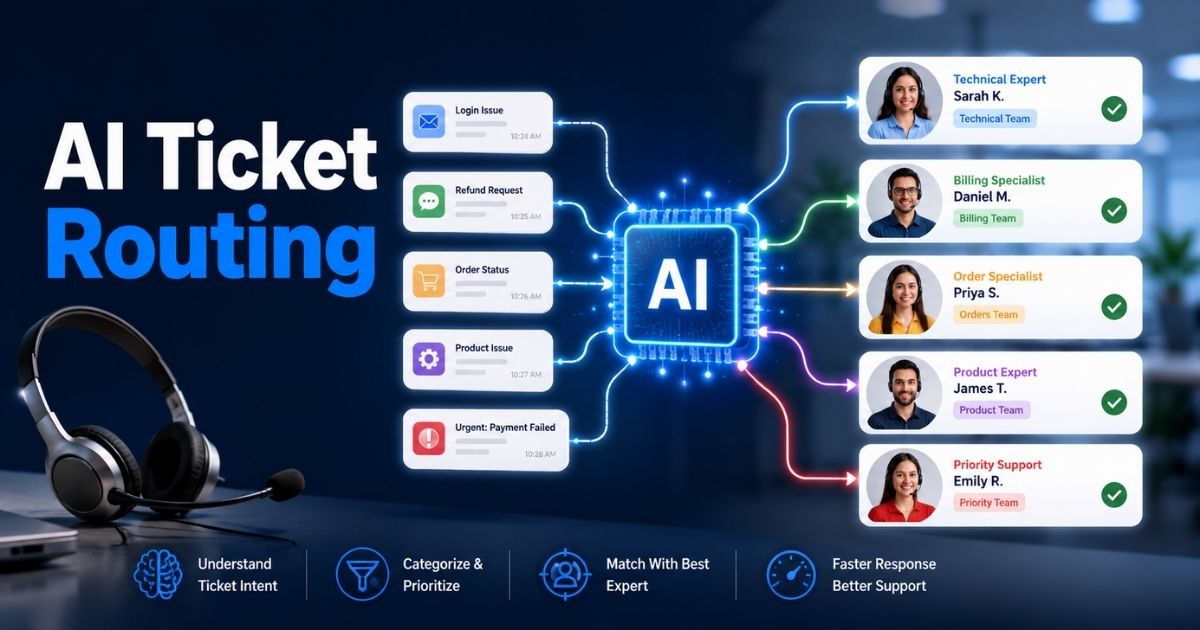
Customers expect quick replies. Research shows 90% of customers rate an immediate response as important when they have customer questions. Support automation tools reduce wait time through automated workflows and automation rules. Customer service automation software routes support tickets to the right team in just a few minutes.
AI-powered chatbots and conversational AI handle common support queries instantly. Human agents focus on complex customer issues and technical support. Faster replies improve customer experience and protect sales and marketing efforts across the customer journey.
Lower Support Costs
Support operation costs increase when ticket volume grows. IBM reports that AI automation can reduce customer service costs by up to 30%. Customer support automation tools reduce repetitive tasks and manual data entry. Workflow automation cuts wasted effort across support conversations.
AI-powered automation manages routine chat support and in-app support without extra staff. Small businesses and enterprise tools both benefit from controlled workforce management. Lower support costs free budget for advanced platforms and proactive customer engagement.
Higher Customer Satisfaction
Customer satisfaction depends on speed and accuracy. Data shows 88% of customers say experience matters as much as products. Support automation tools use natural language processing and sentiment analysis to understand customer sentiment. Relevant answers build trust.
AI features such as agent assist and AI-powered suggestions guide human agents during complex support interactions. Proactive support automation sends alerts before a customer submits a complaint. Better quality assurance and consistent service improve long-term loyalty.
Scalable Support Operation
Growing support teams face pressure during peak seasons. E-commerce platforms often see ticket volume double during promotions. Customer support automation absorbs the surge through automation builder tools and automation rules. Multi-channel support keeps messaging platforms, chat support, and voice assistants aligned.
Seamless integration with existing systems and customer records ensures data accuracy. AI capabilities handle thousands of support tickets at once. Businesses scale customer support automation without a steep learning curve or major hiring costs.
Data Driven Decisions
Customer data drives better strategy. Advanced analytics from top AI tools reveal trends in support queries and customer interactions. Sentiment analysis highlights gaps in the customer journey. Support teams identify weak points in technical support and native support channels.
AI-powered automation tracks performance metrics across customer service software. Managers use insights to refine proactive support and sales and marketing efforts. Data-backed decisions improve customer experience and strengthen proactive customer engagement across every support channel.
Key Features Of Support Automation Tools
Modern support automation tools offer more than basic ticket handling. Businesses expect smart automation, AI capabilities, and seamless integration with existing systems. Strong customer support automation tools combine workflow automation, advanced analytics, and AI-powered automation to improve customer experience and reduce support costs.
AI-Powered Chatbots
AI-powered chatbots handle customer queries across chat support, in-app messaging, and messaging platforms. Gartner predicts that by 2027, chatbots will become the primary customer service channel for 25% of organizations. AI-powered chatbots reduce ticket volume and respond in just a few minutes.
Natural language processing helps bots understand customer questions. Conversational AI delivers relevant answers and guides users to the right solution. AI agents support multi-channel helpdesk software and reduce pressure on human agents during peak hours.
Workflow Automation
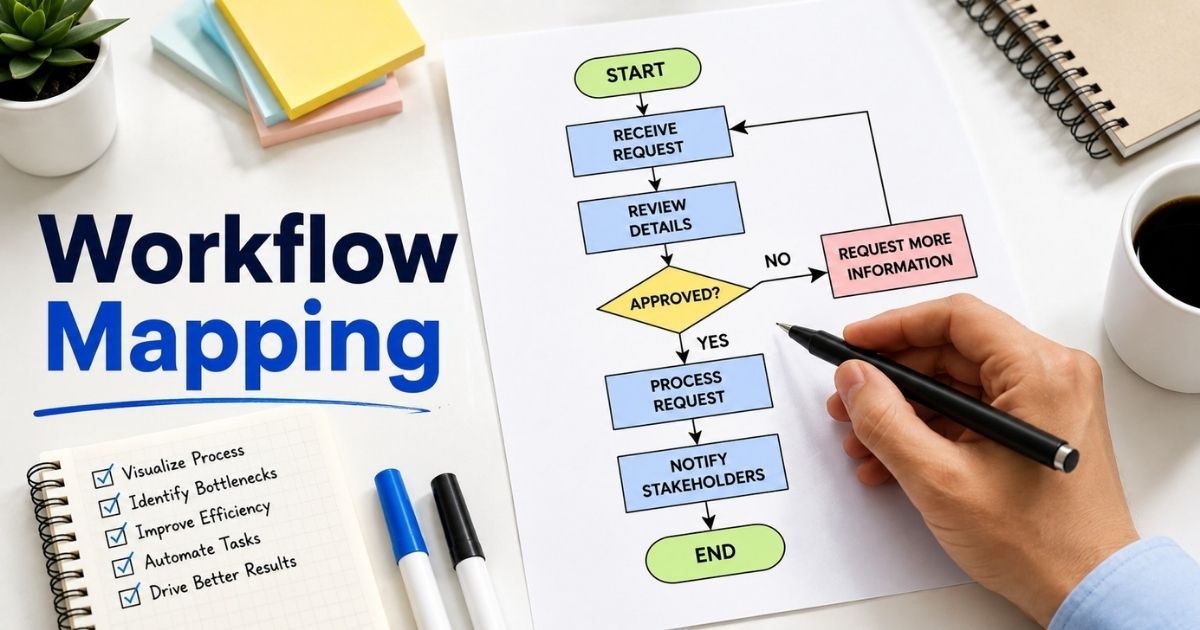
Workflow automation organizes support tickets with automation rules. Customer service automation software assigns tickets based on priority, product, or customer sentiment. Automated workflows remove manual routing and reduce errors.
McKinsey reports that automation tools can handle up to 60% of repetitive support tasks. Support teams focus on complex customer issues and technical support. Automation builder features make it easier to customize processes without a steep learning curve.
Sentiment Analysis
Sentiment analysis detects customer sentiment in support conversations. AI-powered automation evaluates tone and urgency. Support teams receive alerts when negative sentiment appears in chat support or voice assistants.
According to PwC, 32% of customers stop doing business after one bad experience. Early detection prevents ticket escalation. Proactive support automation allows quick intervention and protects customer satisfaction across the customer journey.
Multi-Channel Support
Multi-channel support connects chat support, email, voice assistants, and in-app support. Customers expect consistent service across channels. Report shows that 76% of customers expect consistent interactions across departments.
Customer support automation tools centralize support interactions and customer records. Seamless integration with CRM and third-party tools ensures accurate customer data. Support teams manage support queries from one user-friendly interface.
Advanced Analytics And Reporting
Advanced analytics track ticket volume, first response time, and customer support metrics. Support automation tools that convert customer data into clear insights. Managers monitor workforce management and support operational performance in real time.
Data from Forrester shows that data-driven companies are 58% more likely to exceed revenue goals. Analytics highlight trends in support queries and customer issues. Businesses refine sales and marketing efforts through actionable reports.
Agent Assist And AI Suggestions
Agent assist tools support human agents during live support conversations. AI-powered suggestions recommend relevant answers based on past customer interactions. Customer service automation software pulls data from customer records instantly.
Gartner states that agent assist can improve customer support productivity by up to 25%. Faster resolution time improves customer experience and lowers support costs. AI features ensure consistent and accurate responses across growing support teams.
Proactive Support Automation
Proactive support automation prevents problems before a customer submits a complaint. Automated workflows trigger alerts based on behavior or product usage. Proactive customer engagement reduces friction in the customer journey.
Research from Harvard Business Review shows proactive service increases loyalty and retention rates. Support automation tools notify customers through native support channels or in-app messaging. Businesses strengthen customer satisfaction while reducing inbound support tickets.
Types Of Support Automation Tools Businesses Use
Businesses rely on different support automation tools based on size, industry, and ticket volume. Customer support automation tools range from AI-powered chatbots to enterprise tools with advanced analytics. Each type supports customer experience, lowers support costs, and improves support operation efficiency.
AI-Powered Chatbots
AI-powered chatbots answer common customer questions across chat support and messaging platforms. IBM reports that chatbots can resolve up to 80% of routine support queries without human agents. Quick replies improve customer satisfaction and reduce ticket volume.
Natural language processing helps chatbots understand intent. Conversational AI provides relevant answers in just a few minutes. AI agents manage multi-channel support and support conversations across websites and e-commerce platforms.
Helpdesk Automation Software
Helpdesk focused customer service automation software manages support tickets and automated workflows. Automation rules assign tasks to the right team based on priority or product type. Data shows automation can reduce customer support response time by 37%.
Seamless integration with existing systems keeps customer records updated. Support teams track support interactions from one user-friendly interface. Workflow automation ensures consistent handling of customer issues and technical support cases.
AI Agent Assist Tools
Agent assist tools support human agents during live customer interactions. AI-powered suggestions recommend responses based on customer data and past support conversations. Gartner states agent assist improves resolution speed by up to 25%.
AI features also monitor quality assurance and customer sentiment. Sentiment analysis alerts supervisors when support queries show frustration. Support teams resolve complex customer issues faster and protect customer experience.
Proactive Support Platforms
Proactive support automation identifies risks before a customer submits a ticket. Systems trigger alerts based on usage patterns or error logs. Harvard Business Review highlights that proactive customer engagement increases retention and loyalty.
In app support and in app messaging notify users instantly. Businesses reduce inbound ticket volume and strengthen sales and marketing efforts. Proactive support protects the customer journey and lowers overall support costs.
Workflow Automation Builders
Automation builder tools allow businesses to design custom automation rules. Customer support automation adapts to different support operation needs. McKinsey estimates that automation tools handle up to 60% of repetitive tasks.
Automated workflows route support tickets and escalate urgent cases. Small businesses and enterprise tools benefit from structured processes. Workforce management improves as teams spend less time on manual sorting.
Voice And Virtual Assistants
Voice assistants expand customer support automation beyond chat support. Customers use voice commands to access technical support or account details. Juniper Research predicts AI voice bots will save businesses over USD 11 billion annually by 2027.
AI capabilities analyze customer sentiment in voice conversations. Seamless integration with CRM ensures accurate customer data access. Voice assistants improve accessibility and support interactions across multi-channel support environments.
Advanced Analytics Platforms
Advanced platforms focus on advanced analytics and reporting. Support automation tools collect data from support tickets and customer interactions. Forrester reports that data-driven companies grow at least 30% faster than competitors.
Analytics dashboards reveal trends in ticket volume and support queries. Managers optimize workforce management and resource planning. Insights from customer data improve proactive support and strengthen overall customer experience.
Chatbots Vs Rule-Based Automation
Support automation tools often rely on two main approaches. AI-powered chatbots use advanced AI and natural language processing to manage customer queries. Rule-based automation follows fixed automation rules inside customer service automation software to handle structured support tickets and workflows.
| Feature | Chatbots | Rule-Based Automation |
|---|---|---|
| Core Technology | Uses advanced AI, conversational AI, and natural language processing | Uses predefined automation rules and workflow automation |
| Handling Customer Queries | Understands intent and customer sentiment | Responds only to specific keywords or triggers |
| Flexibility | Adapts to different customer interactions | Works best for predictable support queries |
| Sentiment Analysis | Supports sentiment analysis and AI-powered suggestions | No sentiment detection capability |
| Learning Capability | Improves over time with AI capabilities and customer data | No self learning, requires manual updates |
| Best Use Case | Complex customer questions and multi-channel support | Repetitive support tickets and structured processes |
| Human Agent Support | Offers agent assist during support conversations | Routes tickets to the right team based on conditions |
| Setup Complexity | May require advanced platforms and enterprise tools | Easier setup with basic plan or automation builder |
| Impact On Customer Experience | Delivers more personalized and proactive support automation | Ensures consistent but limited support interactions |
| Support Costs | Reduces long-term support costs at scale | Controls costs for simple and high-volume workflows |
How Support Automation Tools Integrate With CRM And Helpdesk Systems
Support automation tools deliver real value when they connect with CRM and helpdesk platforms. Seamless integration keeps customer data accurate and accessible. Customer service automation software syncs support tickets, customer records, and support conversations to improve customer experience and response speed.
Centralized Customer Data
CRM integration brings all customer data into one place. Customer support automation tools pull customer records, purchase history, and past support interactions instantly. Support teams access full context before replying to customer queries.
Reports show that 79% of customers expect consistent interactions across departments. Centralized data improves customer satisfaction and reduces repeated questions. Human agents and AI agents both benefit from accurate and updated information.
Automated Ticket Synchronization
Helpdesk systems manage support tickets, while support automation handles workflow automation and automation rules. Integration ensures ticket volume updates in real time. Customer service automation software routes cases based on priority and history.
Research shows automation can reduce first response time by over 30%. Automated workflows prevent missed tickets and delays. Support teams resolve customer issues faster with clear visibility across systems.
AI-Powered Insights In CRM
AI-powered automation adds advanced AI capabilities to CRM dashboards. Natural language processing and sentiment analysis evaluate customer sentiment from support conversations. Managers view trends in support queries and customer interactions.
Forrester states that data-driven companies are 58% more likely to exceed revenue goals. Advanced analytics help improve proactive support and sales and marketing efforts. CRM insights guide smarter decisions across the customer journey.
Omnichannel Support Alignment
Multi-channel support connects chat support, in-app messaging, voice assistants, and email with helpdesk systems. Integration ensures every customer's request appears in the same dashboard. Customer service automation software avoids data silos.
Seamless integration improves native support across messaging platforms and e commerce platforms. Consistent records reduce confusion. Customer experience remains smooth across all support interactions.
Workflow And Agent Assist Sync
Agent assist tools connect directly with helpdesk interfaces. AI-powered suggestions appear during live support conversations. Customer support automation tools use existing systems to trigger automation rules and automated workflows.
Gartner estimates AI agent assist can increase productivity by 25%. Support operation becomes more efficient. Workforce management improves as the right team handles each case with full CRM context and quality assurance controls.
Step-by-Step Process To Implement Support Automation Tools
Successful customer support automation requires a structured product roadmap. Support automation tools must align with business goals, ticket volume, and customer journey expectations. A phased rollout reduces risk, improves customer satisfaction, and ensures long-term value from AI-powered automation.
Step 1: Define Goals And KPIs
Clear goals set direction for support automation. Identify targets such as faster response time, lower support costs, or higher customer satisfaction. The report shows that companies with defined KPIs are 376% more likely to report success.
Track metrics like ticket volume, resolution time, and customer sentiment. Customer service automation software should connect with advanced analytics dashboards. Measurable KPIs ensure AI capabilities and workflow automation deliver business impact.
Step 2: Audit Current Support Operation
Review existing systems, support tickets, and customer interactions. Identify repetitive support queries and manual processes. McKinsey estimates that up to 60% of service tasks can be automated.
Audit results reveal gaps in workflow automation and third-party tools. Support teams gain clarity on customer issues and technical support bottlenecks. Strong assessment prevents overlap and reduces the steep learning curve later.
Step 3: Select The Right Platform
Choose customer support automation tools based on scale and complexity. Small businesses may prefer a basic plan with automation builder features. Enterprise tools often require advanced platforms with advanced AI and multi-channel support.
Look for seamless integration with CRM and helpdesk systems. Evaluate natural language processing, sentiment analysis, and agent assist tools. The right team should test user friendly interface and AI-powered suggestions before rollout.
Step 4: Design Automation Workflows
Create automation rules that match real customer questions. Automated workflows should route support tickets to the right team structure. AI-powered chatbots and conversational AI must handle common chat support and in-app messaging requests.
Report says that automation can reduce resolution time by over 30%. Proper workflow automation ensures consistent support conversations. Clear logic improves support operation efficiency and protects customer experience.
Step 5: Train Agents And AI Systems
Human agents must understand customer service automation software features. AI agents require accurate customer data and updated customer records. Quality assurance ensures relevant answers remain consistent.
Gartner states that agent assist can improve productivity by up to 25%. AI-powered suggestions support live support interactions. Strong preparation reduces risk and improves workforce management across growing support teams.
Step 6: Test And Optimize Performance
Pilot testing validates automation rules and AI capabilities. Monitor customer sentiment, ticket volume, and resolution speed. Advanced analytics reveal performance gaps quickly.
Forrester reports that data-driven service teams outperform competitors by 30%. Adjust proactive support automation based on customer feedback management. Continuous refinement strengthens customer journey outcomes and lowers long-term support costs.
Step 7: Scale And Expand Automation
Expand support automation tools across more messaging platforms and e-commerce platforms. Integrate voice assistants and native support channels for broader coverage. Multi-channel support ensures consistent customer interactions.
Growing support teams benefit from AI-powered automation and structured workflow automation. Scalable systems support proactive customer engagement and protect sales and marketing efforts. Continuous improvement keeps customer experience strong as demand increases.
Key Metrics To Measure The Success Of Support Automation Tools
Performance tracking determines whether support automation tools deliver real value. Clear metrics reveal impact on customer satisfaction, support costs, and overall support operation efficiency. Data from customer service automation software and advanced analytics helps teams refine automation rules and AI capabilities.
First Response Time
First response time measures how quickly customer queries receive an initial reply. Report shows that 90% of customers expect an immediate response when they contact support. Support automation tools reduce delays through automated workflows and AI-powered chatbots.
Customer support automation tools route support tickets to the right team in just a few minutes. Faster replies improve customer experience and reduce frustration. Short response times often lead to higher customer satisfaction scores.
Resolution Time
Resolution time tracks how long it takes to fully solve customer issues. Data shows that automation can reduce resolution time by over 30%. Workflow automation and agent assist tools help human agents close cases faster.
AI-powered suggestions provide relevant answers during support conversations. Seamless integration with CRM ensures access to customer records. Lower resolution time improves customer journey outcomes and reduces overall support costs.
Ticket Volume And Deflection Rate
Ticket volume reveals workload management across support teams. High ticket volume often increases support costs and workforce management pressure. AI-powered automation and conversational AI reduce repetitive support queries.
IBM reports that chatbots can handle up to 80% of routine customer questions. Deflection rate measures how many issues automation resolves without human agents. Strong deflection improves efficiency and protects support operation scalability.
Customer Satisfaction Score
Customer satisfaction score reflects how customers rate their experience. Report shows that 88% of customers say experience matters as much as products or services. Support automation tools influence this score through speed and consistency.
Sentiment analysis evaluates customer sentiment in chat support and voice assistants. Proactive support automation prevents escalation before a customer submits a complaint. Higher satisfaction strengthens loyalty and long-term revenue growth.
Cost Per Ticket
Cost per ticket measures the average expense to resolve one support interaction. McKinsey estimates automation tools can reduce service costs by up to 30%. Customer service automation software lowers manual effort and repetitive tasks.
Automated workflows handle routine technical support and basic plan inquiries. AI capabilities improve workforce management and resource allocation. Lower cost per ticket confirms that customer support automation tools deliver measurable financial value.
Future Trends In Support Automation Tools
Technology continues to reshape customer support. Support automation tools now combine advanced AI, workflow automation, and deeper CRM integration. Businesses invest in smarter customer support automation to improve customer experience, reduce support costs, and scale growing support teams efficiently.
Advanced Conversational AI
Conversational AI is becoming more accurate and context-aware. AI-powered chatbots now use advanced AI and natural language processing to understand intent, tone, and history. Gartner predicts that by 2028, generative AI will handle 70% of customer interactions.
Customer service automation software will deliver more human-like support conversations. AI agents will provide relevant answers with less need for human agents. A better understanding of customer sentiment will improve customer satisfaction and reduce escalations.
Proactive And Predictive Support
Proactive support automation will move beyond reactive ticket handling. AI capabilities will analyze customer data and usage behavior to predict customer issues before a customer submits a complaint.
Forrester reports that proactive customer engagement can increase retention by up to 15%. Automated workflows will trigger alerts, in-app messaging, or native support notifications. Early action will lower ticket volume and protect the customer journey.
Deeper CRM And Data Integration
Future support automation tools will offer tighter seamless integration with CRM and helpdesk systems. Customer records, support tickets, and sales and marketing efforts will sync in real time. Unified data improves support operation accuracy.
Data shows that high-performing teams are 1.5 times more likely to use integrated systems. Centralized customer data enables stronger advanced analytics and better decision-making across departments.
Voice And Multimodal Support
Voice assistants and multimodal AI will expand multi-channel support. Customers will move between chat support, voice, and in-app support without losing context. Juniper Research estimates voice bots will save businesses over USD 11 billion annually by 2027.
AI-powered automation will manage voice queries and technical support requests. Sentiment analysis will detect tone in voice interactions. Improved accessibility will enhance overall customer experience.
Smarter Agent Assist And Automation Builders
Agent assist tools will become more intelligent. AI-powered suggestions will guide human agents with real-time insights from customer interactions. Gartner states that AI-driven assist tools can improve productivity by up to 25%.
Automation builder platforms will allow non-technical teams to create automation rules easily. User-friendly interface design will reduce the steep learning curve. Businesses will deploy customer support automation faster across enterprise tools and small businesses alike.
How To Choose The Right Support Automation Tools
Selecting the right support automation tools requires a clear evaluation. Businesses must balance AI capabilities, workflow automation, seamless integration, and budget. The right customer support automation tools improve customer satisfaction, reduce support costs, and strengthen overall support operation performance.
Assess Business Needs
Clear assessment prevents costly mistakes. Review ticket volume, common customer queries, and the complexity of customer issues. Small businesses may need a basic plan with core automation tools. Enterprise tools often require advanced platforms with multi-channel support.
McKinsey estimates that up to 60% of repetitive service tasks can be automated. Focus on areas where workflow automation delivers fast impact. Alignment with customer journey goals ensures a better customer experience.
Evaluate AI Capabilities
Strong AI capabilities separate basic tools from advanced AI platforms. Look for natural language processing, sentiment analysis, and conversational AI. AI-powered chatbots should provide relevant answers across chat support and messaging platforms.
Gartner predicts that AI will manage most routine support queries within the next few years. Agent assist and AI-powered suggestions improve human agent productivity. Advanced analytics and customer sentiment tracking enhance proactive support automation.
Check Integration And Scalability
Seamless integration with CRM and helpdesk systems is essential. Customer service automation software must sync customer data, customer records, and support tickets in real time. Disconnected systems create delays and errors.
Report shows that 76% of customers expect consistent interactions across departments. Multi-channel support and integration with existing systems protect long-term scalability. Growing support teams need flexible automation rules and automated workflows.
Analyze Total Cost And ROI
Pricing should match expected value. Compare subscription costs, basic plan features, and enterprise tools pricing. Consider support costs, workforce management efficiency, and reduction in ticket volume.
IBM research shows AI-powered automation can reduce customer service costs by up to 30%. ROI improves when automated workflows handle routine support queries. Financial analysis ensures long-term sustainability.
Test User Experience And Support
User-friendly interface design speeds adoption. Support teams should test automation builder features and AI agents before full rollout. A steep learning curve can delay results.
Data shows that ease of use strongly influences software success rates. Evaluate vendor support, quality assurance tools, and third-party tools compatibility. Strong testing ensures smooth support conversations and better customer interactions from day one.
Common Mistakes Businesses Make With Support Automation Tools
Support automation tools can transform customer support. Poor planning, weak integration, and unclear goals often limit results. Many businesses invest in customer support automation without aligning AI capabilities, workflow automation, and customer journey expectations with real operational needs.
No Clear Strategy
Lack of defined goals weakens automation impact. Businesses deploy customer service automation software without setting KPIs. Ticket volume may drop, but customer satisfaction does not improve.
Support teams need clear targets such as response time or cost per ticket. AI-powered automation must support measurable outcomes. Without strategy, automation rules create confusion instead of efficiency.
Over-Automating Customer Interactions
Excess automation can hurt customer experience. AI-powered chatbots may handle complex customer issues that require human agents. Customers feel frustrated when conversational AI fails to understand context.
Balance is essential. Customer support automation tools should manage repetitive support queries. Complex support conversations should move to the right team quickly. Smart workflow automation protects customer sentiment and trust.
Poor System Integration
Disconnected systems reduce efficiency. Customer data stored across third party tools and helpdesk platforms creates gaps. Seamless integration with CRM and existing systems is critical.
Support tickets must sync in real time. Customer records should update automatically after each support interaction. Weak integration increases support costs and slows support operation performance.
Ignoring Data And Analytics
Advanced analytics provide insights into ticket volume and customer sentiment. Some businesses fail to monitor these metrics. Without data, proactive support automation cannot improve.
Customer service automation software offers reporting dashboards. Managers should track resolution time and automated workflows. Data driven decisions strengthen sales and marketing efforts across the customer journey.
Lack Of Training And Optimization
Human agents need training on automation builder tools and AI features. AI agents require accurate customer data for relevant answers. Poor preparation leads to a steep learning curve.
Continuous improvement is necessary. Automation rules must evolve with new customer questions. Regular quality assurance checks ensure support automation tools deliver a consistent customer experience and long-term value.
Why EasyDesk Is A Smart Choice For Support Automation
EasyDesk offers a practical approach to customer support automation. It has several key features that modern businesses need support for automation tools that combine AI capabilities, workflow automation, and seamless integration. EasyDesk focuses on performance, scalability, and user-friendly design for growing support teams.
EasyDesk connects customer service automation software with CRM and helpdesk systems. Support tickets, customer data, and support conversations stay synchronized in real time. AI-powered automation, agent assist, and automation rules reduce ticket volume and improve resolution speed. Multi-channel support ensures consistent customer interactions across chat support, in-app messaging, and messaging platforms.
Advanced analytics and sentiment analysis help teams track customer satisfaction and support costs. Automated workflows streamline support operations without adding extra human agents. EasyDesk supports proactive customer engagement while maintaining high-quality customer experience standards.
FAQs
Can Support Automation Tools Replace Human Agents Completely?
No, support automation tools cannot fully replace human agents. AI-powered automation handles repetitive support queries and support tickets, but complex customer issues still require human judgment. A balanced model improves customer experience and customer satisfaction.
Are Support Automation Tools Suitable For Small Businesses?
Yes, support automation tools work well for small businesses. A basic plan with workflow automation and AI-powered chatbots can reduce ticket volume and support costs. Customer support automation helps small teams scale without major hiring.
Do Support Automation Tools Improve First Contact Resolution?
Yes, customer service automation software improves first contact resolution. Automation rules, agent assist, and AI-powered suggestions deliver relevant answers quickly. Faster resolution strengthens customer journey outcomes and reduces repeat support interactions.
Is Data Security A Concern With Support Automation?
Yes, data security is important when using customer support automation tools. Seamless integration with existing systems must protect customer data and customer records. Businesses should review compliance, encryption, and access control policies before deployment.
How Long Does It Take To See Results From Support Automation Tools?
Most businesses notice improvements within a few weeks. AI-powered chatbots and automated workflows reduce response time and ticket volume quickly. Advanced analytics help measure early gains in support operation performance.
Can Support Automation Tools Support Global Customers?
Yes, many support automation tools offer multilingual support and multi-channel support. Conversational AI and natural language processing enable consistent customer interactions across regions. Global coverage improves proactive customer engagement and overall customer experience.
What Role Does AI Play In Support Automation Tools?
AI capabilities power features like sentiment analysis, agent assist, and proactive support automation. AI agents analyze customer sentiment and provide AI-powered suggestions during support conversations. Advanced AI helps businesses deliver relevant answers at scale.