When systems fail, incident communication shapes how customers remember your business. The first hours after an incident occurs are critical. A clear incident response and strong incident management process protect customer trust. Effective incident communication keeps internal teams, external customers, and external stakeholders aligned. It also helps teams respond effectively and resolve issues faster.
A solid incident communication strategy includes a clear communication plan and timely updates. Status pages, a public status page, and other communication channels keep affected users informed about the current status. Incident notifications and regular status updates reduce confusion and lower support ticket volume. Strong incident comms ensure clear communication, limit damage, and maintain confidence while the situation evolves.
What Is Incident Communication
Incident communication is the process of sharing incident information when an incident occurs. It plays a key role in incident management and incident response. When systems fail or unplanned downtime affects an affected service, clear communication makes all the difference. Effective incident communication keeps internal teams, external customers, and external stakeholders aligned. It supports a strong incident communication strategy and a clear incident response communication plan.
When a major incident or security incidents happen, the incident response team and incident commander coordinate internal communications. Technical teams share technical details, incident severity, and the incident timeline. Customer support teams send incident notifications, status updates, and timely updates through multiple channels like a public status page, dedicated status page, Microsoft Teams, and other communication channels. A public status page becomes the authoritative source of current status and ongoing updates.
Why Incident Communication Is Important For Customer Trust
Incident communication is the process of alerting users that a service is experiencing some type of outage or degraded performance. This proves important for web and software services where 24/7 availability is expected. An incident communication plan will give you the right information shared with the right people at the right time through appropriate communication channels.
How Incident Communication Builds Customer Loyalty
Quick communication shows accountability and a proactive approach to service quality and reliability. It shows your users you care, which builds trustworthy and happier customers. A well-handled incident becomes a chance to strengthen the relationship between you and your customers.
If your service is down and you neglect to share any details, customers will assume the worst. They'll guess about your competence and fear for the security of their data. The longer they guess, the more frustrated they get, and the worse they'll assume the issue is. Put their minds at ease by providing some context. The smallest amount of information can go a long way to allaying your customers' concerns.
The Cost Of Poor Incident Communication
Poorly handled downtime can be a bad experience for your customers and your teams, which can affect your bottom line. Some of your customers may worry you have more bad experiences up your sleeves and switch to a competitor. You'll lose future customers due to lack of trust. Team morale can suffer and lead to lower customer support productivity. Besides, say goodbye to all those juicy word-of-mouth referrals.
The global average cost of a data breach reached USD 4.88 million. This number grew 10% from last year and is the highest ever recorded. The immediate effects of incidents show up as operational problems, but the long-term damage hits your reputation with customers, shareholders, and regulators.
One poorly handled incident occurred when Facebook experienced an outage on April 8, 2021. While one of their first steps was to announce the situation to their users, they couldn't.
Incident Qualification Criteria
Before we can communicate incidents, we need to decide what constitutes an incident. An incident is an issue that causes:
- A negative effect on the service or customer (disruption in service or a reduction in quality)
- A loss of data
- A breach in security
Many web companies rely on a standardized 4-tier severity definition system. Whatever your thresholds are for incident severity, make a clear line in the sand around some sort of measurable metric. If you designate an incident at Sev 1, anyone on your team should be able to know what that means. A severity system is also helpful to eliminate the inherent shades of grey that come with downtime. We recommend a zero-tolerance communication plan for any incidents involving security issues or data loss.
How To Create Your Incident Communication Plan Before Issues Arise
Proper preparation prevents poor performance. You'll thank yourself for investing time into your incident communication strategy when you're in the heat of an incident. An effective incident communication plan addresses what needs to be communicated, who receives each message, and which channels deliver updates to different audiences.
Define Incident Severity Levels For Your Service
Communicating an attempted data breach should look different from communicating an actual one. You don't need to go code red for every incident. Establishing incident severity levels creates paths that guide you to solutions that are both definitive and quick.
Many organizations rely on a standardized 4-tier severity definition system. Outline criteria for what constitutes minor incidents, major incidents, and critical incidents. Whatever your thresholds are for incident severity, make a clear line in the sand around some sort of measurable metric. Anyone on your team should be able to know exactly what that means if you designate an incident at Sev 1. A severity system eliminates the inherent shades of grey that come with downtime.
Establish Clear Roles And Responsibilities
Trying to solve an incident as a team without establishing clear roles creates absolute chaos. Professional support teams and site reliability engineers don't figure out responsibilities on the fly. They make a plan ahead of time.
Define specific roles for your incident response team. Assign an incident commander who owns operational facts, timeline, and response coordination. Designate a communications lead who owns messaging, cadence, and channel execution. Identify who handles legal counsel to review external communication and notification obligations. Establish a customer support lead who prepares support macros, escalation paths, and frontline responses.
Set Up Communication Channels
Pick your communication channels and message templates ahead of time. List every internal and external stakeholder and outline how you'll contact them in different scenarios. Identifying stakeholders is the foundation of a well-prepared plan.
Use a dedicated incident channel in chat platforms, email distribution lists, and incident trackers for internal teams. Workplace chat tools like Slack or Microsoft Teams help reduce context switching and information gaps for employees. These platforms sync conversations and tickets and provide resilient context to a problem that guides you to resolution quickly.
Prepare Incident Communication Templates
The last thing you want to worry about is how to wordsmith an incident announcement in the heat of an incident. Wording the incident the wrong way creates a perfect target for criticism. Decide on the common language ahead of time, get it approved, and save it in a template. This makes it easy to plug in the relevant details and fire off incident notifications the day of.
Create templates for various scenarios and stakeholders. Pre-approved templates for press releases, customer notices, and regulator updates save valuable time. Draft acknowledgement templates in advance so you're not writing from scratch during a crisis. Use plain language that communicates awareness and a commitment to provide further updates. Templates should include incident name, affected service, current status, actions taken, and when the next update will arrive.
Essential Elements Of Effective Incident Communication
Effective incident communication breaks down into four main stages that guide your response from detection to resolution. Each stage plays a distinct role in keeping customer trust and showing your dedication to service reliability.
Alert Affected Customers
The original update matters most. Everything from what you say to how and at what time you say it sets the tone for how people will see your response. Alert affected customers as soon as you identify the incident. Users who find incidents on their own without any type of alert might develop distrust with your service and its reliability.
Don't wait for complete information before you send your first notification. Confirm that you know there's an issue and are working on it. You should acknowledge the issue fast, summarize the known effect and promise further updates.
At this point, share what's affected and what to expect next. Any information you disclose during an incident must be both accurate and timely. Transparency and honesty are critical during an incident.
Provide Regular Status Updates
Mid-incident communication is critical. Regular updates stop rumors and show you're in control. For issues that are still affecting your customers' ability to use your product, we recommend never going more than one hour without an update. Even if there's no fix yet, regular updates every 30 to 60 minutes show that you care.
An update saying "We're still working on the problem, nothing new to report" is better than saying nothing and leaving your audiences hanging. Regular updates demonstrate ongoing management, not reactionary damage control. This consistent communication prevents external narratives from overtaking your own.
Write Clear And Specific Incident Notifications
You must think about messages with care. Your organization must agree on and deliver one shared, consistent message. Use clear and concise language that all audiences can understand. Avoid technical jargon with external customers. Tailor language to suit the audience without department-specific acronyms.
Separate knowns from unknowns with precision. Make it clear which details are verified and which are still under investigation. This builds credibility and buys time. Share verified information only and avoid minimizing the effect too soon. Focus on facts, not speculation.
The internal and external messaging must arrange with particular communications goals and objectives. The information's accuracy will influence stakeholder confidence and organizational reputation. In fact, clear communication ensures trust and credibility are managed to keep, despite the issue.
Communicate The Resolution And Next Steps
Once you resolve the incident, communicate the resolution to all stakeholders. Address the issue, what caused it and how it's been resolved. Notify your users if any additional steps are needed, such as changing a password or monitoring their credit card in case of a security breach.
Post-incident communication shouldn't stop once systems are restored. Share verified lessons learned with the public to demonstrate maturity. Address affected stakeholders with personalized outreach to impacted clients or partners. This post-incident transparency goes further than generic statements in repairing reputation.
Best Practices For Customer-Centric Incident Communication
Customer-centric incident response communication balances transparency with clarity. These best practices help you communicate during active incidents while you maintain customer trust and reduce support ticket volume.
Use Your Public Status Page As The Single Source Of Truth
A well-designed status page serves as the single source of truth for external communication. Public status dashboards have become the standard across industries, with tools providing transparency during disruptions. Your status page must have the important information with timestamped updates by your on-call team during an incident.
You demonstrate transparency and reduce support ticket volume substantially with this approach. Status pages also give users an option to subscribe to get updates the moment they're posted. Teams who should be heads-down fixing the problem can avoid the support burden this way.
Tailor Your Message To Different Audiences
Different stakeholders require different information at different times. Customers expect honest and timely updates without excessive technical jargon. Engineering teams need technical details to assist with resolution. Executive team members want to understand business impact and potential costs.
Segment your communications by impact. Directly affected clients and partners should receive private and factual updates. For small incidents with just one customer, there's no need to tell everyone. For incidents affecting everyone, keep in mind that you need public updates. A good rule of thumb is that if people are tweeting asking you if you're down, you should probably have shared a status update.
Maintain Consistent Messaging Across Multiple Channels
Customers may read one message in an email and a completely different version on social media when different channels are not aligned. Conflicting information causes confusion and erodes customer trust. Updates should always be coordinated and point back to a single source of truth such as an official status page.
Centralize messaging through a single approval chain before releasing anything internally or externally. You prevent communication meltdowns and ensure consistency across all communication platforms this way.
Avoid Technical Jargon When Addressing External Customers
Use clear and human language that avoids heavy technical jargon and focuses on what the audience needs to know. Write in plain and non-technical language that communicates awareness and a commitment to provide further updates. Keep your language simple and direct.
Clearly outline these actions if customers need to take any specific steps like refreshing their page or following a workaround. Users can manage their own experience strategy during the incident this way.
Set Realistic Expectations And Deliver Timely Updates
Committing to the timing of the next update rather than to an uncertain resolution works better. During a service incident, updates should be provided every 15-20 minutes, especially in the early stages of a high-impact issue. Sending an update that acknowledges the ongoing issue helps maintain customer trust even when there's no significant progress to report.
Vague statements like "we're working on it" without additional detail erode trust instead of building it. Focus on what you're doing to resolve the issue instead of repetitive phrases like "sorry for the inconvenience".
How To Manage Communication During Major Incidents
Major incidents need specialized coordination beyond standard incident response. The complexity of these situations demands clear leadership and strategic internal communication to resolve incidents.
Assign An Incident Commander
An incident commander coordinates response efforts and serves as the main decision-maker during active incidents. This person is responsible for overseeing the resolution of the incident. The incident commander's first order of business is to communicate that the incident fix is in progress once they get an alert. They change the current status of the incident to fixing and set up the team's communication channels.
The incident commander decides who to update and how often the status updates should go out. They coordinate information from technical teams and translate it into clear, customer-friendly updates. Also designate a communications lead responsible for communicating with internal and external customers impacted by the incident. A social media lead handles communicating about the incident on social channels.
Keep Internal Teams Arranged
The goal of original internal communication is to focus the incident response on one place and reduce confusion. Multiple communication channels throughout the incident response process allow teams involved to stay in touch by their preferred method. Microsoft Teams and similar workplace chat tools minimize context switching for internal teams.
Reduce Support Ticket Volume
Proactive updates reduce support ticket volume. As the incident continues to progress, another round of communication outside the technical teams helps keep customers and employees calm and in the customer feedback loop. This prevents customers from flooding support teams with duplicate questions about the same issue.
Balance Technical Details
Engineering teams need specific technical details to assist with resolution. Customer support teams need simplified information they can relay to affected customers. Separate these communications to serve each audience without overwhelming either group with inappropriate detail levels.
Tools And Systems To Improve Your Incident Response Communication
The right tools strengthen your incident communication strategy and help teams respond when active incidents occur. The right systems enable clear communication in multiple channels and keep internal teams and external customers informed.
Status Page Platforms For External Communication
A dedicated status page serves as your authoritative source for external communication. Statuspage allows customers to subscribe to updates the moment they're posted. This reduces support ticket volume for teams working to fix the problem. Embed status information onto your website since most visitors check your home page before looking for a public status page. Instatus offers unlimited subscribers and teammates in all plans with setup time of just 15 seconds. Both platforms demonstrate transparency and provide a single source of truth during incidents.
Collaboration Tools For Internal Communications
Microsoft Teams and Slack reduce context switching for internal teams during incident response. Jira Service Management chat syncs conversations and tickets. This provides strong context that guides fast resolution. Dedicated incident workspaces separate from standard messaging channels maintain focus for the response team.
Automated Incident Notifications
Communication channels work best when layered together. Email remains reliable for incident notifications. SMS messages reach people for critical alerts about unplanned downtime. Social media like Twitter works as part of your customer support strategy but shouldn't be your only channel. These channels work together and keep affected customers informed throughout the incident timeline.
Analytics To Measure Communication Effectiveness
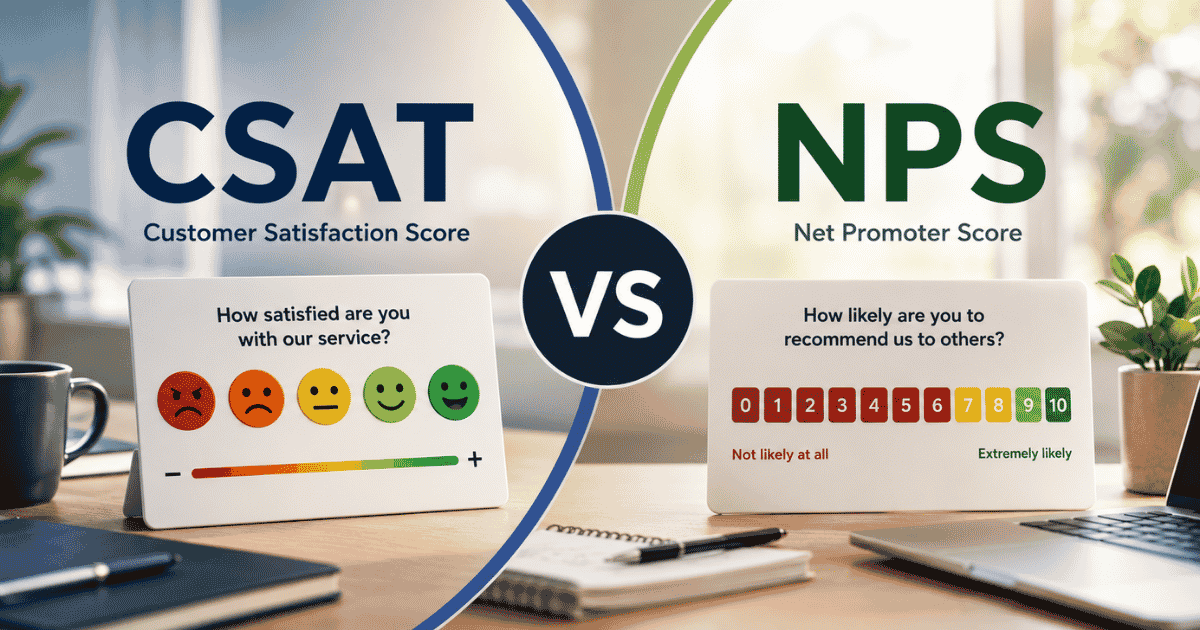
Track first response time from detection to containment, escalation accuracy to appropriate technical teams, and stakeholder engagement for timely updates. Monitor decision latency between incident confirmation and executive team action. These customer satisfaction metrics help refine your incident communication plan for future improvements.
Incident Communication Made Easier With EasyDesk
EasyDesk is a modern helpdesk solution built to support strong incident communication across your organization. It brings all communication channels into one shared workspace. Support teams can manage active incidents, send incident updates, and keep customers informed without jumping between tools. They have several essential features to ease customer service management.
With centralized ticketing, teams track incident severity, assign the right response team, and maintain a clear incident timeline. Automated workflows reduce context switching and lower support ticket volume. Internal teams stay aligned while external customers receive timely updates. EasyDesk helps create clear communication, consistent messaging, and faster resolution when an incident occurs. You can enjoy EasyDesk at a suitable price.
FAQs
Can incident communication help prevent customer churn after a technical issue?
Yes, effective incident communication reduces uncertainty during a technical issue. Clear communication, timely updates, and transparent incident information protect customer trust and lower the risk of churn. Customers informed about the current status are less likely to switch providers.
Should small SaaS businesses create a formal incident response communication plan?
Yes, even small teams need a structured communication plan. A simple incident response communication plan defines escalation paths, communication channels, and roles for the response team. Preparation helps teams respond effectively when an incident occurs.
Does proactive incident comms reduce potential costs during unplanned downtime?
Yes, timely incident notifications and ongoing updates reduce support ticket volume and operational strain. Strong incident management limits confusion among affected customers and external stakeholders. Faster coordination lowers potential costs and reputational damage.
Is a public status page necessary for security incidents?
Yes, a public status page serves as an authoritative source during security incidents. It demonstrates transparency, shares specific details safely, and provides consistent messaging. Status page updates keep affected users aligned as the situation evolves.
How can teams measure the success of their incident communication strategy?
Track incident timeline accuracy, update frequency, support ticket volume, and stakeholder feedback. Review how internal teams, the executive team, and external customers responded during active incidents. Use lessons learned and root cause analysis to plan future improvements.