Managing customer expectations poorly costs businesses real money. 57% of customers would switch to a competitor due to one bad customer experience. Even more striking, 86% of consumers are willing to pay more for a positive customer experience. These numbers show that managing customer expectations well affects customer loyalty and revenue.
You need clear communication and consistent follow-through to set realistic expectations while encouraging trust. We'll show you proven strategies to manage customer expectations, from establishing transparency at the start to addressing concerns before they escalate.
In this article, you'll learn how customer support teams can meet customer expectations and build positive relationships that create lasting customer trust without overpromising or underdelivering.
What Is Customer Expectation Management
Customer expectation management means how a business defines, communicates, and delivers value so customers know what to expect. Brands that manage customer expectations focus on clear communication, accurate information, and transparency across every touchpoint. Most customers expect quick responses, honest answers, and convenient services. A customer service representative or customer support team must set expectations early, provide possible solutions, and avoid confusion that may lead to negative feedback or even lose customers.
Setting realistic expectations helps meet customer expectations and protect customer trust. Through proactive communication, follow-ups, and addressing concerns, organizations create a seamless experience that builds trust and positive relationships. Collecting feedback gives actionable insights that improve processes, marketing, sales, and support strategies.
For example, a small business can use technology and omnichannel support tools to deliver accurate responses, offer discounts, and reward loyalty. Effective management fosters trust, boosts customer satisfaction, and supports long-term relationships that drive company success.
Core Principles Of Setting Customer Expectations
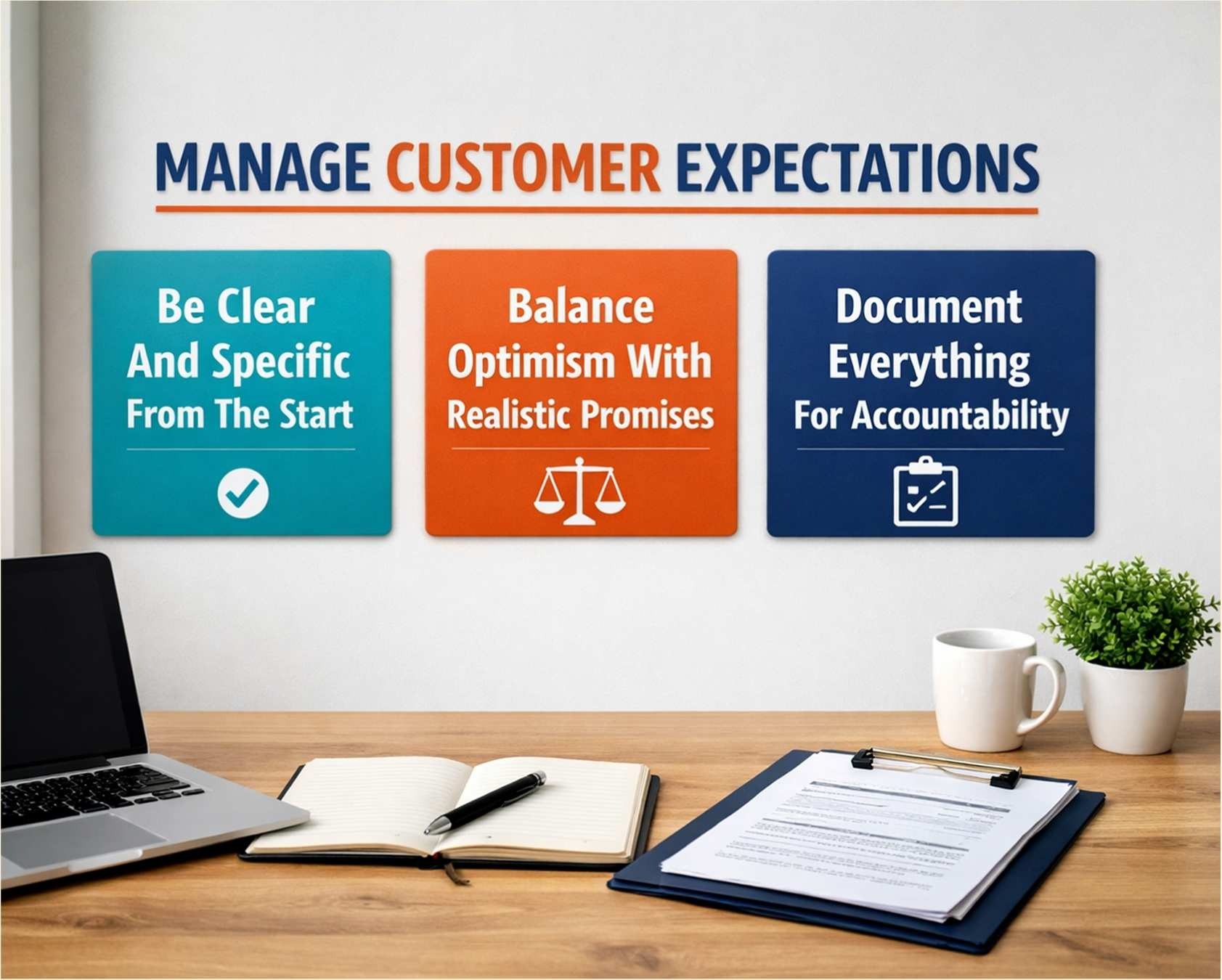
Setting customer expectations the right way requires three foundational principles that work together to build trust. These principles protect both your business relationship and your capacity to deliver services that satisfy customers.
Be Clear And Specific From The Start
Knowing how to provide excellent customer support depends on how well you manage and exceed customer expectations from the first interaction. The worst mistake you can make is telling clients their problem will be resolved one way and then offering a different solution or timeline instead.
60% of consumers favor a balance of price and service and won't accept poor customer service in exchange for lower prices. Your communication needs to establish accurate information about what customers can expect before they make a purchase decision.
Discuss possible solutions with clients when they bring concerns to you. Customer support teams that know their products well can speak to multiple possibilities. List potential resolutions to strengthen clients and help them understand the complexity of their situation and involve them with the solution. Customers won't develop unrealistic expectations about how simple or challenging the resolution will be.
Balance Optimism With Realistic Promises
You want to stand out from competitors, but you must remain realistic when there's a chance you can't deliver on your promises. Trust breaks and getting it back becomes difficult.
Think over shipping as an example. National holidays and high traffic periods can delay deliveries. The best way to avoid disappointing customers is to avoid locking down expectations unless you're certain you can deliver. Don't say yes if a client wants a solution by next week but you're not 100% sure. Tell them next week is possible, but you'll solve their problem within 10 days at the latest. This gives you breathing space and prevents disappointment from a promise you weren't certain you could fulfill.
Setting lofty goals that sound great but won't be attainable will backfire in a big way. Optimism creates positive customer experience, but customer service representatives must also stay realistic about solutions. Support experts can gage how tickets will be solved and the time investment required by understanding company policies, problem complexities and team workload.
Document Everything For Accountability
Recap expectations in writing to your customer and get them to acknowledge the recap. Many customer service representatives set verbal expectations but then attend multiple meetings before they can document what was discussed. Sometimes they forget what expectations were set or write them wrong in recap emails.
Take notes as conversations happen or use sound recording software for reference. Even an email with two or three bullet points goes a long way as the relationship develops.
Complete contracts and put expectations in writing during the planning stage. Having these documents to refer back helps you exceed customer expectations and makes sure clients remember what they promised in the first place. This documentation creates accountability for both sides of the business relationship.
Communication Strategies To Build And Maintain Trust
Strong communication channels determine whether you manage customer expectations or lose customers to competitors. Our CX Trends Report found that 70 percent of consumers purchase more from companies when they receive an uninterrupted conversational experience.
Establish Multiple Channels For Customer Contact
Customers want to reach you on their preferred platforms. Omnichannel support delivers connected interactions that remain consistent across email, live chat, phone and messaging apps. Marketers who used three or more channels in a campaign earned a 494 percent higher order rate than those who campaigned in a single channel.
Only 42 percent of businesses provide support across two or more channels, despite these numbers. This gap creates a chance for your business to stand out. Customers might abandon the sale when they struggle making a purchase but need to open a support ticket and wait for a response. Providing live chat support on the page where they're struggling increases follow through by a lot.
64 percent of customers spend more when issues get resolved on the channels they're using. You won't just save the current sale but encourage further purchases. Think about offering customer support through social media and mobile messaging channels like WhatsApp if your customers belong to a younger demographic. Research shows that 54 percent of consumers worldwide favor brands that respond to customer service questions or complaints on social media.
Respond Promptly To All Customer Questions
Phone calls beat emails when discussing complex or challenging topics. Jump on a call with your customer and ensure all details are understood. Emails can be misinterpreted and, without real-time feedback, issues can escalate without you realizing it. Phone calls also demonstrate that you care about the customer's business relationship and will help foster positive relationships.
Proactive communication signals that your business is customer obsessed. Don't wait for customers to initiate the interaction. Whether you're reaching out to buyers and asking for feedback or alerting them about a shipping delay, this approach can mean the difference between customers coming back or leaving for good. Reach out to customers if you foresee potential issues and assist in advance.
Active listening will give effective management of concerns. Customer service representative teams need to pay attention to what customers say, understand their emotions and try to come up with the best possible solutions rather than hearing what a customer tells them. Customers feel heard and acknowledged even if an immediate answer isn't available when reps listen.
Use Plain Language That Everyone Understands
Clear communication prevents customer frustration by ensuring there are no miscommunications. Teams that handle customer support can explain what's going on in simple terms that don't leave customers wondering or confused. Communication breakdowns are almost always at the root when business relationship issues begin to falter.
Keep your language simple. Write like a human, not a legal document. Make it customer-centric by focusing on how your message benefits them. Well-crafted messages improve brand perception, with 72 percent of consumers saying they feel valued when companies communicate clearly.
Use positive language when communicating with customers. Tell your customers what you can do for them rather than what you can't. Instead of saying "That's not something I deal with. Jessica handles billing and she's not here," say something like "I understand. Please let me find that out for you and get back to you as soon as I have this information."
Keep Customers Informed About Progress And Changes
Transparency builds customer trust. Update customers about changes to your policies and pricing through your main channels. Surprising customers with new policies or pricing strategies can catch them off guard and lead to a loss of trust. 65 percent of consumers say they've switched brands because of poor communication experience, so keeping clients informed becomes critical for customer loyalty.
Provide updates on key projects, milestones and timelines. Share insights like industry trends or potential opportunities and show you're thinking about their success. Schedule check-ins and touch base, even when there's no urgent news. So, customers feel appreciated when you ask for their opinions and create an open dialog that establishes long term relationships.
Be transparent if a customer's experience falls short. Reach out and resolve the issue before they have to ask. Offering compensation or an apology can often strengthen customer satisfaction. Strong internal communication will give your business the ability to implement your customer expectations management strategy across all teams and touchpoints, providing an uninterrupted experience for every client.
How To Handle Difficult Situations Without Breaking Trust
Difficult situations test your knowing how to manage customer expectations and preserve business relationships. Half of customers would switch to a competitor after just one bad experience. Your response to challenges becomes critical for customer loyalty.
Address Problems Before Customers Find Them
Proactive communication prevents small delays from becoming big problems. Silence breeds assumptions that turn into frustration and ended up killing trust. Customers who receive regular updates stay satisfied even when projects slip by months, not because the work was perfect, but because they knew exactly what was going on.
Some businesses use a customer experience strategy called "stealing thunder" where they reveal information about problems before issues hit mainstream attention. This approach controls the narrative and shows customers you're working toward a resolution. Acknowledging problems is preferable to staying silent, even without an immediate solution.
Reach out to customers if you foresee potential risks and help in advance. Early intervention stops situations from escalating beyond recovery. Your business just needs systems that flag potential problems before they affect customers and give you time to address concerns and maintain customer trust.
Own Your Mistakes And Apologize Sincerely
Customer satisfaction increases by up to 15% when an apology is perceived as genuine. Acknowledge what went wrong and take full ownership rather than denying responsibility. About 69% of people believe that a brand acknowledging its mistakes is very effective in building trust.
Listen actively to understand the root of customer frustrations. Some customers just need to vent, and when they find someone willing to listen without judgment, they lower their demands and become more open to shared solutions. Employee satisfaction affects this process by a lot. Salespeople who reported high job satisfaction achieved higher levels of customer satisfaction than those who offered price concessions.
Train your customer service representative teams in conflict resolution skills beyond simple platitudes. Active listening enables employees to identify the interests underlying anger or frustration. Give customers a chance to express their viewpoints fully, without interrupting or becoming defensive. This helps your team understand what went wrong and how to fix the situation.
Provide Alternative Solutions When Plans Change
Ask customers what they want when plans change. If their request is doable, you've met their expectations. If you can't deliver what they ask for, be transparent and offer fair alternative options. This honest approach builds customer trust rather than eroding it.
Show customers distinct change between the old way of working and the new way forward. Consistent delivery after a mistake rebuilds trust. Set boundaries with customers and communicate what your team is capable of so they don't continue having unrealistic expectations.
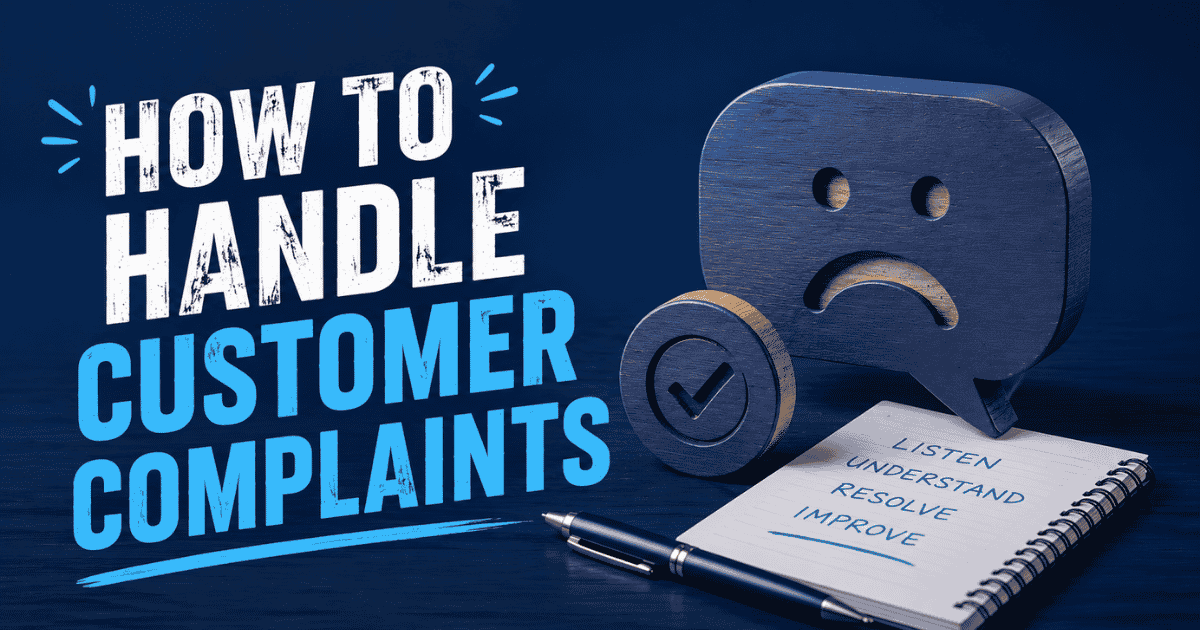
Turn Complaints Into Opportunities to Improve
Every complaint provides a window into your business from the customer's view. Customers who make seemingly unreasonable demands often believe it's their only way of being heard. Understanding what drives these interactions is more productive than labeling customers as difficult quickly.
Use feedback to grow your business. Asking for customer input shows you want to hear from them and appreciate what they have to say. Loop in management early to find a resolution that makes customers happy through discounts, upgrades or other compensation. This strategy transforms negative experiences into opportunities that boost customer satisfaction and promote long term relationships.
Tools And Systems For Consistent Expectation Management
Systems create consistency when managing customer expectations across your organization. To meet customer expectations consistently, you need to line up your systems, processes, people and practices.
Create Standard Operating Procedures For Common Scenarios
Standard operating procedures ensure your team delivers consistent responses to common customer situations. Knowing the main customer expectations to focus on gives your organization the agility to deliver key business functions faster. Document your processes for handling frequent requests, complaints and service scenarios. Your customer service representative teams need clear guidelines on response times, escalation paths and approved solutions.
Use Technology To Track And Meet Commitments
Customer experience management software helps you plan and deliver experiences across multiple channels. These platforms organize, automate and synchronize interactions across all customer-facing touchpoints. Your technology should store every customer interaction to give teams a detailed view of behavior and sentiment. AI-powered quality management solutions score 100% of customer interactions with up-to-the-minute analysis. You can understand how every agent performs and identify improvements with this approach. Ticketing, alerts and automated actions reduce manual effort. Measure effectiveness (did you solve the problem) and effort (how easy was resolution). These customer service metrics show business impact through their influence on retention and purchases.
Train Your Team On Trust-Building Practices
Your employees need coaching on trust-building beyond simple customer service. Optimize continuous improvement with up-to-the-minute feedback and recommended actions. Active listening and conflict resolution skills enable staff to address concerns and build positive relationships with customers.
How Measure Success And Continuously Improve
Success in customer expectation management depends on consistent measurement and smart action. Data shows where your plan works and where gaps exist. Clear customer satisfaction metrics help your team manage customer expectations, protect customer trust, and strengthen long-term relationships.
Track Experience Metrics
Performance data tells you whether your strategies deliver a positive customer experience. About 86% of buyers are willing to pay more for great customer experience, according to PwC. That link between service and revenue is critical for any business.
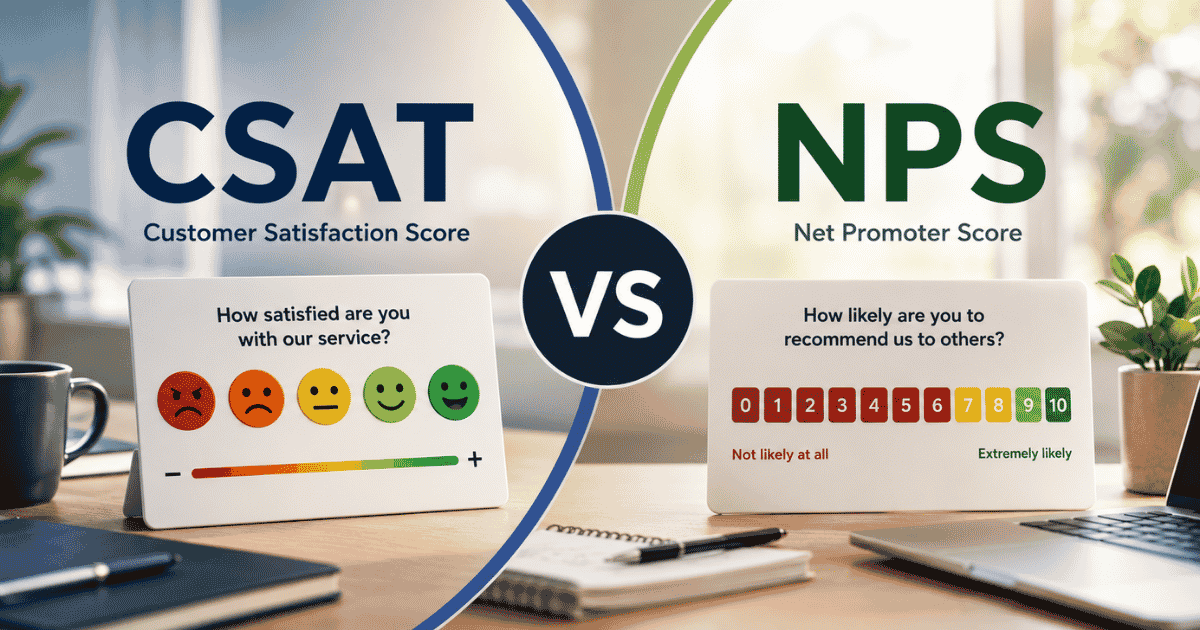
Customer satisfaction scores such as CSAT, NPS, and CES show if you meet customer expectations. CSAT reflects short-term satisfaction. NPS measures customer loyalty. CES reveals how easy your services feel. Together, they offer actionable insights your team can use to adjust processes and deliver a seamless experience.
Collect Feedback At Every Stage
Customer feedback reveals what most customers value and where concerns appear. Surveys on your website provide structured responses. Social media comments show raw expectations. Direct calls allow a customer service representative to gather deeper context.
Feedback must lead to action. Honest responses build trust. Follow ups show appreciation. Address concerns quickly and offer possible solutions. When customers feel valued, positive relationships grow and negative feedback declines. That process supports effective management and prevents you from losing customers.
Use Omnichannel Data Smartly
Customers expect convenience across channels. Omnichannel support connects email, chat, phone, and social media. Salesforce reports that 76% of customers expect consistent interactions across departments. Gaps in communication damage customer trust.
Technology and support tools help manage customer data across platforms. Accurate information ensures employees and sales teams give consistent answers. Clear communication across channels builds transparency. That alignment strengthens the business relationship and increases satisfaction.
Audit Internal Processes Regularly
Process audits reveal delays and service gaps. Many small business teams overlook internal bottlenecks that affect customer experience. Slow responses or unclear policies hurt customer satisfaction.
Review workflows with your team. Combine employee feedback with client feedback. Identify where expectations fail to match delivery. Adjust your plan and refine support strategies. Effective management depends on constant progress, not assumptions.
Align Team And Customer Goals
Employee satisfaction influences customer loyalty. Gallup research shows highly engaged teams drive 23% higher profitability. When employees feel valued, service quality improves.
Clear expectations guide every customer support team. Train representatives to set expectations early and provide honest updates. Equip them with technology and accurate data. That approach builds trust and fosters transparency between the company and its clients.
Act On Insights Quickly
Data without action creates frustration. Use feedback to create better solutions and refine marketing and sales communication. Close the loop by informing customers about changes made from their suggestions.
Quick responses show respect. Address issues before they escalate. Reward loyalty with discounts or personalized services when appropriate. A proactive customer support strategy helps exceed customer expectations and supports long-term success for the organization.
How EasyDesk Helps You Manage Customer Expectations With Confidence
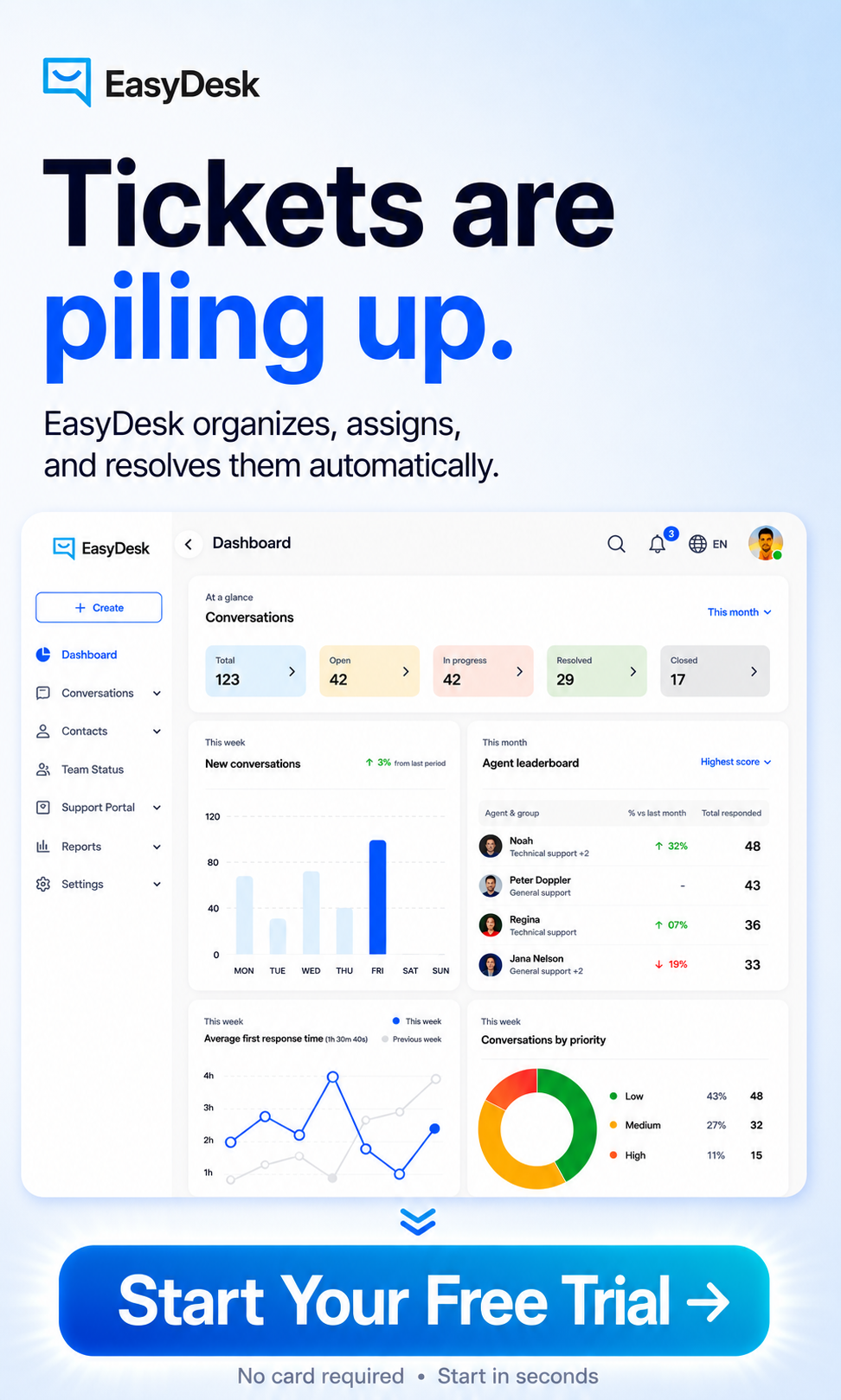
EasyDesk helps your team manage customer expectations without confusion or delays. When customers expect fast answers and clear updates, your customer support teams need one place to manage every conversation. It has several key features. EasyDesk centralizes messages, improves transparency, and ensures accurate information across channels. That clarity protects customer trust and supports a seamless experience from first contact to final resolution.
Automation and smart ticket routing help your customer service representative respond faster with consistent responses. Clear communication, follow-ups, and visible progress updates reduce negative feedback and increase customer satisfaction. EasyDesk gives your business the tools to set realistic expectations, address concerns early, and build long-term relationships. With better processes and proactive communication, your company can exceed customer expectations and strengthen customer loyalty.
FAQs
Can A Small Business Manage Customer Expectations Without Large Budgets?
Yes, a small business can manage customer expectations with clear communication and proactive follow-ups. Simple tools, honest responses, and accurate information build customer trust. Strong processes matter more than expensive technology.
Do Customers Expect Transparency About Service Limitations?
Yes, most customers expect transparency about services, timelines, and possible solutions. Honest updates protect customer satisfaction and prevent negative feedback. Clear expectations also strengthen long-term relationships and positive relationships.
Does Marketing Influence Customer Expectations Before Purchase?
Yes, marketing shapes expectations before a purchase decision happens. Overpromising damages customer loyalty and can lose customers quickly. Consistent messaging between marketing, sales, and customer support teams protects the overall customer experience.
Should Customer Support Teams Personalize Every Interaction?
Yes, personalized responses help customers feel valued and appreciated. A trained customer service representative can address concerns with context and empathy. Personalization builds trust and improves satisfaction across the business relationship.
How Do You Rebuild Customer Trust After Broken Expectations?
Rebuild customer trust through honest communication and clear solutions. Offer compensation, discounts, or corrective services when needed. Fast action, accountability, and consistent follow-ups turn disappointed clients into loyal customers.