Automated Ticket Management Software to Reduce Response Time helps support teams stay organized, respond faster, and deliver better customer experiences. When customer questions arrive through email, chat, or any other channel, manual handling often slows down the process. Tickets get delayed, misrouted, or missed entirely.
Automation streamlines this process by assigning tickets instantly, prioritizing urgent issues, and routing each request to the right person without requiring extra steps. This creates a smoother workflow for both agents and customers. With automated processes, support teams spend less time sorting and more time resolving.
As a result, response times improve, customer satisfaction increases, and your support operations become more reliable and efficient across every interaction.
What Is Ticket Management Software
Ticket management software is a system designed to capture, organize, and resolve customer questions efficiently. It works like a central hub where customer emails, messages, and inquiries turn into structured support tickets that teams can track and manage.
A modern ticketing system helps support teams stay organized by assigning responsibilities, setting priorities, and ensuring every request is handled on time. It functions alongside helpdesk software and customer service software to improve overall service management and communication.
With this type of platform, teams can create tickets automatically, categorize issues, and maintain a clear view of all incoming conversations. This makes customer support more consistent, reliable, and easier to manage as the volume of customer questions grows.
How Automated Ticket Assignment Works
Automated ticket assignment helps support teams manage incoming requests with speed and accuracy. Instead of relying on manual sorting, the system uses predefined rules and routing logic to send each ticket to the most appropriate agent automatically. This reduces delays, removes guesswork, and ensures every customer receives timely support.
Smart Identification Of Incoming Requests
The automated ticket routing process begins the moment a request enters the system. Whether it comes from email, chat, or forms, the platform analyzes the content to understand the type of issue, urgency level, and required skill set. This early categorization provides structure and prepares the system to match each request with the right destination.
Predefined Rules That Drive The Assignment
Every automated ticket assignment relies on predefined rules created by the support leaders. These rules include conditions such as department, issue type, language, or category. When a ticket matches a rule, the system automatically assigns it to the right queue or agent. This eliminates repetitive sorting and reduces the risk of human involvement slowing down the process. Clear routing rules ensure consistency and prevent tickets from being overlooked.
Matching Tickets With Appropriate Agents
A key part of the ticket assignment process is mapping issues to appropriate agents. The system evaluates agent skill sets, team responsibilities, and ticket requirements to determine the best match. If a support request involves troubleshooting, it goes to the technical team. If it involves billing, it moves to the finance support group. This targeted matching improves resolution quality and ensures agents only receive tickets they can handle confidently.
Automatic Assignment Based On Agent Availability
Effective automated assignment also considers agent availability. When multiple agents meet the criteria to handle a ticket, the system checks who is online, active, or least loaded. This ensures tickets are automatically assigned to someone who can respond quickly. Rather than letting requests pile up for unavailable team members, the platform distributes work fairly to maintain steady performance and prevent internal bottlenecks.
Queue-Based Distribution For Balanced Workloads
Some systems organize assignment using queues instead of direct mapping. Tickets are sent to a designated team or queue based on the routing rules, and available agents pick them up. Automated ticket routing ensures these queues stay balanced and aligned with department roles. This method works well for larger teams that handle large volumes or function across multiple departments.
Dynamic Routing for Urgent Or High-Priority Issues
Not all tickets are equal. Some issues require immediate attention, such as outages, login failures, or urgent complaints. Automated systems identify these high-priority cases and fast-track them to the right person. They may bypass standard flows and switch to urgent routing rules. This ensures critical requests never wait in general queues and reduces the risk of extended delays.
Reducing Human Error And Improving Accuracy
Manual assignment often leads to missed messages, wrong assignments, or long waiting periods. Automated assignment minimizes these risks. The routing logic ensures that tickets go exactly where they belong without manual checking or switching between agents. Because the system follows structured logic, it significantly reduces human involvement, streamlines decision-making, and eliminates confusion caused by inconsistent manual handling.
Adapting The Assignment Logic Over Time
Support needs change as a company grows. Automated systems allow teams to refine routing rules and improve accuracy continuously. As support leaders analyze performance and agent skills evolve, they update rules to improve the ticket assignment process. This adaptive nature makes automated assignment more reliable and aligned with real-world operations over time.
Ensuring Speed And Consistency At Scale
As customer volume grows, manual processes collapse under pressure. Automated assignment keeps workflows running smoothly even when ticket volume spikes. Requests are routed instantly without waiting for a human to review them. This consistency creates a stable environment where responses remain fast and predictable regardless of workload.
Automated ticket assignment creates a structured, efficient process where every ticket reaches the right destination quickly and accurately. By combining routing rules, agent availability checks, and intelligent matching, the system helps support teams manage growing demands without sacrificing quality or response time.
Workflow Automation In Customer Support
Workflow automation helps support teams work faster, reduce manual effort, and manage customer issues with more consistency. By removing repetitive steps and guiding agents through structured processes, automation features make the entire support experience smoother for both customers and the service desk.
Automates Repetitive Tasks That Slow Agents Down
Support teams deal with many repetitive tasks that take time away from real problem solving. Logging issues, assigning categories, tagging conversations, and updating statuses become time consuming when done manually. Workflow automation handles these steps automatically so agents can focus on meaningful conversations.
Sends Automated Notifications At Every Important Step
Automated notifications keep everyone informed without extra effort. Customers receive updates when their ticket is created, picked up, escalated, or resolved. Internal alerts help agents stay aware of new tasks and pending actions. This reduces follow-up questions and creates more transparency throughout the service process.
Applies Predefined Criteria For Consistent Processing
Support teams often struggle with inconsistent workflows across agents. Automated workflows use predefined criteria to standardize how tickets are categorized, routed, and escalated. This creates a predictable experience where every customer is treated fairly, and every request follows the same high-quality process.
Uses Canned Responses To Reduce Manual Typing
Canned responses help agents answer common questions faster. Instead of typing the same replies repeatedly, automated workflows suggest or trigger the correct response based on the ticket category. This reduces resolution time and ensures communication quality stays consistent across the team.
Activates Escalation Rules For High-Priority Issues
Some issues require faster attention or a higher-level agent. Escalation rules automatically detect these scenarios and elevate the ticket when necessary. Whether based on urgency, time waiting, or specific keywords, automation ensures critical issues never go unnoticed.
Enables Seamless Integration Across Tools And Channels
A strong automation setup relies on seamless integration with email, chat, CRM tools, and internal systems. When all tools communicate with the service desk automatically, data moves smoothly from one system to another. This reduces manual transfers and ensures accurate information in every workflow.
Automates Multi-Step Actions For Complex Processes
Some workflows involve several steps: assigning a ticket, adding tags, informing a manager, sending customer instructions, and blocking time for investigation. Automation chains these actions together so they run instantly after a trigger event. This eliminates delays and keeps complex processes running without human intervention.
Helps Maintain Compliance And Internal Standards
Workflow automation ensures that company guidelines are followed at every step. Whether managing approval rules, response targets, documentation processes, or verification steps, the system enforces standards automatically so agents don’t miss important requirements.
Keeps The Service Desk Organized At Scale
As support volume increases, managing tickets manually becomes chaotic. Automated workflows maintain a clean, structured system even during peak periods. Agents know exactly what to handle next, customers receive timely updates, and managers have visibility into the entire operation.
Workflow automation transforms customer support by reducing manual work, increasing consistency, and accelerating issue resolution. With the right structure in place, teams deliver faster responses, better service quality, and a more reliable support experience.
Ticket Prioritization And Smart Routing
Ticket prioritization and smart routing help support teams handle customer requests quickly and accurately. When ticket volume increases, these systems keep the workflow organized by identifying what needs attention first and sending each issue to the right destination. This structured approach reduces delays, improves communication, and ensures customers receive timely and reliable support.
Clear Definition Of Ticket Prioritization
Ticket prioritization assigns an importance level to each incoming request. This prevents confusion and helps teams understand which issues require immediate attention versus those that can follow a standard timeline. Without prioritization, urgent cases blend in with routine tasks and often go unnoticed. By clearly defining urgency, support teams maintain control even when ticket numbers rise, resulting in better organization and faster responses for critical situations.
Ticket Priority Levels That Organize Workloads
Every support operation needs a clear hierarchy of ticket priority levels such as low, normal, high, and urgent. These levels help categorize cases based on business impact, customer urgency, or service disruption. For example, a system outage affecting many users is a high priority issue, while a simple account question is low priority. This structure allows agents to prioritize tickets based on objective needs instead of guessing. When priority levels are well defined, teams stay aligned and confident about what should be handled next.
Routing Rules That Direct Tickets Properly
Routing rules determine how tickets move through the support system. These rules evaluate factors such as ticket category, issue type, customer profile, or department. When a ticket enters the system, routing rules decide its destination instantly. This prevents misdirected tickets, reduces manual sorting, and eliminates unnecessary steps. With clear routing rules, requests reach the right teams without waiting for someone to review them manually, which significantly improves workflow efficiency.
Smart Routing That Matches Issues With Skills
Smart routing goes deeper by analyzing the skills and responsibilities of each team. Instead of simply sending tickets to a generic queue, the system routes them to the most qualified group or agent. Technical issues move directly to engineering, billing questions go to finance, and general inquiries arrive at frontline support. Matching issues with the right expertise ensures faster resolutions and reduces back-and-forth transfers. The result is a more accurate and efficient ticketing experience for both agents and customers.
Immediate Action For High Priority Or Urgent Tickets
High priority and urgent tickets require immediate handling. Smart routing identifies these requests automatically based on defined triggers or keywords. Once detected, the system bypasses standard queues and sends the issue to the appropriate departments that can address it quickly. This ensures critical problems never wait behind low-impact tasks. Faster handling of urgent tickets helps maintain customer trust and keeps service quality consistent even during peak activity.
Balanced Distribution Across Departments
Balanced workload distribution is essential for smooth support operations. Smart routing analyzes workload, availability, or queue size before assigning a ticket. This prevents certain agents from being overwhelmed while others have little to do. When workloads are balanced, teams work at a steady pace and avoid burnout. Consistent distribution also helps maintain uniform response times across departments, especially during high-volume periods.
Ticket prioritization and smart routing create a strong foundation for efficient customer support. By organizing requests clearly, defining urgency levels, and routing issues accurately, support teams can respond quickly, reduce errors, and maintain the level of service customers expect.
Reducing Response Time with Automation
Fast response times play a critical role in delivering reliable customer support. When support teams handle requests quickly and consistently, customers feel valued and confident in the service. Automation helps remove delays, streamline workflows, and ensure every issue is addressed without unnecessary waiting.
Faster Processing Of Incoming Requests
Automation speeds up the way support teams handle incoming requests. Instead of manually reviewing each message, the system identifies the type of issue the moment customers submit it. This ensures support requests enter the correct workflow immediately, reducing the time spent sorting and reviewing tickets before action is taken.
Automatic Organization That Lowers Average Response Time
A well-built automation flow reduces the average response time by organizing tickets based on urgency, topic, or department. Routine questions are handled automatically with quick replies, while complex cases move directly to agents. This organization prevents bottlenecks and ensures customers are not left waiting during busy periods or peak contact hours.
Smart Rules That Address Every Critical Factor
Automation applies smart rules that evaluate each request based on keywords, impact, and customer urgency. These rules identify the critical factor behind each message and ensure timely action. Instead of relying on manual decision-making, the system routes issues to the right place instantly, removing unnecessary delays.
Automated Actions That Help Meet Customer Expectations
Customers expect quick and clear updates, especially when experiencing a problem. Automated messages confirm receipt of an issue, provide guidance, and set expectations for next steps. These updates reassure customers and help meet customer expectations even if the resolution requires more time. Automated actions keep communication steady and prevent customers from feeling ignored.
Timely Handling Across All Business Hours
Automation ensures support workflows continue even outside standard business hours. While agents may not always be available, automated systems acknowledge requests, gather details, and prepare the ticket for the next available agent. This keeps resolution times consistent and ensures customers never feel left waiting without a response.
Automation strengthens every part of the support process by handling early sorting, organizing requests, and keeping communication steady. Support teams gain more time to focus on solving problems, and customers benefit from fast, dependable service.
EasyDesk Automated Workflow Features
EasyDesk offers a powerful automation system that helps support teams manage tickets efficiently, reduce manual work, and maintain fast response times. Its workflows are designed to simplify the entire support process so teams can focus on resolving issues rather than organizing them.
Centralized Desk System For Clear Visibility
EasyDesk brings all customer interactions into one desk system, giving support teams complete visibility over every ticket. Incoming requests from email, chat, forms, or other communication channels appear in a single workspace. This unified setup helps agents review ticket details quickly and reduces the chances of missing important messages. With everything organized in one place, teams can move through tasks faster and maintain a consistent support flow.
Automated Routing Built Into The Desk Software
Automation plays a major role in how EasyDesk manages ticket distribution. The desk software uses predefined routing logic to send each ticket to the right person or department. Whether it is a billing question, a technical issue, or a general inquiry, the system routes the request automatically. This reduces manual sorting and ensures customer issues go directly to the appropriate agents. By removing these repetitive steps, EasyDesk helps teams avoid delays and remain focused on resolution.
Help Desk Workflows That Coordinate Teams Smoothly
EasyDesk supports both support and engineering team workflows. When a technical issue requires deeper investigation, the help desk can transfer it internally with proper context and history. This improves collaboration between frontline support and technical specialists. By sharing accurate ticket details across departments, teams resolve issues faster and with fewer misunderstandings. It also helps maintain a structured flow when tickets require multiple stages of handling.
User Friendly Interface For Faster Actions
A user friendly interface is one of EasyDesk’s strongest advantages. Agents can navigate through tickets, customer data, and workflow actions without confusion. This reduces training time and helps new team members work effectively from day one. The interface highlights important updates, organizes tasks, and keeps actions accessible without overwhelming users. Clear design supports quick decision-making and smoother day-to-day operations.
Automation Features For Speed And Accuracy
EasyDesk includes automation features that handle repetitive processes such as assigning categories, marking statuses, sending internal updates, or delivering automated messages. These features ensure every ticket progresses through the correct steps without manual intervention. Teams can also create customized sequences that reflect their support rules. This level of automation keeps operations consistent and avoids errors that occur when everything must be handled manually.
Support for Feature Requests And Customer Data Management
EasyDesk helps teams collect, organize, and track feature requests submitted by customers. These requests stay connected to customer data, allowing support leaders to understand which improvements matter most. Tracking these insights inside the same platform prevents information scattering across spreadsheets or chats. It also helps product and engineering teams prioritize updates more effectively by viewing real patterns in customer needs.
EasyDesk’s automated workflow features bring structure, clarity, and speed to customer support operations. By reducing repetitive work, organizing ticket flow intelligently, and supporting collaboration across teams, it helps organizations maintain high-quality service at scale.
Manual vs Automated Ticket Management
Manual vs automated ticketing reflects the difference between slow, error-prone workflows and fast, structured support operations. When teams rely on manual processes to manage support requests, delays become common and tickets often slip through the cracks. Automation removes these challenges by organizing incoming messages, reducing mistakes, and helping teams stay consistent even when ticket volume increases.
Manual Ticketing Slows Down Support Operations
Manual ticketing requires agents to read, categorize, and assign each new request by hand. This creates room for human error, especially when the team is busy or the number of incoming messages suddenly spikes. Without a reliable system in place, tickets can be misplaced, overlooked, or assigned to the wrong person. Manual processes depend heavily on individual users to stay attentive, which becomes unrealistic as workload grows.
Automated Ticketing Ensures Faster and More Accurate Handling
Automated systems use predefined rules to categorize and route tickets instantly. This reduces delays and eliminates unnecessary human involvement in early workflow steps. When a ticket enters the system, automation evaluates its category, urgency, and ticket priority before sending it to the correct queue. This ensures every request starts in the right place without waiting for manual sorting. Automated handling improves consistency, accuracy, and speed across the entire support team.
Automation Improves SLA Compliance
Service level agreements require teams to respond and resolve issues within a specific timeframe. Manual processes make SLA compliance difficult because nothing prevents delays or misrouting. Automated systems monitor timing, send reminders, and escalate cases when they approach SLA limits. This helps support teams stay on track and maintain reliable service, even when workload becomes unpredictable.
Handling Higher Ticket Volume With Ease
One of the biggest differences between manual and automated ticketing is how well each handles increased ticket volume. Manual workflows fall apart quickly when the number of requests grows. Automated systems, on the other hand, scale smoothly because routing, categorizing, and prioritizing happen instantly. This allows support teams to maintain consistent performance during peak traffic or seasonal demand.
AI and Predictive Automation In Ticketing
AI and predictive automation are transforming customer support by helping teams resolve issues faster, manage large volumes of customer inquiries, and deliver more personalized experiences. These systems understand patterns, predict needs, and route each request to the right place before an agent even sees it. As support expectations rise, AI becomes essential for delivering accurate, timely, and efficient service to both your customers and internal teams.
Smarter Understanding Of Customer Inquiries
AI-powered engines read and interpret customer inquiries the moment they arrive. Instead of waiting for a human to review the message, the system analyzes keywords, intent, sentiment, and past interactions to determine what the customer needs. This instant understanding helps reduce delays and ensures the right workflow begins immediately. When many customers submit requests at once, AI helps maintain order by sorting and structuring each message automatically.
Predictive Routing That Meets Customer Expectations
Predictive automation ensures tickets reach the correct team without manual sorting. The system evaluates issue type, urgency, previous history, and customer profile to match each request with the appropriate departments. This intelligent routing helps meet customer expectations by sending issues to agents who have the skills to resolve them quickly. Instead of bouncing between teams, tickets reach the right destination on the first attempt, reducing resolution time and improving accuracy.
AI-Driven Self Serve Support Options
AI expands self serve capabilities by suggesting answers before a customer waits for an agent. When customers describe a problem, AI searches relevant articles, past solutions, or instructions and presents them instantly. This helps reduce ticket volume and empowers customers to solve simple issues independently. Strong self-service options improve efficiency and free agents to focus on complex cases that require specialized attention.
Improved Personalization For Customer Satisfaction
Predictive systems use historical data and customer behavior to personalize support experiences. For example, if a customer has asked similar questions before, the system can suggest tailored solutions or route them to an agent familiar with their case. By delivering relevant answers and anticipating needs, AI helps boost customer satisfaction. Personalized interactions build trust and show customers that the support team understands their context.
Automated Analysis Of Customer Feedback
AI tools analyze customer feedback to identify recurring issues, product concerns, or service gaps. Instead of manually reading every comment, the system highlights themes and detects patterns. This allows support leaders to improve processes, update documentation, and enhance communication. AI-driven insights also help determine where customers struggle most, guiding better product and service improvements.
Predictive Actions That Strengthen Support Workflows
Predictive automation goes beyond routing and categorizing. It forecasts potential issues based on activity patterns, past interruptions, or trending problems. When the system identifies signs of a recurring problem, it warns teams before ticket volume spikes. This early detection helps support teams prepare, allocate resources, and respond faster. Predictive forecasting strengthens customer service processes, ensuring smoother operations across all departments.
Enhanced Support Capacity During High Demand
AI handles large spikes in activity by ensuring every request is processed consistently and quickly. When many customers submit inquiries, the system sorts, assigns, and prioritizes each case without slowing down. This reliability ensures stable performance during product launches, outages, or seasonal traffic. By absorbing the surge, AI allows agents to maintain quality and avoid burnout.
AI and predictive automation create smarter, more proactive support systems that understand customer needs, accelerate workflows, and raise service quality. By reducing manual steps, enhancing accuracy, and anticipating issues, these technologies help support teams deliver better experiences to customers at every touchpoint.
Multichannel Automated Ticket Handling
Multichannel automated ticket handling ensures every customer request is captured, organized, and processed quickly, no matter where it comes from. Modern support environments receive questions through email, chat, social platforms, web forms, and sometimes phone calls. Managing these interactions manually is difficult and often leads to delays or missing messages. Automation brings structure to this workflow by gathering all requests into one unified system and routing each one accurately.
Unified Processing of Support Tickets Across All Channels
Support teams face a constant flow of support tickets from various sources. Email inquiries, chat conversations, social media messages, and form submissions all require equal attention. Automation allows these interactions to enter a central system automatically, preventing scattered communication. When incoming tickets are collected in one place, agents no longer switch between multiple tools or rely on memory. This consistency keeps the support process stable and efficient as volume grows.
Better Coordination For The Customer Service Team
A customer service team performs best when everyone has access to the same information at the same time. Multichannel automation ensures all customer requests appear in a clear, organized format, regardless of origin. Each ticket includes important details like customer history, last interaction, and context, helping agents understand the situation quickly. This clarity helps the team stay coordinated and respond with greater accuracy. When all channels feed into the same system, there are fewer gaps, mistakes, or duplicated efforts.
Faster Handling Of Customer Requests
Automation significantly speeds up how customer requests move through the system. Instead of manually reviewing and assigning each ticket, the platform evaluates the type of issue immediately. Once identified, the request gets routed to the right person or department. This instant processing keeps customers from waiting too long and reduces the risk of missing messages. Faster workflows help maintain a positive support experience and keep operations steady, especially during peak periods.
Consistency For Incoming Tickets During High Volume
Support teams often face sudden spikes in volume. Product updates, service interruptions, promotions, or seasonal traffic can cause a flood of incoming tickets. Automation ensures these requests are processed consistently, even when volume grows quickly. Instead of manually sorting through large batches, the system categorizes and routes them instantly. This stability helps teams maintain service quality without being overwhelmed by volume changes.
Smooth Internal Collaboration For Better Customer Interactions
Automated multichannel ticket handling improves internal teamwork by making every interaction easy to track. When agents pass a ticket to another department, all previous communication is visible. This reduces repeated questions and prevents customers from explaining their issues multiple times. A clear record of customer interactions helps agents work together more effectively and improves overall service quality.
Scalable Support For Small Business Growth
Automation is especially valuable for a small business that wants to grow without dramatically increasing its support staff. Handling multiple channels manually becomes nearly impossible as the business scales. Automated ticket handling supports growth by keeping workflows efficient and organized even as the number of customer interactions increases. This allows small teams to operate like much larger ones with less strain and more consistency.
Multichannel automated ticket handling brings order, speed, and clarity to support operations. By collecting, categorizing, and routing requests automatically, support teams deliver timely, accurate, and reliable service across every channel.
SLA Rules and Automated Escalations
SLA rules and automated escalations help support teams maintain consistent performance, reduce delays, and ensure customer expectations are always met. When ticket volume increases or urgent needs arise, these automated systems keep everything running smoothly without relying on constant manual monitoring. Strong SLA practices are essential for organizations that want predictable, reliable support delivery every day.
Clear Structure Built Around Service Level Agreements
Service level agreements define the response and resolution targets for different types of issues. They set clear expectations for customers and internal teams, outlining how quickly support must respond. By assigning timelines based on severity or customer tier, SLAs bring structure to the entire support process. When these rules are automated, every ticket enters a well-defined timeline immediately, helping teams stay accountable and organized.
Automated Timers That Track Progress
Once a ticket begins its lifecycle, automated SLA timers start tracking response and resolution deadlines. These timers run quietly in the background, measuring how long a request has been open. If progress slows or a deadline approaches, the system highlights the ticket so agents can take action quickly. This creates a safety net that protects the support workflow from delays caused by oversight or busy schedules.
Escalation Rules That Maintain Top-Notch Support
Escalation rules work like automated safety mechanisms, ensuring no ticket remains stuck in the queue for too long. When a request reaches a certain threshold, such as exceeding expected response time or requiring additional attention, the system escalates it. Escalated tickets may move to a supervisor, a specialized team, or a senior agent. This structure helps maintain top-notch support and prevents tickets from being overlooked during high-volume periods.
Prioritizing Tickets Based On Business Impact
Not all issues require the same level of urgency. Some problems affect a single user, while others disrupt many. Automated systems evaluate each case and adjust timelines as needed. Critical system failures, billing problems, or login issues often require faster handling. Instead of waiting for agents to identify urgency manually, automation ensures higher-impact issues move forward faster. This prevents slowdowns and reduces customer frustration.
Coordinating Resources Through Human Resources and Management Inputs
Human resources teams may also play a role when escalations relate to staffing, agent availability, or necessary skills. Automated systems help managers identify workload gaps, shift assignments, and allocate resources effectively. If a certain agent or team is overloaded, escalations alert leadership so adjustments can be made. This creates a smoother workflow and ensures no individual is overwhelmed during peak periods.
Automatic Alerts That Reduce Missed Deadlines
Automated alerts notify agents and managers when SLA deadlines approach. Instead of manually tracking each case, the system sends reminders at key intervals, keeping everyone aware of pending tasks. These alerts reduce the risk of missed commitments, reinforce accountability, and maintain a dependable support experience across the entire team.
Faster Handling Of High-Impact Issues
Escalation logic ensures that issues with a strong business impact rise to the top. When customers face service interruptions or critical failures, delays are unacceptable. Automated escalations push these cases forward, ensuring that the right individuals or teams respond quickly. This responsiveness helps preserve customer trust and strengthens the organization’s reputation.
SLA rules and automated escalations create a reliable, structured environment where support teams can maintain consistency even during demanding periods. They keep operations organized, strengthen accountability, and ensure customers always receive the level of service they expect.
Ticket Analytics and Performance Tracking
Ticket analytics and performance tracking help support operations understand how well their processes work and where improvements are needed. By studying patterns, efficiency gaps, and agent activity, teams gain a clear picture of overall service quality. Strong analytics also help managers make informed decisions that improve customer experience and strengthen operational consistency.
Visibility Into Team's Performance
Effective analytics give managers a complete view of the team's performance. Instead of guessing how workloads are handled, leaders can see how quickly agents respond, how efficiently tickets move through the system, and whether internal goals are being met. Performance trends show which areas require additional training, which workflows need adjustment, and whether staffing levels are appropriate for the volume of incoming work. This visibility ensures support operations run smoothly and stay aligned with customer expectations.
Real Understanding Of Support Agents’ Workload
Support agents handle different types of customer requests every day. Performance tracking helps identify how many tickets each agent resolves, how long they spend on various tasks, and whether workloads are balanced across the team. When workloads become uneven, delays and burnout follow. Analytics highlight these patterns so managers can redistribute work more effectively. This creates a healthier workflow and ensures every customer receives timely attention.
Ticket Analysis That Improves Workflow Accuracy
Ticket analytics allow teams to study how tickets move through the system from start to finish. This includes identifying slow steps, repetitive bottlenecks, or recurring issues that disrupt smooth operation. By analyzing these patterns, support leaders can refine workflows and eliminate unnecessary steps. This leads to more accurate processing, fewer mistakes, and faster handling of concerns. When ticket flows become predictable and structured, customers receive more reliable service.
Tracking Patterns Across Customer Interactions
Every interaction between a customer and the support team creates valuable insight. Analytics reveal which issues occur most often, which customer groups have the highest needs, and which communication habits produce the fastest resolutions. These insights allow teams to anticipate challenges, improve documentation, and create clearer instructions for customers. Understanding interaction patterns also helps support teams deliver more personalized service.
Monitoring How Teams Route Tickets
Routing effectiveness plays a major role in how quickly customers receive solutions. Performance tracking helps managers review how often the system route tickets correctly and whether tickets require rerouting before reaching the right person. When routing patterns show signs of inefficiency, workflow adjustments can be made to reduce confusion and shorten response times. The more accurate the routing process is, the smoother the support environment becomes.
Evaluating Strengths And Gaps Using Ticket Metrics
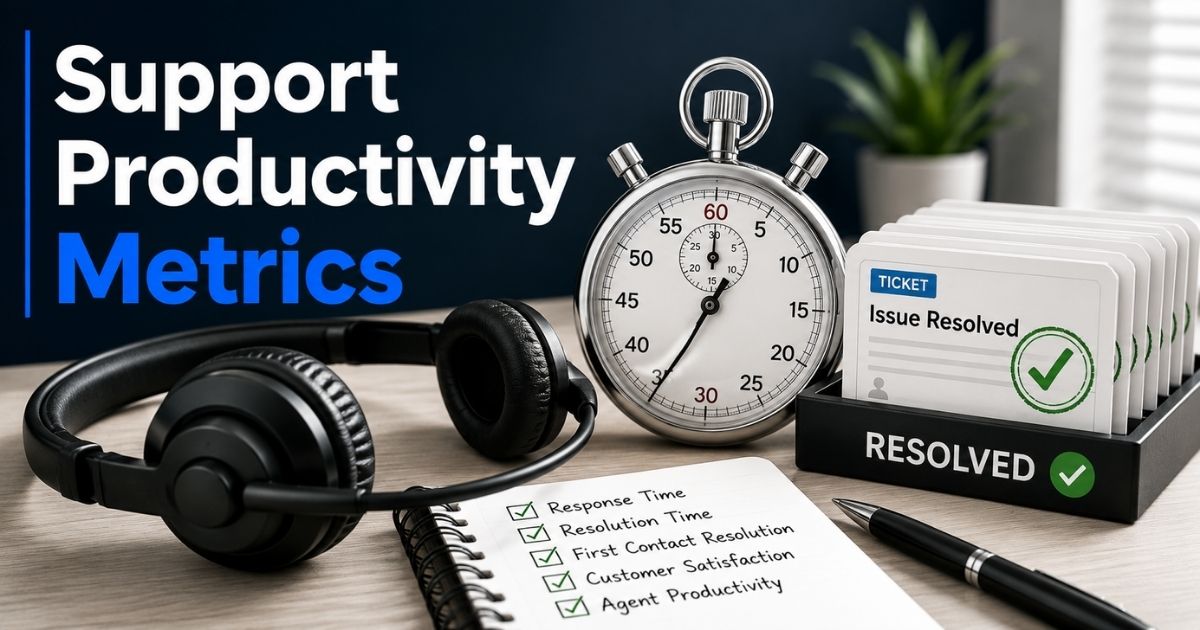
Ticket metrics show how long it takes to respond, how long it takes to resolve issues, and how often escalations occur. These analytics reveal strengths and expose gaps that may not be visible during daily operations. By studying these metrics, managers can identify which areas require refinement and which processes already perform well. Consistent monitoring drives meaningful improvements in service quality.
Improving Predictability And Customer Trust
When analytics highlight problems early, teams can resolve them before they affect customers. Predictable performance builds trust and helps support operations deliver consistent results. Clear data allows leaders to plan more effectively, forecast staffing needs, and make ongoing improvements. This steady evolution strengthens both internal efficiency and external satisfaction.
Ticket analytics and performance tracking help support teams operate with clarity, accuracy, and confidence. By understanding how work flows, how agents perform, and how tickets move through the system, organizations can build a more reliable and efficient support environment.
How To Choose The Right Ticket Management Software
Choosing the right ticket management software plays a major role in how smoothly your support operations run. A strong platform improves speed, organization, and communication across your entire workflow. The system you select should align with your structure, goals, and ticketing process to support long-term efficiency as your business grows.
Identify Core Requirements Based On Your Workflow
The first step is understanding how your support workflow operates today. Map out where tickets come from, how they are sorted, and which steps typically cause delays. This analysis helps determine which features your team needs most. Some businesses require strong automation, while others need multi-channel inbox consolidation or better internal collaboration. Matching software capabilities to real workflow needs ensures the tool becomes a natural part of your operations instead of an added burden.
Evaluate Ease of Use And Interface Design
A ticketing platform should be easy for agents to navigate. If the interface is confusing, the software slows teams down instead of helping them move faster. Look for a clean, organized layout where tickets, categories, and actions are simple to understand. A clear interface also reduces training time for new agents. When software helps users stay focused and confident, performance improves across the entire support structure.
Look For Strong Automation Features
Automation has become essential for modern support teams. The system you choose should automate routing, categorizing, and status updates effortlessly. It should recognize patterns, direct requests to the right department, and handle repetitive tasks without manual involvement. A strong automation engine reduces errors, speeds up responses, and improves resolution accuracy. Choosing a platform with flexible rules ensures it adapts as your support needs evolve.
Consider Multi-Channel Support And Unified Inbox Capabilities
Support teams often deal with emails, chat, social messages, and form submissions. A strong ticketing platform should collect all interactions in a single unified inbox. This prevents agents from switching tools or missing messages. When everything flows into one place, your team responds faster and communicates more consistently. Multi-channel handling also prepares your system for future growth as customer interactions expand.
Review Reporting, Analytics, And Insights
Accurate reporting helps managers understand performance and improve efficiency. The right software should track response times, agent workload, backlog trends, and ticket categories. These analytics help identify bottlenecks, forecast staffing needs, and improve processes. When leaders have access to clear insights, they can refine workflows and strengthen the overall customer experience.
Check Integration Options With Existing Tools
Many support teams rely on additional tools such as CRM systems, chat widgets, or internal apps. The right ticket management platform must integrate smoothly with your existing ecosystem. Strong integration support ensures customer information flows automatically and keeps all teams aligned. Without integration, agents spend extra time switching systems or searching for missing data. Choosing software that works well with your current setup maintains consistency and reduces operational friction.
Assess Scalability For Long-Term Growth
A ticketing system should support both your current and future needs. Even if you run a small team now, your operations may grow significantly over time. The right platform handles rising ticket volume, expanding departments, and new workflows without slowing down. Scalability ensures your investment lasts and prevents the need for disruptive system replacements later. When software grows with your business, your support structure stays stable and reliable.
Selecting the right ticket management software requires thoughtful evaluation and a clear understanding of your support structure. By focusing on workflow needs, automation, multi-channel capabilities, analytics, integration, and long-term scalability, you can choose a solution that strengthens your operations and supports consistent, high-quality service delivery.
Why EasyDesk Is The Best Choice For Modern Ticket Management
EasyDesk offers a complete solution for teams that want faster response times, organized workflows, and a reliable platform built for real customer support needs. Its structure helps teams stay focused by centralizing all customer communication, automating repetitive actions, and routing tickets to the right people instantly. With intelligent workflows, EasyDesk reduces unnecessary manual steps and keeps support operations smooth during both low and high ticket volume.
The platform stands out with powerful automation that sorts, assigns, and prioritizes requests the moment they arrive. Agents always know what to work on next, and supervisors gain clear visibility into performance through a structured ticketing process data. EasyDesk also offers a clean, user friendly interface that helps teams move faster without confusion or long onboarding periods. For businesses that want a dependable, scalable support system, EasyDesk delivers a balanced mix of simplicity, automation, and efficiency that improves overall service quality.
FAQs
What Is Ticket Management Software
Ticket management software organizes customer questions and support requests into trackable tickets. It helps teams sort, assign, and respond to issues in a structured and efficient way.
How Does Automated Ticket Assignment Improve Support
Automated ticket assignment routes requests to the right person instantly based on rules and categories. This reduces delays, prevents misrouting, and ensures customers receive faster, more accurate responses.
Why Are SLAs Important In Customer Support
Service Level Agreements define response and resolution targets. They help teams maintain consistent performance and ensure customers receive timely attention during both slow and busy periods.
Can Automation Help Reduce Support Workload
Automation handles repetitive tasks such as categorizing tickets, sending notifications, and routing requests. This reduces manual effort and gives agents more time to focus on complex issues.
What Is Multichannel Ticket Handling
Multichannel ticket handling collects requests from email, chat, social media, and web forms into one system. This helps support teams manage every interaction consistently without switching between tools.
How Do Analytics Improve Support Operations
Analytics reveal patterns in ticket volume, response times, and agent performance. These insights help managers make improvements, balance workloads, and plan more effectively.
What Should Businesses Consider When Choosing Ticket Management Software
Businesses should evaluate ease of use, automation features, reporting capabilities, integrations, and scalability. The right system fits existing workflows, supports future growth, and helps deliver faster, more reliable customer service.