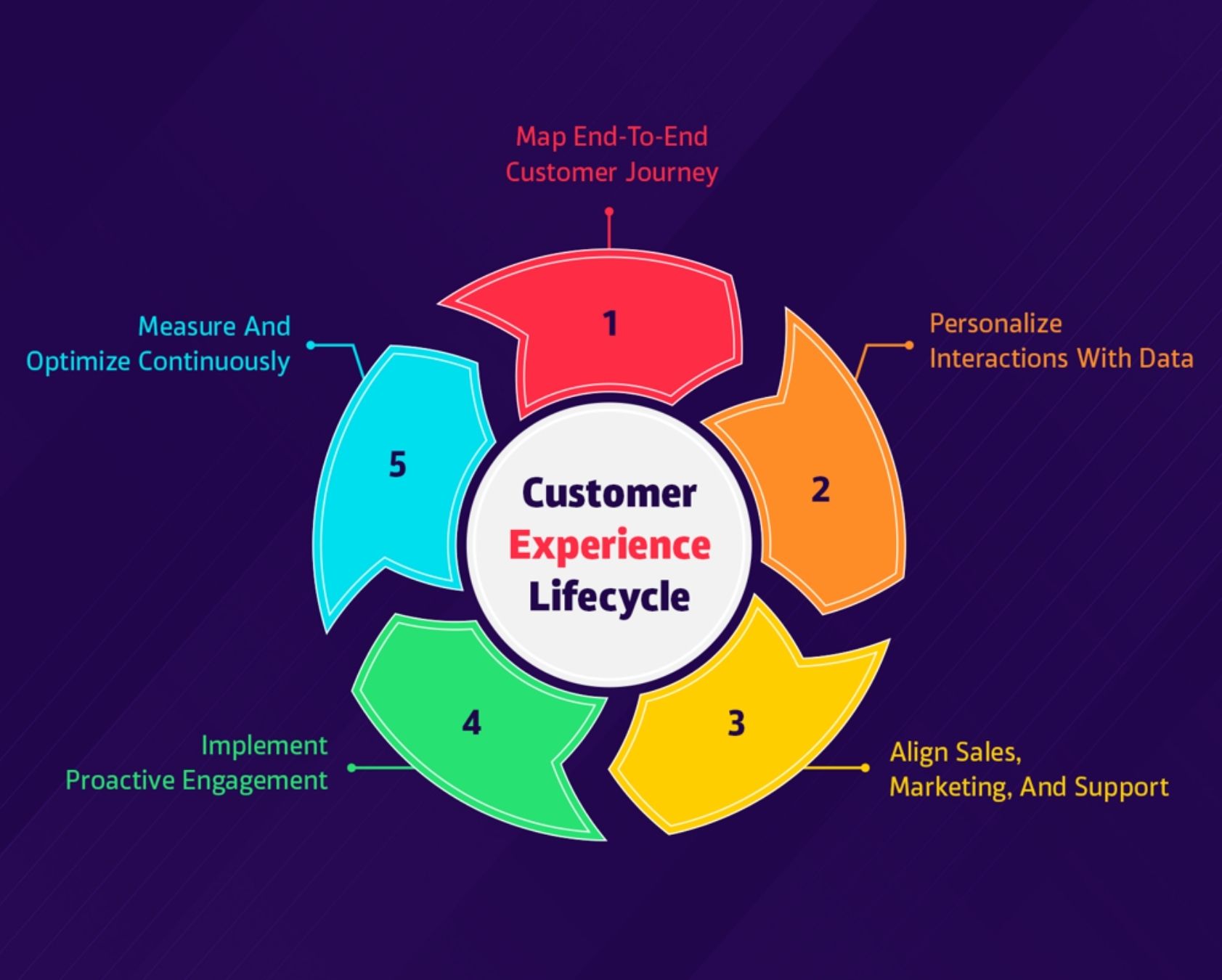
The customer experience lifecycle defines how businesses build and maintain customer relationships from the first interaction to long term success. In 2025, this framework has become essential for SaaS companies and online businesses competing for customer loyalty in crowded markets. Research shows that 70% of customers abandon brands after just one negative experience. For subscription-based businesses, revenue depends far more on retention and expansion than on one-time purchases. Understanding each stage of the customer lifecycle helps teams identify opportunities to strengthen connections, reduce churn, and drive sustainable growth. This guide breaks down practical strategies, key metrics, and workflows that support teams can implement to improve the experience at every stage.
What Is Customer Experience Lifecycle
The customer experience lifecycle represents the complete progression of interactions between a customer and a brand. It spans from initial awareness through purchase, ongoing support, and eventually customer advocacy. Unlike a traditional sales funnel that ends at conversion, the experience lifecycle includes critical post purchase stages like onboarding, retention, and loyalty building.
Most models identify five to six core stages of the customer lifecycle. These typically include awareness, consideration, purchase, retention, and advocacy. Each lifecycle stage has distinct goals and touchpoints that shape how customers feel valued throughout their relationship with your business.
For SaaS and service businesses, this framework is particularly valuable. Research indicates that companies with optimized customer lifecycles see retention improvements between 5% and 25%. The experience lifecycle helps teams align their marketing strategies, support operations, and product development around what matters most: keeping existing customers engaged while attracting new customers.
Why Lifecycle Management Improves Customer Loyalty
Customer lifecycle management transforms how businesses approach long term relationships with their audience. When teams understand and optimize each phase, they create positive experiences that encourage repeat purchases and brand advocacy. Studies from Harvard Business Review show that loyal customers spend 67% more than new customers. Meanwhile, acquiring new customers costs between 5 and 20 times more than retaining existing ones.
Lifecycle management provides a structured approach to enhance customer loyalty at every touchpoint. It moves beyond reactive problem-solving toward proactive support and engagement strategies that meet evolving needs before customers even realize they have them.
Consistent Customer Interactions
Consistency builds trust. When customers receive the same quality of support whether they contact your team via email, chat, or social media, they develop confidence in your brand. This reliability across channels creates a foundation for customer loyalty that single positive experiences cannot match.
Support teams that maintain consistent interactions across the customer journey see higher customer satisfaction scores. Customers form expectations based on their early experiences. Meeting those customer expectations repeatedly reinforces their decision to choose your product. Inconsistent service creates confusion and erodes the trust you have worked to build.
Reduced Experience Friction
Friction kills loyalty faster than most businesses realize. Every unnecessary step, unclear instruction, or delayed response creates opportunities for customers to question their purchase decision. Lifecycle management helps teams identify and eliminate these pain points systematically.
By mapping the complete customer journey, teams discover where friction occurs most often. Common friction points include complicated onboarding processes, slow support responses, and confusing self-service options. Addressing these issues improves the overall experience and reduces the effort customers must invest to get value from your product.
Stronger Customer Trust
Trust develops over time through consistent delivery on promises. Customer lifecycle management creates accountability for every stage, ensuring that no customer falls through the cracks during handoffs between teams. When sales teams promise fast support and the support team delivers, trust strengthens.
Building stronger trust requires transparency about capabilities and honest communication during problems. Most customers understand that issues arise. What matters is how your team responds. Proactive updates during outages and honest timelines for fixes demonstrate respect for the customer relationship.
Early Need Identification
Effective lifecycle management includes monitoring customer behavior patterns to identify opportunities for proactive support. When teams notice declining engagement or repeated support requests in specific areas, they can reach out before problems escalate.
Early identification of evolving needs allows support teams to offer solutions at the right moment. This approach transforms support from a cost center into a retention driver. Customers who receive timely help with emerging challenges are far more likely to become loyal customers who recommend your product to others.
Deeper Emotional Connections
Beyond functional benefits, lifecycle management creates space for emotional connections with customers. Understanding where customers are in their journey allows teams to personalize interactions in meaningful ways. A check-in message at the right moment can transform a satisfied customer into a brand advocate.
Emotional connections develop when customers feel valued beyond their subscription payments. Simple gestures like acknowledging milestones, celebrating their successes with your product, or remembering previous conversations demonstrate genuine care. These connections drive customer lifetime value far more effectively than discounts or promotions.
Continuous Experience Improvement
Lifecycle management is not a one-time project. It requires ongoing refinement based on customer feedback and behavioral data. Teams that commit to continuous improvement consistently outperform competitors who treat customer experience as a fixed process.
Feedback loops ensure that insights from support interactions flow back into product development and process improvements. When most customers report similar issues, that data guides prioritization decisions. This cycle of listening, adjusting, and measuring creates compounding benefits over time.
How Customer Journey Mapping Supports Lifecycle Strategy
A customer journey map visualizes every touchpoint where customers interact with your brand across the complete experience lifecycle. This tool transforms abstract lifecycle concepts into actionable insights that teams can implement immediately. Research shows that companies using journey mapping reduce support tickets by up to 30% through proactive improvements.
Journey mapping reveals gaps that standard metrics miss. While dashboards show what happened, maps explain why customers behave certain ways and where their experience breaks down.
Clear Touchpoint Visibility
Journey maps document every interaction point from pre purchase research through post purchase support. This visibility helps teams understand the complete picture of customer experience rather than isolated moments. When touchpoints are clearly mapped, teams can optimize transitions between stages.
Clear touchpoint documentation also supports better resource allocation. Teams see where customers spend the most time and where they need the most support. This insight guides decisions about where to invest in automation versus human interaction.
Experience Gap Detection
Mapping exposes gaps that customers experience but rarely report directly. The space between month two and month six of a subscription often lacks proactive outreach, leaving customers feeling abandoned. Journey maps make these silent gaps visible.
Gap detection enables teams to design interventions before problems occur. A well-placed check-in email or usage tip can re-engage customers who might otherwise drift toward cancellation. These small touches significantly impact retention rates.
Customer Expectation Insights
Journey maps capture what customers expect at each stage, not just what they receive. This distinction matters because gaps between expectations and reality drive dissatisfaction. Understanding customer expectations allows teams to either meet them or reset them proactively.
Collecting qualitative and quantitative data during mapping reveals expectation patterns across customer segments. Different customer types may expect different levels of support or communication frequency. Mapping these variations enables more targeted engagement strategies.
Cross Team Alignment
Journey maps create shared understanding across marketing, sales, support, and product teams. When everyone sees the same picture of the customer experience, collaboration improves. Handoffs between teams become smoother because each group understands their role in the larger journey.
Alignment reduces the common problem of customers receiving contradictory information from different departments. A unified view of the journey ensures consistent messaging and appropriate escalation paths when issues arise.
Data Driven Decisions
Effective journey maps incorporate both qualitative insights and quantitative metrics. Support ticket data, survey responses, and behavioral analytics combine to create a complete view. This combination drives actionable insights that pure numbers cannot provide alone.
Data driven mapping removes guesswork from experience improvements. Instead of assuming where problems occur, teams identify exact friction points with evidence. This precision accelerates improvement cycles and maximizes the impact of limited resources.
What Role Predictive Analytics Plays In Customer Experience
Predictive analytics transforms raw customer data into forward-looking insights that enable proactive support planning. Rather than waiting for problems to surface, teams using predictive tools can identify at-risk customers before they decide to leave. Research indicates that 80% of customers expect personalized experiences, and predictive analytics makes this level of personalization possible at scale.
The shift from reactive to predictive support represents a fundamental change in how teams manage the customer experience lifecycle. Instead of measuring what already happened, teams focus on preventing negative outcomes before they occur.
Early Issue Detection
Predictive systems analyze patterns in customer behavior to flag potential issues days or weeks before they become critical. A sudden drop in product usage, combined with an unresolved support ticket, signals risk. Early detection gives teams time to intervene meaningfully.
Early issue detection improves outcomes for both customers and businesses. Customers receive help before frustration builds. Businesses avoid the costly process of trying to win back customers who have already mentally moved on. This proactive approach creates competitive advantage in markets where support quality differentiates similar products.
Accurate Behavior Forecasting
Behavioral forecasting uses historical patterns to predict future actions. If customers who behave in certain ways typically churn within 90 days, teams can identify current customers showing similar patterns. This forecasting enables targeted retention efforts.
Accurate forecasting requires clean data and thoughtful model design. Customer health scores combine multiple signals into actionable risk ratings. Login frequency, feature adoption, support ticket sentiment, and payment patterns all contribute to comprehensive health assessments.
High Risk Identification
Not all at-risk customers require the same intervention. Predictive analytics helps teams prioritize by identifying which customers represent the highest risk and the greatest value. This prioritization ensures that limited support resources focus where they matter most.
High risk identification also reveals common factors that predict churn. These insights inform product improvements and onboarding adjustments that reduce risk for future customers. Learning from at-risk customers creates systemic improvements.
Proactive Support Planning
With predictive insights, teams can design intervention playbooks that trigger automatically when risk indicators appear. A customer showing early warning signs might receive a personalized check-in from their dedicated customer success manager. This proactive support feels attentive rather than intrusive.
Proactive planning transforms support from firefighting into prevention. Teams spend less time managing escalations and more time building valuable insights about customer needs. This shift improves both team satisfaction and customer outcomes.
Smarter Resource Allocation
Predictive analytics guides resource allocation by forecasting demand patterns. Teams can anticipate busy periods, plan staffing accordingly, and identify opportunities for automation. This foresight reduces both understaffing crises and idle capacity.
Smart allocation extends beyond headcount to include which channels deserve the most investment. If predictive models show that customers prefer chat over email for urgent issues, teams can prioritize chat response times. Data guides these decisions rather than assumptions.
Continuous Experience Optimization
Predictive systems improve over time as they process more data. Each customer interaction adds to the dataset that powers future predictions. This continuous improvement creates compounding value from analytics investments.
Experience optimization becomes an ongoing cycle of prediction, intervention, and learning. Teams measure whether their interventions produced expected results and adjust models accordingly. This feedback loop ensures that predictions become more accurate over time.
How Personalization Improves Lifecycle Engagement
Personalization moves customer interactions from generic to relevant. When customers receive communications and support tailored to their specific situation, engagement increases significantly. Studies show that personalized experiences can boost conversion rates by 8% and customer satisfaction by similar margins.
Personalization throughout the customer lifecycle demonstrates that your business pays attention to individual needs. This attention transforms transactional relationships into partnerships where customers feel valued for who they are, not just what they pay.
Relevant Customer Interactions
Relevance drives engagement. When support teams access complete customer history before responding, they can reference previous interactions and avoid repetitive questions. This context makes each interaction more efficient and more personal.
Relevant interactions also mean delivering the right information at the right lifecycle stage. A customer in onboarding needs different content than a repeat customer approaching renewal. Matching communication to context improves response rates and customer satisfaction.
Higher Satisfaction Levels
Personalized support directly correlates with higher customer satisfaction scores. Customers appreciate when teams remember their preferences, understand their use case, and anticipate their needs. This recognition builds satisfaction that generic service cannot match.
Higher satisfaction levels translate into measurable business outcomes. Satisfied customers are more likely to expand their usage, renew subscriptions, and recommend your product. These behaviors directly impact customer lifetime value and acquisition costs through referral program participation.
Better Response Effectiveness
Personalized responses resolve issues faster because they address the specific customer situation. Generic template responses often require follow-up clarification that delays resolution. Tailored responses demonstrate understanding and typically need fewer back-and-forth exchanges.
Effective responses also consider the customer’s preferred communication style. Some customers want detailed explanations while others prefer brief confirmations. Adapting to these preferences improves the experience without requiring additional effort.
Stronger Customer Relationships
Personalization over time builds stronger customer relationships. Each personalized interaction adds to a foundation of mutual understanding. Customers develop confidence that your team knows them and will support their success.
Strong relationships create resilience during difficult moments. When issues arise, customers with established relationships are more patient and more willing to provide constructive feedback. These relationships also increase the likelihood of honest online reviews and user generated content that helps attract new customers.
Improved Retention Rates
The cumulative effect of personalization is improved retention. Customers who feel understood and valued have less reason to explore alternatives. The switching cost includes not just learning a new product but losing the personalized experience they have built.
Retention improvements compound over time. Each retained customer contributes additional revenue without additional acquisition costs. This efficiency enables sustainable growth that acquisition-focused strategies cannot match. Loyalty programs further reinforce these retention benefits.
Support Automation Across The Customer Lifecycle
Support automation enables teams to maintain high quality customer experience as volume grows. Without automation, scaling support requires proportional headcount increases that strain budgets and introduce inconsistency. Strategic automation handles routine tasks while freeing human agents to focus on complex issues that require judgment and empathy.
Automation across the customer lifecycle ensures that every customer receives timely responses regardless of when they reach out or how busy the team happens to be. This consistency protects experience quality during growth periods and unexpected demand spikes.
Faster Response Delivery
Automated systems respond instantly to incoming requests. Even when full resolution requires human involvement, immediate acknowledgment sets appropriate expectations and demonstrates attentiveness. Customers prefer knowing their request was received over waiting in uncertainty.
Speed matters most for urgent issues. Automated routing ensures that high-priority tickets reach the right agents immediately. Canned responses for common questions provide instant answers when appropriate, dramatically reducing average response times across the support queue.
Reduced Manual Workload
Automation eliminates repetitive tasks that consume agent time without adding value. Ticket categorization, routing, status updates, and standard follow-ups can all run automatically. This reduction in manual work allows agents to handle more tickets with the same headcount.
Reduced workload also improves agent satisfaction. Repetitive tasks contribute to burnout and turnover. When automation handles the routine, agents spend their time on interesting problems that use their skills. This shift improves retention of experienced support staff.
Consistent Support Quality
Automation ensures that standard processes execute consistently every time. Every ticket receives appropriate categorization. Every escalation follows defined criteria. Every customer gets required notifications. This consistency eliminates the variability that comes with manual processes.
Consistency extends to response quality through approved templates and canned responses. While personalization remains important, automation ensures that core information appears correctly in every response. This balance maintains both efficiency and quality.
Accurate Ticket Routing
Intelligent routing systems analyze incoming tickets and direct them to the most appropriate agent or team. This accuracy reduces the frustrating experience of being transferred between departments. Customers reach the right person faster.
Accurate routing also improves first contact resolution rates. When tickets reach agents with relevant expertise immediately, issues resolve without escalation or handoffs. This efficiency benefits both customers and support teams.
Scalable Support Operations
Automation enables support operations to scale without proportional cost increases. A team that automates effectively can handle growing ticket volume while maintaining response times. This scalability supports business growth without creating support bottlenecks.
Scalability planning becomes more predictable with automation. Teams can model capacity based on automation rates and plan hiring around truly complex work rather than routine volume. This planning improves budget accuracy and reduces staffing surprises.
Proactive Customer Updates
Automation powers proactive communication that keeps customers informed without requiring manual effort. Status updates for ongoing issues, maintenance notifications, and post purchase engagement can all trigger automatically based on defined conditions.
Proactive updates reduce incoming ticket volume by answering questions before customers ask them. When customers already know about a system issue and its expected resolution time, they do not need to contact support for information. This preemption improves both efficiency and experience.
Customer Experience Measurement With Helpdesk Data
Helpdesk systems capture rich data about customer experience across the lifecycle. Every ticket, conversation, and resolution time contributes to a comprehensive picture of support performance. Teams that measure systematically identify opportunities for continuous improvement that informal observation misses.
Measurement transforms support from an art into a science. While intuition remains valuable, data ensures that improvement efforts focus on the areas that matter most to customers and business outcomes.
Clear Satisfaction Tracking
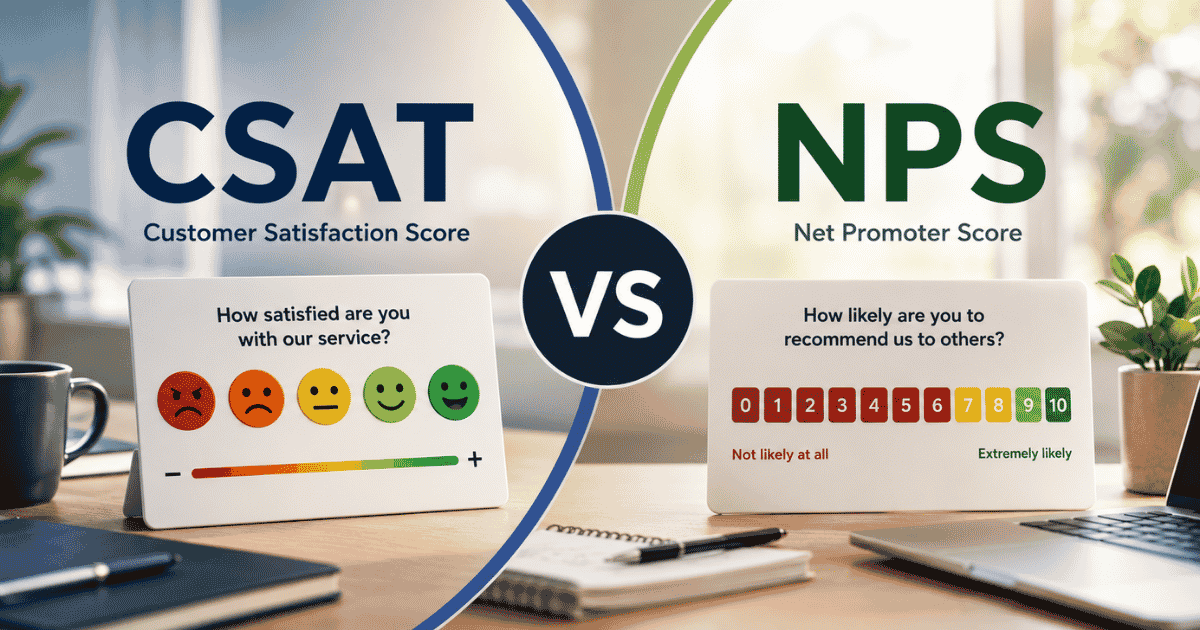
Customer satisfaction surveys attached to resolved tickets provide direct feedback on experience quality. CSAT, NPS, and CES scores offer different perspectives on customer sentiment. Tracking these metrics over time reveals trends that point to improving or declining experience.
Clear tracking enables meaningful benchmarking. Teams can compare their scores against industry standards and set specific improvement targets. Without measurement, progress claims remain subjective and unconvincing.
Response Performance Monitoring
Response times and resolution times are fundamental support metrics. Monitoring these numbers against SLA targets ensures that commitments to customers are kept. Violations signal capacity problems or process issues that require attention.
Performance monitoring also reveals patterns across time periods, ticket types, and individual agents. These patterns guide coaching conversations and process improvements. Data makes feedback specific and actionable rather than vague.
Recurring Issue Identification
Ticket data reveals recurring issues that affect multiple customers. When the same questions appear repeatedly, that pattern indicates opportunities for self-service content, product improvements, or better onboarding. Identifying these patterns reduces future ticket volume.
Recurring issue analysis also informs product roadmap prioritization. Support teams see pain points that customers experience daily. This visibility, when shared with product teams, ensures that development efforts address real customer needs.
Support Productivity Insights
Productivity metrics help teams understand capacity and efficiency. Tickets handled per agent, average handle time, and first contact resolution rates paint a picture of team performance. These insights guide hiring decisions and process optimization.
Productivity measurement must balance efficiency with quality. Fast responses that fail to resolve issues create more work than thorough initial responses. Tracking both speed and effectiveness ensures that optimization efforts produce real improvements.
Continuous Experience Improvement
Measurement enables the feedback loops essential for continuous improvement. Teams collect feedback, analyze patterns, implement changes, and measure results. This cycle repeats continuously, creating compounding improvements over time.
Continuous improvement requires commitment to acting on data insights. Measurement without action wastes effort. Teams that close the loop between insight and implementation see measurable progress in customer satisfaction and loyalty metrics.
EasyDesk Role In Managing The Customer Experience Lifecycle
EasyDesk provides the tools support teams need to manage customer experience effectively across every lifecycle stage. The platform centralizes email, chat, and social media conversations into a single view, eliminating the data silos that fragment customer understanding. Automated workflows, SLA tracking, and canned responses help teams maintain fast response times while handling growing ticket volume.
The built-in knowledge base supports customer acquisition by helping potential customers find answers during pre purchase research. Feedback tracking and public roadmaps keep existing customers engaged and demonstrate commitment to continuous improvement. With mobile apps for agents and 24/7 support, EasyDesk enables teams to deliver consistent experience quality regardless of when customers reach out. The 14-day free trial lets teams experience these capabilities firsthand without commitment.
FAQ
What Are The Main Stages Of The Customer Experience Lifecycle
The lifecycle starts with the awareness stage, where targeted advertising and social media presence help increase brand visibility among the target audience. That exposure builds initial interest, which later shapes engagement, purchase decisions, and long term relationships.
How Customer Support Impacts Customer Loyalty
Reliable support helps businesses exceed customer expectations through fast responses and personalized assistance. Positive service experiences fosters loyalty, encourage repeat interactions, and gradually build a strong loyal customer base that trusts the brand.
What Tools Help Manage Customer Experience Lifecycle
Lifecycle tools like helpdesk platforms and CRM systems help track customer interactions, monitor behavior, and manage communication. Many industry leaders rely on such tools to maintain consistent experiences and strengthen overall brand visibility across customer touchpoints.
How To Measure Customer Experience Across The Lifecycle
Businesses evaluate lifecycle performance using satisfaction scores, feedback trends, and engagement metrics. Effective measurement also considers advocacy signals such as participation in user generated content campaigns, which reflect trust and long term customer commitment.
Why Helpdesk Automation Matters For Customer Retention
Helpdesk automation improves response speed, ensures consistent service, and strengthens relationships after purchase. Efficient support operations remind organizations that customer retention success is only the beginning of sustainable growth and competitive differentiation.