A SaaS startup loses a paying user after one confusing support email. The message was technically correct but buried in jargon, ignored the customer’s frustration, and offered no clear next step. Down the hall, a competing team handles the same billing complaint with a short, empathetic reply. They acknowledge the issue, explain the fix in plain language, and close with a warm tone. That customer stays.
This contrast plays out thousands of times daily across digital-first businesses. Customer service communication skills sit at the heart of customer experience, shaping whether people trust your brand or walk away. For remote teams relying on email, chat, and social media, these skills are not optional extras. They are foundational skills that determine success.
This article focuses on practical, trainable communication behaviors for customer service teams using helpdesk platforms like EasyDesk. You will find realistic examples drawn from channels startups and SMBs use every day, including live chat, in-app widgets, and social media DMs.
What Customer Service Communication Really Means Today
Customer service communication includes every message, phone call, and interaction where a business helps customers before and after purchase. It covers verbal communication skills during phone calls, written responses in email and chat, and even non verbal communication techniques like response timing and formatting that shape perception.
In 2026, digital support spans email, website chat, WhatsApp, social media, and in-app messages. All of these customer interactions get logged through a helpdesk for context and continuity. A customer might start with a quick chat question, follow up via email, then mention the issue on social media. Each touchpoint requires the same professional, helpful tone.
Consistency across channels matters for trust and brand perception. When customers feel heard in one channel but dismissed in another, confusion sets in. For example, a subscription user asks about upgrading their plan via chat. The agent confirms pricing and features clearly. Two days later, the user emails with a follow-up question and receives a generic, unhelpful reply. That inconsistency damages the customer relationship and makes the business look disorganized.
Why Strong Communication Skills Important For Customer Support Teams
Strong communication abilities shape how support teams resolve issues, build trust, and influence long term loyalty. Clear conversations help teams address customer’s concerns quickly, reduce confusion, and create consistent service interactions that drive satisfaction and measurable business growth outcomes.
Improve Service Quality And Customer Trust
Strong communication skills help every customer service agent deliver effective customer service by explaining solutions clearly and showing empathy during conversations. When support professionals communicate effectively, customers understand the next steps and feel confident about the resolution process. Clear messaging also prevents misunderstandings that often lead to poor customer service experiences. A customer service rep who demonstrates a positive attitude and actively listening skills can turn difficult conversations into positive interactions, which strengthens trust and encourages repeat engagement.
Support Faster Problem Resolution
Effective communication plays a major role in solving issues quickly. When teams ask clarifying questions and practice actively listening, they can identify customers’ concerns without delays. Strong communication also complements technical skills because agents must translate complex information into simple language that customers can understand. Good time management combined with clear explanations allows teams to reduce handling time, improve resolution rates, and deliver consistent service interactions that feel smooth and professional.
Strengthen Team Collaboration And Productivity
Communication skills are essential for internal teamwork as well. Clear knowledge sharing helps support teams coordinate tasks, avoid duplication, and manage workloads effectively. A customer service rep who communicates effectively can update colleagues, document issues accurately, and maintain transparency across departments. This level of effective communication improves workflow efficiency and ensures that each customer service agent contributes to better service outcomes.
Enhance Customer Experience And Loyalty
Customers often judge service quality based on how well they are treated during conversations. Agents who maintain a positive attitude and focus on actively listening create an environment where customers feel respected and valued. Positive interactions increase satisfaction levels and encourage long term relationships. Consistent service interactions supported by strong communication skills help teams build trust and improve loyalty metrics over time.
Drive Long Term Business Growth
Strong communication abilities directly influence business performance. Effective customer service improves retention rates, reduces churn, and increases lifetime value. When teams communicate effectively, they can handle issues proactively and prevent negative experiences that damage reputation. Clear communication, combined with technical skills and strong time management, allows organizations to deliver reliable service at scale while supporting sustainable business growth.
5 Key Customer Service Communication Skills To Build
This section forms the heart of the article, describing several key skills that every customer service representative should develop. These skills apply across channels but may look slightly different in email versus chat or phone calls. Each subsection explains the skill, shows how it sounds in real conversations, and offers a simple training tip.
1. Active Listening
Active listening means paying full attention to the customer’s words, context, and emotion before responding. It involves understanding not just what customers say but what they mean and how they feel. Customer service representatives who practice active listening resolve issues faster and build stronger relationships.
Techniques include paraphrasing the problem, confirming specific details, and asking clarifying questions. Instead of jumping to a solution, an agent might say: “Just to make sure I understand, you’re trying to connect your team inbox to our platform, but you’re getting an error after entering your credentials. Is that right?”
In a ticketing scenario, active listening looks like this: A user submits a vague bug report saying “the dashboard is broken.” An agent using active listening techniques responds: “I want to help get this sorted. Can you tell me which section of the dashboard is affected and what you see when the issue happens?” This approach surfaces key points the customer may have skipped.
Training methods include call or chat reviews, role plays, and teaching agents to listen for the “hidden ask” in each conversation. Teams that train active listening skills see 25-30% fewer miscommunications and 20% loyalty gains. Active listening is one of the most important communication skills any customer service team can develop.
2. Clarity And Conciseness
Customers prefer short, direct answers that still cover necessary steps. This is especially true when troubleshooting SaaS features, handling customer inquiries about billing, or explaining product limitations. Clear communication eliminates confusion and builds trust.
The 3 C’s framework helps: clarity, conciseness, and consistency. Use straightforward terms, avoid jargon, and maintain a steady tone across messages. Instead of saying “You need to flush your browser cache and clear the session cookies to reinitialize the authentication token,” try: “Please clear your browser history and try logging in again. This fixes the issue about 70% of the time.”
Visual structure matters too. Short paragraphs, numbered steps, and linked knowledge base articles make written replies easier to follow. When multiple customer service representatives work on the same account, a shared style guide ensures everyone describes features, plans, and limits the same way.
This consistency supports strong customer service across the customer service team. It also helps with training new hires, who can reference documented examples of excellent communication.
3. Empathy And Emotional Intelligence
Empathy means acknowledging the customer’s situation and feelings before moving to solutions. Emotional intelligence involves recognizing customer sentiment and tailoring responses accordingly. Together, they help agents defuse frustration and strengthen relationships.
Sample phrases that show understanding without overpromising include: “That sounds frustrating, especially when you’re trying to meet a deadline” or “I can see why this would be confusing. Let me clarify what’s happening.” These phrases validate the person’s feelings without admitting fault or making promises the team cannot keep.
Emotional cues differ across channels. In chat, excessive punctuation or short replies may signal frustration. On phone calls, silence or a tense tone indicates the customer needs extra care. Training helps agents spot these signals and respond appropriately.
Encourage teams to practice reframing blame and focusing on shared problem-solving. Instead of policy walls like “We can’t do that,” agents can say: “Here’s what we can do to help.” This approach makes customers feel heard and supported, even when the answer is not what they hoped for.
4. Positive And Solution Oriented Language
Negative phrasing like “You did not” or “We cannot” creates friction. Positive language focuses on what can happen next. This shift in approach has measurable impact on customer satisfaction and customer experience.
Consider these side-by-side examples for a failed payment:
Unhelpful: “Your payment failed. You need to update your card.”
Helpful: “I noticed the payment didn’t go through. If you update your card details in Settings, I can retry the charge for you. Want me to send a quick guide?”
Both messages convey the same information. The second feels collaborative rather than accusatory. It offers a clear next step and a helping hand.
Building a library of reusable, brand-aligned sentences helps the customer service team maintain consistency. This is where canned responses shine, if teams review and update them regularly to match current product knowledge and tone.
5. Adaptability Across Channels
The same message should be shorter and more conversational in live chat than in a formal email. Social media replies require even more brevity, plus awareness that responses may be public. Adaptability is one of the top customer service skills for multichannel support teams.
For example, an email might open with: “Thanks for reaching out about your subscription question. I’m happy to help.” In chat, the same agent would simply say: “Hey! Let me look into that for you.” Both are friendly and professional, but tailored to the channel.
Public social media replies need extra care. A quick acknowledgment like “DM sent with details!” shows responsiveness without exposing account information. Private ticket responses can be more detailed and personalized.
Switching between channels while maintaining context is easier when a central helpdesk connects all conversations. This way, agents see previous interactions and do not ask customers to repeat themselves. Channel-specific training sessions help agents practice email, chat, and social etiquette separately.
Verbal, Written, And Non Verbal Communication In Support
Most remote customer service teams use a blend of written and voice communication. Even in text-based support, “nonverbal” elements like response time and formatting influence perception. Understanding all three modes helps teams deliver excellent customer service across every touchpoint.
Verbal Skills For Phone And Video Support
Tone, pace, and volume play a big role in making customers feel calm during phone calls or video chats. Service professionals who speak clearly and warmly put anxious customers at ease. Simple habits like smiling while speaking, using the customer’s name, and summarizing next steps before ending the call make a noticeable difference.
Consider an agent walking a customer through connecting their inbox to a helpdesk. The agent might say: “Okay, you’ll click Settings in the top right, then Integrations. I’ll stay on the line while you do that.” This verbal guidance, combined with a patient tone, builds confidence.
Recording and reviewing a small sample of calls each month provides coaching material. Look for moments where verbal communication skills shine and where they could improve.
Written Skills For Email, Chat, And In App Messages
Clear subject lines, openings, and closings set the right expectations in support emails. A subject like “Your refund has been processed” is more helpful than “Re: Support request #4521.” The opening should acknowledge the issue, and the closing should confirm next steps.
Chat differs from email in important ways. Shorter sentences, immediate acknowledgments (“Got it, looking into this now”), and faster replies are expected. In-app messages often need to be even more concise since screen space is limited.
Formatting matters. Numbered steps, linked knowledge base articles, and screenshots help customers follow along. Automated acknowledgment messages should set clear expectations, such as: “We’ve received your request and will respond within 4 hours.”
Non Verbal Signals Customers Notice
Speed of reply, typing indicators, and follow-up timing all send strong signals even without words. A quick acknowledgment within minutes shows attentiveness. A three-day silence signals indifference.
For teams with in-person support, eye contact, body language, and posture matter. A front desk agent who looks up and makes eye contact immediately feels more welcoming than one who keeps typing.
Even automated messages carry tone through word choice and timing. A status update during an outage that says “We’re working on it” feels different than “Our team identified the issue and is deploying a fix. We’ll update you within 30 minutes.” The second version reduces customer anxiety through specific details and a clear timeline.
Using Tools And Processes To Support Great Communication
Skills improve faster when supported by the right systems, templates, and shared knowledge. A modern helpdesk centralizes conversations so agents always see customer history before responding. Automation handles routine tasks and sends timely updates without sounding robotic.
Setting internal guidelines for tone, signature, greeting, and escalation makes communication consistent. When everyone follows the same standards, customers get excellent service no matter which agent responds.
Templates, Macros, And Canned Responses
Carefully written templates maintain quality while allowing personalization at the opening and closing. An agent can pull a canned response for a password reset, then add a personal note like: “I see you’ve been with us for two years now, thanks for sticking with us!”
Common situations worth templating include password resets, billing clarifications, feature request acknowledgments, and shipping updates. These save time while ensuring consistent product knowledge and language across the customer service team.
Teams should review and update templates based on customer feedback and product changes. If a template generates follow-up questions, it needs rewriting. Encourage agents to suggest improvements when they notice patterns.
Knowledge Bases And Self Service Content
A public knowledge base extends good communication to a wider audience without direct agent involvement. Well-structured articles answer customer questions before they become tickets, reducing volume and improving the customer experience.
Effective articles have clear titles, short intros, step-by-step instructions, and screenshots dated for the current UI. Help centers should be updated after every major release or workflow change to stay trustworthy.
Using analytics to see which articles reduce follow-up tickets helps prioritize improvements. Articles with high traffic but high follow-up rates signal content that needs clearer writing.
Training, Feedback, And Coaching For Support Communication
Communication skills improve through regular practice, peer review, and data-informed coaching. Team leaders can use conversation samples and CSAT comments as coaching material. This approach encourages agents rather than criticizing them.
Building a simple rubric covering clarity, empathy, accuracy, and brand voice helps standardize reviews. Celebrating good messages publicly shows the team concrete examples of desired behavior and motivates improvement.
Measuring Communication Quality
Useful metrics include first response time, resolution time, CSAT scores, and reopen rate for conversations. These numbers reveal patterns but do not tell the whole story.
Qualitative review of random tickets each week gives nuanced insight beyond numbers. A ticket might be resolved quickly but leave the customer confused. Only reading the actual conversation surfaces that gap.
Tagging conversations with reasons like “confusing UI” or “missing feature” informs product teams. This creates a loop where support insights shape roadmaps, leading to clearer communication over time. When customer needs inform product decisions, the whole company benefits.
Communication Mistakes That Damage Customer Trust
Even skilled customer service teams make communication errors that erode trust. Understanding these mistakes helps teams avoid them and maintain strong customer service standards.
Generic And Robotic Responses
When customers feel they are talking to a script rather than a person, satisfaction drops. Research shows generic responses reduce satisfaction by 25% compared to personalized replies. A message that ignores the customer’s issue and pastes a one-size-fits-all answer signals that the business does not care about individual customer needs.
The fix involves training agents to personalize openings, reference specific details from the customer’s message, and avoid copy-pasting entire canned responses without modification.
Delayed Or Inconsistent Replies
Slow responses frustrate customers and damage trust. Studies indicate that 90% of customers rate an immediate response as important when they have a question. Inconsistent reply times across channels confuse customers who expect similar service everywhere.
Setting clear SLAs and using automation to acknowledge incoming tickets helps manage expectations. When customers know when to expect a reply, they tolerate reasonable waits.
Overpromising And Underdelivering
Promising a feature “soon” that takes six months damages credibility. Telling a customer their issue will be fixed “today” when it requires escalation creates disappointment. Bad customer service often comes from good intentions paired with unrealistic commitments.
Honest communication about timelines and limitations, even when uncomfortable, preserves trust. Customers respect transparency more than false optimism.
Lack Of Ownership In Support Cases
When a customer’s issue gets passed between agents without resolution, frustration builds. Each handoff requires the customer to explain again. This lack of ownership signals poor internal communication and makes the business appear disorganized.
Assigning clear owners to tickets and using internal notes to share context reduces this friction. Customers should feel like someone is personally responsible for solving their problem.
Poor Internal Communication Alignment
When sales promises features that do not exist, or marketing sets expectations support cannot meet, customers suffer. Misalignment between teams leads to confused messaging and broken trust.
Regular cross-team updates and shared documentation about current capabilities help keep everyone on the same page. Strong interpersonal skills and smooth collaboration between departments improve the overall customer experience.
How Support Teams Can Strengthen Communication Skills
Building excellent communication skills requires intentional effort and the right support structures. These strategies help teams improve systematically.
Regular Communication Skills Training
Teams that invest in ongoing training see measurable results. Research shows trained teams achieve 40% faster resolutions and 20% higher customer loyalty. Training should cover active listening, empathy, clear writing, and channel-specific techniques.
Role-playing exercises help agents practice handling difficult scenarios in a safe environment. Recording and reviewing real conversations provides concrete examples for improvement.
Real Time Feedback And Coaching
Waiting for quarterly reviews misses growth opportunities. Real-time feedback, where team leads review conversations and provide quick guidance, accelerates skill development.
Tools that flag sentiment or highlight long wait times help coaches identify tickets that need attention. This timely manner of feedback helps agents correct course before patterns become habits.
Standardized Communication Guidelines
A clear voice and tone guide gives agents a framework for consistent messaging. It should include examples of preferred phrasing, common scenarios, and explanations of why certain approaches work.
New customers and long-term customers should both receive the same professional, helpful treatment. Standardization supports this consistency across the customer service team.
Use Of Conversation Analytics Tools
Modern helpdesk platforms offer analytics that surface patterns in customer interactions. Teams can identify which agents excel at empathy, which templates cause confusion, and which issues generate the most follow-ups.
This data-driven approach to improvement beats guesswork. It helps hiring managers identify training needs and recognize high performers.
Performance Monitoring Through KPIs
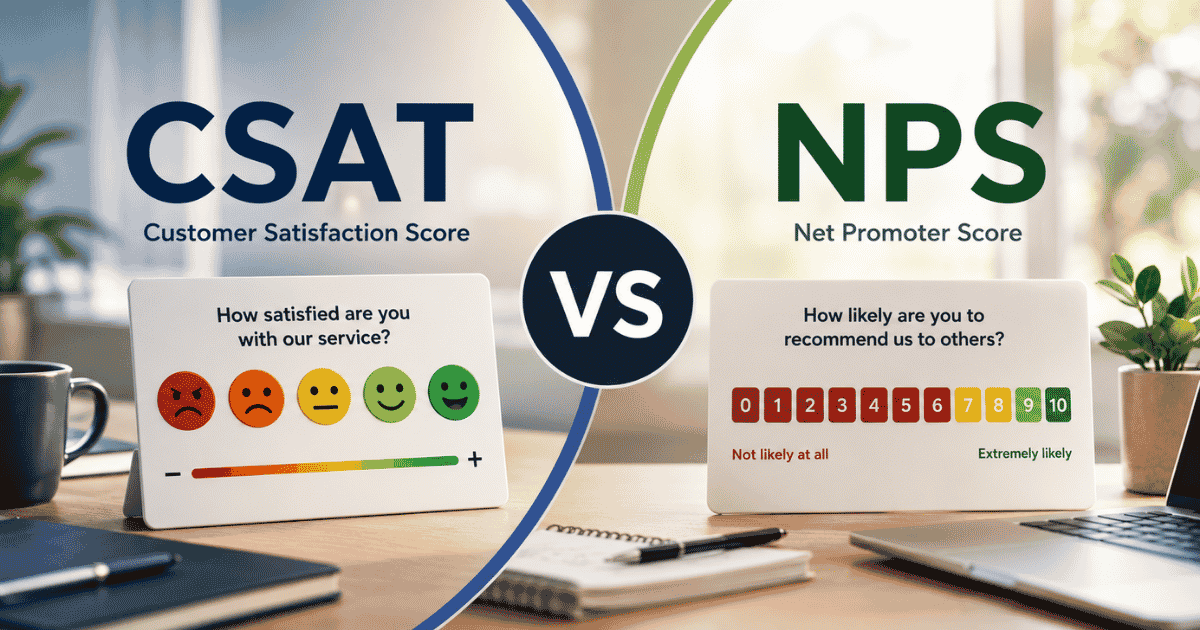
Tracking metrics like CSAT, NPS, first contact resolution, and response time creates accountability. These KPIs show whether communication improvements translate to customer outcomes.
Combining quantitative metrics with qualitative conversation reviews gives a complete picture. Teams can celebrate wins and address gaps with specific, actionable feedback.
How EasyDesk Strengthens Customer Service Communication
EasyDesk is a centralized helpdesk built for startups and growing SMBs that need clear, efficient support communication. It brings together the essential skills and tools your team needs to deliver excellent customer service at scale.
Multi-channel inboxes combine email, website chat, and social messages so agents reply with full context. No more asking customers to repeat themselves. Previous interactions are visible in one timeline, supporting active listening and personalized responses.
Ticketing features like SLA tracking, internal notes, and assignment workflows keep communication organized. Teams can set expectations for response times and route complex issues to the right people. This reduces delayed replies and ensures ownership of every customer’s issue.
Canned responses and knowledge base tools let teams standardize language while staying personal. Agents can pull proven templates and customize them for each situation. Regular updates keep content fresh and aligned with current product knowledge.
Automation capabilities send status updates, route tickets, and reduce wait times without losing a human tone. Routine tasks get handled efficiently, freeing agents for nuanced conversations that require problem solving skills and emotional intelligence.
Feedback widgets and a public roadmap let companies communicate progress on feature requests transparently. When customers see their suggestions acknowledged and tracked, customer engagement and loyalty increase.
EasyDesk helps customer service teams streamline workflows, maintain consistent tone, and focus on what matters most: resolving issues and making customers feel valued. Start your fourteen-day free trial to see how centralized conversations and smart automation improve your team’s daily interactions.
Frequently Asked Questions
How Can A Small Support Team Improve Communication Without Hiring More Agents
Focus on clear templates for common customer questions, a concise knowledge base, and simple SLAs so customers know when to expect replies. Using a helpdesk like EasyDesk to centralize channels and automate routine updates saves time for thoughtful responses. Weekly review of a handful of tickets helps spot patterns and update wording rather than working ticket by ticket. These foundational skills multiply the impact of a small team.
What Is The Fastest Way To Train New Agents On Our Communication Style
Create a short voice and tone guide with real before-and-after examples from actual conversations. Let new agents shadow experienced teammates in the helpdesk, then draft replies for review before sending. Save strong past responses as canned replies and explain why they work. This approach builds tech proficiency alongside communication skills and gets new hires productive faster.
How Do We Keep Communication Consistent Across Time Zones And Remote Teams
Use shared macros, internal documentation, and unified SLAs inside the helpdesk so everyone follows the same standards. Regular async updates, like weekly summaries of product changes and policy decisions, keep distributed teams aligned. Tools like EasyDesk provide a single timeline of each customer’s history, so different agents can pick up conversations smoothly without gaps.
When Should We Use Automation Versus Human Responses In Customer Service
Automation works well for acknowledgments, status updates, and simple answers pulled from the knowledge base. Human responses are essential for edge cases, upset customers, billing disputes, and requests with strategic impact. Review automated flows quarterly to ensure phrasing matches brand voice and current CRM systems. The goal is efficiency without sacrificing the personal touch.
How Often Should We Update Our Communication Templates And Knowledge Base
Revisit key templates whenever pricing, plans, or core features change, or at least once each quarter. Monitor which articles or replies generate follow-up customer questions and treat that as a signal to rewrite for clarity. Keeping content fresh builds trust with new customers and long-term customers who notice when screens or options change. Current content reflects current technical knowledge and strengthens the customer relationship over time.