Your customer support team talks to more customers than any other department. That makes them uniquely positioned to shape how customers feel about your entire brand. A helpdesk customer experience strategy brings structure to these interactions, turning everyday support conversations into opportunities for building customer loyalty and driving business success.
Research from Forrester shows that companies with strong customer experience management grow revenue 5.8 times faster than those that neglect it. For SaaS and subscription businesses, this matters even more. When customer expectations keep rising and switching costs drop, your support team becomes the difference between repeat business and churn.
This guide walks through everything support teams need to know about building and executing a winning customer experience strategy. You will learn how support differs from broader CX, understand the customer experience lifecycle, and discover practical goals for improving service performance.
What Is Customer Experience Strategy
A customer experience strategy is your company’s practical blueprint for managing and improving every interaction a customer has with your brand. Think of it as a GPS for the customer journey. It uses data from past interactions, current needs, and future goals to guide decisions that build customer satisfaction and long-term loyalty.
For support teams specifically, this means having clear standards for how you handle customer issues across multiple channels. It means knowing your customer segments well enough to provide personalized service. And it means tracking the right key performance indicators to spot problems before they become churn risks.
According to industry data, businesses with documented CX strategies see measurable improvements in customer lifetime value. A 5% increase in customer retention can boost profits by 25% to 95%. That is why your experience strategy needs to be more than good intentions. It requires written priorities, clear ownership, realistic timelines, and metrics that connect support performance to business outcomes.
Why Customer Experience Strategy Critical For Businesses
Your customers have more choices than ever before. They can switch providers with a few clicks, and they share their experiences through online reviews and social media channels. This reality makes a strong customer experience strategy essential for survival and growth.
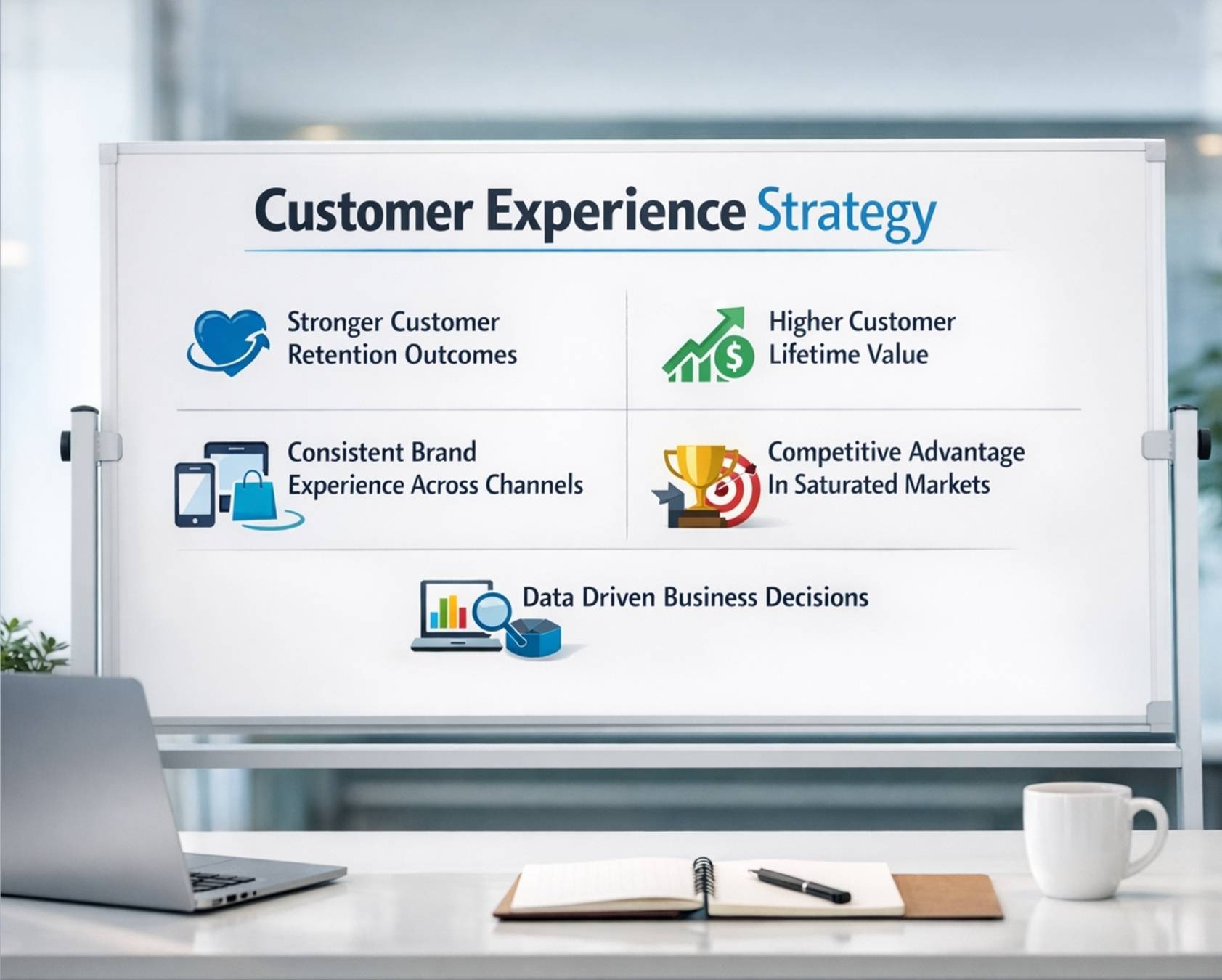
Stronger Customer Retention Outcomes
Keeping existing customers costs significantly less than acquiring new ones. Studies suggest acquiring a new customer can cost five times more than retaining an existing one. Your support team directly influences retention through every ticket they handle, every phone call they answer, and every chat conversation they resolve.
When customers feel valued and heard, they stick around. A single positive customer experience can turn a frustrated user into a loyal customer. On the flip side, research shows that 32% of customers will walk away from a brand they love after just one bad experience. Your customer support team controls many of these critical moments.
Higher Customer Lifetime Value
Customer lifetime value measures the total revenue a customer brings throughout their relationship with your company. Every interaction your support team has either increases or decreases this number. When agents resolve issues quickly and treat customers with empathy, those customers are more likely to upgrade their plans, purchase additional services, and remain customers for years.
Companies that invest in customer experience analytics see clear returns. Personalized interactions and proactive support can increase customer lifetime value by 20% or more. Your support team creates these moments daily through thoughtful responses that address customer needs completely.
Consistent Brand Experience Across Channels
Modern customers interact with your business through multiple channels. They might start on live chat, follow up via email, and later make phone calls. A successful customer experience strategy ensures consistency across all these touchpoints so customers never feel like they are starting over.
When your customer service teams use centralized systems that track past interactions, agents can pick up conversations seamlessly. Customers do not have to repeat their story. This consistency builds trust and shows customers that your company respects their time.
Competitive Advantage In Saturated Markets
In crowded markets, your product features might look similar to competitors. What sets you apart is how you treat customers. A winning customer experience strategy becomes a moat that competitors cannot easily replicate because it relies on your unique customer data, team culture, and accumulated customer insights.
Companies known for exceptional support attract customers through word of mouth. Happier customers become advocates who bring new business without marketing spend. This organic growth from brand loyalty creates sustainable competitive advantage.
Data Driven Business Decisions
A well-executed customer experience strategy generates valuable insights about what customers actually want. Every support ticket, survey response, and chat transcript contains information your product and marketing teams can use. When you systematically collect and analyze customer feedback data, you make better decisions across the entire organization.
Your customer support team sits at the intersection of customer needs and company capabilities. They hear about pain points before product teams see them in usage data. They understand customer preferences through daily conversations. This deep understanding helps the leadership team prioritize improvements that matter most.
Customer Support Vs Customer Experience Key Differences
Many teams use customer support and customer experience interchangeably. They are related but distinct concepts with different scopes, goals, and measurement approaches.
Scope Across The Customer Journey
Customer support focuses on helping customers when they have problems or questions. It typically kicks in after something goes wrong or when customers need guidance on using your product. Support is reactive by nature, responding to incoming requests through tickets, chats, and phone calls.
Customer experience encompasses every interaction a customer has with your brand throughout their entire customer journey. This includes marketing touchpoints, sales conversations, onboarding flows, product usage, billing interactions, and yes, support conversations. CX looks at the complete picture of how customers feel about your company across all customer touchpoint moments.
The distinction matters because solving support tickets well is necessary but not sufficient for great customer experience. You could have the fastest response times in your industry but still lose customers if your product is confusing or your billing process frustrates people.
Reactive Service Versus Strategic Planning
Support teams traditionally work in reactive mode. A customer reaches out with a problem, and the team responds. Success is measured by how quickly and effectively you resolve the issue at hand. This reactive approach handles symptoms as they appear.
Customer experience strategy takes a proactive stance. It involves mapping the entire customer journey map, identifying potential pain points before customers encounter them, and designing experiences that prevent problems from occurring. A successful cx strategy anticipates customer needs rather than just responding to them.
Both approaches are essential. You need excellent reactive support for when issues arise. But you also need strategic planning that reduces the number of issues in the first place. The best support teams balance handling today’s tickets while contributing insights that improve tomorrow’s customer experience.
Short Term Fixes Versus Long Term Loyalty
Support interactions often focus on immediate resolution. The customer has a problem now, and you need to fix it now. This short-term orientation makes sense for individual tickets but can miss the bigger picture of building relationships over time.
Customer experience strategy prioritizes long-term customer loyalty over quick fixes. It asks how each interaction contributes to or detracts from the overall relationship. Sometimes the right answer involves short-term effort, like going above and beyond on a resolution, to build long-term loyalty that increases customer lifetime value.
Operational Metrics Versus Relationship Metrics
Support teams typically track operational metrics like first response time, resolution time, and ticket volume. These numbers help manage workload and ensure service levels. They answer questions about efficiency and capacity.
Customer experience measurement includes relationship metrics like net promoter score, customer satisfaction, and customer effort score. These metrics reveal how customers feel about your company overall, not just individual interactions. They predict future behavior like renewals, referrals, and expansion.
A strong customer experience strategy uses both types of metrics together. Operational metrics ensure you are running efficiently. Relationship metrics ensure that efficiency translates into happy, loyal customers who contribute to business success.
Department Function Versus Company Wide Strategy
Support is typically a department function with clear boundaries. The support team handles incoming requests and escalates what they cannot resolve. Other departments manage their own responsibilities separately.
Customer experience is a company-wide strategy that crosses departmental boundaries. Product, marketing, sales, success, and support all contribute to how customers feel. An effective customer experience strategy requires coordination across these teams with shared goals and mutual accountability.
This difference has practical implications for support leaders. To improve customer experience, you need allies in other departments who share your commitment to customers. You need forums for sharing customer insights with product teams. You need alignment on customer centric values across the organization.
Role Of Customer Support In Shaping Customer Experience
Your support team may not own the entire customer experience, but they influence it more than most departments realize. Every conversation is an opportunity to strengthen or weaken the relationship.
First Contact Impact On Brand Perception
First impressions last. When customers reach out to support for the first time, their experience shapes how they view your entire company. A frustrating first contact can undo months of positive marketing. A helpful first contact can create a customer advocate.
Research suggests that customers who have positive support experiences are 10 times more likely to recommend your product. Your support team creates these impressions daily through tone, speed, and thoroughness. Training agents to recognize the weight of first contacts helps them treat each conversation appropriately.
The way you handle contacting customer support sets expectations for the entire relationship. If customers feel heard and helped quickly, they trust that future issues will be resolved too. If they encounter friction, they start looking for alternatives.
Emotional Influence During Service Interactions
Customer experience is fundamentally emotional. People remember how you made them feel more than the specific details of interactions. Your support team directly shapes these emotions through every conversation.
Empathy, patience, and genuine helpfulness create positive customer experiences that build emotional connections. Frustrated, dismissive, or scripted responses create negative emotions that erode trust. The best support agents understand that they are not just solving technical problems. They are managing emotional experiences.
When customers feel stressed about an issue, a calm and confident response reassures them. When customers feel confused, clear explanations without judgment help them succeed. These emotional moments often matter more than the actual resolution.
Consistency Across Communication Channels
Modern customers expect seamless experiences across multiple channels. They might start a conversation on live chat, continue it via email, and follow up through messaging apps. Each channel switch is an opportunity for friction or for demonstrating that you value their time.
When your customer support team uses systems that unify customer profiles and conversation history, agents can provide consistent service regardless of channel. Customers do not have to explain their situation again. They feel recognized and valued.
Inconsistent experiences across channels frustrate customers and make your company seem disorganized. Consistent experiences build confidence and reduce customer effort score. Investing in multi-channel support infrastructure pays dividends in customer satisfaction.
Customer Feedback Collection And Insights
Your support team collects customer feedback data naturally through every interaction. Customers tell you what works, what frustrates them, and what they wish you would build. This information is invaluable for improving products and experiences.
Effective support teams have systems for capturing and sharing these actionable insights. They tag tickets by issue type, track feature requests, and identify patterns in customer complaints. This customer data informs product roadmaps, documentation improvements, and process changes across the company.
Without systematic feedback collection, valuable customer insights get lost in individual tickets. With good processes, your support team becomes a strategic source of intelligence that guides business decisions.
Service Recovery After Negative Experiences
Things go wrong sometimes. Products have bugs, systems have outages, and people make mistakes. How you handle these failures often matters more than the failures themselves. Customers understand that problems happen. They judge you by your response.
Effective service recovery turns negative experiences into opportunities for building deeper loyalty. Research shows that customers who experience a problem that gets resolved well often become more loyal than customers who never had a problem. This is called the service recovery paradox.
Your support team executes service recovery daily. When they acknowledge issues honestly, apologize sincerely, and resolve problems completely, they transform potential churners into loyal customers. Training for service recovery is essential for any customer experience strategy.
Representation Of Brand Values
Every support interaction is a brand touchpoint. Your agents represent your company’s values in action. Customers learn what your company truly cares about through how support treats them.
If your brand promises transparency, support must communicate openly about issues and timelines. If your brand promises simplicity, support must avoid jargon and complexity. If your brand promises care, support must demonstrate genuine concern for customer success.
This alignment between stated values and support behavior builds or destroys trust. Customers notice the gaps between marketing promises and service reality. Consistent alignment builds brand loyalty that transcends individual products or features.
Customer Experience Lifecycle Explained For Support Teams
Understanding where customers are in their lifecycle helps support teams provide more relevant and effective assistance. Different stages require different approaches.
Awareness And Initial Engagement Stage
Before customers reach out to support, they are forming impressions of your brand through marketing, word of mouth, and online reviews. While support may not directly handle this stage, they influence it through the experiences they create that generate those reviews and referrals.
Support teams can contribute to awareness by ensuring resolved customers leave feeling positive. Asking for reviews after positive interactions amplifies good experiences. Creating help content that ranks in search engines brings potential customers to your brand through educational value.
Onboarding And Early Experience Stage
New customers need the most support attention. They are learning your product, encountering setup challenges, and deciding whether they made the right choice. Support interactions during onboarding disproportionately impact long-term retention.
Data shows that customers who successfully complete onboarding are significantly more likely to renew. Support teams can proactively reach out during this stage rather than waiting for problems. Offering guided setup assistance and checking in after key milestones demonstrates commitment to customer success.
During onboarding, every support interaction should reinforce that the customer made a good decision. Quick responses, patient explanations, and genuine enthusiasm about their goals all contribute to positive early experiences.
Active Usage And Value Realization Stage
Once customers are onboarded, they enter active usage where they hopefully realize value from your product. Support requests during this stage often relate to advanced features, integrations, or optimization. The goal is helping customers get maximum value.
Understanding customer behavior during this stage helps support teams anticipate needs. When you know which features correlate with expansion, you can guide customers toward them. When you identify usage patterns that predict churn, you can intervene proactively.
Support during active usage also means reducing friction in workflows customers use daily. Identifying and resolving common pain points improves the entire customer base experience.
Retention And Relationship Development Stage
As customers approach renewal decisions, support interactions become increasingly important. Unresolved frustrations accumulate and influence renewal likelihood. Support teams need visibility into customer health to prioritize accordingly.
Building personal connections during this stage matters. Customers who feel they have a relationship with your support team are more likely to give you a chance to fix problems rather than churning silently. Named contacts, consistent agents, and remembered context all strengthen relationships.
Renewal conversations often happen in support tickets disguised as other issues. When customers start asking about competitors or expressing frustration about long-standing issues, support needs to recognize these signals and escalate appropriately.
Advocacy And Loyalty Stage
Loyal customers who become advocates are your most valuable segment. They provide referrals, participate in case studies, give product feedback, and defend you in social media channels. Support can cultivate advocacy through exceptional experiences.
Identifying potential advocates through high customer satisfaction scores or enthusiastic feedback helps target cultivation efforts. Inviting these customers to participate in focus groups, beta programs, or reference calls deepens the relationship while providing valuable insights.
When advocates have support issues, treat them as priority. These relationships are worth extra effort because advocates influence many potential customers. Losing an advocate through poor support is more costly than losing an average customer.
How Proactive Customer Support Strategy Prevents Issues
Waiting for problems to arise means you are always playing catch up. Proactive support anticipates issues and addresses them before customers experience frustration.
Predictive Analysis Of Customer Behavior
Modern analytics tools can identify patterns that predict future behavior. Customers who exhibit certain behaviors like decreased login frequency, abandoned workflows, or ignored onboarding steps are more likely to churn or have support issues.
Using customer experience analytics to spot these patterns enables preemptive outreach. Reaching out to at-risk customers before they reach out frustrated changes the dynamic entirely. You are helping rather than apologizing.
Predictive analysis also helps with resource planning. Knowing which product changes or seasons increase ticket volume helps you staff appropriately. Anticipating busy periods prevents the slow responses that damage customer satisfaction.
Early Alerts Before Service Disruptions
When your service experiences issues, customers should hear from you before they notice problems. Proactive communication about outages, degradations, or maintenance builds trust even when things go wrong.
Setting up monitoring that triggers customer communication ensures you are never caught flatfooted. Status pages, in-app notifications, and proactive emails all demonstrate that you are on top of situations. Customers appreciate honesty and visibility.
Early alerts also reduce support ticket volume during incidents. When customers know you are aware and working on issues, they do not need to report them. This lets your team focus on resolution rather than answering repetitive inquiries.
Knowledge Base And Self Service Enablement
A well-maintained knowledge base is proactive support at scale. Every article you publish answers questions before they become tickets. Self service tools empower customers to solve problems immediately rather than waiting for agent availability.
Analyzing support tickets reveals which questions come up repeatedly. These are prime candidates for knowledge base articles. Good documentation anticipates common questions and provides clear, step-by-step answers.
Self service success requires ongoing maintenance. Outdated articles frustrate customers and create more work when they contact support with bad information. Regular audits ensure your knowledge base stays current and accurate.
Monitoring Customer Health Indicators
Customer health scores combine multiple signals into a single view of relationship status. Usage metrics, support history, billing patterns, and engagement data all contribute to understanding how each customer is doing.
When health indicators decline, proactive outreach can address issues before they become irreversible. A customer who stops using key features might need additional training. A customer with increasing ticket volume might need a different support tier.
Health monitoring also identifies expansion opportunities. Customers who are highly engaged and healthy are good candidates for upselling. Your support team can flag these opportunities for sales or success teams.
Preventive Communication During Updates
Product updates and changes can confuse customers even when improvements are positive. Proactive communication prepares customers for changes and reduces the support burden of confused users.
Sending advance notice about upcoming changes gives customers time to prepare. Providing migration guides, training resources, and change documentation shows you considered their needs. Following up after changes to check for issues demonstrates ongoing commitment.
The alternative is fielding angry tickets from customers surprised by changes they did not expect. Proactive communication prevents this frustration while positioning changes as improvements rather than disruptions.
Risk Identification And Timely Outreach
Beyond individual customer health, support teams should watch for systemic risks. Product areas that generate disproportionate complaints, customer segments with higher than average churn, or channels with poor satisfaction all warrant attention.
Identifying these patterns enables targeted improvements. Maybe a particular feature needs better documentation or a particular customer segment needs specialized support. Timely identification allows intervention before small problems become large ones.
Regular review of aggregate support data reveals these risks. Monthly or quarterly analysis of ticket themes, satisfaction by category, and resolution patterns helps leadership team prioritize CX improvements.
How Better Support Systems Reduce Customer Churn
Churn is expensive. Acquiring replacement customers costs significantly more than keeping existing ones. Better support systems directly reduce churn by improving customer experiences at critical moments.
Faster Response Through Structured Workflows
Speed matters in support. Customers who wait too long for responses start looking for alternatives. Structured workflows ensure tickets reach the right agents quickly and nothing falls through the cracks.
Automated routing based on issue type, customer tier, or channel reduces manual triage time. Priority queues ensure urgent issues get immediate attention. SLA management creates accountability for response times across the team.
Research shows that 90% of customers rate immediate response as important when they have support questions. Structured workflows make fast response possible even as volume grows.
Unified Customer History Across Channels
Nothing frustrates customers more than repeating their story. When agents cannot see past interactions, customers feel like strangers despite their history with your company.
Unified systems that aggregate email, chat, social media channels, and phone calls into single customer profiles eliminate this frustration. Agents see complete context before responding. Customers feel recognized and valued.
This unified view also helps identify patterns in individual customer relationships. Recurring issues, escalating frustration, or evolving needs all become visible when history is accessible.
Clear Ticket Tracking And Ownership
Unresolved tickets are churn risks. When customers have open issues that linger without updates, they lose confidence in your ability to help them. Clear ownership ensures someone is responsible for every customer issue.
Good ticketing systems make ownership visible. Agents know what they own and what requires action. Managers see aging tickets before they become problems. Customers can check status without chasing updates.
Ownership also enables accountability. When outcomes are tracked by agent and team, you can identify training needs, process gaps, and performance issues before they impact customer satisfaction.
Reduced Resolution Time In Complex Cases
Some issues require multiple systems, teams, or investigation steps. Without good coordination tools, these complex cases drag on and frustrate customers.
Internal collaboration features let agents bring in specialists without losing ownership. Escalation paths ensure difficult issues reach people who can resolve them. Knowledge sharing helps agents solve similar issues faster next time.
Reducing resolution time in complex cases has outsized impact because these are often the customers most at risk of churning. They have real problems that matter to their work. Resolving them quickly demonstrates your commitment.
Consistent Service Standards Across Teams
Customer experience should not depend on which agent handles the ticket. Consistent service standards ensure every customer receives quality support regardless of who responds.
Canned responses for common scenarios maintain consistency while saving time. Internal guidelines clarify expectations for tone, thoroughness, and follow-up. Quality reviews identify deviations and coaching opportunities.
Consistency also means consistency across time. Whether a customer contacts support Monday morning or Friday evening should not dramatically change their experience. Adequate staffing and coverage planning maintain standards around the clock.
How Customer Support Aligns With Business Goals
Support teams sometimes feel disconnected from broader business strategy. Making explicit connections between support activities and business objectives increases investment in support and motivates teams.
Linking Service Metrics To Revenue Growth
Customer satisfaction scores correlate with revenue outcomes. Higher satisfaction predicts renewals, expansions, and referrals. Making this connection explicit helps justify support investments.
Track how satisfaction trends relate to revenue metrics over time. Share these correlations with finance and leadership. When support can show that improving CSAT by five points correlates with two percent higher retention, you have a business case for improvements.
This linkage also helps prioritize support improvements. Focus on changes that impact satisfaction metrics most directly. Small investments in high-impact areas often yield better returns than large investments scattered widely.
Supporting Customer Retention Objectives
Most businesses have explicit retention targets. Support directly influences whether customers renew by solving problems that might otherwise cause churn.
Connect support metrics to retention dashboards. Show how customers with positive support experiences renew at higher rates. Identify support-related reasons for churn and address them systematically.
When support is seen as a retention driver rather than a cost center, it receives appropriate resources and attention. Reframe support conversations around business impact rather than just operational efficiency.
Providing Insights For Product Improvements
Support teams hear about product issues before anyone else. Bugs, confusing features, missing capabilities, and integration problems all surface in tickets. This customer feedback is invaluable for product teams.
Establish regular channels for sharing support insights with product. Tag tickets by feature area and report on trends. Share direct customer quotes that illustrate pain points. Invite product managers to review ticket samples.
When product improvements reduce support burden, celebrate the connection. This reinforces the value of support insights and encourages continued collaboration.
Strengthening Brand Reputation
Online reviews and word of mouth significantly influence purchasing decisions. Support experiences drive much of this public perception. Exceptional support generates positive reviews while poor support creates damaging complaints.
Monitor online reviews for support-related feedback. Track how support changes impact review sentiment over time. Respond to negative reviews that stem from support issues with appropriate remediation.
Proactively encourage satisfied customers to share their experiences. After positive resolutions, ask customers to leave reviews. This amplifies good experiences and improves overall brand perception.
Enabling Cross Department Collaboration
Customer experience requires coordination across departments. Support interfaces with product, success, sales, marketing, and finance. Strong relationships with these teams improve CX outcomes.
Share support data that helps other departments. Product needs bug reports and feature requests. Sales needs competitive intelligence. Marketing needs customer stories. Being a valuable partner earns support a seat at strategic tables.
Joint initiatives that span departments often have the biggest CX impact. Onboarding improvements might involve product, success, and support together. Churn reduction might require sales, finance, and support coordination.
Contributing To Strategic Planning
Support leaders should participate in strategic planning, not just execute plans others make. Support teams have unique customer perspectives that inform strategy.
Bring customer insights to planning conversations. Share data about what customers struggle with, what they value, and where competitors are winning. These insights shape strategy in customer centric ways.
When support contributes to strategy, the resulting plans account for support implications from the start. This prevents disconnects between strategic ambitions and operational reality.
Goals To Improve Customer Service Performance
Setting specific, measurable goals focuses improvement efforts and enables progress tracking. Here are key areas to target.
Improve First Response Time
First response time measures how quickly customers hear back after submitting requests. Faster responses reduce anxiety and demonstrate attentiveness. Set specific targets based on channel and priority.
For live chat, aim for under one minute. For email, same business day or better. For high priority issues, immediate response regardless of channel. Track performance against these targets and address gaps.
Automation helps achieve response time goals. Auto-acknowledgments confirm receipt immediately. Chatbots can handle simple questions instantly. Routing rules get complex issues to specialists without manual triage delays.
Increase Resolution Efficiency
Resolution time measures the complete journey from first contact to problem solved. Reducing this duration improves customer satisfaction while increasing team capacity.
Identify bottlenecks in resolution workflows. Are tickets waiting for information from customers? Are escalations getting stuck? Are certain issue types taking disproportionately long? Address these specific obstacles.
Knowledge resources help agents resolve issues faster. Internal documentation, past ticket examples, and expert access all reduce investigation time. Investing in agent enablement pays dividends in resolution efficiency.
Raise Customer Satisfaction Scores
Customer satisfaction is the ultimate measure of support quality. Higher scores correlate with retention, expansion, and advocacy. Set specific improvement targets and track progress.
Analyze satisfaction data to identify improvement opportunities. Which issue types have lower scores? Which agents struggle? Which processes frustrate customers? Address these specific problems rather than trying to improve everything at once.
Share satisfaction results with the team regularly. Celebrate improvements and investigate declines. Making satisfaction visible keeps it top of mind for everyone.
Enhance Agent Productivity
Agent productivity determines how much support you can deliver with available resources. More productive agents handle more tickets without sacrificing quality.
Provide tools that reduce repetitive work. Canned responses, automation rules, and intelligent routing all save agent time. Eliminate unnecessary steps in workflows that add effort without adding value.
Training also improves productivity. Agents who understand products deeply resolve issues faster. Agents who know systems well navigate efficiently. Ongoing skill development increases capacity over time.
Strengthen Communication Quality
How agents communicate matters as much as what they communicate. Clear, empathetic, professional communication builds trust and satisfaction.
Define communication standards that reflect brand values. Train agents on tone, structure, and common scenarios. Review sample interactions regularly and provide coaching.
Good communication also means appropriate channel choice. Some issues are better handled by phone calls than chat. Some require visual demonstration. Matching communication approach to situation improves outcomes.
How Customer Support Builds Long Term Customer Trust
Trust develops over time through consistent positive experiences. Support teams build or erode trust with every interaction.
Reliable And Consistent Service Delivery
Reliability means customers can count on you. When they reach out, they get consistent quality regardless of time, channel, or agent. This predictability builds confidence.
Achieve reliability through standardized processes, adequate staffing, and quality monitoring. Eliminate surprises that undermine trust. When customers know what to expect and you deliver it consistently, trust grows.
Reliability also means following through on commitments. If you promise an update by end of day, deliver it. If you say you will escalate an issue, do it. Broken promises destroy trust faster than anything else.
Transparent Communication Practices
Transparency means being honest even when the truth is uncomfortable. Acknowledge mistakes openly. Share timelines even when uncertain. Explain limitations rather than hiding them.
Customers respect transparency because it shows you treat them as partners rather than adversaries. When you admit a bug and share your fix timeline, customers understand. When you hide problems, they discover them anyway and trust you less.
Transparency also extends to business practices. Be clear about pricing, terms, and policies. Avoid hidden fees or confusing conditions. Straightforward dealing builds long-term relationships.
Clear Accountability In Issue Handling
When customers have problems, they want to know someone is responsible for fixing them. Clear accountability reassures customers that their issues will not fall through cracks.
Assign explicit ownership for every customer issue. Provide ticket numbers and reference points. Give customers a person they can contact if needed. This accountability demonstrates commitment to resolution.
Accountability also means accepting responsibility when things go wrong. Do not blame customers for your failures. Own mistakes, apologize sincerely, and focus on solutions. This ownership builds respect.
Personalized Customer Interactions
Generic interactions feel transactional. Personalized interactions feel like relationships. Recognizing individual customers, their history, and their individual preferences builds connection.
Use customer profiles and crm systems to inform interactions. Reference past purchases or past interactions naturally. Remember preferences and accommodate them. This personal touch shows customers they matter as individuals.
Personalization does not require extensive effort. Small touches like using names, acknowledging history, or remembering context make significant differences in how customers feel.
Follow Up After Resolution
Most support interactions end at resolution. Following up afterward distinguishes exceptional support. Checking that solutions worked and customers are satisfied shows ongoing commitment.
Simple follow-up messages asking whether issues stayed resolved cost little but mean much. Customers feel cared for beyond the immediate transaction. This extra step builds loyalty.
Follow-up also catches incomplete resolutions before they become repeat contacts. If a solution did not work, you learn quickly and can address it. This proactive approach prevents escalating frustration.
Honest Expectation Setting
Trust requires honest expectations. Promising what you cannot deliver destroys trust when customers learn the truth. Setting realistic expectations and meeting them builds confidence.
Be honest about timelines, capabilities, and limitations. Underpromise and overdeliver rather than the reverse. When circumstances change, communicate immediately rather than hoping customers will not notice.
Honest expectation setting extends to what support can and cannot do. If an issue requires product changes, say so. If resolution will take time, explain why. Customers appreciate honesty even when the news is not what they hoped.
Metrics That Strengthen Customer Experience Strategy
Measuring the right things helps you improve the right things. These metrics provide visibility into customer experience health.
Customer Satisfaction Score
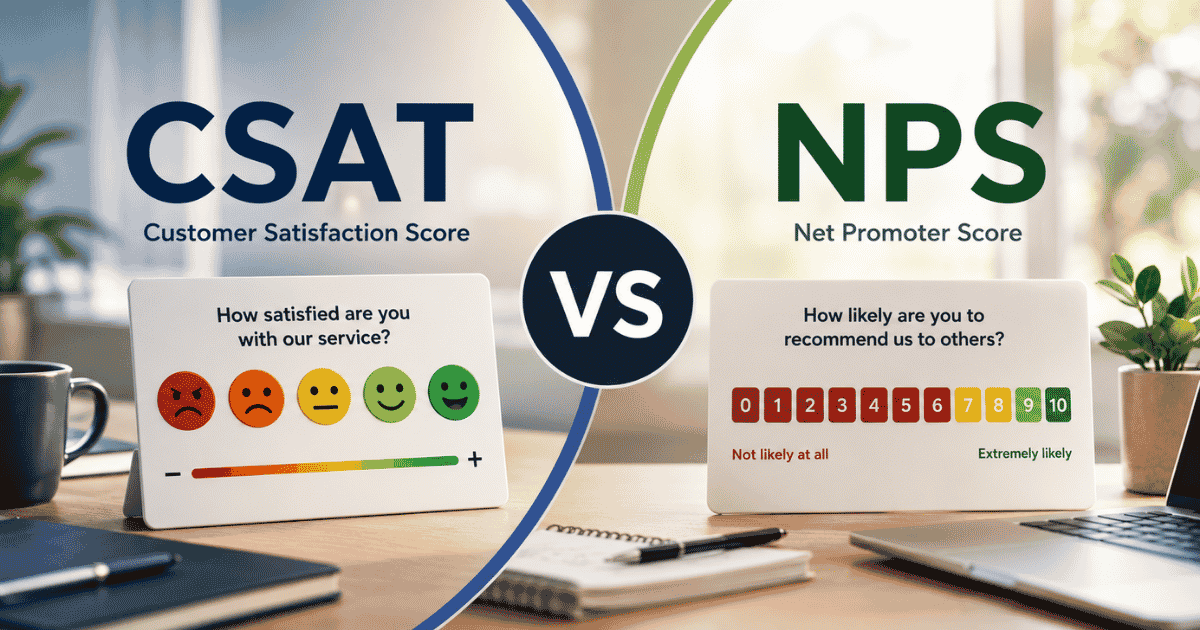
Customer satisfaction score measures how customers feel about specific interactions. Post-ticket surveys asking how the experience went provide direct feedback on support quality.
Track CSAT trends over time and by category. Investigate declines to understand causes. Celebrate improvements to reinforce good behaviors. Make satisfaction scores visible to the team regularly.
CSAT is actionable because it connects to specific interactions. When scores drop for certain issue types or agents, you know where to focus improvement efforts.
Net Promoter Score
Net promoter score measures overall relationship health by asking how likely customers are to recommend your company. It provides a broader view than individual interaction ratings.
Survey customers periodically rather than after every interaction. Segment results by customer type, tenure, or other relevant factors. Track changes over quarters and years to see trend direction.
NPS predicts future behavior better than satisfaction scores because it reflects accumulated experience rather than single moments. Low NPS signals retention risk even when individual interactions score well.
First Response Time
First response time measures the gap between customer contact and initial reply. This operational metric directly impacts customer experience because waiting frustrates people.
Set targets by channel based on customer expectations. Chat should be immediate. Email should be same day. Track performance against targets and address gaps through staffing or process changes.
First response time is controllable through automation and workflow improvements. It provides a clear target for operational efficiency.
Resolution Time
Resolution time measures the complete duration from first contact to problem solved. This matters more than response time because customers ultimately care about solutions.
Track resolution time by issue complexity and type. Simple questions should resolve quickly. Complex problems need more time. Understanding these patterns helps set appropriate expectations and identify bottlenecks.
Reducing resolution time improves customer satisfaction while increasing team capacity. Faster resolutions mean happier customers and more capacity for additional tickets.
Customer Effort Score
Customer effort score measures how easy customers find it to get help. High effort experiences frustrate customers even when problems eventually resolve. Low effort experiences build loyalty.
Ask customers how easy their experience was rather than just whether they are satisfied. Investigate high effort scenarios to understand what made them difficult. Reduce friction in common journeys.
Effort reduction often provides bigger returns than satisfaction improvement. Customers value their time. Making support easier demonstrates respect for that value.
How EasyDesk Strengthens Customer Experience Strategy
Building a strong customer experience strategy requires tools that support your team’s best intentions. EasyDesk provides the operational foundation that makes strategy execution possible.
With centralized multi-channel support, your team sees complete customer history across email, chat, and social media in one place. Customers never repeat themselves because agents have full context. Automated workflows and SLA management ensure nothing falls through cracks while maintaining consistent response standards.
The built-in knowledge base enables self service that deflects routine questions while empowering customers to succeed independently. Feedback tracking and reporting provide the customer insights needed for continuous improvement. Mobile apps keep agents connected even outside the office.
For teams ready to align their support operations with customer experience goals, EasyDesk offers a 14-day free trial. Start centralizing channels, setting SLAs, and building your knowledge base within the first few weeks.
FAQs
How Does Customer Support Influence Customer Experience
Customer support shapes customer experience through every interaction. Support handles critical moments when customers need help, and these moments disproportionately influence overall perception. Research shows customers who have positive support experiences are significantly more likely to recommend products and renew subscriptions.
Why Does Proactive Customer Support Matter
Proactive support prevents issues before customers encounter them. This reduces frustration, decreases ticket volume, and demonstrates commitment to customer success. Companies that communicate proactively about issues, maintain knowledge bases, and monitor customer health indicators see better retention outcomes.
How Can Support Teams Reduce Customer Churn
Support teams reduce churn by resolving issues quickly, providing consistent quality across channels, and identifying at-risk customers early. Unified customer history prevents repetition frustration. Clear ticket ownership ensures accountability. Structured workflows maintain speed without sacrificing quality.
What Metrics Measure Customer Experience Performance
Key metrics include customer satisfaction score for individual interaction quality, net promoter score for overall relationship health, customer effort score for ease of getting help, and operational metrics like first response time and resolution time. Together these provide a complete view of CX performance.
How Does Customer Experience Lifecycle Impact Retention
Different lifecycle stages have different needs and sensitivities. Onboarding experiences disproportionately impact long-term retention because they shape initial perceptions. Active usage support helps customers realize value. Renewal stage interactions directly influence whether customers continue the relationship.
How Can Businesses Build Long Term Customer Trust
Trust builds through reliable service delivery, transparent communication, clear accountability, and honest expectation setting. Following up after resolutions shows ongoing commitment. Personalized interactions demonstrate that customers matter as individuals rather than ticket numbers.