Every IT team knows the frustration of managing support requests through scattered email threads and chat messages. When an employee reports a VPN failure or needs a password reset, that request can easily get lost in a crowded inbox. An IT support ticketing system solves this problem by turning every request into a structured, trackable record with a unique ID, assigned owner, and clear resolution path.
In 2026, internal IT teams rely on these systems to manage hybrid workforces and cloud-heavy environments where ad hoc support simply cannot keep pace. Password resets alone account for roughly 40 percent of all IT tickets, alongside software access requests and connectivity issues. The typical users of these systems include the IT team members resolving issues, managers tracking performance metrics, and end users who want quick, reliable help without chasing updates.
This article covers what an IT ticketing system is, its key features, the benefits it delivers, best practices for effective ticket management, implementation steps, and how EasyDesk supports IT support ticketing success.
What Is A Ticketing System For IT Support
An IT support ticketing system is a centralized hub for managing IT support requests, allowing organizations to track and resolve issues efficiently. This specialized software records, organizes, and manages technical issues and service requests through discrete records called tickets. You may hear it referred to as an IT ticketing system, help desk ticketing system, or desk ticketing system, and it typically powers an internal IT help desk or service desk.
Each ticket holds essential data including the requester identity, issue category, priority level, SLA due date, assigned agent, and full communication history. This structured approach ensures nothing falls through the cracks, unlike email threads where context fragments across multiple messages. Modern IT ticketing systems support omnichannel communication, allowing users to submit requests through various channels such as email, chat, and self-service portals, which enhances overall communication efficiency.
These systems often include built in automation for routing tickets based on keywords or categories, self service portals where users can submit and track their own requests, and integrations with monitoring or collaboration tools. IT ticketing systems help streamline the process of addressing IT issues, improving response times and reducing downtime for organizations of all sizes.
Key Features Of A Modern IT Support Ticketing System
This section covers the essential capabilities that any serious IT ticketing system should provide in 2026. Top IT-focused ticketing systems often include capabilities for sophisticated workflow automation and deep integration with existing infrastructure. The following seven feature groups represent what modern support teams need to deliver consistent, high-quality service.
Centralized Ticket Capture Across Channels
A help desk ticketing system should collect support tickets from email, web forms, chat, and monitoring alerts into a single unified queue. Modern IT ticketing systems support omnichannel integration, allowing requests to be captured from multiple communication channels, ensuring a seamless workflow and improved user experience. This unified inbox prevents missed issues and gives the IT team one place to work instead of juggling separate mailboxes.
Integration capabilities in IT ticketing systems enable automatic ticket creation from various sources, such as emails and chat applications, improving efficiency in incident management. For example, when a server monitoring tool detects an outage, it can automatically create a ticket with full technical details, assign it to the network queue, and notify the responsible technician. All communication with the end user stays attached to the same ticket, preserving full context throughout the resolution process.
Configurable Ticket Fields, Categorization, And Prioritization
Effective ticket management requires customizable fields such as category, impact, urgency, department, and asset. Using an IT ticketing system allows organizations to categorize and prioritize tickets, ensuring that urgent issues are addressed promptly and effectively. Rules can automatically assign priorities based on business impact, distinguishing between production system outages that affect hundreds of users and single user issues that can wait.
A practical category structure for 2026 environments might include SaaS access requests, network issues, hardware problems, security incidents, and remote work tools. The ability to link tickets to specific hardware or software assets aids in tracking repair history and managing recurring issues. Correct configuration at this stage sets the foundation for accurate reporting and performance tracking later.
Automation Rules And Workflow Management
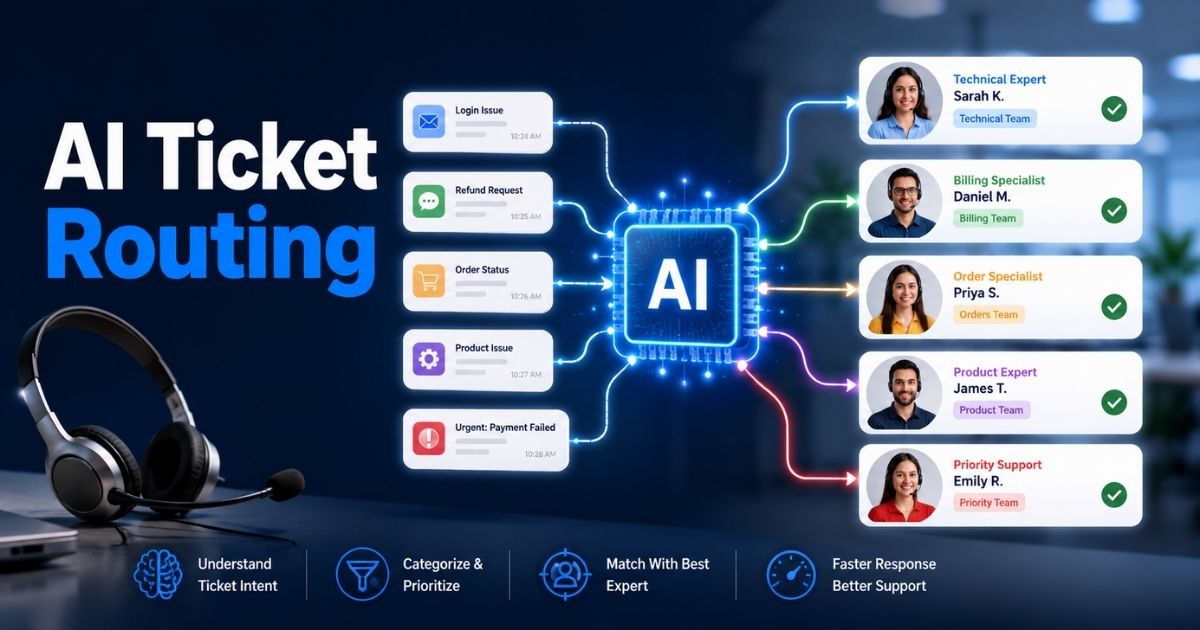
Smart automation handles repetitive work such as ticket assignment, status changes, and notifications, helping teams save time on routine tasks. Automation in IT support can significantly reduce response times by automatically categorizing and prioritizing tickets, allowing IT teams to address issues more efficiently. When tickets are automatically assigned based on category or workload, the help desk team can focus on actually solving problems rather than triaging.
AI-powered automation in IT ticketing systems can handle routine tasks such as ticket routing and categorization, freeing up IT staff to focus on more complex issues. Escalation workflows automatically reassign or flag tickets when SLAs are at risk, maintaining strong response times. Ticketing systems should offer customizable workflows to accommodate specific IT service management processes, and modern platforms let non-technical admins configure these automation rules without development skills.
Implementing automation in IT support processes can lead to a decrease in ticket resolution time, with some organizations reporting improvements of up to 35 percent in efficiency.
Self Service Portal And Knowledge Base
A branded self service portal lets end users submit IT tickets, track progress, and access troubleshooting guides without contacting support directly. Comprehensive self-service portals reduce incoming ticket volume by allowing users to resolve common issues independently. For common issues like password resets or VPN configuration, users can often find answers without creating a new ticket at all.
Integrating a knowledge base within IT support systems enhances communication by providing agents and end users with easy access to information, which can help resolve issues faster and reduce repetitive inquiries. A well-structured article on “VPN not working from home” can walk users through connection checks, client version verification, and certificate renewal before they escalate. Knowledge content should be connected directly to related ticket categories, with relevant articles suggested automatically when users begin typing their issue description.
Service Level Management And Metrics
Robust Service Level Agreement management is critical for tracking incident handling within agreed-upon timeframes. IT teams set SLAs for different ticket types, such as responding to critical P1 incidents within 15 minutes and resolving within 4 hours, while standard requests might have longer windows. The ticketing software tracks these SLAs automatically and alerts agents when deadlines approach.
SLA data reveals bottlenecks in your support operation. If hardware requests consistently breach their targets during Q3, that signals a need to review vendor relationships or staffing levels. Clear service levels improve transparency for both IT managers and business stakeholders, and publishing these targets helps employees understand what to expect when they submit support requests.
Reporting, Dashboards, And Continuous Improvement
Reporting dashboards are critical for tracking performance metrics like mean time to resolution and agent capacity. Built in reports show ticket volume, average response time, resolution times, and customer satisfaction scores over specific periods. Team leads can view dashboards showing open tickets by technician, backlog trends, and which categories generate the most incidents.
These reporting capabilities support data-driven decisions. A three-month trend report showing steadily increasing ticket volume might justify adding another agent to the desk team. AI-powered insights can summarize ticket histories and perform root cause analysis for outages, turning raw data into actionable intelligence. Exporting data for quarterly IT reviews or audits becomes straightforward when all information lives in one system.
Integrations With IT And Business Tools
Deep integration with existing IT infrastructure is necessary for seamless operation of ticketing systems. A modern IT ticketing system should connect with tools like Microsoft 365, Slack or Teams, network monitoring platforms, and asset management systems. IT ticketing systems can integrate with various ITSM tools to enhance functionality and streamline processes, allowing for better data collection and reporting capabilities.
Some organizations integrate with Jira Service Management or project tools to link incidents with development work. When a recurring incident reveals a deeper software problem, converting that ticket into a tracked development task ensures root cause analysis happens. These integrations keep information flowing across teams without duplicate data entry, creating a connected ecosystem that supports service management across the entire organization.
Benefits Of Using An IT Support Ticketing System
The features described above translate into tangible business outcomes, especially when delivered through a comprehensive customer support platform. Benefits apply to both internal IT support and customer facing technical support teams, though the specific impacts vary by organization size and complexity. The following sections focus on efficiency gains, improved user experience, cost savings, and risk reduction.
Stronger Visibility And Control For IT Teams
A centralized view of all IT tickets stops requests from being lost in personal inboxes or scattered chat threads. Clear documentation is essential when managing IT tickets, ensuring every ticket is properly categorized and sent to the appropriate team for timely responses. Managers can use dashboards to see which agents are overloaded, which service areas generate the most incidents, and where staffing adjustments might help.
This visibility supports better strategic planning and capacity management. During weekly standups, the team can review open major incidents, pending change-related tickets, and resource allocation. Without structured ticketing, these conversations rely on memory and informal notes rather than accurate data about what the team actually handles.
Improved End User Experience And Satisfaction
Predictable response times, regular status updates, and clear ticket ownership build trust with employees across the organization. Users can log into the service portal to track their ticket instead of sending follow-up emails asking for updates. This transparency reduces frustration and helps employees plan around expected resolution times.
Integrating a knowledge base into your ticket management system provides customers and employees with a reference for necessary information, improving the efficiency of ticket resolution. Post-resolution surveys capture customer satisfaction scores after each closed ticket, providing feedback that helps the support team continuously improve. Easier communication channels often reduce informal walk-ups that disrupt focused work on complex problems.
Reduced Downtime And Faster Incident Resolution
Consistent workflows and automation reduce the time between issue detection and resolution. When monitoring tools automatically create tickets for server outages, the IT team can respond before many users notice a problem. This proactive approach protects productivity and prevents small issues from becoming major incidents.
Linking recurring issues to a single problem ticket helps IT address root causes rather than repeatedly fixing symptoms. If the same VPN error appears twenty times in a month, treating it as a pattern rather than twenty separate incidents leads to permanent solutions. Less downtime directly supports productivity and revenue protection across the business.
Operational Efficiency And Cost Savings
Automation of low value tasks like routing and status updates, as part of a smart helpdesk setup, lets agents focus on issues requiring technical expertise. Self-service options and knowledge bases reduce ticket volume, lowering the cost per resolved issue. One mid-sized company reported cutting manual effort on password resets by 40 percent within six months of implementing a proper ticket management system.
Key features like AI-powered routing, SLA management, and reporting analytics help teams do more with existing resources. Accurate data supports budgeting decisions and helps justify investment in additional tools or headcount when the numbers clearly show the need.
Compliance, Security, And Audit Readiness
Regulated industries benefit from a complete history of who did what and when for every IT ticket. Two-factor authentication and role-based permissions are crucial for implementing robust access controls in ticketing systems, ensuring only authorized agents can view or modify certain ticket types like security incidents.
Ticket records demonstrate timely response to incidents during audits. If a phishing attempt required containment within two hours, the ticket history proves exactly when the team was notified and what actions they took. Structured processes reduce the risk of ad hoc fixes that might bypass security policies or compliance requirements.
Best Practices For Managing IT Tickets Effectively
Tools alone do not guarantee results, even when you use a dedicated ticket management platform. Strong processes and consistent habits are required to get full value from any desk system. The following guidance covers classification, SLAs, communication, knowledge management, and continuous improvement of support workflows and ticket organization.
Define Clear Ticket Categories, Priorities, And Ownership
Create a simple but comprehensive category structure with clear examples for agents and end users. Effective ticketing systems for IT support are categorized by team size and focus on external customer service or internal IT Service Management. Mapping priority levels to business impact and urgency helps agents make informed decisions quickly.
Every ticket must have a named owner, even when multiple teams are involved. Document who owns each category or queue, and review categories annually to reflect new tools or services adopted since the previous year. A category tree that worked well in 2024 might need updates to cover new SaaS applications or security tools deployed since then.
Establish Practical SLAs And Monitor Performance
Set realistic SLAs that differentiate between critical incidents, standard incidents, service requests, and minor tasks, and support them with the best ticket management system. Publishing these targets helps business users understand what to expect and reduces frustration when resolution takes longer than hoped. Monthly SLA reviews identify recurring breaches and inform decisions about process or staffing changes.
Use SLA performance data in quarterly reports to leadership. When the data shows consistent achievement of targets, it demonstrates the value of IT support. When targets are missed, the data helps identify specific bottlenecks rather than general complaints about slow service quality.
Standardize Communication And Ticket Updates
Define rules for how often agents should update tickets, especially for high priority issues. Use templates or macros for frequent responses like “we are investigating” or “awaiting user feedback” to maintain consistent tone across the help desk team. Internal notes matter as much as external comments, especially when tickets move between teams.
Clear communication is essential to keeping your organization efficient, as it allows team members to collaborate effectively to identify and resolve IT-related issues. Avoid technical jargon when communicating with non-technical end users. A message explaining that the “RADIUS server authentication timeout” caused their login failure means nothing to most employees.
Use Knowledge Management To Reduce Repeat Work
Document solutions for recurring issues and link those articles directly to relevant ticket categories. Agents should create or update knowledge items as part of closing tickets, capturing solutions while the details are fresh. Track which articles are most referenced in tickets and which ones have become outdated.
Schedule periodic content reviews, perhaps quarterly, to keep the knowledge base accurate. An article describing a VPN client from 2023 will not help users troubleshoot the current version. Regular updates ensure the knowledge base remains a valuable resource rather than a graveyard of outdated information.
Leverage Automation Carefully And Review Rules Regularly
Start with simple automation rules like auto assignment, tagging, and notifications before moving to complex workflows. Review automation logs at least quarterly to confirm rules still work correctly as services and teams evolve. A rule that worked perfectly six months ago might confuse an organizational restructuring.
Avoid over-automation that hides important context or creates confusing ticket status changes. Involve frontline agents in designing and refining rules since they see real-world impacts every day. Their feedback prevents well-intentioned automation from making their jobs harder.
Align IT Ticketing With Broader ITSM And Business Goals
Ticketing should connect with larger IT service management practices like change, asset management, and problem management. Continuous improvement of support workflows and ticket organization is crucial for empowering IT teams and enhancing overall service delivery. Map tickets that lead to changes or projects so leadership sees the link between daily support and strategic initiatives.
KPIs like mean time to resolution, incident recurrence, and satisfaction should tie to business priorities like uptime and employee experience. Use ticketing data during annual planning to prioritize improvements for the coming year, whether that means better automation, additional staffing, or new integrations.
Steps To Implement An IT Support Ticketing System
This roadmap guides organizations from initial assessment to successful rollout. The steps apply whether teams are moving from shared email, spreadsheets, or a legacy ticketing platform. Planning, configuration, migration, training, and continuous improvement each play essential roles in adoption success.
Assess Current IT Support Workflows And Requirements
Document how tickets are handled today, including channels used, typical volumes, and common issues, especially if you currently rely on emails that should become trackable tickets. Interview both IT agents and end users to understand pain points like missing tickets or slow response times. This assessment reveals what works well and what needs to change.
Define must-have requirements such as integrations with other solutions, reporting needs, and security controls before evaluating tools. Estimate expected growth in tickets over the next 12 to 24 months to ensure the chosen system can scale with your business. Starting with clear requirements prevents costly mid-implementation changes.
Design Ticket Structures, SLAs, And Workflows
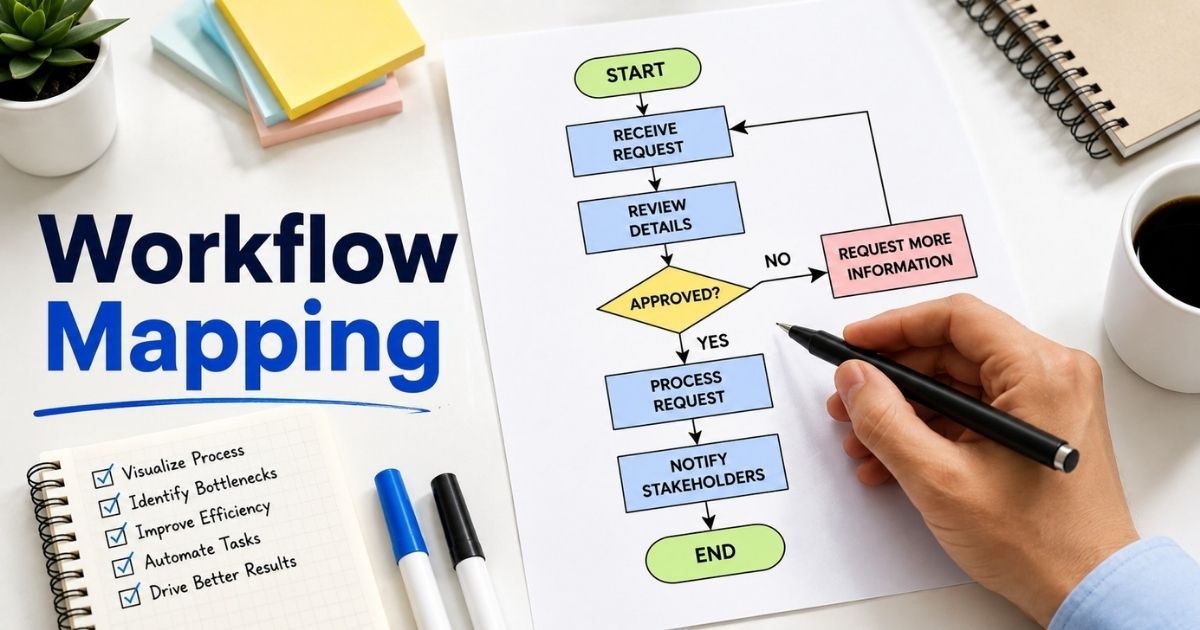
Outline categories, priorities, and ownership models before configuring anything in the system. Draft SLAs for core ticket types and map escalation flows on a simple diagram that stakeholders can review. Decide which requests should be handled via self service forms and which require manual triage.
This design phase is the best time to simplify overly complex or outdated processes. A new ticketing system offers a fresh start, so take advantage of it rather than replicating inefficient workflows from the past.
Configure The Help Desk Ticketing System
Set up user roles, groups, ticket forms, fields, and initial automation rules in a test environment first. Configure email channels, portals, and required integrations like collaboration tools or monitoring systems when setting up your IT help desk software. Test typical scenarios end to end, including incident creation, routing, escalation, and closure.
Involve a small pilot group of agents to validate usability before full rollout. Their feedback identifies confusing interfaces, missing fields, or automation rules that do not work as expected. Fixing issues during pilot is far easier than addressing them after everyone has started using the system.
Plan Data Migration And Go Live Strategy
Consider options for migrating historical tickets. Importing only the last 6 to 12 months keeps the new system cleaner while preserving recent context. Schedule go live during a lower-volume period, perhaps a weekend or quiet week, to reduce disruption and give the team time to adjust.
Running old and new systems in parallel briefly may be necessary, but set clear cut-off dates to prevent confusion. Create a communication plan that informs all employees where and how to submit IT tickets from the launch date forward. Clear messaging reduces the “where do I go now?” questions that flood IT during any transition.
Train Agents And Educate End Users
Provide hands-on training sessions for IT staff covering ticket handling, collaboration features, and reports relevant to their roles. Create simple guides or short videos showing employees how to use the new portal and track progress on their requests. Managed service providers often offer training resources that can supplement internal materials.
Appoint a few internal champions who can help colleagues with questions during the first weeks. Collect feedback during the initial month to quickly address usability issues or missing fields. Early feedback shapes refinements that improve adoption across the organization.
Customer support teams can prioritize tickets, communicate directly with users, and track recurring issues through built-in workflows that improve response management and operational visibility, while support plans are often billed annually for long-term service efficiency.
Measure Performance And Iterate Continuously
After going live, monitor key metrics like average response time, resolution times, and backlog size to ensure your ticket automation setup is delivering the expected results. Compare these numbers to baselines from before implementation to quantify improvements. Most organizations see better visibility and faster responses within the first one to two months.
Schedule monthly review meetings to refine categories, automation rules, and SLAs based on real data. Survey users a few weeks after launch to measure satisfaction and identify areas for improvement. Continuous iteration turns the ticketing system into a long-term asset that evolves with your organization rather than a static tool that grows outdated.
How EasyDesk Supports IT Support Ticketing Success
EasyDesk delivers the capabilities and best practices described throughout this article in one streamlined platform. The system centralizes incoming tickets from email, chat, and web forms into a single IT ticketing workspace with built-in automation that routes the right tickets to the right agents. Teams can configure ticket forms, SLA tracking, and dashboards tailored for their specific service management processes without writing code.
The platform includes a fully customizable self-service portal where end users can submit requests, track their ticket status, and access knowledge base articles. Automation rules handle repetitive tasks like ticket assignment and status notifications, while reporting capabilities provide visibility into response times, resolution times, and team performance. EasyDesk integrates with popular business tools to keep information flowing without duplicate effort.
For organizations seeking to resolve issues faster and deliver consistent service quality, EasyDesk offers fast setup and flexible configuration. The help desk ticketing system is designed for modern IT teams managing hybrid workforces and diverse technology environments. Contact the EasyDesk team to explore a demo or start a trial and see how the platform can sharpen your response times and elevate support across your organization.
FAQs
How Is An IT Support Ticketing System Different From A Simple Shared Support Inbox
A shared inbox lacks structured fields, SLAs, reporting, and clear ownership, making it difficult to track or prioritize tickets effectively. A ticketing system records every interaction as a ticket with status, history, and automation capabilities, preventing issues from being overlooked. Managers gain clear visibility into workloads and performance through dashboards and reports, which simply is not possible with standard email alone. The structure ensures accountability and creates an auditable record of every support interaction.
Can Small IT Teams Benefit From A Ticketing System Or Is It Only For Large Enterprises
Even teams of two or three technicians gain value from better organization, faster triage, and a searchable history of past fixes. Modern cloud systems scale down easily with flexible monthly billing options, letting small teams start with basic features and add capabilities over time. Having structure early prevents the chaos that inevitably develops as the company and ticket volume grow in future years. Small teams often see proportionally larger efficiency gains because every minute saved matters more when resources are limited.
How Do IT Teams Handle Requests That Involve Multiple Departments
Tickets can be assigned between groups like IT, HR, and Facilities while maintaining a single source of truth for the request. Internal notes and watchers allow each department to see relevant updates without sending confusing messages to the requester. Some ticketing systems work with linked tickets or subtasks for complex, multi-step requests such as onboarding a new employee who needs equipment, software access, and building credentials. This approach keeps communication organized while ensuring nothing falls through the cracks when multiple teams collaborate.
What Security Considerations Should We Check Before Choosing A Ticketing System
Verify that the system provides data encryption both in transit and at rest, along with role-based access controls that limit who can view sensitive tickets. Regional data hosting options matter for organizations with compliance requirements around where customer or employee data resides. Look for audit logs that record who viewed or changed tickets, especially for security incidents where accountability matters. Review the vendor’s certifications, such as SOC2 or ISO27001, and understand their incident response processes before trusting them with your support data.
How Long Does It Usually Take To See Measurable Improvements After Implementation
Most organizations begin seeing better visibility and faster responses within the first one to two months after implementation. Deeper gains like reduced incident recurrence, more accurate forecasting, and meaningful cost savings typically appear over three to six months as the team refines processes and builds a useful knowledge base. The speed of improvement depends heavily on how quickly teams adopt the new workflows and maintain consistent data quality in their ticketing process. Organizations that invest in training and enforce process discipline see results faster than those who deploy the tool but allow old habits to persist.