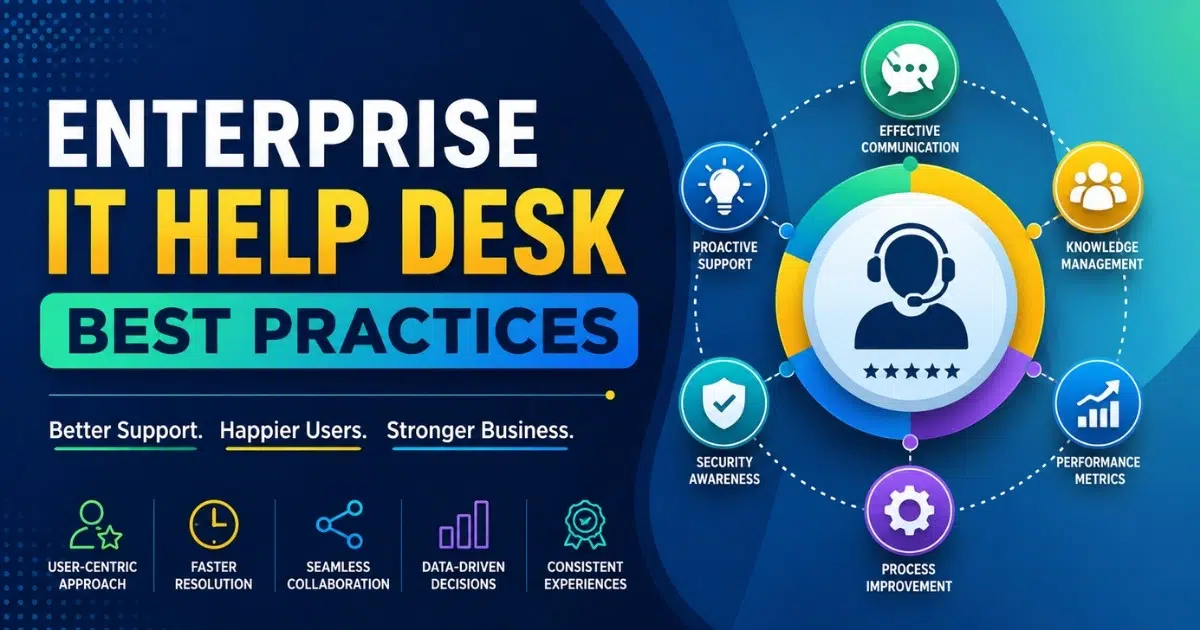
Fast-growing companies face a unique challenge: keeping employees productive while IT environments become more complex. New hires, expanding software stacks, remote teams, and rising support requests can quickly overwhelm traditional support models. That is where an enterprise IT help desk becomes essential. More than a ticketing system, it acts as the foundation for efficient service management.
Modern organizations rely on enterprise service desk capabilities, asset management tools, and automation to streamline operations and reduce manual work. The right service desk software helps teams manage incidents, track assets, and improve response times across the organization. At the same time, self-service portals empower employees to resolve common issues without waiting for assistance.
As businesses grow, investing in a scalable IT service desk ensures support remains fast, reliable, and aligned with long-term business goals. Enterprise help desks have increasingly evolved into broader service management platforms that support automation, self-service, and cross-functional workflows across the business.
What Is Enterprise IT Help Desk?
An enterprise IT help desk is a centralized platform that helps organizations manage IT support, service requests, incidents, and employee issues across the business. Unlike traditional support systems that focus only on troubleshooting, an enterprise IT help desk supports broader service management functions such as workflow automation, asset management, and knowledge sharing.
It often follows frameworks like the Information Technology Infrastructure Library (ITIL) to standardize processes and improve service delivery. Modern enterprise help desk software also includes self service portals that allow employees to submit requests, track tickets, and find solutions on their own.
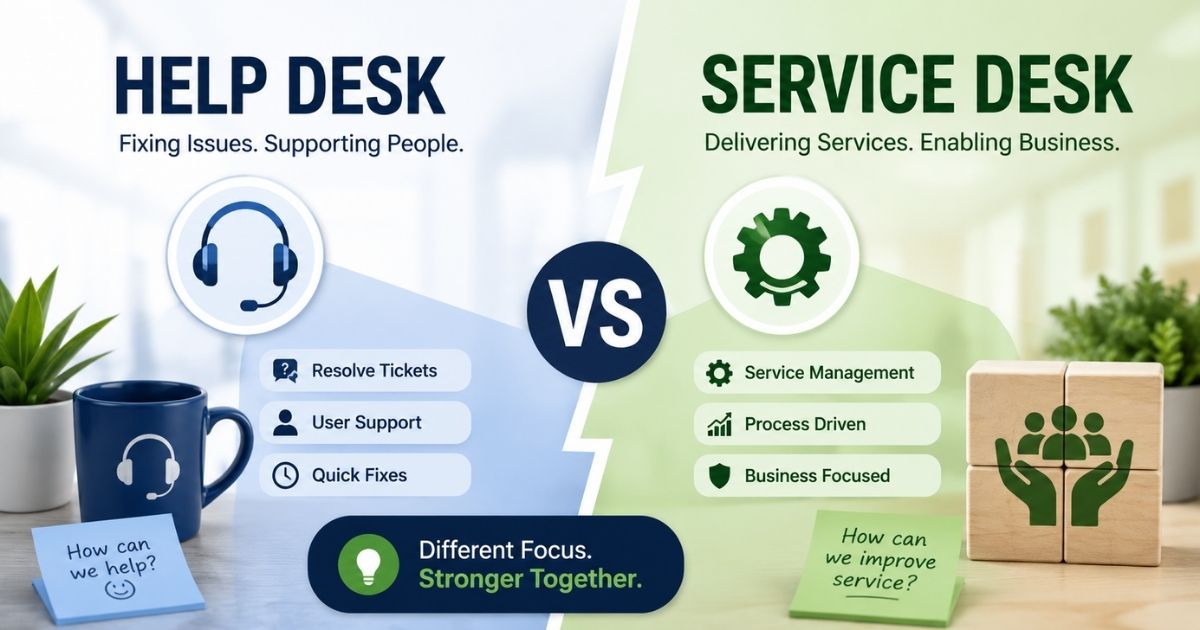
This enables the IT team to work more efficiently while delivering consistent support as the organization grows. A service desk serves as the single point of contact for IT services within IT service management practices.
Why Companies Need an Enterprise IT Help Desk
As companies grow, IT challenges become more difficult to manage. New employees, expanding software stacks, and distributed teams often lead to higher ticket volume and increased pressure on support operations. Without a structured approach, service requests can pile up, slowing productivity and affecting customer satisfaction. An enterprise IT help desk helps organizations scale support efficiently by centralizing incident management, automating workflows, and improving service delivery across departments.
Modern service desk management goes beyond resolving technical issues. It provides advanced service desk capabilities such as asset tracking, self-service, and analytics that support long-term growth. Enterprise service desk work also enables IT service providers and internal teams to deliver consistent experiences while maintaining operational efficiency.
By following proven best practices, businesses can build scalable systems that support growth without overwhelming the IT infrastructure. Service desks are considered the central point of contact in IT service management and play a critical role in handling incidents and service requests efficiently.
10 Enterprise IT Help Desk Best Practices For Sustainable Growth
Rapid growth can quickly overwhelm IT teams if support processes fail to scale. An enterprise IT help desk helps businesses maintain efficiency, improve employee experiences, and deliver reliable support. Following proven best practices ensures long-term success and smoother operations.
1. Centralize All Support Requests
As organizations grow, employees submit requests through email, chat apps, phone calls, and internal portals. Managing multiple channels separately often creates confusion, delays responses, and increases the risk of missed requests. A modern service desk solves this problem by bringing every request into a single platform.
Centralization improves visibility for the support team and enables more efficient ticket management. Instead of switching between systems, agents can track, prioritize, and resolve issues from one dashboard. Many help desk software solutions also route requests automatically to the right teams, reducing manual work.
Since multiple departments often depend on IT support, a unified system helps maintain consistency across the organization. An effective service desk with structured ticket creation and management ensures that no request slips through the cracks while improving response times and overall support operations.
2. Define Clear Service Level Agreements
Not every issue requires the same level of urgency. A system outage affecting hundreds of employees demands immediate attention, while a software installation request may wait longer. Service Level Agreements (SLAs) establish clear response and resolution targets based on priority.
Clear SLAs help service desks monitor performance and maintain accountability. They also give employees realistic expectations about when their issues will be resolved. For the support team, SLA management software with defined targets improves workload management and resource allocation.
Strong SLA policies are especially important for technical support environments where delays can disrupt business operations. Understanding what SLAs are and why they matter for service success helps an effective service desk use SLAs to improve service request fulfillment and deliver reliable experiences as the organization scales.
3. Automate Repetitive IT Tasks
As businesses expand, repetitive tasks can consume valuable IT resources. Password resets, access approvals, account creation, and software provisioning are common examples that can often be automated.
Embracing service desk automation allows IT teams to focus on higher-value initiatives instead of routine work. Automated workflow software for smarter support speeds up service request fulfillment while reducing human errors and administrative burden.
Modern platforms include key features such as workflow automation, approval chains, and triggered actions that streamline everyday processes. Cloud-based helpdesk ticketing software with these capabilities reduces manual effort so organizations improve efficiency and free their IT staff to focus on strategic projects.
4. Build A Self-Service Knowledge Base
Employees prefer solving simple issues on their own whenever possible. A well-designed knowledge management system gives users access to troubleshooting guides, FAQs, and step-by-step instructions without waiting for assistance.
Self service options reduce ticket volumes and improve productivity across the company. Employees can quickly find answers to customer service issues, software access questions, or device setup procedures through self service customer support portals.
An enterprise help desk with strong knowledge management capabilities empowers users while reducing pressure on support operations. Over time, a growing knowledge base helps organizations scale support efficiently and deliver faster resolutions across the business.
5. Establish Strong Escalation Workflows
Not every IT issue can be resolved by frontline agents. Complex incidents often require specialized expertise, making clear escalation workflows essential for business continuity. Without defined processes, tickets can bounce between teams, leading to delays and frustration.
An effective escalation framework ensures that the right experts handle the right problems at the right time. Whether it involves network failures, security incidents, or application outages, help desks should route issues quickly to the appropriate teams. This improves response times and strengthens overall operational efficiency.
Many modern platforms use ai powered routing to automatically assign tickets based on urgency, category, or skill set. As organizations scale, structured escalation paths help maintain consistent it service delivery while preventing bottlenecks in support operations.
6. Standardize Ticket Categories
A well-organized ticketing system is the backbone of efficient support. When employees submit requests without clear categories, tracking trends and prioritizing work becomes difficult. Standardized classifications for incidents, service requests, changes, and problems create consistency across the organization.
Clear categorization also helps service desks monitor recurring issues and allocate resources more effectively. For example, repeated password reset requests may signal an opportunity for automation or improved self service tools.
Standardization supports knowledge centered support strategies by identifying common problems that can be documented in a centralized knowledge base. This not only streamlines routine tasks but also reduces resolution times and improves customer satisfaction across the business.
7. Monitor Asset And Software Usage
As companies grow, managing hardware, software licenses, and SaaS subscriptions becomes increasingly complex. Without visibility into assets, organizations risk overspending and creating security vulnerabilities.
Asset monitoring helps IT teams track devices, software usage, and license renewals in real time. Solutions like Jira Service Management integrate asset tracking with service workflows, giving teams a complete view of their technology environment.
Many businesses no longer view IT as a simple cost center. Instead, strategic asset management enables better decision-making, reduces waste, and supports long-term growth. Combined with technical support and strong governance, an effective service desk ensures resources are used efficiently while delivering reliable services to employees.
8. Collect Employee Feedback Regularly
Great IT support is not just about resolving tickets. It is also about understanding how employees feel about the support they receive. Regular feedback through Customer Satisfaction Score (CSAT) surveys helps organizations identify gaps in service quality and improve the overall customer experience.
An enterprise help desk should make it easy for employees to rate interactions after tickets are resolved. Feedback can reveal recurring issues, highlight training opportunities, and uncover areas where processes need refinement. For example, frequent complaints about password resets may indicate a need for better self service tools or workflow automation.
By listening to employees consistently, IT teams can align services with broader business needs and drive continuous improvement across support operations.
9. Integrate IT Systems And Business Tools
As organizations grow, disconnected systems create inefficiencies and increase manual work. Integrating HR platforms, identity management tools, and collaboration software allows IT teams to manage support requests more effectively.
A connected service portal enables seamless workflows across departments. For example, when a new employee joins, the system can automatically create accounts, assign software access, and provision devices. Automating routine tasks like these reduces delays and minimizes human error.
Many organizations also use a service catalog to standardize requests and simplify access to IT services. Modern solutions that support multi-channel customer support, such as SolarWinds Service Desk, help businesses integrate multiple systems, improving productivity and delivering more efficient services across the enterprise.
10. Review Performance Metrics Continuously
An effective IT strategy depends on data-driven decisions. Monitoring key performance metrics helps organizations understand how well support teams perform and where improvements are needed.
Metrics such as resolution time, customer satisfaction scores, and how many tickets are resolved within SLA targets provide valuable insights into service quality. Help desks can use analytics to identify bottlenecks, optimize staffing, and allocate resources more efficiently.
As businesses evolve, IT increasingly acts as a strategic partner rather than a cost center. Continuous measurement ensures that support services remain aligned with changing business priorities while delivering long-term value to the organization.
How Automation Helps Enterprise IT Teams Scale Faster
As businesses grow, IT teams often face increasing workloads without receiving proportional increases in staff or resources. Automation helps bridge this gap by streamlining repetitive processes, reducing manual effort, and enabling teams to deliver faster, more consistent support. In modern IT service management, automation is no longer a luxury. It is a necessity for scaling efficiently.
Workflow automation allows organizations to standardize processes and eliminate time-consuming manual tasks. Instead of assigning tickets manually, systems can automatically route requests based on priority, category, or agent expertise. This improves response times and ensures issues reach the right teams immediately. Automated ticket routing has become a core capability in modern ITSM platforms because it reduces delays and improves resolution efficiency.
Employee onboarding and offboarding also become significantly easier with automation. When a new employee joins, IT systems can automatically create accounts, provision software access, and assign devices. During offboarding, access rights can be revoked instantly to maintain security and compliance. Automated workflows help organizations manage these processes consistently while reducing human error.
Automation also reduces the burden of repetitive work such as password resets, approval requests, and software provisioning. By handling routine tasks automatically, IT professionals can focus on strategic initiatives rather than administrative work. According to IT service management frameworks, automation enables service desks to concentrate on higher-priority responsibilities while maintaining service quality.
Faster issue resolution is another major benefit. AI-powered capabilities such as automated ticket classification, virtual agents, and predictive analytics help IT teams resolve problems more efficiently. Many organizations now use AI to improve self-service adoption and reduce mean time to resolution. As enterprise environments become more complex, automation allows IT teams to scale operations without sacrificing user experience or service reliability.
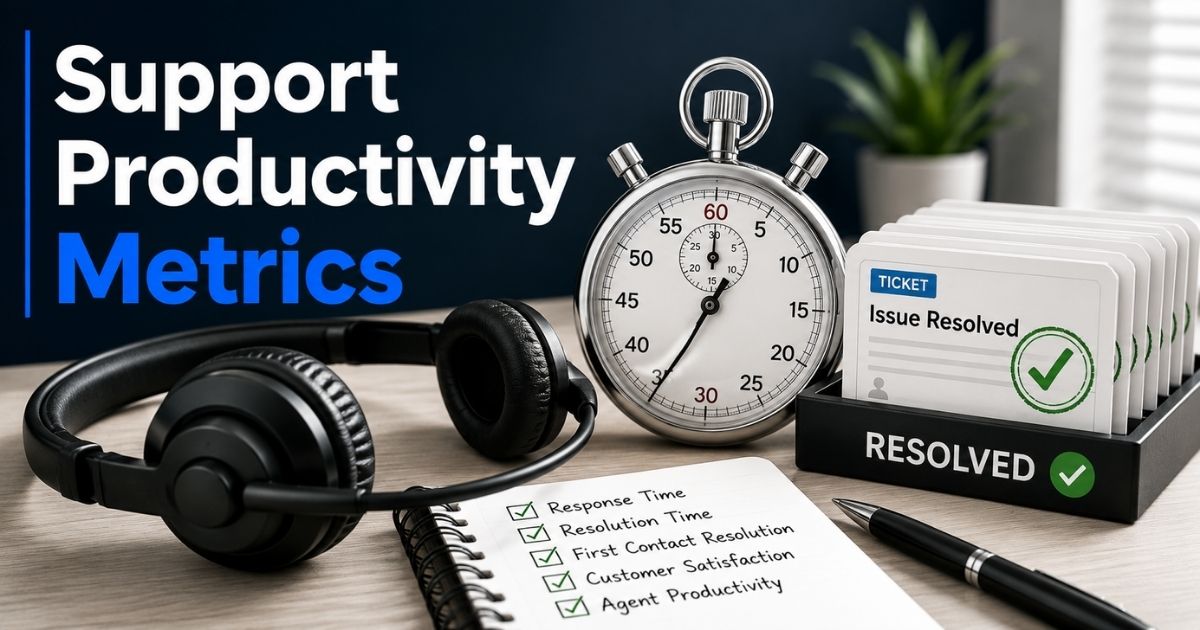
Key KPIs Every Enterprise IT Help Desk Should Track
Measuring the right KPIs helps IT leaders understand performance, identify bottlenecks, and improve service quality. A data-driven approach ensures the help desk supports business goals while delivering reliable and efficient IT services.
First Response Time
First response time measures how quickly the support team acknowledges a request after submission. Fast responses reassure employees that their issues are being addressed, even if resolution takes longer. Quick acknowledgment improves user satisfaction and prevents minor issues from escalating. Effective ticket routing also helps direct requests to the right agents, reducing delays and supporting consistent service across the organization.
Mean Time to Resolution (MTTR)
MTTR tracks the average time required to fully resolve an issue. Lower MTTR often reflects efficient desk processes and strong collaboration among teams. Faster resolutions minimize disruptions to business systems and reduce downtime across the company. Many organizations rely on automation and knowledge base resources to help agents resolve incidents more efficiently.
SLA Compliance Rate
Service level agreements define expected response and resolution times for different ticket priorities. Monitoring SLA compliance ensures the IT team consistently meets those commitments. High compliance rates indicate reliable service delivery, while missed targets can affect employee satisfaction and business success. Tracking SLA performance also helps identify areas for process improvement.
Ticket Backlog
Ticket backlog refers to unresolved requests waiting for action. A growing backlog may indicate staffing shortages, inefficient workflows, or increasing support demands. Help desks should monitor backlog trends regularly to maintain operational efficiency and avoid overwhelming support teams. Reducing repetitive tasks through automation can help prevent ticket accumulation.
Reopen Rate
Reopen rate measures how often previously resolved tickets are reopened due to incomplete fixes. High reopen rates may signal knowledge gaps or inconsistent troubleshooting practices. Strengthening documentation and maintaining a centralized knowledge base can improve resolution quality and reduce recurring issues.
Customer Satisfaction Score (CSAT)
CSAT reflects how employees rate the support they receive. Strong user satisfaction scores often indicate high-quality service and effective communication. Since IT directly impacts productivity, improved customer satisfaction contributes to both employee satisfaction and long-term organizational success.
Agent Productivity Metrics
Metrics such as tickets resolved per agent, resolution time, and workload distribution help evaluate team performance. Modern platforms can automate routine work, allowing teams to focus on higher-value tasks. Solutions like Jira Service Management and SolarWinds Service Desk provide analytics that help organizations optimize resources, lower operational costs, and strengthen network infrastructure management. Ultimately, a high-performing help desk focuses on delivering value rather than simply closing tickets.
Features Of An Enterprise IT Help Desk Solution
As businesses grow, IT teams need more than a basic ticketing platform. A modern enterprise IT help desk should provide the tools needed to support employees, manage assets, improve efficiency, and maintain security at scale. Choosing the right solution ensures IT can support growth without increasing complexity.
Omnichannel Support
Employees expect support through multiple channels, including email, chat, portals, and mobile apps. Omnichannel communication brings all interactions into a single interface, ensuring consistent experiences and preventing requests from falling through the cracks.
Workflow Automation
Automation reduces manual work by handling repetitive tasks such as ticket assignments, approvals, password resets, and account provisioning. Automated workflows and structured support ticket management help IT teams improve response times and focus on higher-value initiatives rather than routine administrative work.
Asset Management
An effective enterprise help desk should include asset management capabilities to track hardware, software licenses, and SaaS subscriptions. Real-time visibility into assets improves compliance, reduces waste, and helps organizations make informed technology decisions as they scale.
Knowledge Base
A centralized knowledge base enables employees to find answers independently through self-service resources. Strong documentation reduces ticket volumes, speeds up resolutions, and empowers users to solve common problems without contacting IT. Knowledge management is considered a key component of modern IT service management frameworks.
Reporting And Analytics
Data-driven decision-making is critical for IT leaders. Reporting tools provide insights into ticket trends, resolution times, SLA performance, and team productivity. SLA management with EasyDesk and similar analytics help organizations identify bottlenecks, optimize resources, and continuously improve service quality.
Integrations
Enterprise environments rely on numerous business applications. Integrations with HR systems, identity providers, collaboration tools, and monitoring platforms create seamless workflows and eliminate data silos. Connected systems that enable multi-channel customer support improve efficiency and support better service delivery across departments.
AI-Powered Capabilities
Artificial intelligence is transforming IT operations through intelligent ticket routing, automated responses, and predictive analytics. AI-powered capabilities help service desks resolve issues faster, reduce workloads, and improve user experiences. Industry trends indicate that AI is becoming increasingly important for IT service management efficiency and automation, especially as teams adopt smarter helpdesk setups for smoother support.
Security Controls
Security remains a top priority for growing organizations. Enterprise help desk solutions should offer role-based access controls, audit logs, encryption, and compliance support. Strong security features help protect sensitive data while ensuring IT teams can meet regulatory and governance requirements. Robust security and governance capabilities have become essential components of enterprise service management platforms.
Next-Generation Trends in Enterprise IT Service Management
Enterprise IT help desks are evolving rapidly as organizations face growing technology demands and higher employee expectations. The future of IT support is no longer limited to resolving tickets. It now focuses on delivering seamless experiences, preventing issues before they occur, and supporting business growth through intelligent automation.
AI-Powered Support Agents
Artificial intelligence is transforming how service desks operate. AI-powered support agents can answer common questions, classify tickets, and suggest solutions in real time. This reduces response times and allows IT teams to focus on more complex issues. AI-driven virtual assistants are increasingly becoming a core component of modern IT service management platforms.
Predictive Analytics
Traditional support models react to problems after they happen. Predictive analytics changes this approach by using historical data and machine learning to identify patterns and forecast potential issues. IT teams can detect risks early, minimize downtime, and improve resource planning. Predictive capabilities help organizations move from reactive support to proactive service management.
Hyperautomation
Hyperautomation combines artificial intelligence, robotic process automation, and workflow orchestration to automate end-to-end processes. Beyond simple tasks like password resets, organizations can automate approvals, onboarding workflows, and incident responses. Industry experts view hyperautomation as a major trend for increasing operational efficiency and reducing manual effort.
Self-Service Expansion
Employees increasingly prefer solving issues independently rather than waiting for assistance. Future service desks will invest heavily in self-service portals, AI chatbots, and intelligent knowledge bases. Expanded self-service capabilities reduce ticket volumes while improving user satisfaction and productivity. Research shows that self-service remains a key priority in digital workplace strategies.
Proactive IT Operations
Modern IT teams are shifting from fixing problems to preventing them. Monitoring tools, automated alerts, and AI-driven insights allow service desks to identify anomalies before they disrupt business operations. Proactive IT operations improve reliability, strengthen security, and ensure smoother service delivery across the organization.
Employee Experience Initiatives
Employee experience is becoming a strategic priority for IT leaders. Support quality directly affects productivity, engagement, and retention. Future enterprise help desks will focus on personalized support, faster resolutions, and user-centric experiences. Organizations increasingly recognize that positive IT experiences contribute to broader business outcomes and long-term success.
Turn IT Support Into A Business Advantage With EasyDesk
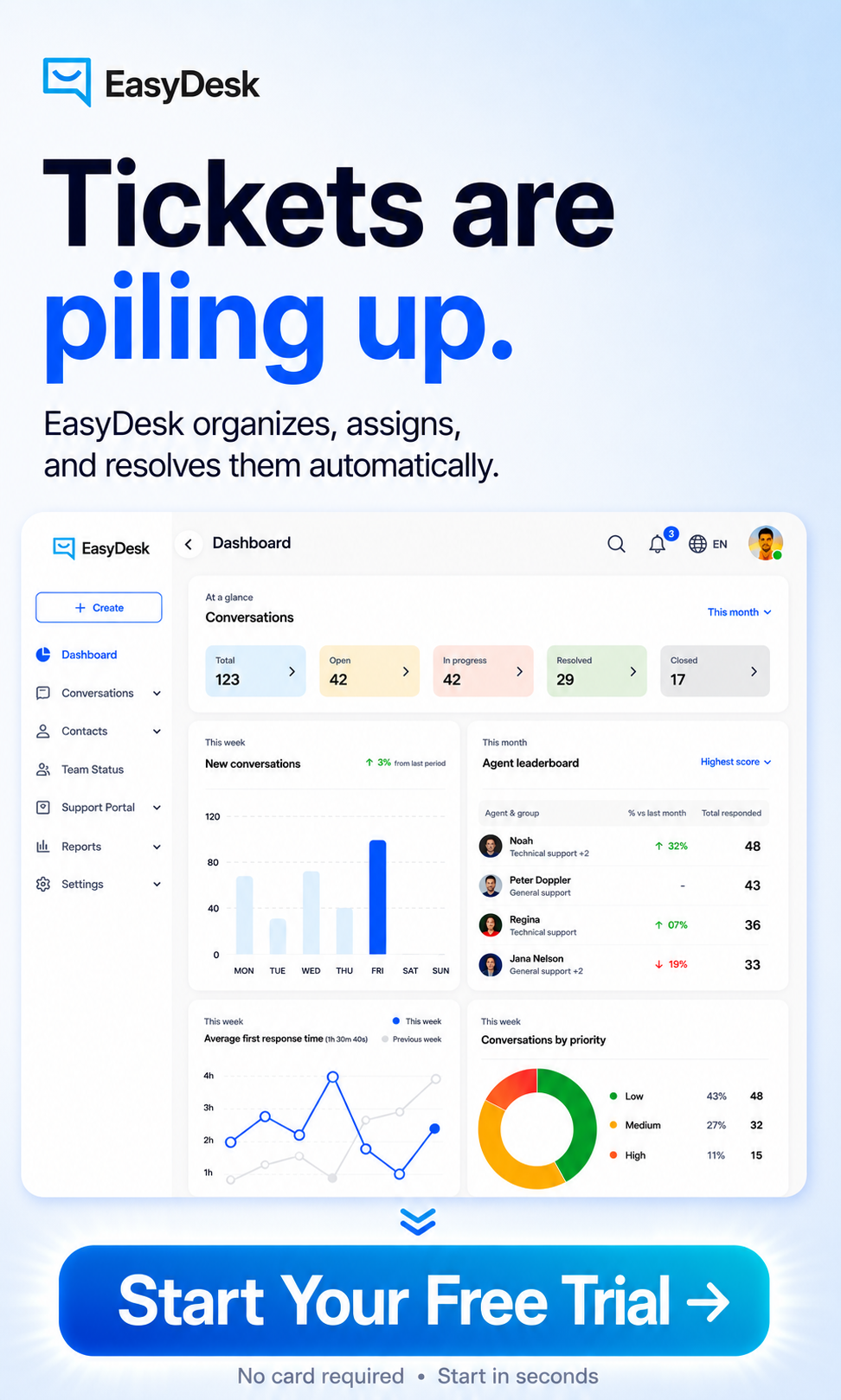
Keeping IT operations organized becomes increasingly difficult when support requests, assets, and workflows are spread across different systems. EasyDesk brings these processes together in one platform, helping teams manage tickets, automate workflows, and maintain visibility across support activities. According to its official website, EasyDesk offers capabilities such as multichannel ticketing, SLA management, knowledge management, and workflow automation to streamline service delivery, positioning it among the best IT help desk software for modern teams.
With a centralized workspace, IT teams can resolve issues faster, track performance, and provide more consistent support experiences. The EasyDesk customer support platform also supports collaboration and reporting features that help organizations make informed decisions and continuously improve their service operations. By reducing manual effort and improving efficiency, the platform enables IT teams to focus on delivering reliable support while adapting to changing business needs.
Frequently Asked Questions
How Does an Enterprise IT Help Desk Support Remote and Hybrid Teams?
Enterprise IT help desks provide centralized access to support across locations and time zones. Features such as self-service portals, remote troubleshooting tools, and omnichannel communication help employees receive timely assistance regardless of where they work.
What Role Does ITIL Play in Enterprise Service Management?
ITIL, or Information Technology Infrastructure Library, provides a framework for managing IT services efficiently. Organizations use ITIL practices to standardize workflows, improve service quality, and align IT operations with business objectives.
Can Small Businesses Benefit From Enterprise IT Help Desk Software?
Growing businesses often adopt enterprise-grade solutions to prepare for future expansion. Advanced capabilities such as automation, asset management, and analytics help teams scale support without significantly increasing resources.
How Does Asset Management Improve IT Operations?
Accurate asset tracking gives IT teams visibility into devices, software licenses, and SaaS subscriptions. Better visibility reduces security risks, controls costs, and ensures employees have access to required resources.
Why Are Self-Service Portals Important for Modern IT Teams?
Self-service portals allow employees to submit requests, access documentation, and resolve common issues independently. Reduced ticket volumes enable IT teams to focus on complex problems while improving overall service efficiency.