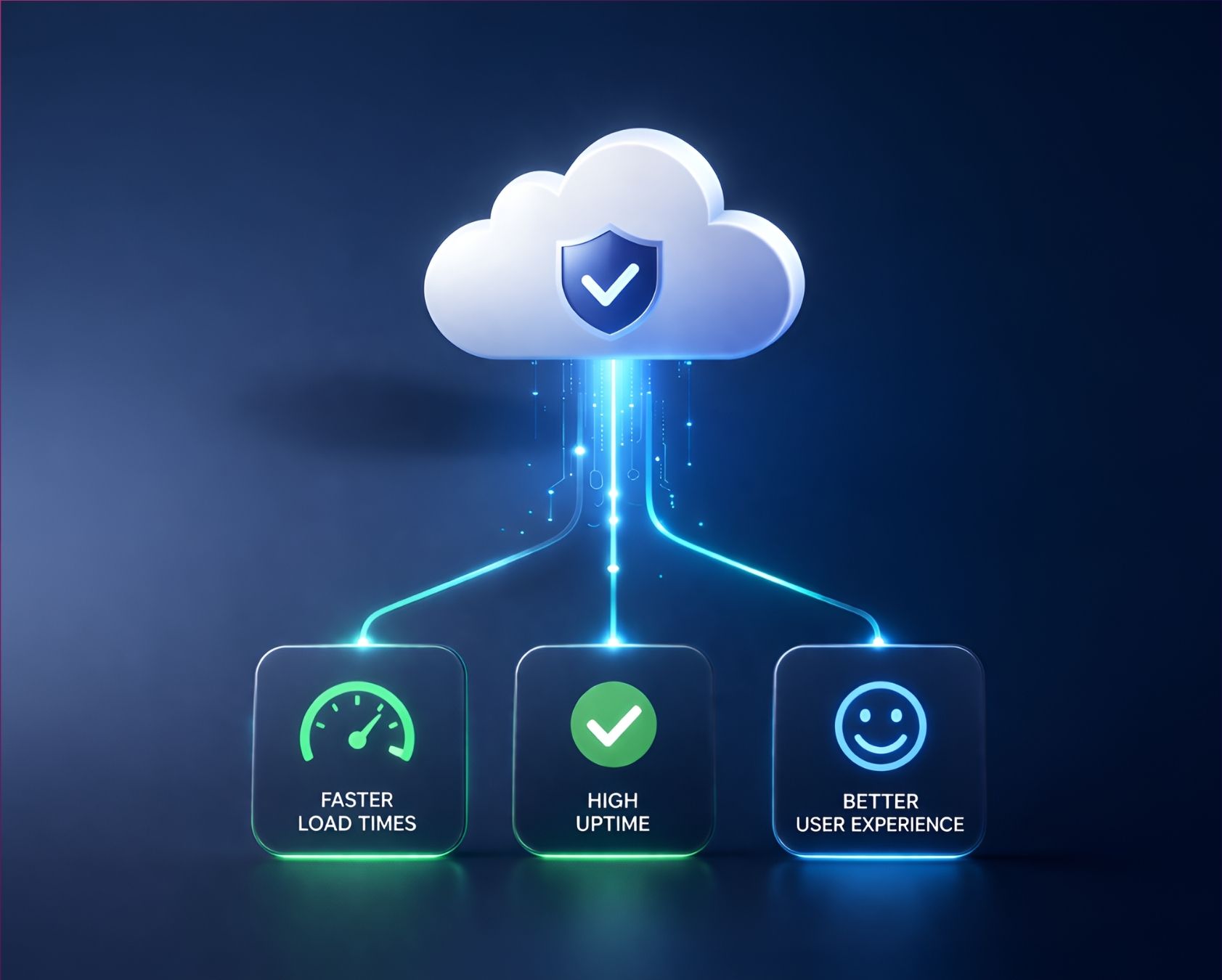
Cloud systems power most modern businesses today. From apps to data storage, everything depends on stable performance. When systems fail, users lose trust and businesses lose revenue. That is where cloud reliability becomes important. It helps ensure systems stay available, fast, and consistent under any condition.
In this article, you will explore how cloud reliability works and why it matters for business growth. You will also learn practical ways to improve stability, reduce downtime, and build stronger digital systems. The goal is simple: help you create a reliable cloud setup that supports long-term success and better user experience.
What Is Cloud Reliability
Cloud helpdesk reliability means the ability of a helpdesk system to stay available, fast, and consistent without interruptions. It ensures support teams can access tickets, customer data, and communication tools anytime through the internet. In cloud helpdesk software, reliability depends on cloud infrastructure, servers, and data centers managed by cloud providers. Strong systems use redundancy and failover mechanisms to reduce service outages and prevent data loss. This creates high availability and keeps support operations running smoothly even under heavy demand.
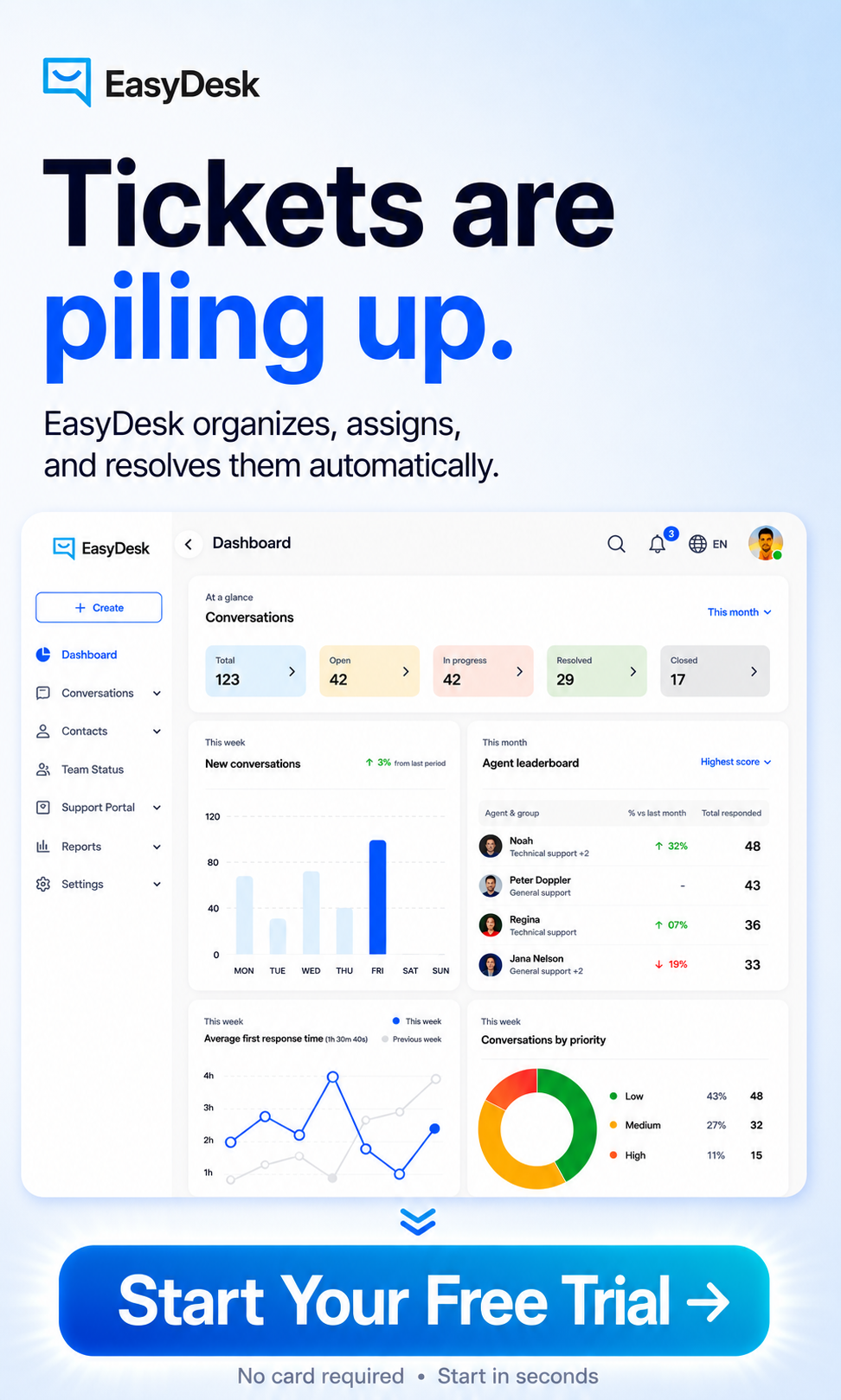
For organizations, cloud helpdesk reliability is essential for business continuity and customer satisfaction. It allows teams to manage support requests, monitor suspicious activity, and respond quickly without delays. A modern helpdesk system provides the structure needed to centralize these requests and workflows. With proper disaster recovery, automation, and monitoring tools, businesses can improve reliability and reduce risk. Reliable cloud systems help maintain secure access to data, improve efficiency, and support faster response times. This gives companies better control over operations and a stronger experience for users.
Why Cloud Reliability Drives Business Outcomes
Cloud reliability plays a direct role in how businesses perform and grow. A stable system ensures smooth access to cloud services, reduces service outages, and protects critical data. It also helps teams stay productive and improves customer trust. Strong cloud reliability, especially when using cloud help desk software, leads to better efficiency, faster response times, and fewer disruptions in daily operations.
Better Customer Experience
High availability ensures users' access to services without delay. Customers expect fast and reliable support through on-premises cloud helpdesk systems, and many teams weigh the tradeoffs of cloud-based vs on-premise helpdesk setups when designing for reliability. When systems stay stable, users face fewer errors and less downtime. This improves satisfaction and builds trust over time.
A study by Gartner shows that IT downtime can cost businesses up to $5,600 per minute. Reliable cloud computing reduces this risk. It ensures customers can reach support teams at any time. This leads to better service quality and stronger relationships with users.
Reduced Downtime And Service Outages
Service outages can affect business operations and customer trust. Cloud reliability helps reduce these issues through redundancy and failover mechanisms. These systems keep services running even when failures occur in the infrastructure or network.
According to IBM, the average cost of a data breach is $4.45 million. Strong cloud practices help prevent data loss and reduce risk. Cloud providers use automation, monitoring, and disaster recovery tools to maintain system stability. This ensures business continuity even during unexpected events.
Improved Operational Efficiency And Speed
Reliable cloud systems improve how teams manage data and resources. Faster systems help teams complete tasks quickly and handle higher workloads. This leads to better efficiency and smoother operations across departments.
Cloud technology allows automation of manual processes. This reduces errors and saves time for support teams. As a result, organizations can focus more on customer needs and less on system issues by using the right helpdesk setup to simplify their workflows. Reliable infrastructure ensures consistent performance and better use of resources.
Stronger Data Security And Risk Control
Cloud reliability also supports better security and control over systems. Cloud providers use advanced tools to monitor suspicious activity and secure data. This reduces the risk of unauthorized access and system failures.
Organizations can audit and test systems to improve reliability. Regular monitoring helps detect issues early and protect sensitive data. Strong API security practices ensure data remains safe and accessible. This builds trust and supports long-term business success.
Scalable Systems
Reliable cloud systems allow businesses to scale with demand. Fast and scalable helpdesk software takes advantage of this elasticity so support teams can handle more tickets without breaking processes. Cloud capacity can adjust quickly to handle more users, data, and workloads. This flexibility helps companies grow without major infrastructure changes.
Cloud services provide on-demand access to resources. This reduces cost and improves efficiency. Businesses can provision systems as needed and maintain performance during peak times. Reliable cloud architecture supports growth and ensures systems remain stable under pressure.
What Are The Principles Behind Cloud Reliability
Cloud reliability depends on strong principles that guide how systems are built and maintained. These principles help ensure cloud services stay available, secure, and consistent. They also reduce failures, improve performance, and protect data across systems. A clear understanding of these principles and of modern help desk solutions helps organizations manage cloud technology with confidence and control.
Redundancy And Failover Design
Redundancy ensures backup systems are always ready. If one server fails, another takes over without interruption. This approach keeps services available and reduces service outages, which is especially important for cloud-based help desk solutions that must stay reachable for customers. It is a core part of reliable cloud computing.
Failover mechanisms work alongside redundancy. They detect failures and switch traffic to backup systems automatically. This improves high availability and prevents data loss. Cloud providers use distributed systems and multiple data centers to support this principle. It ensures business continuity even during unexpected failures.
High Availability And Uptime
High availability focuses on keeping systems accessible at all times. It reduces downtime and ensures users can access cloud services without delays. Many cloud providers offer uptime guarantees of 99.9% or higher. This means less than 8.76 hours of downtime per year.
High availability depends on strong infrastructure and network design. It uses load balancing, automation, and resource control to maintain performance. This principle ensures systems stay stable even during high demand. It also improves user experience and supports continuous operations.
Monitoring And Observability
Monitoring helps track system performance and detect issues early. It gives visibility into cloud infrastructure, data, and services. Organizations use tools to monitor suspicious activity, errors, and system health. This reduces risk and improves reliability.
Observability goes deeper by analyzing logs, metrics, and traces. It helps teams understand why failures occur and how to fix them. According to industry data, early detection can reduce downtime by up to 50%. This principle supports faster recovery and better control over cloud systems, especially when rolling out a new helpdesk implementation that needs clear visibility from day one.
Disaster Recovery And Backup
Disaster recovery ensures systems can recover after failures. It protects data and restores services quickly. Backup systems store copies of critical data to prevent loss. This principle is essential for business continuity and risk management.
Cloud providers offer automated backup and recovery tools. These tools help organizations restore systems after disruptions. Studies show that companies without a disaster recovery plan face higher data loss and longer downtime. This principle helps maintain operations and secure important resources.
Scalability And Resource Management
Scalability allows systems to handle changing demand. Cloud systems can increase or decrease capacity based on workload. This ensures consistent performance during peak usage. It also helps manage cost and efficiency, which is critical when choosing helpdesk software for small growing businesses that need room to expand.
Cloud technology enables on-demand access to resources. Organizations can provision systems quickly without heavy infrastructure. This flexibility supports growth and improves performance. Scalable systems help maintain reliability even as business demand increases.
Key Architecture Decisions To Improve Cloud Reliability
Strong architecture plays a major role in cloud reliability. The right design helps systems stay stable, secure, and fast under different conditions. It also reduces failures and improves access to cloud services. Smart decisions at the architecture level, including how you find the right cloud helpdesk tool, can improve uptime, reduce risk, and support long-term business success.
Multi-Region And Distributed Systems Design
A multi-region setup improves reliability by spreading systems across different locations. If one data center fails, another can take over. This reduces service outages and improves availability. It also supports better disaster recovery and business continuity for any cloud-based help desk platform serving customers in multiple regions.
Distributed systems also improve performance and fault tolerance. Data and services run across multiple servers and locations. This reduces the risk of a single point of failure. According to cloud studies, multi-region setups can reduce downtime by up to 70%. This approach is essential for reliable cloud computing.
Load Balancing And Traffic Control
Load balancing distributes traffic across multiple servers. It prevents overload on a single system and improves response time. This helps maintain system performance even during high demand. It also improves user experience and reduces system failures.
Cloud providers use advanced tools to control traffic flow. These tools monitor usage and adjust resource allocation in real time. This improves efficiency and system stability. Proper load balancing ensures cloud services, including helpdesk ticketing software, remain available and responsive under pressure.
Automation And Self-Healing Systems
Automation helps manage cloud systems without manual effort. It reduces errors and improves speed in handling operations. Automated systems can detect issues and fix them quickly. This improves reliability and reduces downtime.
Self-healing systems go a step further. They identify failures and recover automatically without human action. This helps maintain high availability and reduces risk. Many cloud providers use automation tools to monitor systems and maintain performance. This ensures stable and reliable cloud infrastructure.
Data Backup And Disaster Recovery Design
Backup and disaster recovery protect data and systems from failure. Regular backups ensure that important data is not lost. Disaster recovery plans help restore services after major issues. This is essential for business continuity and should be a key factor when reviewing support desk software options for your team.
According to IBM, companies with strong recovery plans can reduce downtime by up to 60%. Cloud systems use automated backup tools to secure data. This approach helps organizations recover quickly from failures and maintain control over their systems.
Security And Access Control Design
Security plays a key role in cloud reliability. Strong access control ensures only authorized users can access systems and data. This reduces risk and prevents unauthorized actions. It also protects sensitive information from threats, and security responsibilities differ between open source and SaaS helpdesk software, which organizations must consider when designing for reliability.
Cloud providers use encryption, monitoring, and identity control tools to secure systems. These tools help detect suspicious activity and protect infrastructure. Strong security design improves trust and ensures reliable cloud operations. It also supports compliance and protects business resources.
Common Risks That Impact Cloud Reliability
Cloud reliability plays a major role in how modern systems perform. Cloud services support daily operations for many organizations, but risks still affect performance and stability. Over the last few years, cloud computing has grown due to demand, but complexity also increased. These risks can affect data, systems, and overall business continuity if not managed with the right practices and strategies.
Service Outages And System Failures
Service outages remain a major risk for cloud technology. These failures can occur due to network issues, server overload, or infrastructure problems. When outages occur, users lose access to services, which affects business operations and customer trust, making the choice of reliable help desk software critical for minimizing visible impact on customers.
Cloud providers use redundancy and failover mechanisms to reduce this risk. However, failures can still happen due to high demand or system complexity. According to industry reports, downtime can cost thousands of dollars per minute. This shows how essential reliable cloud computing is for maintaining availability and performance.
Data Loss And Storage Issues
Data loss is a serious concern in cloud systems. It can occur due to hardware failure, misconfiguration, or human error. Without proper control and storage practices, important data may be lost. This creates risk for organizations and affects business success.
Disaster recovery strategies help recover lost data and maintain business continuity. Cloud providers use backup tools and automation to protect data. For example, distributed systems and multiple data center setups improve reliability of cloud and reduce the chance of data loss. These techniques help manage storage and improve access to critical resources, just as a robust ticketing system protects the continuity of customer conversations and support history.
Security Threats And Suspicious Activity
Security risks can affect cloud reliability and expose systems to suspicious activity. Hackers may target cloud environments to access sensitive data or disrupt services. This can affect users and damage trust in cloud services.
Cloud providers use security tools to monitor and protect systems. These include audit logs, encryption, and access control mechanisms. Organizations must also follow strong security practices to secure their infrastructure. According to IBM, data breaches cost millions, showing how significant security risks can be. Strong control and monitoring help reduce these risks and maintain reliable systems, while a capable help desk platform keeps customer-facing support running smoothly behind the scenes.
Network And Internet Limitations
Network issues can affect the ability of cloud systems to perform efficiently. Slow internet or unstable connections can reduce speed and limit access to services. This affects users and creates delays in operations.
Cloud computing depends heavily on network performance. If the network fails, systems may fail as well. Organizations must manage network capacity and test performance regularly. Proper infrastructure setup and monitoring tools help improve efficiency and reduce risks related to connectivity.
Scalability And Resource Constraints
High demand can put pressure on cloud systems and create capacity limits. When workload increases, systems may struggle to maintain performance. This can affect reliability and user experience.
Cloud technology allows on-demand provision of resources, but poor planning can still create risks. Organizations must manage resources carefully to avoid overload. Automation and distributed systems help balance demand and improve reliability. These strategies ensure systems can scale effectively and support business growth, especially when paired with smarter helpdesk setups that keep support teams organized as volume grows.
Configuration Errors And Management Issues
Configuration errors are one of the most common risks in cloud systems. Small mistakes in code or setup can lead to failures or security issues. These errors can affect systems, data, and overall operations.
Organizations must test and audit systems regularly to avoid such risks. Proper management and monitoring help maintain control over cloud infrastructure. Many failures in cloud environments occur due to misconfiguration, making this an essential focus area. Strong practices help improve reliability and reduce risk in cloud environments.
Practical Strategies To Improve Reliability Of Cloud
Cloud reliability depends on the right strategies and consistent practices. Organizations must focus on improving systems, reducing failures, and maintaining strong infrastructure. With the right approach, cloud services become more stable, secure, and efficient. These strategies help businesses manage resources better and support long-term success, especially when relying on a centralized cloud help desk platform to handle customer issues.
Use Redundancy And Failover Systems
Redundancy improves cloud reliability by adding backup systems. If one server fails, another takes over without delay. This ensures availability and reduces service outages. Cloud providers use distributed systems and multiple data center locations to support this setup.
Failover mechanisms detect failures and switch systems automatically. This helps maintain business continuity and protects data. According to industry studies, redundancy can reduce downtime by up to 60%. These practices improve reliability of cloud systems and ensure users always have access to services.
Adopt Strong Monitoring And Automation
Monitoring tools help organizations track system performance and detect suspicious activity. These tools provide real-time insights into cloud infrastructure and help identify risks early. This improves control over systems and reduces failures, and even teams using a free helpdesk ticket system can benefit from basic monitoring to keep support reliable.
Automation plays a key role in managing cloud environments. It reduces manual errors and improves efficiency. Automated systems can recover from failures quickly and maintain stability. Cloud providers offer tools that help manage resources and monitor systems continuously. This approach improves reliability and supports faster operations.
Implement Disaster Recovery Plans
Disaster recovery ensures systems can recover after failures or outages. It protects data and helps maintain business continuity. Organizations use backup storage and recovery strategies to restore systems quickly.
Studies show that companies without disaster recovery plans face higher risk of data loss. Cloud technology provides tools to automate backups and secure data. These strategies help maintain reliability and reduce the impact of system failures. A strong recovery plan ensures operations continue with minimal disruption.
Optimize Network And Infrastructure Performance
Network performance affects how cloud systems operate. Slow internet or unstable connections can reduce speed and limit access to services. This impacts users and creates delays in business operations, which remote support teams especially feel when trying to stay aligned and on track across locations.
Organizations must manage network capacity and test systems regularly. Proper infrastructure setup helps improve efficiency and maintain high availability. Cloud computing relies on strong network design to handle workload and support demand. These practices ensure smooth performance and reliable access to cloud services.
Strengthen Security And Access Control
Security is essential for cloud reliability. Strong access control ensures only authorized users can access data and systems. This protects infrastructure and reduces risk from suspicious activity.
Cloud providers use encryption, audit tools, and monitoring systems to secure environments. Organizations must also follow best practices to maintain security. According to IBM, data breaches cost an average of $4.45 million. Strong security practices help protect resources, maintain reliability, and build trust with customers.
How To Measure Success And Future Direction Of Reliability Of Cloud
Measuring cloud reliability helps organizations understand system performance and stability. It shows how well cloud services support users and business goals. Clear metrics and future trends guide better decisions. This helps improve systems, reduce risk, and create stronger cloud environments for long-term success.
Track Availability And Uptime Metrics Of Cloud Services
Availability is one of the most important metrics for cloud reliability. It shows how often systems stay accessible to users. Many cloud providers target 99.9% uptime or higher. This means minimal service interruptions across the year.
Uptime helps measure reliability of cloud systems and overall performance. High availability ensures users can access services without delay. It also reflects the ability of systems to handle demand and maintain consistency. Monitoring uptime helps organizations improve systems and maintain strong service quality.
Measure Performance And Speed Indicators
Performance metrics help evaluate how fast systems respond under workload. These include response time, latency, and throughput. Faster systems improve user experience and support better operations.
Cloud computing depends on speed and efficiency to manage resources. Poor performance can affect users and create delays in services. Organizations must monitor these metrics to ensure systems perform well. According to studies, even a one-second delay can reduce customer satisfaction by up to 16%. This shows how important speed is for success.
Monitor Security And Risk Levels
Security metrics help measure how well systems protect data and infrastructure. These include monitoring suspicious activity, tracking access, and checking system logs. Strong security reduces risk and protects business operations.
Organizations must audit systems and test security regularly. Cloud providers offer tools to help manage and secure resources. According to IBM, the average data breach cost is $4.45 million. Monitoring security helps reduce threats and maintain trust with users and customers.
Evaluate Scalability And Capacity Growth
Scalability measures how well systems handle growth and increased demand. Cloud systems must support more users, data, and workload without losing performance. This is key to business success.
Organizations can provision resources on demand to meet changing needs. This improves flexibility and supports expansion. Distributed systems help manage capacity across servers and regions. Proper planning ensures systems remain reliable even during peak usage.
Watch Future Trends And Cloud Technology Growth
Cloud technology continues to evolve with new tools and techniques. Automation, artificial intelligence, and advanced monitoring improve reliability and performance. These trends shape the future of cloud systems.
In recent years, organizations have focused more on secure, efficient, and scalable systems. Cloud providers continue to improve services to meet growing demand. This includes better infrastructure, stronger control, and faster recovery systems. Keeping up with trends helps organizations stay competitive and maintain strong cloud reliability.
Conclusion
Cloud reliability plays a central role in modern cloud helpdesk systems. It ensures stable access to services, protects data, and supports smooth operations across teams. Strong reliability improves availability, reduces service outages, and helps organizations maintain business continuity with confidence.
A clear focus on cloud reliability allows businesses to manage risks, improve performance, and support growing demand. With the right strategies, tools, and practices, organizations can maintain secure systems and deliver a better experience for users. This creates a strong foundation for long-term success in cloud environments.
FAQs
How Does Multi-Region Architecture Enhance Cloud Helpdesk Reliability?
Multi-region architecture distributes cloud services across multiple data centers. This reduces dependency on a single location and improves fault tolerance. It strengthens cloud reliability by minimizing service outages and ensuring business continuity even during infrastructure failures.
Can Automation Reduce Downtime In Cloud Helpdesk Systems?
Yes, automation significantly reduces downtime by enabling real-time issue detection and self-healing processes. Automated tools monitor systems, detect failures, and trigger failover mechanisms instantly. This improves availability and ensures faster recovery of cloud services with minimal human intervention.
What Metrics Best Measure The Reliability Of Cloud Helpdesk Platforms?
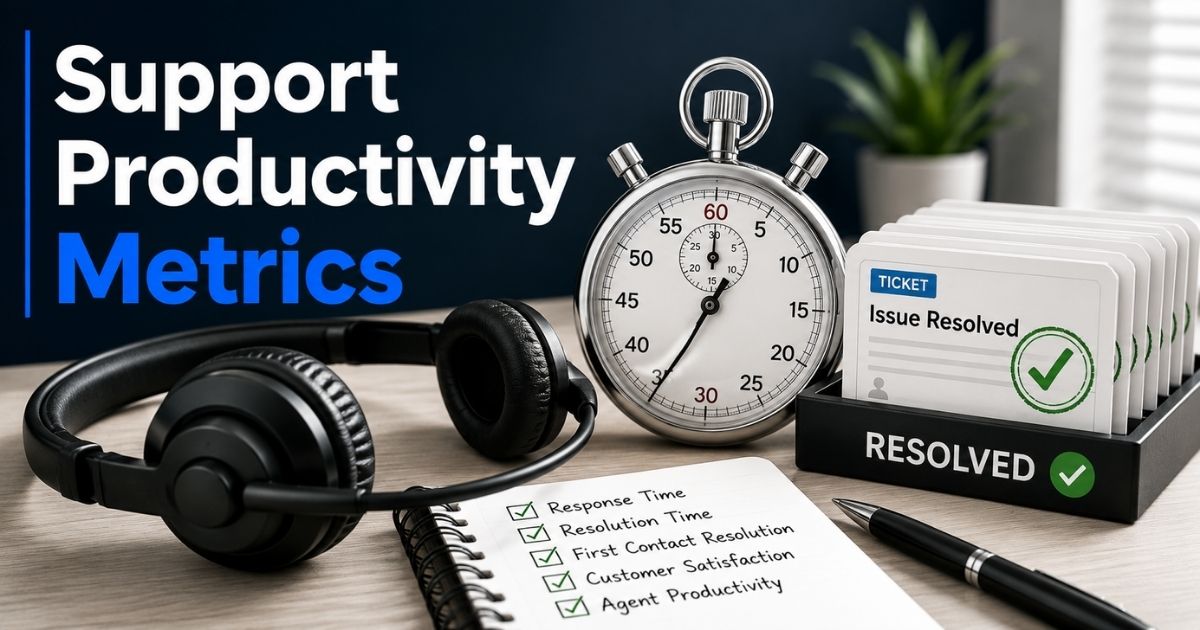
Key metrics include uptime, latency, error rate, and recovery time. These indicators help organizations evaluate system performance and the reliability of cloud systems. Monitoring these metrics ensures better control over infrastructure, improved efficiency, and a consistent user experience.
How Do Cloud Helpdesk Systems Handle High Demand Without Affecting Reliability?
Cloud helpdesk systems use load balancing, distributed systems, and on-demand capacity scaling. These techniques manage workload across servers and maintain performance under heavy traffic. This ensures high availability, prevents failures, and keeps services stable even during peak usage.
Can Hybrid Cloud Improve Reliability For Helpdesk Operations?
Yes, hybrid cloud combines on-premises and cloud infrastructure to improve reliability. It provides flexibility, better control, and added redundancy. This setup enhances disaster recovery, reduces risk, and ensures continuous access to services even if one environment experiences issues.