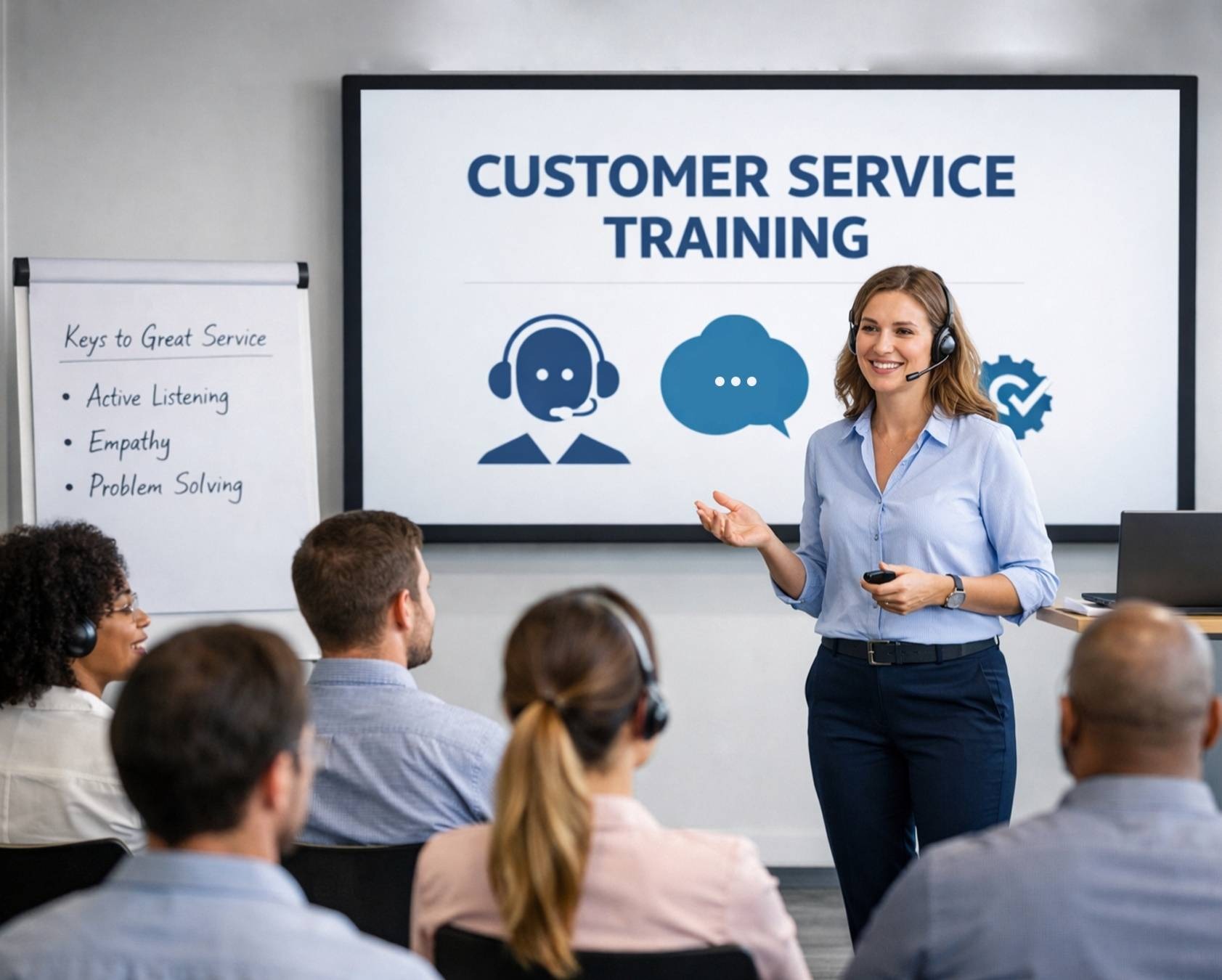
Customer service training builds a strong foundation for customer service professionals and every customer service agent who works directly with customers in a competitive market. Modern customer service skills training focuses on practical customer service skills, emotional intelligence, effective communication, and hands on learning that helps teams resolve real customer challenges confidently.
Organizations that invest in structured training programs often align teams on the same page, strengthen customer relationship management practices, and improve brand reputation through consistent service excellence. Interactive quizzes, role based exercises, and artificial intelligence powered tools support continuous learning while helping employees deliver great service and positive customer experiences.
When supported by a clear service culture and strong brand values, training programs empower teams to delight customers, improve business impact, and create long term success through reliable, high quality customer interactions.
What Is Customer Service Training
Customer service training equips employees with the skills to handle customer interactions effectively. It covers both soft skills like empathy and active listening, and hard skills like product knowledge and system navigation. Modern training goes beyond basic phone etiquette. It prepares customer service reps to deliver exceptional customer service across email, chat, and social media.
Measurable service outcomes connect training directly to performance indicators. Instead of hoping training works, you track whether it produces results. This means setting benchmarks before training begins, then monitoring changes in customer satisfaction scores, response times, and resolution rates.
For SaaS companies and growing support teams, this approach transforms training from an expense into an investment. When you can show that a specific skills training module reduced average handle time by 15%, you build a case for continued investment in your training team.
Why Measurable Outcomes Important In Customer Service Training
Training without measurement is guesswork. You invest time and resources but cannot prove whether those investments pay off. Measurable outcomes change this dynamic completely.
Research shows that trained support teams see 20 to 30 percent higher CSAT scores compared to untrained counterparts. Companies that track training effectiveness can identify which modules produce results and which need revision. This data driven approach helps allocate budgets wisely.
Clear Visibility Into Training Effectiveness
Tracking training results reveals what works and what falls flat. You can measure completion rates for courses and correlate them with actual performance changes. If agents who complete a de-escalation module handle upset customers more effectively, you have proof that the content creation effort was worthwhile.
Visibility also helps identify struggling team members early. Rather than waiting for customer complaints to pile up, managers spot skill gaps through training analytics and provide targeted coaching.
Stronger Alignment With Business Objectives
Measurable training connects learning activities to business success. When you define objectives like reducing churn or increasing customer lifetime value, training becomes a strategic tool rather than a checkbox exercise.
A customer service field team focused on subscription renewals needs different training than one handling technical troubleshooting. Outcome measurement ensures each group gets relevant content that addresses their specific job function.
Improved Accountability Across Support Teams
When training results are visible, accountability follows naturally. Agents understand that completing a module is not the end goal. Applying what they learned and showing improvement matters more than checking off a list.
Managers can hold fair performance conversations backed by data. Instead of subjective impressions, discussions center on concrete metrics that show how training translated into better customer experiences.
Data Driven Decision Making In Training Programs
Real data guides training evolution. If many teams struggle with the same ticket types, that insight shapes future curriculum. If certain online courses show low engagement, the format needs adjustment.
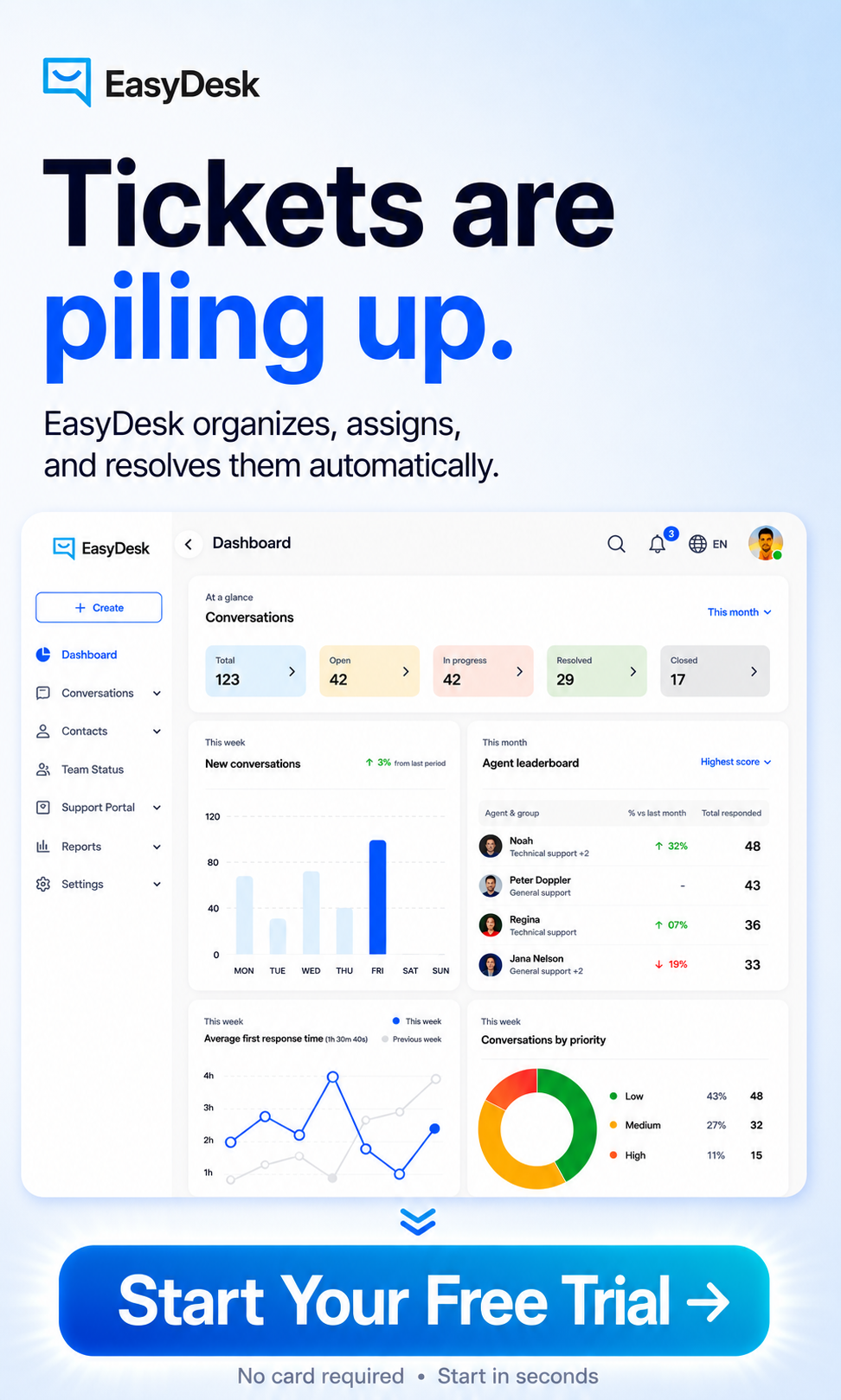
EasyDesk and similar helpdesk platforms provide rich data on ticket volumes, common issues, and resolution patterns. This information feeds directly into training design, ensuring content addresses actual challenges rather than theoretical problems.
Continuous Performance Improvement Tracking
Training is not a one-time event. Skills fade without reinforcement. Performance tracking over time shows whether improvements stick or whether agents need refresher sessions.
Continuous tracking also captures the impact of product changes. When a new feature launches, monitoring support metrics reveals whether the training team prepared agents adequately or whether additional modules are needed.
Key Metrics That Define Service Training Success
Tracking the right metrics separates effective customer service training programs from wasted effort. These indicators show whether training produces the superior customer experience your customers expect.
Customer Satisfaction Score Improvement
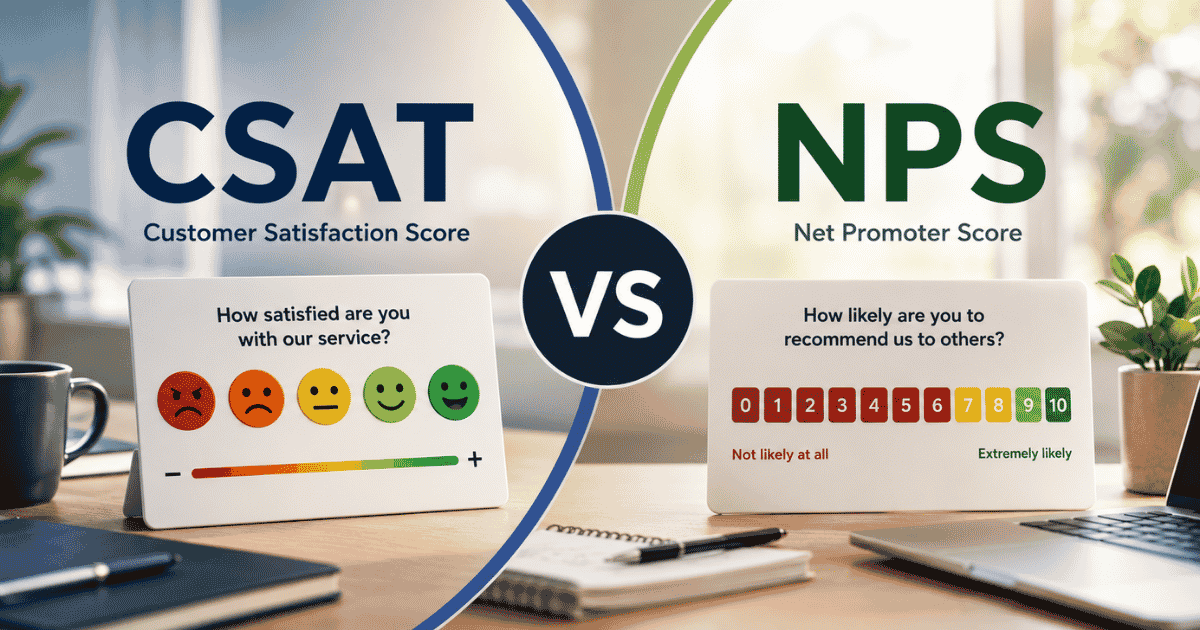
CSAT scores directly reflect how customers feel about their interactions. Training focused on communication skills and problem solving should produce measurable CSAT increases within 30 to 60 days.
Comparing pre-training and post-training CSAT scores for individual agents shows personal growth. Comparing team averages reveals whether your training program creates widespread improvement.
First Response Time Reduction
Customers value quick acknowledgment. Training that teaches agents efficient triage, proper use of canned responses, and smart ticket prioritization should reduce first response times.
Studies suggest that response time significantly influences customer satisfaction. When agents know exactly how to categorize and respond to common customer inquiries, they work faster without sacrificing quality.
Resolution Quality And Accuracy Levels
Speed means nothing if answers are wrong. Resolution quality metrics track whether customer issues get solved correctly the first time. First contact resolution rates reveal how often agents handle requests without escalation or follow-up.
Training in product knowledge and company policies directly influences accuracy. Agents who understand systems deeply can answer questions confidently and correctly.
Agent Productivity Performance Trends
Productivity metrics like tickets handled per hour and average handle time show efficiency gains. Effective ways to train should help agents work smarter, not just harder.
Watch for productivity improvements paired with maintained or improved quality scores. If productivity rises while CSAT drops, training may be pushing speed at the expense of great customer service.
Customer Effort Score Changes
Customer Effort Score measures how easy customers find it to get help. Lower effort correlates strongly with customer loyalty. Training that emphasizes clear communication and efficient resolution reduces the effort customers expend.
When agents guide customers through steps clearly, avoid unnecessary transfers, and resolve issues completely, effort scores improve. This metric captures the friction customers experience, which traditional satisfaction scores might miss.
How Customer Service Training Improves Support Performance
Strong training creates capable agents who handle diverse situations with confidence. The impact shows up across multiple performance dimensions.
Faster Issue Resolution Capabilities
Trained agents identify root causes quickly. They know which questions to ask, which resources to check, and when to escalate. This reduces back-and-forth exchanges that frustrate customers and consume agent time.
Role playing exercises that simulate real support scenarios prepare agents for the variety of issues they will face. Practicing with common ticket types builds the pattern recognition that speeds resolution.
Stronger Communication Skills Development
Communication skills form the foundation of exceptional service. Training in active listening ensures agents understand the customer’s issue before jumping to solutions. Clear writing and speaking reduce misunderstandings.
Many teams find that even experienced agents benefit from communication refreshers. Small improvements in tone and clarity compound into significantly better customer interaction quality.
Better Handling Of Complex Support Scenarios
Complex issues require several key skills working together. Agents need technical knowledge, patience, creativity, and persistence. Skills training that addresses challenging scenarios builds this capability.
Using real case studies from past tickets helps agents see how others navigated difficult situations. Discussing what worked and what could improve creates institutional knowledge that benefits the entire team.
Consistent Service Quality Across Channels
Customers contact support through email, chat, social media, and phone. Each channel has different expectations for tone and response time. Training that addresses channel-specific service skills ensures consistency.
An agent who writes excellent emails might struggle with the faster pace of live chat. Targeted training for each channel helps agents adapt their approach while maintaining service excellence.
Increased Confidence Among Support Agents
Confident agents perform better. They speak with authority, make decisions efficiently, and create positive experiences for customers. Training builds this confidence by ensuring agents know their products and processes thoroughly.
New hires particularly benefit from structured onboarding that builds confidence gradually. Starting with supervised practice before handling live tickets independently prevents the overwhelm that damages both agent morale and customer experience.
Customer Service Training With Measurable Service Outcomes
Building training that delivers measurable results requires deliberate design. These practices ensure your investment translates into observable improvements.
Define Clear Service Performance Benchmarks
Before launching any training program, establish baseline measurements. What are your current CSAT scores? Average first response times? Resolution rates? These numbers provide the comparison points that prove training value.
Benchmarks should be specific and achievable. Rather than vague goals like “improve service,” set targets like “increase first contact resolution from 65% to 75% within 90 days.”
Align Training With Customer Experience Goals
Training content should connect directly to customer experience priorities. If feedback shows customers struggle with self-service options, train agents to guide customers through knowledge base resources. If negative reviews mention slow responses, focus on efficiency skills.
This alignment ensures training addresses real friction points rather than theoretical concerns. When agents see the connection between training topics and actual customer needs, engagement increases.
Track Agent Skill Development Progress
Monitor individual agent progress through training modules and their subsequent performance changes. A learning management system can track completions, quiz scores, and time spent on materials.
Connect this learning data to performance metrics. Does completing specific courses correlate with better handle times? Do agents who engage more with training materials show higher CSAT scores? These correlations guide curriculum refinement.
Use Real Support Data In Training Programs
Incorporate actual tickets, customer feedback, and interaction recordings into training materials. Abstract scenarios rarely prepare agents as effectively as real examples from your own customers.
EasyDesk’s reporting features can identify common ticket themes, frequent customer complaints, and recurring issues. Use this data to build relevant training exercises that address your specific support challenges.
Measure Impact On Customer Satisfaction Scores
Track CSAT changes at 30, 60, and 90 days post-training. Short-term improvements might fade without reinforcement, so longer-term tracking reveals whether skills stick.
Compare trained versus untrained groups when possible. If one team receives a new module while another does not, the difference in their subsequent metrics isolates the training’s effect.
Challenges In Measuring Customer Service Training Results
Despite the importance of measurement, many teams struggle to track training impact effectively. Understanding common obstacles helps you overcome them.
Lack Of Clear Performance Indicators
Some organizations start training without defining what success looks like. Without predetermined metrics, proving training value becomes impossible. Vague objectives like “improve service culture” cannot be measured meaningfully.
The solution starts with specificity. Identify key skills you want to develop and the metrics that would show improvement in those areas. Define these before training begins.
Limited Access To Reliable Training Data
Small teams often lack sophisticated tracking systems. Manual tracking introduces errors and consumes time that could go toward actual training. Incomplete data undermines confidence in conclusions.
Helpdesk platforms like EasyDesk provide built-in analytics that capture performance metrics automatically. Using existing tools for measurement reduces the burden on training teams while improving data reliability.
Difficulty Linking Training To Business Outcomes
The connection between a training module and revenue impact can be unclear. Multiple factors influence business impact, making it hard to isolate training’s contribution.
Focus first on intermediate metrics that training directly influences, like resolution time and accuracy. Then connect those metrics to broader outcomes like retention rates and lifetime value over longer periods.
Inconsistent Evaluation Methods Across Teams
When different teams or managers evaluate training differently, comparing results becomes problematic. One manager might rate improvement generously while another applies stricter standards.
Standardized rubrics and evaluation criteria create consistency. Shared definitions of what “meets expectations” means ensure comparable assessments across the company.
Resistance To Performance Monitoring
Some agents view tracking as surveillance rather than support. This resistance can undermine measurement efforts and create friction between agents and management.
Frame measurement as developmental rather than punitive. When agents see data used for coaching and improvement rather than punishment, resistance decreases. Celebrate improvements publicly while addressing struggles privately.
Best Practices To Build Outcome Driven Training Programs
Effective training strategy requires thoughtful design and continuous refinement. These practices help build programs that deliver genuine desire results.
Establish Clear Training Objectives Early
Every training initiative should start with defined objectives. What specific skills will participants develop? How will you measure improvement? What timeline applies?
Clear objectives guide content creation, delivery methods, and evaluation approaches. They also help participants understand the purpose behind training activities, increasing engagement and retention.
Integrate Real Customer Scenarios Into Training
Abstract concepts stick better when attached to concrete examples. Use anonymized tickets from your own support queue to create realistic training exercises. Show agents how concepts apply to their daily work.
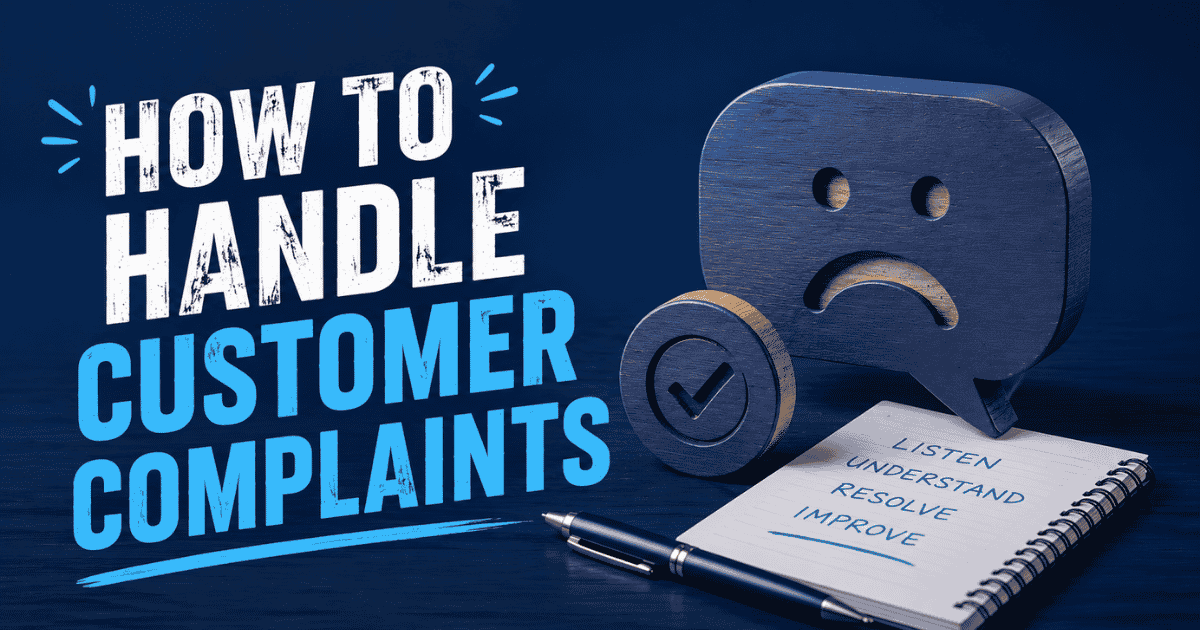
Role playing with real scenarios builds practical capabilities. Agents who practice handling customer complaints in training respond more effectively when facing them on demand in live situations.
Use Continuous Feedback Loops For Improvement
Training programs should evolve based on results. Collect feedback from participants about what helped and what confused them. Monitor performance metrics to see what works.
Regular feedback loops prevent training from becoming stale. Customer expectations change, products update, and processes evolve. Training that adapts stays relevant and effective for long term success.
Apply Data Analytics For Performance Tracking
Leverage analytics to measure training impact systematically. Track completion rates, assessment scores, and subsequent performance changes. Look for patterns that reveal what training approaches produce the best results.
EasyDesk’s analytics can show ticket resolution patterns, common issue types, and agent performance trends. This data informs training priorities and measures outcomes against baselines.
Maintain Regular Training Evaluation Cycles
Schedule periodic reviews of your training program effectiveness. Quarterly assessments allow adjustments before problems compound. Annual comprehensive reviews ensure alignment with business objectives.
Evaluation should examine both process and outcomes. Are participants completing training on time? Are completion rates correlating with performance improvements? Both questions matter for program health.
How EasyDesk Supports Measurable Customer Service Training
EasyDesk provides more than ticket management. It creates an environment where training translates directly into better service and measurable results.
The platform centralizes email, chat, and social media tickets, giving agents a unified workspace to apply their skills. Automation features like workflows and SLA tracking help agents work efficiently while maintaining service standards. Canned responses ensure consistent messaging that training can refine.
For training teams, EasyDesk’s reporting reveals performance patterns that guide curriculum design. Managers can identify which ticket types cause struggles, which agents need additional coaching, and how metrics change over time. This visibility turns training into a data driven process rather than guesswork.
The knowledge base feature supports ongoing training by giving agents on demand access to answers. Feedback tracking and public roadmap tools capture customer input that shapes future training priorities.
FAQs
How Can Businesses Measure Customer Service Training Effectiveness
Start by establishing baseline metrics before training begins. Track CSAT scores, first response times, resolution rates, and first contact resolution percentages. After training, measure these same metrics at 30, 60, and 90-day intervals. Compare individual agent improvements and team averages. Correlation between training completion and performance gains indicates effectiveness. Use helpdesk analytics to capture data automatically rather than relying on manual tracking.
Which Metrics Show Training ROI In Support Teams
The most revealing metrics include changes in customer satisfaction scores, improvements in first-contact resolution rates, reductions in average handle time, and decreases in escalation rates. For subscription businesses, track customer retention rates among support-touched accounts. Calculate the cost per ticket before and after training to quantify efficiency gains. Combine these operational metrics with customer feedback themes to build a complete ROI picture.
How Often Should Customer Service Training Be Evaluated
Conduct informal assessments monthly through coaching conversations and metric reviews. Perform structured evaluations quarterly to identify trends and make curriculum adjustments. Complete comprehensive program reviews annually to ensure alignment with business goals. Trigger immediate evaluations after major product launches, policy changes, or significant shifts in customer feedback patterns.
What Tools Help Track Agent Training Performance
Learning management system platforms track course completions and quiz scores. Helpdesk software like EasyDesk captures operational performance metrics that reveal training impact. Quality assurance tools enable systematic review of customer interactions. Combine these tools to connect learning activities with on-the-job performance changes. The integration between training platforms and support tools provides the most complete visibility.
How Does Training Influence Customer Satisfaction Scores
Training directly improves the skills that shape customer experience. Communication skills training helps agents respond more clearly and empathetically. Product knowledge training enables faster, more accurate answers. Problem solving training reduces the need for escalations and repeat contacts. Studies show trained teams achieve 20 to 30 percent higher CSAT scores. The connection strengthens when training content addresses issues customers frequently report in feedback.