Customer support has changed fast. People want answers now, not later. Long wait times and repeated conversations frustrate customers. That is where first contact resolution becomes essential. It focuses on solving customer issues in the very first interaction.
A strong first contact resolution approach improves customer satisfaction and reduces support costs. It also builds trust and saves time for both customers and support teams. When done right, it turns every interaction into a positive experience.
This guide breaks down everything about first contact resolution. You will learn how it works, why it matters, and how to improve it effectively.
What First Contact Resolution Means
First contact resolution refers to solving a customer’s issue during the initial contact without follow-up. Many in the call center industry call it first call resolution or first contact resolution FCR. It measures how well a support team handles customer inquiries in one interaction. A high first contact resolution rate shows strong customer service effectiveness and better call center’s performance. Customers expect quick answers, so resolving issues in the first phone call improves customer satisfaction and customer experience.
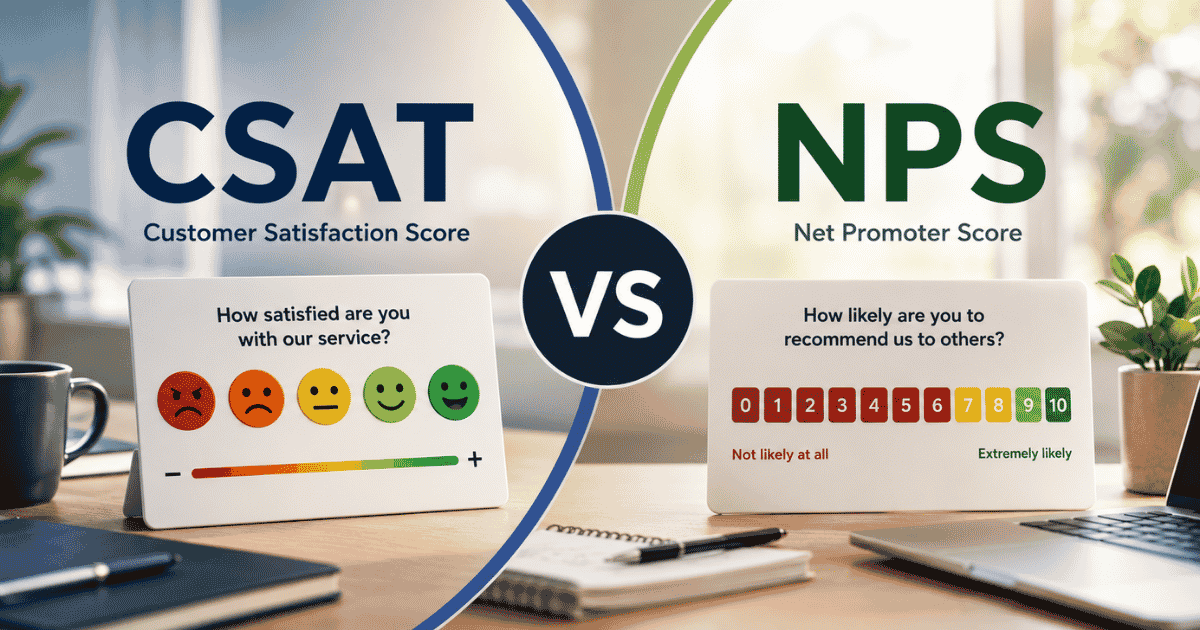
First contact resolution is also a key performance indicator across contact centers. It reduces repeat calls, multiple interactions, and follow-up contacts. That lowers operational costs and improves customer retention. Support teams use tools like knowledge base, interactive voice response, and self-service options to resolve customer problems faster. Measuring first call resolution through post-call surveys, customer feedback, and net promoter score helps track FCR performance. High FCR rates lead to satisfied customers and quality service across the full customer journey.
Why First Contact Resolution Is Important
First contact resolution plays a major role in modern customer support. Customers expect quick answers and fewer steps. A strong first contact resolution rate improves customer satisfaction and reduces repeat contacts. It also helps support teams deliver consistent and quality service across the full customer journey.
Higher Customer Satisfaction And Trust
First contact resolution has a direct impact on customer satisfaction. When a customer’s issue gets solved during the first contact, trust grows fast. Customers feel valued and respected. That leads to higher customer loyalty and better net promoter score.
Recent data shows over 70% of customers expect resolution in the initial contact. When that fails, frustrated customers often switch brands. Strong FCR performance ensures customer issues resolved quickly. That improves customer experience and builds long-term relationships.
Lower Operational Costs And Workload
First contact resolution reduces repeat calls and follow-up contacts. That lowers the pressure on the support team. Fewer customer contacts mean less time spent on the same issue. It also reduces overall operating costs.
Studies suggest improving first call resolution rate can cut operational costs by up to 30%. Many call centers use self-service tools and knowledge base systems to support faster contact resolution. A high FCR helps manage workload and improves support department efficiency.
Better Call Center Performance Metrics
First contact resolution is a key performance indicator in the call center industry. It reflects customer service effectiveness and call center’s performance. High FCR rates show that agents can resolve customer problems without escalation.
Teams track FCR through internal FCR measurement and external FCR measurement. Metrics like post-call surveys and transactional net promoter score provide valuable insights. Measuring first call resolution helps identify gaps and improve overall contact resolution rate.
Stronger Customer Retention And Loyalty
First contact resolution plays a big role in customer retention. Customers expect quick solutions without multiple interactions. When issues get solved in the first call, customers feel confident in the brand.
Research shows businesses with high first contact resolution rate see better customer retention. Fewer repeat contacts and smooth customer interactions improve the full customer journey. Satisfied customers are more likely to return and recommend the service to others.
Faster And More Efficient Support Process
First contact resolution improves how contact centers handle customer inquiries. It reduces delays and avoids multiple calls for the same issue. That makes the support process faster and more reliable.
Tools like interactive voice response and self-service options guide customers to the right solution. Support teams can resolve customer problems during the initial call with better access to information. High FCR performance leads to quality service and improved customer service success.
How First Contact Resolution Works Across Different Support Channels
First contact resolution does not work the same across every channel. Each platform has its own flow and challenges. Customers expect quick answers everywhere. A strong approach ensures consistent contact resolution and better customer experience across all customer interactions and touchpoints.
Phone Support In Call Centers
Phone support remains core in the call center industry. Many customer contacts still begin with a first phone call. Agents must resolve customer problems during the initial call to avoid repeat calls. That directly improves first call resolution rate and overall call center’s performance.
Reports show phone support still handles nearly 60% of complex customer inquiries. High call complexity demands trained agents and fast access to a knowledge base. Strong first contact resolution FCR reduces multiple calls and improves customer satisfaction. It also lowers operational costs in contact centers.
Live Chat And Real-Time Support
Live chat offers fast contact support for simple and mid-level customer issues. Customers expect quick replies within seconds, and the benefits of live chat are strongest when it is easy to access and well-integrated. A high first contact resolution rate in chat depends on agent speed and accurate information.
Data shows over 75% of customers prefer live chat for quick help. Support teams use scripts, AI suggestions, and self-service tools to resolve customer inquiries in one session. Strong contact resolution rate in chat improves customer experience and reduces follow-up contacts.
Email Support And Ticket Systems
Email works well for detailed customer problems. Using an email ticketing system for structured, trackable replies allows support teams to give clear and structured answers. However, delays can reduce customer satisfaction if not managed well.
Studies suggest email resolution takes longer than real-time channels. That increases chances of repeat contacts and multiple interactions. A strong support department uses templates and knowledge base software to improve first contact resolution. Clear answers help resolve customer issues without follow-up.
Social Media Customer Interactions
Social media has become a major channel for customer interactions. Customers often share concerns publicly. Quick contact resolution is important to protect brand reputation and improve customer loyalty.
Recent data shows over 50% of customers expect a response within one hour on social platforms. High FCR rates in social support reduce frustrated customers and improve net promoter score. Support teams must respond fast and resolve issues in the first contact to maintain trust.
Self-Service And Automated Channels
Self-service options like FAQs and interactive voice response help customers resolve issues without agent support. Many contact centers use these tools to handle high volumes of customer inquiries, and thoughtful self-service customer support best practices make these channels more effective.
Reports show nearly 70% of customers prefer self-service for simple issues. A strong knowledge base improves first contact resolution by guiding users during the initial contact. It reduces repeat contacts, lowers operating costs, and supports better customer service effectiveness across the full customer journey.
Key Metrics To Measure First Contact Resolution Accurately
First contact resolution needs clear and accurate measurement. Guesswork leads to poor decisions. Teams must track the right data to understand real performance. Strong measurement improves customer service effectiveness, reduces repeat contacts, and supports better outcomes across the full customer journey.
First Contact Resolution Rate
First contact resolution rate is the main contact resolution metric. It shows how many customer issues get solved during the first contact. A high first contact resolution rate reflects strong support team performance and better call resolution.
Industry data shows average call center FCR rates range between 70% and 75%. World-class teams often reach above 80%. High FCR rates reduce repeat calls and improve customer satisfaction. It also lowers operational costs and improves call center’s performance across contact centers.
Repeat Contacts And Follow Ups
Repeat contacts reveal gaps in contact resolution. When customers call again for the same issue, it signals low first call resolution. Multiple calls and follow-up contacts increase workload and reduce efficiency.
Reports suggest nearly 30% of customer contacts are repeat contacts in many call centers. That directly impacts operating costs and customer experience. Reducing repeat contacts improves customer issues resolved in the initial contact. It also boosts customer retention and builds trust.
Customer Satisfaction And Feedback
Customer satisfaction is a key indicator of first contact resolution success. Satisfied customers often confirm that their issue was resolved during the initial call. Post-call surveys help capture real customer feedback.
Data shows companies with high FCR performance often achieve 20–30% higher customer satisfaction scores. Metrics like net promoter score and transactional net promoter score give deeper insights. Strong customer feedback helps improve quality service and supports better customer interactions.
Internal And External FCR Measurement
Internal FCR measurement tracks whether agents mark issues as resolved. External FCR measurement relies on customer feedback and post-call surveys. Both methods are important for accurate results.
Studies show internal FCR measurement often overestimates resolution rates by up to 20%. External FCR measurement gives a more realistic view of customer experience. Combining both helps support teams understand true contact resolution rate and improve customer service success.
Operational Efficiency And Cost Impact
First contact resolution directly affects operational efficiency. High FCR reduces multiple interactions and follow-up contacts. That lowers annual operational savings and improves support department performance.
Research shows that improving first call resolution rate can reduce operating costs by up to 25–30%. Fewer customer inquiries and faster issue resolution improve overall efficiency. Strong FCR performance also supports other metrics like customer journey quality and call center industry benchmarks.
Common Challenges That Affect First Contact Resolution Rates
First contact resolution often drops due to common support gaps. Many contact centers face similar issues. Poor processes and limited tools affect contact resolution and customer experience. Identifying these challenges helps improve first contact resolution rate and overall customer service effectiveness.
Lack Of Agent Knowledge And Training
A support team cannot resolve customer problems without proper knowledge. Limited training leads to confusion during customer interactions. Agents may fail to handle customer inquiries during the initial contact. That increases repeat calls and lowers first call resolution rate.
Reports show nearly 40% of support agents feel they lack the right information to resolve issues. A weak knowledge base and poor training reduce FCR performance. Better training improves customer issues resolved and boosts customer satisfaction. Strong skills help achieve higher FCR rates.
Poor Call Routing And Channel Management
Wrong routing sends customer contacts to the wrong agent. That delays contact resolution and increases multiple interactions. Customers get transferred between departments. That creates frustrated customers and reduces customer satisfaction.
Data shows poor routing can increase call handling time by up to 25%. Many call centers struggle with channel management across phone, chat, and email. Smart routing systems and interactive voice response improve first contact resolution FCR. Proper routing ensures faster issue resolution during the first contact.
Limited Access To Tools And Data
Agents need fast access to customer data and tools. Without it, resolving issues becomes slow and complex. Missing context leads to repeat contacts and follow up interactions. That affects call center’s performance and customer experience.
Studies suggest over 50% of agents face delays due to disconnected systems. Lack of integration reduces customer service effectiveness. A strong system with self service tools and a centralized knowledge base improves contact resolution rate. It also reduces operational costs and improves efficiency.
High Call Complexity And Volume
Some customer problems are complex and require multiple steps. High call complexity makes first contact resolution difficult. Large volumes of customer inquiries also overwhelm support teams. That lowers resolution rate and increases follow up contacts.
Research shows peak call volumes can reduce FCR rates by 10–15% in many contact centers. Support departments must manage workload carefully. Better staffing and process optimization help resolve customer issues faster. That improves customer service success and reduces repeat contacts.
Poor Measurement And Feedback Systems
Accurate measurement is critical for improving FCR performance. Weak tracking leads to incorrect data. Internal FCR measurement alone may not reflect real customer experience. That hides gaps in contact resolution.
Reports show internal metrics can overstate resolution rates by up to 20%. Without post call surveys and customer feedback, teams miss key insights. External FCR measurement and net promoter score give a clearer view. Strong measurement improves customer journey and ensures quality service.
Proven Strategies To Improve First Contact Resolution
First contact resolution improves with the right approach and tools. Small changes can drive big results. Teams that focus on clear processes and better support systems see higher first contact resolution rate and stronger customer service effectiveness across all customer interactions.
Strengthen Agent Training And Knowledge
Well-trained agents resolve customer problems faster. Strong product knowledge helps handle customer inquiries during the initial contact. A skilled support team reduces repeat calls and improves first call resolution rate.
Studies show companies with continuous training programs improve FCR rates by up to 20%. A detailed knowledge base also supports faster call resolution. Agents feel confident during customer interactions. That leads to higher customer satisfaction and better customer experience.
Use Smart Routing And Automation
Smart routing connects customer contacts to the right agent. That reduces delays and avoids multiple interactions. Automation tools help guide customer inquiries and improve contact resolution, especially when teams streamline support with ticket automation.
Data shows intelligent routing can reduce call handling time by nearly 30%. Interactive voice response and AI tools support faster first contact resolution FCR. Proper routing improves call center’s performance and ensures customer issues resolved during the first contact.
Improve Knowledge Base And Self-Service
A strong knowledge base helps both agents and customers. It provides quick answers to common customer issues. Self-service options reduce pressure on the support department.
Reports suggest nearly 70% of customers prefer self service for simple problems. Clear resources in a well-structured knowledge base software help resolve customer problems without follow-up contacts, especially when paired with thoughtful self-service customer support design. That improves contact resolution rate and reduces operational costs. It also supports better customer journey across contact centers.
Track And Optimize FCR Metrics
Measuring first call resolution helps identify gaps. Teams must track first contact resolution rate, repeat contacts, and customer feedback. Clear data improves decision-making and performance.
Research shows teams that actively track FCR performance see up to 25% improvement in customer service success. Post-call surveys and net promoter score give valuable insights. Strong measurement improves customer issues resolved and ensures quality service.
Enhance Customer Communication And Ownership
Clear communication helps resolve customer problems faster. Agents must take ownership of each customer’s issue. That reduces confusion and avoids follow-up interactions.
Studies show customers value clear updates and accountability during support interactions. Strong communication improves customer satisfaction and reduces frustrated customers. It also boosts customer retention and builds trust. High FCR rates depend on how well teams handle each customer interaction.
Best Tools And Technologies That Support First Contact Resolution
First contact resolution depends on the right tools and systems. Manual processes slow down contact resolution and increase repeat contacts. Modern contact centers use smart technologies to resolve customer problems faster and improve overall customer service effectiveness.
Help Desk And Ticketing Systems
A help desk system keeps all customer contacts in one place. A modern, fast and scalable helpdesk software helps the support team track customer inquiries and manage each customer’s issue from the initial contact. That improves first contact resolution rate and reduces missed follow-ups.
Reports show companies that use structured ticketing systems improve resolution rate by up to 20%. Clear workflows help resolve customer issues faster. It also improves call center’s performance and ensures better customer experience across the full customer journey.
Knowledge Base And Self-Service Tools
A strong knowledge base gives quick answers to common customer problems. Dedicated knowledge base software with powerful search and structure supports both agents and customers during contact support. Self-service tools help resolve simple issues without agent help.
Data shows nearly 70% of customers prefer self service options for quick fixes. That reduces repeat contacts and lowers operational costs. A well-organized knowledge base improves contact resolution rate and supports higher customer satisfaction in many call centers.
AI Chatbots And Automation Tools
AI tools help handle customer interactions at scale. Chatbots answer basic customer inquiries during the first contact. A cloud-based helpdesk ticketing software like EasyDesk ties these interactions back into a central system. That reduces workload on the support department and improves response time.
Studies suggest AI can handle up to 80% of routine customer contacts. Automation improves first contact resolution FCR by guiding customers to the right solution. It also reduces multiple interactions and improves customer service success across contact centers.
Interactive Voice Response Systems
Interactive voice response systems guide customers during a call. It routes customer contacts to the right agent or solution. That improves call resolution and reduces delays in the initial call.
Research shows IVR systems can reduce call transfers by up to 30%. Better routing improves first call resolution rate and reduces repeat calls. It also supports efficient call center industry operations and improves overall contact resolution.
Analytics And Performance Tracking Tools
Analytics tools help measure FCR performance and other metrics. Platforms with built-in EasyDesk features for tracking and automation let teams track first contact resolution rate, repeat contacts, and customer feedback in real time. That improves decision making.
Reports show data driven contact centers improve efficiency by over 25%. Insights from post call surveys and net promoter score highlight gaps. Strong analytics improves customer issues resolved and ensures better customer service effectiveness across the customer journey.
Best Practices To Maintain High First Contact Resolution Over Time
First contact resolution needs ongoing focus and discipline. One time fixes do not last. Teams must follow clear best practices to keep a high first contact resolution rate. Consistency improves customer satisfaction and long term customer service effectiveness.
Focus On Continuous Training And Skill Growth
A skilled support team handles customer inquiries with confidence. Regular training helps agents stay updated with product changes and customer expectations. Strong knowledge improves first call resolution and reduces repeat contacts.
Studies show teams with ongoing training improve FCR rates by up to 20%. A well maintained knowledge base supports faster contact resolution. Better skills help resolve customer problems during the initial contact. That leads to higher customer satisfaction and quality service.
Keep Knowledge Base Updated And Accessible
An outdated knowledge base leads to wrong answers. Agents need accurate data to resolve customer issues quickly. Easy access to information improves call resolution and reduces follow up contacts.
Reports suggest over 60% of agents rely on internal knowledge systems daily. Updated content improves customer issues resolved during the first contact. It also supports self service tools and improves customer experience across the full customer journey.
Monitor Metrics And Act On Insights
Tracking the right metrics helps maintain strong FCR performance. Teams must monitor first contact resolution rate, repeat contacts, and customer feedback. Clear insights support better decision-making.
Data shows companies that track FCR regularly improve customer service effectiveness by over 25%. Metrics like net promoter score and post-call surveys highlight gaps. Quick action improves contact resolution rate and ensures consistent performance in contact centers.
Improve Communication And Ownership Culture
Clear communication helps resolve customer interactions faster. Agents must take full ownership of each customer’s issue. That avoids confusion and reduces multiple interactions.
Studies show customers value clear updates during support interactions. Strong ownership improves customer satisfaction and reduces frustrated customers. It also boosts customer retention and supports better customer loyalty across many call centers.
Align Tools And Processes With Customer Needs
Tools and workflows must match customer expectations. Poor alignment leads to delays and repeat contacts. Efficient systems improve first contact resolution FCR and overall call center’s performance.
Research shows well integrated tools can improve resolution rate by up to 30%. Self-service options and smart routing support faster issue resolution. A customer-focused approach ensures better customer experience and long-term customer service success.
How EasyDesk Improves First Contact Resolution Across Support Teams
EasyDesk helps support teams achieve higher first contact resolution with smart tools and simple workflows. The EasyDesk customer support platform brings all customer contacts into one place. That helps agents resolve customer inquiries during the initial contact without confusion.
EasyDesk offers a strong knowledge base, smart ticketing system, and automation features. This EasyDesk helpdesk ticketing software reduces repeat contacts and improves first call resolution rate. The platform also supports real-time tracking of first contact resolution rate and other key performance indicators.
With better visibility and faster access to customer data, support teams can resolve customer problems quickly.
FAQs
Does First Contact Resolution Differ From First Response Time?
Yes. First contact resolution focuses on resolving the customer’s issue during the initial contact, while first response time measures how fast a support team replies. Both impact customer experience, but FCR directly affects customer satisfaction and repeat contacts.
Can First Contact Resolution Be Improved Without Increasing Costs?
Yes. Better use of a knowledge base, self-service tools, and smart routing can improve first contact resolution rate without raising operational costs. Efficient processes help resolve customer problems faster and reduce multiple interactions.
Is First Contact Resolution Relevant For Small Support Teams?
Yes. Even small teams benefit from high first contact resolution. It helps manage customer contacts better, reduces workload, and improves customer service effectiveness. A strong FCR approach supports customer retention and long-term growth.
How Does First Contact Resolution Affect Agent Productivity?
High first contact resolution improves agent productivity. Fewer repeat calls and follow-up contacts allow the support team to handle more customer inquiries. It also reduces pressure and improves the overall call center’s performance.
What Role Does Customer Effort Play In First Contact Resolution?
Customer effort is closely linked to first contact resolution. When customer issues resolved in one interaction, effort stays low. Low effort leads to higher customer satisfaction, better customer loyalty, and stronger net promoter score.