Companies that implement a customer feedback loop are 60% more profitable than those that don't. Yet most businesses collect feedback and watch it disappear into a void. Your customers share their thoughts, but nothing changes. They stop responding to surveys. They quietly switch to competitors.
A customer feedback strategy goes beyond collecting responses. You need a system to gather feedback, turn customer insights into real improvements, and show customers their voice created change.
In this article, we will explore how to build feedback loops that cut churn and boost engagement, with feedback loop examples you can use right away.
What Is A Customer Feedback Loop
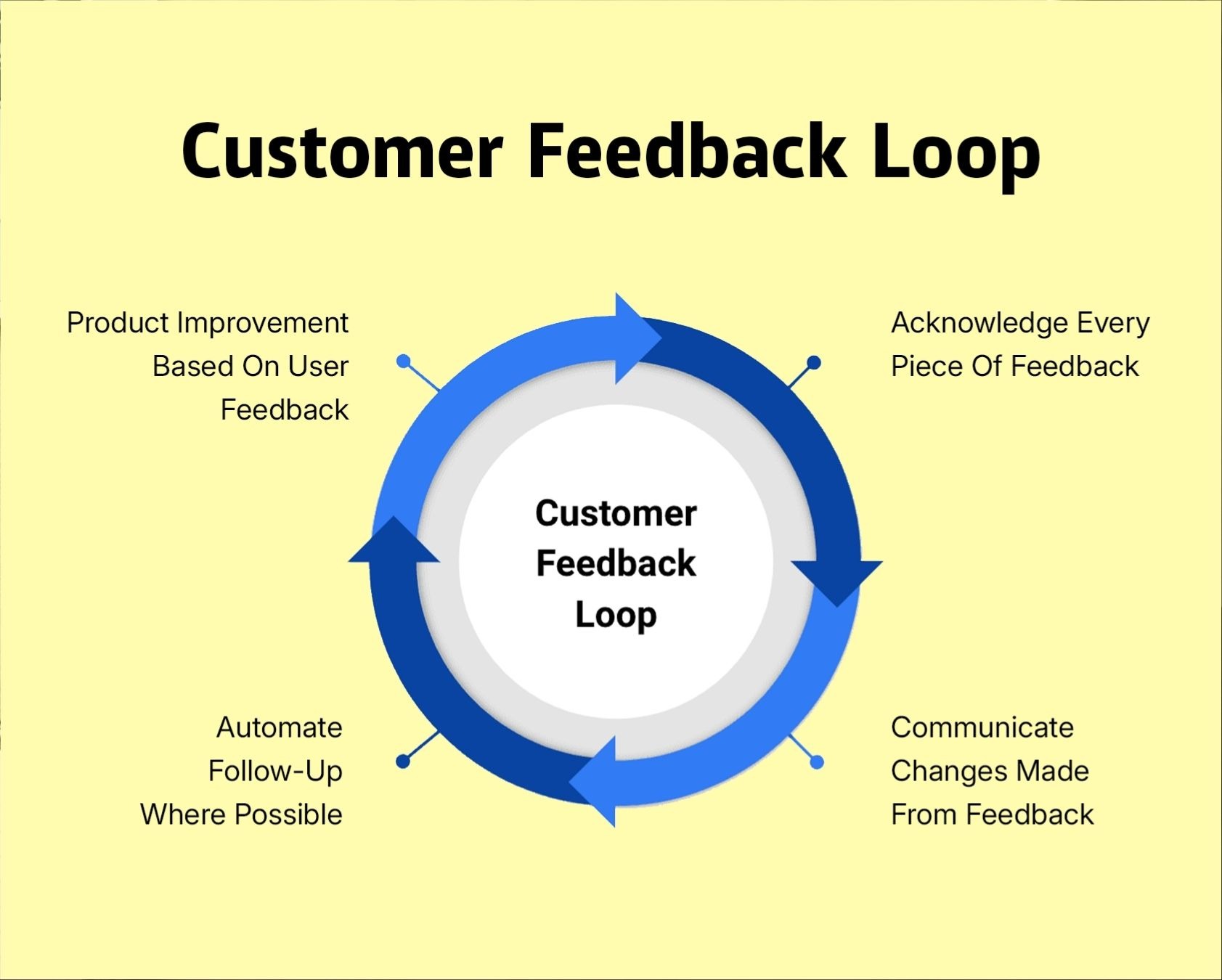
A customer feedback loop is a simple but powerful feedback process. You collect customer feedback, act on it, and then close the loop by telling customers what changed. That is how a customer feedback loop works in real life. It turns customer insights into actionable insights that improve customer satisfaction and the overall customer experience. Teams gather feedback through surveys, net promoter score NPS requests, customer interviews, feedback widgets, and social media. Instead of letting feedback disappear like traditional surveys, effective feedback loops make sure customers feel heard.
Next comes analysis. Product teams review customer feedback data, internal team feedback, and qualitative data to spot pain points, recurring issues, and shifts in customer sentiment. Positive feedback shows what drives customer happiness. Negative feedback and negative feedback loops reveal customer complaints and gaps in customer expectations. Not all feedback has equal impact, so teams focus on valuable feedback from active users and beta testers to guide the planning process.
Closing the feedback loop means taking action and following up through proactive communication. Teams automate responses, improve the delivery method, and share updates through email or even a blog post. Continuous improvement builds customer loyalty and stronger customer relationships. Over time, more feedback leads to fresh insights, a more collaborative development process, better business performance, and a clear competitive edge.
Why Customer Feedback Loops Are Important For Churn And Engagement
A modest 5% increase in customer retention rates can boost your business profits by 25% to 95%. Effective feedback loops directly influence your bottom line. When you collect customer feedback and act on it, you catch problems before they drive customers away.
The Direct Impact On Customer Retention
Customer churn costs you big. Companies lose 59.9% of revenue and see 39.6% drops in profitability when customers leave. Here's the good news: you can prevent 67% of customer churn by solving customer issues at the first engagement. Another 11% of churn stops simply by reaching out to customers.
Only 1 in 26 unhappy customers actually complain. The rest disappear without warning. 91% of those who churn never return. Without feedback loops, you operate blind. Silent customers become your biggest threat.
Close to 70% of customers leave because they believe companies don't care about them. When you gather feedback and respond to it, you prove them wrong. You show their voice matters. This builds trust and prevents departures.
How Feedback Loops Drive Customer Engagement
Businesses that listen and act on feedback grow 41% faster than competitors. This growth comes from stronger customer relationships. When customers see their suggestions implemented, they develop ownership in your brand.
Customer feedback loops create dialogue instead of one-way communication. You collect insights through net promoter score surveys and satisfaction measurements. You analyze sentiment to understand expectations. You implement changes based on customer insights. You follow up to close the loop.
Feedback loops guide product development priorities. User feedback from active customers shows your product teams which key features matter most. Customer interactions reveal which touchpoints need improvement. You invest resources where they deliver the greatest customer happiness.
The Cost Of Ignoring Customer Feedback
Businesses that mismanage customer complaints put $887 billion in potential revenue at risk. U.S. businesses lose $75 billion annually when they ignore customer experience. These numbers show what happens when feedback disappears into a void.
73% of customers switch to competitors after multiple bad experiences. You don't get unlimited chances. Worse, 56% of dissatisfied customers don't complain. They just leave. Without proactive feedback collection, you never know why customers disappear.
When feedback isn't acknowledged or addressed, customers notice. This damages loyalty and kills response rates on future surveys. You create negative cycles where customers stop providing feedback because they see no point.
Essential Elements Of An Effective Feedback Loop Plan
Building an effective customer feedback loop requires three foundational elements. You need clear goals, appropriate collection methods, and a structured timeline for responses. These components work together to turn customer feedback data into real improvements.
Set Clear Objectives For Your Feedback Program
Define what you want to accomplish before you collect feedback. Your customer feedback strategy succeeds when you know exactly what information you seek and how you'll use it. Are you improving product features, enhancing user experience, or measuring customer satisfaction?
Limit your objectives to three top-line goals. This focused approach prevents scattered efforts and keeps your internal team working on what matters most. Your goals might target a specific product launch, customer onboarding experience, or overall satisfaction with your support team.
Consider what actions you'll take based on survey results. You might want to know if customers were satisfied with your checkout process, what aspects of your app prevent continued use, or which features create the most confusion. These answers guide the changes you'll actually implement.
Choose The Right Feedback Collection Methods
Meet customers where they are. Tech-savvy users might prefer in-app feedback widgets and quick surveys. Others respond better to personal touches through phone calls or focus groups. Match your collection approach to your customer base.
Multiple collection methods create a complete picture of customer needs. Surveys provide structured data at scale. Support tickets reveal real-time pain points and complaints. Community forums surface unprompted feedback about issues your surveys miss. Social media captures trending sentiment and public reactions.
Customer interviews deliver detailed insights that surveys cannot capture. These conversations uncover why customers feel certain ways about your product. Use structured questions to guide discussions but allow open-ended responses for deeper understanding.
Creating A Response Timeline And Process
Act on customer feedback quickly. Address simple fixes like broken links or outdated help articles immediately. Customers want to feel you're listening and making necessary changes to keep them happy. The lower you can make the first response time, the more customers you will get.
Automate responses at key touchpoints. Set up prompts that trigger short surveys after specific interactions. Schedule net promoter score requests quarterly to maintain a pulse on customer loyalty. Automation ensures continuous feedback collection, even during busy periods.
Assign specific tasks to relevant team members. Product teams handle feature requests. Your customer service team addresses experience issues. Developers fix technical problems. Clear ownership prevents feedback from disappearing into a void.
Step-By-Step Guide To Build Your Customer Feedback Strategy
Start with what you already know. List every place customers talk to your business: support calls, emails, review sites, social media. These touchpoints give you immediate opportunities to collect customer feedback.
Step 1: Identify Key Touchpoints
Map how your customers actually behave. Think through their decision process: where they research before buying, how they contact you when problems arise, where they learn about new features.
Analyze your audience demographics first. Customers aged 15-30 live on social media. Older segments prefer email or phone calls. Match your collection methods to their preferences, not yours.
Build a customer journey map with three phases:
Before purchase - Landing pages, ads, content pages
During purchase - Checkout, onboarding, first-use experience
After purchase - Support interactions, renewals, feature usage
Audit where customers engage most. You might find heavy traffic on landing pages but empty chat widgets. Focus your net promoter score surveys and satisfaction measurements where customers actually spend time.
Step 2: Select Appropriate Survey Types And Tools
Customer satisfaction surveys work best after specific interactions. Send these immediately after support tickets close or right after onboarding completes. Fresh experiences get honest responses.
Net promoter score surveys measure loyalty over time. Run these quarterly to spot trends. Customer effort score surveys find friction points by asking how easy specific tasks felt.
Choose delivery methods that match your audience:
- Email surveys for detailed feedback requests
- SMS surveys for quick post-interaction check-ins
- In-app surveys for real-time feature reactions
Match tools to your actual needs. Do you need automated analysis? Real-time alerts? Integration with your CRM? Implementation takes time, so plan accordingly.
Step 3: Map Your Feedback Collection Channels
Bring everything into one place. Scattered feedback across different inboxes makes patterns invisible. Issues take longer to surface when information stays siloed.
Create a central intake system. Small teams can use shared inbox software. Larger operations need unified dashboards that connect multiple channels automatically.
Use omnichannel solutions that adapt one survey across websites, social media, and support channels. This saves time and creates consistent experiences.
Connect channels through integrated systems. AI-powered sentiment analysis spots negative feedback automatically, helping you prioritize frustrated customers before they leave.
Step 4: Assign Team Roles And Responsibilities
Define clear ownership upfront. Decide who reads new feedback, determines next steps, implements changes, and responds to customers.
Product teams handle feature requests and technical issues. Customer service teams resolve experience complaints. Marketing addresses messaging concerns. Clear ownership prevents feedback from stalling between departments.
Train your teams on response protocols. Support representatives need authority to fix issues quickly - 81% of customers expect faster service as technology advances. Connect them with other departments when problems require broader solutions.
Set realistic timelines with automated tracking. Use reminders and manager alerts for critical feedback. This structure turns valuable input into real improvements instead of letting it disappear.
How To Analyze And Act On Customer Feedback
Raw customer feedback means nothing until you organize it systematically. Create categories that match your business: product quality, bugs, customer service, user experience, and feature requests. Add subcategories for detailed organization.
Organize Feedback By Categories And Priority
Tag everything for context: Use sentiment tags to separate positive feedback from complaints automatically. Mark urgency levels as high, medium, or low priority. Tag complexity as quick fixes or major projects. Separate mobile issues from desktop problems.
Segment by customer type: Free users want different features than paying customers. Churned customers reveal why they left. Enterprise clients need different solutions than individual users. Know what each segment cares about most.
Set priority based on impact: High-priority feedback affects multiple customers, impacts your best clients, or could cause significant revenue loss. Track how often you see the same complaints. Address issues that hurt customer satisfaction scores first.
Turn Feedback Into Actionable Tasks
Define clear objectives for each piece of feedback you plan to address. Set deadlines that make sense. Product teams handle feature requests. Your customer service team fixes experience problems. Developers tackle technical issues.
Create service level agreements for different feedback types:
- Fix critical bugs within 48 hours
- Address churn drivers within 30 days
- Update help content within 10 days
- Document recurring complaint themes within 7 days
Plan your resources before you start. Know what budget, people, and tools you need. Decide how you'll measure success. Track conversion improvements, complaint reductions, or better renewal rates.
Coordinate Cross-Team Implementation
Customer success teams share net promoter score data with product teams. Product teams work with developers to fix user problems. Marketing teams use customer insights to create better messaging.
Align everyone around the same customer goals. Share feedback data across departments so marketing, product, and proactive customer support can create consistent experiences. When customer satisfaction becomes everyone's job, teams work together better.
Set up regular meetings where departments share customer insights and pain points. Use shared dashboards so everyone sees the same customer behavior. Assign small cross-functional teams to own critical parts of the customer journey instead of letting departments work in isolation.
How To Close The Feedback Loop With Customers
Closing the customer feedback loop transforms satisfied customers into loyal advocates. Companies that consistently close the loop report a 25% increase in customer loyalty and a 20% reduction in customer churn. This final step separates businesses that merely collect feedback from those that build stronger customer relationships.
Acknowledge Every Piece Of Feedback
Send immediate acknowledgment when customers provide feedback. Quick responses build customer trust and show their input matters. You don't need solutions ready. A simple message works: "Thank you for your feedback, we're looking into this".
Automate thank-you messages to ensure no feedback goes unnoticed. Use your CRM or feedback tools to send personalized emails for every survey response. Include specific details from customer feedback data to make responses feel tailored. Reference their survey score or key comments so customers feel heard rather than processed.
Segment your acknowledgments based on customer sentiment. For promoters who leave glowing reviews, thank them and invite participation in advocacy programs. For detractors who share negative feedback, create immediate alerts so your customer service team can engage within minutes. Set triggers for automated responses when feedback arrives. No customer waits days for acknowledgment.
Communicate Changes Made From Feedback
Let customers know once improvements go live. Customers want to feel you're invested in making necessary changes to keep them happy. Share updates through email campaigns, app notifications, or public announcements to show their voices drive meaningful change.
Make communication personal and specific. Reference what customers told you and what action was taken. For example: "You left a review about the sizing issue with our jackets. We appreciated that feedback. We've since updated our size chart online and adjusted the fit on our L and XL sizes. Your input directly influenced these changes".
Use multiple channels to reach different customer segments. Share improvements in newsletters and blog posts. Post updates on social media to demonstrate your company is responsive and customer-focused. This public acknowledgment shows all customers that their feedback creates real changes.
Automate Follow-Up Where Possible
Set up automated workflows for different feedback types. Promoters receive invitations to leave reviews or join referral programs. Detractors get immediate outreach from support teams to resolve issues. Canceled users see personalized offers that might address their concerns.
Timely responses matter for customer satisfaction. Create alerts when customers leave low ratings so managers can respond within minutes. Schedule ticket escalation workflows if no one responds within 24 hours. Automated follow-up tasks ensure nothing falls through the cracks and every customer receives the attention their feedback deserves.
Real-World Customer Feedback Loop Example
Companies turn customer feedback into measurable retention wins. Here's how real businesses collect user feedback and reduce churn with specific results.
Product Improvement Based On User Feedback
Apple faced user backlash in 2021 when iOS 15 beta moved Safari's address bar to the bottom. Users complained the floating bar covered website buttons and created confusion. Apple collected input through beta forums and the Feedback app. The design team spotted the core issue within weeks. By the sixth beta release, Apple added a toggle for the classic top bar. This quick response prevented mass complaints at launch and kept iOS 15 adoption rates high.
Stripe invites customers to bi-weekly management meetings. One customer joins 40 Stripe leaders for 30 minutes. This direct approach reveals insights surveys miss. Leadership creates action items for product teams during these sessions. Stripe's payment volume hit $1.40 trillion in 2024, up 38% year-over-year. The company now serves half of the Fortune 100.
Service Recovery After Negative Feedback
Service recovery creates loyal customers from unhappy ones. When you fix problems well, those customers show more loyalty than people who never had issues. This service recovery paradox makes negative feedback valuable. Customers who rate service as good are 38% more likely to recommend your company.
Feature Prioritization Through Customer Input
Atlassian handled feedback from 250,000 customers across support tickets, forums, and surveys. The company used Thematic's AI to analyze themes automatically. Tasks that took six weeks now finish in real-time. Atlassian connects customer feedback themes to best practices of product roadmaps and updates users who requested features.
How To Optimize Your Feedback Loop Plan
Track what matters. Your customer feedback loop only works if it delivers measurable results. These metrics show whether your efforts translate into better business performance and guide your next improvements.
Track Key Metrics For Loop Effectiveness
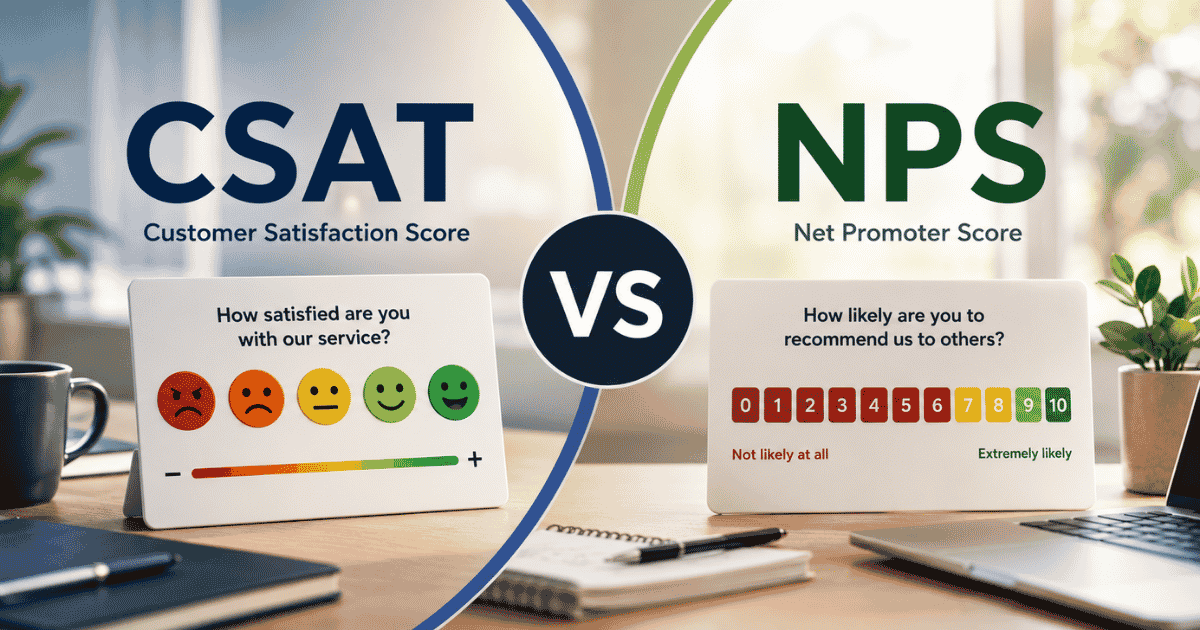
Net Promoter Score tracks overall customer loyalty. Companies with the highest NPS in their industry outgrow competitors by at least 2x. Promoters have a customer lifetime value that's 600% to 1400% higher than detractors. Monitor NPS quarterly to spot trends. Falling detractors and rising promoters mean your feedback initiatives work.
Customer Satisfaction Score measures satisfaction after specific interactions. Watch CSAT trends after you introduce training or process changes. High CSAT scores connect directly to customer loyalty and repeat business. Customer Effort Score reveals friction points. Lower effort scores indicate smoother customer journeys. High effort drives churn even when outcomes are positive.
Identify Bottlenecks In Your Process
Map your feedback process to find delays. Identify the slowest step that consumes the most resources using customer feedback analysis. Collect data on bottlenecked stages to understand root causes. Small bottlenecks create significant inefficiencies. They prevent your customer feedback loop from working effectively.
Engage your internal team and relevant department heads to spot frustration areas. External factors like market demand create bottlenecks you must consider. Employee skills and communication issues impact processes. Address these human elements to resolve constraints.
Continuously Refine Your Approach
Monitor key metrics weekly or monthly to gauge effectiveness. Track customer satisfaction scores, retention rates, and average resolution time regularly. Collect customer opinions continuously using surveys and feedback widgets. Stay ready to refine strategies based on fresh insights. Review feedback and make adjustments for continuous improvement. Your customer feedback strategy needs ongoing refinement as customer expectations change.
How EasyDesk Helps Support Teams With A Customer Feedback Loop
EasyDesk makes it easy for support teams to gather feedback and keep customer satisfaction high by bringing all customer interactions into one place. With EasyDesk, you can manage emails, chats, and feedback in a central dashboard that turns every conversation into a structured ticket your team can track and resolve. This helps your team see customer complaints and positive feedback clearly and use those insights to improve service delivery over time.
EasyDesk also has features like automated workflows and feedback management tools that help you collect customer feedback from multiple customers, prioritize issues, and route them to the right teams automatically. You can set priority levels, track recurring issues, and use the built-in roadmap view to show customers how their suggestions are being reviewed and acted on. These features support a continuous improvement cycle and help build stronger customer relationships as your team turns feedback data into real improvements. You can enjoy EasyDesk at a suitable price.
FAQs
Can A Customer Feedback Loop Improve Response Rate Over Time?
Yes, a consistent customer feedback loop can improve response rate. When customers see proactive communication and real changes, they feel heard. That trust encourages customers to provide feedback again, which strengthens your continuous process and customer loyalty.
Do Small Businesses Need Advanced Tools To Collect Customer Feedback Effectively?
No, small teams can start with simple survey tools and feedback widgets. A clear feedback process and shared dashboard often work well. As feedback numbers grow, you can upgrade systems to manage customer feedback data and automate responses.
Is Net Promoter Score Enough For A Complete Customer Feedback Strategy?
No, net promoter score alone cannot capture all customer sentiment. NPS shows loyalty trends, but you also need qualitative data from customer interviews, social media, and user feedback to capture insights across the full customer journey.
Can A Customer Feedback Loop Support A More Collaborative Development Process?
Yes, feedback loops are important for aligning product teams and the customer service team. When you collect customer feedback and share actionable insights internally, it creates a more collaborative development process focused on real customer needs.
How Often Should Companies Collect Customer Feedback Without Overwhelming Customers?
Frequency depends on customer interactions and delivery method. Short surveys targeted after key touchpoints work well. Balanced timing helps gather feedback, maintain customer satisfaction, and avoid fatigue while still capturing fresh insights.