Customer expectations keep rising in 2026. Customers want fast answers across email, chat, and social media. They expect your team to remember past interactions. They do not tolerate long wait times or robotic replies.
Research shows that most companies overestimate their service quality. One study found 80% of businesses rate their support as great. But only 8% of customers agree. This gap creates a significant impact on customer retention and business growth.
At EasyDesk, we work with startups and growing teams every day. We see the same customer service mistakes repeat across industries. This article covers seven common customer service mistakes and how to fix them.
Why Customer Service Mistakes Hurt Business Growth
Customer service mistakes do more than frustrate customers. They directly harm your revenue, reputation, and team performance. Understanding the real cost helps you prioritize fixes.
Lost Customers Reduce Lifetime Revenue
Every negative experience pushes customers closer to a competitor. Research shows over 25% of customers switch providers after being transferred multiple times. The frustration compounds when agents fail to resolve the issue immediately.
Customer complaints often signal deeper problems. When you ignore customer concerns, you lose the chance to keep that revenue. The cost of acquiring new customers is much higher than keeping current ones. Poor support weakens customer loyalty and cuts lifetime value. One bad customer service experience can undo months of marketing efforts.
Negative Reviews Damage Brand Trust
In 2026, customers share their experiences online instantly. One unhelpy customer can reach thousands through social media. Data shows 84% of prospects avoid companies with bad reviews. This negative word spreads fast and stays visible for years.
Your brand reputation takes a long time to build. It takes seconds to damage. When customers post about slow responses or rude agents, future buyers notice. Review platforms like G2 and Capterra matter for SaaS businesses. A consistent experience across all channels protects your brand. Inconsistent service creates doubt and drives prospects to your competitor.
Low Team Morale Impacts Service Quality
Customer service mistakes hurt your team too. Agents who lack training feel frustrated. They face angry customers without proper tools or relevant information. This creates stress and high turnover.
Overworked teams make more errors. They skip personalization. They rush through conversations. Low morale leads to robotic replies and missed details. Strong customer relationships require engaged agents. When your customer service team feels supported, they deliver better results. The benefits of investing in your team go a long way toward better customer experience.
Poor Support Weakens Customer Loyalty
Customers remember how you made them feel. A positive experience builds trust. A negative experience creates doubt. Loyalty and good service go hand in hand.
When customer issues stay unresolved, customers lose confidence in your company. They expect your team to understand their customer preferences and purchase history. They want you to go the extra mile. Poor support signals that you do not value them. Excellent customer service creates loyal advocates who refer others. The overall customer experience determines whether customers stay or leave.
7 Most Common Customer Service Mistakes
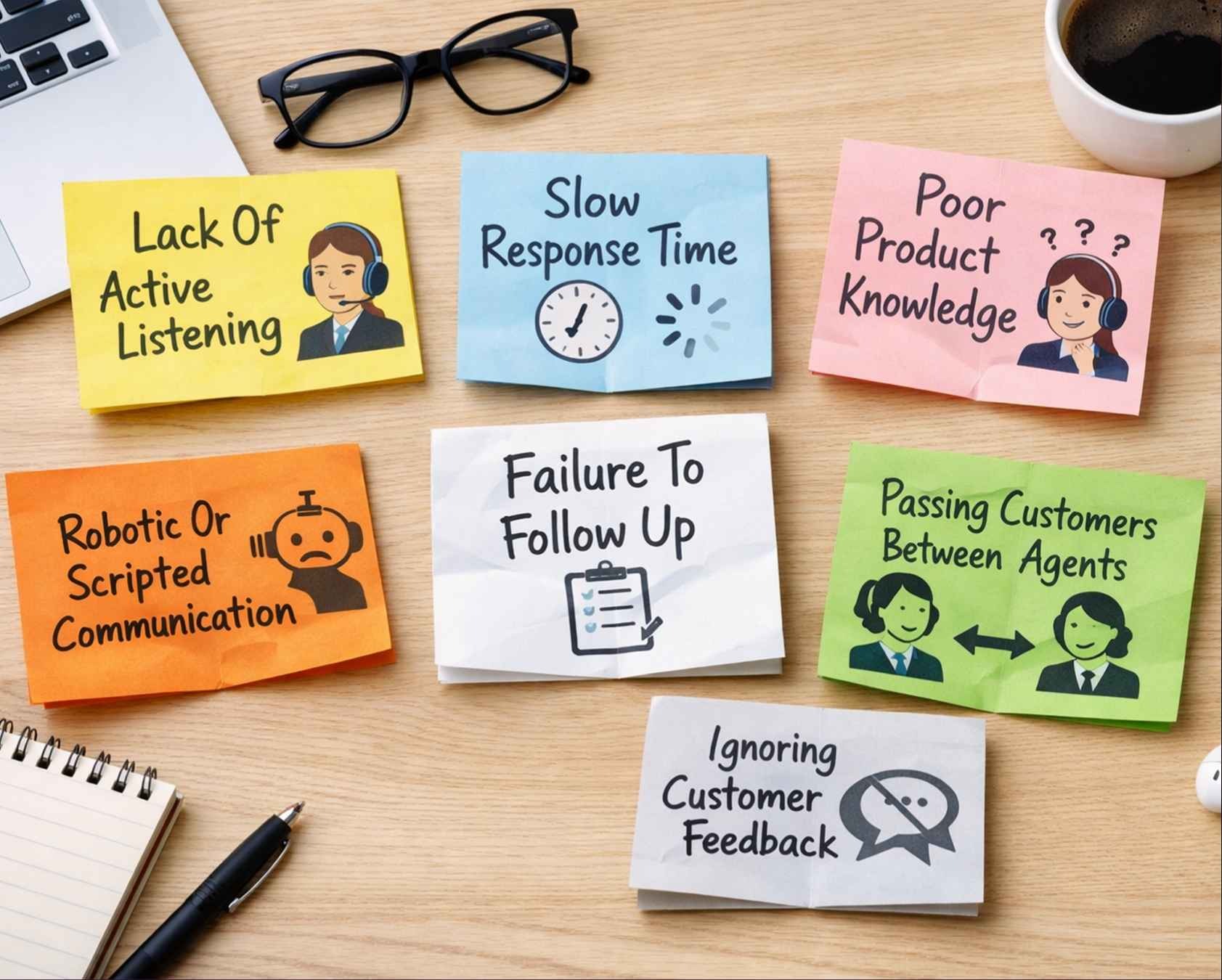
These seven mistakes appear repeatedly in support teams of all sizes. Each one creates pain points for customers and costs your business money. Recognizing them is the first step toward a better customer experience.
1. Lack Of Active Listening
Many agents fail to listen fully. They interrupt customers. They assume they know the problem before the customer finishes talking. This mistake frustrates customers who need to explain complex customer issues.
Active listening means letting the customer speak without interruption. It means understanding the root cause, not just the surface complaint. Research shows rudeness and dismissive behavior are top reasons customers leave. When agents focus on talking instead of listening, they miss important details. Customers feel unheard.
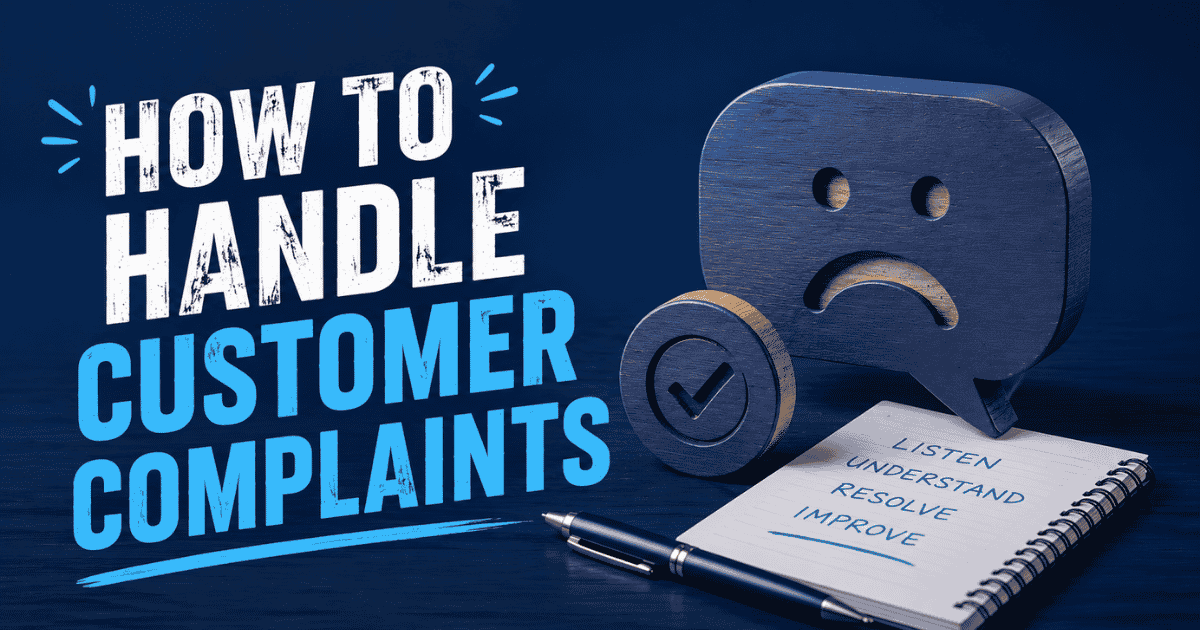
The fix starts with training. Teach agents to pause before responding. Have them restate the problem to confirm understanding. This simple process builds trust and leads to faster resolution.
2. Slow Response Time
Long wait times frustrate customers more than almost anything else. Customers expect quick responses across all channels. They compare your service to the fastest brands they use.
In 2026, customers expect chat replies in under two minutes. They expect email responses within hours, not days. When you fail to meet these customer expectations, they leave. The frustration grows when they wait on hold or receive no reply at all.
The solution involves proper staffing during peak hours. Use automation to acknowledge messages quickly. Set clear SLA targets in your helpdesk software. EasyDesk helps teams track response times and alert agents when tickets breach targets. Keep customers informed about wait times to reduce frustration.
3. Poor Product Knowledge
Agents who lack product knowledge frustrate customers. When customers know more than your support team, it reflects badly on your company. This mistake erodes confidence in your brand.
Training matters more than scripts. Agents need to understand your products deeply. They should know common pain points and solutions. A good knowledge base helps agents find answers fast. EasyDesk lets teams maintain internal articles that agents can search during conversations.
New agents need proper onboarding. Pair them with experienced team members. Build a library of common questions and answers. Good customer service requires confident agents who can deliver accurate information.
4. Robotic Or Scripted Communication
Scripts feel impersonal. Customers notice when agents read from a template without adjusting to the situation. This mistake makes interactions feel cold and transactional.
Empathy cannot come from a script alone. Agents need to acknowledge customer emotions. They should use the customer’s name. They should reference past interactions when relevant. Research shows emotional responses stick with customers more than neutral ones.
EasyDesk supports canned responses as starting points. Agents can personalize them for each conversation. The goal is efficient but human communication. Train agents to adapt their tone based on customer needs. A frictionless experience includes warmth and understanding.
5. Failure To Follow Up
Many companies skip the follow-up. They close tickets without checking if the solution worked. This mistake leaves customers feeling abandoned. Silence does not mean satisfaction.
Customers may not know how to reach you again. They may assume their concern does not matter. Research shows follow-up firms retain 20% more customers than those who do not follow up. A simple check-in email shows you care.
Build follow-up into your process. Use automation to send satisfaction surveys after ticket closure. Track customer feedback over time. EasyDesk helps teams schedule reminders and track satisfaction trends. A proactive approach catches problems before they grow.
6. Passing Customers Between Agents
Transfers frustrate customers. Research shows over 25% of customers switch providers after multiple transfers. Each handoff forces customers to repeat their story. This wastes their time and signals incompetence.
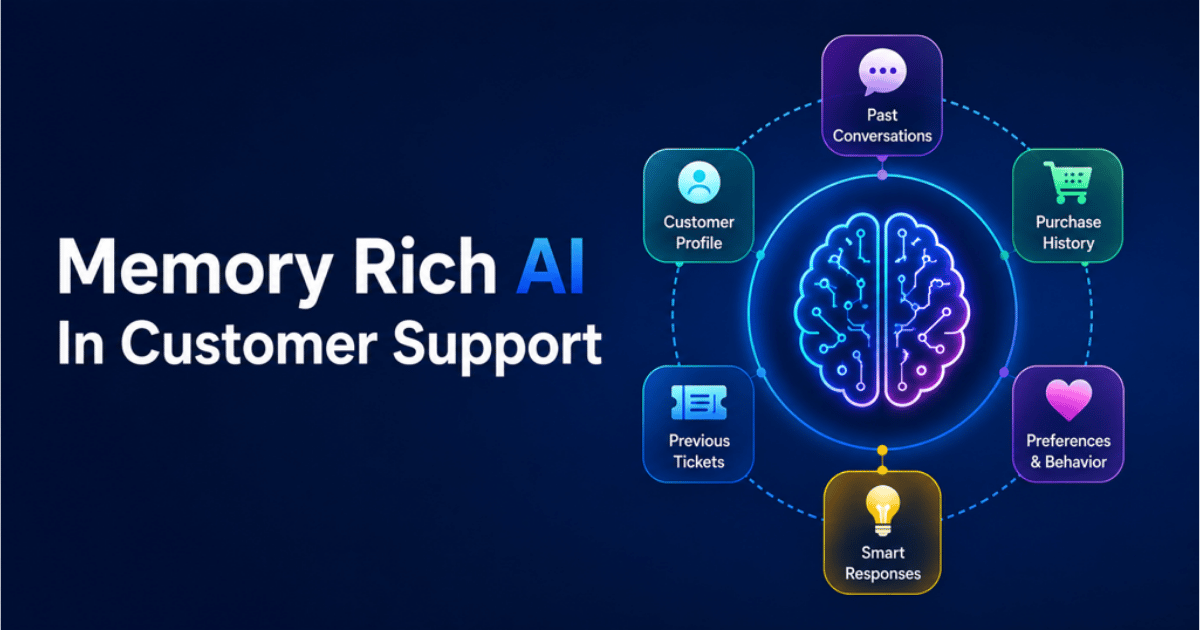
The goal is first contact resolution whenever possible. Agents need access to full customer history. They should see previous tickets, purchase history, and account details in one view. EasyDesk centralizes customer interactions across email, chat, and social media.
When transfers are necessary, pass the context too. Brief the next agent before the customer repeats everything. Use internal notes to share relevant information. Reducing transfers improves the customer service experience dramatically.
7. Ignoring Customer Feedback
Customer feedback management hides in support tickets every day. Customers mention confusing features. They ask for missing integrations. They report usability problems. Ignoring this feedback wastes valuable insight.
When teams do not track feedback patterns, they miss chances to improve. Product teams need to hear what customers say. Marketing can use this feedback to improve messaging. The direct line from support to product creates stronger offerings.
Tag tickets by feedback type. Track trends monthly. Share insights with leadership. EasyDesk includes feedback tracking features that help teams close the loop. When customers see their suggestions implemented, they become loyal advocates. Respond to feedback to build trust.
Solutions For These Common Customer Service Mistakes
Every mistake has a practical fix. Small teams can implement these solutions without large budgets. The key is consistent effort and the right tools.
Train Agents On Product And Empathy
Training solves multiple problems at once. Agents who understand products answer faster. Agents who practice empathy create better connections. Invest in regular training sessions.
Cover new key features when they launch. Role-play difficult customer scenarios. Build empathy into your training curriculum. EasyDesk knowledge bases help agents access information during live conversations.
Set Clear Response Time Goals
Define response targets for each channel. Email might be four hours. Chat might be two minutes. Publish these expectations internally and externally.
Track performance against these goals. Celebrate wins. Address gaps quickly. EasyDesk SLA tracking shows where your team exceeds targets and where they need support.
Create A Centralized Knowledge Base
A single source of truth reduces inconsistent answers. Build articles for common questions. Include policies, troubleshooting steps, and product FAQs.
Update articles after each product change. Assign ownership so content stays current. EasyDesk supports both internal and public knowledge bases. Customers can self-serve. Agents can reference articles instantly.
Use Automation To Reduce Manual Work
Automation saves time on repetitive tasks. Auto-assign tickets by topic or priority. Send instant acknowledgments so customers know you received their message.
Tag tickets automatically based on keywords. Route billing questions to the right team member. EasyDesk workflow automation handles these tasks without manual effort. This lets agents focus on solving problems.
Close The Loop On Every Interaction
Follow up after resolving tickets. Ask if the solution worked. Send satisfaction surveys. Track responses to spot trends.
When customers report recurring issues, escalate to product teams. EasyDesk feedback tracking helps you communicate improvements back to customers. This builds loyalty.
Monitor Metrics And Adjust
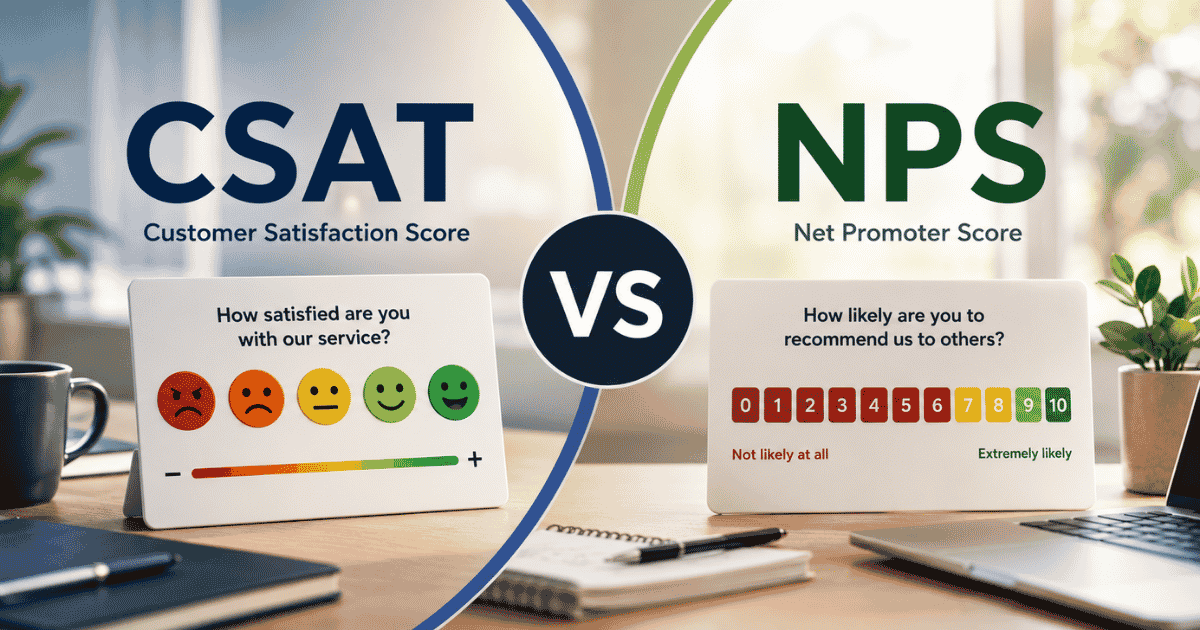
Track first response time, average resolution time, and satisfaction scores. Review these customer satisfaction metrics monthly. Look for patterns in customer complaints.
Use data to guide process improvements. EasyDesk dashboards show trends over time. When you see a spike in transfer rates, investigate the cause. Data-driven teams improve faster.
Root Causes Behind Customer Service Mistakes
Understanding why mistakes happen helps you prevent them. Most issues trace back to a few common root causes.
Unclear Internal Processes Create Confusion
When agents do not know the correct process, they guess. Guessing leads to inconsistent answers. Customers notice when two agents give different refund policies.
Document your processes clearly. Make them easy to find. Review them quarterly. Clear processes reduce errors and speed up training for new agents.
Lack Of Proper Training Limits Confidence
Untrained agents struggle with complex questions. They escalate too often. They give wrong answers. This hurts the customer experience.
Training takes time but pays off fast. Cover products, tools, and soft skills. EasyDesk canned responses give new agents a solid starting point. Experienced mentors accelerate learning.
Overworked Agents Make More Errors
High ticket volumes without enough staff create burnout. Rushed agents skip personalization. They miss details. Mistakes multiply.
Monitor workload management carefully. Hire before your team hits capacity. Use support automation tools to reduce repetitive tasks. Balanced workloads lead to better service quality.
Poor Communication Between Departments
Support teams need input from product, sales, and marketing. When departments operate in silos, agents lack context. They cannot answer questions about upcoming features or pricing changes.
Create regular sync meetings. Share documentation across teams. Use a direct line between support and product for quick answers. Better internal communication improves external customer communication.
No Clear Performance Metrics Or Accountability
Without metrics, you cannot improve. Teams need clear goals for response time, resolution rate, and satisfaction. Accountability ensures everyone works toward the same targets.
Define metrics that matter for your business. Review them weekly with your team. Celebrate improvements. Address underperformance with coaching and support.
How To Prevent Customer Service Mistakes
Prevention beats correction. These practices help your team avoid common service mistakes before they happen.
Build A Clear And Simple Support Process
Map out your support workflow from ticket creation to resolution. Define who handles what. Set ticket escalation paths for complex issues.
Keep the process simple. Complex workflows confuse agents and slow responses. Review your process when you add new products or channels. EasyDesk workflows help automate routing so tickets reach the right person fast.
Provide Continuous Training For Support Teams
One-time training fades quickly. Schedule regular refreshers on products and skills. Update training when processes change.
Include empathy and communication skills. Role-play difficult scenarios. Use real ticket examples to teach best practices. Continuous training keeps agents confident and capable.
Set Realistic Response Time Expectations
Overpromising leads to disappointment. Set targets your team can actually meet. Communicate these expectations to customers.
Display expected response times on your website and in auto-replies. When you meet expectations consistently, customers trust you. When you exceed them, you delight customers. Reliability matters more than promises you cannot keep.
Use Helpdesk Software To Track Every Interaction
Manual tracking fails at scale. Helpdesk software centralizes all customer interactions in one place. Agents see full history without asking customers to repeat themselves.
EasyDesk brings email, chat, and social messages into a single queue. It tracks SLAs automatically. It stores customer history so agents can personalize every conversation. The right tools make excellent customer service easier.
Review Customer Feedback And Act On It
Feedback tells you what to fix. Collect it systematically through surveys and ticket tags. Review trends monthly with your team and product leadership.
Act on feedback visibly. Tell customers when you fix their reported issues. This closes the loop and builds loyalty. Not everyone will provide feedback, so treasure those who do.
How EasyDesk Helps Prevent Customer Service Mistakes
Customer service mistakes can have a significant impact on business growth. EasyDesk helps reduce common customer service mistakes with a clear, proactive customer service strategy. Every customer interaction stays in one place. Your customer service team can track customer complaints, customer issues, and past interactions without confusion. Purchase history and customer preferences remain visible. Customers stay informed through a direct line across phone and website channels. Quick access to relevant information helps respond to customer concerns immediately and prevent negative experience.
EasyDesk supports excellent customer service through automation and a simple process. Team members communicate better and handle customer feedback with a proactive approach. Research shows strong customer relationships and reliability go hand in hand with customer satisfaction. EasyDesk helps improve customer satisfaction, build trust, and deliver a consistent experience. Not everyone expects perfection, but customers expect solutions. A better customer experience reduces frustration, lowers risk, and builds loyalty that goes a long way for your brand.
FAQs
How Do Customer Service Mistakes Affect Brand Reputation?
Mistakes spread fast in 2026. Customers share negative experiences on social media and review sites. Data shows 84% of prospects avoid companies with bad reviews. One poor interaction can reach thousands.
What Is The Cost Of Poor Customer Service For Small Businesses?
Poor service costs more than lost sales. You lose customer lifetime value when customers churn. You spend more on marketing to replace lost customers. Bad reviews make acquisition harder.
How Can Customer Service Software Reduce Human Error?
Software automates repetitive tasks that humans often fumble. Auto-routing sends tickets to the right agent. Auto-replies acknowledge messages instantly. Knowledge bases surface accurate answers fast.
When Should A Business Apologize For A Service Mistake?
Apologize when you cause inconvenience, frustration, or harm. Do not wait for customers to complain. A quick, sincere apology defuses anger.
Which Metrics Help Identify Customer Service Problems Early?
Track first response time to catch slowdowns. Monitor resolution time to spot complex issues. Watch CSAT scores for satisfaction trends. Count repeat tickets to find unresolved problems.