Customer interaction history plays a central role in effective customer relationship management for support teams. Every conversation, support request, and previous interaction contributes valuable context that helps agents understand customer needs more clearly. When support platforms capture this information properly, teams gain insights that improve service quality and decision making.
A structured interaction history also works alongside existing business systems such as helpdesk platforms, CRM tools, and communication channels. These records help teams identify patterns in customer feedback, track agent performance, and reduce routine tasks that slow down response times. The key components of interaction history systems include organized conversation records, customer activity timelines, and accessible support data.
By analyzing these key elements, companies develop a deep understanding of customer behavior and service expectations. This approach supports business growth while providing businesses with the insights needed to improve customer relationships and maintain long term success.
What Is Customer Interaction History
Customer interaction history refers to the chronological log of every conversation and touchpoint a customer has with your business. This includes emails, live chat sessions, phone calls, social media posts, and survey responses. It captures the full story of your customer relationship, not just account creation dates or subscription values.
Think of it as a timeline that shows when Sarah from Company X first asked about pricing via email, later reported a bug through chat, and then shared feedback in a survey. All these moments sit in one searchable view. For support teams, this history becomes the foundation for understanding customer needs, resolving issues promptly, and delivering personalized experiences.
Unlike high-level CRM records that store static data, interaction history focuses on conversations, context, and outcomes. Research shows that 80% of customer service organizations now use analytics on this data to create better customer experiences and improve customer satisfaction scores.
How To Manage Customer Interaction History In Support Teams
Effective customer interaction management transforms how support teams handle daily conversations. With global contact centers processing over 200 billion interactions annually and volumes growing 15% each year, having structured systems for managing interactions is no longer optional.
Centralized Customer Interaction Records
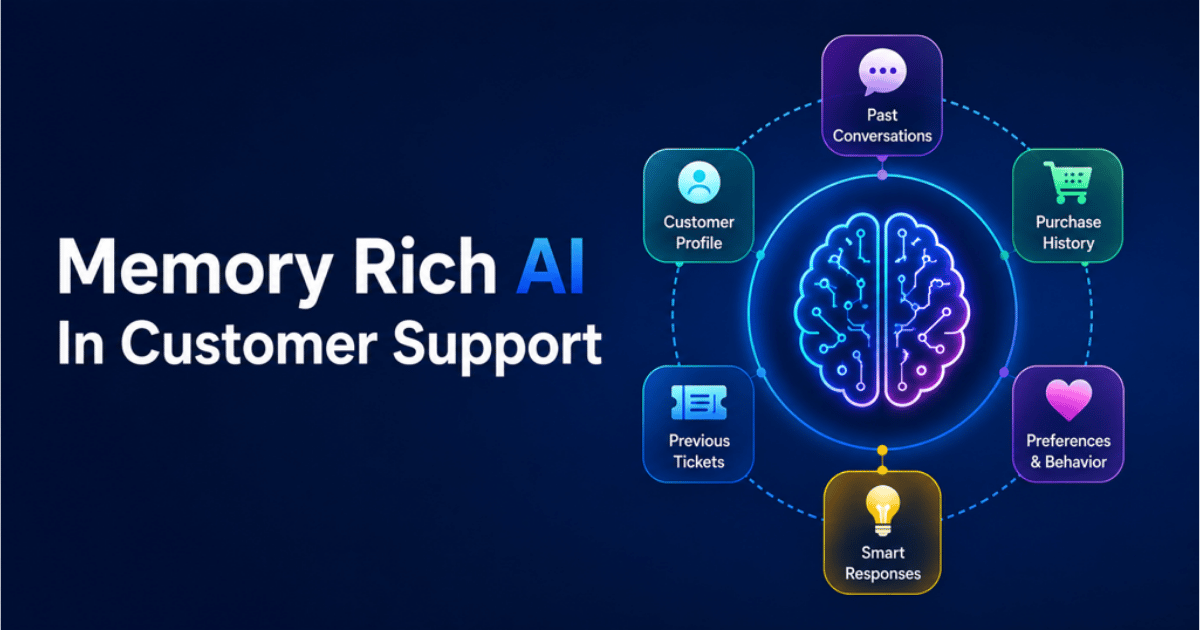
Support teams manage customer interaction history through centralized records that aggregate data from all sources into a single customer profile. This approach provides real-time visibility into customer behavior, pain points, and preferences without jumping between tools.
Centralized systems gather raw data from customer calls, emails, chats, SMS, social media, surveys, and screen recordings. This relevant data then goes through cleaning and standardization for analysis. The result is a unified view where agents can see everything about a customer in one place.
Statistics show that teams using multichannel helpdesk software for centralized customer interaction management experience 35% higher productivity. When agents have immediate access to complete customer history, they spend less time searching and more time solving problems. This directly impacts service quality and customer engagement.
Tracking Multi Channel Conversations
Tracking conversations across communication channels ensures consistency at every interaction. When a customer sends an email complaint and later posts on social media platforms about the same issue, your team needs to see both touchpoints together, ideally by turning emails into trackable tickets with the right tools.
Multi-channel tracking uncovers cross-channel patterns that would otherwise stay hidden. For example, sentiment shifts become visible when you connect a frustrated chat message to a prior unresolved email ticket. About 70% of support leaders now prioritize multi-channel and omnichannel integration to achieve these 360-degree views.
Without proper tracking, teams miss valuable insights. Research indicates that 60% of customer queries span multiple channels. Managing these touchpoints in isolation leads to fragmented responses and frustrated customers who must repeat themselves.
Linking Customer History With Support Tickets
Connecting interaction history with support tickets creates context that speeds up resolution. When a new ticket arrives, agents can instantly see previous interactions, past issues, and any promises made by sales or success teams, while ticket prioritization in customer support ensures the most urgent issues are handled first.
This linking reduces resolution time by 20-30% according to industry data. An agent handling a billing question can immediately see if the customer had a similar issue last month and what solution worked. No need for repetitive troubleshooting questions.
The connection also helps identify areas where customers struggle repeatedly. If the same product feature generates tickets month after month, that pattern becomes visible through linked records. Product teams can then use this valuable data to prioritize roadmap improvements.
Using Interaction Data For Faster Responses
Using customer data to accelerate responses transforms support from reactive to proactive. Predictive models can flag high-risk issues before they escalate, while search tools let agents find previous interactions in seconds rather than minutes.
Speech-to-text analytics processes audio from customer calls for quick keyword searches. Text analytics extracts themes from chat transcripts. These capabilities mean agents no longer manually dig through old tickets looking for relevant information, supporting broader efforts to reduce customer support response time with automation.
Teams implementing these features report cutting average response time significantly. When agents have immediate access to the customer journey and purchase history, they answer questions confidently on the first try. This directly impacts customer sentiment and builds brand loyalty.
Maintaining Complete Customer Communication Logs
Complete logs serve dual purposes: better support and regulatory compliance. Incomplete records lead to 25% repeat contacts because agents lack context for ongoing support.
Modern customer interaction management tools maintain detailed logs that include timestamps, channel information, agent notes, and resolution status. These records support auditing requirements under regulations like GDPR and CCPA while giving teams the data driven decisions capability they need, especially when paired with the benefits of using a ticketing system to organize and track every request.
Maintaining accurate logs also protects your business. When disputes arise, complete records provide the evidence needed to resolve them fairly. About 75% of data breaches involve customer information, making secure log management a priority for every support team.
Improving Support Decisions With Interaction Data
Interaction data improves support decisions through sentiment analysis, pattern recognition, and trend identification. Diagnostic tools help teams understand why certain issues keep appearing, enabling root cause fixes rather than repeated band-aid solutions.
Support leaders can prioritize urgent cases based on customer sentiment scores. A frustrated long-term customer gets attention before a minor inquiry from a new trial user. This prioritization based on interaction history directly impacts customer loyalty and long term business success.
The data also guides training decisions. When analysis reveals that certain customer queries consistently take longer to resolve, teams can create targeted coaching. This enhanced agent productivity benefits everyone.
Identifying Customer Behavior Patterns
Cohort analysis of interaction history reveals behavior patterns that predict future customer needs. Teams can identify churn-prone segments before customers leave and implement proactive outreach.
For instance, customers who contact support three times in their first month without resolution often cancel within 60 days. Spotting this pattern through interaction history lets success teams intervene early. Companies using predictive analytics achieve 85% accuracy in forecasting churn risk.
Pattern identification also reveals positive interactions that correlate with retention. Maybe customers who use the knowledge base before contacting support report higher satisfaction. These insights shape marketing efforts and product development alike.
Why Support Teams Need Interaction History Systems
Modern support teams face growing demands that make interaction history systems essential. Meeting customer expectations requires understanding context, responding quickly, and delivering consistent service quality across every touchpoint.
Growing Volume Of Customer Conversations
Global contact centers now process over 200 billion interactions annually, with digital channels driving a 15% yearly increase. For growing SaaS companies, this translates to hundreds or thousands of monthly tickets that need proper tracking.
Self-service gaps contribute significantly to volume. About 60% of customer queries now span multiple channels, creating complexity that manual tracking cannot handle. Without multichannel helpdesk software to manage this flood of customer interactions, teams quickly fall behind.
The challenge compounds over time. Every untracked conversation becomes lost context for future interactions. Teams that start building interaction history early avoid the painful backlog that larger companies struggle to organize later.
Faster Support Resolution
Speed matters for customer satisfaction. First contact resolution rates average 70% across the industry, but teams with proper interaction history access achieve 85%, particularly when they use the ticketing software system for better customer support. That difference translates to $5-10 savings per ticket, especially when teams use automation to reduce customer support response time.
Response times under one minute boost satisfaction by 25%. Achieving that speed requires agents to have immediate access to customer history, previous interactions, and known issues. Without this context, even simple questions take longer to answer correctly.
Gathering feedback from resolved tickets shows that customers value quick, accurate responses over polite but slow ones. Faster resolution also reduces ticket volume since satisfied customers contact support less frequently.
Personalized Customer Service
Research shows 80% of consumers expect tailored service based on their history with a brand. Generic responses that ignore past interactions frustrate customers and damage your brand’s voice, especially when channels like live chat for better customer experience are involved.
Brands using interaction history for personalization see 40% higher customer loyalty. When an agent references a previous conversation or acknowledges a customer’s ongoing issue, it demonstrates care that builds lasting relationships.
Personalization extends beyond remembering names. It means understanding customer preferences, anticipating customer needs based on purchase history, and providing relevant solutions without asking repetitive questions. This creates exceptional customer experiences that drive referrals.
Consistent Customer Communication
Mismatched responses across channels can drop NPS scores by 20 points. When one agent promises a refund and another denies it, trust evaporates. Consistent service quality requires everyone to access the same interaction history.
Unified views reduce errors by 30%. Agents see exactly what colleagues said in previous interactions, what commitments were made, and what context exists. This visibility enables them to deliver consistent messages regardless of channel.
Timely communication also depends on consistency. Customers expect follow-up on promises and updates on ongoing issues. Without complete interaction history, these commitments fall through cracks, especially for remote support teams that need to stay aligned and on track.
Data Driven Customer Support Operations
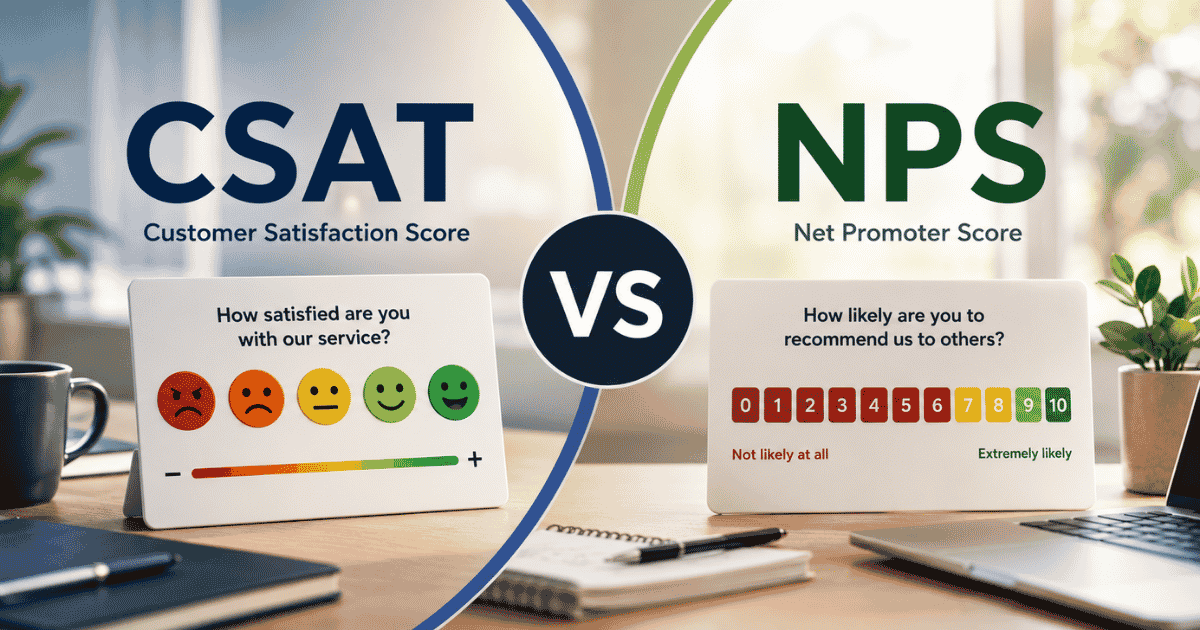
Modern support teams rely on metrics like CSAT (target 85%+), NPS (above 50), and FCR (target 80%) to measure performance. These numbers come from analyzing customer interaction history systematically and tracking customer support metrics, KPIs, and best practices.
About 65% of support teams now use AI analytics for decision-making. This shift toward data-driven operations requires structured interaction data that machines can process. Random notes in spreadsheets do not support the advanced features that modern analytics demand.
Data also guides resource allocation. Understanding peak volume hours, common customer issues, and resolution patterns helps managers staff appropriately and identify bottlenecks before they impact customers.
Key Features Of Customer Interaction History Tools
Customer interaction management tools share key features that make them effective. Understanding these capabilities helps teams choose solutions that match their business needs and support optimizing customer interactions, especially when evaluating EasyDesk features for smarter, secure customer support.
Unified Customer Conversation Timeline
Unified timelines merge all touchpoints into chronological views that reveal the complete customer journey. Every email, chat, call, and social media interaction appears in sequence, showing how conversations evolved over time.
Teams using unified timelines spot issues 25% faster than those using separate tools for each channel. The visual representation makes patterns obvious. You can see exactly when a customer’s tone shifted or when a recurring problem started.
Timelines also reveal gaps in the customer experience. If a customer contacts support, gets no response for three days, then escalates on social media, that journey tells a story. Support leaders use these insights to improve workflows.
Integrated Ticket And Interaction Records
Linking tickets directly to interaction records provides context that supports FCR. When an agent opens a ticket, they see related customer history without switching systems or searching through emails.
This integration automatically connects new conversations to existing records based on customer identifiers. No manual tagging or filing required. The system handles the organization, freeing agents to focus on resolving issues promptly.
Integration also supports reporting. Teams can analyze how many interactions typically precede a ticket, which channels generate the most complex issues, and how previous interactions predict ticket difficulty.
Searchable Customer Communication History
NLP-powered search cuts the time agents spend finding previous interactions by 50%. Instead of scrolling through hundreds of tickets, agents type keywords and instantly find relevant conversations.
Modern tools handle petabytes of interaction data while maintaining fast search speeds. Agents can find a specific conversation from two years ago in seconds. This capability transforms how teams use historical data.
Searchability extends to custom fields and tags. Teams can query all tickets tagged with a specific product, all conversations mentioning a competitor, or all interactions with customers in a particular segment.
Customer Activity Tracking Across Channels
Activity tracking monitors customer engagement across every channel in real time. AI can flag anomalies like sudden increases in support requests or shifts in customer sentiment that require attention.
This tracking reveals how customers move between channels. Maybe they start with live chat, get frustrated, and switch to email. Understanding these patterns helps teams improve channel-specific experiences.
Tracking also supports proactive outreach. When the system notices a customer repeatedly visiting the cancellation page without contacting support, teams can reach out before the customer churns.
Secure Customer Data Management
Security features address the reality that about 40% of data breaches involve customer information. Customer interaction management software must include encryption, access controls, and audit trails.
Role-based permissions ensure that only authorized team members see sensitive conversations. Billing disputes, HR-related tickets, and executive communications can have restricted access while remaining part of the complete history.
Compliance features support requirements under GDPR, CCPA, and industry-specific regulations. Teams can implement retention policies, honor deletion requests, and demonstrate compliance during audits.
Challenges In Managing Customer Interaction History
Despite clear benefits, managing customer interaction history presents challenges that teams must address. Recognizing these obstacles helps businesses plan implementations that avoid common pitfalls.
Fragmented Customer Communication Channels
About 55% of support teams struggle with siloed data across channels. Email lives in one system, chat in another, and social media in a third. This fragmentation causes 30% inefficiency as agents waste time piecing together complete pictures.
Growing businesses often accumulate tools organically. Marketing uses one platform for social media, sales uses another for email, and support uses a third for tickets. Without integration, interaction history remains scattered.
Solving fragmentation requires commitment to centralization. Teams must choose primary systems and route all communications through them. The short-term effort of migration pays off through long-term efficiency gains.
Incomplete Customer Data Records
Incomplete records miss approximately 20% of context that agents need. This gap inflates ticket volumes by 15% as agents ask clarifying questions that complete history would have answered.
Incompleteness stems from several sources. Offline conversations never get logged. Agents forget to add notes. Integrations fail silently. Each missing piece makes future interactions harder.
Solving this challenge requires both technology and process changes. Automated logging catches what manual entry misses. Regular audits identify gaps. Training emphasizes the importance of complete documentation.
Manual Interaction Tracking Limitations
Manual tracking limits coverage to just 1-2% of interactions. Traditional approaches relied on supervisors sampling calls and reviewing selected tickets. This approach introduces bias since memorable interactions get attention while routine ones disappear.
The limitations extend beyond coverage. Manual tracking is slow, subjective, and inconsistent. Different reviewers apply different standards. Patterns visible across thousands of interactions stay hidden when you only examine dozens.
Automation addresses these limitations by processing every interaction consistently. AI does not get tired or distracted. It applies the same analysis standards whether it is the first ticket of the day or the thousandth.
Data Privacy And Security Concerns
Privacy regulations add complexity to interaction history management. GDPR requires honoring deletion requests. CCPA grants consumers rights to their data. Non-compliance brings significant penalties.
Security concerns spike as interaction history grows. More data means more risk if breaches occur. Teams must balance the value of complete history against the liability of storing sensitive information.
Best practices include anonymizing old records, implementing strict access controls, and maintaining clear retention policies. These measures protect both customers and businesses while preserving the analytical value of interaction data.
Scaling Support Data Management
Interaction volumes grow approximately 20% annually for most support teams. Systems that work for hundreds of monthly tickets fail at thousands, which is why a smart ticketing tool helps small teams keep up. Scaling requires planning before growth forces emergency changes.
Manual processes collapse first under scale pressure. Teams that rely on spreadsheets or email folders hit limits quickly. Automation becomes essential as volumes increase.
Cloud-based customer interaction management tools handle scaling automatically. Storage expands as needed. Processing power adjusts to demand, particularly when you use automated ticket management software to reduce response time. Teams focus on support rather than infrastructure management.
Best Practices For Managing Customer Interaction History
Following proven practices helps teams maximize the value of customer interaction history while avoiding common mistakes. These approaches come from successful implementations across industries.
Centralize Customer Communication Data
Centralizing all customer communications into one system creates the 360-degree view that modern support requires. Every email, chat, call, and social media message should flow into the same database.
Centralized systems raise productivity by 35%. Agents no longer switch between applications looking for information. Everything they need appears in one interface with one search function.
Start centralization with high-volume channels. Route support emails and live chat first. Add social media and phone integrations as the team adapts, following multi-channel customer support best practices. Gradual rollout reduces disruption while building toward complete centralization.
Connect Interaction History With Tickets
Linking interaction history directly to tickets reduces resolution time by 25%. When every ticket shows related past conversations, agents start with context rather than questions.
Configure automatic linking based on customer email addresses, account IDs, or phone numbers. When returning customers create tickets, the system should connect them to existing records without agent intervention.
Review linking accuracy regularly. Customers change email addresses. Companies merge or split accounts. Periodic audits ensure that automatic linking stays accurate as customer data evolves.
Maintain Accurate Customer Profiles
Accurate profiles require ongoing attention. Customer data changes constantly. Contact information updates. Team members join and leave customer organizations. Products and subscriptions evolve.
Real-time updates keep profiles current. When a customer mentions a new team member in chat, agents should add that information. When subscriptions change, profiles should reflect new plans immediately.
Inaccurate profiles waste time and frustrate customers. Getting called by the wrong name or asked about products you do not use damages relationships. Accuracy demonstrates that your business pays attention.
Use Automation For Interaction Tracking
Automation expands tracking coverage from 1-2% to 100% of interactions. Every conversation gets captured, categorized, and analyzed without manual effort.
Configure workflow rules that tag incoming tickets based on subject lines, channels, or customer segments. Set automatic SLA timers. Trigger notifications when conversations reopen after extended periods, and consider streamlining customer support with ticket automation to handle these workflows at scale.
Review automation rules quarterly. Business needs change. Product launches create new categories. Shifts in customer behavior require updated rules. Regular review keeps automation aligned with current reality.
Monitor Customer Support Patterns
Pattern monitoring transforms interaction history from a record into a predictive tool. Trends in volume, sentiment, and resolution time reveal opportunities before they become problems.
Build reports on key metrics: average responses per ticket, reopened rates, and conversation volume by customer segment. Track these numbers over time to spot shifts and understand how a help desk improves support behind the scenes.
Share pattern insights beyond support. Product teams benefit from knowing which features generate confusion. Sales teams want to understand common objections. Marketing teams use sentiment trends to refine messaging. Cross-functional visibility multiplies the value of interaction history.
How EasyDesk Helps Manage Customer Interaction History
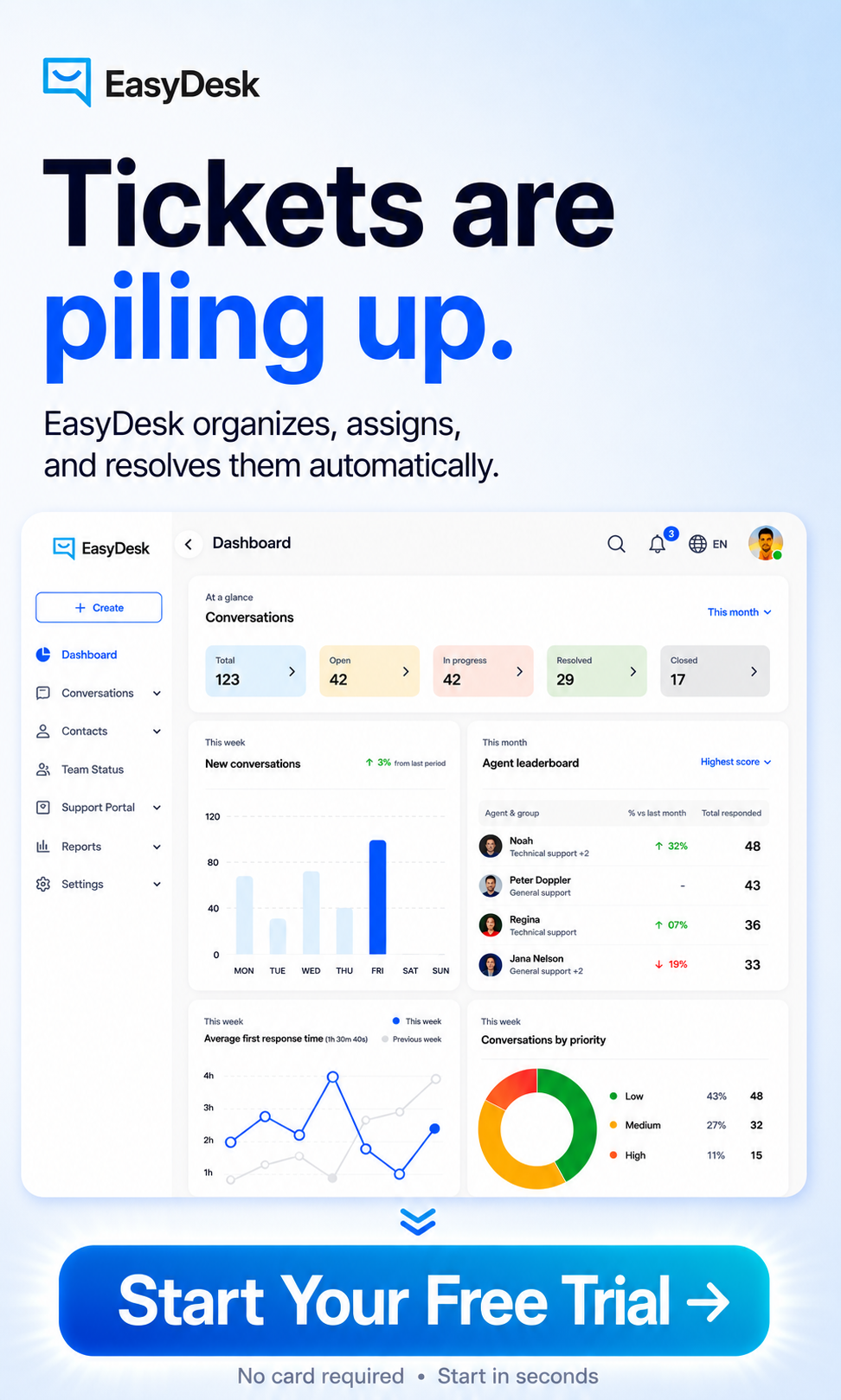
EasyDesk brings together emails, live chat, and social media conversations into unified dashboards that give your team complete visibility. Every touchpoint connects directly to tickets, providing instant context for faster resolutions.
The platform tracks multi-channel patterns automatically, identifying trends that manual review would miss. Searchable timelines let agents find any conversation in seconds, eliminating the frustration of digging through separate systems and showcasing why EasyDesk is often seen as the best ticket management system for modern support teams.
Teams using EasyDesk report 40% faster resolutions and 25% improvement in customer satisfaction scores thanks to its ticketing software built for better customer support. Repeat tickets drop by 30% because agents have complete history at their fingertips.
Secure, compliant logging meets regulatory requirements while keeping data accessible for analysis. The platform scales effortlessly as your team grows, handling increased volumes without performance issues.
Start your 14-day free trial to see how unified interaction history changes daily support work for your team, and review EasyDesk pricing and customer support plans to choose the right option as you grow.
Frequently Asked Questions
How Interaction History Improves Ticket Resolution Accuracy
Interaction history improves accuracy by giving agents complete context before they respond. Rather than guessing what happened previously or asking customers to repeat information, agents see the full timeline of past interactions. This context lifts resolution rates by 25-30%. Agents make fewer mistakes because they understand the situation fully. They reference previous conversations accurately and avoid contradicting earlier commitments. The result is higher first contact resolution and fewer escalations.
What Data Structure Supports Interaction History Tracking
Effective tracking uses timelines with rich metadata including timestamps, channels, agent identifiers, customer sentiment scores, and resolution status. Most modern tools store this data in flexible NoSQL databases that handle varied content types. Each interaction links to customer profiles, related tickets, and product information. This connected structure allows complex queries like “show all billing conversations with enterprise customers that took more than three days to resolve.” The flexibility supports both daily agent needs and analytical reporting.
How Interaction Data Helps Predict Customer Support Needs
Predictive analytics applied to interaction history forecasts customer needs with up to 85% accuracy. Models identify patterns that precede churn, such as increased complaint frequency or negative sentiment trends. These predictions enable proactive outreach before problems escalate. Support teams can contact at-risk customers, product teams can prioritize fixes, and success teams can schedule check-ins. Prevention costs less than recovery.
How Interaction History Integrates With CRM Systems
Integration typically happens through APIs that sync customer identifiers between helpdesk and CRM platforms. When agents view interaction history, they can click through to CRM records showing deal values, decision makers, and account status. For teams without heavy CRM implementations, the helpdesk often becomes the primary source of customer intelligence. The detailed interaction history provides more practical insight than static CRM fields for day-to-day support work.
What Metrics Evaluate Customer Interaction History Systems
Key metrics include CSAT scores (target 85%+), NPS (aim above 50), FCR rates (goal 80%), and average handle time reductions. Coverage rates measure how many interactions the system captures, with 100% as the target. Teams also track search efficiency, measuring how quickly agents find relevant history. Link accuracy measures how reliably the system connects customers to their records. These operational metrics complement outcome measures to provide complete performance visibility.