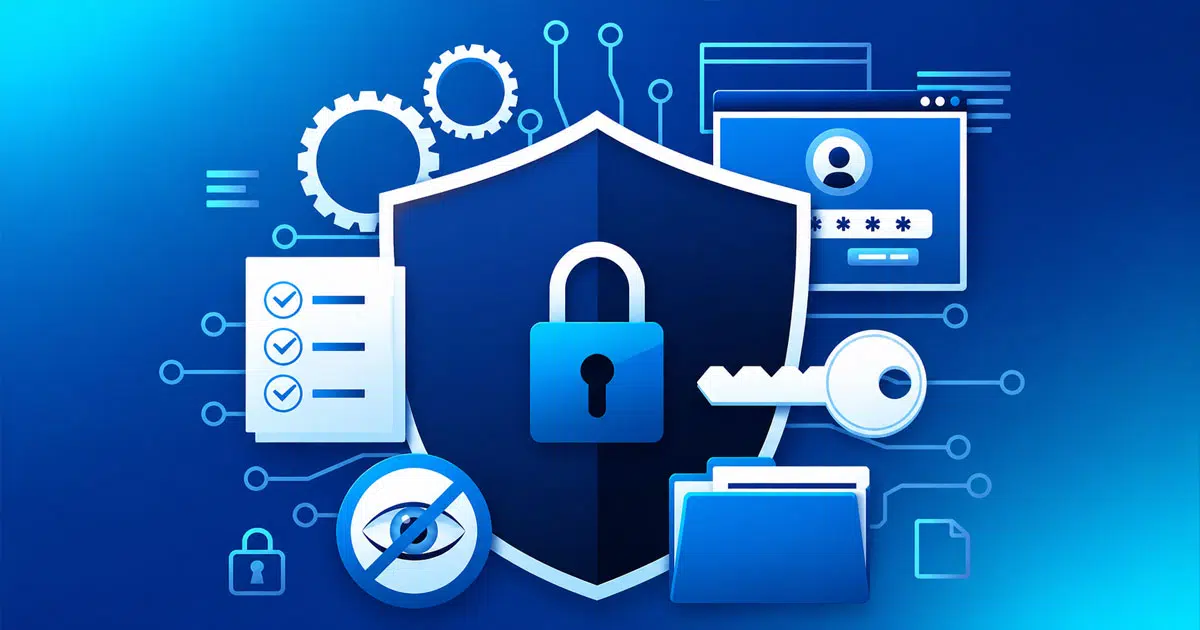
Customer data compliance means handling names, emails, payment details, and behavior data in line with laws like the General Data Protection Regulation (2018), California Consumer Privacy Act (2020), and sector rules such as those covering health insurance portability and cardholder data security. Non-compliance leads to real costs. The 2024 average breach cost reached around $4.88 million globally, and GDPR fines against major brands exceeded €2.9 billion that same year.
Practical basics for any business include knowing what data you hold, limiting who can access it, encrypting sensitive data, training employees, and testing backups and incident response plans. The growing impact of cloud services, SaaS tools, and AI models trained on customer data means compliance must cover vendors and data sharing, not just internal systems. Strong customer data compliance is not only about avoiding fines but also about winning and keeping customer trust, improving data quality, and enabling safer growth.
Recent breaches remind us how quickly things can go wrong. This article gives you a practical overview of key data protection regulations, common risks, and specific best practices you can start implementing this quarter.
What Is Customer Data Compliance
Modern businesses touch customer data at dozens of points. Web analytics tools capture IP addresses and browsing patterns. CRM systems store emails, phone numbers, and purchase histories. Support platforms log conversation threads and attachments, including interactions handled via live chat software embedded on your website. Payment gateways process card details and billing addresses across e-commerce sites and retail terminals.
Customer data compliance means aligning all of that collection, storage, use, and sharing with relevant privacy, security, and industry regulations. It covers personal data like names and emails, as well as sensitive consumer data including financial details and health information. The goal is protecting customer data throughout its entire lifecycle.
The urgency is real. The AT&T breach in 2024 exposed call and text records for over 109 million accounts. The MOVEit breach affected 62 million individuals across organizations like British Airways and BBC Pension Scheme. These incidents show how everyday data practices can spiral into massive exposures when compliance gaps exist.
Why Is Customer Data Compliance Important
Privacy expectations rose sharply after GDPR took effect in May 2018. By 2026, the landscape includes comprehensive laws in 18 US states. California, Colorado, Virginia, Connecticut, Utah, and others now enforce their own consumer data protection rules. Businesses operating across states must comply with the strictest requirements.
The financial risk is substantial. GDPR fines can reach 4% of global annual turnover or €20 million. In 2024, total GDPR penalties exceeded €2.9 billion, including a €1.2 billion fine against Meta for data transfers. CCPA allows statutory damages up to $750 per consumer per violation in class actions, plus civil penalties of $7,500 per intentional violation. According to IBM’s 2024 Cost of a Data Breach Report, the average incident cost reached $4.88 million globally.
Trust drives loyalty. Research shows that 81% of consumers avoid companies mishandling data, and 71% switch providers after breaches. Clear policies that honor opt-out requests boost retention by 23%. Pairing those policies with customer support software that speeds up responses further strengthens satisfaction. Data compliance plays a direct role in customer relationships.
Compliance also improves business operations. Mapping and governing data reduces duplication by up to 30% and speeds up audits. Better data quality leads to more accurate financial reporting and smoother due diligence. This is a long-term investment in brand reputation and resilience, not just a legal checkbox.
Regulations Of Customer Data Compliance
Businesses rarely follow a single law. They usually sit under a mix of general privacy, security, and sector-specific data compliance regulations. Understanding your regulatory scope is the first step toward maintaining compliance.
General Data Protection Regulation
The GDPR applies to any organization processing personal data of EU or EEA residents, regardless of where the company is based. It establishes data subject rights including access, rectification, erasure, and portability. Organizations must demonstrate lawful bases for processing, implement data protection measures, and often appoint a data protection officer. Penalties for violations can reach 4% of global annual turnover.
California Consumer Privacy Act
The CCPA and its successor CPRA give California residents rights to know what personal information businesses collect, request deletion, and opt out of data sales or sharing. Businesses meeting certain revenue or data volume thresholds must comply. The California Privacy Protection Agency actively enforces these rules, with penalties up to $7,500 per intentional violation.
State Level Privacy Laws
Beyond California, states including Colorado, Virginia, Connecticut, Utah, Kentucky, Nebraska, New Hampshire, New Jersey, Maryland, Minnesota, and Rhode Island have enacted their own data privacy concerns legislation. Each has variations in scope, consumer rights, and enforcement mechanisms. Multistate businesses must track where their customers live and apply appropriate compliance standards.
Payment Card Industry Data Security Standard
PCI DSS applies to any organization that stores, processes, or transmits cardholder data. It sets requirements for access controls, encryption, monitoring, and vulnerability management. Non-compliance can result in fines from payment processors, increased transaction fees, and loss of the ability to accept card payments.
Health Insurance Portability And Accountability Act
HIPAA and its accountability act provisions govern protected health information in the United States. Healthcare providers, insurers, and their business associates must implement administrative, physical, and technical safeguards. Violations can result in significant civil and criminal penalties.
Emerging Frameworks And Industry Standards
New regulations continue to appear. The EU AI Act sets obligations for high-risk AI systems. The Digital Operational Resilience Act affects financial institutions in Europe. The cybersecurity maturity model certification applies to US defense contractors. Organizations should identify which industry data security requirements apply to them based on their customers, sectors, and data types rather than assuming a single framework covers everything.
Risks Of Poor Customer Data Compliance
Poor data compliance creates multiple categories of risk that can affect organizations of any size. Understanding these risks helps prioritize data compliance efforts.
Regulatory Fines And Enforcement
Regulators have become more aggressive in enforcement. The €1.2 billion Meta fine in 2024 demonstrated that even well-resourced companies face penalties for compliance failures. Smaller organizations are not immune. Regulators increasingly pursue cases involving weak consent practices, excessive data retention, and insecure cloud storage configurations.
Class Action Lawsuits
Privacy laws like CCPA create private rights of action that enable class action lawsuits after data breaches. Statutory damages can accumulate rapidly when thousands of consumers are affected. Legal fees and settlements add substantial costs beyond regulatory penalties.
Customer Churn And Trust Loss
Publicized breaches damage reputation and drive customers away. When the Snowflake breach wave in mid-2024 affected companies like Ticketmaster and Santander, leaking 165 million records due to weak authentication, affected customers reconsidered their relationships with those brands. Customer data privacy matters to consumers making purchasing decisions.
Operational Disruption
Investigations and remediation consume significant resources. The Change Healthcare ransomware attack in February 2024 potentially compromised data of 100 million individuals. Beyond the immediate incident response, organizations face months of investigation, notification processes, and system rebuilding that disrupt normal business operations, especially if they still rely on email-only support instead of turning emails into trackable support tickets.
Partnership And Deal Complications
Weak audit trails and unclear compliance documentation slow down partnerships and due diligence. Potential partners and acquirers examine data protection compliance closely. Organizations that cannot demonstrate appropriate security measures lose deals and face unfavorable terms.
Hidden Costs Of Poor Data Quality
Beyond security incidents, poor data handling leads to inaccurate or outdated customer data that drives incorrect decisions. Duplicate records waste resources. Without proper data management, reporting becomes unreliable. The cost of building a basic compliance program is usually far lower than the direct and indirect costs of getting it wrong.
Best Practices For Customer Data Compliance
This section covers practical steps any organization can use, whether you are a startup or an established enterprise. Each practice connects to everyday business tools like CRM platforms, email marketing systems, ticketing systems that organize customer requests, and analytics suites.
Know What Customer Data You Have
Compliance starts with a data inventory. List the specific customer data collected, including names, emails, IP addresses, purchase history, support notes, and call recordings. Document where this personally identifiable information lives.
Create a simple data map that follows information from collection through storage to sharing. Categorize data by sensitivity, separating basic contact info from sensitive information like financial or health details. Link each category to its legal basis or purpose so you can honor preferences even during holiday spikes in support volume managed through your helpdesk.
Review the inventory at least annually and whenever new systems are introduced. This prevents shadow IT and forgotten datasets from becoming compliance blind spots. You cannot protect data you do not know exists.
Collect Only What You Need And Be Transparent
Data minimization means collecting only the data necessary for your stated purposes. Do not ask for a birthdate when only an email address is required for a newsletter. Review forms, landing pages, and in-app flows to remove unnecessary fields.
Provide clear, plain language notices about why data is collected. Modern consent requires unbundled checkboxes, easy-to-understand language, an obvious way to withdraw consent, and accurate logging of when consent was given.
Honor data subject rights including access, correction, deletion, and opt-out. Include links to privacy policies and preference centers in footers, emails, and account settings pages. Consumer data protection depends on transparency throughout the relationship.
Implement Strong Access Controls
Apply the principle of least privilege. Sales staff can see contact details and account status but not full payment card numbers or unrelated health data. Only the data needed for specific job functions should be accessible, even when those interactions are managed through a ticketing system built for better customer support.
Use role-based access controls in CRM platforms, data warehouses, and collaboration apps. Each role should have a defined level of customer data access, and automated ticket routing in your helpdesk should respect those boundaries. Implement multi-factor authentication, session timeouts, and regular review of user accounts.
Maintain an access review checklist that managers complete quarterly. Verify that only current staff and trusted vendors can reach sensitive client data. Remove access promptly when people change roles or leave the company.
Encrypt Data And Protect It Across Its Lifecycle
Encrypting sensitive data at rest and in transit means that even if systems are breached, customer records are far harder to misuse. Most modern databases, cloud storage services, and SaaS platforms offer built-in encryption options.
Extend protection beyond servers to laptops, mobile devices, and removable media. Full disk encryption and secure mobile device management should cover any endpoint that stores customer data. Data access must be protected wherever it occurs.
Set automatic deletion timelines for old customer records. Secure deletion reduces both risk and storage costs. Traditional data storage solutions often lack proper retention controls, so verify your systems support appropriate data lifecycle management.
Train Employees And Build A Privacy Mindset
Most incidents start with human error. Sending data to the wrong recipient, clicking a phishing link, or sharing login credentials creates openings for unauthorized access. Training sharply reduces these risks.
Conduct short, role-specific training sessions at onboarding and at least once a year. Cover phishing awareness, secure document sharing, password hygiene, and responding to data subject requests. Train employees on recognizing and reporting suspicious activity.
Create simple, visible guidelines for staff. Quick reference sheets, intranet pages, and clear helpdesk ticketing workflows explaining how to handle customer data safely in daily tasks make compliance practical. Build a no-blame reporting culture so employees feel safe raising concerns about potential policy gaps.
Prepare For Incidents With Backup And Response Plans
Reliable, tested backups support compliance for both ransomware recovery and record preservation obligations. Use the 3-2-1 approach: three copies, two types of storage, one offsite or stored at a separate disaster recovery location, and ensure your support ticket management platform is included in these backup strategies.
Cloud backups still need protection and regular testing. As you plan capacity and tools, review transparent pricing for your support platform so you can scale securely without surprise costs. Verify that your backup systems support the recovery timeframes your business requires and that you can restore customer records when needed, including those stored in centralized helpdesk setups for smoother support.
Create an incident response plan covering who is on the response team, how to detect and triage issues, when to notify regulators and customers, and how to document decisions. Run at least one tabletop exercise each year using a realistic scenario like a lost laptop with customer data or a compromised user account.
Working With Cloud, SaaS, And Third Party Vendors
Most businesses store large portions of customer data in cloud services, CRMs, marketing platforms, and contact center tools, especially when remote support teams rely on shared platforms. Your compliance efforts must extend to these relationships.
Shared responsibility means cloud or SaaS providers secure the infrastructure while you remain responsible for how you configure access, retention, and sharing. Perform due diligence before onboarding vendors. Review security certifications like ISO 27001 or SOC 2, data processing agreements, and data location details.
Limit the data shared with each vendor to the minimum needed. Document those flows in your data inventory so you can respond accurately to data subject requests, including those handled through a help desk that coordinates support behind the scenes. Classify sensitive data before it moves to external systems, including ticketing software designed for high-quality customer support.
Periodically review vendor performance and breach history. Have a clear exit plan covering exporting, deleting, or anonymizing customer records when contracts end. Your company’s data management responsibilities do not stop at your network boundary.
How To Turn Customer Data Compliance Into A Continuous Practice
Compliance is not a one-time project but an ongoing cycle of review, improvement, and adaptation. As regulations and business models evolve, your approach must keep pace.
Assign Clear Ownership
Appoint a clear owner or team for privacy and security. This might be a data protection officer or privacy lead. Even in smaller organizations, someone should be accountable for existing compliance assessments and ongoing improvements. Without ownership, compliance efforts fragment and gaps develop, often surfacing as failing desk support processes that frustrate customers.
Clear ownership also ensures alignment with evolving data protection laws and strengthens customer data protection across every workflow. Defined accountability improves data usage transparency and supports structured risk management practices. When teams understand who governs compliance, they follow consistent data compliance policies and maintain stronger data privacy compliance across operations.
Build An Annual Compliance Calendar
Set a simple annual calendar that includes policy reviews, training refreshers, vendor assessments, data inventory updates, and test exercises for incident response. Schedule these activities throughout the year rather than cramming them into one quarter. Continuous monitoring requires consistent attention.
An effective calendar also aligns data collection practices with regulatory expectations and ensures all data generated across systems, including support platform features that centralize tickets and automation, is reviewed regularly. Consistency in scheduling helps maintain consumer data privacy and keeps teams proactive rather than reactive. With structured planning, organizations can embed continuous monitoring into daily operations without disruption.
Integrate Compliance Into Change Management
Add compliance checkpoints to existing change management processes. When new systems, integrations, or campaigns are proposed, assess them before they go live. This prevents launching initiatives that create compliance gaps you must fix later.
Embedding compliance into change workflows ensures that every update respects data usage policies and follows established data compliance policies. Teams can classify user identifiable data before deployment and validate alignment with data protection laws. This proactive approach reduces last-minute fixes and strengthens long-term data privacy compliance.
Track Simple Metrics
Monitor completion rates for training, time to respond to data subject requests, and number of access violations. These metrics help spot trends over time. You cannot improve what you do not measure, and regulators expect organizations to demonstrate ongoing risk management.
Metrics also provide insights into how effectively teams handle customer data protection and respond to data privacy compliance requirements. Regular reporting highlights gaps in data usage and supports better risk management decisions. Over time, these insights contribute to stronger existing compliance assessments and measurable improvements.
Extend Compliance To AI And Analytics
As organizations adopt AI-driven tools and analytics, extend the same principles to training data and outputs. Ensure transparency, fairness, and appropriate consent. Classify user identifiable data before using it in models. The same data compliance policies that govern traditional processing apply to automated systems.
AI systems rely heavily on data generated from multiple sources, making it critical to align with data protection laws and responsible data usage. Teams must classify user identifiable data carefully and ensure models respect consumer data privacy standards. Strong governance here reduces risk and strengthens trust in automated decision-making.
Embrace Compliance As A Growth Enabler
With a structured approach and consistent habits, customer data compliance can support innovation rather than block it. Organizations that prioritize data compliance build trust with customers, simplify partnerships, and create room to experiment safely. Compliance becomes a competitive advantage rather than just a cost center.
Organizations that invest in customer data protection create stronger relationships and improve long-term business value. Clear data compliance policies, ongoing continuous monitoring, and well-documented data compliance faqs help teams stay aligned and confident. This approach turns compliance into a scalable system that supports growth while maintaining high standards of data privacy compliance.
How EasyDesk Supports Secure Data Handling
EasyDesk is built to help support teams manage sensitive data responsibly. The platform centralizes customer communication across channels while maintaining appropriate security measures for personal or sensitive data. Role-based access controls ensure that team members see only the customer information they need to resolve tickets and support requests.
Every interaction is logged with clear audit trails, making it easier to respond to data subject rights requests and demonstrate regulatory compliance during audits. Automated workflows in a best-in-class ticket management system help ensure data compliance standards are followed consistently across your team without adding manual overhead.
By keeping support conversations organized and access controlled, EasyDesk helps your organization takes data security seriously while maintaining the fast, efficient customer service your users expect. The platform supports your broader data protection compliance efforts by design, not as an afterthought.
Frequently Asked Questions
How Do I Know Which Customer Data Laws Apply To My Business
Scope depends on where customers live, how much revenue your business generates, what kinds of data you process, and which industries you serve. Make a list of your key markets including EU countries and US states like California or Virginia. Map those to GDPR, CCPA, or sector rules like HIPAA and PCI DSS. When expanding into new regions or launching data-intensive products, consult legal or regulatory experts rather than assuming existing practices are sufficient.
What Counts As Customer Personal Data In Practice
Personal data includes anything that can identify a person directly or indirectly. This covers names, email addresses, phone numbers, device identifiers, IP addresses, and account IDs. Behavioral data like purchase history, support interactions, and browsing patterns also becomes personal data when linked to an individual profile. Some regulations define special categories including health information, financial details, and biometric data that require extra protection.
How Does Customer Data Compliance Relate To AI And Machine Learning
When organizations train models on customer data, they must respect the original purposes and legal bases for data collection, along with consent or opt-out preferences. Manage sensitive data used for AI by minimizing, anonymizing, or pseudonymizing it whenever possible. Monitor outputs for bias and misuse. Regulations like the EU AI Act now set specific obligations for high-risk AI systems, so teams using AI for customer-facing decisions need to follow both privacy and AI-specific rules.