Ticket system management often looks stable on the surface. But winter exposes hidden cracks. Sudden spikes in requests, slower response times, and system delays create pressure that many teams fail to handle.
Small issues quickly turn into serious problems. Backlogs grow. SLAs break. Customers lose trust. Teams struggle to keep control.
A clear view of these red flags helps you act early. Strong ticket system management keeps support smooth, even in peak seasons. This guide breaks down what to watch and how to stay ahead.
What Is A Ticket System Management
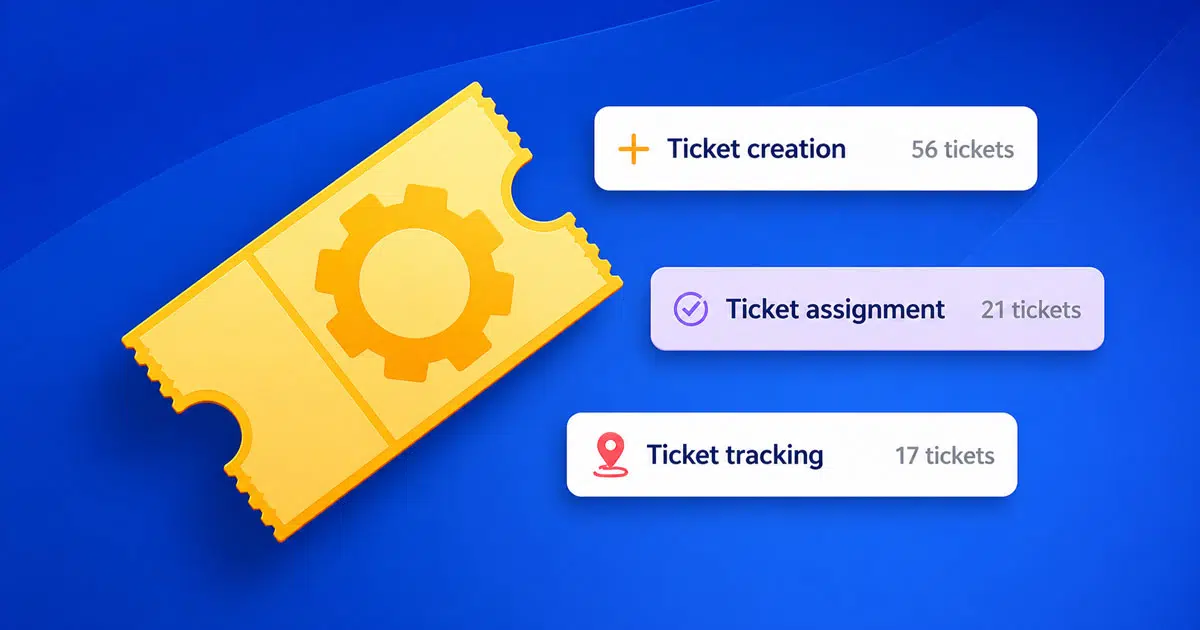
Ticket system management refers to the structured way support teams handle customer requests and service requests. A ticketing system or support ticketing system converts customer inquiries into support tickets. Each ticket goes through ticket creation, ticket assignment, and ticket tracking inside a centralized platform. A robust ticketing system helps customer service teams manage ticket volume, track ticket status, and improve customer interactions.
A ticket management system works by organizing support requests through ticket routing, ticket prioritization, and ticket resolution. Modern ticketing platforms include automation features like automated routing, no-code workflows, and AI-powered tools. Help desk software such as EasyDesk supports service desk operations, reporting and analytics, and omnichannel support while delivering the core benefits of using a ticketing system.
An effective ticketing system improves customer satisfaction and supports consistent support across communication channels. Features like a self-service portal, a built-in knowledge base, and workflow customization reduce repetitive tasks. Support agents and specialized teams handle tickets faster, streamline processes, and deliver superior customer service across customer relationship management and IT operations.
How Ticket System Management Shapes Support Outcomes
Ticket system management plays a direct role in support outcomes. It controls how fast teams respond, resolve issues, and handle ticket volume. A well-structured ticketing system keeps support operations stable, even under pressure. Poor setup leads to delays, missed SLAs, and weak customer satisfaction.
Response Speed And First Reply Time
Fast response sets the tone for customer support. Studies show that 90% of customers expect a reply within 10 minutes for urgent issues. A strong ticket management system helps support teams meet that expectation. Ticket routing and automated ticket assignment reduce delays.
Short response time improves customer interactions. It also reduces back and forth communication. An automated ticket management system ensures support agents act quickly. Faster replies increase trust and improve customer value across support services.
Ticket Prioritization And Resolution Flow
Clear ticket prioritization improves ticket handling. High-priority support requests need faster action. A robust ticketing system sorts tickets based on urgency and impact. This reduces confusion for customer support teams.
Efficient ticketing workflows speed up ticket resolution. Reports show that structured ticket management can reduce resolution time by up to 25%. A smart ticket management software ensures each ticket moves smoothly across the support process. That leads to consistent support and better outcomes.
Automation And Workflow Efficiency
Automation features remove repetitive tasks from support operations. Around 67% of support teams report higher productivity after automation. Automated routing and no code workflows help streamline processes inside the help desk system.
An AI powered ticketing system improves ticket tracking and ticket status updates. It reduces manual errors. Customer support teams focus more on complex issues instead of routine work by relying on ticket automation software for modern support teams. This improves overall service management and ongoing support quality.
Omnichannel Support And Customer Experience
Customers expect support across multiple communication channels. A ticketing system that supports omnichannel support handles email, chat, and social media in one place. This creates a unified support process.
Consistent support across channels improves customer satisfaction. Research shows that companies with strong multi-channel support retain up to 89% of customers. A centralized platform keeps all customer conversations connected. That leads to superior customer service and stronger customer relationship management.
Reporting, Insights And Continuous Improvement
Data drives better decisions in ticket system management. Reporting and analytics track ticket volume, ticket status, and support performance. Teams can identify gaps and improve service desk operations.
Organizations that use data-driven service management see up to 20% higher efficiency. Insights help optimize the ticket management system work and improve asset management. Support teams refine strategies and deliver effective ticketing system performance over time.
Early Warning Signals Of Ticket System Failure
Ticket system management rarely fails overnight. Small gaps appear first. Teams often ignore them until problems grow. A smart support team watches early signals. Quick action keeps the ticketing system stable and protects customer satisfaction.
Rising Ticket Backlog
A growing backlog signals trouble in ticket management. Support tickets start piling up when ticket volume exceeds capacity. Reports show that a backlog increase of 20–30% often leads to SLA breaches within weeks. That directly impacts customer support quality.
A weak ticket management system struggles to track tickets properly. Delayed ticket resolution creates frustration for customer support teams. A robust ticketing system with better ticket routing and ticket prioritization helps control the load. Strong support operations depend on balanced automated workflows.
Slow Response And Resolution Time
Slow response reduces trust fast. Studies indicate that 60% of customers switch brands after long wait times. A delay in first reply or ticket resolution reflects poor ticket system management. It also shows gaps in the ticketing process.
A modern ticketing platform improves response speed through automation features. Automated routing and ticket assignment reduce manual delays. Support agents handle customer inquiries faster. Faster service desk operations improve consistent support and overall customer value.
Frequent Ticket Misrouting
Incorrect ticket routing creates chaos. Tickets reach the wrong support teams and delay resolution. Research shows that misrouted tickets can increase resolution time by up to 35%. That slows down the entire support process.
An effective ticketing system uses automated routing and workflow customization. It ensures support requests reach specialized teams. A centralized platform helps track tickets across communication channels. Accurate routing improves ticket handling and reduces back and forth communication.
Poor Visibility Into Ticket Status
Lack of visibility weakens service management. Teams cannot track ticket status or measure performance properly. Around 40% of support teams report issues due to poor reporting and analytics. That affects decision-making in IT service management.
A ticket management software with strong reporting tools solves this issue. It provides insights into ticket tracking, ticket volume, and support operations. Clear data improves support services and helps maintain ongoing support without confusion, especially when powered by workflow automation in customer support.
Low Customer Satisfaction Scores
Customer satisfaction reflects the health of a ticketing system. A drop in scores often signals deeper issues in ticket system management. Studies show that companies with poor support processes lose up to 25% of customers.
An automated ticket management system improves response quality and speed. Features like self service portal and built in knowledge base reduce pressure on support teams. Better customer interactions lead to superior customer service and stronger customer relationship management.
Where Most Ticket System Management Breaks Down
Ticket system management often fails at specific pressure points. Teams rely on tools but ignore process gaps. Weak structure leads to delays, errors, and poor customer support. Identifying breakdown areas helps protect service quality and keep support operations efficient.
Unclear Ticket Ownership
Lack of clear ownership disrupts ticket management. Support tickets stay unassigned or bounce between support teams. Research shows that unclear ticket assignment can increase resolution time by up to 28%. That affects both ticket tracking and ticket status visibility.
A structured ticket management system work defines ownership early. Automated ticket assignment and ticket routing ensure the right support agents take control. A help desk system with clear workflows improves accountability and reduces confusion in service desk operations.
Overloaded Support Teams
High ticket volume puts pressure on customer support teams. When capacity drops, ticket handling slows down. Reports indicate that 70% of support teams face burnout during peak support requests. That leads to missed SLAs and weak customer satisfaction.
A balanced support process distributes work across specialized teams. An automated ticket management system manages ticket prioritization and workload through automated ticket assignment. Support agents handle tasks more efficiently. This improves ongoing support and maintains consistent support quality.
Weak Ticket Prioritization Rules
Poor ticket prioritization creates delays. Critical customer requests often get lost among low-priority support tickets. Studies show that improper prioritization increases resolution delays by 35%. That impacts customer interactions and service management outcomes.
A robust ticketing system uses clear rules for ticket prioritization in customer support. Ticketing workflows sort requests based on urgency and impact. This helps customer support teams act faster. A strong system improves ticket resolution and overall support services.
Disconnected Communication Channels
Multiple communication channels without integration cause issues. Customer conversations get scattered across email, chat, and other platforms. Around 65% of customers expect seamless omnichannel support, but many systems fail to deliver.
A centralized platform connects all support requests in one place. Multi-channel customer support ensures every customer inquiry stays visible. A modern ticketing platform improves customer relationship management and reduces back-and-forth communication across the help desk.
Lack Of Data And Insights
Poor reporting limits growth in ticket system management. Without reporting and analytics, teams cannot measure ticket volume or support performance. Research shows that data-driven teams improve efficiency by up to 20%.
A ticket management software with strong analytics tracks tickets and performance trends. Insights improve ticketing process decisions and streamline processes. Better data supports IT operations, asset management, and long-term service desk improvements.
What Are The Red Flags In Ticket System Management During Winter
Winter puts extra pressure on ticket system management. Support requests increase. Systems slow down. Small inefficiencies become major problems. A reliable ticketing system must handle sudden spikes and keep service desk operations stable during seasonal demand, helping teams stay organized through winter ticket spikes.
Sudden Spike In Ticket Volume
Winter often brings a sharp rise in ticket volume. Many industries report a 25–40% increase in support tickets during peak seasonal periods. A ticket management system struggles when demand grows faster than capacity.
An effective ticketing system uses automated routing and ticket prioritization to manage the load. Without proper control, support teams fall behind. A centralized platform helps track tickets and balance workloads across customer support teams, showing how a smart ticketing tool helps small teams keep up.
Slow Ticket Response And SLA Breaches
Delayed responses become common in winter. Studies show that response times can increase by 30% during high-demand seasons. That leads to missed SLAs and poor customer satisfaction.
A modern ticketing platform improves response time with automation features. Automated ticket assignment and AI-powered workflows speed up the support process. Faster replies help maintain consistent support and protect customer value.
Growing Ticket Backlogs
Backlogs grow when ticket handling slows down. Unresolved support tickets pile up and affect service management. Reports indicate that backlog growth above 20% signals serious issues in ticket system management, especially when teams haven’t yet implemented ticket automation to streamline support.
A robust ticketing system with clear ticketing workflows reduces backlog risk. Support agents resolve issues faster with better ticket tracking and ticket status visibility. Efficient workflows improve ticket resolution and ongoing support quality.
System Downtime And Performance Issues
Winter conditions can affect IT operations and system stability. Downtime increases due to heavy load and infrastructure limits. Even a few minutes of downtime can impact hundreds of customer interactions.
A strong IT ticketing system supports reliable service desk operations. Modern automated ticket management software solutions include monitoring and reporting and analytics tools. These features help support teams detect issues early and maintain stable support services.
Drop In Customer Satisfaction Scores
Customer satisfaction often drops during peak seasons. Research shows that 68% of customers leave after poor support experiences. Weak ticket system management directly affects customer interactions and service quality.
A help desk system with self-service options and a built-in knowledge base improves response speed. Customer support teams handle support requests more efficiently. Better service leads to superior customer service and stronger customer relationship management.
Role Of Automation In Fixing Management Inefficiencies
Automation plays a key role in modern ticket system management. Manual processes slow down support teams and increase errors. Smart automation reduces workload, improves speed, and keeps the ticketing system consistent even during high ticket volume.
Faster Ticket Routing And Assignment
Manual ticket assignment wastes time and creates delays. Around 50% of support teams report slower response due to poor ticket routing. An automated ticket management system solves this with automated routing.
Tickets move instantly to the right support agents or specialized teams. A help desk system with smart rules improves ticket management system work. Faster routing reduces back-and-forth communication and improves customer support efficiency.
Reduced Repetitive Tasks
Repetitive tasks consume valuable time in support operations. Data shows that automation can reduce manual workload by up to 30%. Tasks like ticket creation, status updates, and follow-ups become faster.
Automation features handle routine actions inside the ticketing process. Support teams focus on complex customer requests instead. This improves service management and allows better use of support agents across the help desk compared to relying only on manual vs automated ticketing approaches.
Improved Ticket Prioritization Accuracy
Manual prioritization often leads to errors. Critical support tickets may get delayed. Studies show that automated ticket prioritization improves response efficiency by 25%.
A robust ticketing system uses AI-powered logic to rank support requests. Ticketing workflows ensure urgent issues receive immediate attention. Accurate prioritization improves ticket handling and speeds up ticket resolution across customer support teams.
Better Workflow Consistency
Inconsistent workflows create confusion in ticket management. Automation ensures every ticket follows the same process. This improves reliability in service desk operations.
No code workflows and workflow customization allow teams to design structured ticketing workflows. A centralized platform ensures consistent support across all communication channels. This leads to smoother support process and better customer interactions.
Enhanced Reporting And Performance Insights
Automation improves reporting and analytics accuracy. Manual data tracking often leads to gaps. Automated systems provide real-time insights into ticket volume, ticket status, and performance.
Organizations that rely on automated reporting see up to 20% improvement in operational efficiency. Data helps optimize support services and improve IT operations. Better insights support continuous improvement in ticket system management.
Data Blind Spots Inside Ticket System Management
Data drives every strong ticketing system. Yet many teams miss critical insights. Gaps in reporting and analytics create blind spots. Poor visibility leads to weak decisions, slower ticket resolution, and declining customer satisfaction across support operations.
Missing Real Time Ticket Visibility
Lack of real time visibility affects ticket tracking. Teams fail to track tickets and monitor ticket status accurately. Studies show that 43% of support teams struggle with real time data access in their ticket management system.
A modern ticketing platform solves this with live dashboards. Support agents gain instant updates on support tickets and ticket volume. Better visibility improves customer interactions and keeps service desk operations under control, especially when using the ticketing software for customer support.
Incomplete Reporting And Metrics
Weak reporting limits performance tracking. Many help desk systems fail to capture full data across support services. Reports indicate that companies using limited analytics see up to 18% lower efficiency.
A robust ticketing system includes strong reporting and analytics tools. It tracks ticket management performance, support requests, and resolution time. Clear metrics help customer support teams improve the support process and deliver consistent support, as shown in the EasyDesk helpdesk ticketing software.
Disconnected Customer Interaction Data
Customer conversations often spread across multiple communication channels. Without integration, teams lose context. Around 60% of customers expect seamless omnichannel support, but many systems lack unified data.
A centralized platform connects all customer inquiries and interactions. Multi-channel support ensures every support request stays linked. This improves customer relationship management and reduces back-and-forth communication in the help desk system.
Lack Of Historical Data Analysis
Historical data helps improve future performance. Many ticketing solutions fail to use past data effectively. Research shows that data-driven teams improve service management efficiency by 20%.
A ticket management software with advanced analytics reviews past ticketing workflows and outcomes. Insights improve ticket prioritization and ticket handling. Support teams refine strategies and deliver better ongoing support across IT operations.
No Insight Into Agent Performance
Agent performance data often stays unclear. Managers cannot evaluate support agents or identify gaps. Studies show that teams with performance tracking improve productivity by up to 25%.
A strong desk system tracks response time, ticket resolution, and workload. It helps optimize ticket assignment and streamline processes. Better insights support specialized teams and improve overall customer support quality.
Strategic Fixes For Long-Term Ticket System Stability
Long-term stability in ticket system management requires more than tools. It depends on structure, data, and process control. Strong strategies help support teams handle ticket volume, improve service management, and maintain consistent support across changing demands.
Strong Workflow Design And Standardization
Clear workflows build a stable ticketing system. Without structure, ticket handling becomes inconsistent. Research shows that standardized ticketing workflows improve efficiency by up to 30%. That directly impacts ticket resolution speed.
A ticket management system with workflow customization ensures every support request follows a defined path. No code workflows help streamline processes inside the help desk. Consistent workflows improve service desk operations and reduce confusion across support teams.
Smart Automation And AI Integration
Automation strengthens ticket system management over time. Around 67% of support teams report higher productivity after adopting automation features. AI powered tools improve ticket routing and ticket prioritization.
An automated ticket management system reduces repetitive tasks and manual errors. Automated routing and ticket assignment ensure faster response. Support agents focus on complex issues. This improves customer support quality and overall support services.
Centralized Data And Visibility
A centralized platform improves control over support operations. Teams need clear visibility into ticket tracking, ticket status, and ticket volume. Studies show that data-driven teams achieve up to 20% higher efficiency.
A modern ticketing platform connects all communication channels. It unifies customer interactions and support requests. Better visibility improves customer relationship management and strengthens ongoing support across service desk operations.
Continuous Performance Monitoring
Regular monitoring keeps the ticket management system stable. Without tracking, small issues grow over time. Organizations that monitor performance metrics see up to 25% improvement in support efficiency.
Reporting and analytics tools track ticket management performance and agent activity. Insights help optimize ticketing process and improve support services. Continuous monitoring ensures consistent support and better decision-making in IT operations.
Scalable Support Structure
Scalability supports long-term growth. Ticket system management must handle rising ticket volume without breaking. Reports show that scalable systems reduce downtime risks by 35% during peak demand.
A robust ticketing system supports multi channel support and omnichannel support. Specialized teams manage different types of support tickets. A flexible help desk system adapts to growth and maintains superior customer service across all customer interactions.
How EasyDesk Strengthens Ticket System Management In Winter
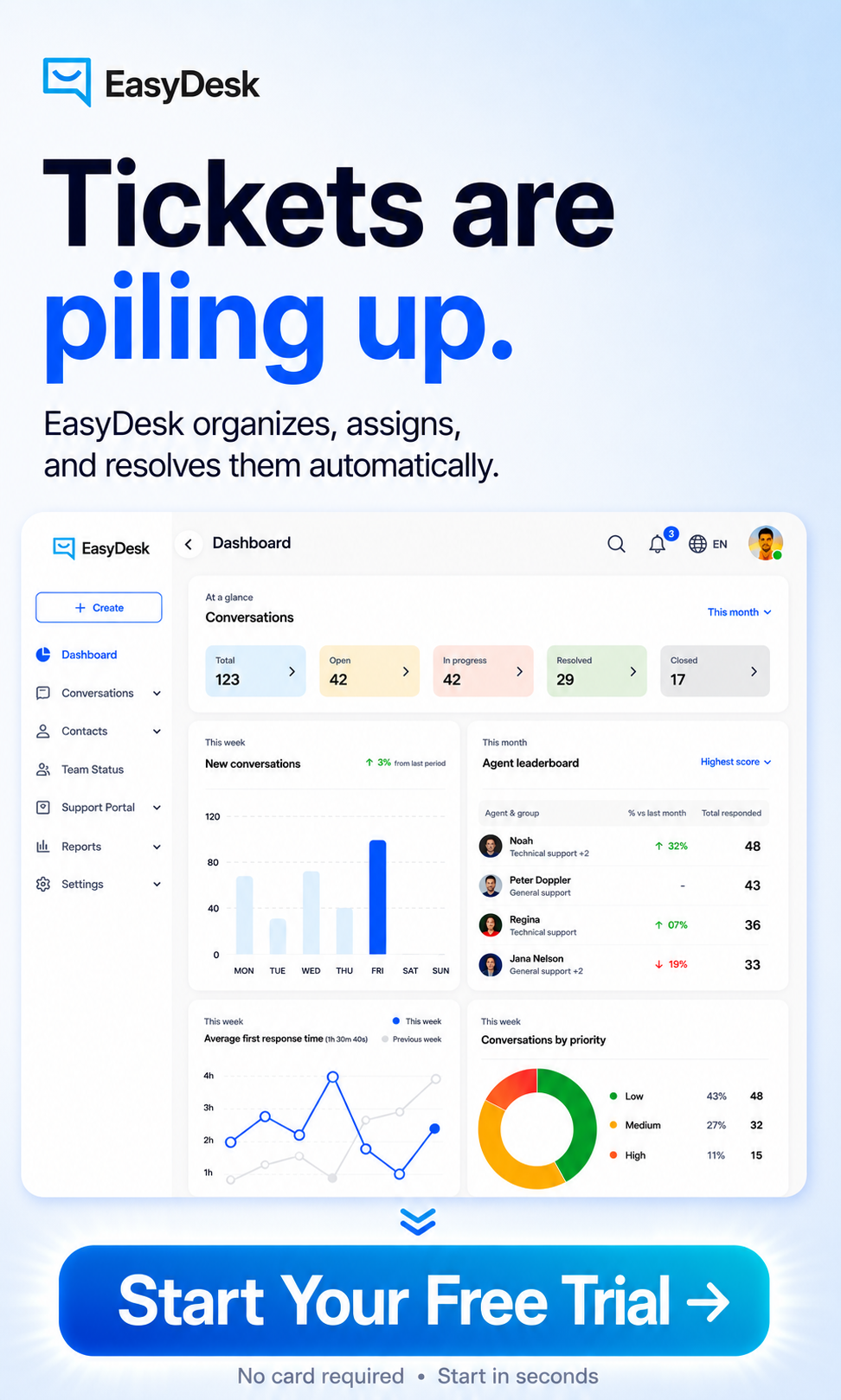
Winter increases ticket volume and puts pressure on support teams. EasyDesk helps manage that load with a secure and efficient customer support platform. It keeps support tickets, customer requests, and service requests organized in a centralized platform. Support teams can track tickets, monitor ticket status, and handle customer inquiries without confusion.
Automation features reduce delays in the ticketing process. Automated routing, ticket assignment, and ticket prioritization help support agents respond faster. A built-in knowledge base and self-service portal reduce repetitive tasks by enabling streamlined support with ticket automation. This improves customer support and keeps service desk operations stable during peak demand.
EasyDesk also supports multi-channel support and strong reporting and analytics. Support teams gain clear insights into ticket volume and performance. That leads to consistent support, better customer interactions, and higher customer satisfaction even in winter pressure.
FAQs
How Does Ticket System Management Handle Seasonal Ticket Volume Spikes Effectively?
Yes, a robust ticketing system manages sudden ticket volume spikes through automated routing and ticket prioritization. An automated ticket management system distributes support tickets across support teams and maintains stable service desk operations during peak seasons.
Can AI-Powered Ticketing Systems Reduce Resolution Time In Complex Support Environments?
Yes, AI-powered ticketing tools improve ticket routing, ticket assignment, and ticket tracking accuracy. They reduce manual errors and speed up ticket resolution, especially for complex support requests handled by specialized teams.
What Role Does Omnichannel Support Play In Advanced Ticket System Management?
Omnichannel support connects multiple communication channels into one centralized platform. It improves customer interactions and keeps customer conversations unified. This structure helps customer support teams deliver consistent support across all support services.
Does Workflow Customization Improve Ticket Management System Work Efficiency?
Yes, workflow customization and no-code workflows help streamline processes inside the help desk system. They standardize ticketing workflows, reduce repetitive tasks, and improve ticket handling across customer support teams and service desk operations.
How Do Reporting And Analytics Improve Long-Term Ticket System Stability?
Reporting and analytics provide insights into ticket volume, ticket status, and performance trends. Data helps optimize the ticketing process, improve service management, and support continuous improvement in customer support and IT operations.