Customers expect fast answers. They do not like delays or repeated replies. One bad support experience can push them away for good. That is why support efficiency is no longer optional. It directly shapes customer trust, retention, and brand reputation.
Many teams struggle with slow responses, messy workflows, and rising ticket volume. Fixing that does not always need more staff or expensive tools. Small changes can create a big impact.
In this guide, you will learn what support efficiency really means, why it matters, and how to improve it with practical steps. Whether you run a small team or scale operations, every insight here will help you deliver faster, smarter support.
What Is Support Efficiency
Support efficiency means how well a customer support team handles customer inquiries, support tickets, and customer queries without sacrificing customer satisfaction or service quality. It focuses on fast response time, smooth service delivery, and solving customer issues with fewer steps. When teams improve customer service efficiency, they create an efficient customer service experience that meets customer expectations and improves customer satisfaction. Key metrics like customer satisfaction score, customer effort score, and average resolution time help measure performance.
Strong customer service processes reduce ticket volume, remove repetitive tasks, and improve team productivity. Automation tools, AI tools, and intelligent routing help resolve issues faster with less manual intervention. Self-service portals and self-service options allow customers to find answers easily. With proper customer data, ongoing training, and continuous improvement, teams can work effectively and deliver high-quality service that keeps customers happy.
Key Factors That Directly Affect Support Efficiency
Support efficiency depends on more than speed. It comes from the right mix of people, process, and tools. Teams that align these areas handle customer inquiries faster, reduce errors, and deliver consistent service quality without sacrificing customer satisfaction.
Clear Customer Service Processes
A structured support process keeps work predictable and smooth. When customer service processes are unclear, support tickets pile up and response time slows. Teams often struggle with duplicate work and missed customer queries.
Clear workflows help every team member know what to do next. Defined steps improve service delivery and reduce customer frustration. Support leaders also use documented processes to train new hires faster.
Recent data shows that companies with defined workflows improve first contact resolution by up to 25%. A strong process ensures efficient customer service and helps teams resolve issues without confusion.
Right Tools And Automation Support
Tools play a major role in customer support efficiency. Manual systems slow down support requests and increase errors. Workflow automation in customer support using automation tools and ai tools reduces repetitive tasks and helps teams work effectively.
Features like intelligent routing assign tickets based on skill and priority. This reduces average resolution time and improves customer experience. Automated responses also help handle high ticket volume without delay.
Reports show that automation can cut support costs by up to 30%. With the necessary tools, teams provide effective solutions faster while keeping customers happy.
Team Skills And Ongoing Training
A skilled support team handles both simple and complex issues with confidence. Without proper training, agents struggle with customer interactions and fail to meet customer expectations.
Regular training sessions improve product knowledge and communication skills. Ongoing training ensures that agents stay updated with company policies and new technologies.
Studies show that companies that provide comprehensive training see up to 20% higher customer satisfaction scores. Well-trained teams deliver high-quality service and reduce customer effort score over time.
Self-Service And Knowledge Access
Many customers prefer self-service before contacting support. Self-service portals and self-help options allow customers to find answers without waiting. This reduces incoming requests and lowers ticket volume.
A strong knowledge base with relevant resources helps customers solve basic issues on their own. It also frees up the support team to focus on complex issues.
Data suggests that over 60% of customers expect self-service options. When done right, self-service improves customer satisfaction and creates an efficient support experience.
Performance Tracking And Key Metrics
You cannot improve what you do not measure. Tracking key metrics gives a clear view of support efficiency. Metrics like customer satisfaction score, average resolution time, and response time highlight gaps in service.
Customer feedback also reveals hidden pain points in the support process. Support leaders use this data to improve customer service efficiency and refine workflows.
Businesses that track performance regularly see better team productivity and long-term success. Data-driven decisions help teams resolve issues faster and maintain consistent service quality.
Essential Support Efficiency Metrics You Must Track
Support efficiency improves when teams track the right data. Guesswork leads to delays and poor service quality. Clear metrics show what works and what needs change. They also help support leaders align service delivery with customer expectations and business goals.
Customer Satisfaction Score (CSAT)
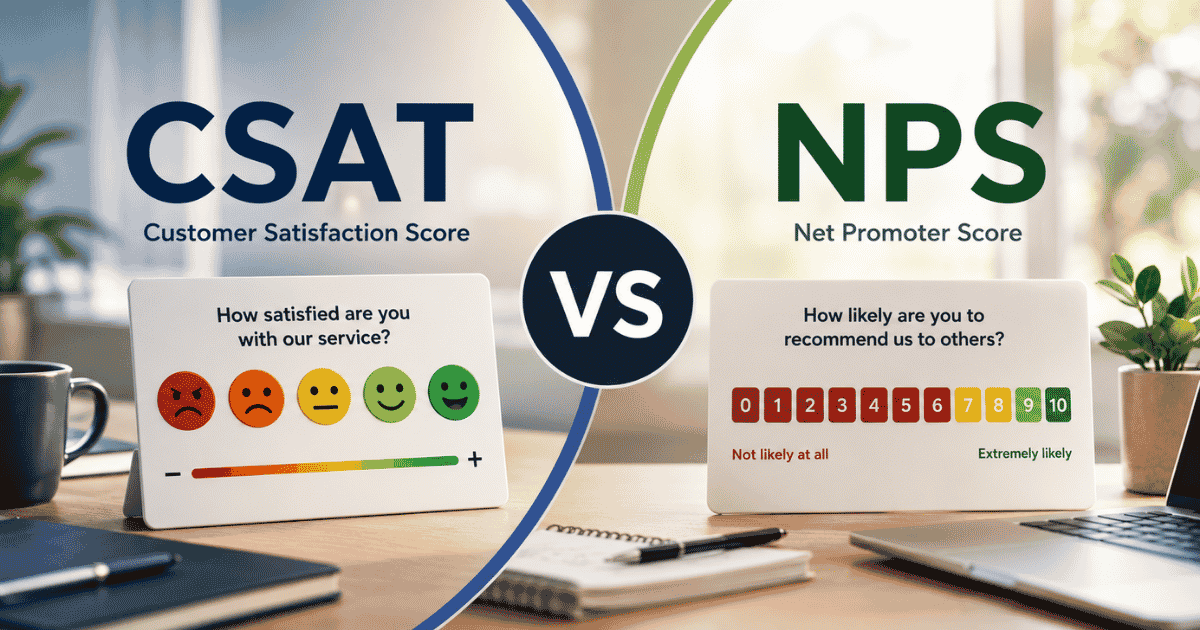
Customer satisfaction score shows how customers feel after a support interaction. It reflects service quality and the overall customer experience. Teams usually collect it through short surveys after resolving support tickets.
Recent reports show that companies with a CSAT above 80% see stronger customer loyalty. A low score often points to poor response time or unresolved customer issues. Regular customer feedback helps teams fix pain points quickly.
CSAT also highlights gaps in customer service processes. It helps improve customer service efficiency and keeps customers happy over time.
First Response Time (FRT)
First response time measures how quickly a support team replies to customer inquiries. Customers expect fast replies, often within minutes. A slow response increases customer frustration and lowers customer satisfaction.
Studies suggest that over 70% of customers expect a response within one hour. Faster replies create an efficient support experience and build trust.
Automation tools and intelligent routing help reduce delays. Teams that improve response time often see better customer satisfaction score and smoother customer interactions.
Average Resolution Time
Average resolution time tracks how long it takes to resolve issues. It reflects how well teams handle customer queries from start to finish. Long resolution time often signals weak support process or lack of necessary tools, so focusing on cutting average resolution time fast becomes essential.
Research shows that reducing resolution time can improve customer satisfaction by up to 20%. Quick resolutions also reduce ticket volume and save money.
Efficient workflows and trained agents help resolve issues faster. This leads to effective service and improved customer experience without sacrificing customer satisfaction.
First Contact Resolution (FCR)
First contact resolution shows how many issues get solved in the first interaction. High FCR means fewer follow-ups and better service delivery. Customers prefer quick answers without repeated contact.
Data shows that increasing FCR by just 10% can boost customer satisfaction score significantly. It also lowers customer effort score and reduces customer frustration.
Support teams use customer data and knowledge bases to improve FCR. Better access to relevant resources helps agents provide effective solutions during the first contact.
Customer Effort Score (CES)
Customer effort score measures how easy it is for customers to get help. It focuses on the effort required to resolve customer issues. Lower effort leads to higher customer satisfaction.
Reports indicate that 96% of customers with high effort experiences become less loyal. Simple support processes and self-service options reduce effort.
Self-service portals and automation tools allow customers to find answers easily. A low effort score shows that teams deliver efficient customer service and meet customer expectations consistently.
Common Challenges That Reduce Support Efficiency
Support efficiency drops when small issues pile up. Teams face delays, high ticket volume, and unclear workflows. These problems hurt service quality and customer experience. Identifying the right pain points helps teams improve customer service efficiency and deliver better results.
High Ticket Volume Pressure
High ticket volume puts constant pressure on the customer support team. When incoming requests grow fast, response time increases and customer queries wait longer. Many customers leave when they do not get quick answers.
Reports show that nearly 60% of support teams struggle with rising support tickets. Without proper planning, teams feel overwhelmed and team productivity drops.
Automation tools and self-service options help reduce the load. A balanced system ensures efficient customer service and keeps customers happy even during peak demand.
Slow Response And Resolution Time
Slow response time is a major reason for customer frustration. Customers expect quick replies and fast solutions. Delays in the support process often lead to repeated follow-ups.
Studies show that over 75% of customers expect help within five minutes on live chat. Long average resolution time also affects customer satisfaction score.
Better workflows and intelligent routing can speed up service delivery. Faster responses improve customer experience and help resolve issues without delay.
Lack Of Clear Support Process
An unclear support process creates confusion for every team member. Agents may not know how to handle customer inquiries or escalate complex issues. This leads to inconsistent service quality.
Without defined customer service processes, teams waste time on repetitive tasks. It also increases manual intervention and errors.
Clear guidelines and structured workflows improve efficiency. Teams can work effectively and deliver high-quality service when processes are simple and well-documented.
Limited Training And Skill Gaps
Skill gaps affect how teams handle customer interactions. Without proper training, agents struggle with customer questions and complex issues. This reduces service quality and increases customer effort score.
Data shows that companies with regular training sessions see up to 15–20% better performance. Ongoing training helps agents understand customer data and company policies.
Comprehensive training builds confidence in the support team. Skilled agents provide effective solutions and create satisfied customers.
Poor Use Of Tools And Technology
Outdated systems slow down customer support. Without the right automation tools or ai tools, teams rely on manual work. This increases errors and delays in resolving support requests.
Many businesses still lack intelligent routing or proper dashboards. This makes it hard to track key metrics and improve customer service efficiency.
Modern tools enable agents to handle tasks faster. The right technology reduces repetitive tasks and helps teams deliver a cost-effective and efficient support experience.
Proven Strategies To Improve Support Efficiency Fast
Support efficiency improves when teams act on clear steps. Small changes can reduce response time, lower ticket volume, and improve customer satisfaction. The right mix of process, tools, and training helps teams deliver faster and more reliable service.
Streamline Support Workflows
A clear support process helps teams handle customer inquiries without confusion. When workflows are simple, agents resolve customer issues faster and avoid repeated steps. This improves service delivery and reduces customer frustration.
Research shows that structured customer service processes can improve first contact resolution by up to 25%. Clear steps also help team members work effectively under pressure.
Support leaders should map common support requests and remove delays. A smooth workflow leads to efficient customer service and a better customer experience.
Use Automation And Smart Routing
Automation tools reduce repetitive tasks and speed up response time. Features like intelligent routing assign support tickets based on skill and urgency. Modern ticket automation software for support teams helps resolve issues faster with less manual intervention.
Reports suggest automation can reduce support workload by nearly 30%. It also helps teams manage high ticket volume without hiring more staff.
Ai tools and automated replies handle simple customer queries. This allows agents to focus on complex issues and deliver high-quality service.
Strengthen Self-Service Options
Many customers prefer to find answers on their own. Self-service portals and self-help options reduce incoming requests and improve customer satisfaction. Customers expect quick solutions without waiting.
Data shows that over 65% of customers try self-service before contacting support. A strong knowledge base software with relevant resources supports this need.
Self-service also lowers customer effort score. It creates an efficient support experience and helps teams focus on critical customer interactions.
Invest In Team Training And Skills
A well-trained support team delivers better results. Agents with strong skills handle customer queries with confidence and accuracy. This improves service quality and customer satisfaction score.
Studies show that ongoing training can improve team productivity by up to 20%. Regular training sessions keep agents updated with company policies and new technologies.
Comprehensive training helps agents provide effective solutions. It also reduces errors and ensures consistent service delivery across all customer interactions.
Track Metrics And Improve Continuously
Tracking key metrics helps teams understand performance gaps. Metrics like average resolution time, response time, and customer satisfaction score show what needs improvement.
Customer feedback also reveals pain points in the support process. Teams can use this data for continuous improvement and better decision-making.
Companies that track performance regularly achieve long-term success. Data-driven actions improve customer service efficiency and help teams keep customers happy.
Role Of Automation And AI In Support Efficiency
Automation and AI have changed how customer support works. Teams no longer rely only on manual work. Smart systems reduce response time, manage ticket volume, and improve service quality without sacrificing customer satisfaction. The result is faster and more reliable service delivery.
Faster Response With AI Tools
AI tools help teams reply to customer inquiries in seconds. Chatbots handle common customer questions and provide instant answers. This reduces wait time and improves customer experience.
Reports show that AI chatbots can handle up to 70% of basic customer queries. That means fewer support tickets reach human agents. It also lowers customer frustration.
Quick replies help meet customer expectations. Customers feel heard and supported, even during high traffic. This leads to improved customer satisfaction and better customer satisfaction score.
Automation Reduces Repetitive Tasks
Repetitive tasks slow down the support process. Automation tools handle tasks like ticket tagging, status updates, and follow-ups. This allows agents to focus on complex issues.
Studies show that automation can reduce manual workload by nearly 30%. Teams can work effectively without burnout. It also improves team productivity.
Less manual intervention means fewer errors. Agents spend more time on meaningful customer interactions and deliver efficient customer service.
Smart Ticket Routing Improves Efficiency
Intelligent routing sends support tickets to the right team member. This reduces delays and avoids confusion. Each agent handles tasks based on skill and expertise.
Research shows that smart routing can improve first contact resolution by over 20%. It also lowers average resolution time.
Faster assignment leads to quicker solutions. Customers receive effective solutions without repeated transfers. This improves service delivery and keeps customers happy.
Better Insights With Customer Data
AI tools analyze customer data to find patterns and pain points. Support leaders can track key metrics and understand customer behavior. This helps improve customer service efficiency.
Data-driven insights help teams predict incoming requests. It also helps prepare for peak ticket volume. Teams can plan resources better.
With clear insights, teams resolve issues faster. Better decisions lead to high-quality service and long-term success.
Balance Between AI And Human Touch
AI handles speed, but human touch builds trust. Not everyone wants automated replies for complex issues. Some customers prefer real conversations.
Studies show that over 60% of customers still value human support for sensitive cases. A balanced approach works best. AI tools handle simple tasks, while agents manage complex issues.
This balance improves customer experience. It ensures customers feel valued while keeping support efficiency high and cost-effective.
How Help Desk Software Improves Support Efficiency
Help desk software brings structure to customer support. It centralizes customer inquiries, support tickets, and customer data in one place. Teams respond faster, reduce errors, and improve service quality without sacrificing customer satisfaction. As described in how a help desk improves support behind the scenes, the result is a smoother support process.
Centralized Ticket Management
A help desk system keeps all support tickets in one dashboard. Agents track customer queries, update status, and avoid missed requests. This reduces confusion and improves response time, illustrating many benefits of using a ticketing system.
Reports show that centralized systems can cut ticket handling time by up to 35%. Teams handle incoming requests with more clarity and control.
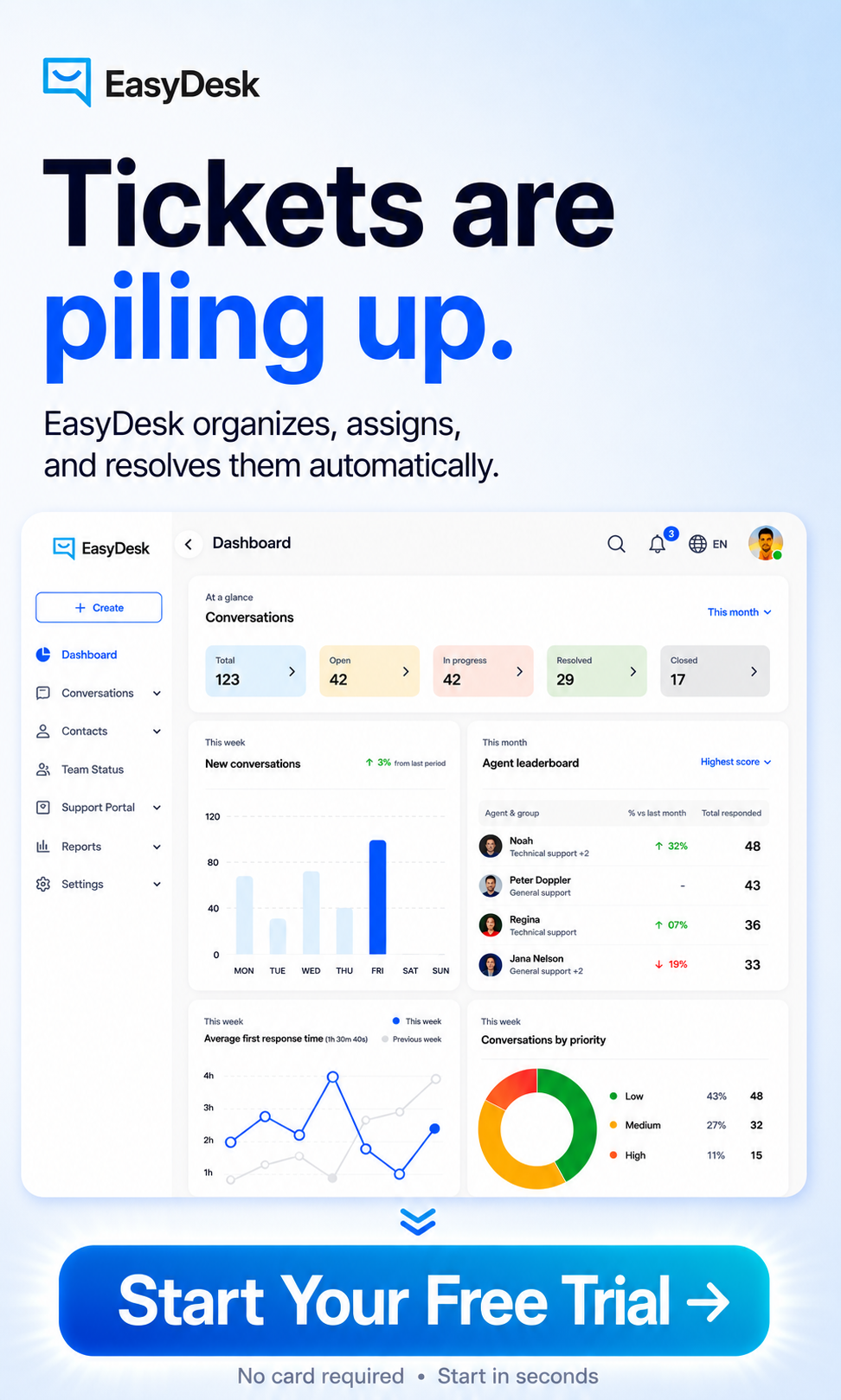
Tools like EasyDesk organize customer support workflows and provide robust ticket creation and management for structured support. A single view helps the support team deliver efficient customer service and resolve issues faster.
Automation For Faster Workflows
Automation tools reduce manual work across the support process. Tasks like ticket assignment, follow-ups, and status updates run automatically. This saves time and reduces repetitive tasks.
Studies show that automation can lower support workload by around 30%. Teams focus more on complex issues instead of routine work.
With automation in tools like EasyDesk, agents work effectively and improve customer service efficiency. Dedicated automated workflow software for smarter support ensures faster workflows that lead to better service delivery and higher customer satisfaction.
Smart Routing And Prioritization
Smart systems use intelligent routing to assign tickets based on urgency and skill. This ensures the right team member handles the right issue. It reduces delays and improves average resolution time.
Data suggests that smart routing can improve first contact resolution by over 20%. Customers receive quicker and more accurate responses.
Help desk tools like EasyDesk prioritize support requests automatically. Automated ticket management software creates an efficient support experience and keeps customers happy.
Better Customer Insights And Reporting
Help desk platforms track key metrics like response time, customer satisfaction score, and ticket volume. These insights help support leaders identify pain points and improve customer experience.
Around 70% of high-performing teams rely on data to improve service quality. Clear reports guide better decisions and continuous improvement.
With EasyDesk, teams use customer data to refine customer service processes. Better insights lead to effective service and long-term success.
Self-Service And Knowledge Base Support
Self-service options reduce pressure on the support team. Help desk tools offer self-service portals where customers can find answers easily. This lowers ticket volume and improves customer satisfaction.
Reports show that over 60% of customers prefer self-help before contacting support. A strong knowledge base supports this need.
Platforms like EasyDesk provide relevant resources for customers through robust knowledge base and self-service software. Well-designed self-service customer support reduces customer effort score and creates a cost-effective support system with high-quality service.
Best Practices To Maintain Long-Term Support Efficiency
Support efficiency needs constant care. Quick fixes do not last. Teams must refine processes, train people, and use the right tools. A steady approach improves service quality, protects customer experience, and supports long term success.
Set Clear Goals And Track Metrics
Clear goals guide every support team. Teams should track key metrics like response time, average resolution time, and customer satisfaction score. These numbers show if service delivery meets customer expectations.
Reports show that data-driven teams improve performance by over 20%. Regular tracking helps identify gaps in customer service processes.
Support leaders should review customer feedback often. This helps improve customer service efficiency and keeps customers satisfied.
Invest In Continuous Training
A skilled support team delivers better results. Regular training sessions improve product knowledge and communication skills. Agents handle customer queries and complex issues with more confidence.
Studies show that ongoing training can boost team productivity by up to 20%. It also improves service quality and reduces customer frustration.
Comprehensive training ensures every team member understands company policies. This leads to effective service and improved customer satisfaction over time.
Optimize Self-Service Resources
Self-service options reduce pressure on the support team. Many customers prefer self-help before reaching out. Self-service portals help customers find answers quickly.
Data suggests that over 65% of customers try self-service first. This reduces ticket volume and lowers incoming requests.
Relevant resources improve customer effort score. A strong knowledge base creates an efficient support experience and supports continuous improvement.
Use Automation And Smart Tools
Automation tools help teams work effectively. They handle repetitive tasks like ticket updates and routing. This reduces manual intervention and speeds up the support process.
Research shows automation can reduce operational costs by around 30%. It also improves response time and service delivery.
Ai tools and intelligent routing help resolve issues faster. The right tools ensure efficient customer service and keep customers happy.
Focus On Customer Experience And Feedback
Customer experience should stay a top priority. Teams must listen to customer feedback and identify pain points. This helps improve customer interactions and service quality.
Reports show that companies focusing on customer experience grow revenue faster than others. Happy customers lead to long-term success.
Regular feedback helps refine the support process. Teams can resolve issues better and deliver high-quality service without sacrificing customer satisfaction.
How EasyDesk Improves Support Efficiency Across Your Team
EasyDesk helps your customer support team manage customer inquiries, support tickets, and customer queries in one place. It improves customer service efficiency by reducing response time and simplifying the support process. With automation tools and intelligent routing, teams handle incoming requests faster and improve service delivery. This leads to better customer satisfaction and a smoother customer experience.
The platform also supports self-service portals and self-help options. Many customers prefer to find answers without waiting. AI tools can handle up to 70% of routine customer questions, which reduces ticket volume and frees agents for complex issues. With better customer data and fewer repetitive tasks, teams work effectively, resolve issues faster, and keep customers happy without sacrificing service quality.
FAQs
What Tools Help Improve Support Efficiency?
Yes, tools like automation tools, AI tools, and help desk software improve customer service efficiency. They reduce repetitive tasks, manage support tickets, and improve response time. This leads to better service delivery and improved customer satisfaction.
Can Small Teams Achieve High Support Efficiency?
Yes, even a small customer support team can deliver efficient customer service. With clear customer service processes, self-service options, and proper customer data, teams handle customer inquiries effectively and keep customers happy.
Does Support Efficiency Affect Customer Retention?
Yes, support efficiency has a direct impact on customer satisfaction and retention. Around 64% of customers switch after one bad experience. Faster response time, better service quality, and a strong CSAT score strategy for support teams help create satisfied customers and long-term success.
How Does Self-Service Improve Support Efficiency?
Self-service portals and self-help options allow customers to find answers without waiting. This reduces ticket volume and incoming requests. It also lowers customer effort score and creates an efficient support experience.
Why Is Tracking Metrics Important For Support Teams?
Key metrics like customer satisfaction score, response time, and average resolution time show how well teams resolve issues. Data helps support leaders find pain points and improve customer service efficiency through continuous improvement.