Customer support becomes messy when multiple teams handle the same customer conversations without a proper system. Tickets get lost. Responses slow down. Internal communication breaks. Customers end up repeating the same issue again and again. That creates frustration for both support agents and customers.
Multi-team support solves that problem. It helps different departments work together from one shared platform. Sales, billing, technical support, and customer service teams can manage conversations without confusion. Teams stay aligned, response time improves, and customers get faster solutions.
Businesses that handle large ticket volumes or support multiple products need a structured support workflow. A reliable multi-team support system helps teams stay productive while delivering a better customer experience at scale.
What Is Multi-Team Support And Why Modern Businesses Need It
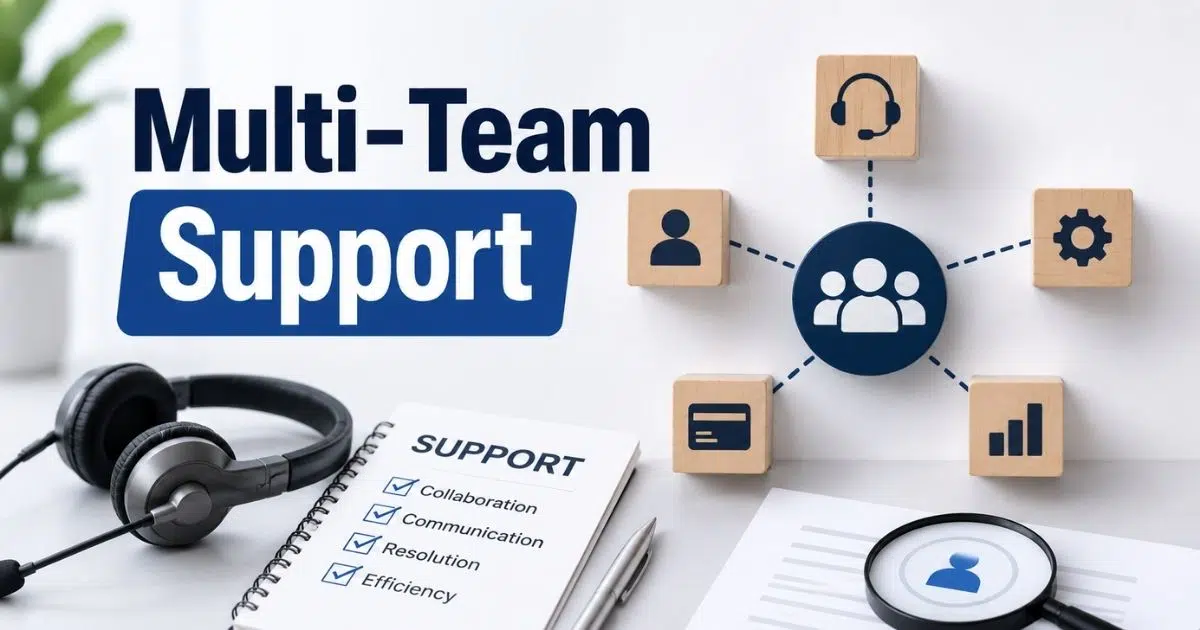
Multi-team support is a collaborative approach where multiple teams work together to solve customer problems and improve service quality. Modern businesses often deal with complex needs across billing, sales, tech support, and customer care. One team alone cannot manage every issue effectively. A multi-team support model brings together diverse expertise, different disciplines, and shared knowledge under one system. Teams stay connected through open communication, shared goals, and a common purpose.
Successful multidisciplinary teams improve coordination, decision-making, and overall effectiveness. Team leaders can manage resources better while departments work toward the same organizational objectives. For example, a support agent, tech support specialist, and account manager may work together to solve one customer issue. That collaborative approach reduces coordination difficulties and creates better customer outcomes, stronger relationships, and long-term business success.
Core Challenges Businesses Face Without Multi-Team Support
Customer expectations are higher than ever. People want fast replies, accurate answers, and smooth communication across every department. Problems start when multiple teams work in silos. Support agents, managers, and tech support teams lose visibility into customer issues. That creates delays, confusion, and poor service quality.
Poor Team Communication
Poor communication is one of the biggest coordination difficulties in multi-team support. Different departments often use separate tools and workflows. Team members miss updates, duplicate tasks, or share incomplete information. Customers then receive mixed answers from multiple teams.
Research shows 86% of employees and executives blame poor communication for workplace failures. Effective communication helps teams align around shared goals and a common purpose. Without open communication, businesses struggle to manage customer expectations and maintain service quality. Clear collaboration between professionals and departments improves overall effectiveness and customer support outcomes.
Slow Response Time
Customers expect quick support across email, live chat, and social channels. Delays happen when support teams cannot coordinate properly. One department waits for another team to respond before taking action. That slows the entire process.
A recent customer service report found that over 70% of customers expect companies to collaborate internally so they do not repeat information. Multi-team support creates a comprehensive approach where teams share resources, expertise, and customer context in real time. Faster coordination helps businesses reduce ticket backlogs and improve customer satisfaction. Teams also operate more efficiently when responsibilities stay clear across departments.
Disconnected Customer Experience
Customers view a company as one organization, not separate teams. Problems appear when billing, sales, and tech support work independently. Customers repeat the same issue multiple times because departments lack shared knowledge and visibility.
Cross-functional collaboration helps teams provide coordinated care across the entire customer journey. A collaborative approach keeps everyone aligned around the same organizational objectives. Businesses that fail to connect teams often lose customer trust and loyalty. Shared identity and shared goals help support teams deliver a more personalized and consistent experience across every contact point.
Department Conflicts
Competing priorities often create tension between departments. Sales teams may focus on revenue, while tech support focuses on issue resolution. Managers and team leaders may follow different performance metrics. That creates friction inside the organization.
Successful multidisciplinary teams work toward a common goal instead of isolated targets. A shared purpose helps departments collaborate without conflict. Businesses that encourage collaboration between different disciplines often see stronger teamwork and better decision-making. Cross-team alignment also improves accountability because every group understands its role in customer support and business success.
Poor Knowledge Sharing
Knowledge gaps create major support problems. Teams lose valuable insights when information stays inside one department. New team members struggle because they cannot access relevant customer history or internal expertise.
Studies show cross-functional collaboration improves innovation, knowledge sharing, and operational efficiency. Teams become more effective when professionals from multiple disciplines share skills, perspectives, and resources. For example, tech support teams can help customer service agents solve complex issues faster through direct collaboration. Better knowledge sharing also helps businesses develop stronger workflows, improve service quality, and support long-term growth.
Key Features That Make Multi-Team Support More Effective
Strong multi-team support depends on more than just adding multiple departments to one platform. Teams need the right tools, clear communication, and shared workflows to stay productive. The right features help businesses improve collaboration, reduce delays, and create a better customer experience across every support channel.
Shared Inbox Access
A shared inbox helps multiple teams manage customer conversations from one place. Support agents, managers, and tech support teams can view updates without switching between systems. A detailed shared inbox software guide can help teams choose the right setup. That keeps everyone aligned around the same customer issue.
Studies show companies with centralized communication tools improve response efficiency by over 25%. Shared inbox access also reduces duplicate replies and missed tickets. Team members can leave internal notes, assign tasks, and maintain coordinated care across departments. Customers receive faster and more accurate support because every team works with the same information, making shared inbox benefits for support teams especially valuable.
Smart Ticket Routing
Smart ticket routing sends requests to the right departments based on skills, workload, or issue type. That prevents delays and improves overall team management. Customers reach the right professionals without unnecessary transfers.
Modern businesses use automation to handle large ticket volumes more effectively. Research from Salesforce shows 77% of service teams say automation helps them provide better customer support. Automated ticket management software and ticket automation for streamlined support also support multidisciplinary teams because each request reaches the team with the most relevant expertise. Better routing improves coordination, decision making, and customer satisfaction while helping support teams operate more efficiently.
Internal Team Collaboration
Strong collaboration tools help teams solve complex customer issues faster. Support agents often need help from billing, sales, or technical departments. Without proper collaboration, communication gaps create delays and confusion.
Businesses with collaborative support systems improve productivity and customer retention. Features like internal chat, shared notes, and team tagging help departments work toward shared goals. Open communication also creates a shared identity across the whole team. Every member understands their role, which improves accountability and service quality. Cross-functional collaboration becomes much easier when all teams work inside one connected platform.
Role-Based Permissions
Not every team member needs access to the same customer data. Role-based permissions help businesses control visibility while protecting sensitive information. Managers can assign access based on departments, responsibilities, or expertise.
This feature improves security and team effectiveness at the same time. Customer service teams can focus on support tasks while finance or admin teams manage private records separately. Businesses that use structured permission systems reduce internal errors and data risks. Clear access control also helps organizations maintain compliance standards while supporting collaboration between multiple teams.
Performance Tracking Tools
Performance tracking tools help businesses measure team success and service quality. Managers can monitor response time, ticket volume, customer satisfaction, and workload distribution across departments. Real-time reports help teams make faster decisions.
Recent studies show data-driven support teams improve operational efficiency by nearly 30%. Performance dashboards also help team leaders identify workflow problems before they affect customers. Businesses can use insights to improve communication, manage resources better, and support long-term growth. Strong reporting tools create a more organized and effective multi-team support environment for both customers and support professionals.
How Multi-Team Support Improves Ticket Routing And Collaboration
Customer issues move faster when the right teams work together. Multi-team support helps businesses route tickets correctly and improve communication between departments. Clear collaboration reduces delays, avoids confusion, and helps support teams deliver faster solutions across every customer touchpoint.
Faster Ticket Assignment
Manual ticket assignment wastes time and creates unnecessary delays. Support teams often struggle when requests move through multiple departments without a clear process. Customers then wait longer for answers and issue resolution.
Multi-team support uses automated routing to send tickets to the right professionals based on expertise, workload, or issue type. Salesforce reports that 79% of customers expect consistent interactions across departments. Smart routing and automated ticket management software help businesses meet that expectation. Team members can focus on relevant tasks instead of sorting requests manually. Faster assignment also improves team management and overall customer satisfaction.
Better Cross-Team Communication
Strong communication keeps support workflows organized. Teams work more effectively when every department shares updates in one place. Internal notes, mentions, and shared conversations help eliminate coordination difficulties between support agents and managers.
Research from Grammarly shows poor workplace communication costs businesses billions every year through lost productivity. Open communication creates a collaborative approach where departments stay aligned around shared goals. Tech support, billing, and customer service teams can solve issues together without long email chains or missed updates. Better communication also helps teams maintain a shared identity and stronger accountability.
Less Ticket Duplication
Duplicate tickets create confusion for both teams and customers. Multiple agents may respond to the same issue without realizing another department already handled it. That wastes resources and slows customer support operations.
A centralized multi-team support system gives the whole team access to the same customer history and ticket status. Shared visibility and structured ticket creation and management help businesses reduce duplicate work and improve coordination. Team leaders can track workloads more accurately while departments stay focused on their responsibilities. Customers also receive a more organized and consistent support experience across all communication channels.
Improved Team Collaboration
Complex customer issues often require support from different disciplines. Sales teams, tech support, and account managers may need to collaborate before resolving one ticket. Without the right system, teamwork becomes difficult and disconnected.
Successful multidisciplinary teams rely on shared knowledge and effective communication. Collaboration tools like internal chat, ticket tagging, and shared notes help members work toward a common goal. Studies show businesses with collaborative teams improve productivity by more than 20%. Better collaboration also helps organizations develop stronger workflows, improve decision-making, and provide better customer outcomes.
Stronger Workflow Visibility
Support managers need clear visibility into ticket activity across departments. Limited visibility makes it harder to manage workloads, track response time, and identify workflow problems. Teams then struggle to maintain service quality during busy periods.
Multi-team support platforms provide real-time dashboards and reporting tools. Managers can monitor ticket progress, team performance, and unresolved issues from one system. Better visibility improves organizational effectiveness and resource planning. Teams operate more efficiently because everyone understands priorities, responsibilities, and support objectives. Clear workflow tracking also helps businesses maintain long-term customer trust and operational consistency.
Best Practices To Build A Scalable Multi-Team Support Workflow
A scalable support workflow helps businesses manage customer requests without slowing down service quality. Strong processes and helpdesk ticketing software keep multiple teams aligned as ticket volume grows. Clear communication, automation, and collaboration help support departments operate more efficiently and deliver better customer experiences.
Set Clear Team Roles
Clear responsibilities reduce confusion inside support operations. Team members need to understand their tasks, priorities, and decision-making authority. Problems appear when multiple teams handle the same issue without proper role definition.
Businesses with structured team management processes often improve operational effectiveness and response efficiency. Team leaders should assign responsibilities based on expertise, skills, and department goals. Sales, billing, and tech support teams can then focus on relevant customer issues without overlap. Clear role assignment also improves accountability and helps multidisciplinary teams work toward shared organizational objectives.
Use Automated Workflows
Manual workflows slow support teams and increase errors. Automated systems help businesses route tickets, assign tasks, and manage repetitive work more efficiently. Comparing manual vs automated ticketing shows how automation allows professionals to focus on customer problems instead of administrative tasks.
Zendesk reports that over 65% of support leaders see automation as essential for scalable customer service. Workflow automation in customer support also improves coordination between departments and reduces delays across support channels. Teams can manage large ticket volumes without losing visibility or service quality. Better automation supports collaboration while helping businesses maintain faster response times and consistent customer support experiences.
Keep Communication Centralized
Support teams struggle when conversations stay scattered across emails, chats, and spreadsheets. Centralized communication and multi-channel support software create one shared space where departments can access customer history, updates, and internal discussions. That improves collaboration across the whole team.
Open communication helps organizations reduce coordination difficulties and improve workflow visibility. Team members can leave notes, tag departments, and share relevant details without switching systems. Businesses that centralize communication often improve customer satisfaction and team productivity. Shared knowledge also helps teams solve complex issues faster while maintaining consistent service quality across every customer interaction.
Track Team Performance
Performance tracking helps businesses identify workflow problems before they affect customers. Managers need visibility into response time, resolution speed, ticket backlog, and workload distribution across departments. Without data, support teams struggle to improve effectiveness.
Research from HubSpot shows 82% of service teams use customer satisfaction scores to measure support quality. A dedicated CSAT score guide for support teams can help interpret these metrics. Real-time reporting helps team leaders make faster and more informed decisions. Businesses can adjust resources, improve workflows, and support long-term scalability through performance insights. Clear reporting also strengthens accountability because every department understands its contribution to shared goals and customer outcomes.
Build A Shared Knowledge Base
A knowledge base helps support teams access accurate information quickly. Customers also benefit because they can solve simple issues without contacting support. Shared resources reduce repetitive questions and improve team collaboration across departments.
Successful multi-team support systems rely on shared knowledge and continuous learning. Knowledge base and canned response tools help support agents, managers, and technical professionals document solutions, workflows, and troubleshooting steps in one place. That improves coordination and helps new team members develop skills faster. Businesses with strong knowledge management systems often reduce ticket volume while improving customer experience and operational efficiency.
Multi-Team Support Metrics That Help Measure Team Performance
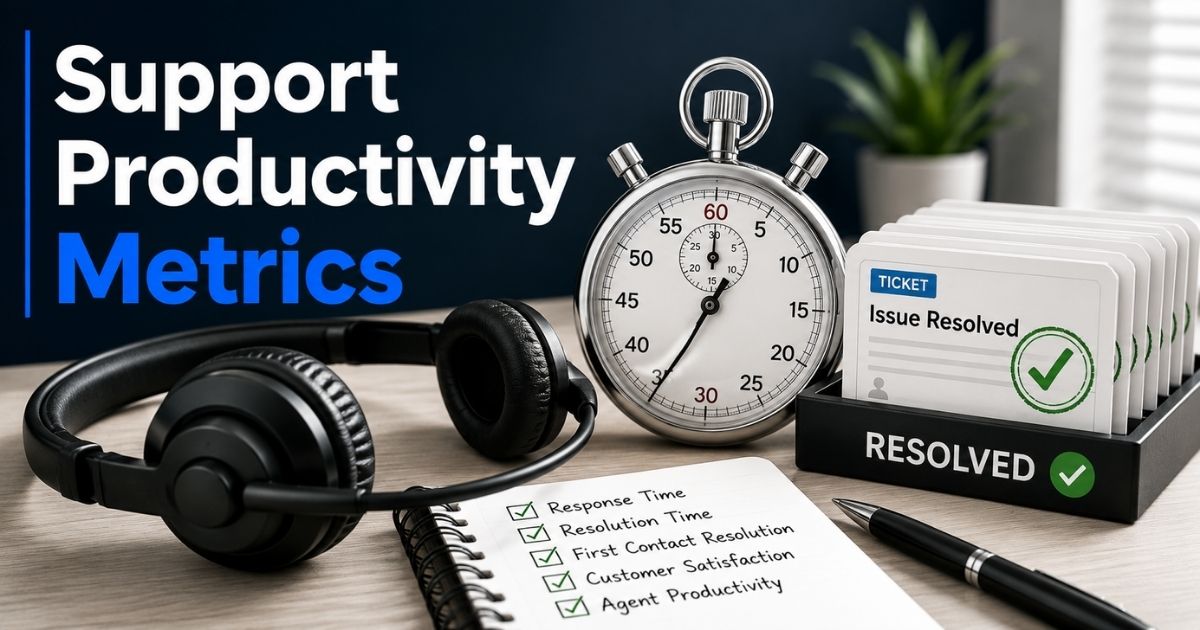
Support teams cannot improve what they do not measure. Performance metrics help businesses understand how well multiple teams collaborate, resolve issues, and manage customer expectations. Clear data also helps managers improve workflows, allocate resources better, and maintain consistent service quality across departments.
First Response Time
First response time measures how quickly teams reply to customer requests. Fast replies build trust and improve customer satisfaction. Slow responses often create frustration, especially when customers contact multiple departments for support.
HubSpot reports that 90% of customers expect an immediate response when they contact support teams. Multi-team support systems help businesses reduce delays through automated ticket routing and shared communication. Team members can access customer details faster and coordinate more effectively. Short response times also show that departments work together efficiently toward shared service goals and organizational objectives.
Ticket Resolution Time
Resolution time tracks how long teams take to fully solve customer issues. This metric helps businesses identify workflow bottlenecks and coordination difficulties between departments. Long resolution times usually point to poor collaboration or unclear responsibilities.
Successful multidisciplinary teams reduce delays by sharing expertise and customer information across the whole team. Support agents, managers, and tech support professionals can collaborate more effectively when workflows stay organized through automated ticket assignment workflows. Research from Salesforce shows high-performing service teams resolve cases 34% faster than underperforming teams. Faster resolution improves customer outcomes and helps businesses maintain stronger operational effectiveness.
Customer Satisfaction Score
Customer satisfaction score, or CSAT, measures how customers feel after receiving support. Businesses often collect this feedback through surveys after ticket resolution. High scores usually reflect strong communication, coordinated care, and efficient support services.
Customer satisfaction also helps organizations understand whether departments work together successfully. Poor collaboration between teams often leads to inconsistent experiences and lower ratings. Studies show businesses with strong cross-team collaboration improve customer retention and loyalty over time. Managers can use CSAT data to improve team management, strengthen workflows, and support long-term business growth.
Ticket Escalation Rate
Escalation rate measures how often support tickets move to higher-level teams or managers. A high escalation rate may signal skill gaps, unclear workflows, or poor knowledge sharing across departments. That can slow response time and reduce overall support effectiveness.
Strong multi-team support systems improve collaboration between professionals with different expertise. Shared resources, internal notes, and centralized communication help frontline teams solve more issues independently. Lower escalation rates usually mean teams have better access to knowledge and decision-making support. Businesses can also use this metric to identify training opportunities and improve operational efficiency across support departments.
Team Workload Distribution
Workload distribution shows how tasks spread across teams and departments. Uneven workloads create burnout, slower response times, and lower service quality. Some team members may become overwhelmed while others remain underutilized.
Performance dashboards help managers track ticket volume, queue sizes, and department capacity in real time. Better visibility allows organizations to manage resources more effectively and maintain balanced workflows. Businesses with balanced team workloads often improve productivity and employee wellbeing. Clear workload management also helps multidisciplinary teams stay focused on shared goals while maintaining consistent customer support performance.
Common Mistakes That Reduce Multi-Team Support Efficiency
Multi-team support can improve collaboration and customer service, but poor workflows often create the opposite result. Communication gaps, unclear responsibilities, and disconnected systems reduce team effectiveness. Businesses need structured processes to help departments work together without delays, confusion, or duplicated effort.
Unclear Team Responsibilities
Support teams struggle when responsibilities are not clearly defined. Multiple departments may work on the same issue without knowing who owns the ticket. That creates confusion, duplicate work, and slower customer support responses.
Clear team management improves accountability and operational efficiency. Team leaders should assign tasks based on expertise, skills, and department roles. Sales, billing, and tech support teams need structured responsibilities to avoid workflow overlap. Businesses with clearly defined roles often improve collaboration and customer satisfaction because every team member understands their contribution toward shared organizational goals.
Poor Internal Communication
Communication problems reduce the effectiveness of multi-team support. Important updates get lost when departments rely on scattered emails or disconnected tools. Customers then receive inconsistent answers from different professionals inside the same organization.
Research from Grammarly found poor workplace communication costs businesses up to $1.2 trillion annually in lost productivity. Open communication helps multidisciplinary teams stay aligned around shared goals and customer needs. Shared inboxes, internal notes, and centralized messaging improve collaboration across departments. Better communication also helps businesses reduce coordination difficulties and maintain more organized support workflows.
Too Many Manual Processes
Manual workflows slow teams and increase human error. Support agents spend too much time assigning tickets, updating records, or following up between departments. That reduces productivity and delays issue resolution for customers.
Automation helps businesses manage large support volumes more efficiently. Zendesk reports that over 70% of customer experience leaders believe automation improves service quality and operational performance. Automated routing, ticket automation for streamlined support, ticket prioritization, and workflow triggers support better coordination between teams. Businesses also improve resource management because support professionals can focus more on customer problems instead of repetitive tasks.
Limited Knowledge Sharing
Knowledge gaps create major problems for support operations. Teams lose valuable expertise when information stays isolated inside one department. New employees also struggle because they cannot access relevant customer history or troubleshooting resources.
Successful multidisciplinary teams rely on shared knowledge and collaboration. A centralized knowledge base helps departments document workflows, solutions, and customer insights in one place. Better knowledge sharing improves decision-making and reduces ticket escalation rates. Businesses that support collaborative learning often improve customer outcomes, operational effectiveness, and long-term service quality across the whole team.
Lack Of Performance Tracking
Support teams cannot improve without clear performance data. Businesses often fail to monitor response time, resolution speed, workload balance, or customer satisfaction across departments. That makes it difficult to identify workflow problems and resource gaps.
Performance tracking tools help managers monitor team effectiveness in real time. Data-driven support teams improve productivity and customer experience more consistently than teams without reporting systems. Clear metrics also help organizations align departments around common goals and service standards. Better visibility allows businesses to optimize workflows, improve collaboration, and support long-term scalability more effectively.
How EasyDesk Simplifies Multi-Team Support Across Departments
EasyDesk is a comprehensive customer support platform that helps businesses manage multi-team support from one centralized system. Support teams can handle tickets, live chat, email, and social media conversations without switching between tools. Shared visibility helps departments stay aligned and reduce communication gaps. Automated ticket routing sends customer requests to the right team faster, which improves response time and workflow efficiency.
EasyDesk also supports collaboration through internal notes, canned responses, SLA management, and shared ticket tracking. Managers can monitor team performance, workload distribution, and customer satisfaction from one dashboard. Built-in automation reduces repetitive tasks while helping teams focus on complex customer issues. Businesses can scale support operations more easily because every department works with the same customer data and communication history. EasyDesk’s customer support features also include knowledge base tools that improve knowledge sharing and reduce repeated support requests.
FAQs
Can Multi-Team Support Reduce Ticket Escalation Across Multiple Departments?
Yes, a structured multi-team support system can reduce ticket escalation rates. Shared knowledge, automated routing, and open communication help support teams solve issues faster without passing customers between departments. Better collaboration also improves customer outcomes and operational effectiveness.
How Do Multidisciplinary Teams Handle High-Volume Customer Support Operations?
Successful multidisciplinary teams use automation, centralized communication, and role-based workflows to manage high ticket volumes. Team leaders distribute workloads based on expertise and skills. That collaborative approach and automated workflow software for support improve coordination, resource management, and service quality across the whole team.
Does Multi-Team Support Improve Customer Retention In SaaS Businesses?
Yes, strong multi-team support improves customer satisfaction and long-term retention. Customers expect consistent communication across departments, especially in SaaS businesses with complex support needs. Coordinated care, faster response times, and shared goals help organizations build stronger customer relationships.
What Causes Coordination Difficulties Between Multiple Support Teams?
Poor communication, disconnected tools, and competing priorities often create coordination difficulties. Teams struggle when departments cannot access shared customer history or relevant updates. Businesses that centralize communication and knowledge sharing usually improve collaboration and decision-making across support services.
Can AI Automation Improve Collaboration Between Different Support Disciplines?
No, AI alone cannot replace collaboration between professionals from different disciplines. Automation helps teams route tickets, manage repetitive tasks, and improve workflow visibility. Human expertise, effective communication, and shared identity still play a major role in successful multi-team support environments.