Every business depends on reliable service. Yet many organizations struggle with missed response times, unexpected downtime, and unclear service expectations. When service levels are not clearly defined, confusion follows. Customers become frustrated, providers face disputes, and business results suffer.
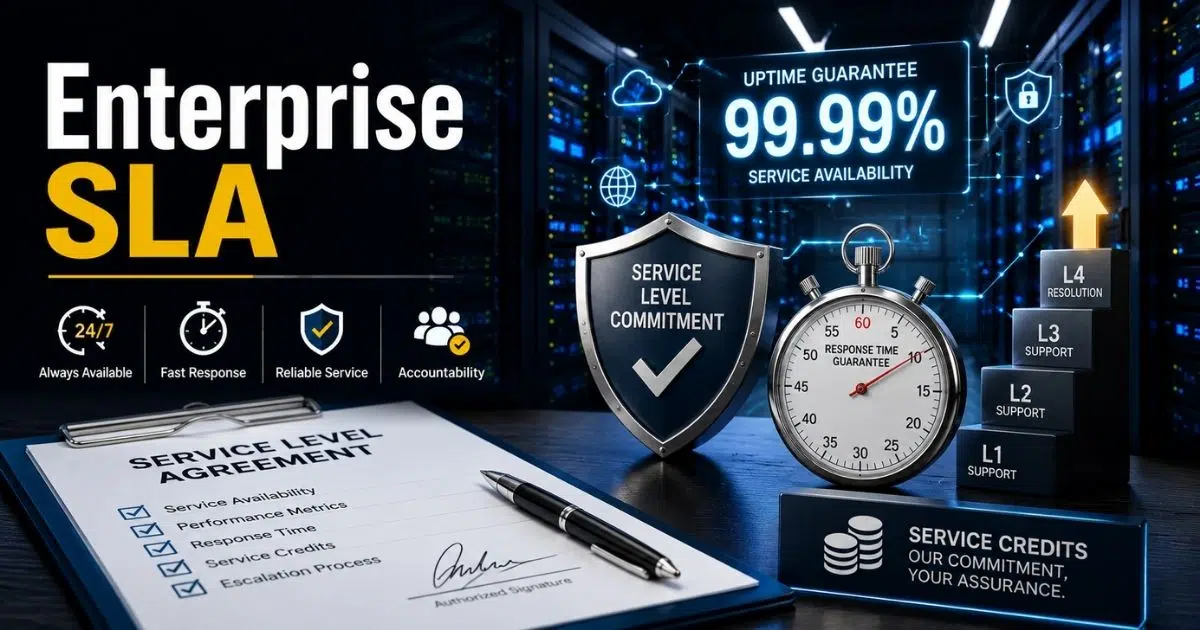
An enterprise SLA helps prevent those problems. It is a formal service level agreement that defines the level of service a customer should receive from a service provider. From service availability and response time targets to performance metrics and service credits, an enterprise SLA creates a shared understanding between both parties.
A well-structured enterprise SLA does more than set rules. It improves service delivery, supports business objectives, increases customer satisfaction, and holds providers accountable for service performance. Whether you work with cloud service providers, technology vendors, or internal business units, understanding enterprise SLAs is essential for maintaining reliable and measurable services.
What Is An Enterprise SLA
Large organizations depend on dozens of systems, vendors, and support teams every day. A single service disruption can affect multiple business units, delay operations, and reduce customer satisfaction. That is why an enterprise SLA is so important. An enterprise SLA, or service level agreement, is a formal agreement between a service provider and a customer that defines the expected level of service, service availability, and service performance.
A well-designed service level agreement SLA creates a mutual understanding between the parties involved. It outlines the services provided, service requirements, service level objectives, response time targets, and performance metrics used to measure performance. Clear service expectations help both sides stay aligned and accountable.
For large organizations, an enterprise SLA is more than a business form. It supports service delivery, protects critical services, and helps achieve business objectives. Whether working with cloud service providers, technology vendors, or internal departments, effective SLAs establish clear service levels and improve business outcomes through measurable performance and accountability.
Core Components Of An Enterprise SLA Agreement
A strong enterprise SLA does more than define service levels. It creates a clear agreement between the service provider and the customer. Every section has a purpose. From performance metrics to service credits, each component helps reduce confusion, improve accountability, and support reliable service delivery.
Service Scope
Every service level agreement should start with a clear description of the services provided. Both parties need to know exactly what is covered under the agreement. A vague scope often leads to disputes and unmet customer expectations.
A detailed service scope outlines the specific service provided, support hours, service requirements, and responsibilities. It may also identify critical services that require higher service availability. Clear definitions create a mutual understanding and help the customer and provider stay aligned throughout the contract period.
Service Level Objectives
Service level objectives are one of the most important parts of an enterprise SLA. They define the specific targets a service provider must meet. Common examples include uptime, response time, resolution time, and service availability.
Most cloud service providers use measurable SLOs to track service performance, and many rely on dedicated SLA tracking software to monitor these targets in real time. According to Google Cloud, service level objectives help organizations measure performance against predefined goals and maintain consistent service levels. Well-defined SLOs also make SLA metrics easier to track and report.
Performance Metrics
Performance metrics show whether the agreed level of service is being delivered. They provide a proper baseline for measuring results and identifying service issues before they affect business outcomes.
Common SLA metrics include availability, first contact resolution, average time to resolve tickets, defect rates, and customer satisfaction scores. Research shows that organizations that actively monitor customer support metrics and KPIs can improve operational performance and customer experience. Reliable measurement tools make those metrics more meaningful and actionable.
Service Credits And Penalties
Service credits help hold providers accountable when service levels are not met. They act as financial compensation when a provider fails to deliver the agreed level of service. Many technology vendor contracts include service credits as the primary remedy for SLA breaches.
A credit is often calculated as a percentage of the monthly fee. For example, some cloud providers offer service credits when availability falls below a certain level during a given month. Penalties encourage providers to maintain performance and meet customer expectations consistently.
Exclusions And Escalation Rules
No SLA can cover every possible situation. Exclusions define circumstances where SLA obligations do not apply. Planned maintenance, customer-caused issues, and force majeure events are common examples.
Escalation procedures are equally important. They define who should be contacted when service performance falls below expectations. Clear contact paths reduce delays and help resolve issues faster. Many support teams formalize this into a structured ticket escalation process for faster support. Effective SLAs also include a structured process for incident management, disaster recovery, and communication during service disruptions to protect critical business operations.
Enterprise SLA Metrics And KPIs That Define Service Success
An enterprise SLA is only effective when performance can be measured. Clear metrics help both the service provider and customer understand whether service expectations are being met. The right KPIs also improve accountability, support business objectives, and drive better service delivery across the organization.
Response Time
Response time measures how quickly a service provider acknowledges a customer request after first contact. It does not measure how long it takes to solve the issue. Instead, it focuses on the initial response.
Fast response times help build trust and improve customer satisfaction. According to HubSpot, 90% of customers consider an immediate response important when they need support. A strong service level agreement should define response time targets for different service levels and issue priorities.
Resolution Time
Resolution time tracks how long it takes to fully resolve a problem after it is reported. This metric is often one of the most important service level objectives in an enterprise SLA.
A shorter resolution time reduces business disruption and protects critical services. Different service requirements often require different targets. High-priority incidents may need resolution within hours, while lower-priority issues may have longer timelines. Applying proven ways to cut average resolution time fast makes these goals more achievable in day-to-day operations. Clear resolution goals help providers measure performance and deliver a consistent level of service.
Service Availability
Service availability measures how often a service remains accessible and operational. Many enterprise service-level agreement contracts use availability as a critical component of service performance.
Cloud service providers frequently commit to uptime guarantees of 99.9%, 99.95%, or even 99.99%. Some telecom providers target 99.999% availability for mission-critical services. Even small differences in availability can result in hours of downtime over a given month, which is why many organizations adopt dedicated SLA management software to monitor availability and related commitments. That makes availability one of the most closely watched SLA metrics.
First Contact Resolution
First contact resolution measures whether a customer issue is solved during the first interaction. A high first contact resolution rate often indicates effective support processes and knowledgeable service teams.
Customers prefer quick solutions without repeated contact attempts. Research from SQM Group shows that first contact resolution is one of the strongest drivers of customer satisfaction. Organizations that improve this metric often reduce support costs and improve business results at the same time.
Customer Satisfaction Score
Customer satisfaction helps organizations understand how customers feel about the services provided. While technical metrics are important, customer feedback offers another view of service success.
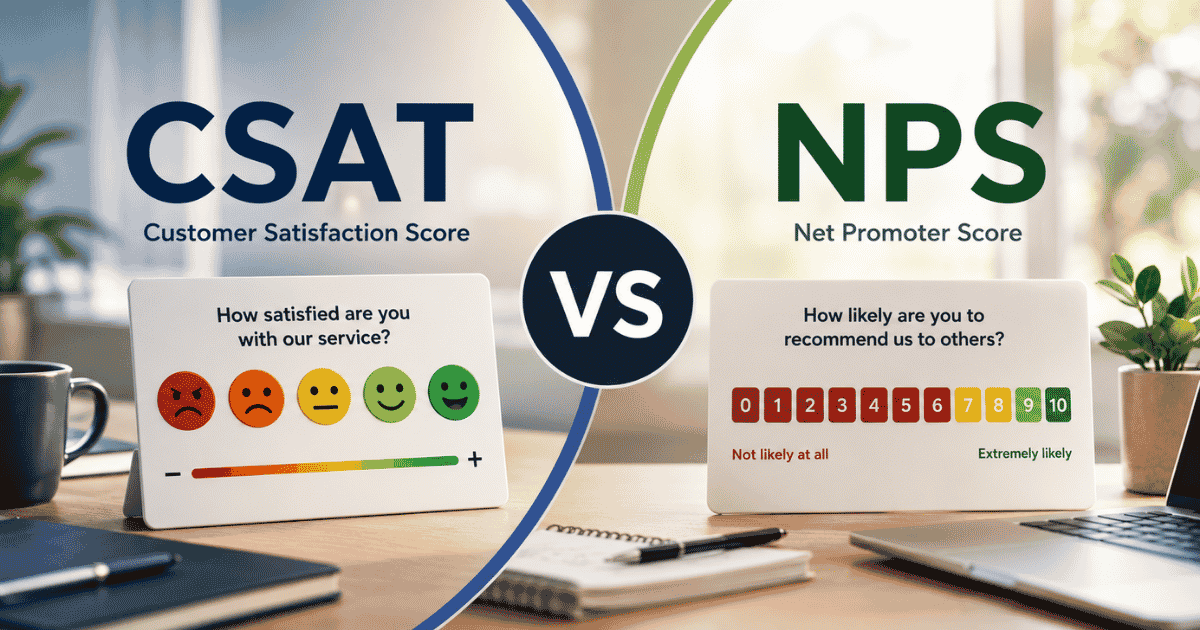
Most service providers use surveys after ticket closure or service interactions. Results help identify service gaps and improvement opportunities and inform broader customer satisfaction metrics for support teams. A customer satisfaction score works best when paired with other performance metrics such as response time, resolution time, and availability. Together, these KPIs provide a complete picture of service performance and long-term business outcomes.
Types Of Enterprise SLA Models And When To Use Each One
Not every enterprise SLA follows the same structure. Different organizations have different service requirements, customer expectations, and business objectives. The right SLA model depends on the services provided, the customer base, and how service delivery is managed across teams, clients, and business units.
Customer-Based SLA
A customer-based SLA is created for a specific customer or client. It covers all services provided to that customer under a single agreement. This model works well when service expectations vary from one client to another.
Many enterprise software companies use customer service level agreements for large accounts. A dedicated agreement allows providers to define custom service levels, response time targets, and support commitments. This approach helps create a stronger mutual understanding and often leads to higher customer satisfaction.
Service-Based SLA
A service-based SLA applies the same level of service to all customers who use a particular service. Every customer receives the same service availability, performance metrics, and support standards.
Most cloud service providers use this model because it is easier to manage across multiple customers. For example, a cloud storage provider may offer the same uptime commitment and response targets to its entire customer base. This approach simplifies SLA management while maintaining consistent service performance across all users.
Multi-Level SLA
A multi-level SLA combines several service agreements into one structured framework. It allows organizations to address different service requirements without creating separate agreements for every customer.
Large enterprises often use multi-level SLAs across different departments and business units. A single agreement can include company-wide service standards, department-specific requirements, and customer-specific commitments. This structure reduces complexity while supporting different service levels across the organization.
Internal SLA
An internal SLA exists between different departments within the same business. The agreement helps define responsibilities and service expectations between internal teams.
For example, an IT department may establish service level objectives for the HR or finance team. Internal SLAs help improve service delivery and accountability. They also provide a proper baseline for measuring performance and business results, especially when supported by a robust SLA management system. Many organizations rely on internal SLAs to support critical services and daily operations.
External SLA
An external SLA is established between a service provider and an outside customer. This is the most common form of service level agreement in technology vendor contracts and managed service agreements.
External SLAs usually include service availability targets, key performance indicators, escalation procedures, service credits, and response time commitments. According to industry reports, uptime commitments of 99.9% or higher are now common among cloud service providers. A well-structured external SLA helps ensure accountability, protect customer expectations, and support long-term business outcomes.
How To Create An Enterprise SLA Step By Step
A successful enterprise SLA does not happen by chance. It requires planning, clear communication, and measurable goals. Each step should support business objectives while creating realistic service expectations for both the service provider and the customer.
Step 1: Define Business Goals
Every service level agreement should start with clear business objectives. Before discussing metrics or service levels, both parties need to understand the desired business outcomes. A strong SLA should support business results, not just technical performance.
Research from Gartner shows that organizations with business-aligned service management practices achieve better operational outcomes and customer satisfaction. Clear goals also help create a proper baseline for future performance measurement. This step ensures the agreement supports real business requirements rather than generic service promises.
Step 2: Identify Service Requirements
The next step is to define the services provided and the level of service expected. Both parties should agree on what is included, what is excluded, and which critical services require priority support.
A detailed service scope prevents misunderstandings later. It should include service availability expectations, support hours, escalation procedures, and customer responsibilities. Clear service requirements create a mutual understanding and help establish accountability throughout the agreement, especially for teams following a structured service level agreement helpdesk guide. This also reduces disputes between the customer and service provider.
Step 3: Set SLA Metrics And SLOs
Once service requirements are clear, define the performance metrics that will measure success. Service level objectives should be realistic, measurable, and tied to business needs, since unclear or misaligned targets are a common cause of SLA failures and service issues.
Common SLA metrics include response time, resolution time, availability, first contact resolution, and defect rates. Most cloud service providers use these metrics to evaluate service performance and service delivery. Well-defined measurement tools help organizations measure performance consistently and track whether service levels are being achieved over time.
Step 4: Establish Credits And Escalation Rules
An enterprise SLA should clearly explain what happens when agreed service levels are not met. Service credits are commonly used as a remedy for SLA breaches. Many providers calculate credits as a percentage of the monthly fee when performance falls below agreed thresholds.
The agreement should also include escalation procedures. Clear contact paths ensure issues reach the right people quickly. Escalation rules help reduce downtime and improve accountability. This section protects both parties and encourages providers to maintain consistent service performance.
Step 5: Review And Update Regularly
A service level agreement should never remain static. Business requirements change. Customer expectations evolve. New services and technologies may also affect the original agreement.
Regular reviews help keep the SLA relevant and effective. Industry experts recommend reviewing service agreements at least annually or whenever significant business changes occur. A structured review process helps organizations adjust service levels, update key performance indicators, and improve service delivery. Regularly review the agreement to ensure it continues to support business objectives and customer satisfaction.
Common Enterprise SLA Challenges And How To Avoid Them
Even the best enterprise SLA can face problems over time. Business needs change. Customer expectations evolve. New services are introduced. Without proper management, an SLA can become outdated and ineffective. Understanding common challenges helps organizations maintain better service delivery and long-term service performance.
Unclear Service Expectations
Many SLA issues begin with unclear service expectations. A customer may expect one level of service while the service provider interprets the agreement differently. This often leads to disputes, missed targets, and poor customer satisfaction.
A clear service level agreement should define service requirements, service availability, response time goals, and the services provided. Every agreement should include specific details about responsibilities and performance metrics. Clear documentation creates a mutual understanding between the parties involved and reduces confusion from the start.
Poor Performance Tracking
Many organizations struggle to measure performance consistently. SLA metrics may exist, but the right measurement tools are often missing. Without accurate data, it becomes difficult to evaluate service performance or identify service gaps.
Research from Gartner shows that organizations with strong performance measurement practices make better operational decisions and improve business outcomes. Regular tracking of key performance indicators such as availability, resolution time, and defect rates helps providers maintain accountability and improve service levels over time.
Outdated SLA Agreements
Business requirements rarely stay the same. New technologies, changing customer needs, and expanding business units can make an old SLA less effective. Yet many organizations continue using agreements that no longer support current business objectives.
An enterprise SLA should include a structured review process. Experts recommend that organizations regularly review service agreements to ensure they reflect current business goals and service expectations. Regular updates help maintain relevant service levels and improve long-term service delivery.
Complex Multi-Team Coordination
Large organizations often have different departments, vendors, and support teams involved in service delivery. A lack of coordination can slow response times and create accountability issues. This challenge becomes even greater in a multi-level SLA environment.
Clear escalation procedures help solve this problem. Each team should understand its role, contact points, and service responsibilities. Defined ownership helps improve communication between business units and service providers. Better coordination often leads to faster resolution time and stronger business results.
Weak Enforcement Of SLA Terms
An SLA only works when both parties follow the agreement. Some organizations define performance metrics and service level objectives, but fail to enforce them. This weakens accountability and reduces the value of the agreement.
Service credits and penalty clauses help address this issue. Many technology vendor contracts include financial credits when agreed service levels are not achieved. Clear consequences encourage providers to maintain performance and meet customer expectations. Effective SLAs balance accountability, fairness, and measurable service outcomes to support long-term success.
Enterprise SLA Examples Across IT, SaaS, Help Desk, And Managed Services
Enterprise SLA requirements vary across industries and service models. A cloud platform has different service expectations than a help desk team or managed service provider. Real-world examples make it easier to understand how service levels, performance metrics, and accountability work in practice.
IT Infrastructure SLA
An IT infrastructure service level agreement focuses on critical services such as servers, networks, databases, and internal systems. The primary goal is to maintain service availability and minimize downtime.
For example, an enterprise IT team may commit to 99.95% availability for business-critical systems. The SLA can also include a 15-minute response time for high-priority incidents and a four-hour resolution time target. Performance metrics such as uptime, defect rates, and average time to resolve issues help measure performance and ensure reliable service delivery across business units.
SaaS Platform SLA
A SaaS provider typically uses a service-based SLA to define service levels for all customers. Most cloud service providers publish their SLA terms publicly so customers can understand service expectations before signing a contract.
For example, many SaaS vendors guarantee uptime between 99.9% and 99.99%. If availability falls below the agreed level during a given month, the customer may receive service credits based on a percentage of the monthly fee. This approach creates accountability while helping customers understand the level of service they can expect from the provider.
Help Desk SLA
A help desk SLA focuses on customer support performance. The agreement usually defines response time, first contact resolution goals, escalation procedures, and resolution time targets based on ticket priority.
For example, a support team may commit to responding to critical tickets within 15 minutes and resolving them within four hours. Lower-priority requests may have a longer time slot for resolution, which requires consistent ticket prioritization in customer support. Clear service level objectives help support teams manage workloads while maintaining customer satisfaction and consistent service performance.
Managed Services SLA
A managed services provider often supports multiple customers through a detailed enterprise SLA. The agreement typically covers network monitoring, security management, backup services, disaster recovery, and technical support.
For example, a managed service provider may guarantee 24/7 monitoring, 99.99% service availability, and defined response times for different service levels. The agreement may also include service credits as an exclusive remedy if performance targets are missed, following best practices for ticket SLA management. A well-structured SLA helps both parties maintain a mutual understanding of responsibilities, business requirements, and expected business outcomes.
Enterprise SLA Best Practices For Continuous Improvement And Compliance
A well-written enterprise SLA is only the starting point. Long-term success depends on regular reviews, accurate measurement, and strong accountability. Organizations that follow proven SLA management practices are more likely to maintain service quality, improve customer satisfaction, and support changing business requirements.
Align SLA Goals With Business Objectives
Every service level agreement should support business objectives. An SLA that focuses only on technical metrics may fail to deliver meaningful business outcomes. Service expectations should connect directly to the goals of the customer and the organization.
Research from Deloitte shows that organizations with business-aligned service strategies achieve stronger operational performance and customer results. A service provider should define service levels that help support revenue, productivity, compliance, and customer experience. This approach makes the enterprise SLA a valuable business tool rather than just a contract.
Use Clear And Measurable Metrics
Effective SLAs rely on measurable performance metrics. Vague promises can create confusion and disputes between the customer and service provider. Every target should be specific, realistic, and easy to track.
Common SLA metrics include service availability, response time, resolution time, first contact resolution, and customer satisfaction scores. Service level objectives should also include a proper baseline for measurement. Reliable measurement tools help organizations measure performance consistently and identify areas that need improvement before service quality declines.
Review And Update Regularly
Business requirements rarely remain the same. New technologies, changing customer expectations, and evolving service requirements can make an old agreement less effective. An outdated SLA may no longer reflect the services provided or expected business results.
Regularly review the service level agreement to ensure it remains relevant. Many organizations conduct formal SLA reviews every year or after major business changes. A structured process for updates helps maintain compliance, improve service delivery, and keep service expectations aligned with current business needs.
Define Accountability And Escalation Paths
Strong accountability is a critical component of every enterprise SLA. Each party should understand its responsibilities, performance targets, and communication requirements. Clear ownership helps reduce confusion during service disruptions.
Escalation procedures should identify who to contact, when to escalate issues, and how incidents should be handled. Defined escalation paths often reduce average time to resolution and improve service performance. Clear accountability also encourages appropriate behavior and helps maintain trust between the parties involved.
Monitor Compliance And Performance Trends
Continuous monitoring helps organizations maintain effective SLAs. Performance reports should go beyond basic compliance checks. They should also identify trends, recurring issues, and opportunities for improvement.
Most service providers now use dashboards and automated reporting tools to track key performance indicators, often as part of dedicated SLA management for support teams. Industry studies show that organizations using data-driven service management practices often achieve better customer satisfaction and operational efficiency. Regular performance reviews create feedback loops that support continuous improvement, stronger compliance, and better long-term business outcomes.
How EasyDesk Helps Manage Enterprise SLAs More Effectively
Managing an enterprise SLA becomes challenging when support teams handle large ticket volumes, multiple service levels, and strict performance targets. Manual tracking often leads to missed deadlines and inconsistent service delivery. A modern SLA management system like EasyDesk helps organizations automate SLA management and maintain better control over service performance.
With EasyDesk’s customer support features, teams can define service level objectives, monitor SLA metrics, and track response time and resolution time targets from a single platform. Automated workflows help enforce escalation procedures, while real-time dashboards make it easier to measure performance across different departments and business units.
EasyDesk also provides detailed reporting tools that help organizations regularly review service performance, identify bottlenecks, and improve customer satisfaction through dedicated CSAT management features. It's dedicated SLA management for support teams, and SLA tracking capabilities centralize monitoring and enforcement. By centralizing SLA management, support operations, and performance tracking, EasyDesk helps service providers meet service expectations, maintain service availability, and deliver a consistent level of service that supports long-term business objectives, as shown when it improved response time for a growing team.
FAQs
How Often Should An Enterprise SLA Be Audited And Reviewed?
Yes, an enterprise SLA should be reviewed regularly. Most organizations review a service level agreement annually or after major business changes to ensure service requirements, performance metrics, and business objectives remain aligned.
Can One Enterprise SLA Cover Multiple Vendors?
Yes, a multi-level SLA can support multiple providers, business units, or different departments within the same business. Clear service expectations and defined responsibilities help maintain accountability across all parties involved.
What Happens If SLA Metrics Consistently Miss Targets?
Repeated failure to meet SLA metrics can lead to service credits, penalty clauses, or contract renegotiation. Regular performance reviews help identify the root cause and improve service performance before issues affect customer satisfaction.
Which Teams Should Be Involved When Creating An Enterprise SLA?
An effective SLA should involve IT teams, operations, customer support, compliance teams, business stakeholders, and the service provider. Input from all relevant parties helps create a mutual understanding of service levels and business requirements.
Can SLA Automation Improve Compliance And Reporting?
Yes, SLA automation helps organizations track response time, resolution time, availability, and other key performance indicators more accurately. Automated measurement tools also simplify management, reporting, and compliance across large customer environments.