Sales and customer service teams influence the entire customer journey, from the first conversation to post-purchase support. Strong customer service collaboration between these teams helps organizations deliver outstanding customer service while maintaining consistent communication with customers. When both teams stay on the same page, they understand customer needs, previous conversations, and potential concerns more clearly.
Shared collaboration tools like multichannel helpdesk software allow teams to exchange updates, customer data, and insights quickly. This coordination helps improve response times and ensures agents can resolve issues without delays. Sales insights combined with support conversations also produce actionable insights that help teams identify patterns in customer behavior.
When support teams, sales teams, and product teams collaborate closely, companies create better solutions for customers. This alignment becomes a game changer for service quality, helping businesses achieve higher customer satisfaction and keep customers happy over the long term.
What Is Customer Service And Sales Alignment
Customer service and sales alignment means your support team and sales team work together around shared customer outcomes instead of operating in separate silos. Sales teams focus on acquiring new customers through metrics like win rates and deal closures. Customer service agents prioritize support metrics such as tickets resolved and customer satisfaction scores.
When these teams collaborate, they share goals like revenue growth and pipeline development. Research shows aligned teams achieve 36% higher customer retention rates and 38% higher sales win rates. Forrester data confirms that aligned operations yield 2.4 times faster revenue growth and double profitability.
The problem is significant. Poor alignment causes 60 to 70% resource waste due to miscommunication across departments. Only 11% of companies achieve effective hand-off processes where high-intent prospects transfer smoothly between teams. Misaligned firms face 4% revenue declines annually. In B2B contexts, proper alignment cuts customer acquisition costs by 30% and boosts customer lifetime value by at least 20%.
7 Customer Service Collaboration Strategies For Sales Alignment
Implementing these customer service collaboration strategies can drive 24% faster three-year revenue growth and 27% faster profit growth in aligned B2B operations. Here are seven approaches that move your entire team toward better customer collaboration.
Establish Shared Customer Data Access
Breaking information silos is the foundation of effective collaboration between service and sales. When sales reps can access service logs showing customer pain points, they walk into every conversation with context. This simple change boosts conversion rates by 2.3 times when paired with shared buyer insights.
The challenge is that 60% of teams lack this shared access. Your customer service strategy should include API integrations and cloud-based help desk solutions that enable real-time access to unified customer profiles. These profiles contain interaction histories, preferences, and recent ticket summaries. Case studies from aligned firms show this approach reduces data entry duplication by up to 40%.
Think about it from the customer’s perspective. They don’t want to repeat their story. They expect exactly who they speak with to understand their needs already. Shared data platforms make this possible by giving both you and your sales colleagues the same view of every customer interaction.
Align Customer Communication Workflows
Synchronizing messaging across channels ensures consistent branding and prevents confusing customer experiences. When your support operations and sales teams use aligned workflows, customer retention improves by 36%.
Practically, this means setting up automation rules where service escalates upsell signals to sales within 24 hours. If a customer expresses interest in features during a support conversation, that information should flow to the right person immediately. Companies using these aligned workflows achieve double the profitability of those with disconnected processes.
Clear communication between teams also prevents those awkward moments when customers get conflicting answers about pricing, limits, or product capabilities. Your team communication tools should support this with shared templates, canned responses, and documented messaging guidelines that both teams follow.
Use Customer Feedback In Sales Insights
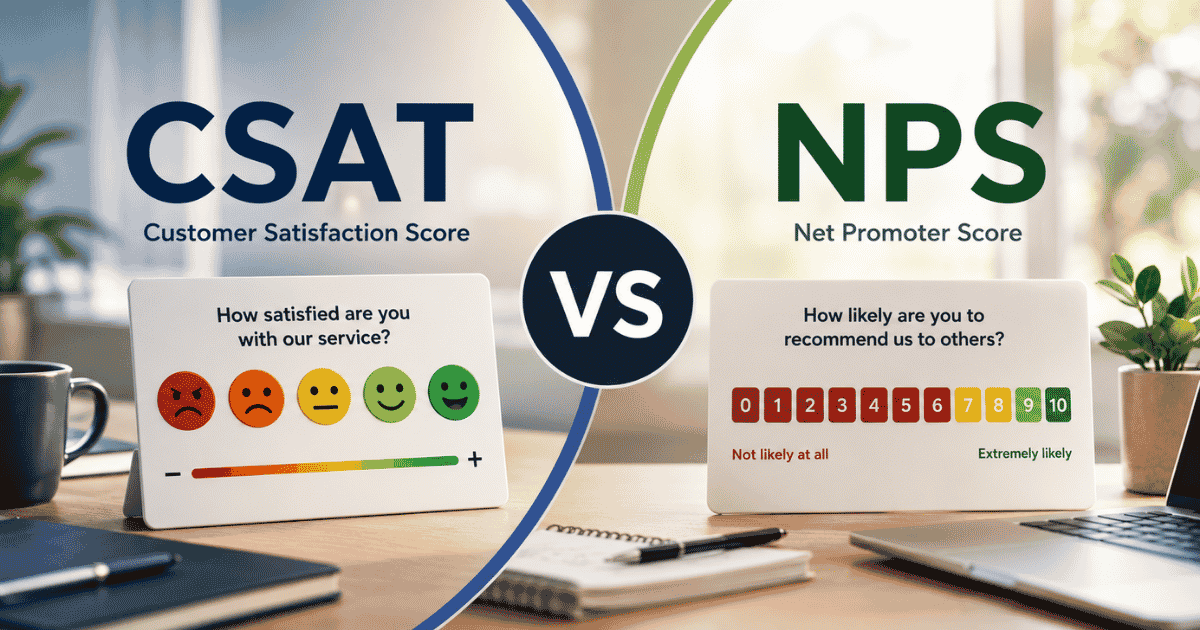
Customer feedback from CSAT surveys and support tickets contains valuable insights that sales teams often miss. When you transform this feedback into actionable sales intelligence, nurtured leads yield 47% larger purchases.
Set up quarterly feedback loops where service tags sentiment data for sales enablement. If customers consistently mention specific pain points, that information helps sales tailor their pitches. This counters the 75% rate of unused B2B content that results from misalignment.
Your customer service agents hear things sales never would, and the right helpdesk setup ensures those insights are captured and shared. They understand customer needs at a deeper level because they solve real problems daily. Sharing this knowledge through regular check ins and data driven insights gives sales teams a competitive edge they simply cannot get elsewhere.
Create Cross Team Collaboration Channels
Dedicated channels for sales and service collaboration make continuous improvement possible. Tools like shared Slack channels, Microsoft Teams integrations, and centralized customer management software for remote teams support daily stand-ups and quick questions. Currently, only 8% of companies collaborate on more than three key activities between these teams.
Companies that establish these channels see 20% annual growth. Practical examples include weekly pipeline reviews that align both teams on warm leads, reducing cold outreach that wastes everyone’s time. These channels also help identify trends early, allowing faster response to emerging customer issues.
The answer lies in making collaboration easy, not forced. When communication tools are already part of daily workflows, knowledge sharing happens naturally. Team members can flag opportunities or concerns without scheduling formal meetings.
Share Customer Interaction History
Mandating that all touchpoints get logged in a central repository prevents surprises that derail closes. Nothing frustrates sales more than discovering an unaddressed complaint during a renewal call. Nothing annoys customers more than repeating their story.
Aligned teams that share complete customer’s history see 32% year-over-year revenue growth according to Aberdeen research. Mechanisms like timestamped audit trails and centralized help desk systems ensure compliance while keeping the full story easily accessible.
This goes beyond phone calls and emails. Chat transcripts, social media interactions, and even internal notes should be visible to both teams. When sales can review a customer’s recent support experience before a call, they can address concerns proactively instead of being blindsided.
Standardize Customer Handoff Processes
Defining clear protocols for transitions targets 35% effective hand-off rates. Poor handoffs contribute to 79% lead loss, making this one of the highest-impact improvements you can make.
Standardized checklists in your tools and a structured ticketing system cut these losses dramatically. Criteria should include engagement scores above 70%, documented customer needs, and clear ownership assignments. Each team member should know exactly who handles what at each stage.
Problem solving becomes easier when handoffs are clean. A customer moving from trial to paid subscription should experience continuity, not confusion. The support team should know what promises sales made. Sales should know what issues support has resolved. This collaborative relationship builds customer trust.
Track Joint Customer Experience Metrics
Unifying KPIs such as Net Promoter Score and churn risk across teams creates shared accountability. Research shows 85% of businesses cite shared goals as key to alignment.
Dashboards monitoring these metrics and leveraging EasyDesk’s customer support features yield 19% faster growth and 15% higher profitability. Joint tracking spots at-risk accounts early, enabling proactive interventions before customers decide to leave.
Your business objectives should include metrics that both teams influence. When sales knows their bonus depends partly on customer satisfaction, they set better expectations during the sale. When service understands their work impacts renewal rates, they prioritize accordingly. This creates a collaborative customer service team focused on outcomes rather than ticket counts.
Why Customer Service And Sales Alignment Matters
Aligned teams enjoy 36% higher retention and 38% win rates, transforming internal silos into a unified revenue engine. Here is why this alignment deserves your attention.
Rising Customer Experience Expectations
Today’s customers prefer seamless journeys where they don’t repeat themselves or receive conflicting information. The 60 to 70% resource waste from misalignment directly erodes trust and satisfaction.
Data shows that customers who feel understood make 47% larger purchases over time. They stay longer and refer more customers. When your service and sales teams operate separately, customers feel the disconnect through inconsistent experiences.
Customer expectations continue rising. What satisfied customers five years ago falls short today. Meeting these expectations requires both you and your colleagues in sales working from the same customer understanding.
Impact On Customer Retention
Proactive monitoring of usage drops via service data minimizes churn and boosts renewals. When support agents notice warning signs, they can alert sales before it’s too late to save the relationship.
Forrester notes that aligned operations achieve 2.4 times revenue growth compared to misaligned competitors. Customer turnover drops when teams collaborate because problems get solved faster and customers feel valued.
Your support team often knows about retention risks before anyone else. Giving them channels to share these insights with sales transforms reactive firefighting into proactive customer success.
Importance Of Unified Customer Data
Unified customer data prevents 79% lead waste by enabling sales to personalize pitches using service insights. When everyone sees the same information, conversations feel coherent rather than fragmented.
This approach cuts acquisition costs by 30% because sales doesn’t waste time pursuing customers who support knows are unhappy, especially when supported by smarter helpdesk setups. Instead, they focus energy on satisfied customers ready for expansion.
Personalized service becomes possible when both teams understand customer context. Sales can reference recent support interactions. Service can acknowledge recent purchases. The customer feels like they’re dealing with one company, not separate departments.
Reduced Customer Communication Gaps
Consistent messaging happens when sales shares pricing updates with service and vice versa. This prevents those embarrassing moments when a customer gets different answers about the same question.
When customer queries get answered the same way regardless of who picks up, trust builds. Stronger relationships develop because customers know they can rely on accurate responses from anyone in your company.
Open communication between teams also surfaces issues faster, which is especially important when planning holiday helpdesk setups for small support teams. If sales is promising something support cannot deliver, that conflict gets resolved before customers experience problems.
Stronger Revenue Opportunities
Early upsell detection creates significant revenue impact. Aligned firms achieve 208% higher marketing revenue and 67% better deal closing efficiency than misaligned competitors.
Case studies from companies using shared platforms show doubled profitability, such as those where EasyDesk improved response time for a growing team. When service agents recognize expansion opportunities during support interactions, they route those signals to sales immediately.
Your customer service teamwork directly contributes to revenue when these connections work smoothly. More customers upgrade because the right offer reaches them at the right time.
Challenges In Service And Sales Collaboration
Despite clear benefits, only 11% of companies achieve strong hand-offs. Understanding these challenges helps you overcome them.
Fragmented Customer Communication Data
Scattered insights across disconnected systems cause 75% of leads to never convert. When service uses one platform and sales uses another, nobody has the complete picture.
Only 36% of firms have effective hand-offs partly because audience data sits in separate silos. File sharing and manual updates create gaps where important information gets lost.
The solution requires right tools that integrate across channels, such as ticketing software built for better customer support. Until customer data lives in one accessible location, both teams operate partially blind.
Misaligned Customer Messaging
Inconsistent messaging contributes to 4% revenue drops and costs businesses globally. When sales promises one thing and service delivers another, customer trust breaks.
This misalignment costs approximately £790 billion yearly in lost productivity across industries. Contact centers and sales floors often operate with different scripts, different tone, and different information.
Building a collaborative culture where both teams review each other’s messaging catches these inconsistencies early. Regular alignment meetings help but require commitment from leadership.
Limited Visibility Across Teams
Sales often misses service-flagged risks because they simply cannot see them. Research shows collaboration happens on just three of 15 potential shared activities in most companies.
Without visibility into recent support interactions, sales walks into conversations uninformed. They might push for an upgrade while the customer is frustrated about an unresolved issue.
Efficient customer service requires that sales understands current customer sentiment. Equally important, service needs to know about pending deals or renewal timelines.
Inconsistent Customer Handoff Processes
Prospects fall through cracks when handoff processes vary by team member or situation. Different KPIs between teams create competing priorities that hurt the customer.
Some handoffs happen smoothly while others leave customers confused about who to contact. Without standardized criteria, the experience depends on individual judgment rather than clear processes.
Documenting handoff protocols, implementing ticket automation for smoother handoffs, and training the entire team on them creates consistency. Your most qualified agents should help design these processes based on what works.
Disconnected Customer Support Systems
Disconnected systems hinder real-time sharing, with 60% of teams lacking buyer journey alignment. When crm software doesn’t talk to helpdesk platforms, duplication and errors multiply.
Risks include compliance issues when customer preferences recorded in one system don’t carry over to another. However, trends show 40.4% alignment improvement since 2021 as more companies adopt integrated solutions.
Your job satisfaction improves when tools work together seamlessly, especially when you use automated ticket management software to reduce manual work. Agents spend less time searching for information and more time helping customers.
Tools That Support Customer Service Collaboration
The right tools, including ticketing software built for better customer support, enable 67% deal-closing gains by removing friction between service and sales.
Shared Customer Data Platforms
CRM systems that provide unified views reduce silos by 40%. These platforms store everything from contact information to interaction histories in one searchable location.
When both teams access the same platform, they see the same truth, especially if it can turn emails into trackable tickets automatically. No more debates about what was promised or what issues remain unresolved.
Look for platforms that support role-based access so teams see relevant information without overwhelming detail. Sales might need different fields than service, but the underlying data stays consistent.
Integrated Helpdesk And CRM Systems
Syncing tickets with pipelines boosts efficiency by 32%. When a support ticket opens, sales sees it through a best-in-class ticket management system. When a deal closes, service has context for onboarding.
This integration ensures the customer journey flows smoothly between departments. Handoffs happen automatically based on triggers rather than manual coordination.
The best integrations update in real time so neither team works with stale information. Stay informed about customer status without checking multiple systems.
Customer Interaction Tracking Tools
Logging all customer touches enables 2.3 times conversion improvements. These tools capture phone calls, emails, chats, and social interactions in one timeline.
Sales uses this history to personalize outreach. Service uses it to understand context before responding. Both teams benefit from complete visibility.
Tracking tools and ticket automation software also help identify trends across your customer base. If multiple customers ask similar questions, that signals opportunity or concern worth addressing.
Team Communication Platforms
Internal communication tools and smart ticketing tools for small teams facilitate channels that aid 20% growth. Quick questions get answered without formal meetings. Urgent issues get escalated immediately.
These platforms support enhance collaboration by making it easy to tag colleagues, share customer context, and coordinate responses. The barrier to collaboration drops significantly.
Choose platforms your teams already use when possible. Adoption matters more than features when it comes to team’s efforts at collaboration.
Customer Analytics And Reporting
Dashboards track joint metrics enabling 19% faster growth. Both teams see the same performance data, creating accountability and shared understanding.
Analytics help you regularly review what’s working and what needs improvement. Data driven insights replace gut feelings about customer health and team performance.
Reporting also demonstrates value to leadership. When you can show how collaboration impacts measurable outcomes, you secure support for continued investment.
How EasyDesk Supports Customer Service Collaboration
EasyDesk brings together everything your customer service team and sales team need to collaborate effectively. As a unified helpdesk platform, it centralizes multi-channel conversations from email, chat, and social media into one workspace where nothing gets lost.
With EasyDesk, your teams share real-time interaction history so sales never walks into a call blind, similar to how modern IT help desk software keeps technical teams aligned. Automated workflows can flag upsell signals from support conversations, routing them to sales within hours. The platform’s ticketing and SLA features ensure accountability while internal notes keep context visible.
Research shows aligned operations can boost retention by 36% and cut acquisition costs by 30%. EasyDesk helps you achieve this by standardizing handoff processes and tracking joint metrics through built-in analytics. The knowledge base and canned responses help both teams deliver consistent messaging.
Start a 14-day free trial and test how shared visibility transforms customer relationships for your small business.
Frequently Asked Questions
How Customer Service And Sales Share Customer Data
Teams share customer data through API-linked platforms that ensure role-based access controls. Modern helpdesks integrate with CRM systems so both teams see unified customer profiles including interaction histories and preferences. This prevents the 60 to 70% resource waste that comes from scattered information. The key is choosing platforms that update in real time and provide appropriate access levels for each role.
What Metrics Measure Service Sales Alignment
Effective alignment measurement includes hand-off rates above 35%, audience overlap between 35 and 80%, and joint KPIs like retention rates and expansion revenue. Track customer satisfaction scores alongside sales metrics like win rates to see how collaboration impacts both teams. Companies with strong alignment see 36% higher retention and 38% higher win rates.
How Customer Support Data Helps Sales Teams
Support data provides usage insights that help sales achieve 38% higher win rates and 2.3 times better conversions. Service agents hear about pain points, feature requests, and satisfaction levels that inform sales conversations. When sales knows a customer struggled with onboarding but received excellent support, they can reference that recovery story during renewal discussions.
What Systems Improve Customer Team Collaboration
Integrated CRMs and communication tools yield 67% better close rates when properly implemented. Look for helpdesk platforms that sync with your sales CRM, communication tools that support shared channels, and analytics dashboards that track metrics both teams care about. The goal is eliminating the need to switch between disconnected systems.
How Customer Interaction History Supports Sales Alignment
Complete interaction history enables personalized outreach that cuts cold efforts and drives 32% revenue growth. When sales can review recent support conversations before a call, they demonstrate awareness of the customer’s experience. This builds trust and prevents awkward moments where sales doesn’t know about recent issues or requests.