Customers value great experiences. Around 86% of buyers are ready to pay more when a company delivers excellent customer experience. That makes customer feedback tracking a key part of business growth. Feedback reveals what customers like, what frustrates them, and what encourages them to purchase again. Clear insight helps teams make smarter decisions.
Customer feedback also helps companies improve products and services. Many data-driven businesses acquire customers much faster than competitors. A structured feedback system ensures no valuable insight goes unnoticed.
Customer feedback tools help teams collect, organize, and analyze feedback in one place. A cloud-based help desk platform can centralize this process and keep every interaction connected. Proper tracking turns customer opinions into clear actions that improve customer satisfaction and strengthen long-term loyalty.
What Is Customer Feedback Tracking
Customer feedback tracking is the process of collecting and organizing customer feedback from multiple channels. Businesses capture feedback through customer surveys, social media platforms, phone calls, and customer interaction across the customer journey. A dedicated tool or customer support tools help track feedback in one platform. Teams gather feedback, store customer data, and keep every insight connected to the right conversation. Customer feedback tracking helps businesses understand customer behavior, customer needs, and common pain points.
Feedback management also helps teams analyze customer feedback with survey tools, social listening tools, and analysis tools. Metrics like net promoter score, customer satisfaction score (CSAT), and customer effort score reveal how customers feel about their experience. Customer feedback tools uncover trends, highlight customer issues, and generate actionable insights. A customer success team can then turn customer suggestions, feature requests, and negative reviews into improvements that strengthen customer loyalty, customer engagement, and overall customer experience.
Why Customer Feedback Tracking Is Important
Your customers hold the answers to your business growth. Tracking customer feedback gives you direct access to what customers think and shapes every decision you make. You're guessing what your customers want instead of knowing without it.
Identify Customer Needs And Expectations
Understanding customer needs starts with listening. Your customers expect you to know what they want. 80% of customers say the experience a company provides is as important as its product or service. This means tracking customer feedback isn't optional anymore.
You uncover customer pain points before they escalate when you analyze customer feedback. Patterns in customer behavior reveal what drives satisfaction. You identify the specific features and improvements your customers actually need, not what you think they need.
Feedback tracking helps you segment what you learn by customer type. Your most valuable customers might have different needs than new buyers. You can prioritize changes based on who's asking and how often the same issue appears. This targeted approach ensures you're solving problems that matter most to business growth.
Improve Product And Service Quality
Customer feedback shows you exactly what you're doing right and what needs fixing. Your customers tell you which features they love and which ones frustrate them. This information feeds directly into product development and service improvements.
You build a roadmap for quality enhancements when you collect customer feedback. Customer suggestions often spark the best state-of-the-art ideas. Your customers use your product daily. They spot issues and opportunities you miss from your internal viewpoint.
Acting on feedback improves what you offer. You're letting what customers think guide your quality standards instead of internal assumptions.
Strengthen Customer Loyalty And Trust
Customer loyalty depends on one thing: customers feeling heard. You build trust when you track and respond to feedback. Customers who feel valued stay longer and spend more.
The numbers prove this. 93% of customers are likely to make repeat purchases with companies that offer excellent customer service. Consumers are 2.6x as likely to purchase more from your company after a positive experience. A good customer service experience heavily affects positive recommendations for 94% of consumers.
Tracking customer feedback creates a loop that strengthens relationships. You gather feedback, you act on it, and you tell customers what you changed. This transparency builds trust faster than any marketing campaign.
Customer loyalty metrics from your feedback tracking, such as net promoter score (NPS) and customer satisfaction score, tell you how loyal customers are to your brand. These help you spot at-risk customers before they leave. You can address dissatisfaction right away instead of losing them.
Key Methods For Tracking Customer Feedback
You can track customer feedback through multiple methods. Each approach captures different types of insights from various touchpoints in the customer trip. The best strategy combines several methods to build a complete picture of customer satisfaction.
Customer Feedback Surveys And Questionnaires
Customer surveys remain one of the most structured ways to gather feedback. You control the questions and collect measurable data that tracks performance over time.
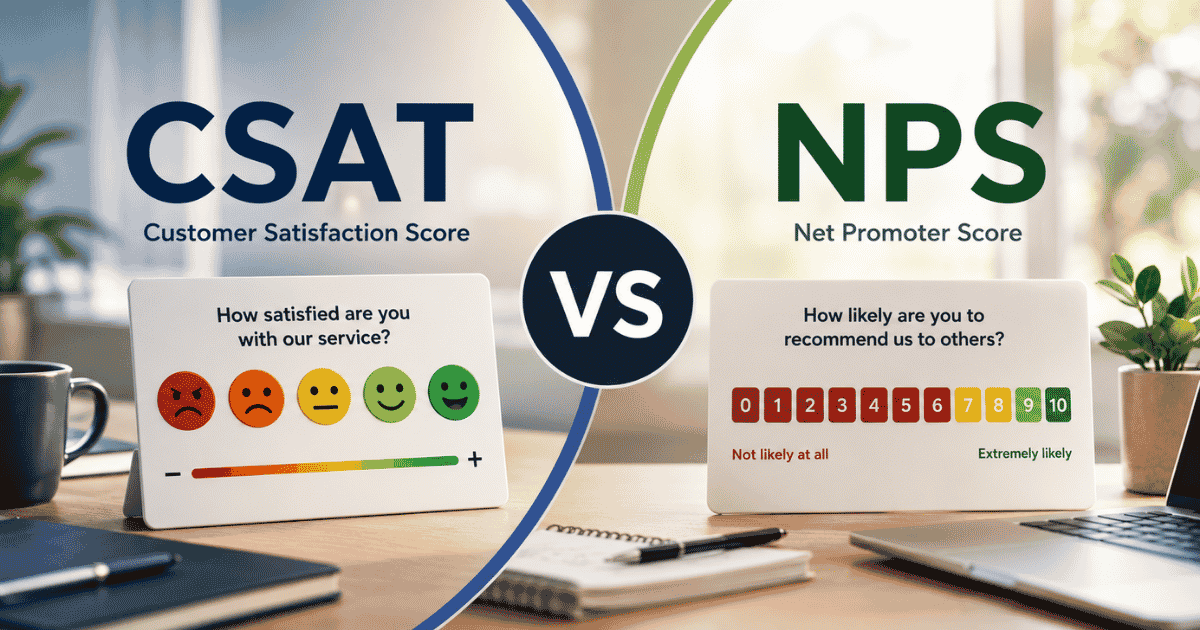
Three core metrics guide most customer surveys. Net promoter score (NPS) asks customers how likely they are to recommend your company to others. Customer satisfaction score (CSAT) measures satisfaction right after specific interactions. Customer effort score (CES) gages how easy customers find completing tasks with your product.
Social Listening And Online Reviews
Social listening tracks what customers say about your brand across social media platforms, review sites, forums and blogs. This feedback arrives unsolicited and unfiltered, unlike surveys.
55% of businesses use social listening to monitor brand health and improve reputation. The tools provide early warning systems for potential crises by detecting negative sentiment spikes. You can address customer complaints before they contact your support team directly.
Online reviews on platforms like Google, Capterra and industry-specific sites offer another rich source of feedback. 42% of consumers trust online reviews as much as personal recommendations. These reviews tell you what customers think about your products and services when you monitor them. Negative opinions deserve serious attention because they often contain applicable information for improvement.
Support Interactions And Chat Transcripts
Every customer support interaction generates valuable feedback. Phone calls, live chat sessions, support tickets and email exchanges reveal customer pain points directly.
Chat transcripts store complete conversation records between customers and support agents. These transcripts help you identify recurring issues quickly. Modern tools like a live chat ticketing system use AI agents and natural language processing to analyze conversation data at scale. You can review 100% of interactions instead of small samples.
Support data informs training for your customer success team. You identify where agents struggled or missed opportunities. Managers point to specific phrases and suggest alternatives based on actual customer interactions instead of generic coaching.
In-App And Website Feedback Widgets
Feedback widgets are small interactive components embedded in websites and apps. Live chat support software often works alongside these widgets to capture customer feedback in real time without disrupting the user experience.
Context matters with widgets. Modern tools trigger feedback requests based on user behavior, such as after completing specific tasks or spending time on particular pages. This contextual placement will give a relevant experience. Users share impressions in the moment when details are fresh.
Timing affects quality though. A 2025 report shows that 37% of users say they've quit an app after being bombarded with feedback popups. Widgets should feel like gentle taps on the shoulder, not intrusive interruptions. Corner icons or slide-ins work better than full-screen popups.
Voice Of Customer Programs
Voice of Customer (VoC) programs combine multiple feedback channels into one detailed system. They integrate surveys, multi-channel customer support, support interactions, website behavior, and online reviews into a unified view.
VoC programs analyze feedback from various sources to identify trends in customer behavior. They help you understand what customers like, dislike, and anticipate. The systematic approach will give you continuous feedback rather than sporadic input. Teams across your organization access the same customer insights, which lines everyone up around actual customer needs instead of assumptions.
How To Organize And Track Feedback Effectively
Collecting feedback is only half the battle. The real challenge starts when you need to organize thousands of customer insights into something your teams can use. Using a modern ticketing system helps ensure valuable feedback doesn’t get buried and customer pain points don’t go unresolved without proper organization.
Categorize Feedback By Theme And Priority
Your first step is grouping feedback based on common themes. Product quality comments belong together. Bug reports need their own category. Customer service feedback deserves separate attention. Feature requests should sit apart from user experience issues.
Tagging adds another layer of organization. Mark feedback with specific labels that make sorting easier. Sentiment tags separate positive from negative responses. Urgency tags flag high-priority items needing action right away. Platform tags show whether issues affect desktop or mobile users. Automation features in ticket automation tools ensure effort tags help you estimate resources needed for fixes.
Customer segments matter just as much as themes. Free users request different features than paying accounts. Churned customers highlight pain points you missed. B2B clients have unique needs compared to individual buyers. You see exactly who wants what when you segment feedback this way.
Integrate Feedback Into Your Workflows
Feedback sitting in dashboards helps nobody. Embed customer feedback tools into platforms your teams already use. Your CRM needs feedback visibility. Your support console should display relevant customer insights, and the right helpdesk setup keeps those insights close to daily workflows. Project management tools deserve automatic feedback updates.
Automation makes integration scalable. Set up rules that route incoming feedback to appropriate teams without manual work. An email-to-ticket workflow can turn emails into trackable tickets so nothing slips through the cracks. Your finance team gets notified when customers report billing problems. Feature requests flow straight to product managers. Support complaints reach your customer success team right away.
Close The Loop With Customers
Closing the loop means telling customers you heard them and showing what you did about it. This process builds trust faster than any marketing campaign.
Speed matters here. Contact detractors within 24-48 hours for best results. Companies closing the loop in less than 48 hours experience a 6-point increase in net promoter score. Using the best customer support ticketing software makes it easier to respond within this window. Closing the loop results in 3x the number of Promoters in future surveys. The retention effect is substantial too, with a potential 12% increase.
Share Insights Across Teams
Customer insights belong to your entire organization, not just your support team. A well-structured help desk makes these insights accessible across departments. Marketing needs to hear customer language for messaging. Product teams require feedback for roadmaps. Engineering wants bug reports and technical complaints.
Create tailored views for different departments. Engineers need bug reports filtered by severity. Product managers want feature requests segmented by customer tier. Marketing teams benefit from positive sentiment themes and customer success stories.
Essential Customer Feedback Tools For Better Tracking
Choosing the right customer feedback tools shapes how well you track and analyze customer feedback. The tools you pick determine whether customer insights sit unused or accelerate business growth.
Survey Platforms And NPS Tools
Survey tools help you measure net promoter score nps, customer satisfaction score, and customer effort score throughout the customer journey. Delighted powers 300 million surveys yearly and delivers feedback through multiple channels. Qualtrics offers predictive analytics to combine NPS with operational data and forecast customer behavior. SurveyMonkey provides customizable templates for various departments. Refiner specializes in SaaS companies with in-app survey widgets. These platforms make gathering customer feedback systematic rather than sporadic.
Customer Feedback Management Systems
Feedback management platforms centralize customer data from multiple channels into one platform. Zendesk analyzes 100% of customer interaction using AI agents to identify churn risks. Canny captures product development ideas and links feedback to customers. Typeform asks one question at a time to achieve higher completion rates. InMoment automates targeted surveys for specific customer segments. Chattermill uses AI tools to surface trends and prioritize improvements for your customer success team. An option like EasyDesk helpdesk ticketing software combines these ideas into a single organized workspace for growing teams.
Social Listening Tools
Social listening tools monitor what customers say on social media platforms of all types without direct tags. Hootsuite tracks customer feedback from 300 possible sources and provides live alerts. Sprout Social detects patterns in conversations and helps spot sales opportunities. Paired with customer support software that improves response time, these dedicated tools uncover trends before competitors notice them.
Features To Look For In Feedback Tracking Tools
Strong feedback tools push customer insights to the right people. Look for dashboards that show relevant information and help your support team focus on what matters. Integration with existing customer support tools like Salesforce eliminates workflow friction. Built-in accountability features track who handles which customer suggestions. AI-powered sentiment analysis provides deeper insights without manual sorting. The right tool, with robust EasyDesk features, organizes feedback into categories that enable targeted action on customer pain points.
Best Practices For Customer Feedback Tracking
Effective customer feedback tracking requires discipline and consistency. Proven practices help you extract maximum value from every customer interaction.
Make Feedback Collection Continuous
Feedback never stops flowing, so your collection shouldn't either. Customers write reviews, contact support teams and share opinions across social media platforms daily. Competitors exploit the blind spots that stopping feedback management creates.
Customer feedback tools that capture feedback automatically from multiple channels need to be set up. Multi-channel customer support practices make these tools even more effective. Customer surveys at regular intervals work better than one-off campaigns. Social listening tools need constant monitoring for up-to-the-minute insights. Your customer success team should treat gathering customer feedback as an ongoing practice, not a quarterly task.
Act On Feedback Quickly
Speed separates winners from losers. Companies that act quickly on customer insights gain a most important competitive edge. Timely action identifies potential issues before they escalate and maintains customer trust. Quick wins show customers you're listening while larger initiatives progress.
Use Data To Drive Customer Experience Improvements
Customer data should be transformed into strategic decisions. Executive summaries that highlight key findings need to be created. Charts and graphs make insights available through data visualization. SMART objectives for each action should be set: Specific, Measurable, Achievable, Relevant and Time-bound. Changes affect customer satisfaction score and net promoter score nps in ways that need tracking.
Measure The Impact Of Your Changes
Measurement confirms your efforts. The same feedback tools assess improvement impact. Net promoter score, customer satisfaction, and retention rates need tracking after you implement changes. Customer feedback gathered post-launch monitors ongoing sentiment and spots new customer issues. Regular measurement cycles change scattered customer suggestions into quantifiable business growth.
How EasyDesk Simplifies Customer Feedback Tracking
Customer feedback tracking becomes easier when every customer interaction stays organized in one platform. EasyDesk’s customer support platform helps teams collect customer feedback from multiple channels such as email, chat, and social media platforms. Customer support tools convert messages into structured tickets so the support team can capture feedback without a manual approach, and an EasyDesk platform built on security and transparency helps maintain customer trust while you do it. The system stores customer data and keeps every conversation connected to the customer journey. That allows the customer success team to manage support tickets efficiently and track customer issues, customer suggestions, and feature requests in one place. Clear visibility helps teams gather feedback, understand customer needs, and improve customer engagement.
EasyDesk also includes feedback tools and analysis tools that help teams analyze customer feedback and uncover trends. As a leading ticket management system, it pairs metrics such as net promoter score NPS, customer satisfaction score, and customer effort score to reveal how customers feel about their experience. AI-powered features and automation help support teams gather more feedback and organize insights quickly. Choosing the #1 ticketing software built for better support means businesses can turn feedback into actionable insights that improve customer experience, strengthen customer loyalty, and support long-term business growth.
FAQs
Can Small Businesses Use Customer Feedback Tracking Without Complex Systems?
Yes, small businesses can use customer feedback tracking with simple feedback tools and customer surveys. A dedicated tool with a quick setup helps collect customer feedback from multiple channels. Even basic feedback management can uncover customer insights that support business growth.
Does Customer Feedback Tracking Help Identify Customer Pain Points Faster?
Yes, tracking customer feedback helps teams analyze customer feedback and detect customer pain points quickly. Analysis tools and AI-powered insights reveal patterns in customer behavior and customer issues. That allows the support team to respond faster and improve customer experience.
Can Customer Feedback Tracking Improve Customer Engagement Over Time?
Yes, tracking customer feedback helps businesses gather feedback and understand customer needs across the customer journey. When customers feel heard, customer engagement and customer loyalty increase. Actionable insights also help improve every customer interaction.
Do AI-Powered Feedback Tools Help Analyze Large Volumes Of Customer Data?
Yes, AI tools and social listening tools analyze customer data from surveys, reviews, and social media platforms. They uncover trends and generate deeper insights without manual work. Businesses can analyze customer feedback faster and turn feedback into meaningful insights.
Which Channels Work Best To Collect Customer Feedback From Potential Customers?
Multiple channels work best for collecting feedback from potential customers. Customer surveys, social media platforms, phone calls, and website feedback tools help capture feedback during different stages of the customer journey. Combining several channels helps gather more feedback and valuable insights.