Customer support becomes harder when urgent issues sit in the wrong queue, customers repeat the same details, and managers only learn about problems after a ticket breaches its SLA. Ticket escalation management prevents that by giving every support team a clear way to identify, route, and resolve issues that need extra attention.
In this guide, we will cover what ticket escalation means, why it matters, the main escalation types, a step-by-step process, key metrics, common challenges, best practices, and how EasyDesk supports modern escalation workflows.
What Is Ticket Escalation Management
Ticket escalation management is the structured process of moving a customer issue from standard handling to a higher level of expertise, authority, or visibility. Ticket escalation is the process of transferring an unresolved support issue to a more experienced or specialized team member, ensuring that complex or urgent tickets receive the appropriate expertise and priority.
In customer support and ITSM, escalation management coordinates people, tools, and workflows. It connects frontline agents, a technical team, team lead roles, specialized teams, and management through a shared ticketing system. The goal is simple: the right team member works on the right problem promptly.
Standard support tickets include password resets, common FAQs, basic troubleshooting, and routine requests. Escalated tickets are different. They may involve critical issues, severe outages, repeated failures, security concerns, escalated billing and policy matters, or high-priority requests from important accounts.
Impact Of Ticket Escalation Management On Customer Experience
Escalation quality has a direct impact on customer satisfaction because escalations often happen when a customer is already frustrated. Research from Zendesk has shown that many customers will switch brands after repeated poor support experiences, which makes the escalation process a major part of retention and service reliability.
Impact Of Escalation Quality On Customer Trust
Customers judge a company by how it behaves when something goes wrong. When a ticket remains unresolved and nobody explains what is happening, customer trust drops quickly.
Strong escalation management builds trust through:
- Clear ownership, so the customer knows who is responsible for the resolution process.
- Transparent updates, so customers informed at each stage do not need to chase the support representative.
- Realistic timelines, so teams avoid promises they cannot keep.
- Post escalation review, so repeated escalations for the same issue do not continue unchecked.
First contact resolution is useful, but it is not always possible for complex issues. In those cases, responsiveness during escalation becomes a signal of service quality.
Link Between Escalation Experience And Customer Effort
Customer effort is the amount of work a customer must do to get help. In escalated tickets, effort rises when customers repeat information, switch channels, or ask for updates multiple times.
A large study across 96 brands and more than 300,000 interactions found that higher customer effort is strongly linked with lower satisfaction. The practical lesson is clear: effective ticket escalation should preserve context, reduce manual intervention, and prevent customers from starting over at every handoff.
A ticketing system should carry incident history, troubleshooting steps, attachments, and impact assessment into the handoff process. Agents should document the incident history, troubleshooting steps already taken, and impact assessment when escalating tickets.
Effect Of Escalated Tickets On CSAT And NPS
Escalated tickets often start with customers who are already unhappy, so they can affect CSAT and NPS more than routine requests. If the escalation process is slow or confusing, customer satisfaction scores for escalated cases can fall well below scores for standard tickets.
Teams should track CSAT for escalated tickets separately from general customer support feedback. This helps leaders see whether customers are unhappy with the outcome, the response time, the communication, or the number of handoffs.
For example, if customer satisfaction improves after a team introduces daily escalation updates, that improvement shows the value of communication even before average resolution time changes.
Business Risk Of Poor Escalation Management
Poor communication and slow escalation create operational and financial risk. Many businesses operate under strict SLAs that outline the maximum time allowed for responses and resolutions, which helps protect customer satisfaction and trust.
Common risks include:
- SLA penalties when a service level agreement is missed.
- Higher support costs from repeated contacts and duplicated investigation.
- Reputational damage when unresolved escalations appear in public reviews.
- Compliance exposure when regulated issues are routed to the wrong team.
Service level agreements (SLAs) define the expected response and resolution times for customer support tickets, ensuring that teams meet customer expectations and maintain service quality.
Role Of Escalation In Retention Of High Value Customers
In B2B support, one unresolved customer issue can affect renewals, expansions, and long term revenue. Many teams use account value, contract type, or business impact as escalation triggers so enterprise and VIP customers get faster attention.
Some support tickets are escalated based on account tier, revenue risk, or operational impact. A major outage for a high value customer may require a functional escalation to engineering and a hierarchical escalation to a senior manager at the same time.
When the escalation path is clear, the support team can involve account managers, technical skills, and senior decision makers quickly, reducing the chance that a single incident becomes a lost relationship.
Types Of Escalations In Customer Support Teams
Different escalation types solve different problems. Most customer support teams use a mix of functional, hierarchical, SLA-based, priority-based, and customer-requested escalation paths.
Functional Escalation
Functional escalation occurs when a ticket is transferred to a different team or department that possesses the necessary skills or tools to address the issue, such as moving a technical problem from customer service to the engineering team. This type of escalation is common when frontline agents cannot resolve tickets because the issue requires specialized technical knowledge, backend access, finance review, or specialized knowledge about a product area. Functional escalation helps route the ticket to specialized teams instead of leaving it with the wrong team.
Well-defined escalation paths reduce delays and confusion between departments. Clear ownership rules ensure tickets reach the appropriate specialists quickly, improving resolution rates and minimizing unnecessary back-and-forth communication between teams.
Hierarchical Escalation
Hierarchical escalation involves moving a ticket up the chain of command to someone with more authority or experience, typically used when a situation requires approval or intervention that frontline agents cannot provide. This may involve a supervisor, team lead, incident manager, director, or executive sponsor. Hierarchical escalation is useful when the support representative needs approval for an exception, a customer is at risk, or a public incident requires leadership visibility.
A structured hierarchy prevents critical issues from stalling at lower support levels. Management involvement can accelerate decisions, allocate additional resources, and help protect important customer relationships during high-impact situations.
SLA-Based Escalation
Time-based escalation, also known as SLA escalation, happens when a ticket remains unresolved for a predefined period and is automatically escalated to avoid SLA breaches and customer dissatisfaction. This is often tied to a service level agreement and can be managed more effectively with dedicated SLA management software. For example, if a critical ticket breaches the first response target or approaches the resolution deadline, the ticketing system can trigger alerts, change ticket priority, or move ownership to a senior queue.
Automated SLA monitoring removes the need for constant manual tracking. Escalation triggers help teams maintain service commitments, reduce missed deadlines, and improve accountability across the entire support operation.
Priority Escalation
Priority escalation is based on urgency and impact. A ticket may become high priority when many users are affected, revenue is at risk, or a critical workflow is blocked. Ticket prioritization in customer support should reflect the real business impact, not just the order in which support tickets arrive. Prioritization rules help teams protect urgent issues from getting buried behind lower impact requests.
Accurate prioritization ensures support resources focus on the issues that matter most. Effective escalation policies help teams respond faster to business-critical incidents while maintaining service quality for other customers.
Customer-Requested Escalation
Customer-requested escalation happens when a customer asks for a manager, senior agent, or specialist. This often means the customer feels progress is too slow or communication has not been clear. The request should not be treated as an annoyance. It is a signal that the customer experience needs attention. The best response is to acknowledge the concern, explain the next step, and assign a clear owner.
Customer-requested escalations provide valuable insight into service gaps and communication issues. Addressing concerns promptly can rebuild trust, improve satisfaction, and prevent small frustrations from developing into larger customer retention risks.
Step-By-Step Ticket Escalation Process For Support Teams
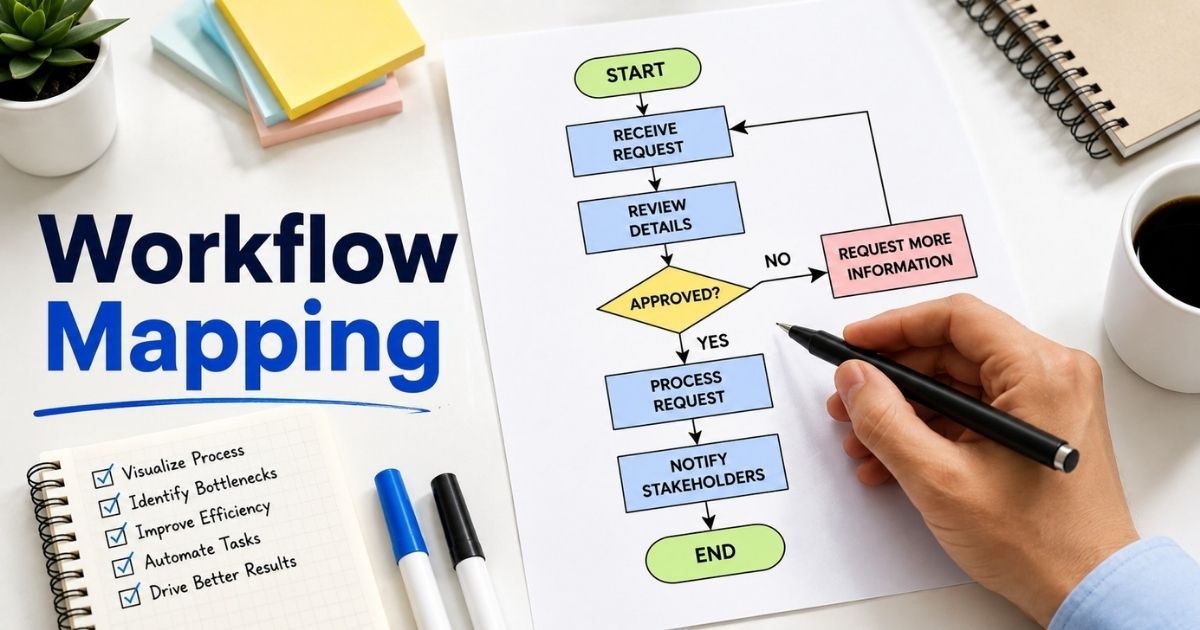
An effective ticket escalation process should be practical, documented, and easy to follow. Every step should be mapped in the ticketing system, with roles, SLAs, escalation triggers, and ownership changes clearly recorded.
Initial Triage And Assessment Of New Tickets
Triage sets the foundation for correct ticket escalation. Agents or automation rules classify new requests by urgency, impact, complexity, product area, and customer segment. Tier 1 agents should be empowered with authority and resources to resolve a higher percentage of tickets at first contact, reducing overall volume of escalations. At the same time, clear guidelines should tell frontline agents when to escalate a ticket instead of spending too long on complex issues.
Accurate triage helps support teams allocate resources efficiently from the start. Consistent categorization, prioritization, and documentation ensure that urgent issues receive immediate attention while routine requests follow standard workflows without unnecessary escalation.
Identification Of Escalation Triggers
Escalation triggers are the conditions that tell the team when escalation is required. Establishing exact criteria for when a ticket must be escalated includes time-based SLAs, technical complexity, and business impact. Common triggers include no progress after a set time, a security concern, a repeated product failure, a high-priority customer issue, or a request that needs approval. Clear escalation criteria reduce guesswork and help teams respond before a ticket breaches an SLA.
Well-defined escalation triggers create consistency across the support organization. Teams can respond faster when escalation decisions rely on documented criteria rather than individual judgment, reducing delays and helping maintain service quality during high-pressure situations.
Functional Routing To The Right Team Or Expert
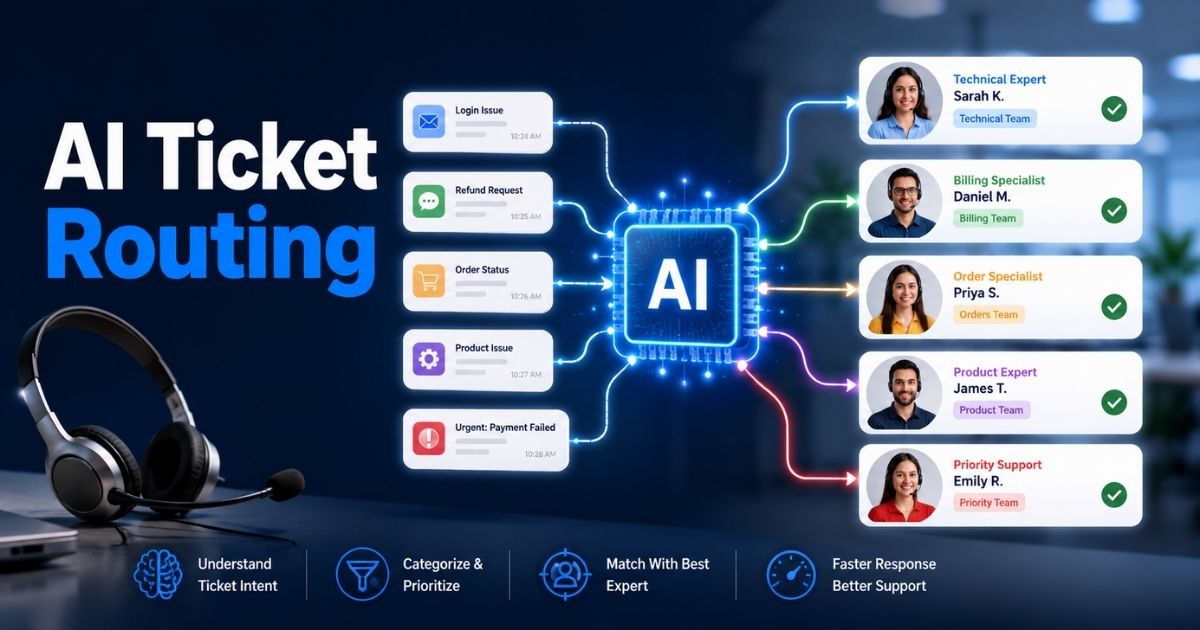
Once escalation triggers are met, the ticket should move to the right expert or queue. Automating ticket prioritization and escalation processes can streamline operations by ensuring tickets are routed to the appropriate teams based on predefined criteria.
Good routing depends on:
- Accurate ticket categories and tags.
- Required fields before escalation.
- Clear ownership for each escalation path.
- Full customer context and troubleshooting history.
This reduces unnecessary escalations, prevents bouncebacks, and supports faster resolutions.
Effective routing improves resolution speed by connecting tickets with the people most qualified to solve them. A structured escalation framework also helps reduce duplicated effort, improve accountability, and ensure specialists spend time on the issues that require their expertise.
Hierarchical Escalation And Stakeholder Visibility
Hierarchical escalation is needed when a ticket requires authority, budget, exception approval, or senior visibility. It is also important when critical issues may affect public communications or contractual commitments. For severe production incidents, teams may notify on-call leaders within 15 minutes. For serious compliance issues, escalation to management within one hour may be appropriate. These predefined workflows keep support operations aligned and prevent late surprises.
Leadership visibility becomes increasingly important as business impact grows. Timely hierarchical escalation allows decision-makers to coordinate resources, manage customer expectations, address operational risks, and support teams facing high-priority incidents or service disruptions.
Customer Communication During And After Escalation
Keeping customers informed during the escalation process is crucial for maintaining trust and satisfaction, as it shows that their issues are being actively addressed. A strong communication rhythm includes a confirmation that the ticket has been escalated, the name or role of the owner, the next update time, and a calm summary of what is being investigated. Critical issues may need hourly updates, while complex non-urgent issues may need daily summaries.
Clear communication reduces uncertainty and reassures customers that progress is being made. Regular updates, realistic timelines, and transparent ownership help maintain confidence throughout the escalation process, even when complex issues require extended investigation and resolution efforts.
Essential Escalation Metrics And KPIs To Monitor
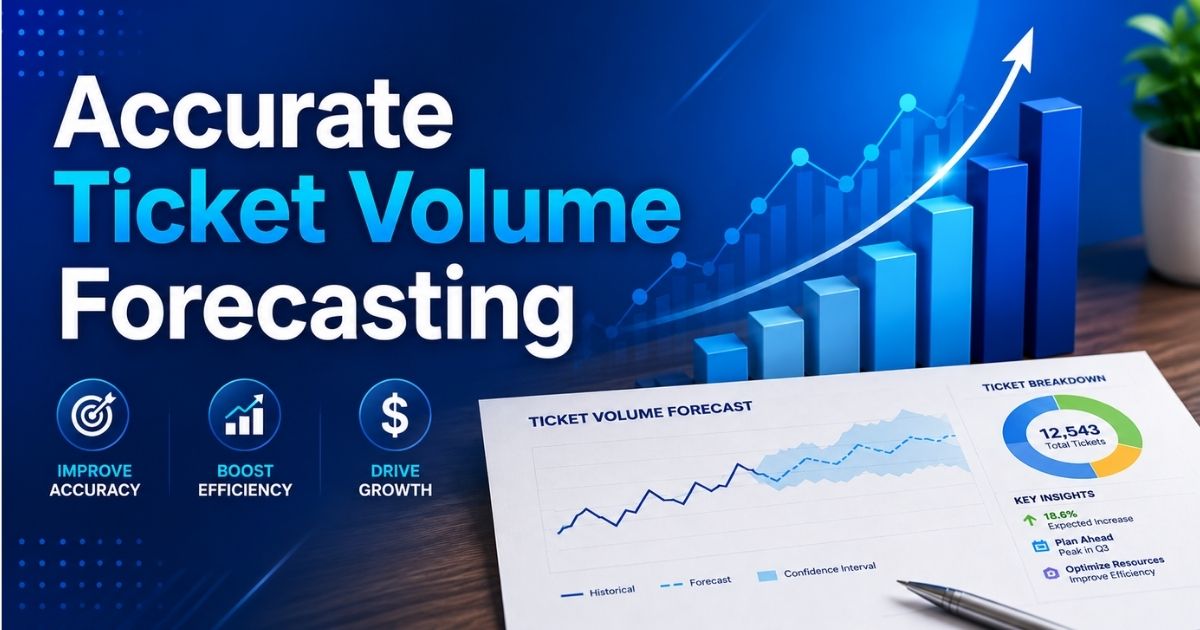
Escalation metrics show whether the escalation process is working or simply moving problems around. Total volume matters, but leaders also need key metrics that reveal delay, context loss, service quality, and outcomes.
Escalation Rate And Repeat Escalation Rate
Escalation rate is the percentage of all support tickets that become escalated tickets. Benchmark data from Converge reports an average escalation rate of about 18% across industries, although the right target depends on product complexity and support model. Repeat escalation rate measures how often the same issue, customer, or root cause requires escalation again. High repeated escalations often point to product defects, weak documentation, or training gaps.
Monitoring both metrics helps teams distinguish between normal escalation activity and recurring operational problems. Consistently high rates may indicate knowledge gaps, product quality issues, unclear processes, or insufficient training for frontline support agents.
Time To Escalate And Handoff Delay Time
Time to escalate measures the gap between ticket creation and formal escalation. Handoff delay measures the gap between escalation and the receiving team starting work. For high-priority issues, handoff delay should be short, often under 30 minutes for critical incidents. Long delays usually mean routing rules are unclear, notifications are weak, or the receiving team lacks capacity.
Fast escalation alone is not enough if ownership transfers are inefficient. Measuring both metrics helps organizations identify workflow bottlenecks, improve team coordination, and ensure urgent issues reach the appropriate experts without unnecessary delays.
Resolution Time And SLA Compliance For Escalated Tickets
Resolution time should be tracked separately for escalated and non-escalated tickets. Escalated cases usually involve complex issues, so their average resolution time will often be higher. Effective ticket escalation processes are crucial for aligning with SLAs, as they help prevent breaches by ensuring timely handoffs to the appropriate support teams. Clearly defining service level agreements (SLAs) helps set expectations for response and resolution times, guiding when to escalate tickets based on urgency and complexity.
Tracking resolution performance for escalated tickets provides a clearer view of support effectiveness. Trends in SLA compliance can reveal resource shortages, process inefficiencies, or escalation paths that require optimization to maintain service commitments.
Customer Satisfaction For Escalated Tickets
Customer sentiment after an escalation tells leaders whether the process created confidence or frustration. Teams should measure customer satisfaction for escalated tickets through short post-resolution surveys. Ask targeted questions about update quality, clarity, and ticket resolution. If customers say the fix was acceptable but the communication was poor, the escalation process needs better ownership and update cadences.
Customer feedback provides important context beyond operational metrics. Satisfaction scores, along with metrics like average resolution time, help teams understand whether escalations were handled professionally, communicated effectively, and resolved in a way that met customer expectations and business needs.
Context Loss, Bouncebacks, And Escalation Quality Indicators
Context loss happens when the receiving team lacks important details, such as logs, screenshots, troubleshooting steps, or business impact. Bounceback rate measures how often escalated tickets return to the previous team because they were misrouted or incomplete. These quality indicators are important because they reveal hidden friction. A ticket may be escalated quickly, but if it reaches the wrong team or lacks required details, timely resolutions still become difficult.
Quality indicators often expose process weaknesses that standard metrics overlook. Reducing context loss and bouncebacks improves collaboration between teams, shortens resolution times, and creates a smoother experience for both support staff and customers.
Common Escalation Challenges And How To Address Them
Escalation problems usually come from people, process, or tooling gaps. They often show up as rising escalation rate, poor communication, SLA breaches, or customer complaints about repeated explanations.
Delayed Recognition Of Escalation Needs
Frontline agents sometimes keep tickets too long because they want to solve the issue themselves. This can happen when escalation rules are unclear or agents feel pressure to avoid escalation. The fix is to establish rules for early escalation, train agents with real examples, and measure time to escalate before and after training. A ticket that requires specialized knowledge should move quickly, not wait until frustration grows.
Early escalation often leads to better outcomes for both customers and support teams. Clear decision frameworks help agents recognize escalation triggers faster, reduce unnecessary delays, and ensure complex issues receive the expertise needed before service quality begins to decline.
Misrouted Functional Escalations
Misrouting happens when a ticket goes to the wrong team. This increases handoff delay, frustrates agents, and slows the resolution process. A practical solution is an escalation matrix that maps issue categories to specialized teams. Support leaders should also review bouncebacks monthly to improve categories, skill tags, and predefined rules.
Organizations can reduce routing errors by standardizing ticket categories and maintaining accurate team ownership maps. Regular audits of escalated tickets help identify recurring routing mistakes and improve the overall efficiency of the escalation process.
Poor Communication With Customers During Escalation
Technical teams often focus on diagnosis while customers receive little information. Poor communication can damage customer satisfaction even when the final fix is successful. Assign one communication owner for each escalation. Use plain language, avoid overpromising, and provide updates at the cadence promised to the customer.
Customers value transparency as much as resolution speed during critical incidents. Consistent updates help manage expectations, reduce uncertainty, and demonstrate accountability throughout the escalation journey, especially when investigations require multiple teams or extended troubleshooting.
Insufficient Visibility Into Escalated Work
Once tickets move into specialist queues, frontline agents and managers can lose visibility. This creates duplicated work, inconsistent messages, and missed escalation risks. Shared dashboards should show active escalated tickets, owners, SLA status, and expected next actions. This gives managers a clear view of high-priority issues before they become larger problems.
Centralized visibility improves coordination between support tiers and leadership teams. Real-time tracking allows organizations to identify stalled tickets quickly, monitor escalation workloads, and maintain accountability across every stage of the resolution process.
Lack Of Root Cause Analysis After Escalations
Many teams close escalated tickets after the immediate issue is successfully resolved, but never analyze why the problem happened. That leads to repeated escalations and higher operational costs. A simple post-incident review should capture the root cause, contributing factors, customer impact, and follow-up actions. Teams should track how many escalations lead to permanent fixes, documentation updates, or workflow changes.
Root cause analysis turns escalations into learning opportunities for the organization. Identifying recurring patterns helps teams improve products, strengthen internal processes, update knowledge resources, and reduce the likelihood of similar incidents occurring in the future.
Best Practices For An Effective Ticket Escalation Process
The best escalation practices are simple enough for agents to follow and structured enough for managers to audit. They should improve operational efficiency while keeping empathy at the center of the customer experience.
Defining Clear SLAs And Escalation Policies
SLAs and escalation policies should define who owns each step, what response time is expected, and when escalation is required. Different priorities need different targets, especially when high-priority requests affect many users. An escalation policy should include severity levels, ownership rules, customer communication rules, compensation guidance if relevant, and the escalation path for each issue type. Review these policies at least annually or after major product changes.
Clear policies create consistency across support operations and reduce confusion during high-pressure situations. When agents understand expectations and escalation thresholds, they can make faster decisions while maintaining compliance with service commitments and customer expectations.
Leveraging Automation Without Losing Human Judgment
Automation is useful for reducing manual intervention, but it should support human judgment rather than replace it. Automated workflow software for smarter support can ensure tickets are automatically escalated when they match time, priority, customer tier, or impact conditions. However, automation that is too aggressive can flood specialists with tickets that do not need their expertise. Sensitive issues, such as security concerns or major refunds, may need supervisor review before escalation.
The most effective support organizations balance automation with oversight. Automated workflows improve speed and consistency, while human review ensures context, business impact, and customer needs remain central to escalation decisions.
Training And Empowering The Customer Support Team
The customer support team needs confidence to make good escalation decisions. Training should show agents how to recognize triggers, document details, and explain escalation to customers. Role-plays and past ticket reviews are useful because they turn policy into real behavior. Leaders should compare escalation rate by agent after training to identify coaching needs without punishing agents for appropriate escalation.
Ongoing coaching helps teams maintain escalation quality as products, services, and customer expectations evolve. Well-trained agents can resolve more issues independently while recognizing the situations that require immediate specialist involvement.
Documenting Knowledge To Reduce Unnecessary Escalations
Many unnecessary escalations happen because answers are hard to find. Internal knowledge base articles, runbooks, decision trees, and ticket automation help agents resolve tickets without immediately moving them to higher tiers. Documentation should also explain the escalation path, required fields, and examples of what belongs in each queue. Reviewing top escalation categories every month helps teams decide which knowledge articles will reduce the most future work.
Strong documentation improves consistency, accelerates onboarding, and reduces dependency on individual experts. When knowledge is accessible and current, support teams can solve problems faster and reserve escalations for genuinely complex cases.
Strengthening Cross-Team Collaboration Around Escalated Tickets
Effective escalation depends on collaboration between customer support, engineering, product, finance, compliance, and operations. Each receiving team should know its expected response behavior and update frequency. Use shared ticket comments and centralized records instead of side chats that hide context. Quarterly reviews across teams can connect escalation metrics with product improvements and service quality goals.
Cross-functional collaboration helps organizations resolve issues more efficiently while reducing communication gaps. Shared ownership, transparent workflows, and regular review meetings ensure escalated tickets receive coordinated attention from every team involved.
How EasyDesk Supports Modern Ticket Escalation Management
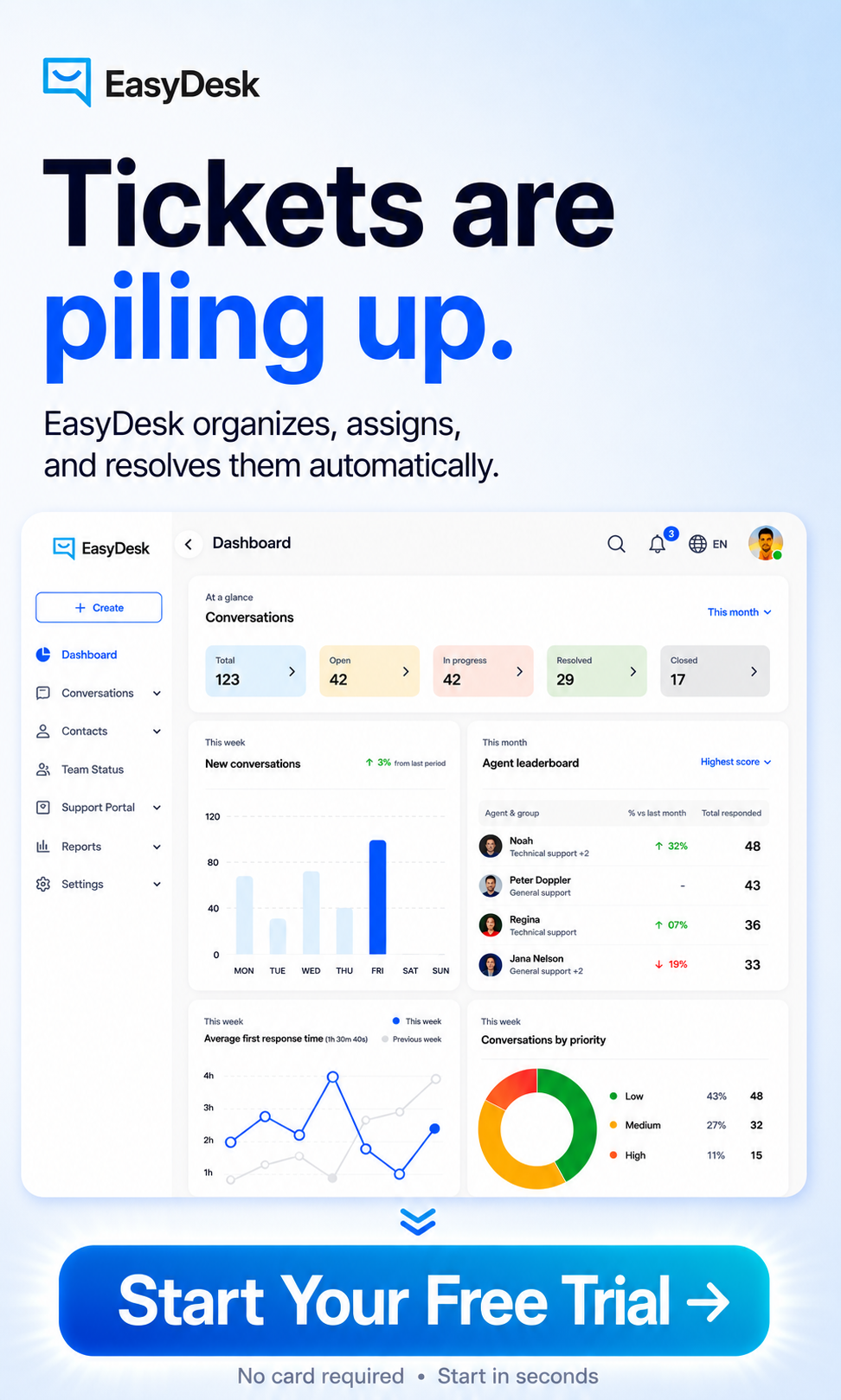
EasyDesk helps support teams manage ticket escalation management in one organized support system. It centralizes multi-channel customer support interactions from multiple channels, so agents and managers can see customer history, ticket priority, ownership, SLA status, and escalation activity without switching between scattered tools.
With EasyDesk, teams can create escalation workflows using configurable queues, roles, predefined workflows, and automation rules. Its smart customer support features include SLA driven triggers that can move tickets to the right queue, notify a team lead, or flag a ticket breaches risk before deadlines are missed. Skill-based routing helps prevent escalations from landing with the wrong team, while templates and macros help agents keep customers informed during the escalation process.
EasyDesk dashboards give leaders visibility into escalation metrics such as escalation rate, handoff delay, resolution time, SLA compliance, customer satisfaction scores, and the difference between escalated and non-escalated ticket resolution. Whether you run a small customer support team or a multi level escalation model, EasyDesk helps you manage support tickets efficiently and create a more reliable, measurable, and effective ticket escalation process.
Frequently Asked Questions
What Is The Difference Between Ticket Priority And Ticket Escalation?
Ticket priority describes urgency and impact, while ticket escalation changes ownership, visibility, or workflow. A high priority ticket may still be handled by Tier 1 if the team has the skills and authority to resolve it. SLA tracking software can help determine when escalation is needed by highlighting response and resolution risks. Escalation happens when the issue needs more expertise, more authority, or faster intervention than the current level can provide.
How Should Teams Decide SLA Thresholds For Escalation?
Start by reviewing historical support tickets, average resolution time, customer impact, and breach patterns, ideally using an SLA management system for structured tracking. Critical issues should have shorter response and escalation thresholds than routine requests. Teams should also adjust thresholds based on customer segment, business impact, and staffing capacity.
Can Automation Create Too Many Escalations?
Yes, automation can create unnecessary escalations if rules are too broad or not reviewed regularly. The best approach is to use ticket automation software for clear signals, such as missed SLA checkpoints, high priority issues, or defined customer tiers. Teams should review false positives and refine predefined rules over time.
What Information Should Agents Include Before Escalating A Ticket?
Agents should include the customer issue, impact assessment, troubleshooting steps, screenshots or logs, affected users, timeline, and any customer communication already sent. This gives the receiving technical team enough context to start work quickly. Complete documentation also reduces customer callbacks and handoff delays.
How Can Support Leaders Know If Escalation Management Is Improving?
Look for shorter time to escalate, lower handoff delay, better SLA compliance, fewer bouncebacks, and stronger CSAT for escalated tickets. Leaders should also track whether recurring issues decline after root cause analysis. If escalations are faster, clearer, and less repetitive, the process is moving in the right direction.