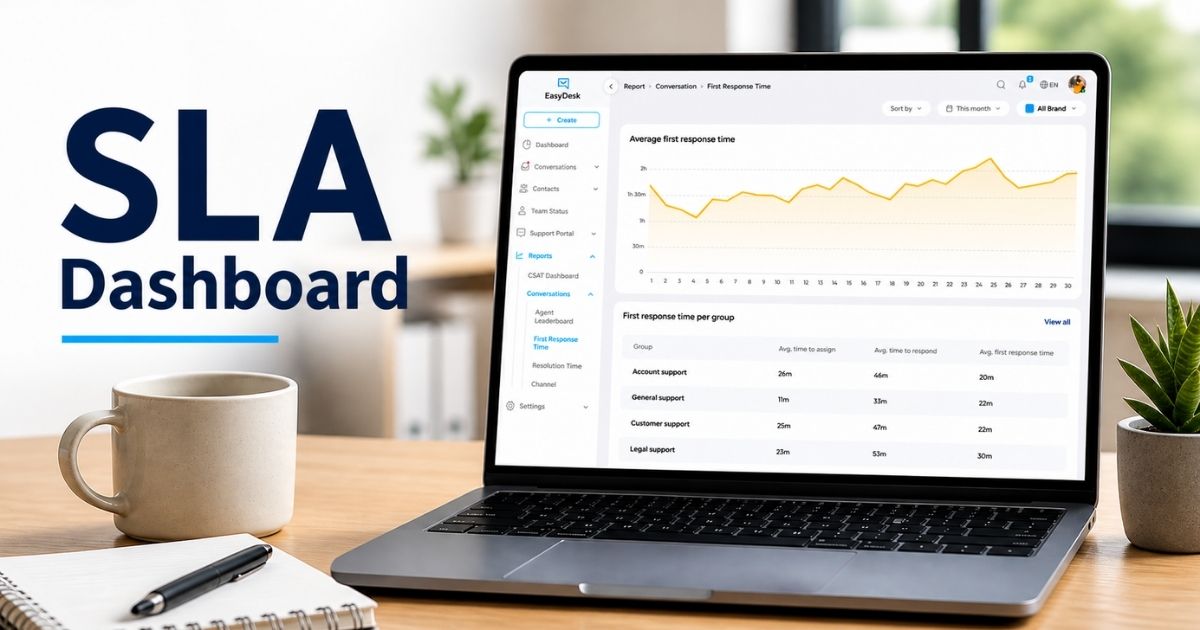
Support teams often think SLAs are under control until things start slipping. Tickets pile up. Response times stretch. Breaches happen without warning. Numbers exist, but clarity does not.
An SLA dashboard changes that. It brings every critical metric into one clear view. Teams can spot delays early and act before customers feel the impact. It shifts support from reactive fixes to proactive control.
A strong SLA dashboard is not just about tracking. It helps teams make faster decisions, stay accountable, and improve service quality. This guide breaks down how it works, what to track, and how to use it to stay ahead.
What Is SLA Dashboard
An sla dashboard is a central place to track every service level agreement (sla) in real time. It helps a service provider and customers stay aligned on service level agreements and expectations, customer expectations, and services provided. It brings together key performance indicators, sla metrics, and performance metrics like response time, uptime, and service availability. Teams can easily measure performance, monitor service delivery, and verify if the service provider agrees to all terms in the technology vendor contract.
A strong sla dashboard also supports sla management and sla monitoring across multiple customers, multiple vendors, and even multi level sla setups. It connects with cloud services, software development, and site reliability engineering to track technical quality, data security, and risks like network security breaches. With clear sla reports and detailed reporting, teams can prevent service failure, avoid missed deadlines, and improve customer satisfaction while meeting business objectives.
Why SLA Dashboard Is Important For Modern Support Teams
Support teams deal with rising ticket volume and higher customer expectations. A clear sla dashboard helps teams stay on track. It shows what matters, when action is needed, and where risks exist. Teams can avoid delays, improve service delivery, and meet every service level agreement with confidence.
Real-Time Visibility Improves Service Control
Support teams need clear data at the right time. An sla dashboard gives real-time visibility into service performance, service availability, and response times. It helps both the service provider and internal teams track every service level sla without confusion.
Reports show that over 60% of support leaders rely on real-time dashboards to manage operations better. Teams can spot issues early and avoid service level breaches. Clear visibility also supports better data analysis and helps teams verify service levels against defined service level objectives.
Better Accountability Across Teams And Vendors
Accountability becomes easier when everyone sees the same data. An sla dashboard aligns both the service provider and customer service providers under one system. It tracks sla metrics across multiple vendors and multiple customers.
Studies suggest that companies with clear sla monitoring improve team accountability by up to 35%. Teams can follow escalation procedures, reduce missed deadlines, and meet customer expectations. This also helps manage multi level sla setups and ensures each party meets agreed service warranties.
Faster Decisions With Data-Driven Insights
Quick decisions depend on clear insights. An sla dashboard connects performance metrics with business process metrics and business objectives. It shows where service failure risks exist and what actions teams should take next.
Research shows data-driven teams are 23% more likely to outperform competitors. With detailed reporting and sla tracking software reports, teams can act fast, reduce delays, and improve operational efficiency. This helps align service delivery with expected business results and follows best practices from a service level agreement helpdesk guide.
Stronger Customer Satisfaction And Trust
Customer satisfaction depends on consistent service. An sla dashboard ensures every customer sla and customer level sla meets defined targets. It helps track common sla metrics like resolution time and defect rates.
Around 73% of customers say fast and reliable service shapes their experience. A strong dashboard helps meet customer expectations and improves service performance. It also reduces service credits caused by missed deadlines or poor service availability.
Proactive Risk Management And Security Control
Support teams must manage risks before they grow. An sla dashboard highlights issues like network security breaches, data security gaps, and service failure risks. It works well with cloud services, public cloud systems, and site reliability engineering practices.
Studies show that proactive monitoring can reduce downtime by up to 40%. Teams can handle disaster recovery plans, manage maintenance schedules, and avoid third-party litigation costs. This keeps services stable and protects both technical quality and business continuity.
Key Metrics Every SLA Dashboard Should Track
Every sla dashboard depends on the right metrics. Without clear numbers, teams cannot measure performance or improve service delivery. The right mix of sla metrics and performance metrics helps track progress, avoid service failure, and meet every service level agreement with confidence.
Response And Resolution Time
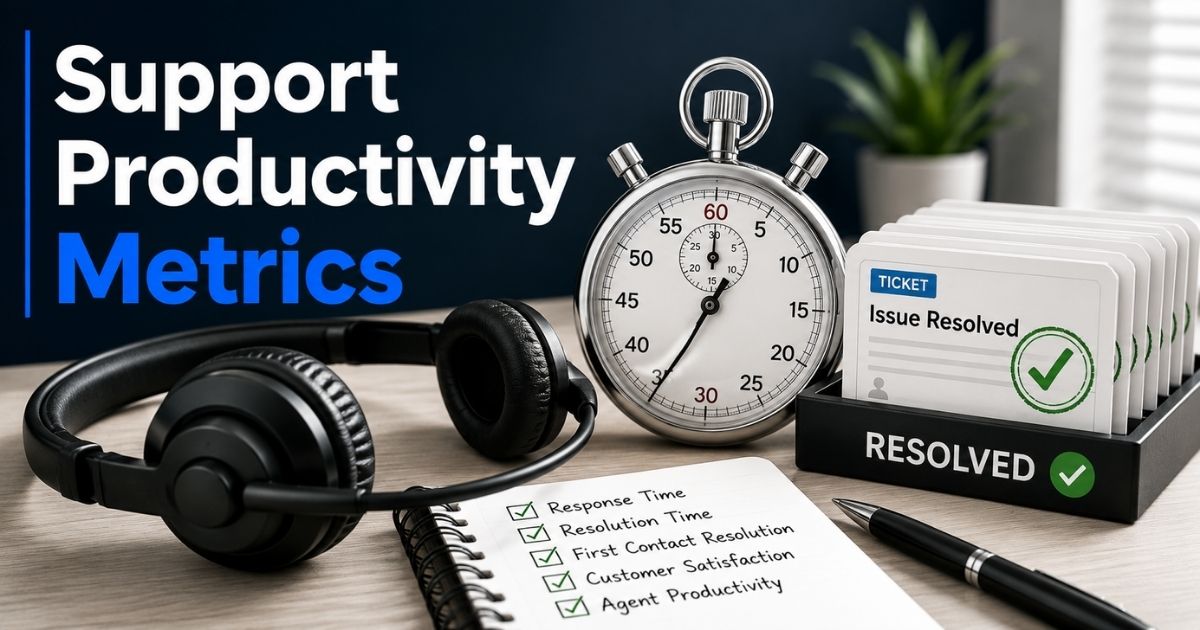
Response time and resolution time are core sla metrics in any sla dashboard. They show how fast a service provider reacts and resolves issues. These metrics directly reflect ticket sla management performance and customer expectations. Slow response often leads to service level breaches and poor customer satisfaction.
Industry data shows that over 70% of customers expect a response within one hour. A delay increases churn risk. Teams can use these performance metrics to verify service levels and improve operational efficiency. Clear tracking also helps align with service level objectives and business objectives.
SLA Compliance Rate
SLA compliance rate measures how often teams meet the service level agreement sla. It shows if the service provider agrees to deliver what was promised in the technology vendor contract. A low rate signals gaps in service delivery and risks of service credits.
Reports suggest that high-performing customer service providers maintain over 90% compliance. An sla dashboard helps track this across multiple customers and multiple vendors. It also supports sla monitoring and detailed reporting, which improves accountability and reduces missed deadlines.
Service Availability And Uptime
Service availability tracks how often systems stay active and reliable. It is critical for cloud services, public cloud platforms, and software development environments. Downtime affects both the service provider and customers. It also impacts business results and customer satisfaction.
Recent studies show that even one hour of downtime can cost thousands for most service providers. A strong sla dashboard tracks uptime and supports disaster recovery plans. It helps maintain technical quality, reduce service failure, and meet customer level sla expectations.
SLA Breach And Escalation Rate
SLA breach rate shows how often teams fail to meet defined service level sla targets. It connects with escalation procedures and highlights service failure risks. Frequent breaches often mean poor sla management or weak process control.
Research shows that proactive teams reduce breaches by up to 40% with better monitoring. An sla dashboard helps track common sla metrics and identify patterns across multiple locations. Teams can take action early, avoid pricing discounts, and reduce third-party litigation costs linked to contract failures.
Customer Satisfaction And Quality Metrics
Customer satisfaction is a key outcome of every service level agreement. Metrics like CSAT, defect rates, and technical quality help measure how well services meet customer expectations. These metrics connect directly to customer sla and customer service level agreement goals.
Data shows that 73% of customers switch providers after repeated poor experiences. A clear sla dashboard helps track these performance metrics and improve service delivery. It also supports data analysis and software testing insights, which lead to better service quality and long-term trust.
Essential Features Of An Effective SLA Dashboard
An sla dashboard works well only when it has the right features. Basic tracking is not enough. Teams need clear insights, fast alerts, and strong control over service level agreement performance. The right features help improve service delivery, reduce risk, and meet customer expectations.
Real Time Monitoring And Alerts
A strong sla dashboard must show real time data and integrate with ticketing software built for better customer support. It tracks service performance, service availability, and sla metrics without delay. Teams can see where service level breaches may happen and act early. Alerts help the service provider respond before issues grow.
Studies show that teams using real time sla monitoring reduce breach rates by up to 40%. Alerts also support escalation procedures and help teams avoid missed deadlines. This improves sla management and ensures service level objectives stay on track across multiple customers.
Customizable SLA Metrics And Views
Each business has different goals. A good sla dashboard allows custom views based on service level sla, customer sla, or internal sla needs. Teams can focus on the most relevant performance metrics and business process metrics.
Reports suggest that customizable dashboards improve decision speed by 25%. Teams can align metrics with business objectives and track specific services without noise. This helps both the service provider and customer service providers maintain clear agreement overview and better operational efficiency.
Integration With Tools And Systems
An effective sla dashboard must connect with other tools. It should integrate with cloud services, software development platforms, and support systems. This ensures smooth data flow and accurate sla monitoring across multiple vendors.
Around 65% of companies prefer tools that integrate with existing workflows. Integration helps track service delivery across cloud computing environments and public cloud systems. It also supports data analysis, improves technical quality, and ensures secure data handling with strong security measures.
Detailed Reporting And Data Analysis
Clear reports help teams understand performance. An sla dashboard should provide detailed reporting and sla reports for every service level agreement. These reports help verify service levels and identify service failure patterns.
Data shows that companies using strong data analysis improve efficiency by over 20%. Reports also support software testing insights, defect rate tracking, and business results evaluation. This helps teams improve service performance and meet customer expectations more consistently.
Multi-Level SLA And Vendor Management
Modern support teams often deal with multi level sla setups. A good sla dashboard should manage customer level sla, service based sla, and multilevel sla structures. It must also support multiple vendors and multiple locations.
Research shows that over 50% of enterprises rely on multi-vendor environments. A strong dashboard helps manage all parties involved under the same agreement. It ensures service warranties are met, reduces service credits, and avoids risks like third-party litigation costs in complex contracts.
How SLA Dashboard Prevents Breaches Before They Happen
SLA breaches rarely happen without warning. Small delays build up and turn into bigger issues. An sla dashboard helps teams catch those early signs. It gives clear visibility, fast alerts, and control over service level agreement performance before things go wrong.
Early Risk Signals Through Real-Time Data
An sla dashboard shows real-time service performance and sla metrics. Teams can track response time, resolution time, and service availability in one place. This helps the service provider spot early risk signals before a service failure occurs.
Recent data shows that teams using real time sla monitoring reduce breach risk by up to 35%. Clear visibility helps verify service levels and align with service level objectives. It also supports better data analysis and helps teams act before customer expectations are missed.
Automated Alerts And Escalation Control
Alerts play a key role in sla management. An sla dashboard sends instant alerts when service level sla targets are close to failure. Teams can follow escalation procedures without delay and fix issues faster.
Reports suggest that automated alerts improve response time by over 30%. This helps customer service providers reduce missed deadlines and avoid service level breaches. It also ensures that all parties involved stay informed and take the right action at the right time.
Priority-Based Ticket Handling
Not all tickets carry the same urgency. An sla dashboard helps teams assign priority based on customer sla, service based sla, and business objectives. High-risk issues get attention first through structured ticket prioritization in customer support, which improves service delivery.
Studies show that priority-based ticket workflows can improve resolution speed by up to 25%. Teams can manage multiple customers and multiple vendors more effectively. This also supports operational efficiency and ensures critical services meet expected service levels.
Predictive Insights From Data Analysis
An sla dashboard uses data analysis to find patterns in performance metrics. It highlights trends like repeated delays, defect rates, and service failure risks. Teams can act before problems repeat.
Research shows that predictive insights can reduce downtime by nearly 40%. This helps maintain technical quality in cloud services and software development environments. It also supports site reliability engineering practices and improves long-term business results.
Strong Control Over Multi-Level SLAs
Many teams manage multi level sla across different services and vendors. An sla dashboard helps track customer level sla, internal sla, and multilevel sla in one system. This reduces confusion and keeps every service provider accountable.
Data shows that over 50% of enterprises rely on multi-vendor setups. A clear dashboard helps manage service warranties, avoid service credits, and reduce risks like third-party litigation costs. It ensures smooth service delivery across multiple locations and keeps every agreement on track.
How To Build SLA Dashboard For Your Support Workflow
A strong sla dashboard does not start with tools. It starts with clarity. Teams need clear service level agreement goals, the right metrics, and a proper baseline. A structured approach helps align service delivery with business objectives and customer expectations.
Define SLA Goals And Service Scope
Start with clear service level agreement sla terms. Define what the service provider agrees to deliver. Focus on specific services, service availability, and service level objectives. Include customer based sla, service based sla, and customer level sla where needed.
Reports show that teams with defined sla goals improve service performance by over 30%. Clear scope helps both the service provider and customers stay aligned. It also reduces confusion across multiple customers and ensures all parties involved understand the same agreement.
Select The Right SLA Metrics
Choose sla metrics that reflect real performance. Focus on response time, resolution time, service level breaches, and customer satisfaction. Include performance metrics and business process metrics that connect with business results.
Data shows that tracking the right common sla metrics improves operational efficiency by 25%. A good sla dashboard should help measure performance and verify service levels easily. This also supports better sla monitoring and reduces service failure risks.
Design Dashboard Layout And Views
Layout plays a critical role in usability. A clean sla dashboard should show key components like sla metrics, alerts, and sla reports in one place. Custom views help different teams focus on what matters most.
Studies suggest that clear dashboards and SLA management dashboards improve decision speed by up to 20%. Teams can track service level sla across multiple locations and multiple vendors without confusion. A well-designed view also supports detailed reporting and faster data analysis.
Integrate Systems And Data Sources
Integration ensures accurate data flow. Connect the sla dashboard with cloud services, software development tools, and support platforms. This helps track service delivery across cloud computing and public cloud environments using automated workflow software for support.
Around 65% of companies rely on integrated systems for better insights. Integration supports data security, reduces network security breaches, and improves technical quality. It also helps manage multiple vendors and ensures consistent sla management across all systems.
Set Alerts And Continuous Optimization
Alerts help teams stay proactive. Configure alerts based on service level sla targets and escalation procedures. This ensures quick action before missed deadlines or service level breaches occur.
Research shows that proactive alerts can reduce downtime by up to 40%. Regular sla reports and data analysis help refine the dashboard over time. Teams can adjust maintenance schedules, improve service warranties, and keep service delivery aligned with customer expectations.
Common Mistakes That Reduce SLA Dashboard Impact
An sla dashboard can fail even with the right tools. Many teams miss value due to poor setup and weak sla management. Small mistakes lead to service level breaches, missed deadlines, and low customer satisfaction. Clear awareness helps avoid these issues early.
Wrong SLA Metrics Selection
Choosing the wrong sla metrics creates confusion. Teams often track too many numbers or focus on vanity metrics. This makes it hard to measure performance and verify service levels. It also disconnects service performance from real business objectives.
Research shows that nearly 50% of teams struggle with irrelevant performance metrics. A good sla dashboard should focus on common sla metrics like response time and service availability. The right metrics help align service delivery with customer expectations and improve operational efficiency.
Lack Of Real-Time Visibility
Delayed data leads to delayed action. Without real time sla monitoring, teams cannot spot early risks. This increases the chance of service failure and service level breaches. A slow dashboard weakens control over service level agreement performance.
Reports suggest that teams without real-time visibility face up to 35% more missed deadlines. A strong sla dashboard must show live data across multiple customers and multiple vendors. This helps track service level sla and supports better decision making.
Poor Dashboard Design And Clutter
A cluttered sla dashboard reduces clarity. Too many charts and poor layout hide key components. Teams struggle to find insights and act on time. This affects service delivery and slows down escalation procedures.
Studies show that bad dashboard design can reduce efficiency by 20%. A clean layout helps highlight sla metrics, sla reports, and detailed reporting. It also improves data analysis and helps teams focus on what matters most for service performance.
No Integration With Core Systems
Disconnected tools create data gaps. Without integration, an sla dashboard cannot track service delivery across cloud services, software development, or support systems. This leads to inaccurate reporting and poor sla monitoring.
Around 60% of companies report issues due to lack of integration. A connected system ensures smooth data flow across cloud computing and public cloud platforms, enabling effective workflow automation in customer support. It also improves data security and reduces risks like network security breaches.
Ignoring Continuous Improvement
An sla dashboard needs regular updates. Teams often set it once and forget it. This leads to outdated sla metrics and weak alignment with business objectives. It also affects customer sla and overall service level agreement performance.
Research shows that continuous improvement can boost efficiency by 25%. Regular sla reports and data analysis help teams refine their approach. This supports better service warranties, reduces service credits, and keeps service delivery aligned with changing customer expectations.
Best Practices To Optimize SLA Dashboard Performance
An sla dashboard delivers real value only when teams use it the right way. Clear strategy, clean data, and regular updates make the difference. Strong practices help improve service delivery, reduce service level breaches, and align with business objectives.
Align Metrics With Business Goals
Start with clear alignment and move beyond shared inboxes with automated email-to-ticket workflows. SLA metrics should connect with business objectives and customer expectations. Focus on performance metrics that reflect real service performance, not vanity numbers. This keeps the sla dashboard meaningful.
Studies show that companies with aligned metrics see up to 30% better business results. Clear mapping between the service level agreement sla and outcomes helps both the service provider and customers stay on the same page. It also improves operational efficiency and supports better sla management across multiple customers.
Maintain Clean And Accurate Data
Accurate data is a critical component of any sla dashboard. Poor data leads to wrong decisions and weak service level sla tracking. Teams must ensure clean inputs from all systems, including cloud services and software development tools.
Reports suggest that bad data can reduce decision accuracy by 25%. Clean data helps verify service levels and improves detailed reporting. It also supports strong data analysis, reduces service failure risks, and improves customer satisfaction through better service delivery.
Use Real-Time Monitoring And Alerts
Real-time visibility keeps teams ahead. An sla dashboard should provide live sla monitoring and instant alerts. This helps teams act before missed deadlines and service level breaches occur.
Research shows that real-time alerts can reduce downtime by up to 40%. Alerts also support escalation procedures and help track service availability across multiple locations. This ensures smooth service delivery and better control over service level agreement performance.
Review SLA Reports And Trends Regularly
Regular review helps teams stay sharp, especially when paired with ticket automation software. SLA reports and performance metrics show patterns in service delivery and highlight gaps. Teams can adjust strategy based on real insights instead of assumptions.
Data shows that teams that review performance weekly improve efficiency by 20%. Regular data analysis helps track defect rates, improve technical quality, and align with service level objectives. It also ensures that customer sla targets are met consistently.
Optimize For Multi-Vendor And Multi-Level SLAs
Modern teams deal with complex setups. A good sla dashboard should support multi level sla and multiple vendors. This helps manage different service-level agreements under the same system.
Studies show that over 50% of enterprises operate in multi-vendor environments. Proper setup ensures all parties involved meet service warranties and avoid service credits. It also reduces risks like third-party litigation costs and keeps service delivery consistent across all services.
How EasyDesk’s SLA Dashboard Turns Performance Metrics Into Action
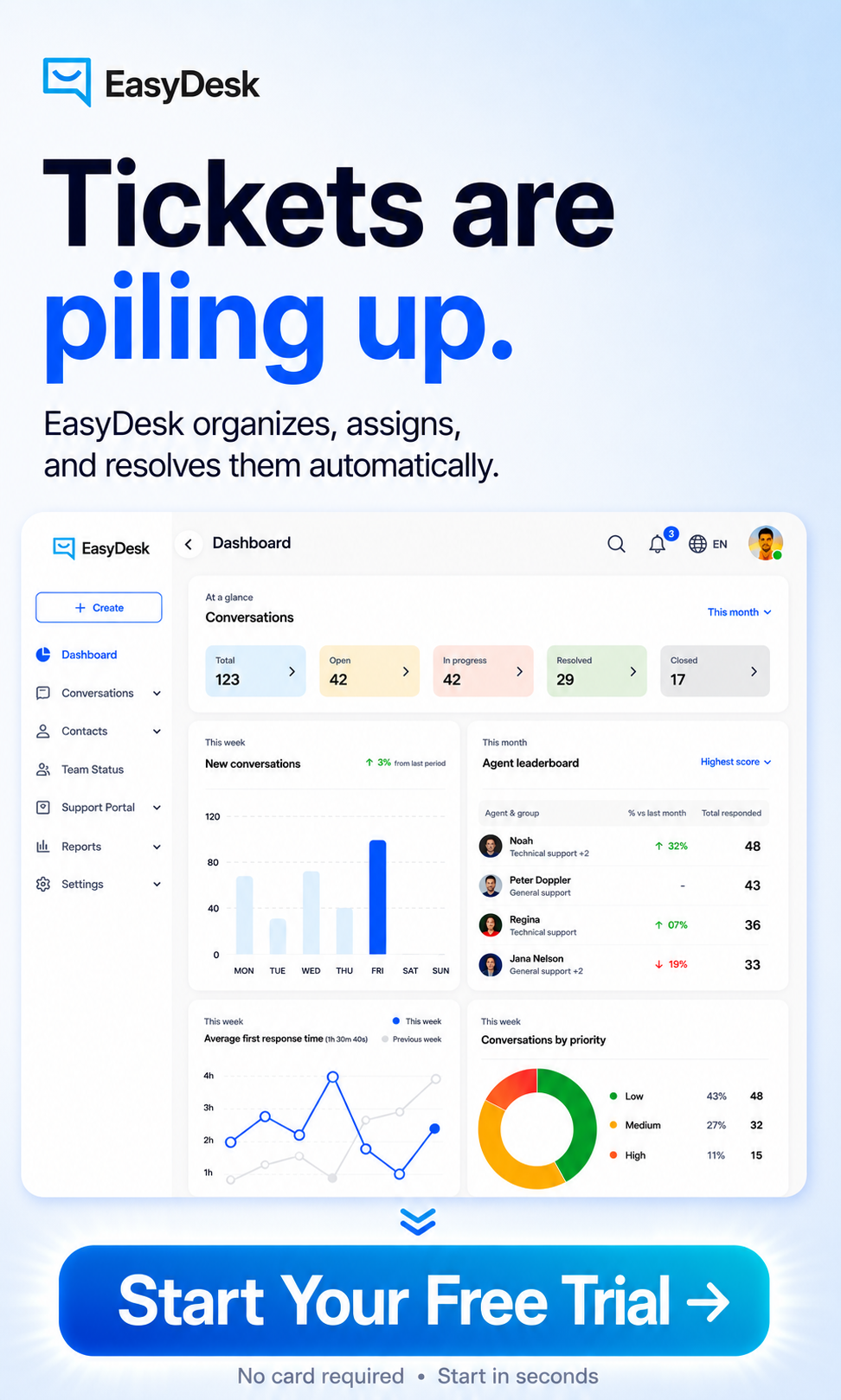
At EasyDesk, we do more than show numbers. Our sla dashboard turns every service level agreement into clear action. It gives real-time visibility into service performance, response time, and service availability. Teams can track sla metrics, verify service levels, and stay aligned with customer expectations without confusion. Our system brings all service level sla data into one place, so both the service provider and teams can act fast and stay accountable.
We also automate what slows teams down with ticket workflow automation. EasyDesk uses smart workflows, alerts, and escalation procedures to keep every request on track. Tickets get assigned, prioritized, and escalated based on defined service level objectives and a clear ticket escalation process. This helps avoid missed deadlines and service level breaches with dedicated SLA tracking software. With strong sla management, detailed reporting, and real-time insights, teams improve service delivery, boost customer satisfaction, and achieve better business results without manual effort.
FAQs
What Makes An SLA Dashboard Different From Regular Reports?
An sla dashboard shows real time sla metrics, while regular reports show past data. It helps a service provider track service performance and act fast. Real-time tracking improves service delivery and customer satisfaction.
Can An SLA Dashboard Improve Customer Satisfaction?
Yes, it helps improve customer satisfaction by tracking service level agreement performance in real time, similar to how EasyDesk improved response time for a growing team. Teams can fix issues early and meet customer expectations. Better response time and service availability lead to stronger trust.
Do Small Teams Need An SLA Dashboard?
Yes, even small teams benefit from an sla dashboard and a smart ticketing tool. It helps manage service level sla, track performance metrics, and avoid missed deadlines. Small teams can improve operational efficiency and handle multiple customers more effectively.
How Does SLA Dashboard Support Cloud Services?
An sla dashboard tracks service availability and performance across cloud services and cloud computing systems. It helps service providers monitor uptime, detect service failure, and maintain data security with dedicated SLA management software. This is critical for public cloud and multi-vendor environments.
Can SLA Dashboard Help Reduce Service Level Breaches?
Yes, it reduces service level breaches by using real time sla monitoring and alerts, especially when paired with efficient support ticket management. Teams can follow escalation procedures and act before issues grow by turning emails into trackable support tickets. This helps verify service levels and maintain strong service level agreement compliance.