Customers expect quick answers. Support teams expect organized workflows. But many businesses still manage support requests through scattered emails, spreadsheets, and manual follow-ups. That usually leads to missed tickets, slow responses, and frustrated customers. A structured support ticket workflow fixes that problem by giving every request a clear path from creation to resolution.
A good support ticket workflow does more than organize tickets. It helps teams assign issues faster, automate repetitive tasks, reduce response delays, and improve customer satisfaction. Modern ticketing systems also use automation to route tickets, prioritize urgent requests, and keep support operations consistent even during high ticket volume.
In this guide, you will learn how support ticket workflows work, why they matter, common workflow stages, automation strategies, best practices, and the key metrics that help support teams improve performance over time.
What Is A Support Ticket Workflow
A support ticket workflow is a structured process that helps support teams manage customer requests from ticket creation to ticket resolution. A modern support ticket system organizes customer inquiries, assigns tickets to the right team members, and keeps service requests addressed promptly. Every support ticket moves through different stages like ticket assignment, ticket routing, incident management, and final resolution. A robust ticketing system also helps service teams track performance, manage requests, and maintain service quality across multiple communication channels.
A good ticketing system improves customer satisfaction by reducing manual effort and streamlining repetitive tasks. Modern ticketing software can automate help desk workflows, streamline ticket routing, and support multi-channel support through email, messaging apps, and self-service portal options. These and other benefits of using a ticketing system help support agents handle customer issues faster while improving customer experience and support quality.
The right ticketing system also integrates seamlessly with collaboration tools, asset management platforms, and other systems. That helps businesses improve customer service, support operations, operational efficiency, and service delivery through data-driven insights and continuous improvement.
How A Support Ticket Workflow Works Step By Step
A structured support ticket workflow helps support teams manage customer requests faster and with fewer errors. Every ticket follows a clear path from ticket creation to final resolution. That process improves customer satisfaction, service quality, and operational efficiency. Research shows 53% of customer service teams struggle with growing ticket volume without increasing staff.
Step 1: Receive Customer Requests
Every workflow starts when a customer sends a support ticket through email, chat, phone, messaging apps, or a self-service portal. A good ticketing system collects customer inquiries from multiple communication channels into one system. That helps support teams avoid missed requests and duplicate tickets.
Modern ticketing software also captures key details like customer history, issue type, and service level agreements. Support agents can quickly understand the customer query without asking repeated questions. Businesses that use multi-channel support often improve customer experience and response speed.
Step 2: Create And Categorize Tickets
The support ticket system automatically creates tickets after receiving user requests. A robust ticketing system then sorts tickets based on priority, issue type, billing concern, or department. Proper ticket management keeps help desk workflows organized and reduces manual effort.
Automation also helps streamline repetitive tasks and ticket routing. AI-powered ticketing tools can categorize customer issues in seconds, especially when teams use ticket automation to streamline support. Studies show AI systems now resolve up to 75% of customer inquiries without human support in some workflows.
Step 3: Assign Tickets To The Right Team
After categorization, the system sends tickets to the right team members. Ticket assignment depends on skills, workload, urgency, and service processes. A desk ticketing system prevents delays by making sure customer issues reach the correct support agents quickly.
Smart ticket routing improves support operations and service delivery. Many businesses now use workflow customization rules and automated ticket assignment to route tickets automatically. AI service desk platforms can reduce resolution times from hours to minutes by automating repetitive tasks and routing decisions.
Step 4: Resolve Customer Issues
Support agents review the issue, contact the customer if needed, and work toward ticket resolution. Collaboration tools and integration capabilities help service teams access customer data, asset management records, and other systems from one dashboard.
A user-friendly interface also helps support teams track performance and resolved tickets more efficiently. Many help desk systems now integrate seamlessly with CRM tools and business-critical system platforms. That reduces delays and improves support quality across business operations.
Step 5: Close Tickets And Measure Results
The final stage closes the support ticket after the issue gets resolved. Most ticketing system work does not stop there. Service teams usually collect customer feedback and analyze key metrics like first response time, ticket lifecycle duration, and customer satisfaction scores.
Data-driven insights help businesses improve customer service through continuous improvement. Reports show companies using AI and automation in customer support saw customer satisfaction scores increase by 22.3%. Better analytics also help IT teams optimize desk workflows and reduce ticket volume over time.
What Are The Stages In A Modern Support Ticket Workflow
Every support ticket workflow follows a series of stages that help support teams manage customer requests in a structured way. Each stage improves ticket management, service quality, and response speed. A clear workflow also helps businesses reduce ticket volume, improve customer satisfaction, and maintain better support operations across multiple communication channels.
Ticket Submission
The workflow starts when customers create support requests through email, chat, phone, messaging apps, or a self-service portal. A modern support ticket system collects customer inquiries from every communication channel into one system. That helps support teams avoid lost tickets and delayed responses.
A user-friendly interface also improves customer experience during ticket creation. Customers can share issue details, screenshots, or billing concern information quickly. Research shows 88% of customers value fast and convenient support interactions when contacting a help desk.
Ticket Classification
After submission, the ticketing system sorts customer requests based on priority, category, or department. Proper classification helps streamline ticket routing and reduce manual effort for support agents. Ticketing tools can also identify urgent customer issues automatically.
Modern ticketing software often uses automation and AI for ticket management. Many systems can classify service requests in seconds. Businesses that automate repetitive tasks usually improve operational efficiency and faster service delivery, especially when they adopt dedicated ticket automation software. AI-powered service desk workflows also help service teams manage high ticket volume more effectively.
Ticket Assignment
The next stage sends the support ticket to the right team members. Ticket assignment depends on expertise, workload, service level agreements, and issue type. A robust ticketing system ensures customer issues reach the correct support agents without delays.
Smart desk workflows also help IT teams manage requests across multiple systems. Many businesses now use workflow customization to automate assignment rules. Automated support processes can reduce response delays and improve team performance, especially in high-volume customer support environments.
Issue Resolution
Support agents then work on ticket resolution through collaboration tools, knowledge bases, and integration capabilities. A desk ticketing system helps support teams access customer data, asset management records, and previous customer interaction history from other systems.
A strong support process also improves support quality and customer satisfaction. Businesses that integrate seamlessly with CRM platforms and business-critical system tools often resolve tickets faster. Reports show 61% of customers expect personalized support based on previous interactions and history.
Closure And Review
The final stage closes resolved tickets after confirmation from the customer or support agent. Service teams usually collect customer feedback and review key metrics like response time, ticket lifecycle length, and first-contact resolution rates.
Data-driven insights help businesses improve customer service through continuous improvement. Many help desk workflows also use post-resolution analysis to reduce future support requests and improve service processes. A well-managed support ticket workflow creates better customer experience and stronger long-term support services.
Common Support Ticket Workflow Challenges And How To Fix Them
Even the best support ticket workflow can face operational issues over time. High ticket volume, poor ticket routing, and slow responses often reduce customer satisfaction. A clear strategy and the right ticketing system help support teams improve service quality, operational efficiency, and customer experience.
Slow Ticket Response
Delayed responses frustrate customers and damage customer support quality. Many support teams struggle when service requests arrive from multiple communication channels without proper ticket management. A crowded help desk often creates long wait times and unresolved customer inquiries.
Automation can solve this problem. Modern automated ticket management software uses ticket routing rules and service level agreements to prioritize urgent customer requests. AI-powered support ticket systems now reduce average response times by up to 37% in some service desk environments. Faster responses help businesses improve customer service and support quality.
Poor Ticket Assignment
Wrong ticket assignment wastes time and increases manual effort for support agents. Customer issues may bounce between departments before reaching the right team members. That creates frustration for both customers and service teams.
A robust ticketing system fixes this with workflow customization and automated assignment rules. Support operations become more organized when the desk ticketing system matches tickets based on expertise, workload, or issue type. Businesses that automate support processes often improve ticket resolution speed and team performance across multiple systems.
Disconnected Communication Channels
Many businesses still manage customer interaction across separate messaging apps, emails, and collaboration tools. That creates scattered customer data and duplicate support requests. Support agents often miss important updates because systems fail to integrate seamlessly.
A multi-channel support platform solves this issue by bringing every customer query into one system. Modern multi-channel customer support tools also connect with CRM platforms and other systems through strong integration capabilities. Research shows 79% of customers expect consistent support across channels. Unified workflows improve customer experience and service delivery.
Too Many Repetitive Tasks
Manual ticket creation, repetitive replies, and status updates reduce operational efficiency. Support teams lose valuable time on repetitive tasks instead of focusing on customer issues that need human attention. High ticket volume makes the problem worse.
Automation helps streamline repetitive tasks and help desk workflows. Many support ticket systems now use AI to automate ticket management, customer feedback collection, and common responses. Self-service options and knowledge bases also help reduce ticket volume. Businesses that follow workflow automation best practices in customer support often lower support costs while improving customer satisfaction.
Lack Of Performance Tracking
Some businesses fail to track key metrics like first response time, resolved tickets, or ticket lifecycle length. Without data-driven insights, support teams cannot identify workflow problems or improve service processes effectively.
Modern service desk platforms include dashboards that help IT teams track performance and support quality in real time. Analytics tools also support continuous improvement through detailed reporting. Companies that use customer support analytics often improve decision-making and customer satisfaction faster than teams that rely on manual reporting alone.
Best Practices To Optimize Your Support Ticket Workflow
A well-optimized support ticket workflow helps businesses reduce delays, improve customer satisfaction, and increase operational efficiency. Small workflow changes often create major improvements in service quality. Modern support teams also rely on automation, analytics, and structured help desk workflows to manage growing ticket volume effectively.
Use Smart Ticket Routing
Manual ticket routing slows down customer support and increases ticket resolution time. Support agents may also receive customer requests outside their expertise. That creates confusion and weakens service delivery.
A robust ticketing system uses automation to streamline ticket routing based on issue type, urgency, and department. Smart routing also helps service teams assign tickets to the right team members faster. Research shows automated workflows can improve agent productivity by more than 20% in customer support environments.
Build Strong Self-Service Options
Many customer inquiries involve simple questions or repetitive issues. Support teams waste valuable time when customers cannot find answers independently. High ticket volume also increases pressure on help desk operations.
A self-service portal helps reduce ticket volume and improve customer experience. Knowledge bases, FAQs, and automated guides allow users to manage requests without contacting support agents. Studies show 69% of customers prefer self-service options before reaching a live support team. Better self-service tools also improve support quality and operational efficiency.
Track Key Support Metrics
Many businesses fail to improve service processes because they do not track performance consistently. Without clear data, support operations become reactive instead of strategic. Teams may also miss service level agreements and customer expectations.
Support ticket systems should monitor key metrics like first response time, resolved tickets, ticket lifecycle duration, and customer satisfaction scores. Dedicated SLA management systems and other analytics tools give IT teams data-driven insights to identify workflow gaps and improve service quality. Analytics also support continuous improvement across desk workflows and customer interaction management.
Integrate All Support Tools
Disconnected systems create duplicate customer data and extra manual effort. Support agents often switch between messaging apps, CRM platforms, collaboration tools, and ticketing software during one customer interaction. That slows ticket management and weakens customer experience.
Modern ticketing tools should integrate seamlessly with other systems and business-critical system platforms. Integration capabilities help support teams access customer history, billing concern details, and asset management records from one system. Unified workflows improve communication, ticket assignment, and overall service delivery.
Review Workflow Performance Regularly
Support ticket workflow optimization is not a one-time process. Customer expectations, service requests, and support operations change constantly. Service teams need regular reviews to maintain support quality and streamlined processes.
Frequent workflow audits help businesses identify bottlenecks, repetitive tasks, and slow response areas. Customer feedback also helps teams improve customer service and desk workflows more effectively. Companies that review support performance regularly often adapt faster to changing customer needs and higher ticket volume.
How Automation Improves Support Ticket Workflow Efficiency
Automation has become a major part of modern customer support operations. Businesses now use automated workflows to manage ticket volume, reduce manual effort, and improve service delivery. A smart support ticket workflow also helps support teams resolve customer issues faster while maintaining strong customer satisfaction and support quality.
Faster Ticket Routing
Manual ticket routing often delays ticket resolution and creates workflow confusion. Support agents may receive customer requests outside their expertise. That slows down the support process and affects customer experience.
Automation helps streamline ticket routing based on urgency, issue type, service level agreements, and department. Modern ticketing software can instantly assign tickets to the right team members without manual review, especially when they replace shared inboxes with automated email-to-ticket workflows. Research shows AI-powered ticketing systems reduce average handling time by up to 52% in customer support environments.
Less Manual Repetitive Work
Support teams spend hours on repetitive tasks like ticket creation, status updates, and common replies. High ticket volume makes the problem worse. Manual processes also increase the risk of errors in ticket management.
Automated support ticket systems streamline repetitive tasks through predefined workflows and AI-powered responses. Many automated workflow software platforms now automate customer interaction updates and follow-up reminders. Self-service portal tools also help reduce support requests for common customer inquiries. Businesses that automate routine tasks often improve operational efficiency and support quality.
Better Multi-Channel Support
Customer requests now come from emails, chats, messaging apps, social media, and phone calls. Separate communication channels often create disconnected workflows and duplicate tickets. Support operations become difficult to manage without centralized systems.
Automation helps collect customer inquiries into one system through multi-channel support features. A robust ticketing system can also integrate seamlessly with collaboration tools, CRM platforms, and other systems. Unified help desk workflows improve service delivery and customer satisfaction by keeping every support ticket organized and accessible.
Improved SLA Management
Missed deadlines hurt customer satisfaction and weaken support quality. Many businesses struggle to manage service level agreements manually during high-ticket volume periods. Delayed responses often affect business operations and customer trust.
Automated workflows track ticket lifecycle stages and prioritize urgent customer issues automatically. Support ticket systems can send alerts, escalate unresolved tickets, and monitor response deadlines in real time. Studies show automation improves SLA compliance significantly by reducing delays and manual tracking errors. Better SLA management also helps IT teams maintain consistent customer support performance.
Stronger Analytics And Insights
Many support teams lack clear visibility into team performance and workflow bottlenecks. Without data-driven insights, businesses cannot improve customer service effectively. Manual reporting also wastes valuable time.
Modern ticketing tools automatically track key metrics like first response time, resolved tickets, ticket volume, and customer feedback. Analytics dashboards help service teams track performance and identify workflow gaps quickly, especially when they focus on cutting average resolution time fast. Businesses that use automated reporting often improve continuous improvement strategies and operational efficiency across desk workflows and service processes.
Key Features In Support Ticket Workflow Software
The right support ticket workflow software helps businesses manage customer requests faster and more efficiently. Strong features improve ticket management, customer satisfaction, and operational efficiency. Modern support teams also need automation, analytics, and integration capabilities to handle growing ticket volume across multiple communication channels.
Smart Ticket Management
A good ticketing system should organize every support ticket in one place. Support teams need clear visibility into customer inquiries, ticket status, and ticket lifecycle stages. That helps service teams avoid missed requests and delayed responses.
Modern ticketing software also automates ticket creation, ticket assignment, and ticket routing. Smart workflows reduce manual effort and help support agents resolve customer issues faster. Research shows businesses with organized ticket management systems improve customer satisfaction and response speed significantly.
Multi-Channel Support
Customers contact businesses through email, live chat, phone, messaging apps, and social media. A support ticket system should collect all customer requests into one system. That keeps customer interaction organized across every communication channel and reflects what the #1 ticketing software built for better customer support is designed to do.
Multi-channel support also improves service delivery and customer experience. Support agents can access previous conversations without switching between multiple systems. Reports show 73% of customers expect seamless support across channels. Unified help desk workflows and strong ticket creation and management help businesses improve customer service and support quality.
Workflow Automation
Manual support processes slow down service teams and increase repetitive tasks. High ticket volume also creates workflow bottlenecks when teams rely on manual ticket routing and assignment.
Automation helps streamline repetitive tasks and support operations. A robust ticketing system can prioritize service requests, escalate urgent customer issues, and manage service level agreements automatically. Comparing manual vs automated ticketing makes it clear how AI-powered automation improves operational efficiency and reduces ticket resolution time. Businesses that automate workflows often handle larger ticket volume without increasing support staff.
Integration Capabilities
Support teams often use CRM software, collaboration tools, asset management systems, and billing platforms daily. Without proper integration capabilities, customer data stays scattered across other systems. That weakens support quality and slows service processes.
Modern desk ticketing systems should integrate seamlessly with business-critical system platforms and external applications. Unified workflows help IT teams access customer history, billing concern details, and resolved tickets from one dashboard. Strong integrations and EasyDesk’s smarter support features also improve team performance and reduce manual data entry across business operations.
Analytics And Reporting
Support operations improve faster when businesses track key metrics consistently. A ticketing system should provide data-driven insights about response time, ticket volume, resolved tickets, and customer feedback, which is a core promise of the best customer support ticketing software system.
Real-time reporting helps service teams track performance and identify workflow gaps quickly. Analytics dashboards also support continuous improvement and workflow customization decisions. Businesses that monitor support metrics regularly often improve customer satisfaction, support quality, and overall service efficiency more effectively than teams that rely on manual reporting.
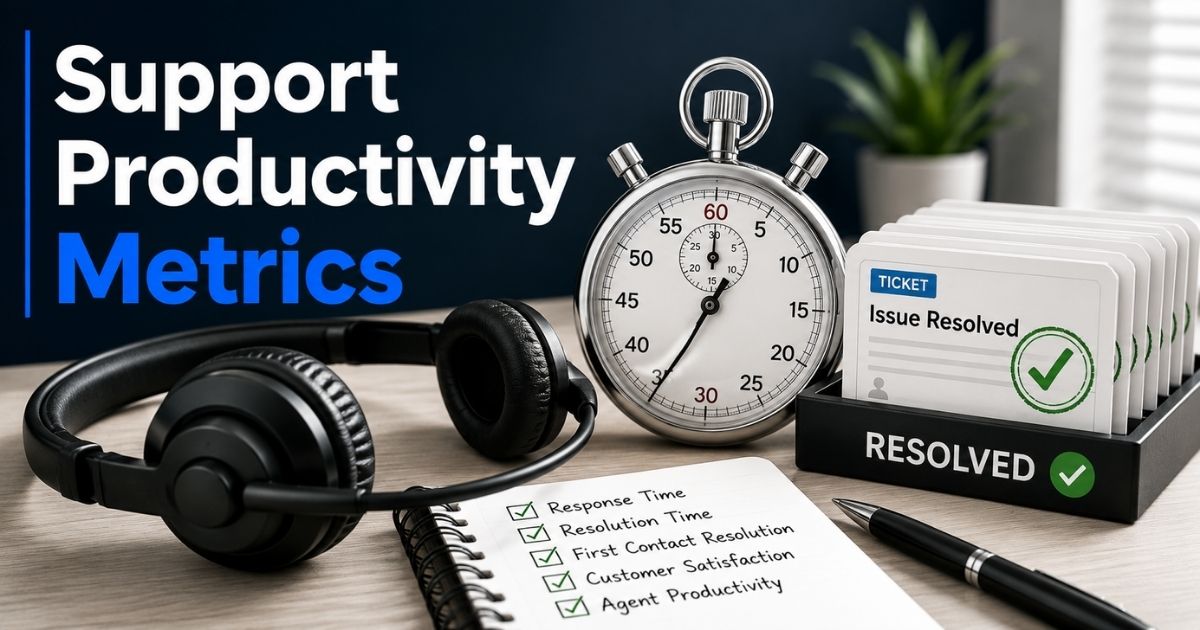
What Are The Support Ticket Workflow Metrics To Measure Support Performance
Support ticket workflow metrics help businesses understand how well their customer support process performs. Clear data helps support teams improve service quality, customer satisfaction, and operational efficiency. Modern ticketing systems also use analytics and ticket automation during busy periods to identify workflow gaps, reduce ticket volume, and improve overall service delivery.
First Response Time
First response time measures how quickly support agents reply after ticket creation. Fast replies improve customer experience and show customers their requests matter. Slow responses often reduce customer satisfaction and increase frustration.
A strong support ticket system helps service teams manage customer inquiries across multiple communication channels more efficiently. Automation and ticket routing also reduce delays in customer interaction. Research shows 78% of customers buy again after receiving fast customer support experiences.
Ticket Resolution Time
Ticket resolution time tracks how long support teams take to fully resolve customer issues. This metric reflects the overall efficiency of the support process and help desk workflows. Long resolution times often signal workflow bottlenecks or poor ticket management.
Modern ticketing software helps streamline repetitive tasks, automate ticket assignment, and improve collaboration between service teams. Integration capabilities also help support agents access customer data from other systems quickly. Faster ticket resolution improves service quality and customer trust across support operations.
Customer Satisfaction Score
Customer satisfaction score measures how customers feel after ticket resolution. Most support ticket systems collect customer feedback through surveys after tickets are resolved. High satisfaction scores usually reflect strong support quality and better customer experience.
Businesses that prioritize customer support often use data-driven insights to improve service processes continuously. A user-friendly interface, fast responses, and accurate support services all affect customer satisfaction. Reports show 73% of customers switch brands after multiple poor support experiences.
Ticket Volume Trends
Ticket volume tracks how many support requests enter the ticketing system over a specific period. This metric helps IT teams understand workload patterns, seasonal demand, and operational pressure. Sudden spikes may indicate product issues or service delivery problems.
Support teams can reduce ticket volume through self-service options, knowledge bases, and workflow automation. A robust ticketing system also helps businesses manage requests more efficiently during busy periods. Better tracking improves resource planning and overall operational efficiency.
SLA Compliance Rate
Service level agreement compliance measures how often support teams meet response and resolution targets. Businesses use this metric to maintain support quality and improve customer service consistency. Poor SLA performance often damages customer trust and business operations.
Automated desk workflows help service teams monitor deadlines and prioritize urgent customer requests. Many ticketing tools also send alerts before SLA breaches happen. Strong SLA compliance improves team performance, customer satisfaction, and long-term support process reliability across multiple systems.
How EasyDesk Automates Support Ticket Workflows
EasyDesk helps businesses automate every stage of the support ticket workflow. The platform collects customer requests from email, chat, and other communication channels into one system. Support teams can manage ticket creation, ticket routing, ticket assignment, and ticket resolution without switching between multiple systems. That improves operational efficiency and customer satisfaction across support operations.
EasyDesk also helps streamline repetitive tasks through automation rules and workflow customization. Support agents can prioritize urgent customer issues, track service level agreements, and manage high ticket volume faster. The platform includes multi-channel support, analytics dashboards, collaboration tools, and integration capabilities for smoother service delivery, as outlined in the full EasyDesk helpdesk ticketing software overview. Businesses can also use self-service portal features and customer feedback tools to reduce manual effort and improve customer experience.
Modern help desk workflows require speed, visibility, and flexibility. EasyDesk gives service teams the right ticketing system to improve support quality, track performance, and manage customer inquiries more efficiently, especially when they follow best practices for managing support tickets efficiently using EasyDesk.
FAQs
Can Small Businesses Benefit From A Support Ticket Workflow?
Yes, small businesses can improve customer support and operational efficiency with a structured support ticket workflow. A good ticketing system helps support teams manage customer requests, reduce manual effort, and improve service quality even with limited staff.
How Does A Support Ticket Workflow Help Remote Support Teams?
A support ticket system keeps customer inquiries, ticket assignment, and communication channels organized in one system. Remote support agents can track customer issues, collaborate through ticketing tools, and maintain better service delivery from different locations.
Can A Support Ticket Workflow Reduce Agent Burnout?
Yes, workflow automation helps streamline repetitive tasks and reduce pressure on support agents. Smart ticket routing, self-service portal options, and workflow customization help service teams manage ticket volume more efficiently without overwhelming the help desk.
Why Do Businesses Need Multi-Channel Support In Ticketing Software?
Customers now contact businesses through email, messaging apps, chat, and social media. Multi-channel support helps businesses manage customer interaction from different communication channels inside one robust ticketing system for better customer experience and support quality.
What Makes A Support Ticket Workflow Scalable For Growing Businesses?
Scalable support operations depend on automation, integration capabilities, analytics, and flexible desk workflows. The right ticketing software can integrate seamlessly with other systems, manage increasing support requests, and help IT teams track performance through data-driven insights.