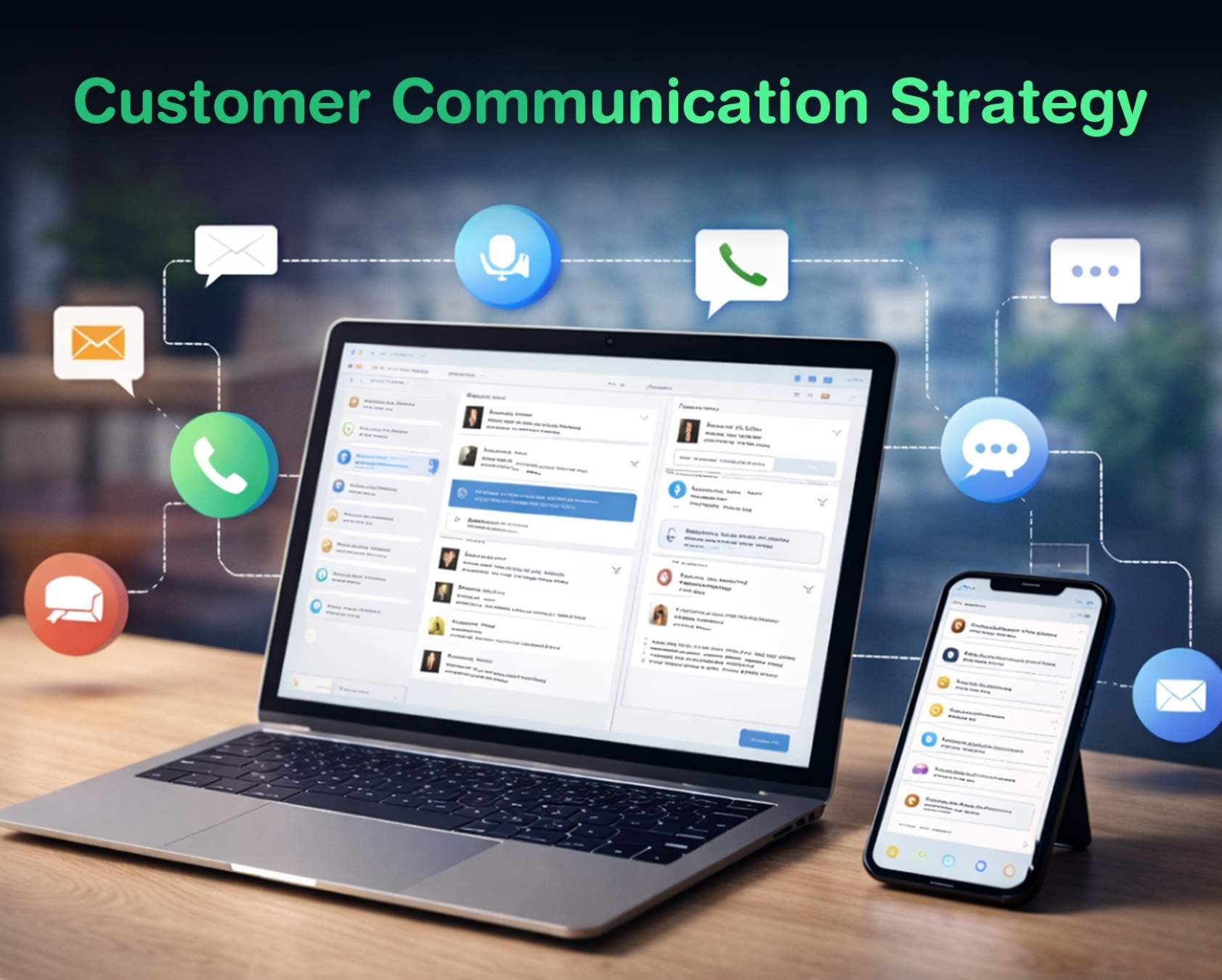
Customer communication strategy involves planning and executing customer interactions across all touchpoints to deliver consistent experiences that drive loyalty and growth. Recent data from Zendesk reveals that 73 percent of consumers switch brands after multiple poor experiences, highlighting the financial stakes of getting this right. Businesses with strong communication strategies see up to 20 percent higher retention rates, while companies ranking highest in empathetic communication earn 50 percent more than their peers.
Omnichannel approaches generate 494 percent higher order rates, yet only 42 percent of companies have fully implemented multi channel support. In 2026, personalization remains critical, with 59 percent of consumers expecting data driven tailoring in every interaction.
Historical shifts from phone and mail to digital communications have amplified the need for unified strategies, as fragmented customer communication costs brands billions annually in churn. Proactive outreach delivers a 25 percent revenue lift, while clear messaging reduces resolution times by 30 percent.
What Is Customer Communication Strategy
A customer communication strategy is a structured plan defining how businesses interact with customers across communication channels to deliver consistent, value driven experiences. It encompasses goals, messaging guidelines, channel selection, and feedback loops to align interactions with brand values. Core aspects include consistency in messaging to avoid confusion, customization through personalization like name usage or tailored recommendations, and clarity to build customer trust.
Industry research shows 59 percent of customers demand personalized experiences across various channels. Understanding audience demographics helps determine channel choices, such as phone support for over 50s versus social media for younger demographics. Statistically, effective customer communication strategy implementations reduce churn by 15 to 20 percent and boost satisfaction scores by 25 percent. Unlike ad hoc responses, this proactive framework maps customer journeys, ensuring every touchpoint reinforces loyalty and revenue goals through better customer service.
Why Is Customer Communication Strategy Important For Business Growth
Effective strategies fuel growth by enhancing retention, customer trust, and operational efficiency. Data links solid communication practices to measurable revenue gains across industries.
Build Trust Through Clear And Consistent Communication
Consistency across touchpoints prevents confusion. Research indicates 80 percent of customers cite inconsistent information as a trust breaker. Staying on brand and accurate at every interaction fosters reliability that customers value. Companies known for empathetic, clear communication outperform competitors by 50 percent in earnings. Zappos built a billion dollar empire on consistent, helpful conversations, turning one time buyers into brand advocates. When your customer service team delivers the same accurate information whether someone reaches out via email, live chats, or social media, you create the foundation for long lasting relationships.
Improve Customer Retention And Loyalty Over Time
Retention costs five times less than acquisition, yet poor communication drives 73 percent of customer churn. Proactive, personalized strategies lift lifetime value by 20 to 30 percent. Empathy accelerates growth, with top empathetic firms earning significantly more than average performers. Amazon retains 85 percent of customers through seamless order update loops and consistent messaging. Longitudinal studies show loyal customers refer 2.3 times more, amplifying organic growth. Nurturing relationships through thoughtful communication pays dividends across the entire customer journey.
Reduce Support Friction And Resolution Time
Clear, solution-oriented conversations cut average resolution time by 30 percent, saving resources for both customers and support teams. Omnichannel implementations reduce support ticket volumes by 15 percent. A pain point focus streamlines support interactions, with active listening halving escalations. First contact resolution hits 70 percent in consistent setups, compared to just 45 percent in fragmented environments. When support agents have the right tools and context, they resolve complex issues faster.
Strengthen Brand Perception Across Channels
Unified messaging elevates net promoter score by 20 points. Consistent tone across different channels prevents misunderstandings and boosts reputation. Research shows 62 percent of brands with strong multichannel presence see higher customer advocacy. Apple commands premium pricing partly through ecosystem consistency. When customers encounter the same brand voice whether reading a knowledge base article or speaking with a support agent, perception improves significantly.
Support Revenue Growth With Better Conversations
Personalized communications drive 494 percent higher orders through omnichannel engagement. Proactive outreach converts 15 percent more leads. Audience centric strategies that align messaging for conversions yield 18 percent revenue uplifts. Overall, strong communication strategies correlate with 25 percent faster growth, as trust converts browsers to buyers at three times normal rates. When you communicate with customers effectively, every conversation becomes a revenue opportunity.
Elements Of A Strong Customer Communication Strategy
Strong strategies integrate goals, journeys, data, and iteration for cohesive execution. Research outlines foundational pillars like omnichannel presence and personalization.
Define Clear Communication Goals And Outcomes
Start with SMART goals tied to business KPIs, such as a 20 percent retention lift or 30 percent reduction in response time. Inclusive goal setting across different departments ensures alignment between marketing, sales, and support. Your goals should specify what success looks like for both the business and the customer. Clear objectives help prioritize resources and measure progress. When everyone understands the targets, customer communication efforts become more focused and effective.
Map Customer Journeys And Touchpoints
Journey mapping identifies 10 to 15 touchpoints where communication shapes customer experience. Research shows 70 percent of experiences are channel based, making this exercise critical. Document each stage from awareness through advocacy, noting where customers engage and where friction occurs. Tools that visualize these journeys reveal drop offs and optimization opportunities. Understanding when and why customers reach out helps you deliver the right message at the right moment.
Set Tone And Messaging Guidelines
Consistent tone via playbooks ensures clarity across all customer facing teams. Jargon free rules boost comprehension by 40 percent. Document approved phrases, writing styles, and responses to common scenarios. Include examples of what to say and what to avoid. These guidelines become especially valuable when onboarding new team members who need to quickly align with established communication standards.
Align Teams Around Shared Communication Standards
Internal communication tools like Slack or Teams unify groups and reduce errors by 25 percent. Cross department collaboration matters because customers experience your company as one entity, not separate silos. Regular syncs between support, success, and product teams ensure everyone shares the same information. When internal alignment strengthens, external consistency follows naturally.
Use Data To Guide Communication Decisions
Analytics drive 59 percent of personalization demand fulfillment. Customer data reveals preferences, behaviors, and pain points that inform better conversations. Segment users based on their needs and history. Track which messages resonate and which fall flat. Data driven decisions replace guesswork with insights that improve customer engagement over time.
Continuously Improve Based On Feedback
Regular surveys cut pain points by 30 percent. Acting on customer feedback creates iterative gains, with 73 percent of loyalty tied to responsiveness. Feedback loops from surveys, support interactions, and social media listening identify areas for improvement. Companies that actively incorporate customer input grow twice as fast as those that ignore it. Make feedback collection a systematic part of your communication strategy.
Customer Service Communication Skills That Build Trust
Skills like active listening and empathy form trust foundations. Training in these areas yields 20 percent satisfaction gains across customer interactions.
Listen Actively And Understand Customer Needs
Active listening confirms understanding and reduces miscommunications by 35 percent. Repeat key phrases to show you hear what customers say. Ask clarifying questions before jumping to solutions. This approach helps identify root causes rather than surface symptoms. When customers feel heard, they trust your ability to help them more readily.
Strong customer communication management supports this process by organizing conversations and insights in one place. Teams that improve communication through structured listening frameworks often exceed customer expectations and deliver more consistent customer support experiences.
Respond Clearly Without Confusion Or Jargon
Concise responses value customer time and boost trust. Jargon free clarity prevents 22 percent of escalations. Use plain language that anyone can understand on first read. Structure responses with clear next steps. Avoid technical terms unless necessary, and explain them when you must use them. Simple communication demonstrates respect for your customers.
Many businesses struggle with clarity when scaling operations across digital experiences. Using ccm solutions helps standardize messaging, ensuring consistent tone across channels like chat, email, and even video messaging, which enhances clarity and engagement.
Show Empathy In Every Interaction
Empathy turns frustration into connection. Research shows 80 percent of customers prefer representatives who understand their situation. Acknowledge feelings before moving to solutions. Use phrases that validate concerns rather than dismiss them. Empathetic firms earn 50 percent more than average performers. This skill cannot be automated and represents a key differentiator in customer relationships.
Empathy is often driven top down, where business leaders prioritize human centered communication. Teams that embed empathy into customer support workflows not only exceed customer expectations but also strengthen long term trust and loyalty.
Stay Calm And Professional In Difficult Situations
Patience de escalates 60 percent of difficult calls. Training helps teams maintain professionalism under pressure. When customers express frustration, responding calmly prevents situations from worsening. Take deep breaths, acknowledge the difficulty, and focus on resolution. Professional composure builds customer trust even in challenging circumstances.
A well defined help desk–driven customer communication management system ensures that even high pressure interactions stay structured. Teams that improve communication during conflicts reduce churn and provide more reliable digital experiences across all touchpoints.
Close Conversations With Clear Next Steps
Defined actions ensure 75 percent follow through satisfaction. Always end interactions with explicit next steps and timelines. Confirm who owns each action item. Set expectations for when customers will hear back. Accountability reinforces trust and prevents conversations from falling through.
Modern CCM solutions help track follow-ups and commitments across teams. When business leaders invest in structured workflows, teams can exceed customer expectations and deliver seamless customer support, even as operations scale.
Omnichannel Communication And Consistent Customer Experience
Omnichannel communication unifies channels for seamless experience, delivering 494 percent order boosts. Only 42 percent of companies implement this fully.
Keep Conversations Connected Across Channels
Context continuity prevents repetition and lifts satisfaction by 25 percent. When customers switch from email to chat, their history should follow. Unified conversation timelines let agents see previous interactions regardless of channel. This seamless experience reduces frustration and speeds resolution. Invest in systems that connect interactions across multiple communication channels.
A strong conversation management software–based customer communication management approach ensures data flows across platforms without gaps. Businesses that improve communication through connected systems deliver smoother digital experiences across all touchpoints.
Maintain Context Without Repetition
Shared views reduce customer frustration significantly. No one wants to explain their issue three times to three different people. Tracking customer interactions in one place ensures every team member sees the full picture. When support agents access complete context, they provide faster, more accurate help. This approach respects customer time and effort.
Many businesses struggle with fragmented tools, which leads to repeated conversations. Using multichannel helpdesk software helps unify data and empowers customer support teams to deliver faster and more personalized responses.
Ensure Consistent Messaging Everywhere
Unified voice across platforms builds 20 percent stronger brand perception. Whether customers read your knowledge bases, receive emails, or engage on social media, messaging should align. Consistent brand messaging reinforces identity and builds recognition. Regular audits across channels catch inconsistencies before customers notice them.
Consistency depends on clear direction from business leaders who define tone and communication standards. When teams align messaging across channels, they can exceed customer expectations and build stronger brand trust.
Use The Right Channel At The Right Time
Demographic matching improves outcomes. Phone works better for seniors, while younger users prefer text messaging and social media. Research shows 70 percent of customers prefer their chosen channel. Meet customers where they are rather than forcing them into your preferred platform. Video conferencing suits complex discussions, while quick updates work well via chat.
Expanding into formats like video messaging adds flexibility to communication strategies. Choosing the right mix of channels, supported by a thoughtful omnichannel communication approach for support teams, helps improve communication and ensures better engagement across modern digital experiences.
Track Customer Interactions In One Place
Centralized logs cut resolution time by 20 percent. Trends show 60 percent growth in unified platform adoption through 2026. Customer relationship management tools that consolidate interactions help teams respond faster. When you can see every touchpoint in one view, patterns emerge that inform better strategies. Centralization supports both efficiency and insight.
A shared inbox–driven unified system strengthens customer communication management and allows teams to exceed customer expectations consistently. With full visibility, organizations can optimize workflows, enhance customer support, and deliver seamless cross channel experiences.
How To Manage Customer Expectations Effectively
Proactive management prevents 73 percent of churn. Transparency aligns customer expectations with what you can deliver.
Set Clear Timelines From The Start
Upfront ETAs reduce follow up queries by 40 percent. When customers know what to expect, anxiety decreases. Be specific about response time and resolution timeframes. Underpromise slightly to create room for positive surprises. Clear timelines from the first interaction establish trust and reduce unnecessary back and forth.
Clear timelines also strengthen customer communication management by aligning internal teams with external promises. When communication stays structured, teams improve communication and deliver more reliable digital experiences across the customer journey.
Communicate Delays Before Customers Ask
Proactive alerts retain 85 percent of customer trust. When things go wrong, reach out immediately rather than waiting for complaints. Explain what happened, what you are doing, and when they can expect resolution. Customers forgive delays more readily when you communicate them transparently. Silence during problems destroys trust faster than the problems themselves.
Many businesses struggle to maintain transparency at scale. Using ccm solutions allows teams to automate updates and support customer support workflows without losing clarity or consistency.
Be Transparent About Limitations
Honesty builds credibility. Research shows 65 percent of customers value forthrightness about what your product or service cannot do. Address limitations directly in self service options and support conversations. When customers understand constraints upfront, they make better decisions and experience fewer disappointments later.
Business leaders who promote honest communication frameworks help teams exceed customer expectations in the long run. Transparency also reduces friction across digital experiences and builds stronger trust.
Follow Through On Promises Made
Delivery that matches commitments lifts loyalty by 30 percent. Track every promise made during customer interactions. Create systems that flag outstanding commitments. When you say you will follow up, do it. Broken promises damage relationships faster than almost any other communication failure. Build accountability into your workflow.
Strong customer communication management ensures no commitment gets lost. When teams improve communication and maintain visibility, they deliver consistent customer support and reduce missed follow ups.
Keep Customers Updated At Every Stage
Milestone communications boost net promoter score by 15 points. Regular updates during onboarding, support cases, or project delivery keep customers informed. Even brief check ins show you remember them. Automated updates for key stages free agents for more complex communication while maintaining customer engagement throughout the process.
Using video messaging and automated alerts enhances engagement across touchpoints. A structured approach helps businesses exceed customer expectations and deliver smoother digital experiences.
Personalized Customer Experience That Drives Engagement
59 percent of customers expect personalization. Tailoring drives 20 percent higher engagement across touchpoints.
Use Customer Data To Tailor Conversations
Data segmentation yields 15 percent engagement uplift. Use purchase history, support history, and behavioral data to inform conversations. Reference previous interactions to show continuity. CRM software that surfaces relevant context helps agents personalize at scale. When customers feel known, they engage more deeply with your brand.
Customer communication management systems centralize insights that improve communication quality. With unified data, teams create more relevant digital experiences and stronger engagement.
Segment Users Based On Behavior And Needs
Personas enable targeted messaging that resonates. Group customers by lifecycle stage, usage patterns, or goals. New users need different communication than power users. At risk accounts require different outreach than satisfied advocates. Segmentation ensures messages feel relevant rather than generic. A few best practices include regular segment review and refinement based on actual behavior patterns.
Ccm solutions support dynamic segmentation that adapts to behavior changes. Businesses that apply this method reduce gaps in customer support and exceed customer expectations more consistently.
Send Relevant Messages At The Right Time
Timing optimization improves open rates by 30 percent. Trigger messages based on user actions rather than arbitrary schedules. Onboarding tips after specific product milestones work better than generic drip campaigns. Consider time zones and customer preferences. The right message at the wrong time loses impact.
Many businesses struggle with timing without automation. Using structured systems, including real-time live chat for timely conversations, improves communication and ensures messages align with real customer behavior across digital experiences.
Avoid Over Communication And Noise
Balance prevents 25 percent of unsubscribes. Too many messages train customers to ignore you. Consolidate communications rather than sending five separate emails. Respect frequency preferences. Quality beats quantity in personalized communication. Every message should deliver value, not just fill an inbox.
Clear customer communication management helps control message frequency. Teams that improve communication discipline create better customer support experiences and avoid overwhelming users.
Balance Automation With Human Touch
Hybrid models retain 90 percent customer satisfaction. Use automation for routine updates and responses while preserving human connection for nuanced situations. Chatbots handle FAQs effectively, but complex issues need human judgment. Always provide easy paths to reach real people. Automation should enhance relationships, not replace them.
Business leaders play a key role in defining this balance. With the right ccm solutions, such as modern IT help desk software for scalable teams, teams combine automation and human interaction to exceed customer expectations and deliver meaningful digital experiences.
Incident Communication And Crisis Handling Best Practices
Swift, honest crisis response rebuilds trust. Poor incident handling costs up to 30 percent revenue in affected customer segments.
Acknowledge Issues Quickly And Clearly
First hour acknowledgments retain 70 percent of customer trust. When problems occur, speed matters more than completeness. Send initial updates even before you have full details. Acknowledge that something is wrong and that you are investigating. Silence during incidents creates panic and frustration.
A structured customer communication management approach ensures rapid response across channels. Teams that improve communication speed deliver better digital experiences even during disruptions.
Share Accurate Updates Without Delay
Frequent posts maintain calm during service disruptions. Update status pages and proactive channels regularly, even if only to say investigation continues. Customers prefer frequent brief updates over infrequent comprehensive ones. Establish communication cadence during incidents and stick to it. Consistency reduces anxiety.
Many businesses struggle to maintain consistent updates without automation. Using ccm solutions helps streamline updates and support customer support teams with timely communication.
Keep Messaging Simple And Honest
Plain language aids 80 percent comprehension during stressful situations. Avoid technical jargon in customer facing incident communications. Explain impact in terms customers understand. Be honest about what you know and do not know. Simple, direct messaging prevents confusion when stakes are high.
Business leaders who prioritize transparency help teams exceed customer expectations even during crises. Clear communication also strengthens trust across digital experiences.
Coordinate Teams For Unified Communication
Central command avoids contradictions during incidents. Designate clear owners for different communication channels during crises. Ensure everyone shares the same approved messaging. Conflicting information from different departments destroys credibility. Coordination requires preparation before incidents occur.
Strong customer communication management aligns different departments under one strategy. When teams improve communication internally, they deliver more reliable and unified customer support externally.
Rebuild Trust After The Issue Is Resolved
Follow up communications recover 60 percent of damaged loyalty. After resolution, explain what happened and what you are doing to prevent recurrence. Consider goodwill gestures for significantly impacted customers. Closing the loop demonstrates accountability. Post incident transparency often strengthens relationships beyond pre incident levels.
Using video messaging and detailed updates can enhance post incident communication. Businesses that exceed customer expectations in recovery often turn negative experiences into long term trust.
Document Learnings For Future Incidents
Post mortems reduce recurrence by 40 percent. After each incident, document what happened, how you responded, and what worked or failed. Update playbooks based on learnings. Share insights across different departments. Continuous improvement in incident response builds organizational resilience and customer confidence.
Ccm solutions help centralize learnings and improve communication processes over time. Teams that adopt this approach deliver stronger digital experiences and more consistent customer support.
Common Customer Service Mistakes And How To Avoid Them
Mistakes like delays frustrate 70 percent of customers. Avoidance strategies save significant revenue and protect customer relationships.
Delayed Responses That Frustrate Customers
Aim for under one hour initial response time. Automation cuts waits by 50 percent for routine queries. Set clear expectations through auto responses. Use ticketing systems that prioritize urgent issues. Monitor response time metrics and address bottlenecks. Customers who wait too long often leave before you can help them.
Many businesses struggle with scaling response time as demand grows. Customer support software that centralizes conversations and automates workflows helps improve communication and maintain consistent customer support across channels.
Inconsistent Messaging Across Teams
Standards training unifies 90 percent of communication. When marketing, sales, and support say different things, customers lose trust. Create shared documentation of policies and messaging. Regular cross team calibration catches drift. Consistency requires ongoing attention, not one time training.
Business leaders must enforce alignment across departments to exceed customer expectations. For distributed teams, keeping remote support teams aligned with shared tools ensures unified messaging strengthens digital experiences and builds long term trust.
Over-Promising And Under-Delivering
Realistic commitments retain 75 percent of customers. Sales promises that support cannot fulfill damage relationships. Set expectations based on what you can consistently deliver. Build buffer time into estimates. When in doubt, err toward conservative timelines. Exceeding expectations beats missing them every time.
Clear customer communication management, supported by the right help desk setup, ensures promises stay aligned with delivery capacity. Teams that improve communication reduce gaps between expectations and outcomes.
Ignoring Customer Feedback Signals
Act on 80 percent of signals for meaningful gains. Customers tell you what they need through surveys, complaints, and usage patterns. Ignoring these signals wastes valuable intelligence. Create processes that route feedback to decision makers. Respond to feedback by making visible changes. Customers notice when you listen.
Ccm solutions, guided by an effective incident communication framework, help collect and organize feedback across touchpoints. This approach improves communication and enhances customer support with actionable insights.
Lack Of Clear Ownership In Conversations
Assigned representatives resolve issues 65 percent faster. When no one owns a customer problem, it falls through cracks. Ensure every conversation has a clear owner accountable for resolution. Handoffs between agents should transfer ownership explicitly. Clear accountability prevents customers from bouncing between teams without resolution.
Strong internal coordination supported by customer communication management and efficient support ticket management ensures accountability. Teams that improve communication workflows deliver faster resolutions and better digital experiences.
Tools And Technologies That Power Customer Communication
Platforms that centralize communication deliver 30 percent efficiency gains. Cloud-based help desk platforms that consolidate channels, automate workflows, and provide real-time visibility align with technology trends that favor AI integration and unified systems.
Centralize Communication In One Platform
Hub style platforms unify communication channels into single views. Support teams that manage email, chat, and social from one place respond faster and more consistently. Look for ticketing software with a unified inbox that aggregates conversations regardless of origin channel. Centralization reduces context switching and improves tracking customer interactions across touchpoints.
A strong customer communication management setup ensures all interactions stay connected and accessible. Teams that improve communication through unified platforms reduce delays, minimize duplication, and deliver smoother digital experiences. Centralized systems also simplify reporting, helping teams identify trends and optimize workflows more effectively, especially when they streamline support with a smarter help desk platform.
Use Automation To Improve Speed And Accuracy
Bots handle 40 percent of routine queries, freeing agents for complex issues. Automated workflows route tickets, send confirmations, and escalate urgent matters without manual effort. Canned responses for common questions ensure consistency and save time. Automation should handle repetitive tasks while humans focus on relationship building.
Many businesses struggle to balance automation with personalization. Using ccm solutions such as structured ticket management platforms helps maintain accuracy while supporting customer support teams with faster and more reliable responses. Well configured automation also reduces human error and ensures consistent service delivery across all communication channels.
Track Conversations With Real Time Insights
Analytics spot trends instantly, enabling proactive response. Dashboards that show queue depths, response times, and satisfaction scores help managers adjust resources. Real time monitoring catches problems before they escalate. Look for tools that surface actionable insights without requiring extensive data analysis skills.
Business leaders rely on these insights to exceed customer expectations and refine strategies continuously. Better visibility, as shown in teams that achieved 3x faster response times with EasyDesk, helps teams improve communication, identify bottlenecks, and enhance overall digital experiences with data driven decisions.
Integrate With CRM And Business Systems
Seamless data flows boost productivity by 25 percent. When support tools connect to CRM tool and billing systems, agents access complete customer context. Integration eliminates tab switching and reduces errors. How to guides for setting up integrations help teams maximize tool effectiveness. Connected systems enable better understanding of each customer.
Customer communication management becomes more effective when systems stay fully connected. Omnichannel support that connects every customer touchpoint helps improve communication accuracy, supports faster resolutions, and ensures consistent customer support across multiple platforms and departments.
Enable Teams With Shared Context
Collaboration tools like internal comments and shared notes enhance teamwork. When agents can see colleagues previous interactions, handoffs improve. Shared context reduces repetition for customers and improves first contact resolution. Look for platforms that make collaboration natural rather than extra work.
Ccm solutions support collaboration across departments, allowing teams to exceed customer expectations. Shared visibility improves communication, strengthens coordination, and creates seamless digital experiences that feel unified to customers.
How To Measure And Improve Customer Communication Performance
Metrics guide optimization. Top performers track multiple KPIs to understand communication effectiveness.
Track Response Time And Resolution Speed
Under 10 minute average response times correlate with 90 percent satisfaction. Measure first response time and average resolution time separately. Set targets based on channel, with live chats requiring faster responses than email. Response time directly impacts customer perception of your commitment to service.
Customer communication management systems help monitor these metrics in real time and highlight performance gaps. Teams that improve communication speed reduce churn, strengthen customer support, and deliver better digital experiences across channels.
Measure Customer Satisfaction And Feedback
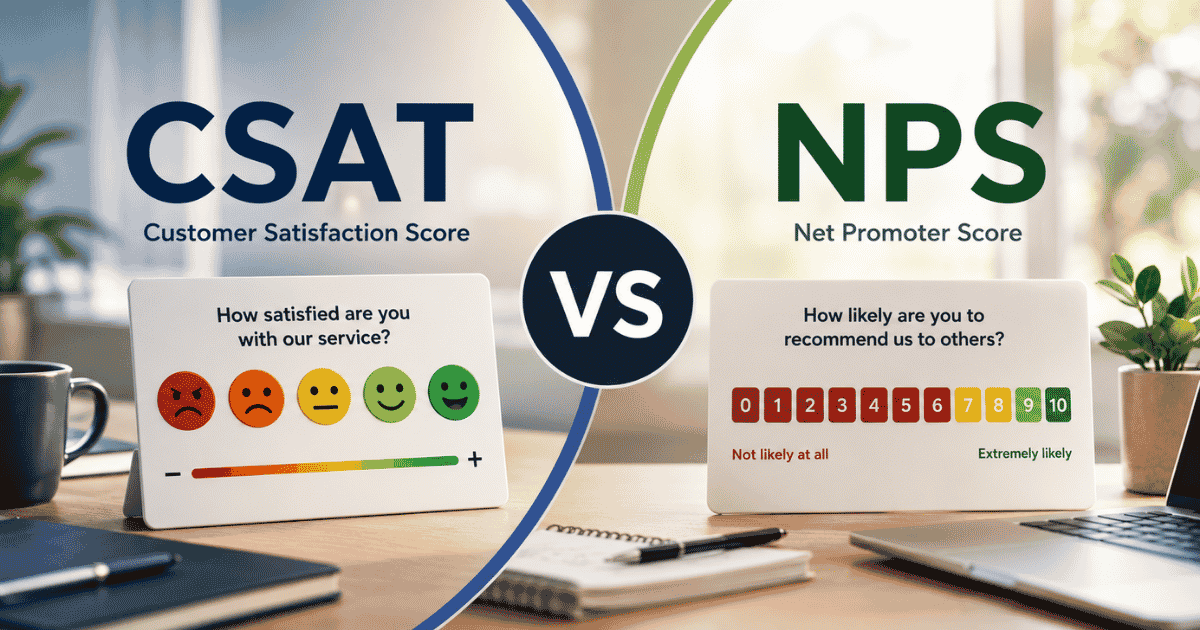
Net promoter score above 50 signals strong performance. Customer satisfaction score surveys after interactions provide immediate feedback. Track trends over time rather than obsessing over individual scores. Combine quantitative metrics with qualitative feedback for complete pictures. Satisfaction measurement should drive action, not just reporting.
Business leaders use this data to exceed customer expectations and refine communication strategies. Feedback loops help improve communication, strengthen customer support quality, and guide continuous improvements across all customer touchpoints.
Analyze Conversation Quality And Outcomes
Sentiment analysis reveals 20 percent additional insights beyond satisfaction scores. Review conversation transcripts regularly for quality patterns. Look for common phrases that correlate with positive outcomes. Quality analysis identifies coaching opportunities for individual agents and systemic improvements for processes.
Ccm solutions provide deeper visibility into conversations, helping teams improve communication and deliver more consistent digital experiences. Insights from real interactions support better training and smarter decision making.
Identify Gaps And Improve Processes
Audits close 30 percent of efficiency leaks. Regular reviews of communication workflows reveal bottlenecks and unnecessary steps. Map actual processes against intended ones. Identify where customers get stuck or frustrated. Process improvement requires both data analysis and frontline input.
Many businesses struggle to identify hidden inefficiencies without proper tools. Customer communication management systems help improve communication workflows, streamline operations, and enhance customer support outcomes with clear visibility.
Train Teams Based On Real Data
Data driven training lifts skills by 25 percent. Use actual conversation examples in coaching sessions. Identify patterns where agents struggle and develop targeted training. Celebrate examples of excellent communication. Training should connect directly to measured outcomes, not abstract principles.
Business leaders who invest in data driven training enable teams to exceed customer expectations consistently. Continuous skill development helps improve communication quality, boost confidence, and deliver stronger digital experiences.
Continuously Optimize Communication Strategy
Iterative loops yield 15 percent yearly gains. Review strategy quarterly based on metrics and customer feedback. Update templates and playbooks based on what works. Test new approaches in limited pilots before broad rollout. Communication strategy should evolve as customer needs and business goals change.
Customer communication management supported by feature rich platforms like EasyDesk ensures long term improvement and scalability. Teams that improve communication continuously deliver better customer support, adapt faster to change, and maintain consistent digital experiences across all channels.
How EasyDesk Helps Teams Build Better Customer Communication Strategy
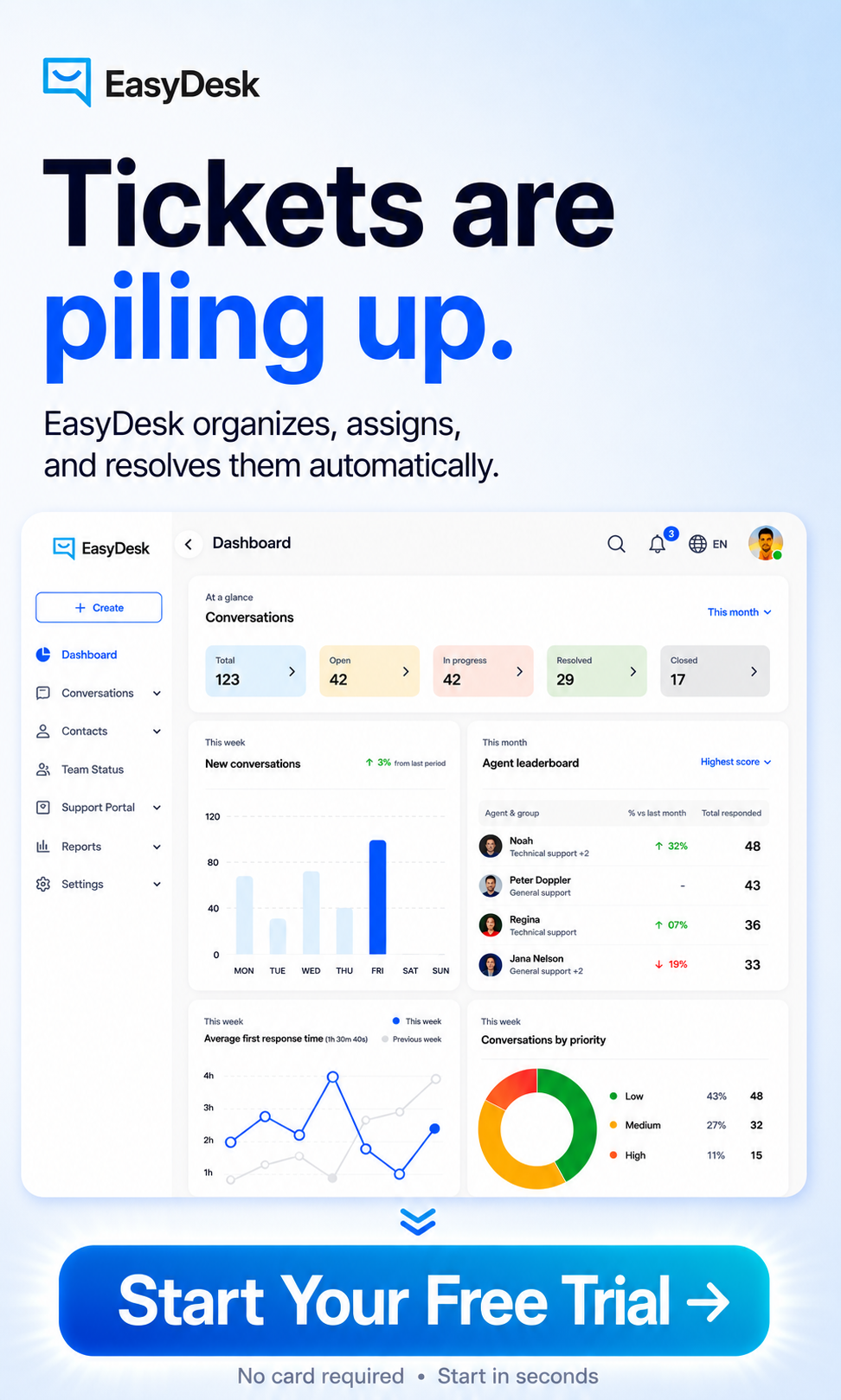
EasyDesk is a comprehensive customer support platform that centralizes omnichannel support, reducing resolution times by 40 percent via unified inboxes and real-time collaboration. Its CRM integrations personalize interactions, meeting the 59 percent of consumers who demand tailored experiences. Automation handles routine queries through chatbots and canned responses, freeing support agents for complex issues.
Analytics tracks customer satisfaction score and response time metrics for continuous improvement. Teams report 30 percent higher efficiency with shared context that prevents repetition. EasyDesk feedback tools enable proactive updates, cutting churn risks aligned with the 73 percent who switch after poor experiences. The platform supports consistent experiences across channels, driving retention and revenue growth through empathetic, data-backed communication.
FAQs
What Makes A Customer Communication Strategy Effective
Effectiveness stems from omnichannel consistency, personalization meeting the 59 percent expectation, and active feedback loops. Empathy and clarity build the 50 percent earnings edge seen in top performers. Strategies that define clear goals, map customer journeys, and align teams around shared standards outperform ad hoc approaches. Regular measurement and iteration based on customer data ensure ongoing relevance and impact.
How Does Omnichannel Communication Improve Customer Experience
Omnichannel connects channels seamlessly, reducing friction that frustrates customers. With only 42 percent of companies implementing full omnichannel support, significant opportunity exists. Connected channels boost satisfaction by 25 percent through context retention. Customers can start conversations on one channel and continue on another without repeating information, respecting their time and effort, and aligning customer support with the broader customer experience across the journey.
Why Is Personalization Important In Customer Communication
Tailored messages engage customers 20 percent more effectively than generic communication. With 59 percent expecting personalization, it has become table stakes rather than optional. Personalization based on behavior, preferences, and history makes customers feel valued. This approach drives loyalty beyond what transactional communication can achieve.
How Can Businesses Handle Communication During Service Incidents
Acknowledge issues within the first hour to retain 70 percent of trust. Update frequently with honest, simple messaging. Coordinate teams to prevent conflicting information. After resolution, follow up explaining what happened and preventive steps. Post incident communication often strengthens relationships when handled well.
What Tools Help Improve Customer Communication Strategy
Central platforms that unify email, chat, and social media enable consistent responses. CRM software provides context for personalization. Automation handles 40 percent of routine queries efficiently. Analytics track right metrics for optimization. Integration between systems ensures data flows without manual effort, supporting better understanding of each customer interaction.