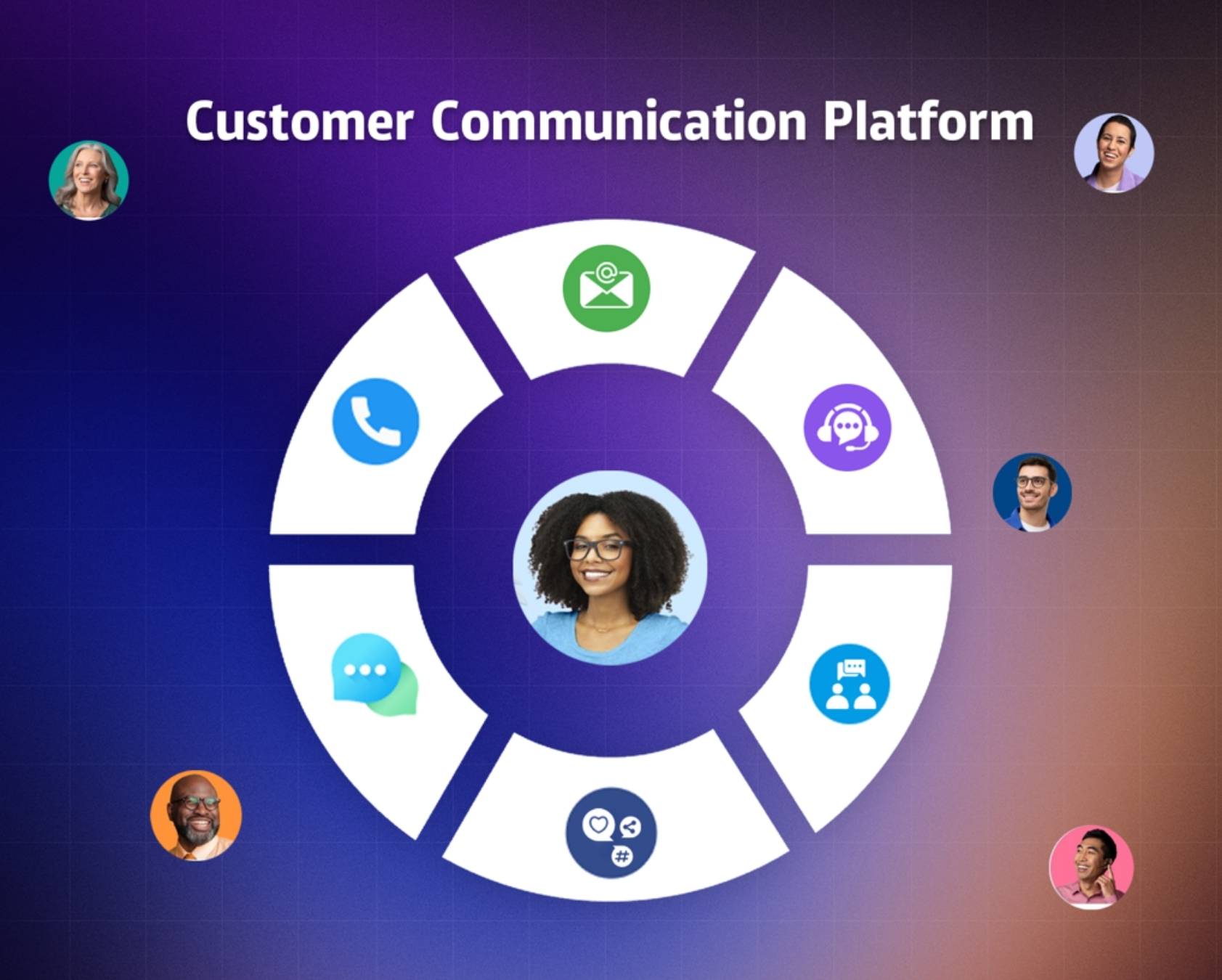
Customers expect fast and clear communication from every brand. Delays or scattered replies quickly damage trust. Many teams still rely on multiple tools that do not sync well. That creates confusion and missed messages.
A customer communication platform solves this problem. It brings all conversations into one place. Teams respond faster and with better context. It also improves collaboration across support, sales, and success teams. Businesses gain better visibility into every interaction. That leads to stronger relationships and higher retention.
This guide breaks down how it works and why it matters for modern teams.
What Is A Customer Communication Platform
A customer communication platform is a central system that helps businesses manage customer communication across multiple communication channels. It brings email, live chat, phone calls, and social media into one place. Teams can manage customer inquiries, track customer interactions, and access customer data easily. This type of customer communication management software helps support teams stay organized and respond faster. It also improves team collaboration and ensures consistent communication across the entire customer journey.
Modern customer communication tools often include AI-powered features, automated workflows, and a built-in ticketing system. These features help automate routine tasks, manage customer conversations, and deliver personalized communication, making them similar in scope to dedicated conversation management software. A strong communication platform enhances customer satisfaction and overall customer experience. It allows businesses to engage customers better, meet customer expectations, and build a stronger customer relationship through seamless omnichannel customer communication.
Key Features Of A Customer Communication Platform
A strong customer communication platform does more than collect messages. It organizes conversations, improves response speed, and connects teams with the right context. The right features help businesses manage customer communication across channels and deliver a better customer experience without extra effort.
Omnichannel Inbox For Unified Conversations
A modern customer communication platform brings all customer conversations into one shared space. Emails, live chat, phone calls, and social channels stay connected. Teams no longer switch between multiple communication tools. This reduces missed customer messages and improves response time.
Reports show that companies using omnichannel support retain up to 89% of customers, compared to 33% with weak multichannel support. Exploring the benefits of omnichannel support for customer experience helps teams understand why this approach outperforms basic multichannel setups. A unified inbox helps manage customer inquiries and track customer interactions easily. It also ensures consistent communication across the entire customer journey.
Automation And AI-Powered Workflows
Automation plays a key role in customer communication management. AI-powered workflows help route customer requests, send automated responses, and handle repetitive tasks. Understanding workflow automation in customer support shows how these processes reduce workload for the customer service team and improve efficiency.
Studies show that automation can reduce support costs by up to 30%. Features like chatbots, ticketing system rules, and sentiment analysis help prioritize urgent cases. Teams respond faster and enhance customer satisfaction without increasing headcount.
Centralized Customer Data And Insights
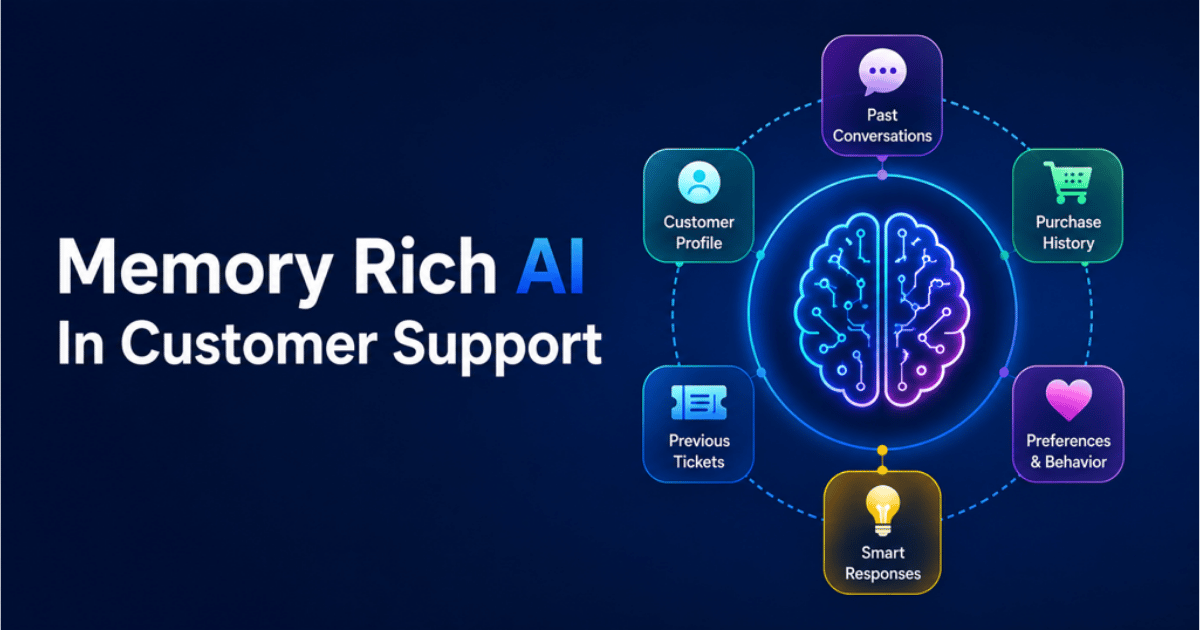
A reliable customer communication platform stores all customer data in one place. It tracks customer behavior, preferences, and past interactions across channels, which is essential for effective omnichannel communication for support teams. This allows teams to deliver personalized communication and improve customer engagement.
Businesses that use data-driven communication see up to 20% higher customer satisfaction. Access to customer information helps marketing teams and support teams align better. It also strengthens customer relationship management and improves overall customer experience.
Collaboration Tools For Team Efficiency
Customer communication tools must support team collaboration. Features like internal notes, file sharing, and shared inboxes help teams work together. Support teams can assign tickets, add context, and resolve issues faster.
Research shows that strong collaboration tools can improve team productivity by 25%. A good communication platform ensures that no customer inquiries are lost. It also keeps everyone aligned across different communication channels and departments.
Analytics And Performance Tracking
A customer communication platform should provide clear insights into performance. Metrics like response time, resolution rate, and customer feedback help teams improve. Analytics tools also track customer interactions across various channels.
Companies that actively track communication performance see up to 15% improvement in customer experience. Reports help identify gaps in communication processes and refine strategies. This leads to better decision-making and higher overall customer satisfaction.
Benefits Of Using A Customer Communication Platform For Growing SaaS Companies
Fast growth creates pressure on customer communication. SaaS teams handle more customer inquiries across multiple channels every day. Without a clear system, messages get lost and response quality drops. A customer communication platform helps teams stay organized, improve customer experience, and scale support without chaos.
Faster Response Across Multiple Channels
A customer communication platform connects email, live chat, and other communication channels into one system. Teams manage customer inquiries without switching between tools. This reduces delays and keeps customer conversations consistent across the customer journey.
Data shows that 90% of customers expect a response within 10 minutes on live chat. Faster replies improve customer satisfaction and customer engagement. A unified communication platform helps support teams meet customer expectations and deliver better omnichannel customer communication.
Better Customer Experience And Retention
A smooth customer experience plays a big role in SaaS retention. A customer communication platform helps track customer interactions and customer behavior in one place. Teams respond with full context, which improves personalized communication.
Studies show that improving customer experience can increase retention by up to 15%. Consistent communication across multiple communication channels builds trust. This leads to stronger customer relationships and higher overall customer satisfaction over time.
Efficient Support With Automation And AI
Automation reduces manual work for the customer service team. AI-powered features like automated responses, ticketing system rules, and sentiment analysis help manage customer requests faster. Teams focus on complex issues instead of routine tasks.
Research shows that AI can handle up to 80% of standard customer inquiries. This improves efficiency and reduces support costs. A customer communication management platform helps automate routine tasks while maintaining quality in customer interactions.
Stronger Team Collaboration And Visibility
A growing SaaS team needs better coordination. Customer communication tools provide shared inboxes, internal notes, and collaboration tools. Teams track customer messages and stay aligned across departments.
Reports show that effective team collaboration improves productivity by 20–25%. A centralized communication platform ensures no customer inquiries are missed. It also improves communication processes between support, sales, and marketing teams.
Data Driven Decisions With Customer Insights
A customer communication platform collects valuable customer data from every interaction. Teams track customer feedback, preferences, and behavior. This helps refine communication strategy and improve customer engagement.
Companies that use customer data effectively see up to 23% higher profitability. Insights from analytics help optimize customer communication and enhance customer satisfaction. Better data leads to smarter decisions and long-term SaaS growth.
Customer Communication Platform Vs Traditional Support Tools
Modern support teams need more than basic tools. Traditional systems handle limited communication channels and often lack context. A customer communication platform connects data, conversations, and teams. That creates faster responses, better visibility, and a stronger customer experience.
Aspect | Customer Communication Platform | Traditional Support Tools |
|---|---|---|
Communication Channels | Supports omnichannel customer communication across email, live chat, phone calls, and social media | Often limited to one or two channels like email or phone |
Customer Data Access | Centralized customer data with full interaction history | Scattered data across tools with limited visibility |
Customer Interactions | Tracks and connects all customer interactions in one place | Conversations stay disconnected and hard to follow |
Automation | AI-powered workflows, automated responses, and ticket routing | Minimal automation, mostly manual processes |
Team Collaboration | Built-in collaboration tools like internal notes and shared inbox | Limited collaboration, relies on external tools |
Customer Experience | Delivers consistent communication across the customer journey | Inconsistent communication due to tool gaps |
How To Choose The Right Customer Communication Platform
Every business has different needs. A random tool rarely fits long-term goals. The right customer communication platform should match your workflows, team size, and customer expectations. A careful selection process helps avoid future limitations and costly switching.
Clear Business Needs And Use Cases
Start with clarity. Identify how your team handles customer communication today. Look at customer inquiries, communication channels, and internal workflows. This helps define what your customer communication platform must support.
Research shows that 70% of software failures come from unclear requirements. A clear use case ensures the platform supports customer interactions, customer journey stages, and team collaboration. It also helps align customer service, marketing teams, and sales teams under one communication strategy.
Omnichannel Support And Flexibility
A strong platform must support multiple communication channels. Email, live chat, phone calls, and social platforms should work together. This creates seamless omnichannel customer communication and improves customer experience.
Data shows that companies with strong omnichannel support retain up to 89% of customers. A flexible communication platform adapts to customer preferences and supports multi-channel support, and a deeper look at multi-channel customer support benefits and best practices can guide these decisions. It ensures consistent communication across various channels without gaps.
Ease Of Use And Learning Curve
A complex tool slows down teams. A customer communication platform should be easy to use with a low learning curve. Teams should access features like ticketing system, knowledge base, and collaboration tools without confusion, similar to how EasyDesk features for smarter customer support focus on usability and clarity.
Studies show that 50% of employees avoid tools that feel too complex. A simple interface helps the customer service team respond faster and manage customer messages efficiently. It also reduces training time and improves adoption across teams.
Automation And AI-Powered Features
Automation improves efficiency. Look for AI-powered features like automated workflows, automated responses, and sentiment analysis. These features help manage customer conversations and automate routine tasks, and dedicated ticket automation software for support teams can extend these capabilities even further.
Reports show that AI can reduce support workload by up to 40%. Automation ensures faster responses and better prioritization of customer requests. It also allows support teams to focus on complex issues while maintaining high customer satisfaction.
Integration And Scalability
A customer communication platform should connect with existing tools like CRM, marketing automation tools, and customer relationship management systems. Integration ensures smooth data flow and better customer information access.
Businesses that use integrated systems see up to 20% higher efficiency. Scalability also matters. The platform should handle growth in customer interactions and multiple channels. This ensures long-term value without switching tools as your business expands.
Best Practices To Use A Customer Communication Platform Effectively
A customer communication platform delivers value only when used the right way. Tools alone do not fix broken workflows. Clear processes, smart automation, and strong team alignment help improve customer communication and overall customer experience.
Set Clear Communication Workflows
Clear workflows help teams manage customer communication without confusion. Define how customer inquiries move across the system. Set rules for ticketing system priorities, ownership, and escalation paths, especially when deciding between manual vs automated ticketing approaches. This improves consistency across multiple communication channels.
Studies show that structured workflows can improve response efficiency by up to 30%. A defined communication strategy helps manage customer conversations and reduces delays. It also ensures every customer message receives proper attention across the customer journey.
Use Automation Without Losing Human Touch
Automation helps handle repetitive tasks, but balance matters. Use AI powered automated workflows for routine customer requests, and consider streamlining support with ticket automation so repetitive work does not overwhelm your team. Set automated responses for common queries across live chat and other communication channels.
Reports show that 80% of customers still prefer human support for complex issues. A good approach combines automation with personalized communication. This enhances customer satisfaction while keeping customer interactions natural and relevant.
Centralize Customer Data For Better Context
A customer communication platform works best with complete customer data. Store customer information, past customer interactions, and customer behavior in one place. This helps teams respond with full context.
Businesses that use centralized data see up to 20% higher customer satisfaction. Access to accurate customer data improves personalized communication and customer engagement. It also strengthens customer relationship management across support, sales, and marketing teams.
Improve Team Collaboration Across Channels
Strong collaboration tools help teams stay aligned. Use shared inboxes, internal notes, and file sharing to manage customer conversations. This avoids confusion across multiple channels and departments.
Research shows that teams with effective collaboration tools improve productivity by 25%. A connected support team can manage customer inquiries faster, which is especially important when trying to keep remote support teams aligned. It also ensures consistent communication across all customer communication tools.
Track Performance And Optimize Continuously
Performance tracking helps improve communication processes over time. Monitor metrics like response time, resolution rate, and customer feedback. Use analytics and sentiment analysis to understand customer experience.
Companies that track performance regularly improve customer satisfaction by up to 15%. Insights help refine communication strategy and optimize workflows. This leads to better customer engagement and stronger long-term customer relationships.
Common Challenges And How To Solve Them With A Customer Communication Platform
Many teams struggle with scattered tools and slow responses. Poor visibility and missed customer messages hurt customer experience. A customer communication platform helps solve these issues with better structure, automation, and centralized customer communication.
Fragmented Communication Across Channels
Teams often use separate communication tools for email, live chat, and phone calls. This creates gaps in customer conversations. Important customer messages get lost across multiple communication channels.
A customer communication platform brings all channels into one system. It ensures consistent communication across the customer journey. Companies with strong omnichannel support retain up to 89% of customers. A unified communication platform improves visibility and enhances customer interactions across various channels.
Slow Response And Resolution Time
Delayed replies reduce customer satisfaction and trust. Many support teams struggle to manage customer inquiries due to high volume and manual processes. This leads to poor customer experience.
AI-powered automation and ticketing system workflows solve this problem. Automated responses and smart routing reduce response time significantly. Using automated ticket management software supports these gains, and studies show that automation can improve response speed by up to 40%. Faster replies help meet customer expectations and improve overall customer satisfaction.
Lack Of Customer Context And Data
Limited access to customer data makes customer interactions less effective. Teams respond without full context of past customer interactions or customer behavior. This affects personalized communication.
A customer communication platform centralizes customer information and tracks customer interactions. Businesses using data-driven communication see up to 20% higher customer satisfaction. Better access to customer data improves customer relationship management and enhances customer engagement.
Poor Team Collaboration And Visibility
Disconnected teams create confusion. Customer service team members may not see updates or internal notes. This leads to duplicate responses and missed customer inquiries.
Collaboration tools like shared inbox, internal notes, and file sharing solve this issue. Reports show that strong team collaboration improves productivity by 25%. A centralized communication platform keeps support teams aligned and ensures smooth customer communication processes.
Difficulty Scaling Support Operations
Growth increases customer requests across multiple channels. Traditional customer service software struggles to handle high volumes. This creates delays and inconsistent communication.
A scalable customer communication platform supports multichannel support and automation. It helps manage customer conversations efficiently even with growth, aligning closely with the principles of multi-channel customer support. Companies that invest in scalable communication tools see better customer experience and long-term retention.
Future Trends In Customer Communication Platform Technology
Customer expectations continue to rise across every communication channel. Businesses need faster, smarter, and more connected systems. A modern customer communication platform now evolves with AI, automation, and data. Future trends focus on better customer experience, deeper insights, and seamless omnichannel customer communication.
AI-Powered Customer Communication Becomes Standard
AI-powered features now play a central role in customer communication software. Tools use automated responses, sentiment analysis, and smart routing to manage customer inquiries. This improves response speed and reduces manual work for the support team.
Reports show that AI can handle up to 80% of routine customer requests. A customer communication platform uses AI to enhance customer interactions and personalize responses. This helps businesses meet customer expectations while improving overall customer satisfaction and efficiency.
Hyper Personalization Through Customer Data
Customer data drives better communication strategies. Platforms now use customer behavior, preferences, and past customer interactions to deliver personalized communication. This improves customer engagement and builds stronger customer relationships.
Studies show that 71% of customers expect personalized communication. A customer communication platform that tracks customer information across multiple channels helps deliver relevant customer messages. This leads to higher customer satisfaction and a better customer experience.
Unified Omnichannel Customer Communication
Customers expect seamless support across multiple communication channels. A strong communication platform connects email, live chat, phone calls, and social media into one system. This ensures consistent communication across the customer journey.
Data shows that companies with omnichannel customer communication retain up to 89% of customers. Multichannel support evolves into true omnichannel support. This allows teams to manage customer conversations without losing context across various channels.
Automation Expands Beyond Basic Workflows
Automation continues to evolve in customer communication management. Platforms now automate complex communication processes, not just simple tasks. Guides on streamlining support with ticket automation show how AI-powered workflows help manage customer conversations and automate routine tasks at scale.
Research shows that advanced automation can reduce support workload by up to 40%. A customer communication platform uses automation to improve efficiency and reduce response time. This allows teams to focus on high-value customer interactions.
Deeper Analytics And Predictive Insights
Analytics becomes more advanced in customer communication tools. Platforms now track customer interactions, customer feedback, and sentiment in real time. Modern ticketing software built for better customer support uses these analytics to provide predictive insights that help teams act before issues escalate.
Companies that use advanced analytics see up to 15–20% improvement in customer satisfaction. A modern communication platform provides better visibility into customer experience and communication performance. This helps teams refine strategies and improve long-term customer engagement.
Why EasyDesk Is A Smart Customer Communication Platform For Growing Teams
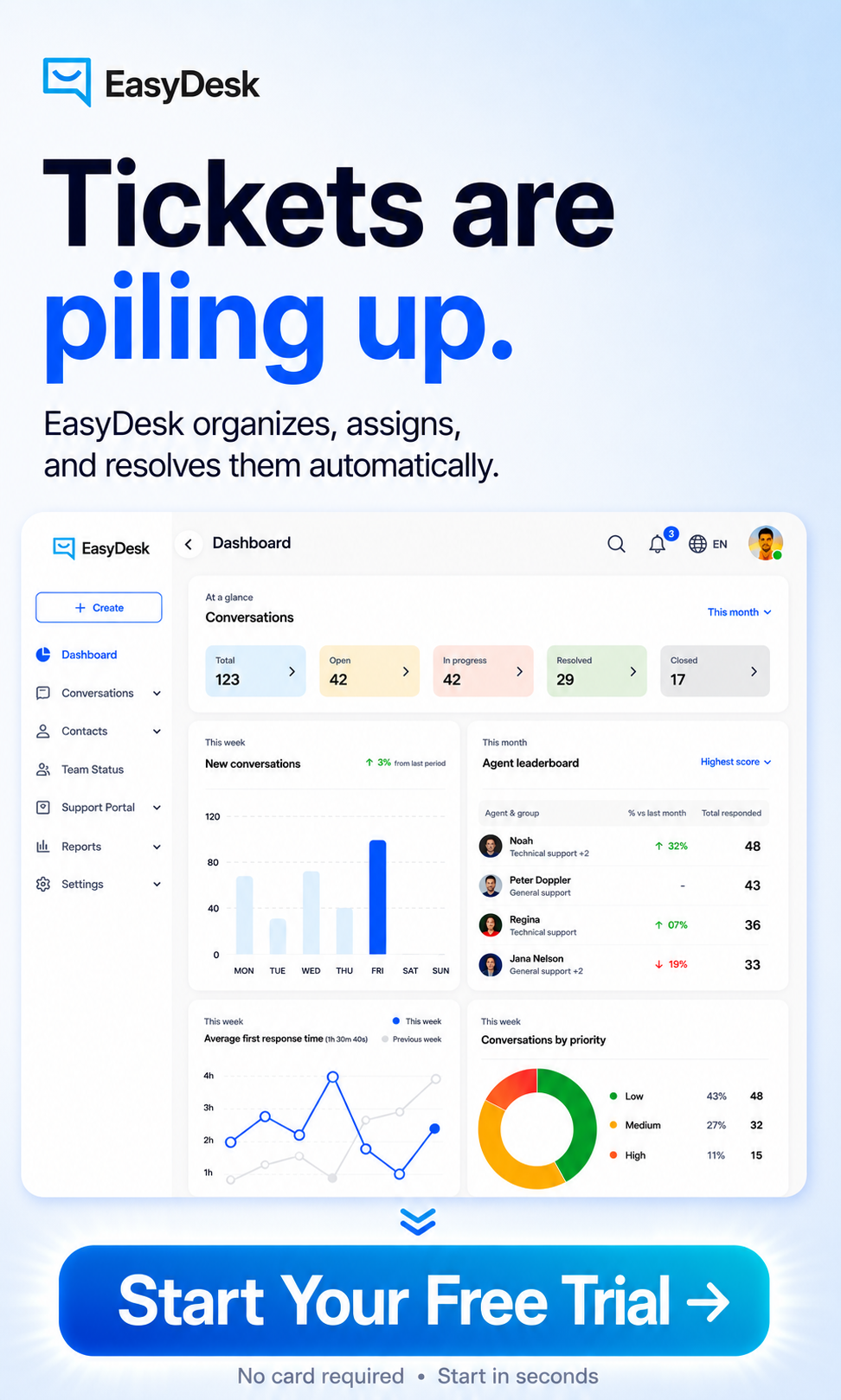
EasyDesk works as a powerful customer support platform for teams that want better control over customer communication. It brings multiple communication channels like live chat, email, and other communication tools into one place. This helps support teams manage customer inquiries, track customer interactions, and respond faster. A shared inbox and ticketing system keep customer conversations organized. It also improves team collaboration and ensures consistent communication across the entire customer journey.
EasyDesk also includes AI-powered automation, automated workflows, and smart routing. These features help automate routine tasks and manage customer requests efficiently. As a cloud-based helpdesk ticketing software, it gives teams structure to access customer data, understand customer behavior, and deliver personalized communication. Detailed guides on managing support tickets efficiently using EasyDesk and choosing the right shared inbox software for teams show how to get the most from these capabilities. This enhances customer satisfaction and overall customer experience, reinforcing EasyDesk’s focus on secure, transparent customer support. EasyDesk supports omnichannel customer communication and helps businesses engage customers while building strong customer relationships.
FAQs
How Does A Customer Communication Platform Handle High Volume Customer Interactions Across Multiple Channels Without Performance Drops?
Yes, a well-built customer communication platform uses AI powered automation and scalable architecture. It helps manage customer conversations across multiple communication channels without delays. This ensures consistent communication and stable customer experience even during peak load.
Can Customer Communication Management Software Integrate Deeply With Customer Relationship Management And Marketing Automation Tools?
Yes, most advanced customer communication tools support deep integration with customer relationship management and marketing automation tools. This allows seamless data flow, better customer insights, and improved personalized communication across the customer journey.
What Role Does Sentiment Analysis Play In Optimizing Customer Communication Strategy For Enterprise Teams?
Sentiment analysis helps track customer feedback and emotional tone in customer interactions. It allows teams to adjust communication strategy and prioritize urgent customer requests. This improves customer satisfaction and enhances overall customer engagement.
How Do Omnichannel Customer Communication Platforms Maintain Context Across Complex Customer Journeys?
A customer communication platform stores customer data and tracks all customer interactions in one system. It connects conversations across various channels. This helps support teams manage customer communication with full context and deliver consistent communication at every stage.
Does Automation In Customer Communication Software Reduce Quality Of Personalized Communication In Customer Support?
No, modern AI-powered systems balance automated responses with human input. They use customer behavior and customer preferences to deliver personalized communication. This approach enhances customer interactions while maintaining high overall customer satisfaction.