Ticket tracking software turns scattered support requests into organized tickets that teams can track from first contact to final resolution. In 2026, email alone is no longer enough for busy support teams. Picture an ecommerce brand receiving hundreds of daily questions through email, live chat, phone, forms, and social media. Without a ticketing system, replies get missed, agents duplicate work, and urgent customer issues wait too long.
Ticket tracking software helps customer support, IT service management, HR, and internal help desks manage tickets with clear ownership and full context. The best systems combine automation, collaboration, structured customer data, and reporting in one platform. This guide explains definitions, process steps, key features, benefits, best practices, software selection, EasyDesk, and common questions.
What Is Ticket Tracking Software
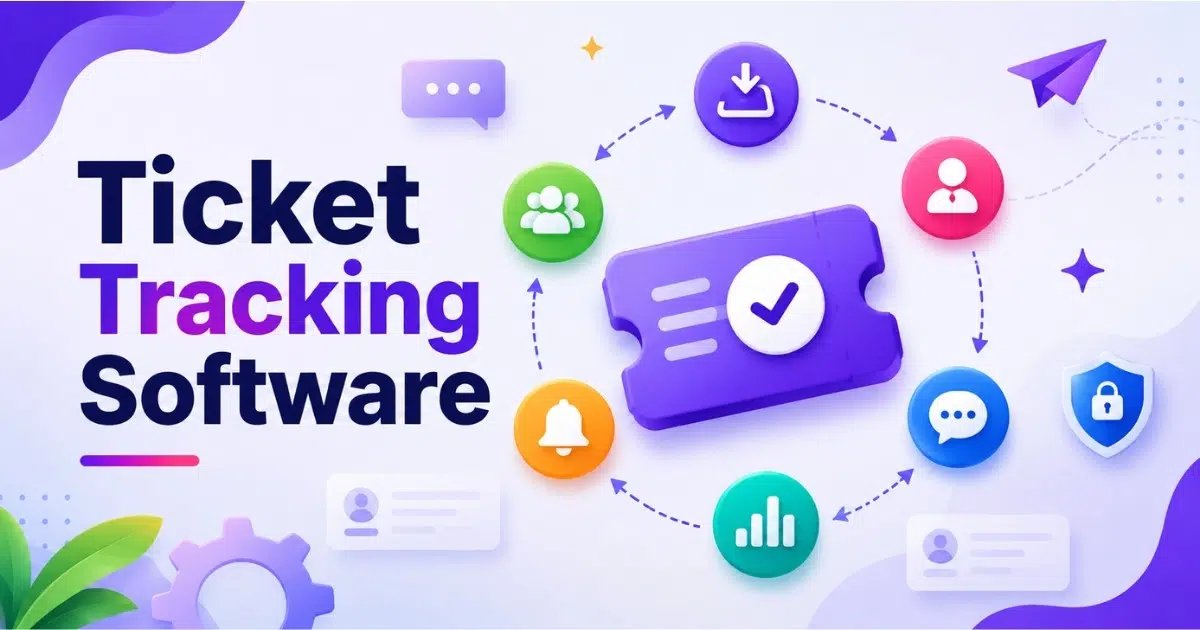
Ticket tracking software is designed to monitor, organize, and manage support inquiries throughout their lifecycle, converting customer communications from various channels into traceable tickets. Each support ticket becomes a structured record with a requester, status, priority, channel, timestamps, category, tags, and full communication history. Instead of searching across inboxes, chat logs, and spreadsheets, agents can track requests in one system and resolve issues with all the information they need.
A generic ticketing system may focus on simple issue lists and task status. An it ticketing system is a centralized platform that allows team members to submit requests or raise issues, enabling IT teams to track, prioritize, and resolve these tickets efficiently. IT ticketing systems help streamline the process of addressing IT issues, reducing response times and improving overall organizational efficiency by automating ticket categorization and prioritization. A customer service help desk usually adds external support channels, customer satisfaction measurement, canned replies, and customer experience reporting.
Ticket Tracking Process From Request To Resolution
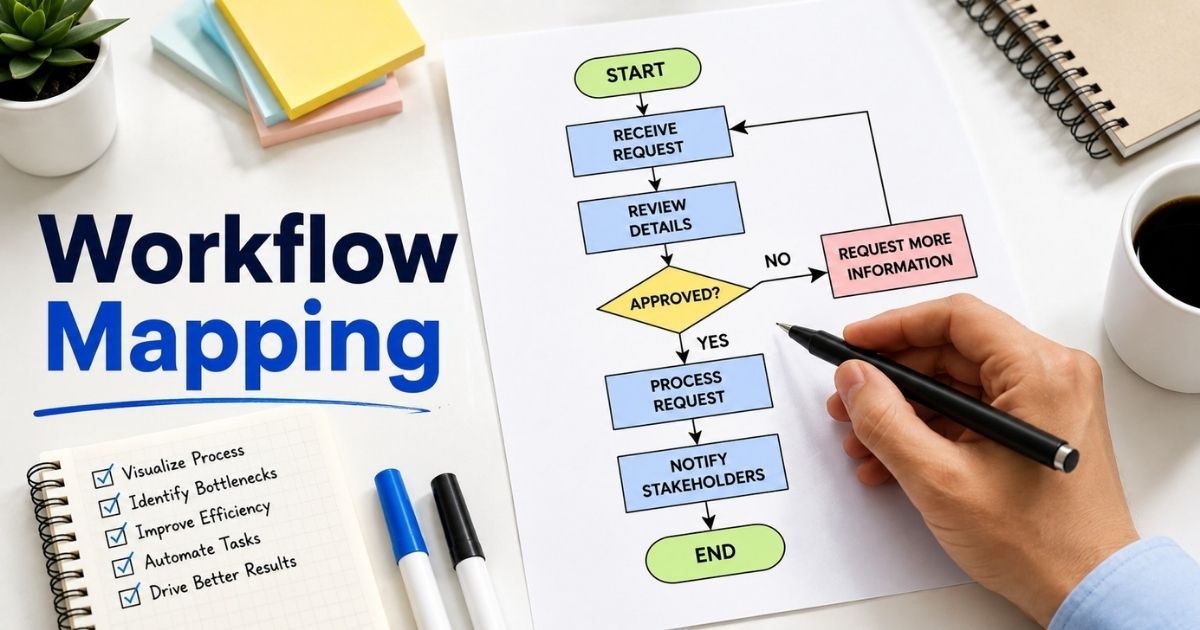
A repeatable support workflow keeps service management predictable. It also helps teams deliver consistent service because every request follows the same clear path instead of depending on memory, inbox habits, or guesswork.
Step 1: Ticket Creation
New tickets can come from email, live chat, web forms, phone logs, self-service portals, and social media. Omnichannel support is a key feature of ticket tracking software, allowing requests from various communication channels to be converted into centralized tickets for unified tracking and management. This gives agents one queue instead of several disconnected channels.
Centralized ticket creation improves visibility across support operations and reduces missed requests. A unified queue also helps agents manage customer communication faster while improving response consistency, workload distribution, and collaboration between multiple support teams.
Step 2: Ticket Categorization, Tagging, And Prioritization
After creation, teams categorize the request by type, such as billing, technical, access, feature request, or internal service. Tags add more detail, such as customer plan, product area, language, or region. Teams usually prioritize tickets by severity and impact. A login issue affecting one user may be medium priority, while an outage affecting many users becomes urgent.
Automation is a critical feature in ticket tracking software, allowing for the automatic categorization and prioritization of tickets, which helps streamline the ticket management process; a dedicated ticket automation software guide can help teams design effective rules and workflows.
Accurate categorization helps support teams organize workloads efficiently and reduce delays during issue resolution. Prioritization rules also improve SLA management by ensuring urgent requests receive immediate attention before lower impact customer issues.
Step 3: Ticket Assignment And Routing
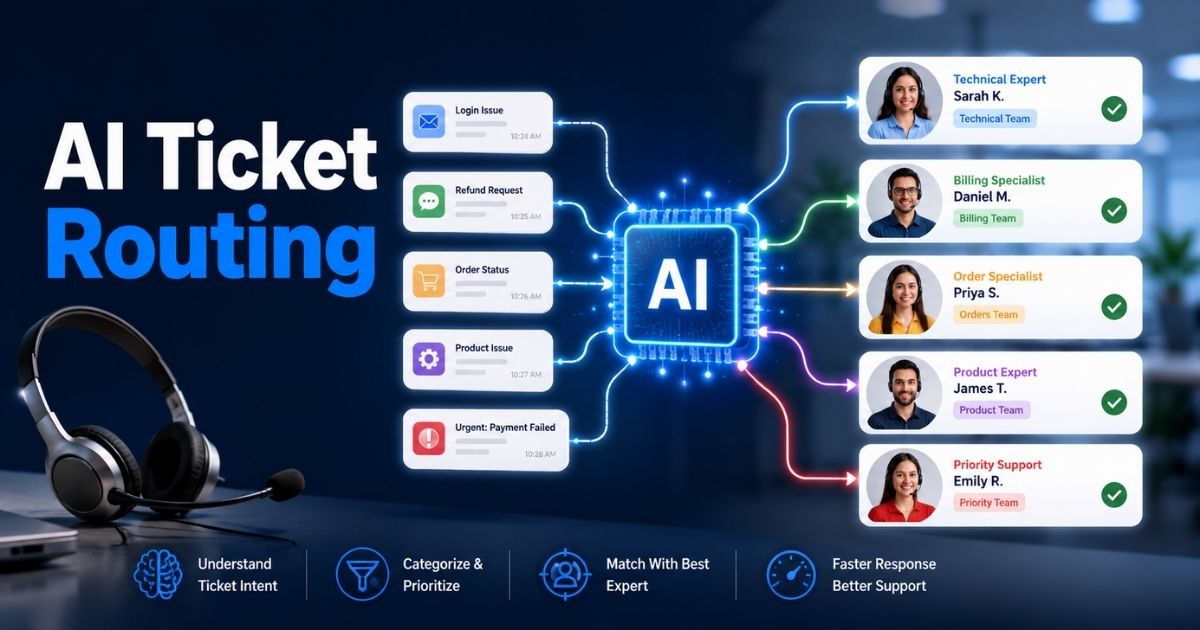
Ticket assignment decides who owns the work. Ticket routing can follow round-robin rules, skills-based rules, workload balance, customer type, or SLA urgency, and many teams rely on automated ticket assignment to apply these rules consistently at scale. This helps the right tickets reach the right agents quickly. For example, technical bugs can go to product support, billing requests to finance support, and VIP requests to senior agents.
Smart routing improves operational efficiency by reducing manual assignment work and preventing ticket bottlenecks. Balanced workload distribution also supports faster response times, better agent productivity, and more consistent service across customer support operations.
Step 4: Resolution Work And Team Collaboration
Agents investigate the issue, ask clarifying questions, attach files, review logs, and update ticket status. Internal notes help agents collaborate without exposing private discussion to customers. A knowledge base can speed up answers for routine tasks, while ai tools and ai automation can summarize conversations or suggest useful replies. Modern ticketing systems prioritize collaboration, visibility, and human connection, allowing support teams to manage customer inquiries more efficiently and effectively across multiple channels.
Collaboration features help agents stay aligned while resolving complex customer issues across departments. Shared visibility, internal communication, and centralized updates also reduce duplicate work while improving accuracy, transparency, and overall customer experience during support interactions.
Step 5: Ticket Closure And Follow Up
Once the issue is solved, the agent closes the ticket and may send a satisfaction survey. Closure data flows into dashboards for backlog, first response time, resolution time, SLA breaches, customer satisfaction, and agent performance. This creates a feedback loop for continuous improvement and helps managers spot patterns before they become larger support operations problems.
Follow up processes help businesses measure service quality and identify recurring support challenges early. Performance analytics, customer feedback, and reporting dashboards also support long term improvements in workflow optimization, customer satisfaction, and support team efficiency.
Key Features Of Effective Ticket Tracking Systems
Not every platform fits every team. The key features should match ticket volume, channel complexity, security needs, and the maturity of your workflows.
Automation Capabilities
Strong automation features reduce repetitive tasks and save time. Useful rules include auto-replies, auto-assignment, SLA reminders, status changes, escalation alerts, and keyword-based routing. Effective ticket tracking systems should include features such as smart automation, advanced SLA management, and comprehensive reporting and analytics to enhance support operations.
Automation improves operational consistency by reducing manual workload, improving ticket routing accuracy, maintaining SLA compliance, and helping support teams deliver faster responses during high volume customer service periods without workflow disruptions; understanding the tradeoffs in manual vs automated ticketing helps teams choose the right level of automation.
Omnichannel Support
Omnichannel support brings email, live chat, social media, phone, portal requests, and forms into one queue. A customer might ask a question on social media, then follow up by email. With unified ticket tracking, agents still see the full context and can continue the same conversation instead of starting over.
Zendesk serves as a benchmark platform for handling high-volume customer experience requests and omnichannel ticket routing, consolidating requests into one workspace, similar to modern multi-channel customer support platforms that centralize conversations across email, chat, social, and phone. This shows why unified tracking has become a standard expectation for teams handling high volume service requests.
Unified communication helps support teams maintain conversation continuity, reduce duplicate responses, improve ticket visibility, and deliver a more organized customer experience across multiple communication channels and support workflows.
Collaboration Tools
Support work often involves more than one person. Collaboration capabilities such as private notes, shared inbox views, collision detection, ticket merging, ticket splitting, and mentions keep agents on the same page. The most effective ticket tracking software combines robust issue tracking with advanced project management, team collaboration, and automated workflow software that coordinates tasks behind the scenes.
Collaboration tools improve coordination between departments, strengthen internal communication, reduce confusion during issue resolution, and help support agents manage complex customer requests more efficiently across shared service operations and workflows.
Reporting And Analytics
Effective ticket tracking systems should provide comprehensive reporting and analytics capabilities, enabling organizations to gain insights into ticket inflow, resolution times, and agent performance. Important reporting capabilities include ticket volume, backlog, first response time, resolution time, SLA breaches, first contact resolution, channel trends, and customer satisfaction.
According to customer service benchmark research from Freshworks, teams increasingly compare response and resolution performance by segment and maturity level to improve service quality over time. You can review the Freshworks Customer Service Benchmark Report for broader industry context.
Integrations, Security, And Compliance
Integrations connect support with the tools a business already uses. IT teams may connect issue trackers, monitoring tools, or jira service management. Customer teams may connect a CRM, chat widget, hubspot crm, payment platform, or zoho desk migration source. Jira Service Management is a service desk platform that connects IT, operations, and engineering teams, enabling internal tickets to convert to development tasks, especially when paired with automated ticket management software that accelerates routing and response.
Security matters because tickets often contain customer data. Look for role-based access, audit trails, encryption, data retention controls, and compliance support for relevant regulations. These advanced features help protect users while giving agents the resources they need to provide the best service.
Benefits Of Adopting Ticket Tracking Software
The benefits of ticket tracking usually appear after teams use the system consistently for a few weeks. Customers get faster help, and internal teams gain control over work that once felt scattered.
Clearer Organization And Visibility
Implementing ticket tracking software enhances organizational efficiency by centralizing requests and providing clear workflows, which eliminates confusion about who is handling what and prevents duplicate work. Before adoption, a help desk may have unassigned email threads across several inboxes. After adoption, every request has an owner, status, and next step.
Centralized visibility improves accountability across support operations and helps managers monitor workloads more effectively. Organized ticket tracking also reduces communication gaps, improves workflow consistency, and creates a more structured customer support environment.
Faster Response Times And Resolutions
Ticket tracking systems improve response times through automation features like ticket routing and prioritization, allowing support teams to address urgent issues faster. Automated acknowledgments, canned replies, and escalation rules help agents focus on solving customer issues instead of sorting messages, and targeted ticket automation workflows can further streamline busy periods. Efficient ticket management leads to faster resolutions and more consistent service quality, directly enhancing customer satisfaction and fostering greater loyalty.
Automated workflows reduce manual effort while helping agents respond to high priority requests quickly. Faster response management also improves customer trust, strengthens service reliability, and supports better long term customer relationships.
Better Support Quality Across Channels
Centralized customer data helps agents avoid asking customers to repeat details. A complete record of past tickets, account type, product area, and customer interactions supports a better customer experience. Agents can respond with more context, more confidence, and a consistent tone across email, chat, phone, and social media.
Unified communication history improves support accuracy and helps teams maintain consistent service quality across channels. Better context visibility also allows agents to resolve customer concerns faster without repeating unnecessary verification steps.
Smarter Management Decisions
Comprehensive reporting capabilities of ticket tracking software provide insights into support operations, revealing patterns in customer issues and agent performance metrics, which enable strategic decisions about staffing and training. Managers can see recurring product issues, peak times, overloaded queues, or training gaps. Using IT ticketing systems allows organizations to collect data on recurring issues, which can inform long-term decision-making and help reduce the frequency of these problems in the future.
Performance analytics help businesses identify operational bottlenecks, improve resource planning, and optimize support workflows over time. Data driven decisions also strengthen team productivity and improve long term customer service performance across departments.
Better Financial Outcomes
A structured system reduces missed requests, duplicate replies, unnecessary escalations, and overtime. Faster service can reduce churn, while self-service and automation lower cost per ticket. Industry benchmarks from Converge place global cost per ticket around $7 in many environments, although real cost depends on support model, team size, and ticket complexity, and broader overviews of the benefits of using a ticketing system highlight similar financial impacts.
Operational efficiency helps businesses reduce support costs while improving overall service quality. Lower ticket handling time, fewer escalations, and better workflow management also contribute to stronger financial performance and long term scalability.
Best Practices For Managing Ticketing Systems In 2026
Software helps, but habits make the system work. The strongest support teams define rules, train users, review data, and refine workflows regularly, especially when moving from shared inboxes to streamlined email-to-ticket workflows.
Define Categories, Priorities, And SLAs
Before rollout, define ticket categories, priority levels, and SLA targets. For example, a SaaS team may set a first response target of one hour for urgent email tickets and under 30 seconds for live chat. Clear rules help agents prioritize tickets fairly and prevent debates during busy periods.
Well defined categories and SLA policies improve workflow consistency, reduce confusion during high ticket volume periods, and help support teams manage customer expectations more effectively across different communication channels and service requests.
Build A Searchable Knowledge Base
A knowledge base helps both customers and agents answer common questions faster. Customers can self-serve simple issues, while agents can reuse approved guidance, especially when email requests are converted into structured tickets through email-to-ticket tools. Keep articles short, searchable, and updated. Remove outdated content so agents do not rely on incorrect resources.
Searchable resources improve support efficiency by reducing repetitive questions and helping agents access verified answers quickly. Updated documentation also improves self service experiences while reducing overall ticket volume across support operations.
Train Agents And Staff Regularly
Training should cover workflows, tone of voice, security rules, automation, internal notes, escalation paths, and reporting. When the platform changes, train the team again. Regular training keeps support quality consistent and helps new users understand how to manage tickets without confusion.
Consistent training improves agent confidence, strengthens communication quality, and reduces operational mistakes during customer interactions. Well trained teams also adapt faster to workflow updates, automation changes, and evolving customer service requirements.
Review Metrics Every Month
Monthly reviews help teams spot aging queues, rising ticket volume, repeated SLA breaches, and poor routing rules. Use data to adjust forms, remove outdated queues, improve macros, and refine automation; this kind of tuning keeps ticket automation reliable during peak seasons. This turns ticket tracking into a continuous improvement habit rather than a one-time setup.
Regular performance reviews help businesses identify workflow inefficiencies before they affect customer satisfaction. Data analysis also supports smarter operational decisions, stronger resource planning, and long term improvements across customer support processes.
Align With Broader Service Management
Ticket tracking should fit the organization’s broader service management frameworks. IT teams may align tickets with incident, problem, change, and asset processes. Customer support teams may align ticket insights with customer success, product feedback, and customer experience goals. This prevents support data from becoming isolated from the rest of the business.
Integrated service management improves collaboration between departments and creates stronger operational alignment across business functions. Shared visibility also helps organizations use support insights to improve products, services, and customer experience strategies.
How To Select The Right Ticketing Software For Your Team
Requirements vary by team size, support model, and workflow complexity. A startup may need an intuitive interface and fast setup. A larger business may need advanced features, audit controls, custom workflows, and integrations across many tools. To select the ideal software for an organization, it is important to review a breakdown of top industry solutions categorized by their operational strengths, including options like ticketing software built for better customer support.
Match The Platform To Team Needs
Start with the basics: scalability, usability, onboarding time, automation depth, reporting flexibility, security, and channel coverage. The right ticket tracking software can significantly reduce bottlenecks and boost productivity, with options depending on team needs, size, and workflows, and some teams will want to compare contenders like the best ticket management system for their context.
A well matched platform improves operational efficiency by supporting existing workflows without unnecessary complexity. Teams also benefit from better adoption rates, smoother onboarding, and stronger long term scalability across support operations.
Check Existing Tool Integrations
Integrations reduce context switching and duplicate work. A platform should connect with live chat, CRM systems, phone tools, monitoring systems, payment tools, and internal communication apps. Jira Service Management is well-suited for bridging internal project management and external IT or customer service ticketing. GitHub Issues integrates issue tracking and milestone management with repositories, beneficial for teams in the GitHub ecosystem, especially when paired with structured ticket creation and management that standardizes how requests enter the system.
Strong integrations improve workflow continuity by connecting support data across multiple systems. Centralized communication also helps agents access customer information faster while reducing manual work and operational inefficiencies during ticket resolution.
Compare Operational Strengths
Different tools serve different operating styles. Jira Software is considered the industry standard for software engineering and technical teams, featuring customizable issue workflows and backlog management, particularly when complemented by automated ticket management software to handle repetitive routing and prioritization. Jira is considered the gold standard for Agile development, offering robust bug tracking and developer integrations.
Operational comparisons help businesses identify platforms that align with workflow complexity, technical requirements, and collaboration needs. Choosing the right system also improves long term productivity, reporting accuracy, and support process scalability.
Involve Frontline Agents And Stakeholders
Agents, managers, IT, security, and operations should all test the system before purchase. Agents know where routine tasks slow them down. Managers need visibility into performance. IT needs safe configuration and integration control. This shared input helps avoid poor adoption after launch.
Cross functional involvement improves decision quality by identifying usability concerns, operational gaps, and security requirements early. Shared feedback also helps businesses select ticketing software that supports both technical and customer service goals effectively.
Run A Time Boxed Pilot
A 30-day pilot is often enough to test ticket forms, routing rules, SLA alerts, reporting, automation, and customer communication. Use a limited group, track response time and resolution time, and compare the experience against your current support workflow. Also evaluate total cost of ownership, including licenses, setup, training, migration, integrations, and possible custom work.
Pilot testing helps teams validate workflow performance before full deployment and reduces implementation risks. Early testing also reveals configuration issues, training needs, and operational limitations that may affect long term system adoption and efficiency.
Why EasyDesk Is A Strong Choice For Ticket Tracking
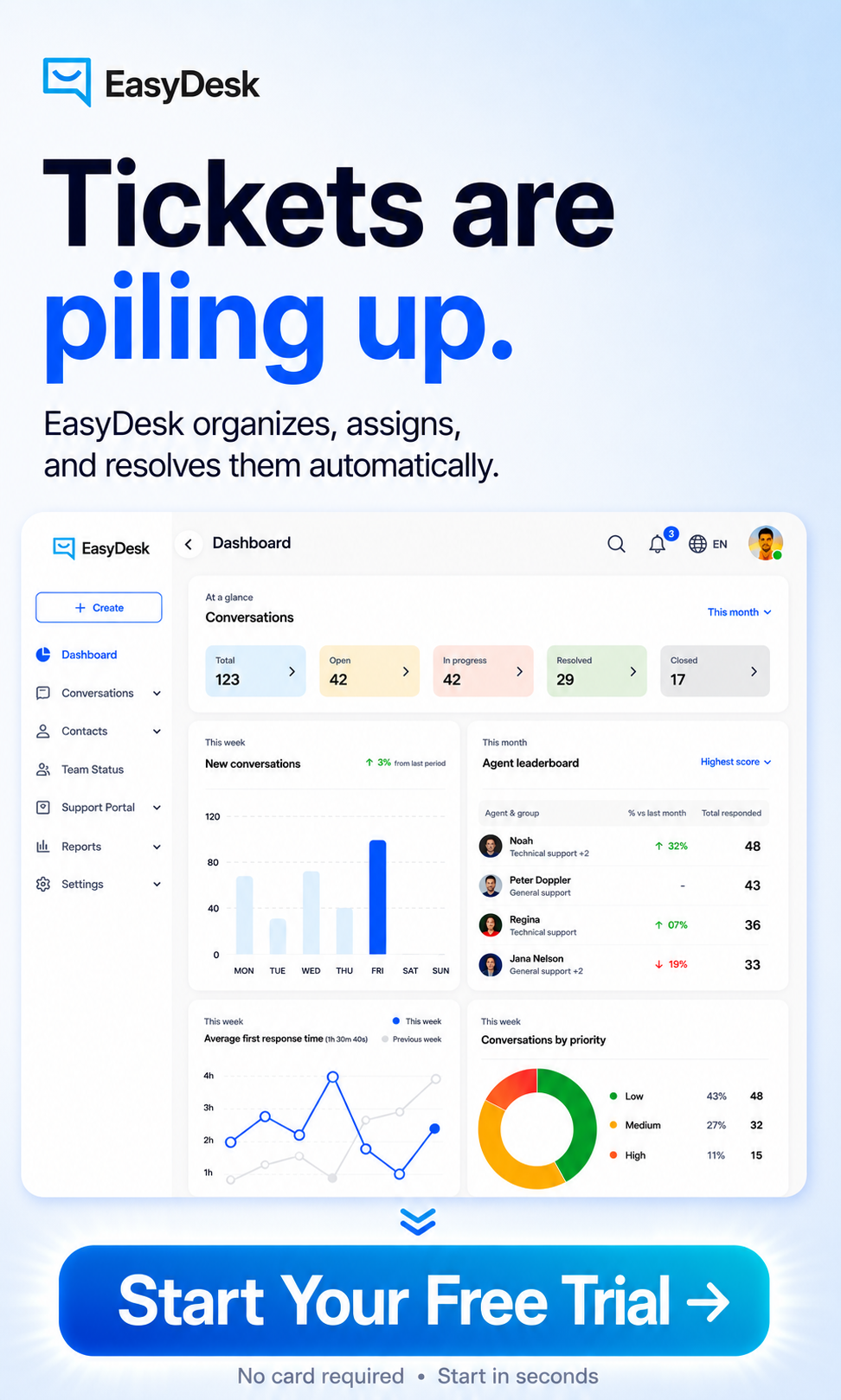
EasyDesk is a modern ticketing system built for teams that want organized support without heavy complexity. It helps support and IT teams centralize email, chat, social media, and portal requests into one workspace, making it easier to see ownership, priority, status, and SLA progress, delivering the kind of ticketing software built for better customer support that modern teams expect.
EasyDesk supports practical automation, including routing rules, auto-replies, escalation workflows, and smart triage through Eden, its AI assistant. Eden can classify tickets and create instant conversation summaries so agents can move faster without losing context, building on the EasyDesk helpdesk ticketing software core features. This helps teams save time while keeping customer support personal and accurate.
EasyDesk also stores complete customer data and ticket history inside each record, including contact details, previous conversations, product or plan information, and related activity, tying into broader EasyDesk features for smarter, secure support. Agents can understand the situation before replying, which supports faster resolutions and better customer satisfaction.
Frequently Asked Questions
How Does Ticket Tracking Software Differ From A Simple Shared Inbox
A shared inbox mainly stores messages, while ticket tracking software turns each message into a structured record with owner, status, priority, SLA, history, and reporting. That structure prevents duplicate replies, shows who is responsible, and gives managers visibility once support grows beyond a few agents or one simple email queue.
Can Small Teams Benefit From A Ticketing System Or Is It Only For Large Companies
Yes, small teams benefit because every request becomes visible, searchable, and assigned. Two or three agents can use basic automation, canned replies, and shared history to stay on the same page, especially when they manage support tickets efficiently using EasyDesk. A small SaaS startup can adopt ticket tracking early, reduce response delays, and prepare for future growth without chaos.
What Kind Of Customer Data Should Be Stored Inside Tickets
Tickets should store only useful customer data, such as contact details, account or plan type, product involved, past issues, device or environment information, and communication history. Avoid passwords, unnecessary health details, or sensitive financial data. Follow GDPR, CCPA, or local rules, and use access controls for protection at scale too, leaning on a secure customer support platform like EasyDesk when possible.
How Long Does It Usually Take To Implement A New Ticketing System
Implementation time depends on scope. A basic help desk with email, forms, and simple rules may take a few days to one week, particularly for an email ticketing system that primarily converts messages into tickets. A complex service desk with IT workflows, migration, integrations, approvals, and training can take several weeks, often four to eight weeks or longer for enterprise rollouts sometimes.
Is It Possible To Use One Ticketing Platform For Both IT Support And Customer Service
Yes, one platform can serve IT support and customer service if it supports separate queues, forms, permissions, and workflows, supported by robust ticket creation and management capabilities. Keep internal incidents private, tailor SLAs by department, and define ownership clearly. Before committing, test role based access and reporting so mixed teams do not confuse priorities or visibility later again.