Customer support gets messy fast when tickets pile up across email, chat, phone, and social media. Teams miss updates. Customers wait too long. Important issues slip through the cracks. That is where an enterprise ticketing system changes everything.
A modern enterprise ticketing system helps businesses organize support requests, automate repetitive tasks, and track every customer interaction from one place. Support teams work faster. Managers gain better visibility. Customers get quicker responses and a smoother experience.
Large organizations also need more than basic ticket management. They need automation, SLA tracking, AI support, reporting, workflow control, and multi-channel communication. Modern ticketing systems now focus heavily on workflow automation and service efficiency to improve support operations at scale.
What Is An Enterprise Ticketing System And How Does It Work
An enterprise ticketing system is a centralized platform that helps businesses manage support requests, IT tickets, and service requests from one place. It works like advanced help desk software for large companies and larger organizations. Every support ticket goes through a streamlined process, from ticket submission to ticket resolution. The system can assign tickets to the right support agent or right team members based on workload, skills, or priority. Tools like Jira Service Management also support workflow automation, SLA management, and automated ticket assignment to improve operational efficiency. Modern enterprise ticketing platforms now focus heavily on automation, response times, and customer satisfaction.
A modern ticketing system also supports multi-channel support through email, chat, phone, and even Facebook Messenger. Support teams and IT team members can track ticket volume, manage bug reports, and resolve issues from a single platform. Advanced features like self-service portals, knowledge base access, advanced analytics, asset management, machine learning, and real-time data help improve customer experience and user satisfaction. Seamless integration with collaboration tools like Microsoft Teams creates clear communication across support operations and technical support workflows.
Key Features Every Enterprise Ticketing System Should Include
A modern enterprise ticketing system does much more than basic ticket management. Large organizations now expect automation, analytics, self-service, and seamless integration from a single platform. Strong features help support teams reduce ticket volume, improve response times, and deliver better customer satisfaction across every support channel.
Smart Ticket Routing
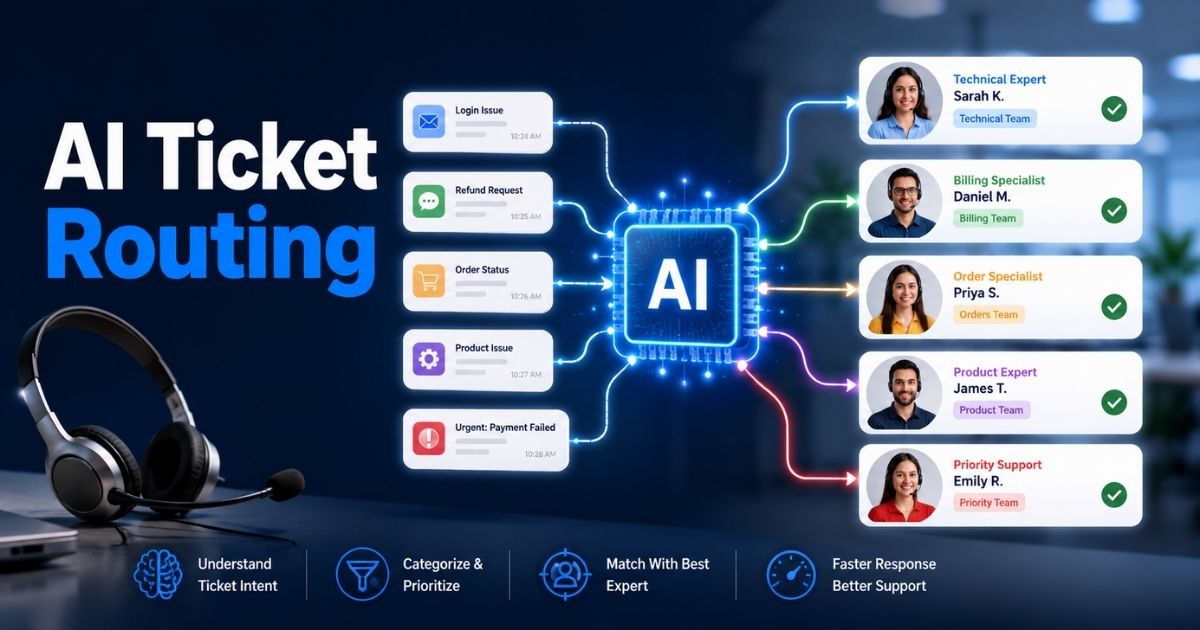
Support requests move fast in large companies. A ticketing system should send every support ticket to the right support agent without delays. Automated ticket assignment helps IT team members and operations teams handle issues in a timely manner. It also reduces confusion between departments.
Modern help desk software uses workflow automation and machine learning to prioritize service requests. Some enterprise help desk platforms also use sentiment analysis to detect urgent issues. Research shows AI-powered ticket routing can reduce resolution time by nearly 35%.
Multi-Channel Support
Customers no longer rely on one communication channel. They use email, live chat, phone, community forum platforms, and even Facebook Messenger to submit tickets. A strong enterprise ticketing system should combine every support request into a single platform, supporting multi-channel customer support without losing context between channels.
Multi-channel support creates clear communication between support teams and end users. Support agents can view customer conversations from one dashboard instead of switching between tools. Reports show businesses with multichannel support improve customer experience and customer satisfaction much faster than traditional desk software.
Self Service Portal
Many customers prefer solving simple issues without external support. A self-service portal gives users access to a knowledge base, FAQs, and troubleshooting guides. This feature lowers ticket volume and improves operational efficiency for support operations.
A good self-service system also helps facilities management teams and IT teams reduce routine tasks. End users can submit tickets only when needed, and well-designed workflow automation in customer support ensures these requests move smoothly through each step. Modern platforms like Jira Service Management connect self-service tools with a Confluence knowledge base for faster ticket resolution and better user satisfaction.
Workflow Automation
Manual processes slow down enterprise software environments. Workflow automation helps support workflows move faster across departments. Teams can automate ticket routing, SLA management, approvals, escalations, and ticket submission without extra effort using dedicated ticket automation software.
Automation also helps support agents focus on technical support instead of repetitive work. Studies show IT teams spend nearly 60% to 70% of their time on routine tasks that automation can handle. Modern IT ticketing systems now rely heavily on AI and advanced features to improve operational efficiency.
Analytics And Reporting
Real-time data helps managers understand how support operations perform. Advanced analytics track ticket volume, response times, ticket resolution speed, and support agent performance from one place. This helps larger organizations improve service management decisions faster and realize many benefits of using a ticketing system across the business.
Enterprise ticketing platforms also use dashboards to monitor bug reports, SLA breaches, and customer experience trends. Some systems even use machine learning to predict workload and assign tickets to the right team member. The help desk software market continues to grow rapidly because businesses now depend heavily on data-driven support strategies.
Benefits Of Using An Enterprise Ticketing System For Large Organizations
Large organizations handle thousands of support requests every month. Manual processes create delays, missed tickets, and poor communication between teams. A modern enterprise ticketing system helps businesses organize support operations, improve service management, and deliver faster ticket resolution across every department.
Faster Ticket Resolution
An enterprise ticketing system helps support teams resolve issues much faster. Automated ticket assignment sends every support ticket to the right support agent based on skills, workload, or priority. This reduces delays and improves response times across technical support teams.
Workflow automation also removes repetitive manual work. IT team members can focus on critical service requests instead of routine tasks, especially when they move from manual vs automated ticketing approaches to fully automated workflows. Research shows AI-powered service management tools can reduce average resolution times by nearly 52%. Faster support directly improves customer satisfaction and user satisfaction across larger organizations.
Better Team Collaboration
Large companies often struggle with disconnected communication between departments. A modern ticketing system creates a single platform where operations teams, support agents, and external support teams can work together. Clear communication helps teams resolve issues without confusion.
Many enterprise help desk platforms also offer seamless integration with collaboration tools like Microsoft Teams and other multichannel helpdesk software. Team members can share updates, assign tickets, and track support workflows in real time. Centralized communication reduces duplicate work and improves operational efficiency across support operations.
Higher Customer Satisfaction
Customers expect quick responses and smooth support experiences. A strong help desk software system helps businesses handle ticket volume across email, chat, phone, and Facebook Messenger from one dashboard. Multi-channel support keeps every customer interaction organized.
Self-service portals and knowledge base systems also improve customer experience. End users can submit tickets, check updates, or solve simple issues without waiting for a support agent. Reports show nearly 73% of customers prefer self-service options for faster support. Better service leads directly to stronger customer satisfaction.
Improved SLA Performance
SLA management becomes difficult when support requests increase across multiple departments. Enterprise ticketing systems track deadlines, priorities, and ticket routing automatically. Support teams receive alerts before service targets are missed.
Real-time data and advanced analytics help managers monitor support operations closely. Some enterprise software platforms also use machine learning and sentiment analysis to detect urgent tickets faster, especially when combined with a robust ticket SLA management framework. Businesses with automated SLA tracking often improve service delivery consistency and reduce escalations significantly.
Lower Operational Costs
Manual ticket management increases labor costs and slows desk software work. Enterprise ticketing platforms automate ticket submission, asset management, bug reports, and support workflows from a single point. This improves efficiency without increasing support team size.
Automation also reduces pressure on IT teams and facilities management departments. A cost-effective IT ticketing system can lower repetitive work while improving automated ticket management quality. Industry studies show automation can reduce support operation costs by nearly 30% in large companies.
Enterprise Ticketing System Workflow From Ticket Creation To Resolution
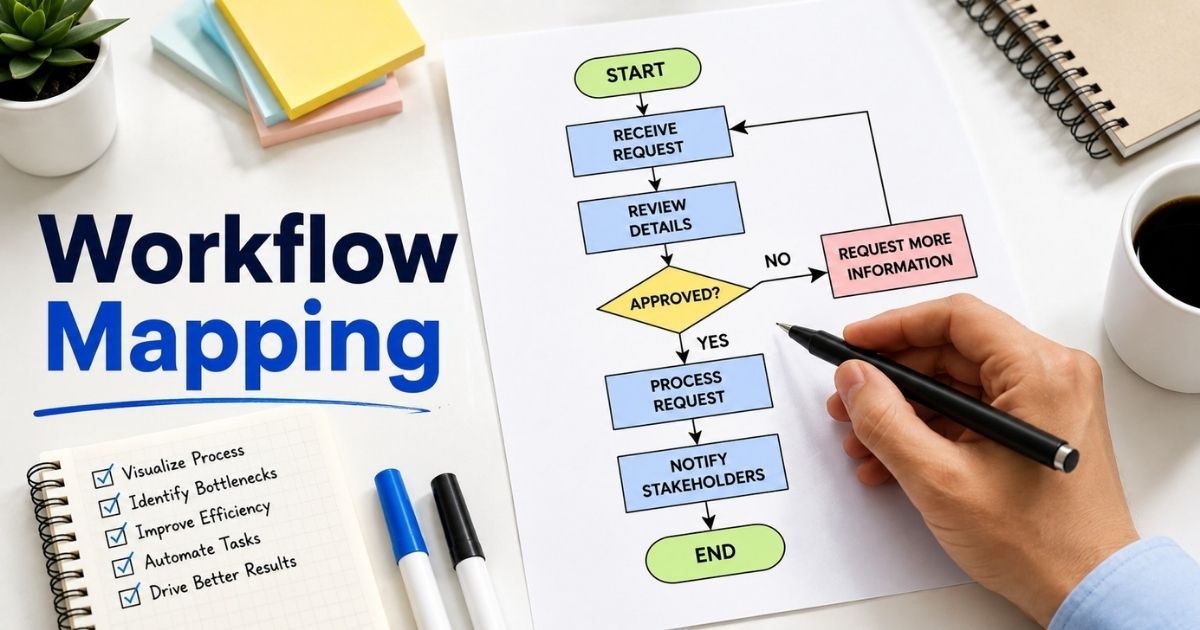
A modern enterprise ticketing system follows a structured workflow from ticket submission to final resolution. Every stage helps support teams stay organized and reduce delays. A clear process also improves customer experience, operational efficiency, and response times across large organizations.
Ticket Submission
Every workflow starts when end users submit tickets through email, chat, phone, self-service portals, or Facebook Messenger. A good ticketing system collects all support requests into a single platform. This prevents lost conversations and helps support teams track every issue properly.
Modern help desk software also captures real-time data during ticket submission. Details like issue type, urgency, customer history, and asset information help support agents respond faster. Research shows businesses using centralized support systems improve ticket visibility and reduce response delays significantly.
Ticket Assignment
After ticket creation, the system sends the request to the right support agent or IT team members. Automated ticket assignment uses workflow automation, SLA management rules, and machine learning to route tickets faster. This step reduces manual work and avoids confusion between operations teams.
Advanced enterprise help desk systems also prioritize service requests based on urgency and workload. Technical support teams can assign tickets automatically without constant supervision. Industry reports show nearly 70% of IT departments now use automation for ticket routing and routine support workflows.
Issue Investigation
Support agents then review the support ticket and begin resolving issues. The ticketing system provides access to customer history, bug reports, asset management records, and knowledge base articles from one dashboard. This creates clear communication between support teams and end users.
Many enterprise software platforms also connect with collaboration tools like Microsoft Teams and Confluence knowledge base systems. Team members can share updates, request external support, and manage technical support cases more efficiently. Faster collaboration helps improve customer satisfaction and user satisfaction.
Resolution And Approval
Once the issue is fixed, the support agent updates the ticket resolution details inside the desk software. Some enterprise ticketing systems also require manager approval before closing service requests. This process helps larger organizations maintain quality standards and compliance records.
Workflow automation speeds up approvals and notifications automatically. Customers receive updates in a timely manner without repeated follow-ups. Reports show businesses using automated workflows can reduce operational delays and improve support efficiency by nearly 30%.
Closure And Reporting
The final stage closes the IT ticket after customer confirmation. The system stores all ticket management records for future audits, reporting, and support workflows. Historical data also helps operations teams identify recurring issues and improve service management strategies.
Advanced analytics tools measure ticket volume, response times, SLA performance, and customer experience trends. Some enterprise ticketing platforms even use sentiment analysis to evaluate user feedback after ticket closure. Data-driven insights help large companies improve operational efficiency and long-term support operations.
AI, Automation, And SLA Management In Modern Enterprise Ticketing Systems
Modern enterprise ticketing systems now depend heavily on AI, workflow automation, and SLA management. Large organizations handle massive ticket volume every day, and manual support workflows no longer work efficiently. Smart automation helps support teams reduce delays, improve response times, and deliver faster ticket resolution across multiple channels.
AI-Based Ticket Routing
AI helps ticketing systems route support requests faster and more accurately. Machine learning analyzes ticket submission details, customer history, urgency, and issue type before sending the request to the right support agent. This reduces delays and improves operational efficiency for support operations.
Modern help desk software also uses sentiment analysis to detect frustrated customers or urgent technical support cases. AI-powered ticket management tools can automatically prioritize critical IT tickets without manual review. Studies show AI-driven ticket routing can reduce resolution times by nearly 70% in enterprise environments.
Workflow Automation
Workflow automation removes repetitive tasks from daily support operations. Enterprise ticketing systems can automate ticket assignment, approvals, escalations, notifications, and SLA tracking from a single platform. This helps IT team members focus more on resolving issues instead of handling manual processes.
Automation also improves desk software work across larger organizations. Support teams can manage service requests faster without extra staffing costs. Research shows businesses using automated ticketing systems significantly improve support efficiency and reduce human errors in support workflows, especially when they adopt automated workflow software for smarter support.
Smart SLA Management
SLA management keeps service requests on schedule. Modern enterprise help desk platforms use AI to monitor deadlines, ticket routing, and response times in real time. The system can alert operations teams before SLA breaches happen.
Some advanced enterprise software tools even predict delays based on ticket volume and agent workload. AI can automatically reassign tickets or trigger escalations to maintain service quality within a dedicated SLA management system. Businesses now rely heavily on predictive SLA management because delayed support directly affects customer satisfaction and user satisfaction.
Self-Service And AI Chatbots
Self-service portals and AI chatbots now handle many routine support requests without human involvement. End users can submit tickets, check ticket status, or access a knowledge base from one place. This lowers pressure on support teams and improves customer experience.
AI chatbots also provide instant replies for common issues like password resets, access problems, and account updates. Recent reports show nearly half of IT support requests now happen outside business hours, which increases demand for AI-powered self-service tools.
Real Time Analytics
Modern ticketing systems collect real-time data from every support interaction. Managers can track response times, ticket volume, support agent performance, and SLA compliance from one dashboard. Advanced analytics help support teams improve decision-making faster.
AI also identifies trends, recurring bug reports, and workload patterns across departments. Some enterprise ticketing platforms use predictive analytics to forecast future support requests, feeding back into ticket automation software and strengthening SLA management with EasyDesk for support teams. Data-driven service management helps large companies improve operational efficiency and deliver better customer satisfaction over time.
Common Enterprise Ticketing System Challenges And How To Solve Them
Even the best enterprise ticketing system can face challenges when ticket volume grows fast. Poor workflows, delayed responses, and disconnected communication often hurt customer satisfaction. The right automation, service management strategy, and support workflows can solve most problems before they affect support operations.
High Ticket Volume
Large organizations receive thousands of support requests every week. Manual ticket management creates delays and overwhelms support teams. Support agents often struggle to prioritize service requests during peak hours, especially when multiple channels are involved.
Workflow automation and AI-based ticket routing help reduce pressure on IT team members. Automated ticket assignment sends requests to the right support agent based on skills and workload. Self-service portals and knowledge base systems also lower ticket volume by helping end users resolve simple issues on their own. Reports show self-service can reduce support requests by nearly 30%.
Slow Response Times
Delayed replies damage customer experience and user satisfaction. Many help desk software platforms fail because support teams rely too heavily on manual follow-ups. Missed updates and unclear ticket routing also create long wait times for customers.
Modern enterprise help desk systems use SLA management and real-time data to track deadlines automatically. Support workflows can trigger alerts before service targets are missed. AI and machine learning now help operations teams identify urgent IT tickets faster. Research shows automated workflows can improve response times by more than 40% in technical support environments.
Poor Team Communication
Disconnected communication often creates duplicate work across larger organizations. Support agents, operations teams, and external support teams may use different tools without clear coordination. This slows ticket resolution and causes confusion for end users.
A centralized ticketing system solves this issue through seamless integration with collaboration tools like Microsoft Teams. Team members can share updates, assign tickets, and track support requests from a single platform. Confluence knowledge base integration also improves access to technical information and bug reports. Better communication leads to faster resolving issues and stronger operational efficiency.
Limited System Integration
Many companies use separate enterprise software tools for CRM, asset management, facilities management, and customer support. Weak integration creates data silos and slows desk software work. Support agents often waste time switching between systems.
Modern IT ticketing systems solve this problem through advanced features and multichannel support integration. A single point of access helps support teams manage customer history, service management data, and ticket submission processes more efficiently, similar to dedicated multichannel helpdesk software. Studies show businesses with integrated support systems improve productivity and reduce manual tasks significantly.
Lack Of Reporting Insights
Without advanced analytics, managers cannot measure support operations properly. Teams may struggle to track ticket resolution rates, response times, customer satisfaction, or SLA performance. Poor visibility often leads to weak decision-making.
Advanced analytics tools solve this challenge with real-time dashboards and automated reports. Managers can monitor support workflows, identify recurring issues, and improve service quality faster using structured ticket creation and management capabilities. Some enterprise ticketing platforms also use sentiment analysis to understand customer feedback trends. Data-driven support strategies now play a major role in improving customer experience across large companies.
How To Choose The Best Enterprise Ticketing System For Your Business
Choosing the right enterprise ticketing system affects customer satisfaction, operational efficiency, and long-term support operations. Large organizations need more than basic help desk software. The ideal platform should support automation, scalability, seamless integration, and fast ticket resolution without creating extra complexity for support teams.
Focus On Business Needs
Every business handles support requests differently. Some companies need strong technical support workflows, while others focus more on customer service and multichannel support. A clear understanding of your service management goals helps narrow down the right enterprise software faster.
Large companies should also review ticket volume, team size, and support operations before making a decision. A platform built for small businesses may fail under heavy workloads. Research shows nearly 60% of software implementation failures happen because businesses choose tools that do not match operational needs.
Check Automation Features
Modern ticketing systems should automate routine tasks to reduce manual work. Features like automated ticket assignment, workflow automation, ticket routing, and SLA management help support teams work more efficiently. Automation also improves response times and reduces operational delays.
AI-powered tools now play a major role in enterprise help desk platforms. Machine learning can prioritize service requests and assign tickets to the right support agent automatically, helping teams manage support tickets efficiently using EasyDesk. Reports show businesses using workflow automation improve productivity by nearly 30% across IT support environments.
Review Integration Options
A strong enterprise ticketing system should connect easily with existing business tools. Seamless integration with CRM platforms, asset management systems, collaboration tools, and communication channels improves desk software work across departments.
Platforms like Jira Service Management support integrations with Microsoft Teams, Confluence knowledge base tools, and external support systems. This creates a single platform for support operations and clear communication between team members. Businesses with integrated enterprise systems often achieve faster ticket resolution and better operational efficiency.
Evaluate User Experience
Complex systems slow down support teams and frustrate end users. A ticketing system should have an intuitive interface that helps support agents manage support requests quickly. Simple navigation also improves user satisfaction across larger organizations.
Self-service portals and knowledge base access are equally important. Customers prefer platforms where they can submit tickets, track updates, and solve common issues independently. Studies show nearly 70% of customers expect self-service options before contacting a support team directly.
Analyze Reporting Capabilities
Advanced analytics help businesses measure support performance more accurately. Real-time data gives managers visibility into ticket resolution speed, response times, SLA performance, and customer experience trends. Better insights lead to stronger decision-making.
Modern enterprise ticketing platforms also use sentiment analysis and predictive analytics to identify recurring issues faster. Reporting tools help operations teams improve support workflows and optimize staffing needs, especially in cloud-based helpdesk ticketing software. Data-driven support strategies continue to grow because businesses rely heavily on measurable service management performance today.
Enterprise Ticketing System Best Practices For Better Customer Experience
A modern enterprise ticketing system can improve customer experience only when teams use the right support workflows and service management strategies. Fast responses, clear communication, and smooth ticket resolution matter more than ever. Small workflow improvements often create a major impact on customer satisfaction.
Prioritize Fast Response Times
Customers expect quick answers across every support channel. Slow replies often lead to frustration, especially when ticket volume increases. A strong ticketing system should use automated ticket assignment and SLA management to route service requests faster.
Real-time alerts also help support teams avoid missed deadlines. AI-powered help desk software can identify urgent support tickets and prioritize them automatically. Research shows nearly 90% of customers rate immediate responses as very important for customer service experiences. Faster response times directly improve user satisfaction and customer trust.
Use Self-Service Tools
Many end users prefer solving simple issues without contacting a support agent. A self-service portal with a strong knowledge base helps customers find answers quickly. This reduces support requests and improves operational efficiency for support operations.
Modern enterprise help desk platforms also connect self-service with AI chatbots and community forum tools. Customers can submit tickets only when necessary. Businesses with effective self-service systems often reduce ticket volume significantly while improving customer experience across larger organizations.
Maintain Clear Communication
Clear communication keeps customers informed throughout the ticket resolution process. Support agents should send regular updates about ticket status, delays, and next steps. Poor communication often creates confusion even when technical support teams solve the issue correctly.
A centralized enterprise ticketing platform helps operations teams manage conversations from a single point. Seamless integration with collaboration tools like Microsoft Teams also improves internal coordination between team members. Customers value transparency because it creates trust and reduces repeated follow-ups.
Track Customer Feedback
Customer feedback helps businesses improve support workflows and service quality. Advanced analytics and sentiment analysis tools allow support teams to understand customer concerns more clearly. Feedback data also highlights recurring problems in ticket management processes.
Modern enterprise software platforms collect real-time data after ticket closure through surveys and rating systems. Managers can identify weak response areas and improve support operations faster. Studies show companies that actively track customer feedback often improve retention and long-term customer satisfaction significantly.
Optimize Support Workflows
Support workflows should stay simple and efficient. Complicated desk software work slows ticket routing, approvals, and resolving issues, which is why thoughtful workflow automation in customer support is so important. Workflow automation helps support teams reduce routine tasks and improve ticket resolution speed across departments.
Large companies should regularly review SLA management rules, ticket assignment logic, and escalation processes. AI and machine learning tools also help identify workflow bottlenecks automatically. Businesses that continuously optimize support workflows often achieve better operational efficiency and stronger customer experience outcomes.
How EasyDesk Improves Enterprise Ticketing And Customer Experience
EasyDesk helps large organizations manage support requests from a single platform without adding complexity. The best ticket management system combines ticket management, workflow automation, SLA management, and multi-channel support into one streamlined process. Support teams can track every support ticket, assign tickets automatically, and improve response times across email, chat, phone, and self-service portals.
The platform also improves operational efficiency with EasyDesk features for smarter, secure customer support, including automated ticket assignment, real-time data, advanced analytics, and seamless integration with collaboration tools like Microsoft Teams that together deliver the best customer support with #1 ticketing software system. IT team members and support agents can handle ticket volume faster while maintaining clear communication across support workflows. EasyDesk also supports knowledge base management, self-service, and asset management to reduce routine tasks and improve customer satisfaction, making it a comprehensive EasyDesk customer support platform and a leading ticketing software built for better customer support. Faster ticket resolution and better support operations help larger organizations deliver a smoother customer experience across every interaction.
FAQs
Can Small Businesses Use An Enterprise Ticketing System?
Yes, many enterprise ticketing systems now offer flexible plans for growing businesses and small support teams. Modern help desk software includes workflow automation, self-service, ticket management, and multi-channel support without requiring large IT teams or expensive infrastructure.
Does An Enterprise Ticketing System Support Remote Teams?
Yes, modern enterprise help desk platforms support remote and hybrid work environments very effectively. Support agents and IT team members can manage support requests, assign tickets, and track ticket resolution from a single platform with seamless integration tools like Microsoft Teams.
How Does A Ticketing System Improve SLA Performance?
A ticketing system improves SLA management through automated ticket assignment, ticket routing, and real-time alerts. Support workflows help operations teams track deadlines, reduce response times, and handle service requests in a timely manner before SLA breaches happen.
What Role Does A Knowledge Base Play In Ticket Management?
A knowledge base helps end users solve common issues without contacting the support team. It also helps support agents access technical support articles, bug reports, and troubleshooting steps faster. This improves customer experience and reduces ticket volume across support operations.
Can AI Reduce Manual Work In Enterprise Ticketing?
No, AI does not replace support teams completely, but it reduces routine tasks significantly. Machine learning, workflow automation, and sentiment analysis help support operations automate ticket submission, prioritize IT tickets, and improve operational efficiency across larger organizations.