Service Level Agreements (SLA) in help desk systems play a critical role in shaping customer support quality. They define clear expectations for response and resolution times, helping teams stay accountable and consistent. Without structured SLA policies, support operations often face delays, missed priorities, and inconsistent service delivery.
A well-defined SLA in help desk environments helps prioritize tickets based on urgency and impact, ensuring that critical issues are addressed first. It also gives support teams measurable targets, improving performance tracking and overall efficiency. For businesses, this means faster responses, better communication, and higher customer satisfaction, especially when they follow a structured service level agreement helpdesk guide for support teams.
By aligning support workflows with SLA metrics, organizations can reduce chaos, improve reliability, and deliver a more predictable and professional customer support experience, while also avoiding the hidden costs outlined in broader guides on what SLAs are and why they matter for service success.
What Is An SLA In A Help Desk
A help desk SLA is a written commitment between the support team and its users. It describes how fast help will respond, how quickly issues should be fixed, and what level of service people can expect. Think of it as a contract that defines service expectations in plain terms everyone understands.
Help desk SLAs work for both internal and external scenarios. An internal IT team might use an SLA to promise employees that critical issues get attention within 15 minutes. A SaaS company might offer paying customers different support services based on their subscription tier, backed by clearly defined customer service roles and responsibilities across the team. Both the service provider and the user benefit from this clarity.
A service level agreement SLA is not just a promise. It includes concrete metrics. For example, critical tickets might require a first response within 15 minutes and a fix within 4 hours during business hours. These numbers give the service desk team something to measure against.
SLAs became common in the late 1980s when organizations started outsourcing IT. They are now standard practice in IT service management frameworks like ITIL 4, which emphasizes value creation and proactive service delivery. Today, most help desk platforms display SLA timers directly on tickets. Agents can see at a glance whether a ticket is on track or at risk. This visibility changes how teams prioritize work and manage customer expectations throughout the day.
Why SLAs Matter So Much For Help Desk Teams
A strong sla in help desk sets clear rules for support services. It defines how fast teams respond and resolve issues. Clear service level agreements help manage customer expectations and improve service delivery. Teams can track performance metrics and avoid confusion across multiple customers.
Clear Expectations For Service Delivery
A solid service level agreement sla helps define service expectations from the start. Both the service provider and the customer know what to expect. It removes guesswork from service delivery.
Clear sla terms outline response time, resolution time, and service availability. Teams can align with business needs and customer expectations. When expectations stay clear, service quality improves and customer satisfaction scores rise. It also helps business teams trust the service desk team more.
Better Performance Tracking And Metrics
SLA metrics help measure performance in a structured way. Teams use key performance indicators like response sla and resolution sla to track progress. Every ticket creation gets monitored through an sla timer.
Reports show that companies using SLA-based tracking improve service performance by up to 30%. Teams can monitor performance and adjust quickly. It also helps identify service failure patterns and improve overall service level objectives. Accurate data and SLA tracking software for real-time monitoring support better decisions in it service delivery.
Faster Response And Resolution Times
Response and resolution times define how effective a help desk is. A proper service level sla ensures critical issues get quick attention. Priority levels guide support teams to act based on urgency.
Studies show that 90% of customers expect a response within 10 minutes for critical incidents. SLAs define response time and escalation paths clearly. Faster response improves customer experience and reduces downtime in business functions, especially when you use automation to reduce customer support response time. It also supports smooth handling of service requests across the same system.
Accountability With Penalties And Credits
SLAs create accountability for both the service provider and customer service providers. When a service provider fails to meet sla targets, service credits or financial penalties may apply. This ensures commitment to service quality.
Clear sla obligations and escalation procedures help reduce disputes. Teams follow defined escalation paths and handle service failure effectively. Accountability improves trust and keeps service based sla aligned with business needs. It also ensures fairness for all parties involved.
Stronger Customer Satisfaction And Trust
Customer satisfaction depends on consistent service delivery. SLAs define service expected and help manage customer expectations clearly. This leads to better customer satisfaction scores over time.
Research shows that businesses with strong SLA performance see up to 20% higher customer retention. A well-managed help desk builds trust through reliable support services. It also supports internal sla alignment with the internal it team. Consistent service quality strengthens long term customer relationships.
Core Components Of A Help Desk SLA
A well defined sla in help desk sets the structure for consistent support services. It outlines service expectations, response and resolution times, and accountability. Strong service level agreements help service desk teams deliver reliable support while meeting customer expectations and business needs.
Service Scope And Coverage
A clear service agreement defines what services provided fall under the SLA. It explains which support services the help desk will handle. This includes service request types, support channels, and service availability during business hours.
A well defined scope avoids confusion for both the service provider and the customer. Teams know what is included and what is not. This also helps manage multiple customers on the same system. Clear scope improves service delivery and reduces service failure risks across business functions.
Response And Resolution Targets
Response time and resolution time are key components of any service level agreement sla. They define how fast the service desk team must act on a ticket. Response sla and resolution sla depend on priority levels and issue severity.
Reports show that 78% of customers expect quick response and resolution times. SLAs define response and resolution clearly to meet service expectations. Fast response improves customer satisfaction and reduces downtime. It also helps teams handle critical issues without delay.
Performance Metrics And KPIs
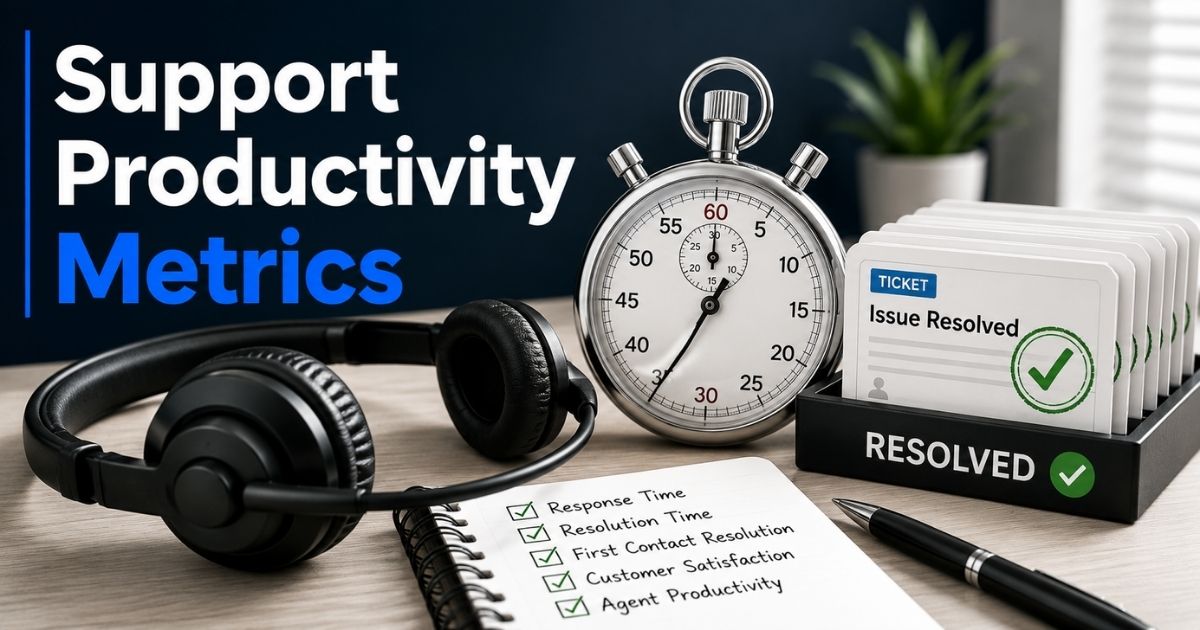
Performance metrics help measure service performance across the help desk. Common metrics include average time, sla breaches, and customer satisfaction scores. Key customer support metrics and KPIs give a clear view of sla performance.
Data shows companies that track sla metrics see up to 25% improvement in service quality. Teams can monitor performance and improve service level objectives over time. Metrics also help identify weak areas and support better it service delivery decisions.
Escalation Paths And Priority Levels
Escalation procedures define how issues move across support levels. Multi level sla structures help route complex cases to the right team. Escalation paths ensure that critical incidents get faster attention.
Clear priority levels help service desk teams focus on urgent issues first. This reduces delays in response and resolution times. It also supports better coordination between business teams and the internal it team. Structured escalation improves service quality and reduces service failure.
Penalties, Credits And Compliance
SLAs define what happens when a service provider fails to meet sla targets. Service credits or financial penalties ensure accountability. This protects customer based sla commitments and builds trust.
Studies show that companies with clear sla obligations reduce disputes by over 20%. Compliance also includes security measures and disaster recovery plans. These elements protect business needs and ensure reliable service availability. Strong enforcement improves sla's success and long term customer experience.
Typical Types Of Help Desk SLAs
Different SLA types help a help desk manage multiple customers with different needs. Each service level agreement sla focuses on specific services, users, or systems. Clear SLA types help service providers deliver better service quality and meet customer expectations without confusion.
Customer-Based SLA
A customer based sla focuses on a specific client or group. It defines service expectations for that customer across all services provided. This works well for businesses that offer tailored support services.
Each agreement includes response time, resolution time, and service availability. It helps manage customer expectations clearly. Reports show that personalized support improves customer satisfaction by over 25%. Customer level sla also supports better communication between both the service provider and the client.
Service-Based SLA
A service based sla applies to a specific service across multiple customers. It ensures the same service level for everyone who uses that service. This works well for standard ticket SLA management across services like email support or system maintenance.
This type of service level sla simplifies service delivery. Teams can define service expectations once and apply them widely. Studies show that standardized services reduce service failure by up to 30%. It also helps service desk teams monitor performance with consistent sla metrics.
Multi-Level SLA
A multi level sla combines different layers of service agreements. It may include customer based sla, service based sla, and internal sla in one structure. This allows flexibility for complex business needs.
Each level targets different parties involved, such as the internal it team and external customer service providers. Clear escalation paths and priority levels support faster response and resolution. Research shows that multi level sla models improve sla performance and reduce sla breaches by nearly 20%.
Real World Help Desk SLA Examples
Practical examples help bring SLA concepts to life. Here are scenarios a support leader could adapt, especially when designing or tuning a broader SLA management system with key features.
Internal IT Support Example
A global company headquartered in London with employees in Europe and North America might structure their SLA like this, especially when supported by SLA management software for IT and support teams:
| Priority | Response Target | Resolution Target |
|---|---|---|
| P1 (Full outage) | 15 minutes | 4 hours |
| P2 (Major degradation) | 1 hour | 1 business day |
| P3 (Moderate impact) | 4 hours | 3 business days |
| P4 (Low impact) | 8 hours | 5 business days |
B2B SaaS Customer Support Example
Different subscription tiers often warrant different service levels:
| Plan | Channels | Response Time | Resolution Time |
|---|---|---|---|
| Standard | 4 hours | 2 business days | |
| Pro | Email, Chat, Phone | 1 hour | 1 business day |
| Enterprise | All channels, 24/7 | 15 minutes | 4 hours |
Availability SLA Example
A help desk supporting a customer portal might guarantee 99.9% monthly uptime, excluding planned maintenance windows announced at least 48 hours in advance. This service agreement gives customers confidence in service expected.
To see how these work in practice, consider a P1 ticket created at 10:00 on a business day with a 4-hour resolution target. The SLA timer starts immediately after ticket creation. If the issue remains unresolved, it will breach at 14:00. The parties involved can track this countdown in real time.
Key Metrics To Track For Help Desk SLAs
Strong sla in help desk depends on clear and measurable data. Metrics help track service performance and guide better decisions. A well-implemented help desk system improves how these metrics are captured and used, ensuring service level agreements rely on accurate numbers to meet customer expectations, improve service delivery, and maintain high service quality across support teams, as seen when a help desk improves support behind the scenes.
Response Time Performance
Response time shows how fast a service desk reacts after ticket creation. It is a core part of response sla and defines early service experience. Fast response builds trust and sets the tone for service delivery.
Recent data shows 90% of customers expect a reply within 10 minutes for critical issues. Clear response time targets help meet service expectations. Teams can monitor performance with sla metrics and adjust workloads. Faster response improves customer satisfaction and reduces frustration.
Resolution Time Efficiency
Resolution time measures how long it takes to fix an issue. It is a key part of resolution sla and reflects real service performance. Shorter average resolution time leads to better service quality.
Studies show that reducing resolution time by 20% can improve customer satisfaction scores by up to 15%. Teams must track average time and handle priority levels carefully. Structured ticket creation and management makes faster resolution support business functions and reduces the risk of service failure across the help desk.
SLA Breaches And Compliance
SLA breaches show when service level objectives are not met. Tracking breaches helps identify weak areas in service delivery. It also highlights where service provider fails to meet sla obligations.
Reports indicate that companies that monitor sla breaches closely reduce violations by nearly 30%. Clear escalation procedures and escalation paths help fix issues early. This improves sla performance and keeps service level sla aligned with business needs.
Customer Satisfaction Scores
Customer satisfaction scores reflect how users feel about support services. This metric connects directly with service quality and customer experience. Measuring customer satisfaction metrics shows whether the help desk meets customer expectations.
Research shows that high-performing teams maintain customer satisfaction above 85%. Feedback helps service desk teams improve service delivery. Better scores also indicate strong sla's success and reliable support services for multiple customers.
First Contact Resolution Rate
First contact resolution measures how many issues get resolved in the first response. It is a strong indicator of service performance and support team efficiency. Higher rates mean fewer follow-ups and faster service delivery.
Data shows that help desks with high first contact resolution can improve efficiency by up to 25%. Teams must focus on knowledge sharing and clear service expectations. This metric helps manage customer expectations and improves overall service level agreement sla outcomes.
How To Design And Implement SLAs For Your Help Desk
A strong sla in help desk needs clear planning and structure. It aligns service expectations with business needs and customer expectations. Well designed service level agreements improve service delivery, reduce service failure, and help support teams meet performance targets consistently.
Define Service Scope And Objectives
A clear service agreement starts with defining what services provided fall under the SLA. Teams must outline service scope, service availability, and business hours. This helps create clear expectations for all parties involved.
Service level objectives should match business functions and customer needs. Reports show that companies with clear SLA scope improve service quality by over 25%. Defined scope helps avoid confusion and supports better it service delivery across the help desk.
Set Response And Resolution Targets
Response time and resolution time must be clearly defined. These targets form the base of response sla and resolution sla. Priority levels help decide how fast the support team should act.
Studies show that 80% of customers expect quick response and resolution times. Clear targets help meet service expectations and improve customer experience. They also guide the service desk team in handling critical issues and service requests efficiently.
Choose Relevant Metrics And KPIs
SLA metrics help measure performance and track sla performance over time. Key performance indicators like average time, sla breaches, and customer satisfaction scores provide useful insights.
Companies that track common metrics see up to 30% improvement in service performance. Metrics help monitor performance and adjust strategies. Dedicated SLA management with EasyDesk also supports better decision-making for managing slas and improving service level objectives.
Build Escalation Paths And Policies
Escalation procedures define how issues move across support levels. Clear escalation paths help handle critical incidents faster. Multi level sla structures ensure the right team handles the right issue.
Well-defined escalation paths reduce delays in response and resolution. Automated workflows further improve coordination between the internal it team and customer service providers. This leads to better service delivery and fewer service failures across the system when using automated workflow software for smarter support.
Monitor, Review And Improve SLAs
Regular review helps maintain sla's success. Teams must monitor performance using sla timer and performance metrics. This ensures service level sla stays aligned with changing business needs.
Research shows that continuous SLA review improves customer satisfaction by up to 20%. Updates help fix gaps in service quality and reduce sla breaches. Ongoing improvements support better customer experience and long-term reliability in support services.
Common Mistakes When Setting Help Desk SLAs
A weak sla in help desk often fails due to poor planning. Many service level agreements look good on paper but fail in real use. Common mistakes hurt service delivery, increase sla breaches, and lower customer satisfaction across support teams.
Unclear Service Scope And Expectations
A vague service agreement creates confusion for both the service provider and the customer. Teams fail to define service expectations clearly. This leads to gaps in services provided and poor service quality.
Reports show that 60% of SLA failures come from unclear scope. Teams must define service availability, business hours, and service request types. Clear scope helps manage customer expectations and improves service level performance across multiple customers.
Unrealistic Response And Resolution Targets
Many teams set response time and resolution time targets that are too aggressive. These targets often ignore team capacity and business needs. As a result, sla breaches increase.
Studies show that nearly 50% of support teams miss resolution sla due to unrealistic goals. Balanced response and resolution times help maintain service performance. Proper planning ensures the service desk team can meet service expectations without burnout.
Ignoring Performance Metrics And KPIs
Some service desk teams fail to track sla metrics properly. Without key performance indicators, teams cannot measure performance or improve service delivery. This leads to poor sla performance over time.
Data shows that companies using clear performance metrics improve service quality by up to 30%. Metrics like average time and customer satisfaction scores provide insight. Teams can monitor performance and adjust quickly to avoid service failure.
Weak Escalation Paths And Processes
Poor escalation procedures slow down issue handling. Without clear escalation paths, critical issues may stay unresolved for too long. This impacts service level objectives and customer experience.
Research shows that strong escalation paths reduce resolution delays by nearly 25%. Multi level sla helps route issues to the right team. Clear processes improve coordination between the internal it team and support team.
No Regular Review Or Updates
SLAs that stay unchanged lose value over time. Business needs and customer expectations change. Without updates, service level agreement sla becomes outdated and ineffective.
Reports show that teams that review SLAs regularly improve customer satisfaction by up to 20%. Regular checks help reduce sla breaches and improve service quality. Continuous updates support better managing slas and long term success.
How EasyDesk Supports Strong Help Desk SLAs
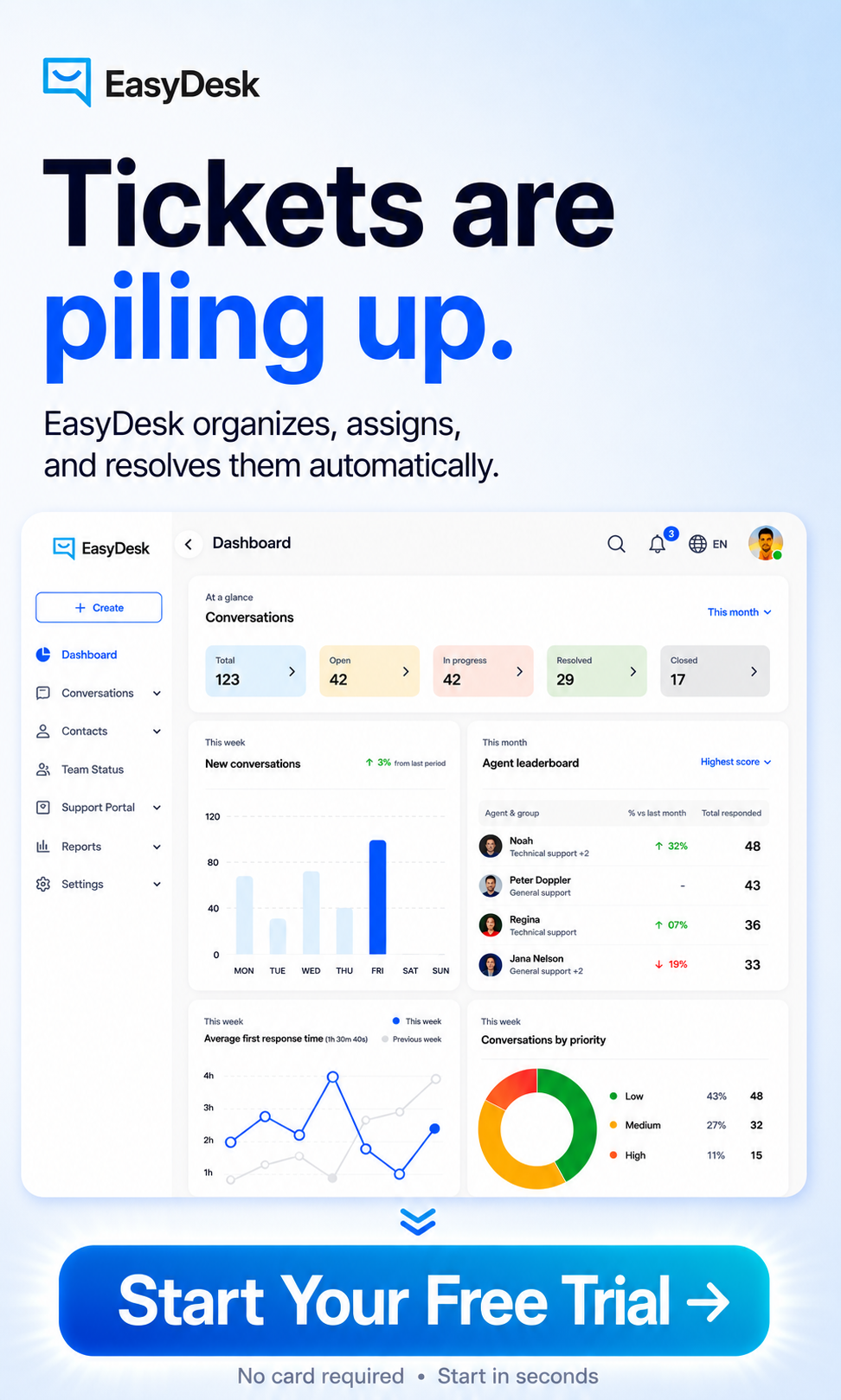
EasyDesk is built to make SLA design, tracking, and improvement straightforward, even for lean teams. You do not need complex scripts or separate tracking tools, and it also functions as one of the best IT help desk software options for modern teams thanks to its helpdesk ticketing software features.
Creating SLA rules in EasyDesk uses a simple interface. Pick ticket conditions such as priority, channel, or customer tier. Then set response and resolution targets in minutes. No coding required. You can create different SLAs for different plans or departments, which is useful when offering premium support to certain customers while also managing support tickets efficiently using EasyDesk and setting up the right helpdesk to boost customer support.
SLA timers appear directly on each ticket. Agents always see remaining time before a breach. They can prioritize work without juggling spreadsheets or manual calculations. This visibility keeps your service desk team focused on what matters most and has already helped teams achieve results similar to those in the case study on how EasyDesk improved response time for a growing team.
Automatic notifications alert agents via email or in-app messages when a ticket approaches breach. Automatic escalations route urgent issues to senior staff or another queue when thresholds are hit. These security measures ensure nothing slips through unnoticed and reflect the benefits of smarter helpdesk setups for smoother support.
Reporting features show SLA performance by customer, agent, team, channel, and time period. Managers can quickly spot trends and areas needing attention, including performance across social channels through EasyDesk social media integration support. This data supports disaster recovery planning and ongoing process improvement, powered by the broader set of EasyDesk features for smarter, secure customer support.
EasyDesk helps you create clear expectations for everyone involved as a secure and efficient customer support platform. Map your current SLAs into the platform and use the built-in dashboards to refine targets based on real data over the next quarter. Your team gains structure, and your users gain confidence in every service expected thanks to EasyDesk’s focus on secure, transparent customer support and its transparent customer support plans.
Frequently Asked Questions
How Often Should A Help Desk SLA Be Reviewed?
Most organizations should formally review their SLAs every 6 to 12 months. Check for volume changes, new specific services, and user feedback that might warrant adjustments. Additional reviews make sense after major events such as mergers, product launches, or shifting from office-based to hybrid or remote work. These changes often impact what is realistic and what users need most.
Should Internal Help Desk SLAs Include Financial Penalties?
Internal IT and HR help desks rarely use financial penalties. Instead, they treat SLAs as guidance for process improvement and transparency. The goal is better service delivery, not punishment. Financial penalties and service credits are more common in external, commercial support contracts where a service provider is paid under a formal service agreement. In those cases, credits might range from 5 to 10 percent of monthly fees per breach.
What Is A Reasonable First Response Time For Email Support?
Many B2B help desks in 2026 aim for a first response within 1 to 4 business hours for standard priority email tickets. Critical issues or high-value customers may have tighter targets around 30 minutes to 1 hour. Low-priority requests can have longer windows without hurting customer satisfaction. The key is matching targets to what your team can reliably deliver while meeting customer expectations.
How Do SLAs Work With 24/7 Support Versus Business Hours Only?
Business hours SLAs only count time during defined working hours. The SLA timer pauses outside those hours. 24/7 SLAs count every hour of the day continuously. Targets must be set carefully to reflect this difference. Document clearly which queues or customers receive round-the-clock attention and which ones are only monitored during local office hours. This prevents confusion when calculating average time to resolution.
Can Small Teams Benefit From SLAs Or Are They Only For Large Enterprises?
Even a small support team benefits from simple SLAs. Clear response targets for P1 and P2 tickets bring structure and make trade-offs explicit. You know what to prioritize when multiple tickets arrive at once. Start with a minimal SLA covering your most critical issues. Expand it gradually as your help desk grows and adopts more advanced tooling like EasyDesk. Structure helps teams of any size deliver consistent service performance.