Managing IT support without a proper system creates chaos. Emails pile up, requests get lost, and support teams spend more time tracking issues than solving them. An IT ticketing system transforms this scattered approach into organized, efficient service operations.
This ticketing platform serves as the central hub where every IT issue becomes a documented, trackable ticket. Whether your IT team handles 50 requests weekly or thousands daily, the right desk system ensures nothing falls through the cracks. From ticket creation through resolution and closure, each step follows a clear path with full visibility for both support agents and end users.
This guide covers how IT ticketing systems work, their key features, types available, benefits, and best practices for implementation. You will also learn how to choose the right solution and what trends are shaping service delivery in this space.
How IT Ticketing Systems Work
Understanding the ticket lifecycle helps teams optimize their support process and deliver consistent service. A ticketing system work follows a structured path from the moment someone reports an issue until final closure and review. Each stage adds accountability and documentation that manual methods simply cannot match.
Ticket Creation And Submission
Users submit support requests through multiple channels including web portals, email ticketing systems, chat widgets, and even phone calls logged by agents. The system creates a standardized ticket automatically, capturing essential details like the requester’s identity, issue description, timestamps, and any attachments such as screenshots or error logs.
Monitoring tools can trigger automated tickets for server alerts or system failures, pre-filling fields to reduce manual entry. A self-service portal allows employees to select from predefined categories, ensuring the IT team receives complete context from the start. This multi-channel support approach means incoming requests never get missed regardless of how users prefer to communicate.
Ticket Categorization And Prioritization
Once submitted, each IT ticket receives a category and priority level. Categories typically include network issues, hardware problems, software bugs, and access requests. The priority level uses factors like business impact and urgency to determine handling order.
A P1 ticket for a company-wide email outage requires immediate attention, while a P4 request for a new keyboard can wait. This ticket organization prevents critical incidents from getting buried under routine tasks. Advanced systems use AI capabilities to analyze ticket content and automatically assign tickets to appropriate categories, reducing misprioritization and speeding up the initial triage stage.
Assignment And Routing
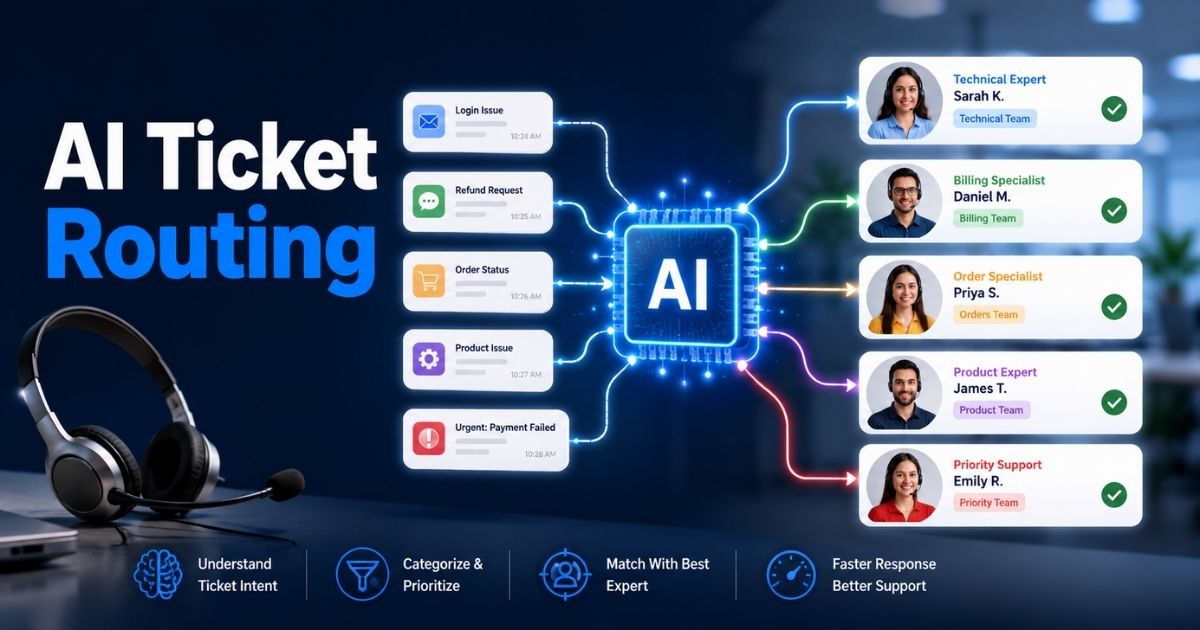
Smart ticket routing sends each request to the right IT agents based on skills, workload, or department rules. Round-robin distribution helps distribute tickets evenly across available team members, preventing burnout and backlogs.
Escalation rules trigger automatically when response times exceed thresholds. A high-priority incident might escalate to a senior technician after 15 minutes without action. Support teams gain clear ownership of every ticket, and managers can track who handles what across the organization. This automated approach to assign tickets eliminates the confusion of manual delegation.
Resolution And Closure
Assigned agents investigate issues, document their findings, and collaborate with colleagues when needed. Internal notes capture troubleshooting steps while customer-facing updates keep requesters informed. The ticket status moves through stages like New, In Progress, Waiting On User, and finally Resolved.
Before closure, many systems prompt users to confirm the solution works. This verification prevents premature closures and ensures service quality standards are met. All activity remains in the ticket history, creating a complete audit trail for future reference or compliance requirements.
Reporting And Feedback Loop
Closed tickets feed into analytics dashboards that track resolution times, SLA compliance, and team performance. Feedback surveys capture user satisfaction scores, highlighting areas for improvement. These metrics reveal patterns like recurring issues or bottlenecks in specific categories.
Organizations using these feedback loops report faster mean time to resolution and higher satisfaction scores. Data from tracking tickets over time helps justify staffing decisions, identify training needs, and prioritize automation investments.
Key Features Of An IT Ticketing System
The best IT ticketing system combines core ticket management with intelligent automation and clear visibility. These key features work together to reduce manual effort while improving service delivery for every support request that comes through.
Ticket Management And Tracking
Comprehensive ticket management provides unique IDs, full status histories, and the ability to merge duplicate submissions. Support agents see their complete queue at a glance, with visual indicators for overdue items approaching SLA breaches.
Audit trails track every action taken on a ticket, ensuring accountability across distributed teams. The ability to link related support tickets helps when multiple users report the same underlying problem, allowing technicians to resolve issues efficiently for everyone affected at once.
Automation And Workflow Management
Automation features handle repetitive tasks that would otherwise consume hours of agent time. Rules can auto-assign tickets based on keywords, set priorities using pattern matching, and send acknowledgment emails instantly upon submission, making ticket automation software a core capability of modern platforms.
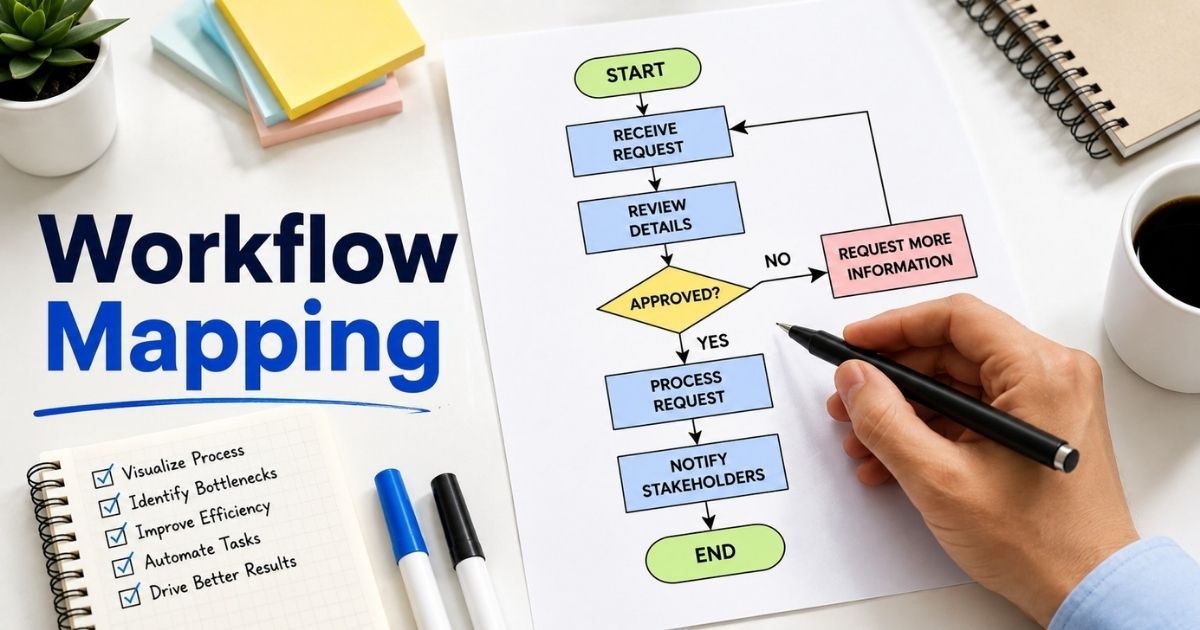
A robust ticketing system supports if-then logic for complex scenarios. For example, any ticket containing “cannot log in” automatically receives high priority and routes to the access management team. These workflows enforce consistency and help save time on every interaction.
SLA Management And Alerts
Service level agreements define expected response and resolution times for different ticket types and priority levels. A dedicated SLA management system tracks these commitments in real time, sending alerts before breaches occur.
Managers receive notifications when high-priority items approach deadlines, enabling proactive intervention. SLA compliance reporting shows performance against targets, essential for organizations with contractual obligations to internal or external customers.
Multi-Channel Support Integration
Modern multi-channel customer support tools accept submissions from email, chat, social media, phone, and web portals. All communication channels funnel into a single unified timeline per ticket, preventing scattered conversations and duplicate entries.
A user might open a ticket via email, follow up through chat, and receive resolution confirmation back in their inbox. The system maintains one continuous thread regardless of which channels the user prefers, simplifying work for both support agents and requesters.
Reporting And Analytics
Customizable dashboards surface the metrics that matter most: ticket volume by category, average resolution time, first-contact resolution rates, and agent workload distribution, reinforcing many benefits of using a ticketing system. Filtering by date range, team, or location supports detailed analysis.
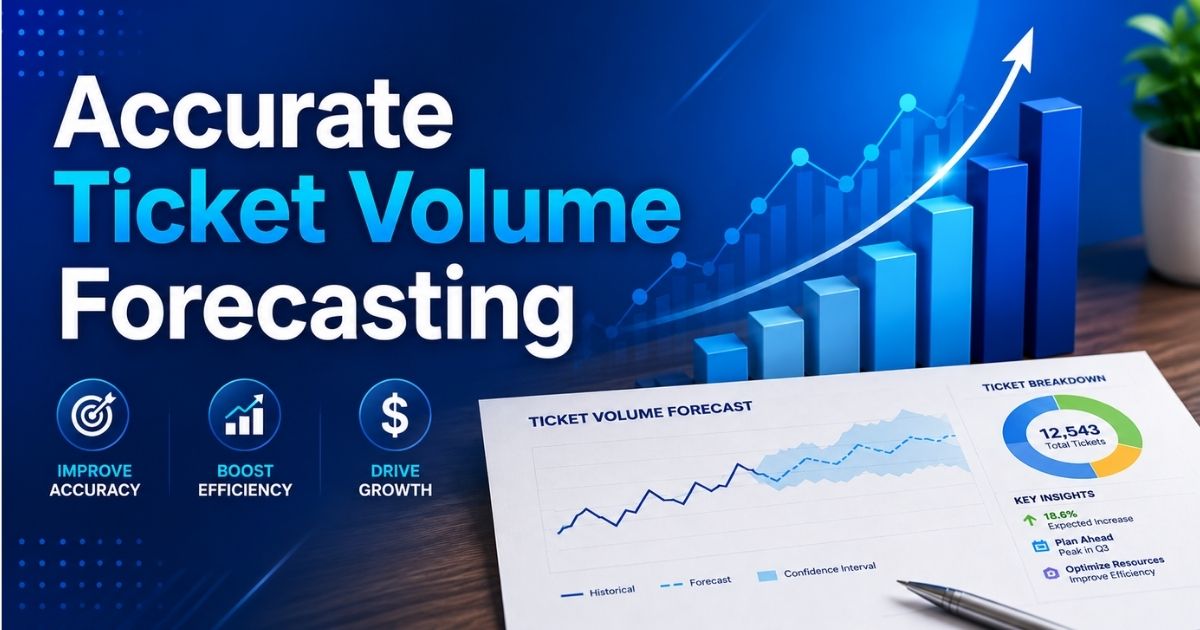
Historical data helps identify trends like seasonal spikes or recurring problems in specific departments. This visibility enables data-driven decisions about staffing, training, and where to invest in self-service options or automation.
Types Of IT Ticketing Systems
Different organizations need different approaches to IT support systems. The market offers several types of ticketing solutions, each with distinct advantages depending on company size, security requirements, and technical resources.
Cloud-Based Ticketing Systems
Cloud-based solutions dominate the market with approximately 65% share. These systems run on vendor infrastructure, requiring no on-premise hardware or maintenance from your IT team. Setup takes days rather than months, and updates happen automatically, especially when paired with automated ticket management software.
Pricing typically follows per-agent monthly models, making costs predictable and scalable. Cloud platforms excel for distributed teams and remote work scenarios where accessibility from any location matters most.
On-Premise Ticketing Systems
On-premise deployments host all software and data within your own data centers. Organizations in highly regulated industries like finance or healthcare often choose this route for maximum control over sensitive information.
Implementation costs run higher upfront, typically $100K or more for enterprise deployments, but some organizations prefer ownership over ongoing subscription fees. Customization possibilities extend deeper than most cloud options allow.
Open-Source Ticketing Systems
Open-source platforms like OTRS provide free core software with complete access to source code. Technical teams can customize every aspect of the system to match specific workflows without vendor limitations.
However, open-source requires internal development resources for implementation, customization, and ongoing maintenance. Organizations without dedicated technical staff may find the hidden costs outweigh initial savings.
Enterprise Ticketing Solutions
Enterprise desk solutions like SolarWinds Service Desk handle massive scale with 100,000+ monthly tickets and complex organizational structures. These platforms bundle full IT service management capabilities, including change management, asset management, and configuration management.
Built-in integrations with enterprise tools, advanced AI features, and dedicated support make these solutions appropriate for large organizations with mature service operations.
Industry-Specific Ticketing Systems
Some vendors build ticketing platforms tailored for specific sectors. Healthcare-focused systems embed HIPAA compliance workflows. Financial services tools include audit controls meeting regulatory requirements. These specialized solutions reduce configuration effort but may limit flexibility for organizations with needs outside their target industry.
Benefits Of Using An IT Ticketing System
Implementing a help desk ticketing system delivers measurable improvements across multiple dimensions of IT operations. Organizations report significant gains in efficiency, satisfaction, and visibility.
Improved Response And Resolution Time
Structured workflows and automated routing slash the time between ticket submission and first response. Traditional ticketing systems relying on email often saw requests sitting unnoticed for hours. Modern ticketing software and SLA tracking software get the right issues to the right people within minutes. Organizations report resolution time reductions of 30% or more after implementing proper ticket management. Prioritizing tickets correctly means critical issues receive immediate attention while lower-impact requests queue appropriately.
Faster response cycles reduce backlog pressure and prevent escalation of minor issues into major disruptions. Teams maintain consistent service levels while improving accountability through defined timelines and automated tracking.
Better Team Collaboration
Shared visibility into ticket queues and histories enables seamless handoffs between IT team members. When someone goes on vacation or a ticket requires expertise from another specialist, all context stays attached to the ticket itself. Internal notes, linked tickets, and @mentions keep everyone aligned without lengthy email chains, especially in platforms designed to manage support tickets efficiently. This collaboration extends across departments when issues involve multiple teams.
Centralized communication reduces dependency on scattered tools and ensures every team member works with the same information. This clarity improves coordination, minimizes duplication, and strengthens overall team efficiency.
Enhanced Customer Satisfaction
End users gain transparency into their request status without sending multiple follow-up emails. Self-service capabilities let employees resolve common issues independently through knowledge base articles. Faster resolutions and better communication directly improve service quality scores. Organizations using effective ticketing systems report 20-25 point increases in satisfaction ratings.
Clear visibility and faster updates build trust with users and reduce frustration. Consistent support experiences encourage confidence in IT teams and contribute to a more productive workplace environment.
Centralized Issue Management
Every support request lives in one searchable system rather than scattered across inboxes, chat logs, and sticky notes. Moving from a shared inbox to an automated email-to-ticket system eliminates the 15% of tickets that typically get lost in unstructured environments. Centralized data also supports compliance requirements with complete audit trails documenting who did what and when. For regulated industries, this documentation proves essential during audits.
Having a single source of truth simplifies tracking, reporting, and auditing. Teams can quickly retrieve historical data, identify recurring issues, and maintain better control over support operations.
Data-Driven Decision Making
Aggregate ticket data reveals patterns invisible in day-to-day operations. Maybe the third floor consistently reports printer issues, or new hires always struggle with VPN setup during their first week. These insights drive targeted improvements: better training, infrastructure upgrades, or expanded self service options for repetitive tasks. Managers gain evidence for budget requests and staffing decisions.
Reliable data enables smarter planning and resource allocation. Teams can anticipate future issues, improve service strategies, and continuously refine processes based on real performance metrics rather than assumptions.
Common Challenges And How To Overcome Them
Even the best systems face implementation hurdles. Understanding common challenges helps teams prepare solutions before problems disrupt service operations.
| Challenge | Impact | Quick Solution |
|---|---|---|
| Poor Ticket Prioritization | Delays in resolving critical issues | Use clear priority rules and AI-based classification |
| Lack Of Automation | Increased manual workload | Implement automation for repetitive tasks |
| Communication Gaps | Frustrated users and duplicate requests | Enable automated status updates and notifications |
| Integration Issues | Data silos and inefficiencies | Use APIs and integrate key systems first |
| Scalability Concerns | System performance issues with growth | Choose cloud-based platforms with flexible scaling |
Poor Ticket Prioritization
Vague priority rules lead to misclassified tickets where minor issues receive urgent treatment while actual emergencies wait in queue. AI capabilities now help analyze historical data to predict appropriate severity levels. Impact matrices that consider affected user count, business criticality, and timing provide more objective prioritization. Regular reviews of priority assignments catch systematic errors and refine categorization rules over time.
A well-defined ticket management system ensures consistent prioritization by standardizing rules and workflows. It helps teams categorize issues accurately and maintain balance between urgency and impact without confusion.
Lack Of Automation
Many organizations underutilize automation features, leaving agents to perform repetitive tasks manually. The solution involves phased rollouts starting with simple, high-volume scenarios like password reset requests. Track time savings from each automation rule to build momentum for expanding coverage. Eventually, automation can handle 40% or more of routine interactions, freeing IT team members for complex problem-solving.
Modern it ticketing software provides advanced automation tools that reduce manual effort and improve efficiency. Leveraging these capabilities helps teams scale operations while maintaining consistent service quality.
Communication Gaps
Requesters often feel left in the dark about their ticket status, leading to duplicate submissions and frustrated calls. Automated notifications at key status changes keep users informed without manual effort. Templates ensure consistent, professional updates. Integration with collaboration tools like Slack or Teams brings notifications where people already work, reducing the chance of missed communications.
Clear communication frameworks improve transparency and reduce confusion. Consistent updates help users stay informed and improve trust in support processes across the organization.
Integration Issues
Disconnected systems force manual data entry and create information silos. Modern ticketing platforms offer REST APIs and pre-built connectors for common tools like Active Directory, monitoring systems, and third party apps. Prioritize integrations that eliminate the most manual work first. Two-way synchronization keeps data consistent across systems, reducing errors and duplicate effort.
Strong change management capabilities ensure smooth integration across systems without disrupting existing workflows. This helps organizations maintain stability while adopting new tools and processes.
Scalability Concerns
Growing organizations worry their current system will not handle increased ticket volume. Cloud-based platforms typically auto-scale without performance degradation, handling 10x growth without infrastructure changes. Evaluate scalability early in the selection process. Request vendor case studies from organizations of your target size to understand real-world performance.
Flexible custom pricing models allow businesses to scale usage based on needs without overpaying. This ensures cost efficiency while supporting long-term growth and evolving support demands.
How To Choose The Right IT Ticketing System
Selecting the right platform requires balancing current needs against future growth. A systematic evaluation process prevents expensive mistakes and implementation failures.
Define Business Requirements
Start by documenting monthly ticket volume, team size, compliance requirements, and integration needs. Decide whether a manual approach still works or if you need a more scalable automated ticketing system. Map these requirements to specific features like multi-tenancy for managed service providers or HIPAA workflows for healthcare organizations. Consider which communication channels your users prefer and which service management practices your organization follows or plans to adopt.
Clear requirement definition helps avoid unnecessary features and ensures alignment with real business goals. It also allows better comparison between tools, making it easier to shortlist platforms that truly match operational needs and long-term expectations.
Evaluate Features And Integrations
Test whether platforms integrate with your existing directory services, monitoring tools, and collaboration platforms. The best IT ticketing system for your organization connects seamlessly with tools already in use. Evaluate automation depth carefully. Simple rule engines differ significantly from AI-powered routing and classification. Request demonstrations of specific scenarios relevant to your environment.
A strong evaluation process highlights how well the system fits into your current ecosystem. Seamless integrations reduce manual work, improve data consistency, and ensure that teams can operate efficiently without switching between disconnected tools.
Consider Scalability And Flexibility
Cloud options typically scale to handle growing ticket volume without infrastructure changes. Evaluate API extensibility for building custom integrations or applications as needs evolve. When comparing vendors, look for the best ticketing software system for customer support rather than just basic tools. Ask vendors about their largest customers and request references from organizations similar to your projected future size.
Scalability ensures the system continues to perform as demand increases. Flexible platforms allow customization and expansion, helping businesses adapt to changing requirements without needing to replace the system as they grow.
Review Pricing And Support
Pricing models vary from freemium tiers supporting small teams to per-agent monthly fees for enterprise deployments. Calculate total cost including implementation, training, and ongoing support. Verify support availability and response time commitments. Systems handling critical IT operations need reliable vendor support when issues arise.
Understanding full cost structure prevents unexpected expenses later. Reliable support ensures quick issue resolution, minimizing downtime and maintaining smooth operations, especially when the system becomes critical to daily workflows.
Check User Experience And Ease Of Use
Intuitive interfaces reduce training time and accelerate adoption. Request trial access for actual IT team members to evaluate usability before committing. Complex systems that require weeks of training often see poor adoption rates. Simplicity in daily workflows matters more than feature counts.
A user-friendly system improves productivity and reduces resistance from teams. Easy navigation and clear workflows allow faster onboarding, helping organizations achieve value quickly without extensive training or operational disruption.
Best Practices For Implementing An IT Ticketing System
Successful implementation combines the right technology with thoughtful process design. These practices help teams maximize value from their ticketing investment.
Set Clear SLAs And Workflows
Define specific response and resolution targets for each priority level before going live. A one-hour response SLA for critical issues and four-hour targets for standard requests provides clear expectations. Map common ticket types to specific workflows including required fields, routing rules, and approval steps. Document these workflows so all team members follow consistent processes.
Clear SLAs and workflows reduce confusion and ensure accountability across the team. When expectations are well defined, teams can prioritize effectively, maintain consistency, and deliver predictable service outcomes aligned with business requirements.
Train Support Teams Effectively
Role-based training sessions help support teams understand both system mechanics and process expectations. Agents need different knowledge than managers viewing reports, especially when using a ticketing software built for better customer support. Ongoing refresher training addresses feature updates and reinforces best practices. Organizations investing in proper training see 75% higher adoption rates.
Well-trained teams adopt systems faster and use features more effectively. Continuous learning ensures teams stay updated, reduce errors, and improve overall efficiency while maintaining consistent service quality across operations.
Use Automation Strategically
Begin with 5-10 automation rules covering your highest-volume scenarios. Fewer repetitive tickets flowing to agents means more capacity for complex issues requiring human judgment. Avoid over-automating initially. Build confidence in rule accuracy before expanding scope. Track which automations deliver measurable time savings.
Strategic automation improves productivity without overwhelming the system. Gradual implementation helps teams adapt, ensures accuracy, and builds trust in automation while maintaining control over critical processes.
Monitor Performance Metrics
Establish baseline measurements for resolution time, first-contact resolution, and satisfaction scores before expecting improvement. Regular metric reviews, at least monthly, identify trends requiring attention. Share relevant metrics with IT team members so everyone understands performance expectations and sees progress toward goals.
Tracking performance metrics provides clear visibility into system effectiveness. Data-driven insights help identify gaps, improve decision-making, and ensure continuous alignment with service goals and operational standards.
Continuously Optimize Processes
Feedback loops from end users highlight friction points invisible to IT staff. Regular surveys and periodic process reviews reveal improvement opportunities. Treat workflows as living documents that evolve based on data. A/B testing different approaches helps identify what works best for your specific environment.
Ongoing optimization ensures systems remain efficient and relevant. Continuous improvements help teams adapt to changing needs, enhance user experience, and maintain long-term effectiveness without major disruptions.
IT Ticketing System Trends To Watch
The ticketing landscape continues evolving rapidly. Understanding emerging trends helps organizations plan future investments and stay competitive.
AI And Automation In Ticketing
AI chatbots now resolve approximately 30% of queries autonomously, handling password resets, status checks, and simple troubleshooting without agent involvement. Natural language processing improves ticket classification accuracy beyond traditional keyword matching. Generative AI capabilities and broader ticket automation software enable automatic ticket summarization and suggested responses, helping agents handle customer interactions faster compared to purely manual ticketing processes.
AI-driven systems continue to evolve with smarter decision-making capabilities. These advancements reduce manual workload, improve response accuracy, and help support teams deliver faster and more consistent service experiences across different scenarios.
Self-Service And Knowledge Bases
Self-service options reduce ticket volume by 40% when implemented well. In modern helpdesk ticketing software, context-aware article suggestions show relevant help content while users type their requests, often resolving issues before tickets get created. Analytics now track which articles actually prevent tickets, helping IT teams prioritize new content that measurably deflects support requests.
Well-structured knowledge bases empower users to resolve issues independently. This reduces dependency on support teams, improves efficiency, and ensures faster resolutions while maintaining consistent and reliable support experiences.
Omnichannel Support
Unified communication channels bring email, chat, social media, and portal interactions into single ticket timelines. Users move between channels without losing context or creating duplicate requests when supported by a robust omnichannel communication strategy. Integration with collaboration platforms like Microsoft Teams brings ticketing workflows where employees already work.
Omnichannel support improves accessibility and convenience for users. It ensures consistent communication across platforms, reduces friction, and allows support teams to manage interactions more effectively from a centralized system.
Predictive Analytics
Machine learning models analyze historical ticket data to forecast future demand and identify emerging problems. Predicting an outage before users report it enables proactive communication and faster resolution. Pattern recognition highlights recurring issues that warrant permanent fixes rather than repeated workarounds, especially when combined with automated ticket management software.
Predictive insights help organizations move from reactive to proactive support. This improves planning, reduces downtime, and enhances overall service reliability by addressing issues before they impact users.
Cloud And Remote Support
Cloud adoption exceeds 75% following the shift to distributed work. Remote troubleshooting capabilities and location-independent access have become essential rather than optional features. Mobile-friendly interfaces let agents manage tickets and users submit requests from any device, especially when paired with flexible multi-channel support tools.
Cloud-based systems provide flexibility and scalability for modern teams. Remote access ensures uninterrupted support operations, enabling teams to deliver consistent service regardless of location or device.
Why Choose EasyDesk For IT Ticketing System Solutions
EasyDesk features provide a modern ticketing platform designed to simplify IT support operations for growing teams. The platform handles multi-channel intake from portal, email, and chat while automatically organizing tickets with categories, priorities, and SLAs.
AI-driven automation resolves routine issues without agent intervention, reducing repetitive tasks and letting support teams focus on complex problems. When a user submits a VPN access request, EasyDesk can route tickets to the appropriate team and send clear next steps immediately, demonstrating how ticket automation streamlines support.
The built-in knowledge base empowers self-service, helping employees find answers independently while tracking which articles successfully deflect tickets. Custom dashboards give leaders visibility into workload, bottlenecks, and service quality with metrics like average resolution time filtered by category or time period, all within a unified customer support platform.
EasyDesk integrates seamlessly with 100+ tools and scales without performance dips as your team grows. As one of the best ticket management systems and top ticketing software systems for customer support, with enterprise-grade ticketing capabilities, EasyDesk positions itself as a dependable partner for organizations ready to deliver faster, more organized IT service.
FAQs
What Is An IT Ticketing System Used For?
An IT ticketing system manages all incoming service requests, incidents, and change requests by converting them into structured tickets with clear ownership, status tracking, and documented resolution paths. It prevents issues from getting lost and ensures accountability across the IT team.
How Does An IT Ticketing System Work?
The system processes requests through a lifecycle starting with submission via portal, email, or chat. It categorizes and prioritizes each ticket, routes it to appropriate agents, tracks resolution progress, and captures feedback after closure for continuous improvement.
What Features Should An IT Ticketing System Have?
Essential features include automated ticket routing, SLA management with alerts, multi-channel intake, self-service portal with knowledge base, and reporting dashboards. Modern helpdesk ticketing software also emphasizes integration capabilities with existing tools and workflow automation, which distinguish robust platforms from basic solutions.
Is IT Ticketing System The Same As Help Desk?
Not exactly. An IT ticketing system focuses specifically on issue tracking and workflow management within IT operations. Help desk software adds broader customer-facing features like live chat widgets and public knowledge bases, often targeting external support scenarios and many of the broader benefits of a ticketing system.
Can Small Businesses Use IT Ticketing Systems?
Absolutely. Cloud-based platforms offer affordable tiers that handle 100-500 monthly tickets without requiring dedicated IT infrastructure. Even teams with one or two IT staff benefit from structured ticket management to avoid missed requests and document institutional knowledge, especially when they manage support tickets efficiently using a dedicated platform.