Customer expectations keep rising. People want fast replies, personalized help, and smooth support across every channel. But as businesses grow, support requests grow even faster. Many teams struggle with slow response times, overloaded agents, and inconsistent customer experiences.
That is where the challenge starts. Businesses need systems, processes, and tools that help them scale customer support without sacrificing quality. A few quick fixes may work for a while, but long-term growth needs a smarter approach.
This guide breaks down everything you need to know about scaling customer support. From automation and AI to team structure, workflows, and support metrics, you will learn practical ways to build a support system that grows with your business.
What Does It Mean To Scale Customer Support?
Scale customer support means handling more customer questions, support tickets, and support emails without sacrificing quality. As a company grows, the customer base expands fast. More new users join, ticket volume increases, and support agents face more pressure every day. A growing business needs the right tools, internal processes, and support channels to keep customers happy.
A strong customer support team can manage chat support, phone support, and email support efficiently. Good help desk software, self-service support, and a detailed knowledge base help reduce friction and repetitive tasks. Customers love quick answers and smooth support experiences. That is why many businesses increase automation and use canned responses for simple issues while support engineers handle complex issues.
Scaling support also means protecting customer satisfaction and customer experience as the team grows. Smart customer support organizations focus on customer success, faster resolution time, and positive ROI without over-automating the support system.
Why Customer Support Scalability Is Important For Growing Businesses
Customer support can either help a business grow or slow it down. As support volume rises, many teams struggle with response times, ticket management, and customer satisfaction. A scalable support system helps businesses handle growth smoothly without sacrificing quality or the personal touch customers expect.
Customer Expectations Keep Rising
Customers expect quick and accurate support across every channel. Email support, phone support, chat support, and self-service options all matter now. Recent reports show that 90% of customers consider an immediate response important when they contact support.
A slow customer support team can frustrate loyal customers fast. Long wait times increase friction and hurt the support experience. A scalable customer support organization helps support agents answer questions faster while keeping customers happy. Strong support systems also improve customer success and retention as the customer base grows.
Support Volume Increases Fast
Every growing business reaches a point where ticket volume spikes. More customers, new users, and product updates naturally create more support tickets. HubSpot reports that 75% of customer service teams experienced record-high ticket volume recently.
Small support teams often struggle during those stages. Support staff may face cognitive load, repetitive tasks, and complex issues at the same time. Without the right tools and internal processes, response quality drops quickly. Scalable help desk software, automation, and a strong knowledge base help teams manage more tickets without hiring additional staff too early.
Poor Support Hurts Revenue
Bad customer support directly impacts business growth. Zendesk data shows that more than 50% of consumers leave after one poor support experience.
Customers remember poor service longer than marketing campaigns. Slow resolution time, generic canned responses, and weak support channels damage trust fast. A company that fails to scale customer service may lose loyal customers even if the product is strong. Businesses that invest in scalable customer support often see better customer satisfaction, stronger retention, and positive ROI over time.
Automation Improves Team Efficiency
Automation now plays a major role in scaling support. AI tools, self-service support, and workflow automation reduce repetitive tasks for support engineers and customer service teams. Teams can focus more on complex customer questions instead of simple requests.
Recent industry reports show that AI-powered support teams resolve issues much faster and reduce handling time significantly. Better automation also helps businesses increase efficiency without over-automating the support process. The goal is not to replace human support. The goal is to help team members solve problems faster while keeping the personal touch customers love.
Scalable Support Long-Term Growth
Customer support becomes more important as a company grows. New employees, new hires, and other departments all depend on clear support workflows. A scalable support system creates consistency across various stages of growth.
Strong desk software, organized help desk processes, and smart support channels help businesses reduce friction for customers. Self-service portals, community forums, and detailed knowledge base articles also lower support emails and contacting support requests. Businesses that scale customer support early usually handle growing pains better and build a stronger customer experience for the long term.
Signs Your Current Support System Cannot Scale
Many businesses notice support problems only after customers start complaining. A few delays may seem normal in the early days, but repeated issues usually point to a weak support system. Fast-growing companies need scalable processes before support volume becomes unmanageable.
Response Times Keep Getting Worse
Slow replies are one of the biggest warning signs. Customers now expect quick answers across chat support, email support, and phone support. Recent studies show that nearly 80% of customers expect a response within 24 hours or less.
Long response times frustrate customers fast. Support agents may struggle to handle more tickets as the customer base grows. Delayed support also hurts customer satisfaction and customer experience. A scalable help desk system should help support teams manage ticket volume without sacrificing quality or the personal touch customers expect.
Support Tickets Pile Up Daily
A growing backlog usually means the current support process cannot scale customer support properly. Support tickets start stacking up when team members spend too much time on repetitive tasks or manual workflows.
Many customer support teams face this issue as business grows. New customers bring more questions, more support emails, and more complex issues. Without automation, self-service support, or better internal processes, support staff become overwhelmed quickly. Good desk software and a strong knowledge base reduce friction and help support engineers solve problems faster.
Customers Repeat The Same Questions
Repeated customer questions often point to weak self-service options. Customers contact support again because they cannot find clear answers on their own. That creates extra cognitive load for the customer service team.
A scalable customer support organization needs a searchable knowledge base, community forum, and smart self-service support tools. Reports show that over 65% of customers prefer self-service before contacting support directly. Businesses that ignore self-service often see higher ticket volume and lower customer satisfaction over time.
Support Teams Depend On Manual Work
Manual work slows every part of the support experience. Support agents may copy canned responses, switch between tools, or update tickets manually all day. That wastes time and reduces efficiency.
A growing business cannot rely on outdated workflows for long. Strong help desk software and automation tools help teams scale customer service more effectively. Automation also helps reduce repetitive tasks without over automating the customer support process. Teams can focus more on customer success, faster resolution time, and complex support issues that need human attention.
Customer Satisfaction Starts Dropping
Lower customer satisfaction scores often reveal deeper support problems. Customers may complain about long wait times, inconsistent answers, or poor support channels. Loyal customers usually leave quietly before businesses notice major damage.
Poor support hurts retention and revenue. Research shows that businesses lose customers quickly after repeated poor support experiences. A scalable support system helps companies protect customer relationships as team grows and support volume increases. Businesses that invest early in the right tools, support staff, and scalable workflows usually handle growing pains much better.
Common Challenges Businesses Face While Scaling Customer Support
Customer support becomes more complex as a business grows. More customers, higher ticket volume, and expanding support channels create pressure on every support team. Without the right systems and workflows, small issues quickly turn into major operational problems.
Support Teams Burn Out Quickly
Heavy workloads often push support staff beyond their limits. Support agents deal with more tickets, repetitive tasks, and frustrated customers every day. That pressure increases even faster when support volume rises suddenly.
Burnout directly affects customer satisfaction and response quality. Studies show that employee burnout remains one of the biggest challenges in customer service teams globally. Tired team members struggle to maintain the personal touch customers expect. A scalable customer support organization needs better workflows, automation, and balanced workloads to protect both customers and support teams.
Support Quality Becomes Inconsistent
Consistency becomes harder when team grows fast. New hires may answer customer questions differently from experienced support engineers. Customers often receive mixed answers across chat support, phone support, and email support.
Poor consistency hurts trust. Customers expect the same support experience no matter which support channel they use. Strong internal processes, clear documentation, and a detailed knowledge base help customer support teams stay aligned. Businesses that scale customer support successfully usually create standardized workflows early instead of fixing confusion later.
Manual Processes Slow Everything Down
Manual workflows create serious problems as ticket volume increases. Support teams waste time switching between tools, updating tickets manually, or searching for customer data across different systems.
Old processes may work during the early days of a company. They rarely work when business grows fast. Help desk software, workflow automation, and CRM integration help increase efficiency across the support system. Automation also reduces cognitive load for support staff. Teams can focus more on customer success and complex issues instead of repetitive work.
Customers Expect Faster Responses
Modern customers expect quick support at every stage of the customer journey. Recent data shows that nearly 60% of customers expect businesses to respond within one hour on digital support channels.
Long response times damage customer experience quickly. Loyal customers may leave after repeated delays. Many growing businesses struggle to scale customer service while maintaining fast resolution time. Self-service support, AI-powered chat support, and smarter ticket routing help businesses reduce friction without hiring additional staff too aggressively.
Scaling Costs Rise Too Fast
Many businesses assume scaling support only means adding more people. Hiring additional staff can help for a short time, but costs increase fast as support volume grows. Salaries, training, and new tools add pressure to the total cost of customer support operations.
Businesses need scalable systems instead of endless hiring. Self-service portals, community forums, and ticket automation reduce support emails and lower ticket volume naturally. Companies that invest in the right tools early often achieve positive ROI faster. Efficient support systems help businesses scale customer support without sacrificing quality or profitability.
Customer Expectations That Shape Modern Support Operations
Customer expectations have changed faster than many businesses expected. People no longer compare support experiences only within one industry. They compare every support interaction with the fastest and easiest experiences they receive anywhere online.
Customers Expect Instant Responses
Speed now shapes customer satisfaction more than ever. Customers want quick replies across chat support, phone support, email support, and social channels. Recent research shows that nearly 90% of customers rate an “immediate” response as important when contacting support.
Slow response times frustrate customers quickly. Many support teams struggle when ticket volume rises suddenly. A scalable support system uses automation, smart ticket routing, and help desk software to reduce delays. Businesses that scale customer support successfully usually focus on faster first responses without sacrificing quality or accuracy.
Customers Want Personalized Support
Customers no longer accept generic support experiences. They expect support agents to understand previous conversations, account history, and specific problems without asking repeated questions.
Personalized support creates stronger customer loyalty. Zendesk reports that more than 70% of customers expect personalized interactions from businesses. CRM integration, customer data visibility, and connected support channels help customer service teams deliver better experiences. Strong customer support organizations balance automation with the personal touch customers still value deeply.
Customers Prefer Self-Service Options
Many customers prefer solving simple issues on their own. They often search a knowledge base, community forum, or FAQ section before contacting support directly.
Self-service support reduces pressure on support staff and improves customer experience at the same time. Reports show that over 65% of customers prefer self service for simple support questions. Businesses that invest in searchable knowledge base content and smart help desk systems often reduce support tickets naturally while keeping customers happy.
Customers Expect Consistency Across Channels
Modern customers switch between support channels constantly. A customer may start with chat support, continue through email support, and later request phone support. They expect smooth communication during every step.
Disconnected systems create frustration quickly. Customers dislike repeating information multiple times to different team members. Strong support operations connect all customer interactions inside one support system. Businesses that scale customer service effectively usually build omnichannel workflows early. Unified desk software helps support teams deliver faster and more consistent answers across every support channel.
Customers Lose Patience Quickly
Patience levels continue to drop as digital experiences improve. Customers expect businesses to solve problems fast and reduce friction during every interaction. Long wait times and slow resolution time often push loyal customers away.
Customer expectations continue rising as company grows and competition increases. Businesses that fail to adapt often struggle with customer retention later. AI tools, workflow automation, and smarter support processes help teams increase efficiency without over automating the support experience. Companies that meet modern customer expectations usually build stronger customer success and long-term business growth.
Key Foundations Required To Scale Customer Support Successfully
Many businesses focus on tools first when they try to scale customer support. That approach often creates more confusion later. Strong support operations depend on the right foundation, clear processes, skilled teams, and systems that support long-term business growth.
Clear Support Processes
Strong support processes help customer support teams stay organized as support volume increases. Without clear workflows, support agents may handle tickets differently, which creates delays and inconsistent customer experiences.
Documented internal processes improve efficiency and reduce confusion for new hires. Support teams can resolve customer questions faster when everyone follows the same structure. Clear escalation paths, ticket routing rules, and response guidelines also reduce friction across support channels. Businesses that scale customer service successfully usually build repeatable workflows early before ticket volume becomes difficult to manage.
Reliable Help Desk Software
Good help desk software acts as the center of modern customer support operations. It helps support teams manage support tickets, customer conversations, response times, and workflows from one place.
Modern desk software also supports automation, analytics, CRM integration, and omnichannel communication. According to Salesforce, high-performing customer service teams are far more likely to use integrated support platforms than low-performing teams. The right tools, including a structured ticketing system, help businesses increase efficiency while reducing manual work across the support system.
Strong Knowledge Base And Self-Service
Customers often prefer finding answers without contacting support directly. A detailed knowledge base and self-service support system reduce ticket volume while improving customer satisfaction.
Self-service tools help customers solve simple problems faster. FAQ pages, tutorials, and community forums reduce repetitive tasks for support staff. Businesses also lower cognitive load on support engineers because fewer simple tickets reach the support team. Companies that invest in self-service support early often scale customer support more efficiently while keeping customers happy.
Skilled And Well-Trained Teams
Technology alone cannot solve every support challenge. Skilled support agents remain one of the most important parts of customer success. Customers still value empathy, accuracy, and human conversations during complex support situations.
Training helps team members maintain consistent support quality across various stages of business growth. New employees need clear onboarding, product knowledge, and communication training. Strong customer support organizations also prepare teams for complex issues instead of relying too heavily on canned responses. Businesses that support continuous learning often create better customer experiences over time.
Smart Automation And Analytics
Automation helps businesses manage growing pains without sacrificing quality. AI tools, workflow automation, and smart ticket routing reduce repetitive tasks and improve resolution time across the support system.
Analytics also play a major role in scaling support operations. Businesses need visibility into support volume, customer satisfaction, ticket trends, and response performance. Recent industry reports show that companies using AI-powered support automation often improve operational efficiency significantly. The goal is not to over-automate customer support. The goal is to help support teams solve problems faster while maintaining the personal touch customers love.
How To Build A Scalable Customer Support Strategy
A scalable customer support strategy helps businesses grow without losing service quality. Many companies react to support problems too late. Strong planning, better systems, and clear workflows help support teams stay efficient as customer expectations continue rising.
Set Clear Support Goals
Every customer support strategy should start with measurable goals. Businesses need clear targets for response times, resolution time, customer satisfaction, and ticket volume management.
Clear goals help support teams stay aligned as company grows. Managers can identify gaps faster and improve internal processes before problems become larger. Data also helps businesses make smarter decisions about hiring additional staff, automation, or new support channels. Companies that track support performance regularly often scale customer support more effectively than businesses that rely on guesswork.
Build Omnichannel Support Early
Modern customers expect support across multiple channels. Chat support, phone support, email support, and self-service options all play important roles in the customer experience.
Disconnected support channels create confusion for both customers and support agents. Omnichannel support systems keep conversations organized in one place. According to Salesforce, most customers expect consistent interactions across departments and communication channels. Businesses that scale customer service successfully usually connect support operations early instead of managing channels separately later.
Create Strong Self-Service Resources
Self-service support reduces pressure on customer service teams while helping customers solve problems faster. Many customers prefer checking a knowledge base or community forum before contacting support directly.
Detailed guides, FAQs, and tutorials lower support tickets naturally. Self service tools also reduce repetitive tasks for support staff and support engineers. Businesses that invest in searchable knowledge base content often improve customer satisfaction while reducing operational costs. Strong self-service support becomes even more important as support volume and customer base continue growing.
Use Automation Carefully
Automation improves efficiency when used correctly. Smart ticket routing, canned responses, AI chat support, and workflow automation help customer support teams handle more tickets without sacrificing quality.
Too much automation can hurt the support experience. Customers still expect empathy and specific answers during complex situations. Zendesk reports that many consumers prefer human support for sensitive or difficult issues. Businesses should use automation to reduce friction and repetitive work, not replace meaningful customer interactions completely.
Prepare Teams For Growth
Support strategies fail when teams are unprepared for growth. New hires often struggle without clear training, documentation, and support workflows. That problem becomes worse as ticket volume increases.
Strong onboarding and regular coaching help support agents maintain service quality across various stages of business growth. Team members also need the right tools, clear escalation paths, and updated customer data. Businesses that invest in support staff development usually create better customer success outcomes. A scalable customer support organization grows stronger when both technology and people improve together.
Role Of Automation In Scaling Customer Support Efforts
Automation has become a core part of modern customer support operations. Support teams handle more tickets, more channels, and higher customer expectations than ever before. Smart automation helps businesses improve efficiency while keeping response quality consistent during rapid business growth.
Automation Reduces Repetitive Tasks
Support agents often spend hours handling repetitive tasks every day. Password resets, order updates, account verification, and simple customer questions take valuable time away from complex support issues.
Automation helps customer support teams reduce manual work across the support system. AI chatbots, canned responses, and workflow automation tools handle simple requests faster. Support staff can focus more on customer success and personalized support experiences. Businesses that automate repetitive tasks often improve response times while reducing cognitive load for support engineers and customer service teams.
Faster Responses Improve Customer Satisfaction
Customers expect quick replies across every support channel. Long wait times frustrate customers and damage customer experience quickly. Automation helps businesses deliver faster support without hiring additional staff too aggressively.
Automated ticket routing, chat support bots, and automated ticket management workflows reduce delays significantly. According to HubSpot, most customers expect immediate support responses on digital channels. Faster first responses help businesses scale customer support while keeping customers happy. Speed also improves customer satisfaction and strengthens trust during high support volume periods.
Automation Helps Teams Handle More Tickets
Ticket volume increases quickly as company grows and new customers join. Many support teams struggle to manage more tickets without sacrificing quality or overworking team members.
Automation helps businesses scale customer service more effectively. AI-powered help desk software can prioritize tickets, assign conversations automatically, and track customer data across support channels. Zendesk reports that automated workflows help support organizations improve operational efficiency significantly. Businesses can support larger customer bases without creating major growing pains for support staff.
Self-Service Support Becomes Stronger
Automation also improves self-service support experiences. Customers often prefer solving simple issues through a knowledge base, FAQ section, or community forum before contacting support directly.
Smart self-service tools guide customers toward relevant answers quickly. AI search systems and automated suggestions reduce friction during the support experience. Businesses lower support emails and reduce ticket volume naturally through better self-service support. Strong self-service systems also free support agents to focus on complex issues that need human communication and critical thinking.
Balance Between Automation And Human Support Matters
Too much automation can create frustration for customers. Many people still want human support when facing sensitive issues or complicated problems. Poor automation often creates robotic conversations and weak customer experiences.
Successful customer support organizations use automation carefully. The goal is to increase efficiency without removing the personal touch customers love. Support teams should combine automation with skilled support agents, clear escalation paths, and strong internal processes. Businesses that maintain this balance often create better customer satisfaction, lower resolution time, and stronger long-term customer loyalty.
AI-Powered Tools That Improve Customer Support Efficiency
AI-powered tools now play a major role in modern customer support operations. Businesses use AI to reduce repetitive tasks, improve response times, and handle growing ticket volume more efficiently. Strong AI support systems help teams scale customer support without sacrificing quality or customer experience.
AI Chatbots Handle Simple Questions
AI chatbots help customer support teams answer common customer questions instantly. Customers can get help with account issues, order updates, password resets, and basic troubleshooting without waiting for support agents.
Fast replies improve customer satisfaction and reduce pressure on support staff. Industry reports show that AI chatbots now handle a large percentage of basic support interactions across digital channels. Businesses also lower support emails and reduce phone support demand through automated chat support. Support teams can focus more on complex issues that require human conversations and critical thinking.
Smart Ticket Routing Saves Time
Manual ticket assignment slows down customer support operations. AI-powered help desk software can automatically create and route support tickets to the right support agents based on urgency, issue type, or customer history using ticket automation and automated email-to-ticket systems.
Smart routing improves response times and reduces friction across support channels. Customers receive faster answers because tickets reach the correct team members immediately. AI systems also reduce cognitive load for customer service teams during high support volume periods. Businesses that scale customer service successfully often rely on AI workflows to improve operational efficiency and reduce delays.
AI Improves Self-Service Support
Many customers prefer self-service before contacting support directly. AI-powered knowledge base systems help customers find specific answers faster through smart search recommendations and automated suggestions.
Better self-service support reduces repetitive tasks for support engineers and customer support teams. AI tools can also recommend helpful articles based on customer behavior or previous support requests. Businesses improve customer experience while lowering ticket volume naturally. Strong self-service systems become even more important as customer base and support demand continue growing.
AI Analytics Improve Decision Making
AI tools help businesses analyze customer support data faster. Managers can track response times, customer satisfaction, resolution time, and support trends without reviewing thousands of tickets manually.
AI analytics also help customer support organizations identify weak areas inside the support system. Businesses can improve workflows, staffing, and automation strategies based on real customer behavior. Recent industry data shows that companies using AI-driven analytics often improve efficiency and customer success metrics significantly. Better insights help businesses scale customer support with smarter long-term planning.
Human Support Still Matters
AI tools improve efficiency, but human support remains essential. Customers still prefer human conversations during sensitive situations or complex support problems. Poor automation can frustrate loyal customers quickly.
Successful businesses use AI to support customer service teams, not replace them completely. Support agents still provide empathy, problem-solving, and personalized communication that automation cannot fully deliver. The best customer support organizations balance AI tools with strong support staff, clear workflows, and the personal touch customers love. That balance helps businesses scale customer support while protecting customer relationships long term.
Omnichannel Support And Why It Matters At Scale
Customers no longer use one support channel only. They move between chat support, email support, phone support, social media, and self-service platforms throughout the customer journey. Businesses need connected support operations to deliver fast and consistent customer experiences at scale.
Customers Expect Seamless Conversations
Modern customers expect support teams to remember past interactions across every support channel. A customer may start with chat support and later continue through email support or phone support.
Disconnected conversations frustrate customers quickly. Customers dislike repeating the same issue multiple times to different support agents. Strong omnichannel support systems connect customer data, ticket history, and communication records in one place. Businesses that scale customer support successfully often improve customer satisfaction by creating smoother and more connected support experiences across all channels.
Support Teams Work More Efficiently
Omnichannel systems help customer support teams stay organized during high support volume periods. Support agents can access conversations, customer history, and ticket details without switching between multiple tools constantly.
Better visibility improves resolution time and reduces repetitive tasks for support staff. Help desk software with omnichannel support also lowers cognitive load for team members. Businesses increase efficiency because support teams spend less time searching for customer information manually. Faster workflows help customer service teams manage more tickets without sacrificing quality or creating operational confusion.
Customers Want Support On Their Preferred Channels
Different customers prefer different support channels. Some customers prefer phone support for urgent issues, while others choose email support, self service, or live chat support for convenience.
Customer expectations continue rising as digital communication evolves. Industry studies show that customers often expect businesses to provide support across multiple channels consistently. Businesses that fail to meet those expectations risk lower customer satisfaction and weaker customer loyalty. Omnichannel support helps companies scale customer service while giving customers flexibility and convenience throughout the support experience.
Omnichannel Support Improves Customer Retention
Customer experience directly affects long-term business growth. Poor communication between support channels often creates delays, inconsistent answers, and customer frustration. Loyal customers may leave after repeated negative support experiences.
Strong omnichannel workflows help businesses reduce friction during customer interactions. Connected support systems also improve customer success because support agents can solve problems faster with full customer context. Businesses that invest in omnichannel customer support often strengthen customer relationships while improving overall operational efficiency as company grows.
Unified Systems Help Businesses Scale Faster
Growth becomes difficult when support systems remain disconnected. Separate tools for chat support, email support, phone support, and customer data create operational bottlenecks as ticket volume increases.
Unified help desk software solves many of those challenges. Omnichannel desk software centralizes support operations, automation workflows, customer records, and analytics into one support system. Businesses can scale customer support more effectively because support teams work inside a connected environment. Strong omnichannel support for better customer experience also helps companies maintain the personal touch customers love while handling larger customer bases efficiently.
Best Ways To Scale Customer Support Without Increasing Costs
Many businesses assume scaling customer support always requires larger budgets and bigger teams. That is not always true. Smarter workflows, automation, self-service support, and better resource management help businesses handle growth without losing efficiency or customer satisfaction.
Use Self-Service Support More Effectively
Self-service support reduces pressure on customer support teams while helping customers solve problems faster. Many customers prefer searching a knowledge base, FAQ page, or community forum before contacting support directly.
Strong self service systems with a knowledge base and canned responses lower support tickets and reduce repetitive tasks for support agents. Businesses can answer common customer questions without adding more support staff. Industry reports show that most customers prefer self-service options for simple issues. Better self-service support also improves customer experience because customers receive instant answers without waiting in support queues.
Automate Repetitive Support Tasks
Automation helps businesses scale customer support without constantly hiring additional staff. AI chat support, canned responses, automated ticket routing, and workflow automation reduce manual work across the support system.
Support teams save time because repetitive tasks no longer require constant human effort. Help desk software can organize support tickets, prioritize urgent issues, and assign conversations automatically. Businesses also reduce operational costs while improving response times. Smart automation allows support agents to focus more on complex issues and customer success instead of routine support requests.
Improve Team Productivity With Better Tools
Outdated systems slow customer service teams significantly. Support agents waste time switching between platforms, searching customer data, and updating tickets manually. Those inefficiencies increase costs as support volume grows.
Modern help desk software setup improves operational efficiency across support channels. Unified desk software connects email support, phone support, chat support, and customer history in one place. Smarter helpdesk setups for smoother support help businesses increase efficiency because support staff solve problems faster with fewer delays. Strong tools also reduce cognitive load for team members and help businesses scale customer service more smoothly.
Focus On Proactive Customer Support
Proactive support reduces future ticket volume before problems grow larger. Businesses can identify common customer issues through support analytics, feedback, and customer behavior trends.
Clear onboarding guides, product tutorials, and automated notifications help customers avoid common problems early. Customer support organizations that focus on prevention often reduce support emails and improve customer satisfaction at the same time. Recent industry data shows that proactive support strategies improve customer retention and lower long-term support costs. Businesses that solve issues early usually handle growing pains much more efficiently.
How To Structure A High-Performance Support Team
A strong support team plays a major role in customer satisfaction and business growth. Tools and automation help, but skilled people still shape the customer experience. Businesses that scale customer support successfully usually build clear team structures early.
Define Clear Support Roles
Clear responsibilities help support teams work faster and avoid confusion. Many growing businesses struggle because support agents handle every type of issue without proper structure or specialization, or without efficient support ticket management.
Different support roles improve operational efficiency. Frontline support staff can handle common customer questions, while support engineers focus on technical or complex issues. Team leads can manage escalations and quality control. Businesses that follow a clear customer support team structure often reduce resolution time and improve customer satisfaction as support volume increases.
Hire For Communication Skills
Technical knowledge matters, but communication skills matter just as much in customer support. Customers want clear answers, empathy, and respectful conversations during stressful situations.
Strong communication improves customer experience across every support channel. Support agents who explain solutions clearly reduce friction and increase customer trust. Industry studies show that customers value positive support experiences almost as much as product quality itself. Businesses that hire team members with strong communication skills often create more loyal customers and better customer success outcomes long-term.
Train Teams Continuously
Customer support changes constantly as products, workflows, and customer expectations evolve. New hires need structured onboarding, but experienced support staff also need regular training and updates.
Continuous training improves consistency across support operations. Support agents stay prepared for new customer issues, product updates, and changing support channels. Businesses also reduce errors and improve response quality through regular coaching sessions. High-performing customer support organizations treat learning as an ongoing process instead of a one-time activity during the early days of employment.
Use Performance Metrics Carefully
Support metrics help businesses improve efficiency and customer satisfaction. Response times, resolution time, ticket volume, and customer feedback all provide valuable insights into support performance.
Metrics should support team growth, not create pressure constantly. Too much focus on speed alone can hurt support quality and customer relationships. Businesses should balance productivity with customer experience goals. Smart customer support organizations use data to identify support gaps, improve workflows, and reduce friction without creating burnout for support staff.
Support Team Collaboration Matters
Customer support teams rarely work alone. Support operations often depend on product teams, sales teams, engineering departments, and customer success managers to solve problems effectively.
Strong collaboration improves customer experience significantly. Support agents can solve issues faster when communication between departments stays clear. Shared customer data, internal knowledge bases, and connected workflows reduce delays across the support system. Businesses that encourage teamwork across departments often scale customer service more smoothly while maintaining the personal touch customers love.
Support Metrics Every Business Must Track While Scaling
Customer support becomes harder to manage without clear performance data. Businesses need measurable insights to understand what works and what slows support operations down. The right support metrics, combined with customer support software that improves response time, help teams improve efficiency, customer satisfaction, and long-term customer experience during growth.
First Response Time
First response time measures how quickly support agents reply after a customer contacts support. Fast replies strongly influence customer satisfaction because customers expect quick answers across chat support, email support, and phone support.
Slow response times often signal overloaded support teams or weak workflows. Industry reports show that customers expect businesses to respond much faster today than in previous years. Businesses that track first response time closely can reduce friction and improve customer experience. Faster replies also help customer support teams handle growing ticket volume more effectively.
Average Resolution Time
Resolution time tracks how long support teams take to fully solve customer issues. Quick resolutions improve customer success because customers want solutions, not long conversations or repeated follow-ups.
Long resolution time often points to workflow problems, weak internal processes, or poor knowledge sharing between team members. Businesses can improve resolution speed through better help desk software, automation, and stronger collaboration between departments. Customer support organizations that reduce resolution time usually improve customer loyalty and reduce operational pressure on support staff.
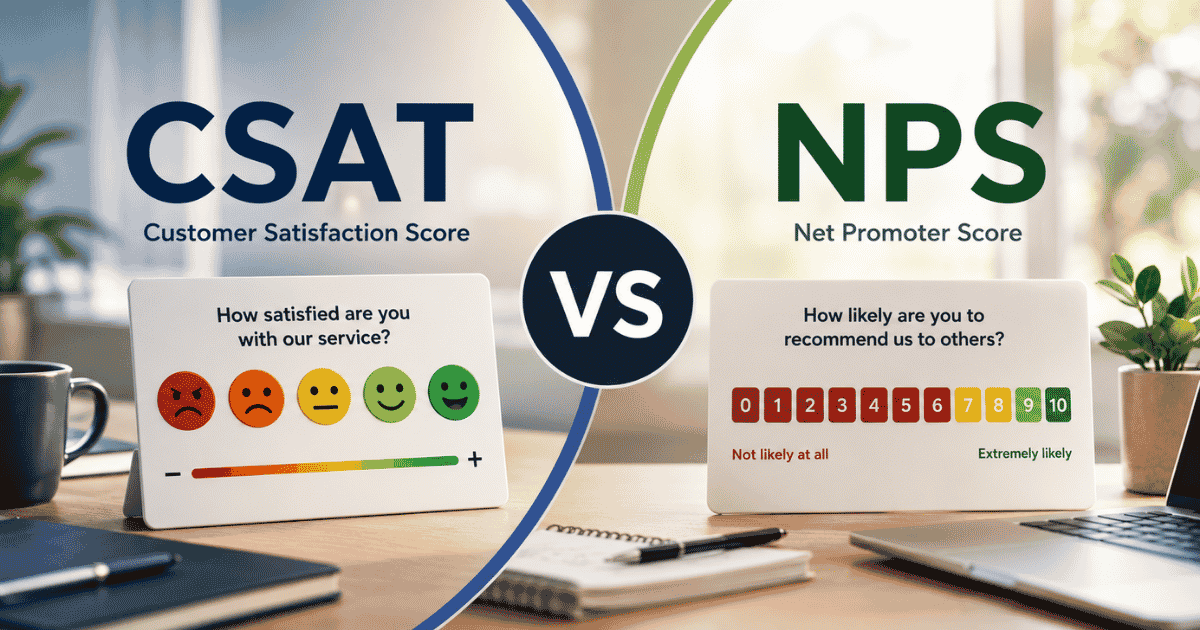
Customer Satisfaction Score
Customer satisfaction scores help businesses measure how customers feel after support interactions. Most companies collect this feedback through short surveys after support tickets close.
Customer satisfaction directly affects customer retention and long-term business growth. Poor support experiences often damage trust even when products perform well. Businesses that scale customer support successfully monitor customer feedback constantly instead of relying only on internal assumptions. Recent industry data shows that companies with higher customer satisfaction scores often achieve stronger customer loyalty and better revenue retention.
Ticket Volume Trends
Ticket volume shows how many support requests customer support teams receive over time. Businesses must track volume changes carefully as customer base and support channels grow.
Sudden spikes in support tickets may reveal product issues, onboarding problems, or weak self-service support systems. Volume tracking also helps businesses plan staffing, automation, and workflow improvements before support teams become overwhelmed. Support managers can reduce growing pains significantly when they identify ticket patterns early instead of reacting after support operations slow down.
Self-Service Success Rate
Self-service success rate measures how often customers solve problems without contacting support directly. Knowledge bases, FAQ pages, community forums, and AI-powered self-service tools all influence this metric.
Strong self-service support lowers repetitive tasks and reduces cognitive load for support agents. Businesses also decrease support emails and phone support demand naturally through better self-service experiences. Industry studies show that many customers prefer self-service for simple issues before reaching out to customer service teams. Businesses that improve self-service success often scale customer service more efficiently while lowering operational costs.
Customer Self-Service Options That Reduce Support Volume
Customer self-service has become a major part of modern support operations. Many customers prefer solving simple problems on their own instead of contacting support directly. Strong self-service support helps businesses reduce ticket volume while improving customer satisfaction and operational efficiency.
Knowledge Bases Help Customers Find Answers Faster
A detailed knowledge base gives customers quick access to answers without waiting for support agents. Customers can search articles, setup guides, troubleshooting steps, and FAQs whenever they need help.
Strong knowledge base content reduces repetitive customer questions and lowers support tickets naturally. Support teams also save time because fewer simple issues reach the help desk. Industry research shows that most customers prefer self-service support before contacting customer service teams directly. Businesses that maintain updated knowledge base content often improve customer experience while reducing support workload.
Community Forums Reduce Repetitive Questions
Community forums allow customers to help each other solve problems. Users often share solutions, product tips, and troubleshooting advice based on real experiences with the product or service.
Forums reduce pressure on support staff because customers can find answers from previous discussions quickly. Community support also creates stronger customer engagement and customer loyalty over time. Businesses benefit because support teams receive fewer repetitive support emails and simple support tickets. Strong community forums become even more valuable as customer base and support volume continue growing.
AI Chatbots Improve Self-Service Support
AI-powered chat support tools help customers solve simple issues instantly. Chatbots can answer common customer questions, suggest knowledge base articles, and guide customers through basic troubleshooting steps.
Fast automated responses improve customer satisfaction and reduce friction during support interactions. Businesses also lower phone support and email support demand through AI-powered self-service support. Recent industry reports show that AI chatbots now manage a large percentage of basic support requests across many industries. Smart automation allows support agents to focus more on complex issues that need human attention.
Customer Portals Improve Support Efficiency
Customer portals give users direct access to account information, support tickets, billing details, and service updates from one place. Customers can track requests without contacting support repeatedly.
Self-service portals reduce ticket volume and improve operational efficiency for customer support teams. Customers gain faster access to updates while support staff handle fewer follow-up requests. Businesses also improve customer experience because users feel more in control during support interactions. Well-designed customer portals help companies scale customer support more efficiently without sacrificing service quality or increasing operational costs.
Knowledge Base Strategies That Improve Resolution Speed
A strong knowledge base helps customer support teams solve problems faster and reduce unnecessary support tickets. Customers also prefer quick self-service answers instead of waiting for support agents. Well-structured knowledge base content improves both customer satisfaction and operational efficiency.
Write Clear And Searchable Articles
Customers often leave support pages when articles feel confusing or too technical. Simple language, short steps, and searchable headings help customers find answers much faster.
Clear articles also reduce friction for support staff. Support agents can share knowledge base links during chat support, email support, or phone support conversations. Businesses improve resolution time because customers receive direct answers quickly. Strong search functionality inside the knowledge base also improves self-service support and lowers repetitive customer questions across support channels.
Update Articles Regularly
Outdated knowledge base content creates frustration for customers and support teams. Product changes, feature updates, and workflow adjustments can quickly make old articles inaccurate.
Regular updates improve customer experience and support efficiency. Customers trust self-service support more when information stays current and reliable. Support agents also spend less time correcting outdated instructions during support interactions. Businesses that maintain updated help desk content often reduce support volume and improve customer satisfaction over time. Accurate content becomes even more important as customer base and support operations grow.
Organize Content By Customer Needs
Poorly organized support content slows customers down. Customers should find answers based on real problems instead of searching through endless categories or technical documentation.
Smart content organization improves self-service success significantly. Businesses can group articles by common customer questions, product areas, or user types. Help desk software with AI-powered search also improves navigation across large knowledge bases. Customers solve problems faster when support content follows natural customer behavior instead of internal company structures. Better organization reduces ticket volume and improves operational efficiency.
Use Visual Content For Faster Support
Text alone does not solve every customer issue. Screenshots, short videos, diagrams, and walkthroughs help customers understand solutions faster during self-service support.
Visual guides reduce confusion and improve customer success rates. Support teams also spend less time explaining simple processes repeatedly through support emails or chat support. Industry studies show that visual learning often improves information retention and task completion speed. Businesses that combine visual content with written support articles usually improve resolution time and customer satisfaction significantly.
Track Knowledge Base Performance
Businesses should measure how customers use knowledge base content regularly. Article views, search trends, bounce rates, and failed searches reveal important gaps inside the support system.
Performance tracking helps customer support organizations improve self-service support continuously. Businesses can identify missing topics, confusing articles, and common customer pain points quickly. Analytics also help support teams reduce repetitive tasks by expanding content around high-volume support questions. Companies that optimize knowledge base performance regularly often scale customer support more effectively while lowering operational costs and support workload.
Importance Of Workflow Automation In Customer Support
Customer support becomes difficult to manage when workflows stay manual for too long. Repetitive tasks, delayed responses, and disconnected systems slow support teams down quickly. Workflow automation helps businesses improve efficiency, reduce friction, and scale customer support more effectively.
Automation Reduces Manual Work
Manual tasks consume a large portion of every support agent’s day. Ticket updates, follow-up emails, ticket assignment, and repetitive customer questions often slow customer support operations significantly.
Workflow automation removes much of that repetitive work. Help desk software can automatically route support tickets, trigger notifications, and organize customer requests without constant human involvement. Support teams save time and reduce cognitive load during high support volume periods. Businesses also improve operational efficiency because support staff can focus more on customer success and complex support issues instead of repetitive administrative work.
Faster Workflows Improve Response Times
Customers expect quick support across chat support, phone support, and email support channels. Slow workflows often create long delays before support agents even see urgent support tickets.
Automated workflows speed up the entire support process. Ticket routing, priority tagging, and escalation systems help support teams respond faster to customer needs. Industry reports show that faster response times strongly improve customer satisfaction and customer retention. Businesses that automate support workflows often scale customer service more smoothly while maintaining service quality and customer experience during growth.
Automation Improves Support Consistency
Inconsistent support creates frustration for customers. Different support agents may follow different processes when workflows are unclear or fully manual. That inconsistency often leads to slower resolution time and mixed customer experiences.
Workflow automation helps customer support organizations standardize support operations. Automated workflows ensure tickets follow the same process every time regardless of support channel or issue type. Customers receive more consistent support experiences across email support, chat support, and phone support interactions. Businesses also reduce operational confusion as support teams and customer base continue growing.
Support Teams Handle More Tickets Efficiently
Support volume rises quickly as business grows and new customers join. Customer support teams often struggle when more tickets arrive faster than team members can process them manually.
Workflow automation helps support teams manage larger ticket volume without hiring additional staff immediately. Automated ticket assignment, AI-powered workflows, and integrated support systems reduce bottlenecks across the help desk. Businesses improve productivity because support agents spend less time managing workflows manually. Better automation also helps businesses scale customer support while lowering operational costs and reducing team burnout.
Automation Supports Better Customer Experiences
Customers value speed, accuracy, and smooth communication during support interactions. Poor workflows create delays, repeated questions, and inconsistent updates that damage customer satisfaction quickly.
Workflow automation improves the overall support experience by reducing friction throughout the customer journey. Customers receive faster updates, quicker resolutions, and more reliable communication across support channels. Businesses also improve customer success because support operations become more organized and proactive. Strong workflow automation allows customer support teams to maintain the personal touch customers love while managing growth more efficiently.
Live Chat Vs Email Vs Phone Support At Scale
Every support channel plays a different role in customer support operations. Some customers prefer quick live chat conversations, while others choose email support or phone support for more detailed help. Businesses that scale customer support successfully usually combine all three channels to create a better customer experience and reduce friction across the support system.
Feature | Live Chat Support | Email Support | Phone Support |
|---|---|---|---|
Response Speed | Fastest response times for simple customer questions | Slower responses but better for detailed communication | Immediate real-time interaction |
Best Use Case | Quick troubleshooting and basic support requests | Complex issues that need documentation or attachments | Urgent issues and sensitive customer situations |
Scalability | Easy to scale with automation and AI chatbots | Highly scalable with help desk workflows | Harder to scale due to staffing requirements |
Customer Experience | Convenient and fast for modern customers | Flexible and less time-sensitive | Personal and human-focused support experience |
Operational Cost | Lower cost with automation and self-service integration | Moderate cost with efficient workflows | Highest cost because of staffing and training needs |
How SaaS Companies Scale Customer Support Operations
SaaS companies face constant support pressure as customer base and product usage grow quickly. More users create more support tickets, onboarding requests, and technical questions. Strong customer support operations, such as those in case studies where EasyDesk improved response time for a growing team, help SaaS businesses maintain customer satisfaction while handling rapid growth efficiently.
Strong Self-Service Support
Most SaaS companies invest heavily in self-service support early. Knowledge bases, onboarding guides, and community forums help customers solve simple issues without contacting support directly.
Self-service reduces ticket volume and lowers repetitive tasks for support agents. Customers also prefer quick answers without waiting for email support or phone support responses.
AI Chatbots For Fast Responses
AI-powered chat support helps SaaS businesses manage large support volume efficiently. Chatbots answer common customer questions instantly and guide users toward relevant help desk resources.
Fast responses improve customer experience and reduce friction during support interactions. Support teams can focus more on complex issues that require human communication and technical expertise.
Tiered Support Structures
Many SaaS companies organize customer support teams into different levels. Frontline support agents handle simple support tickets, while support engineers manage technical or product-related problems.
Tiered support improves resolution time and operational efficiency. Businesses also reduce cognitive load because team members focus on the issues that match their expertise best.
Product-Led Customer Support
SaaS businesses often reduce support demand through better product design. Clear onboarding flows, tooltips, tutorials, and in-app guidance help customers solve problems before contacting support.
Product-led support lowers support emails and improves customer success naturally. Businesses that reduce friction inside the product usually scale customer support more efficiently over time.
Automation Across Support Workflows
Workflow automation plays a major role in SaaS customer support operations. Automated ticket routing, CRM integration, and support analytics help teams manage more tickets without sacrificing quality.
Industry reports show that SaaS companies using automation improve response times and operational efficiency significantly. Smart automation helps businesses scale customer service while maintaining strong customer experiences.
Customer Support Training Methods For Growing Teams
Customer support quality often depends on how well teams are trained. Growing businesses need structured training to maintain customer satisfaction as new hires join quickly. Strong training programs help support teams improve consistency, efficiency, and overall customer experience during rapid growth.
Structured Onboarding Programs
New employees need clear onboarding from the beginning. Product knowledge, support workflows, and communication standards should all become part of early customer support training.
Strong onboarding reduces confusion and improves confidence for support agents. Businesses also shorten ramp-up time and improve resolution quality across support channels faster.
Roleplay And Real Scenarios
Practice sessions help support teams prepare for real customer conversations. Roleplay exercises teach support agents how to handle frustrated customers, technical questions, and difficult support situations.
Real examples improve communication skills and customer experience. Support staff also learn how to reduce friction and provide more personalized support during live interactions.
Knowledge Base Training
Support teams should know how to use the knowledge base efficiently. Fast access to accurate information helps support agents answer customer questions more confidently and consistently.
Knowledge base training also reduces repetitive tasks and improves resolution time. Businesses improve operational efficiency because team members spend less time searching for answers manually.
Continuous Product Education
Products change constantly, especially in SaaS businesses. Support teams need regular updates about new features, workflow changes, and customer pain points.
Ongoing product education improves customer success and support quality. Businesses also reduce incorrect answers and improve customer satisfaction across email support, phone support, and chat support channels.
Performance Reviews And Coaching
Regular coaching helps support teams improve communication, efficiency, and problem-solving skills over time. Managers can identify weak areas through support metrics, ticket reviews, and customer feedback.
Constructive feedback improves consistency across customer support operations. Businesses that invest in coaching often build stronger support teams and better long-term customer relationships.
Common Mistakes That Hurt Customer Support Scalability
Many businesses struggle to scale customer support because of avoidable mistakes. Small problems often grow into major operational issues as support volume increases. Strong planning, smarter workflows, and better support systems help businesses avoid long-term customer support challenges.
Overloading Support Teams
Many companies expect support agents to handle too many tickets without enough resources or automation. That pressure quickly leads to burnout, slower response times, and lower customer satisfaction.
Overloaded support teams struggle to maintain the personal touch customers expect. Businesses also risk higher employee turnover and weaker customer experience during rapid growth.
Ignoring Self-Service Support
Some businesses rely only on live support channels and ignore self-service support completely. Customers then contact support for simple questions that could easily be solved through a knowledge base or community forum.
Weak self-service systems increase ticket volume unnecessarily. Support staff waste time on repetitive tasks instead of solving complex customer issues that require human attention.
Using Too Many Disconnected Tools
Disconnected systems create confusion across customer support operations. Support agents often switch between multiple platforms to find customer data, ticket history, or communication records.
Poor workflows reduce operational efficiency and increase resolution time. Unified help desk software helps businesses scale customer support more smoothly while reducing friction for both customers and support teams.
Automating Too Much Too Early
Automation improves efficiency, but too much automation can hurt customer experience. Customers still want human support during sensitive situations or technical problems that require personalized communication.
Over-automating support often creates robotic conversations and customer frustration. Successful businesses balance AI tools with skilled support staff and clear escalation paths for complex issues.
Failing To Track Support Metrics
Businesses cannot improve customer support without measurable data. Many companies fail to track response times, ticket volume, customer satisfaction, or resolution time consistently.
Poor visibility makes support problems harder to identify early. Businesses that monitor support metrics regularly often scale customer service more effectively and improve long-term customer success.
How Poor Support Scaling Impacts Customer Retention
Customer retention becomes difficult when support systems fail to grow with the business. Slow responses, inconsistent service, and overloaded support teams frustrate customers quickly. Poor customer support scalability often damages trust long before businesses notice major retention problems.
Slow Responses Frustrate Customers
Customers expect quick support across chat support, email support, and phone support channels. Long wait times create frustration and reduce customer satisfaction fast.
Industry studies show that customers often leave brands after repeated poor support experiences. Faster response times play a major role in customer loyalty and customer success.
Inconsistent Support Damages Trust
Customers expect consistent answers from every support channel. Poorly scaled customer support operations often create confusion because support agents follow different workflows or provide conflicting information.
Inconsistent support weakens customer confidence quickly. Loyal customers may stop trusting the company after multiple poor support interactions or unresolved support tickets.
Overloaded Teams Reduce Service Quality
Support teams struggle when ticket volume grows faster than operational capacity. Overworked support staff often face burnout, slower resolution time, and higher error rates during customer interactions.
Poor service quality damages customer experience directly. Customers notice rushed conversations, delayed replies, and weak communication across support channels very quickly.
Weak Self-Service Creates More Friction
Customers often prefer self-service support before contacting support teams directly. Weak knowledge base content and poor self-service options force customers to rely on live support for simple issues.
Extra friction increases frustration and support volume at the same time. Businesses also lose efficiency because support agents spend time answering repetitive customer questions repeatedly.
Poor Experiences Increase Customer Churn
Customer retention depends heavily on customer experience. Businesses that fail to scale customer support properly often struggle with rising churn rates as customer base grows.
Recent industry reports show that poor customer service remains one of the top reasons customers leave brands. Strong support systems help businesses protect customer relationships and long-term revenue growth.
Security And Data Privacy Considerations In Customer Support
Customer support teams handle sensitive customer data every day. Payment details, account information, and private conversations move across multiple support channels constantly. Strong security and data privacy practices help businesses protect customer trust while scaling customer support operations safely.
Customer Data Needs Strong Protection
Customer support systems often store sensitive customer information. Support agents access billing records, contact details, and account activity during support interactions regularly.
Weak security creates major risks for businesses and customers. Data breaches damage customer trust quickly and often lead to long-term reputation problems for the company.
Access Control Reduces Security Risks
Not every support team member should access all customer data. Poor access management increases the risk of internal mistakes and unauthorized information exposure.
Role-based access helps customer support organizations protect sensitive records better. Businesses also reduce operational risks by limiting access based on job responsibilities and support roles.
Secure Support Channels Matter
Customers expect safe communication across email support, chat support, and phone support channels. Weak support systems can expose private conversations and customer records during daily operations.
Encrypted support platforms improve customer confidence and data privacy protection. Businesses that invest in secure help desk software often strengthen customer satisfaction and long-term trust.
Compliance Rules Cannot Be Ignored
Many industries must follow strict privacy regulations for customer data protection. GDPR, CCPA, and other privacy laws affect how customer support teams collect, store, and manage information.
Non-compliance can create legal and financial problems quickly. Businesses should train support staff regularly on data privacy rules and customer information handling procedures.
Employee Training Improves Security
Human error remains one of the biggest security risks in customer support operations. Weak passwords, phishing attacks, and poor data handling practices often create avoidable security problems.
Security training helps support agents recognize risks before incidents happen. Businesses that educate support teams regularly usually reduce security threats and improve customer trust over time.
How To Maintain Personalized Support While Scaling
Many businesses lose the personal touch when support volume grows too fast. Customers still expect empathy, clear communication, and personalized help even during large-scale operations. Strong customer support systems help businesses scale efficiently without making support feel robotic or disconnected.
Use Customer Data Smartly
Customer data helps support agents provide more personalized conversations. Purchase history, previous support tickets, and account activity give support teams better context during customer interactions.
Connected help desk software improves customer experience significantly. Support agents can answer questions faster without asking customers to repeat information across support channels repeatedly.
Balance Automation With Human Support
Automation improves efficiency, but customers still value human communication during sensitive or complex issues. AI chat support works best for repetitive tasks and simple customer questions.
Human support remains important for customer satisfaction and long-term trust. Businesses that balance automation with real conversations usually create stronger customer loyalty and customer success outcomes.
Train Teams To Communicate Naturally
Support teams should avoid robotic replies and overly scripted conversations. Customers want support agents to sound helpful, clear, and human during every support interaction.
Communication training improves personalized customer support significantly. Businesses also reduce friction because customers feel heard instead of treated like support ticket numbers inside the support system.
Keep Support Proactive
Proactive support helps businesses maintain stronger customer relationships as customer base grows. Product updates, issue alerts, and onboarding guidance show customers that the company values their experience.
Proactive communication also reduces support volume and improves customer satisfaction. Businesses that stay ahead of customer problems often build more loyal customers over the long term.
Customer Support Outsourcing: Pros, Cons, And Best Practices
Customer support outsourcing helps businesses manage growing support volume without building large internal teams too quickly. Many companies outsource chat support, phone support, and email support to reduce costs and improve coverage. The right outsourcing strategy can improve operational efficiency, but poor execution may hurt customer experience and customer satisfaction.
Area | Pros | Cons | Best Practice |
|---|---|---|---|
Cost Management | Lower staffing and operational costs | Hidden service costs may appear later | Define clear pricing and service agreements early |
Scalability | Easier to scale customer support during growth | Less direct control over support quality | Use regular performance reviews and audits |
24/7 Support Coverage | Round-the-clock customer support availability | Time zone and communication gaps may occur | Choose outsourcing partners with global support experience |
Specialized Expertise | Access to trained support agents and support engineers | External teams may lack deep product knowledge | Provide detailed onboarding and product training |
Customer Experience | Faster response times during high ticket volume | Weak personalization may frustrate loyal customers | Combine outsourced support with strong internal workflows and quality checks |
Future Trends That Will Shape Scale Customer Support Strategies
Customer support continues to evolve as technology and customer expectations change rapidly. Businesses now focus on faster support, smarter automation, and more personalized experiences. Future customer support strategies will depend heavily on AI, self-service systems, and connected support operations.
AI Will Handle More Support Tasks
AI-powered support tools will continue expanding across customer support operations. Businesses already use AI chat support, automated ticket routing, and smart workflows to reduce repetitive tasks.
Industry reports show that AI adoption in customer service continues growing every year. Support teams will rely more on automation to improve efficiency and manage larger ticket volume.
Self-Service Support Will Expand
Customers increasingly prefer self-service for simple issues. Knowledge bases, customer portals, and community forums will become even more important as support volume grows.
Businesses that improve self-service support often reduce operational costs and improve customer satisfaction. Faster self-service experiences also reduce friction across customer support channels.
Hyper-Personalized Support Will Grow
Customers expect more personalized support experiences than ever before. Businesses will use customer data, AI analytics, and CRM integration to deliver more tailored support interactions.
Personalized customer support improves customer loyalty and customer success significantly. Support teams will focus more on understanding customer behavior and communication preferences.
Omnichannel Support Will Become Standard
Customers already switch between chat support, phone support, email support, and self-service channels constantly. Future support systems will become even more connected and centralized.
Unified support operations improve customer experience and operational efficiency. Businesses that scale customer support successfully will prioritize seamless communication across every support channel using multi-channel support software.
Proactive Support Will Increase
Future customer support strategies will focus more on preventing problems before customers contact support. AI analytics and automation tools will help businesses identify customer issues earlier.
Proactive support reduces ticket volume and improves customer satisfaction long-term. Businesses that solve problems early often build stronger customer retention and better brand trust.
Step-By-Step Process To Scale Customer Support Efficiently
Scaling customer support requires more than hiring additional staff. Businesses need clear workflows, smart automation, and strong support systems to manage growing ticket volume effectively. A step-by-step approach helps companies improve customer experience without sacrificing quality or operational efficiency.
Step 1: Audit Your Current Support System
Businesses should first review current support operations carefully. Response times, support tickets, customer satisfaction, and support channels often reveal hidden problems inside the support system.
A support audit helps teams identify workflow gaps and repetitive tasks early. Businesses can also spot weak areas before support volume becomes difficult to manage.
Step 2: Build Strong Self-Service Support
Self-service support reduces pressure on customer support teams significantly. Knowledge bases, community forums, and customer portals help customers solve simple issues without contacting support directly.
Strong self-service systems lower ticket volume and improve customer satisfaction. Businesses also reduce friction because customers receive faster answers through automated support resources.
Step 3: Automate Repetitive Workflows
Workflow automation improves operational efficiency across support operations. Automated ticket routing, AI chat support, and canned responses reduce manual work for support agents.
Businesses can scale customer support more smoothly with automation tools. Support teams also gain more time to focus on complex customer issues and personalized support interactions.
Step 4: Train Support Teams Continuously
Customer support teams need regular training as products, workflows, and customer expectations change. New hires especially require structured onboarding and communication training.
Continuous learning improves customer experience and support consistency. Businesses also reduce errors and improve resolution time through stronger team preparation and support knowledge.
Step 5: Track Metrics And Optimize Regularly
Support metrics help businesses improve customer support operations continuously. Response times, customer satisfaction, ticket volume, and resolution time all provide valuable performance insights, especially during a helpdesk implementation for support teams.
Regular optimization helps businesses adapt as customer base and support demand grow. Companies that review support data consistently often scale customer service more efficiently over time.
Tools And Software That Help Businesses Scale Customer Support
Modern customer support depends heavily on the right tools and software. Manual workflows slow support teams down as ticket volume grows. Smart support systems, such as those featured in guides to the top help desk software in 2026, help businesses improve efficiency, reduce response times, and deliver better customer experience across multiple support channels.
Help Desk Software
Help desk software acts as the center of customer support operations. It helps support teams manage support tickets, customer conversations, workflows, and response times from one place.
Strong desk software improves operational efficiency significantly. Businesses also reduce friction because support agents can access customer data and support history quickly during customer interactions by adopting fast and scalable helpdesk software.
AI Chat Support Tools
AI-powered chat support tools help businesses answer customer questions faster. Chatbots handle repetitive tasks like order updates, password resets, and common troubleshooting requests automatically.
AI support tools reduce ticket volume and improve response times. Support teams also gain more time to focus on complex customer issues that require personalized communication and problem-solving with live chat support for real-time conversations.
CRM And Customer Data Platforms
CRM systems help support teams understand customer history and behavior better. Customer data platforms store account activity, support records, and communication history inside one connected system, which is especially important when choosing helpdesk software for small growing businesses.
Better customer visibility improves customer experience and customer satisfaction. Support agents can provide faster and more personalized support across email support, phone support, and chat support channels.
Knowledge Base Platforms
Knowledge base software supports self-service support operations. Customers can access tutorials, FAQs, troubleshooting guides, and onboarding content without contacting support directly.
Strong self-service systems reduce repetitive customer questions and lower support volume naturally. Businesses also improve operational efficiency because fewer simple tickets reach support teams.
Workflow Automation Tools
Workflow automation software helps businesses reduce manual work across support operations. Automated ticket routing, notifications, escalations, and task management improve support efficiency significantly when paired with the #1 ticketing software system for better support.
Businesses that automate workflows often scale customer support more smoothly. Automation also reduces cognitive load for support staff while improving resolution time and customer satisfaction.
How EasyDesk Helps Businesses Scale Customer Support Efficiently
EasyDesk helps businesses scale customer support through automation, omnichannel communication, workflow management, and self-service support tools. As a secure, transparent customer support platform, it enables support teams to manage email support, chat support, support tickets, and customer conversations from one centralized help desk platform. The system also supports automated ticket routing, SLA tracking, and workflow automation to reduce repetitive tasks and improve response times.
The platform includes a built-in knowledge base, canned responses, customer portals, and analytics tools that improve operational efficiency as support volume grows. Its ticket creation and management features and ticketing software built for better customer support help businesses scale customer support without sacrificing quality or customer experience, while transparent pricing plans make it accessible for different business sizes. EasyDesk also helps support teams maintain consistency across support channels while reducing manual work and customer friction.
FAQs
Can Small Businesses Scale Customer Support Without Large Teams?
Yes, small businesses can scale customer support without building huge customer service teams. Automation, self-service support, and modern help desk software help businesses manage support tickets more efficiently while keeping customer satisfaction high.
Does AI Replace Human Customer Support Completely?
No, AI improves operational efficiency but cannot fully replace human support agents. AI tools handle repetitive tasks and simple customer questions, while support teams solve complex issues that require empathy, critical thinking, and personalized communication.
Which Support Channel Works Best For Scaling Customer Support?
Live chat support usually scales faster because businesses can combine automation with human support easily. However, the best customer support strategy often combines chat support, email support, phone support, and self-service options together.
Can Poor Customer Support Affect Business Growth?
Yes, poor customer support often reduces customer retention and damages customer experience. Slow response times, weak support systems, and unresolved support tickets can push loyal customers toward competitors very quickly.
Why Does Self-Service Support Matter In Customer Support Scalability?
Self-service support reduces support volume by helping customers solve simple problems independently. Knowledge bases, community forums, and customer portals lower repetitive tasks for support teams while improving customer satisfaction and response efficiency.